Traditional Childhood Games Played Worldwide
Before smartphones and tablets took over playtime, kids across the globe were busy running, hiding, and laughing their way through games that needed nothing more than imagination and a few friends. These weren’t invented by toy companies or downloaded from an app store.
They were passed down through generations, tweaked by each neighborhood, and played until the streetlights came on. Let’s take a look at the games that have kept children entertained for decades, no matter where they grew up.
Hide and Seek
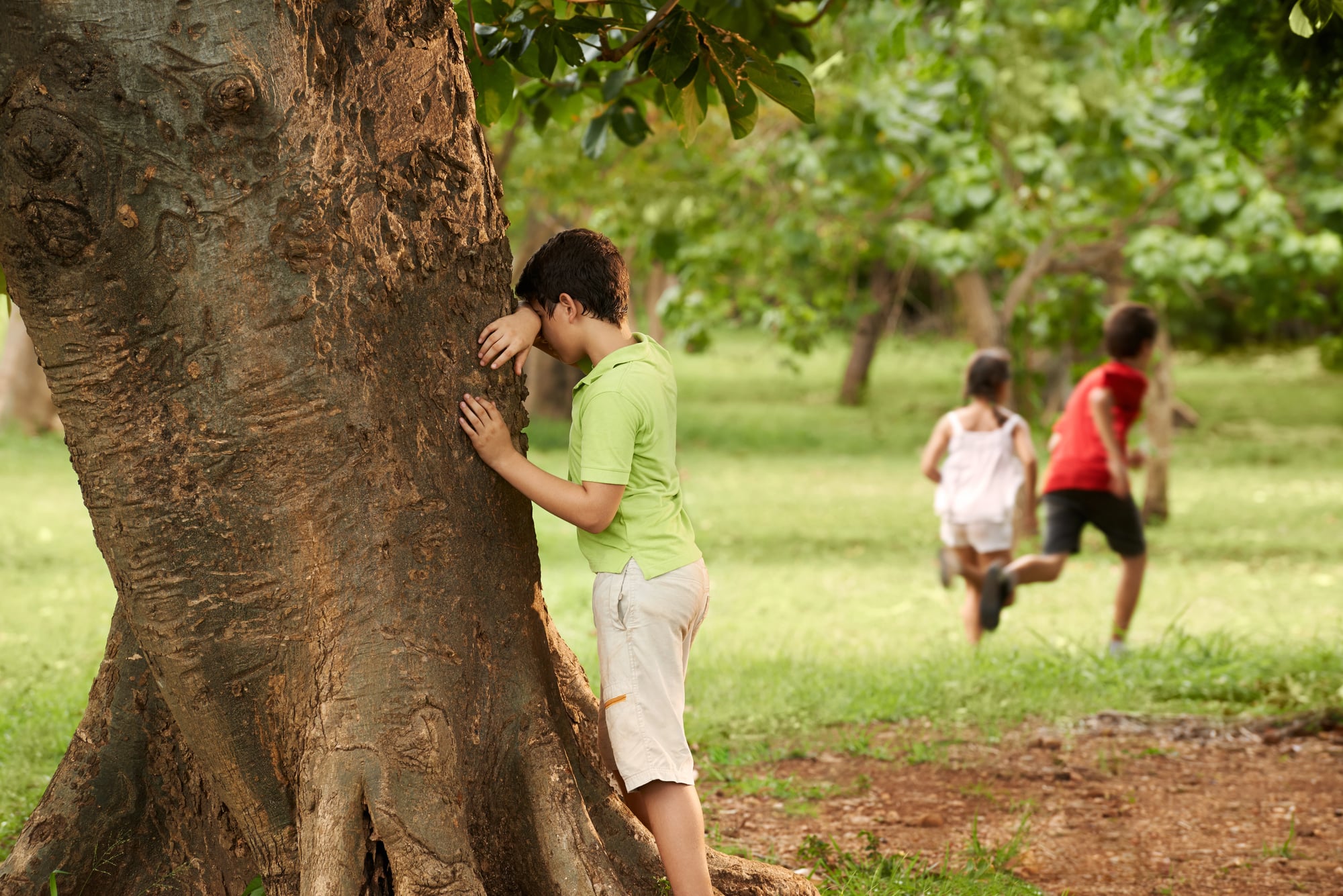
This game exists in practically every corner of the world, though the name changes depending on where you are. One person closes their eyes and counts while everyone else scrambles to find a hiding spot.
The thrill comes from staying silent and still while the seeker walks right past your hiding place. In some places, kids yell ‘ready or not, here I come’ before the hunt begins.
It’s simple, it works anywhere, and it never gets old.
Tag

Few games are as straightforward as tag. One person is ‘it’ and has to chase everyone else until they touch someone, passing along the role.
There are countless versions, from freeze tag to flashlight tag, but the basic idea stays the same. It’s pure adrenaline for kids who love to run.
No equipment needed, just space and energy.
Hopscotch
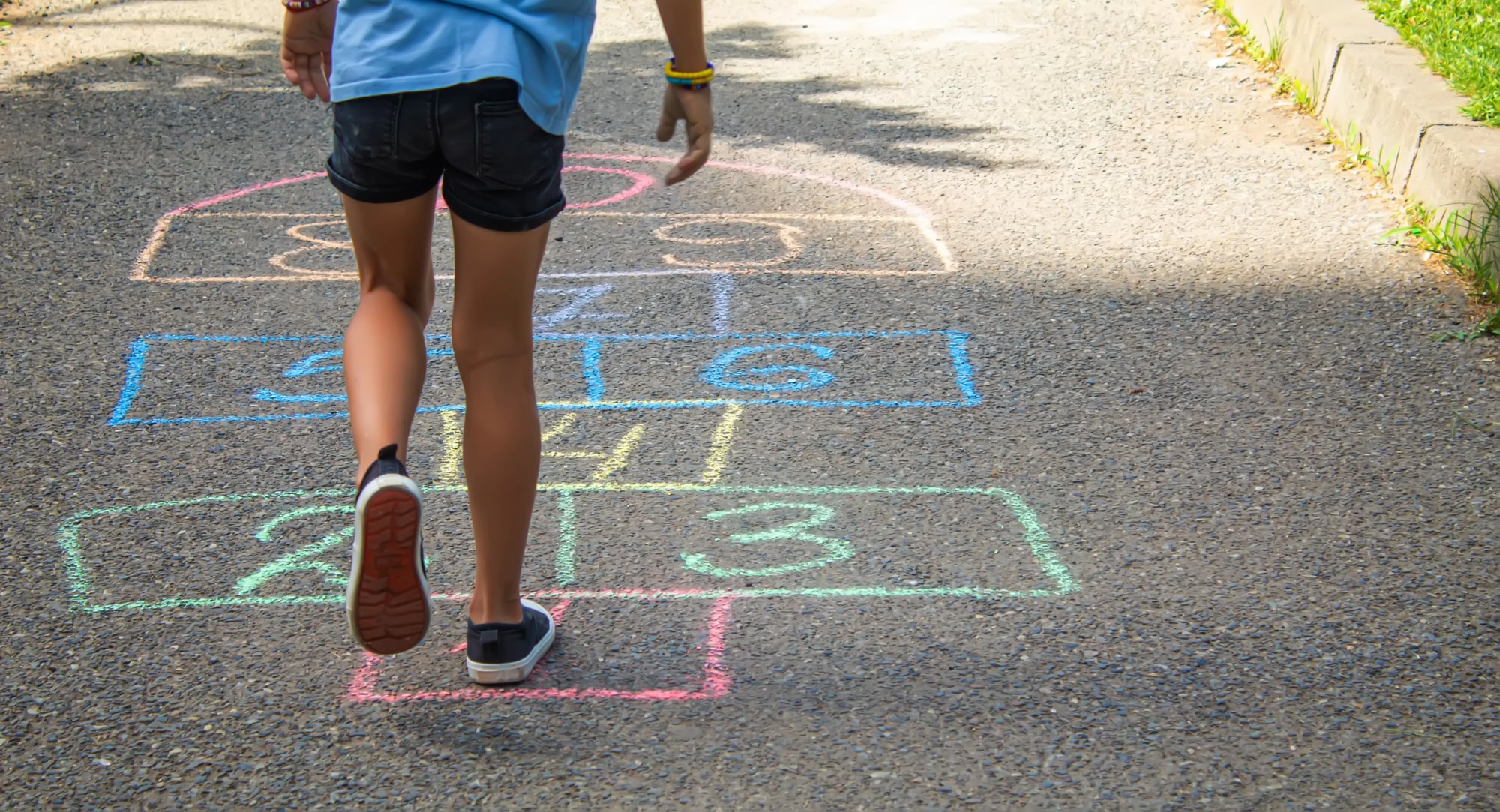
Draw a grid on the ground with chalk or a stick, toss a stone, and hop your way through the numbered squares. The challenge is keeping your balance on one foot while skipping over the square where your stone landed.
Different countries have their own variations, but the setup is almost always the same. Girls and boys have been playing this for centuries, and all it takes is a flat surface.
It’s a test of coordination that looks easier than it actually is.
Marbles
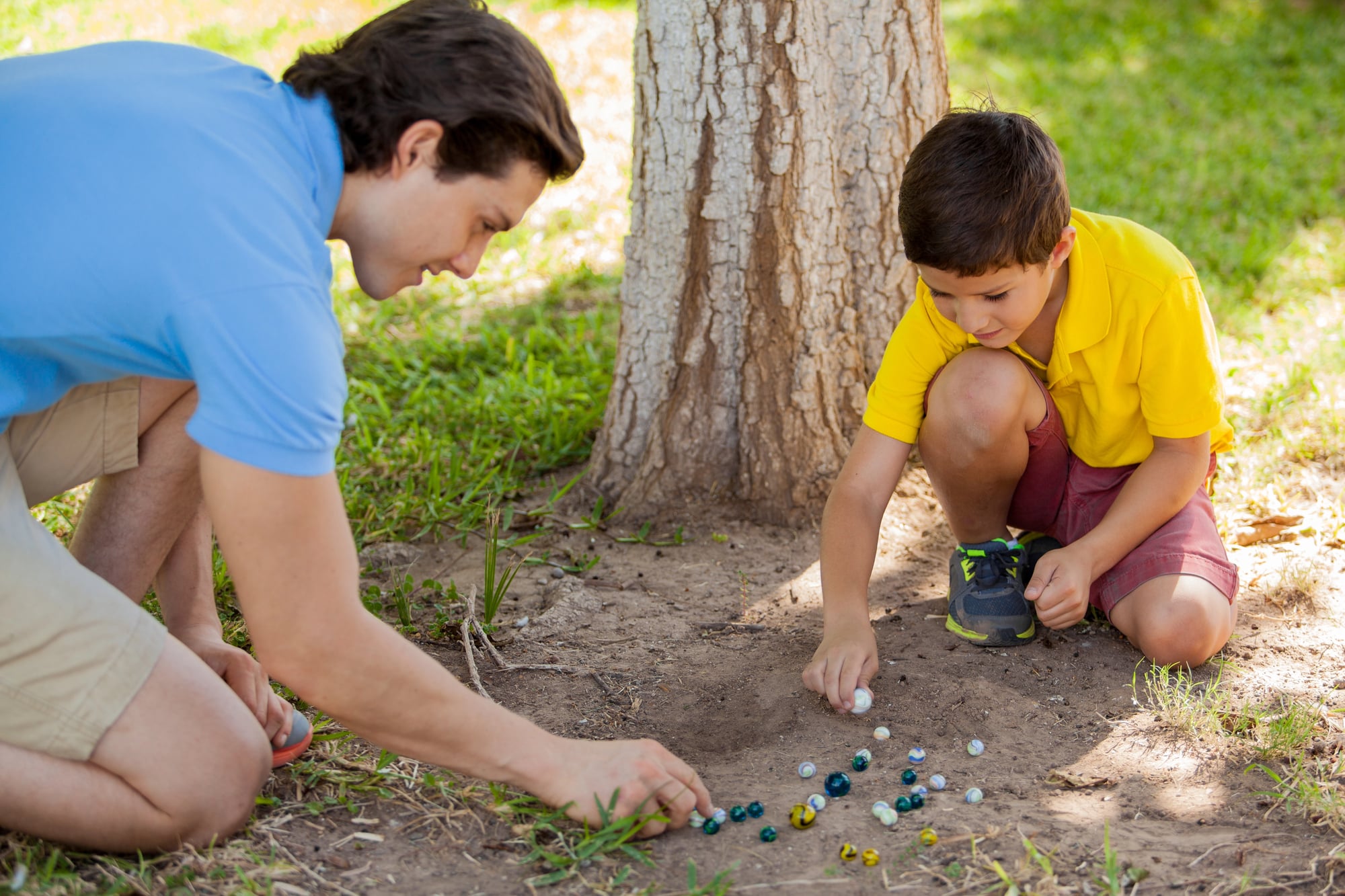
Small glass or clay orbs have entertained kids for longer than most people realize. Players take turns trying to knock their opponent’s marbles out of a circle drawn in the dirt.
The rules shift depending on the region, but the goal is usually to win as many marbles as possible. Some kids collected them like treasures, keeping their favorites in a pouch.
It’s a game of aim, strategy, and a little bit of luck.
Red Rover
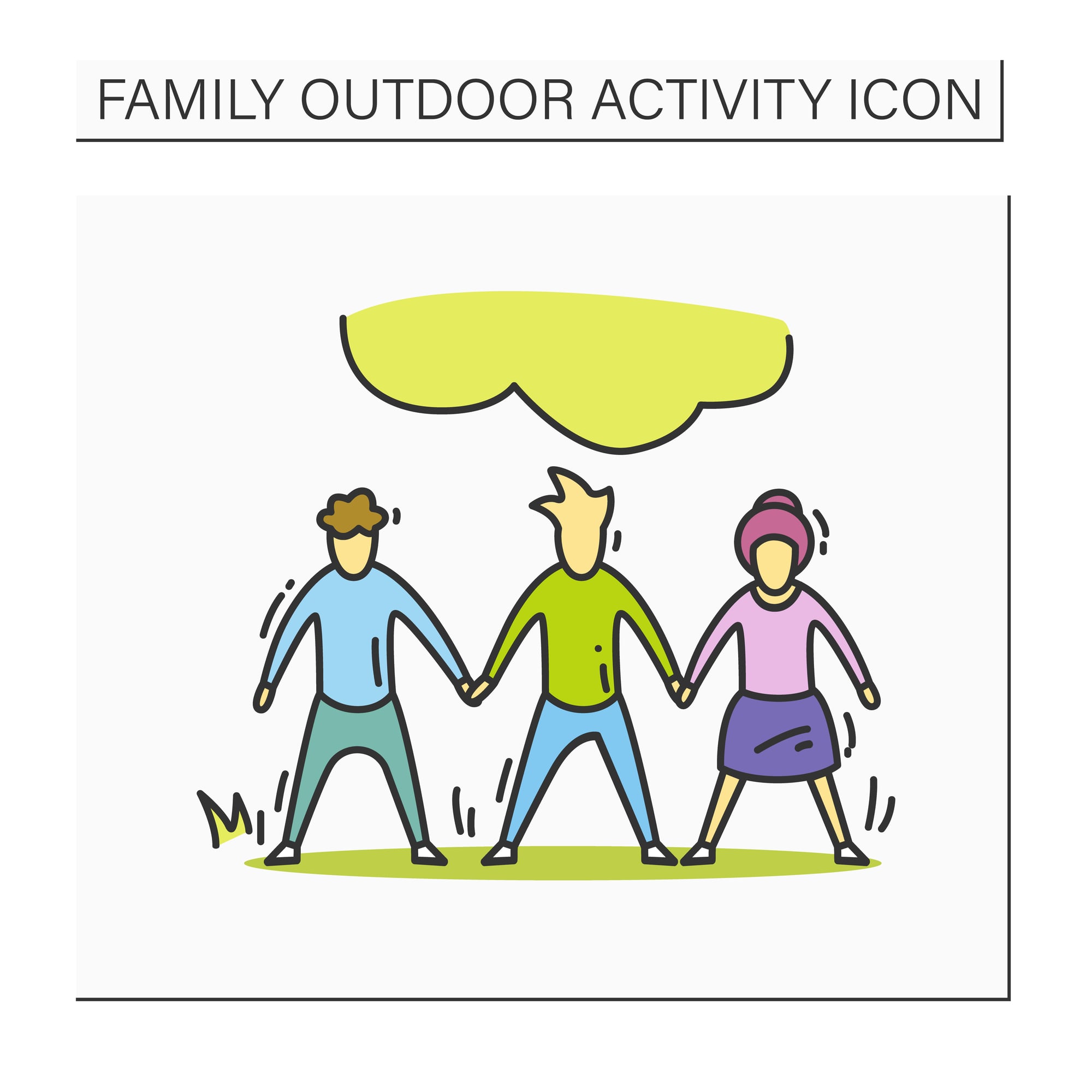
Two teams form lines by holding hands tightly, then one side calls a player from the other team to run and try to break through. If the runner breaks the chain, they get to take someone back to their side.
If not, they join the team that stopped them. It’s loud, competitive, and sometimes results in sore arms.
Schools in some places banned it for being too rough, but kids loved the challenge anyway.
Jump Rope
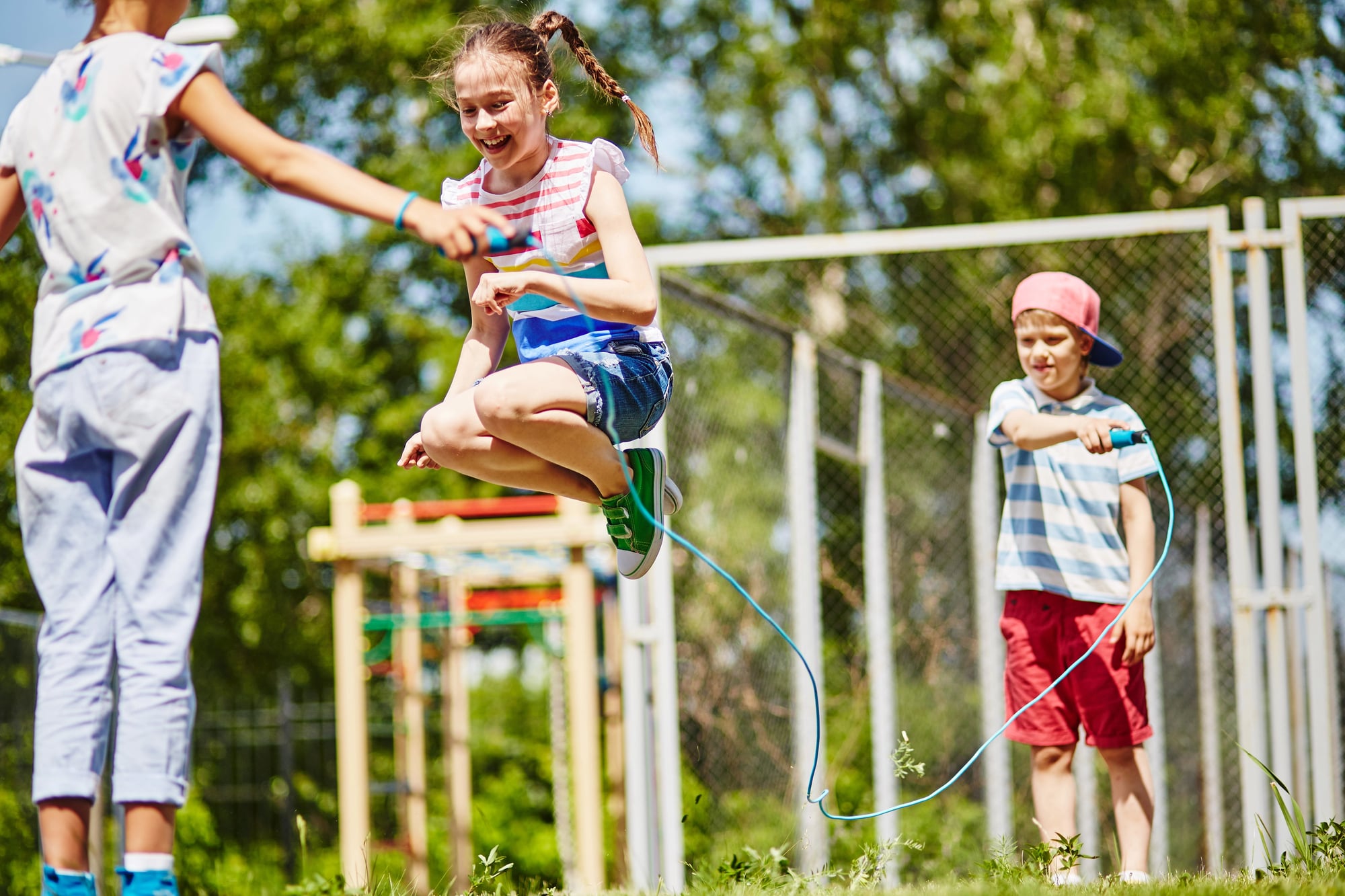
A simple rope becomes the center of attention when two people swing it while others jump in rhythm. Double dutch takes it up a notch with two ropes turning in opposite directions.
Kids chant rhymes while they jump, and the goal is to last as long as possible without tripping. It’s been a staple on playgrounds for generations.
The rope might be basic, but the footwork gets complicated fast.
Duck Duck Goose
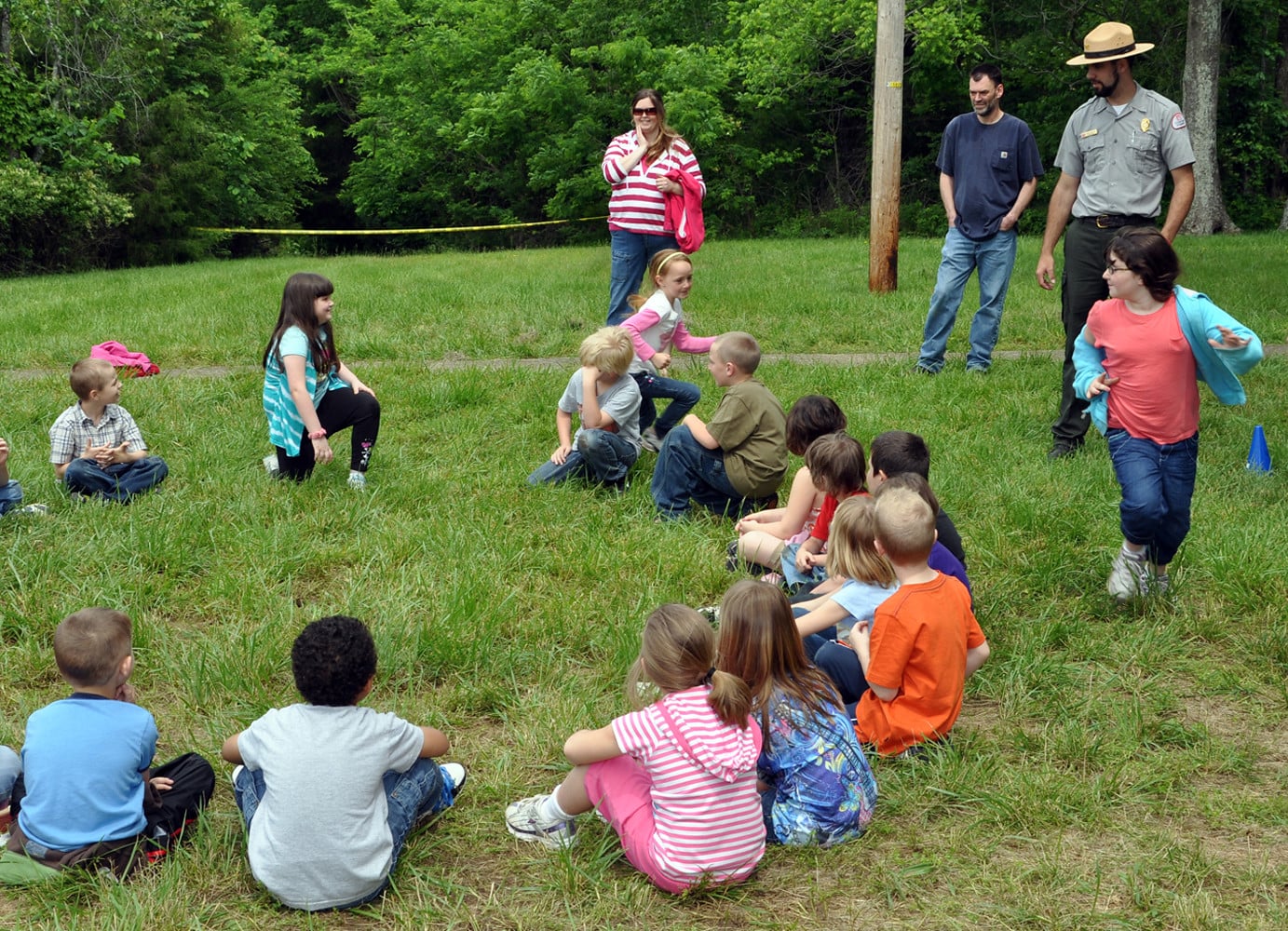
Kids sit in a circle while one person walks around tapping heads and saying ‘duck’ until they choose someone as the ‘goose’. The goose jumps up and chases the tapper around the circle, trying to tag them before they sit down in the empty spot.
It’s mostly popular in North America, but similar games exist elsewhere with different names. The suspense builds with every tap, and everyone wants to be picked.
It’s lighthearted and works well with younger children.
Kick the Can
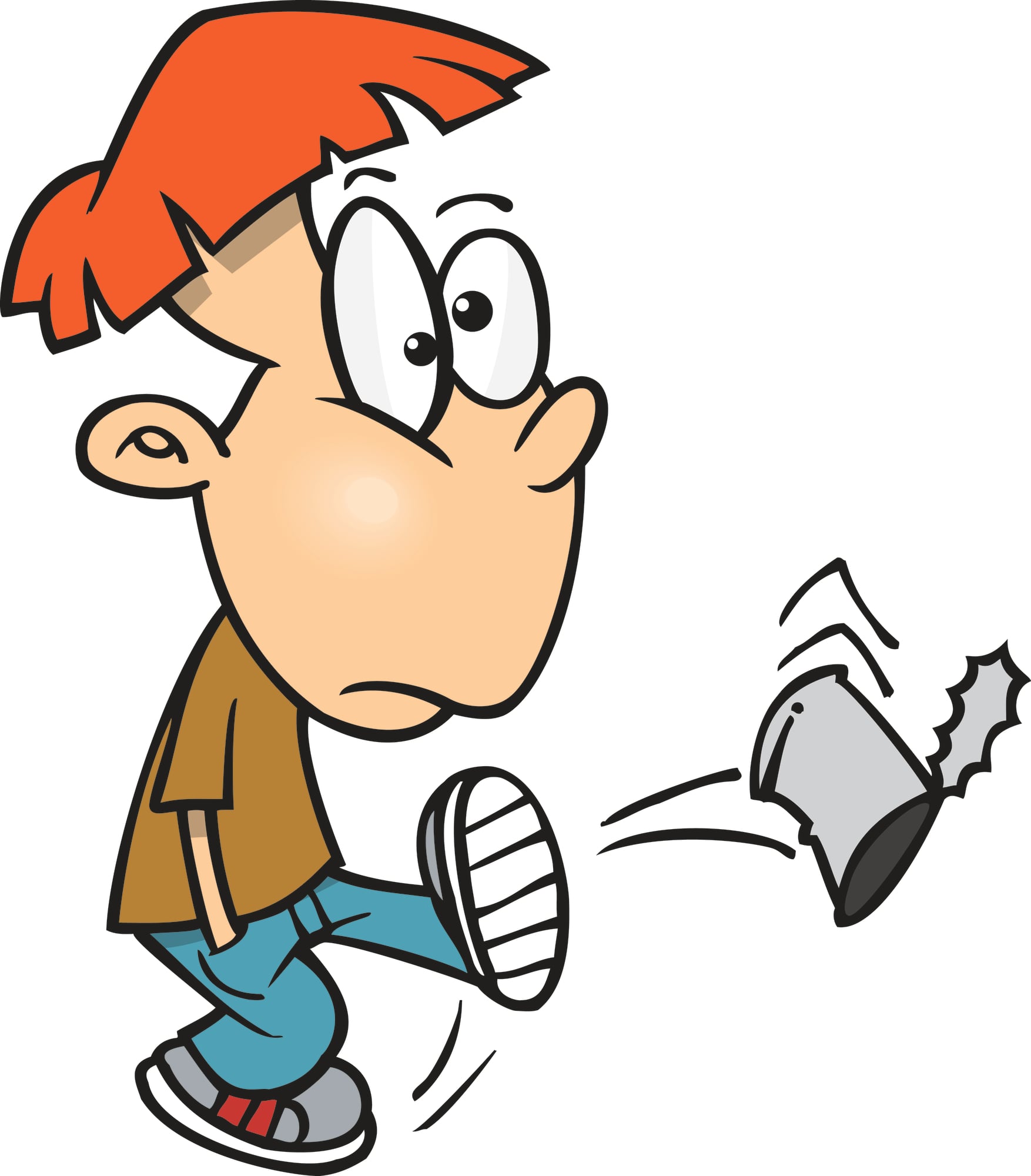
This game combines elements of hide and seek with a bit of strategy. A can sits in the middle of the playing area, and one person guards it while everyone else hides.
Hidden players try to sneak back and kick the can without getting tagged. If they succeed, everyone who was caught goes free.
It was especially popular during the mid-20th century in the United States. The can makes a loud clang that signals victory, and that sound still brings back memories for many adults.
Red Light Green Light
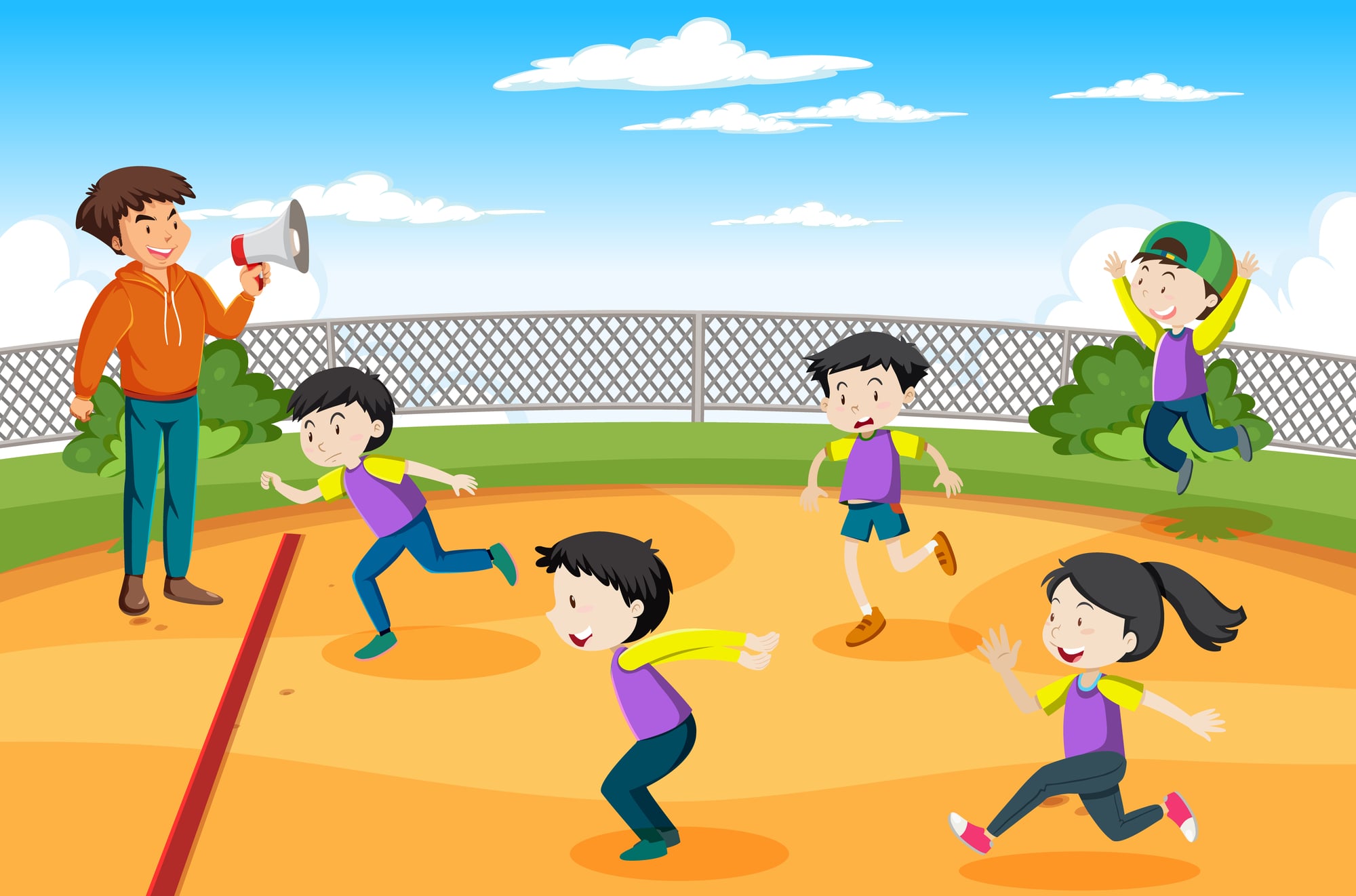
One person stands at the finish line and acts as the traffic light, calling out commands. When they say ‘green light’, everyone rushes forward, but when ‘red light’ is called, everyone must freeze.
Anyone caught moving goes back to the start. It teaches patience and control, even when the excitement makes you want to keep running.
The tension rises as players inch closer to the finish line, trying not to flinch.
Simon Says
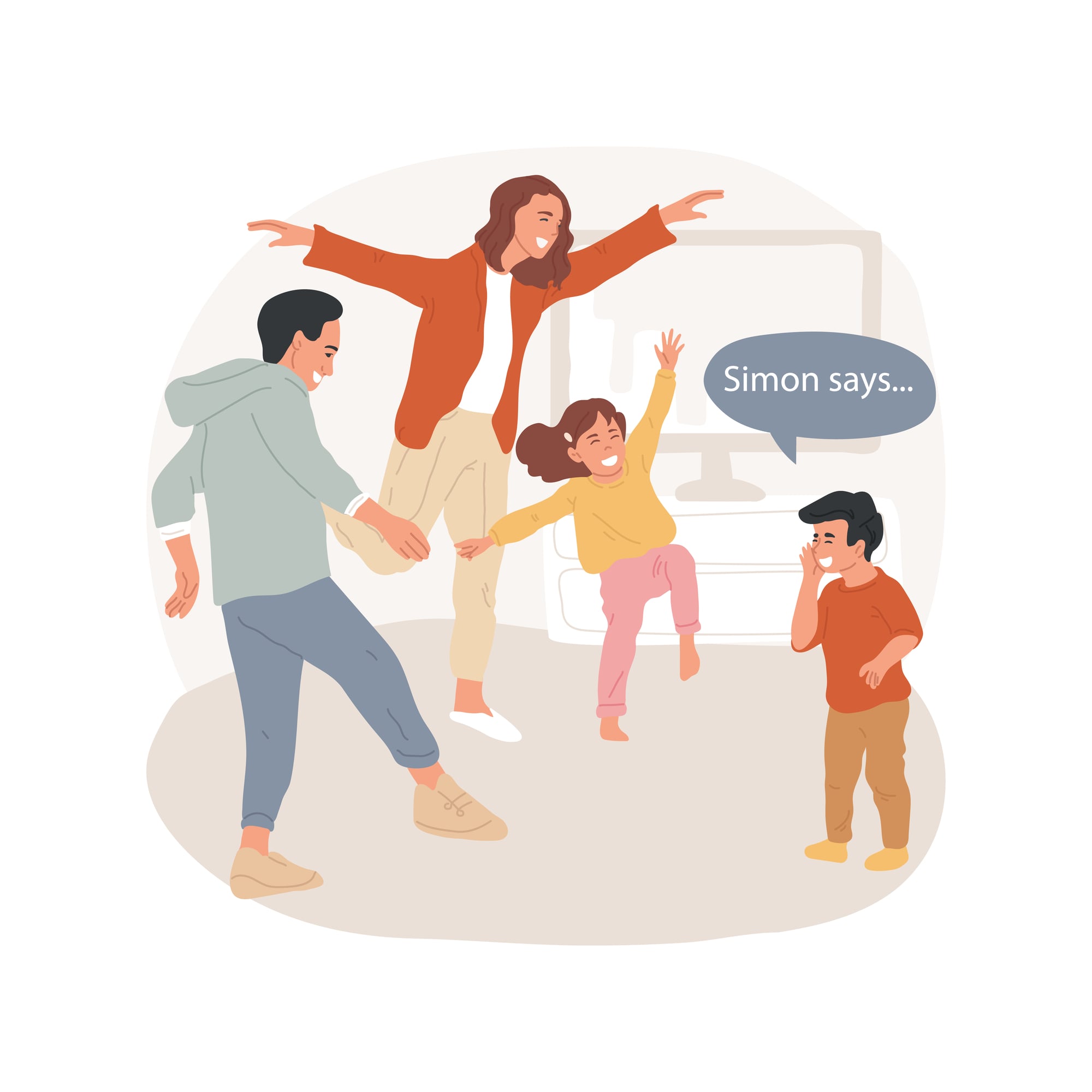
The leader gives commands, but players should only follow them if the phrase starts with ‘Simon says’. If someone follows a command without that phrase, they’re out.
It’s a game that rewards listening carefully and staying focused. Kids learn quickly that acting too fast can cost them.
The last person standing wins, and the commands can get silly or tricky depending on who’s in charge.
Tug of War
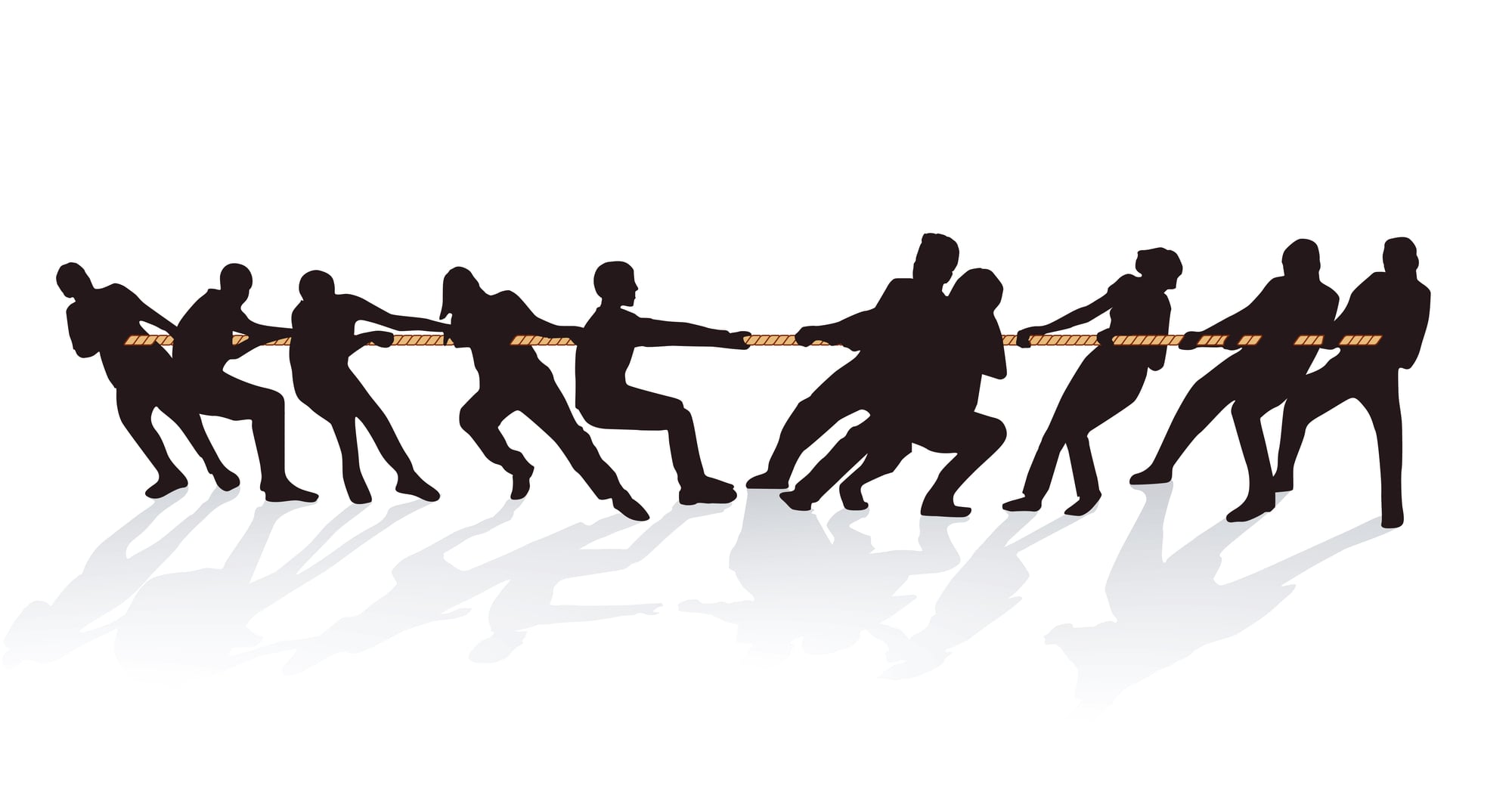
Two teams grab opposite ends of a rope and pull with all their strength until one side drags the other across a center line. It’s a test of teamwork and raw power, often played at school events or community gatherings.
The rope burns hands, feet dig into the ground, and everyone yells encouragement. Sometimes mud or water is added in the middle to make things messier and more fun.
It’s one of the oldest competitive games still played today.
Jacks

This game involves small metal or plastic pieces shaped like stars and a bouncy orb. Players toss the orb in the air and try to grab a certain number of jacks before catching it again.
The number increases with each round, making it progressively harder. It’s portable, quiet, and perfect for playing indoors or on a stoop.
Hand-eye coordination is everything here, and the game can go on for a long time between skilled players.
Leapfrog
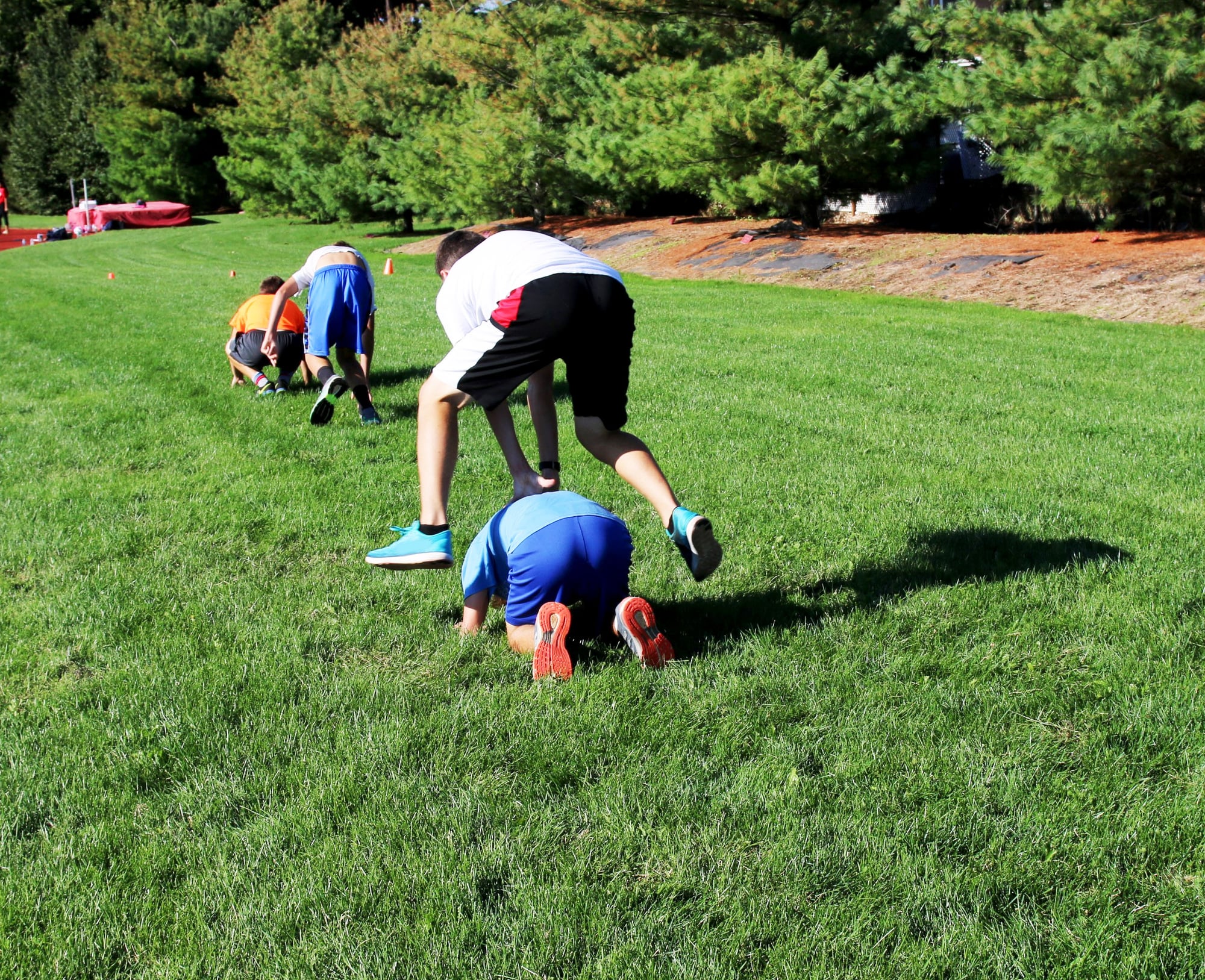
One person crouches down while another runs up and vaults over their back using their hands for support. Then the jumper crouches and the next person leaps over them, creating a chain.
It’s active, silly, and requires a bit of trust between players. The game works best in grassy areas where landing is softer.
It’s been around for centuries and still pops up in gym classes and playgrounds.
Capture the Flag
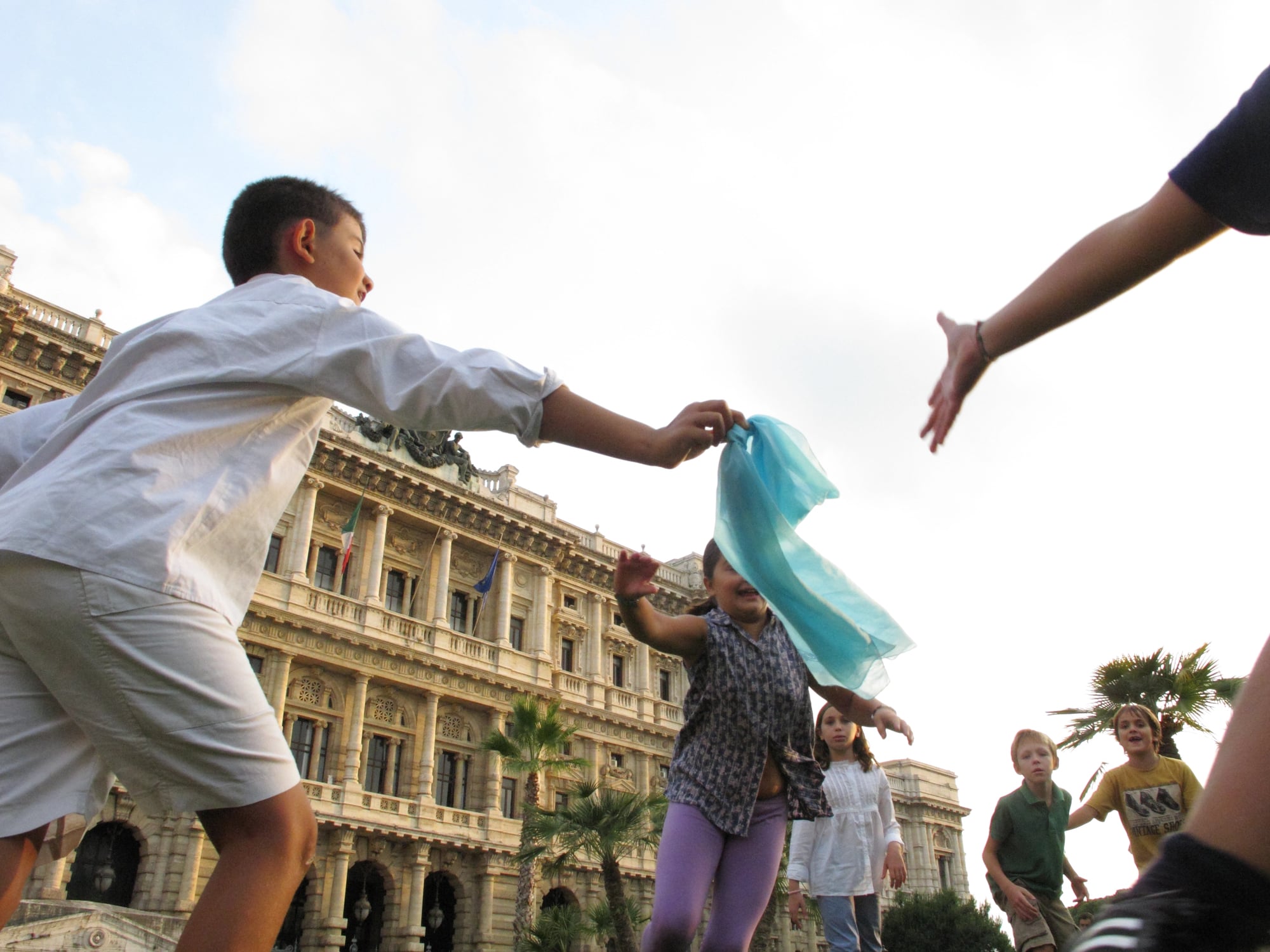
Two teams each guard a flag in their territory while trying to steal the opponent’s flag and bring it back safely. If someone gets tagged in enemy territory, they go to ‘jail’ until a teammate frees them.
The game requires strategy, speed, and teamwork. It’s especially fun in large outdoor spaces like parks or summer camps.
Nighttime versions with flashlights add an extra layer of excitement.
Mother May I

One player is the ‘mother’ and stands far away while the others line up. The mother gives movement commands like ‘take three giant steps’, but players must ask ‘mother may I’ before moving.
If they forget, they go back to the start. It’s a game that mixes memory with manners and keeps everyone on their toes.
The first to reach the mother wins and takes over the role.
Blind Man’s Bluff
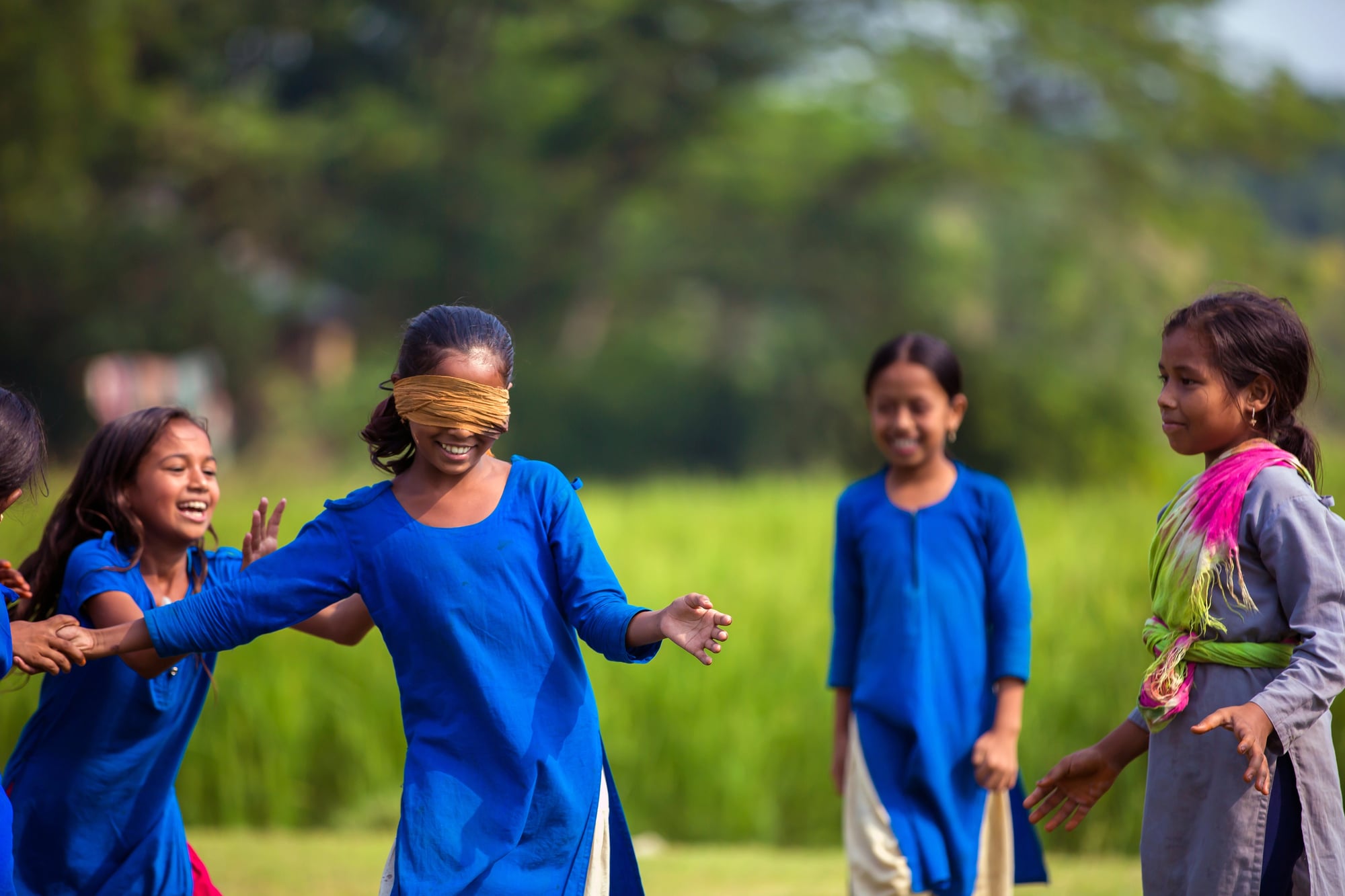
One person wears a blindfold and tries to catch the other players by listening and reaching out. Once someone is caught, the blindfolded player has to guess who it is by touch.
It’s disorienting and hilarious, especially when players start moving furniture or making noises to confuse the seeker. The game has been played for hundreds of years in various forms across Europe and beyond.
It’s a reminder that you don’t need sight to have a good time.
Sardines

This time it’s different – someone stays hidden, others go out to look. As soon as someone spots the hider, instead of calling it out, they quietly slip into the same space.
Slowly, more keep piling in, squishing together without much room left. Meanwhile, one player still walks around clueless, checking empty corners.
Only once that last person stumbles upon the bunch does everything finally stop. Parked inside or where shadows stack deep, this game finds its rhythm.
Laughter leaks out between held breaths, stitching moments no one forgets.
Rock Paper Scissors

One player meets another, hands forming symbols – rock, paper, or scissors. When rock strikes scissor blades, one wins; yet paper wraps that same rock tight.
Used when choices stall, turns need picking, moments drag. Across regions, extra moves appear – flames rise, wells open.
Simple? Yes – but competition grows where you least expect it.
The Thread That Connects Generations

Outdoors hold space for some things that never really fade. Easy rules meant anyone could jump in straight away back then.
Fun kept folks coming back, not promises or gadgets. Together moments grew without needing screens or power sources.
Modern days see less daylight playtime, sure enough. Yet once feet hit pavement, familiar shapes reappear fast – same shouts, same dashes.
What sticks around isn’t fancy – it’s breathless giggles after a close call. Rivalry sparks just like before, maybe sharper now.
Memory-making runs deep even if routines shift.
More from Go2Tutors!

- The Romanov Crown Jewels and Their Tragic Fate
- 13 Historical Mysteries That Science Still Can’t Solve
- Famous Hoaxes That Fooled the World for Years
- 15 Child Stars with Tragic Adult Lives
- 16 Famous Jewelry Pieces in History
Like Go2Tutors’s content? Follow us on MSN.