Transport Innovations Reshaping Urban Living
Cities have always been about movement. People need to get to work, visit friends, buy groceries, and explore their neighborhoods.
For decades, that meant cars, buses, and trains operating pretty much the same way they always had. But something big is happening right now.
New technology and fresh thinking are changing how people move around cities, and these changes are doing more than just making commutes faster—they’re actually changing how cities look, feel, and function. Let’s look at how these new ways of getting around are transforming the places where most of us live.
Electric scooters have taken over sidewalks

Those colorful scooters sitting on street corners weren’t there five years ago. Now they’re everywhere.
Cities from Los Angeles to Miami have thousands of them, and people use their phones to unlock one, zip a few blocks, and leave it for the next rider. The scooters cost less than a taxi and take up way less space than a car.
They’ve created a whole new option for short trips that used to mean walking or driving. Some people love them, some people hate them, but they’ve definitely changed the urban landscape.
Bus lanes are getting serious upgrades

Cities are finally giving buses the respect they deserve. Dedicated bus lanes with physical barriers keep cars out, so buses can actually move at a decent speed.
Traffic signal priority lets buses sail through intersections while other vehicles wait. Real-time tracking apps tell riders exactly when their bus will arrive.
These improvements make buses faster and more reliable, which means more people actually want to ride them. When buses work well, fewer people drive, and traffic gets better for everyone.
Bike lanes are becoming actual networks

A bike lane here and there doesn’t help much if it just dumps cyclists into traffic at the next block. Cities are building connected networks of protected bike lanes that let people ride safely across entire neighborhoods.
Copenhagen and Amsterdam showed the world how this works, and now places like New York and Chicago are catching up. When people can bike safely to work, school, or the store, many of them will.
That means healthier residents, cleaner air, and quieter streets.
Ride-sharing changed how people think about car ownership

Uber and Lyft did something interesting. They made it easy to get a ride without owning a car.
Young people in cities started doing the math and realized that paying for rides when needed cost less than car payments, insurance, parking, and maintenance. This shift hit the auto industry hard but gave cities a new possibility: fewer parked cars taking up space.
Those parking spots can become outdoor dining areas, small parks, or bike lanes instead.
Electric cars are getting quieter and cleaner

Gas-powered cars fill cities with noise and exhaust fumes. Electric vehicles run silent and produce zero emissions at the point of use.
As charging stations pop up around cities and electric cars get more affordable, more people are making the switch. The air in cities with lots of electric vehicles is noticeably cleaner.
The quiet streets feel calmer. This isn’t some distant future scenario anymore—it’s happening right now in places like Oslo, where over half of new car sales are electric.
Subway systems are getting modernized

Old subway systems in cities like New York, London, and Boston are getting serious updates. New trains arrive more frequently and break down less often.
Digital displays actually work and tell riders useful information. Platform barriers keep people from falling onto the tracks.
Better ventilation makes stations less miserable in summer. These improvements might not sound exciting, but they make millions of daily commutes more bearable and more reliable.
Cargo bikes are replacing delivery vans

Those big brown delivery trucks clogging up streets and double-parking everywhere have competition. Cargo bikes and electric cargo trikes can carry surprising amounts of packages, and they fit in bike lanes.
Companies in Europe started using them years ago, and American cities are finally catching on. A cargo bike can make more stops per hour in dense neighborhoods than a truck stuck in traffic.
Plus, they don’t pollute and they don’t take up loading zones that other vehicles need.
Autonomous vehicles are being tested carefully

Self-driving cars were supposed to be everywhere by now, but the technology turned out to be harder than expected. Still, pilot programs in Phoenix, San Francisco, and other cities are testing autonomous taxis and shuttles on real streets.
The vehicles are cautious, sometimes annoyingly so, but they’re learning. If the technology eventually works at scale, it could change everything about urban transport—though plenty of people have doubts about whether that’s a good thing.
Pedestrian zones are expanding

Cities are blocking off streets to cars and turning them into places where people can walk freely. These pedestrian zones started in Europe but are spreading to American cities too.
Times Square in New York used to be a chaotic mess of traffic—now it’s a plaza with chairs and tables. When cars can’t dominate a space, businesses often do better because people actually want to spend time there.
Walking becomes pleasant instead of something to rush through.
Microtransit is filling the gaps
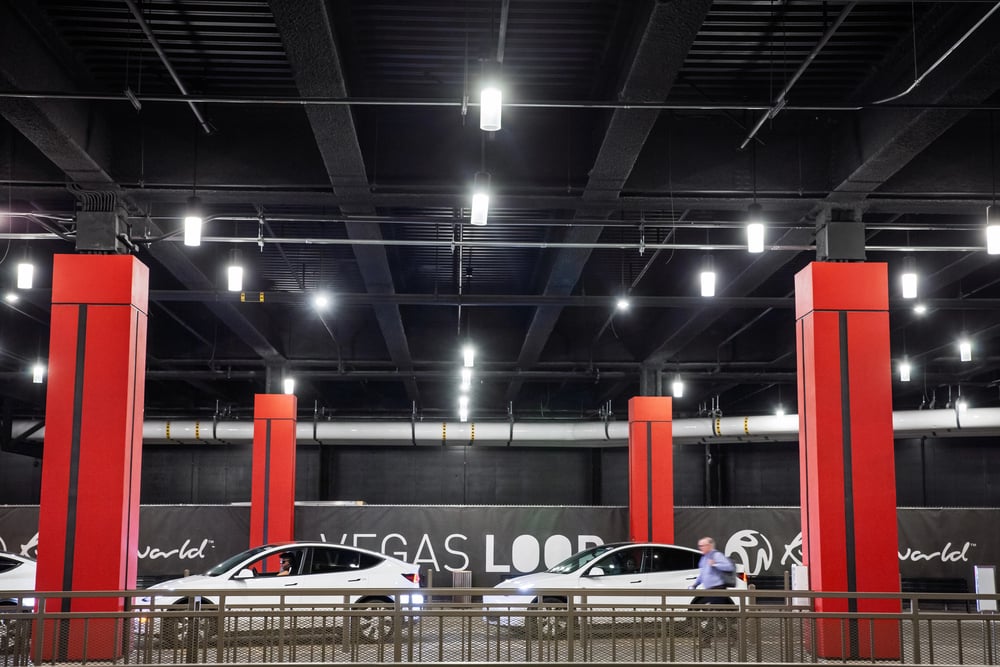
Regular bus routes can’t serve every neighborhood efficiently, especially in sprawling suburbs. Microtransit services use small vans or buses that people request through an app, kind of like shared Uber rides but operated by transit agencies.
The vehicles pick up multiple passengers heading in the same direction and adjust their routes based on demand. This approach costs less than running empty buses on fixed routes and gives people in underserved areas a real transportation option.
High-speed rail is connecting nearby cities

California is building one. Texas is planning one.
The Northeast already has one, though it could be much faster. High-speed rail turns separate cities into one big connected region where people can live in one place and work in another without driving or flying.
When a train can get you from Los Angeles to San Francisco in three hours, that changes where people choose to live and work. It spreads out economic opportunities and housing options across a wider area.
Parking is getting smarter

Finding parking in a city can waste twenty minutes and a gallon of gas. Smart parking systems use sensors to detect empty spots and guide drivers straight to them through an app.
Some cities are also raising parking prices in busy areas while lowering them in quieter spots, which spreads demand around more evenly. Making parking easier sounds boring, but it reduces traffic congestion, saves fuel, and makes city driving less infuriating.
Transit apps have unified different systems

Taking a bus, then a train, then a bike-share used to mean juggling multiple apps and payment methods. Now apps like Transit and Citymapper show all available options in one place and let riders pay for everything through one account.
This might seem like a small thing, but it removes friction that used to stop people from using public transportation. When it’s easy to combine different types of transport, people are more likely to skip the car.
Electric buses are replacing diesel fleets

Cities pour big budgets into bus systems – older models once belched diesel fumes nonstop. Though pricier at first, electric versions cut costs later by slashing fuel needs and repair work.
These newer rides run way quieter, a real perk near homes and streets where people live. Big urban areas now plan to shift entirely to electric buses within two decades.
Making that change can seriously boost air health, particularly in poorer districts packed with busy transit lines.
Congestion pricing charges people who drive

London started it, after that came Singapore – then Stockholm joined in. Right now, New York’s giving it a shot.
Here’s how it goes: make drivers pay when they go into packed zones at peak times. Less cars clog streets, buses move faster, plus funds come in for better public transport.
Most drivers grumble early on, yet proof says it actually helps. Traffic fades, air feels cleaner – public transit starts working smoother.
Across the U.S., towns keep an eye on whether NYC really makes it happen.
Infrastructure for charging is spreading

Electric cars gotta have spots to plug in, so towns are putting chargers in parking lots, along sidewalks, or near stores. New constructions sometimes must add these outlets by law.
It’s a loop – if charging’s hard, folks won’t go electric; but without drivers, firms don’t bother setting up stations. Places building this stuff early help locals leave gasoline rides behind.
New housing is being built near transit

Builders are putting up apartments close to subway hubs or bus lines. It’s no accident – towns are tweaking zoning laws so more homes fit near solid transport links.
If folks can stroll to a stop, they won’t need a car as much. That eases congestion while reshaping how areas feel.
Neighborhoods near train stations are getting noisier, denser, and tougher on budgets. These shifts bring chances for growth – yet squeeze out folks who’ve lived there forever once rent climbs too high.
What happens after this in urban areas

These shifts in transit mean more than just fresh options for commuting. Cities care less about vehicles, more about folks these days.
Roads once flooded with cars now feel like spots people actually enjoy hanging out in. The air’s getting cleaner step by step.
Things are quieter now, too. Getting around offers plenty of paths – many cost less, do better for your health compared to sitting behind a wheel.
The change hasn’t ended – far from it – yet progress shows up in cities everywhere. The way folks travel affects their daily routines; at this moment, city living is shifting in ways nobody thought doable ten years back.
More from Go2Tutors!

- The Romanov Crown Jewels and Their Tragic Fate
- 13 Historical Mysteries That Science Still Can’t Solve
- Famous Hoaxes That Fooled the World for Years
- 15 Child Stars with Tragic Adult Lives
- 16 Famous Jewelry Pieces in History
Like Go2Tutors’s content? Follow us on MSN.