14 Buildings Designed Out of Spite (And Still Standing)
Architecture generally aims to solve problems, create beautiful spaces, or celebrate human achievement. But sometimes, buildings arise from much less noble intentions: pure, unbridled spite.
When property disputes, personal vendettas, or battles with city officials get heated, some determined individuals respond by erecting permanent monuments to their anger. Here is a list of 14 spite buildings that continue to stand today as testaments to human stubbornness and the fascinating stories behind them.
The Skinny House (Boston)
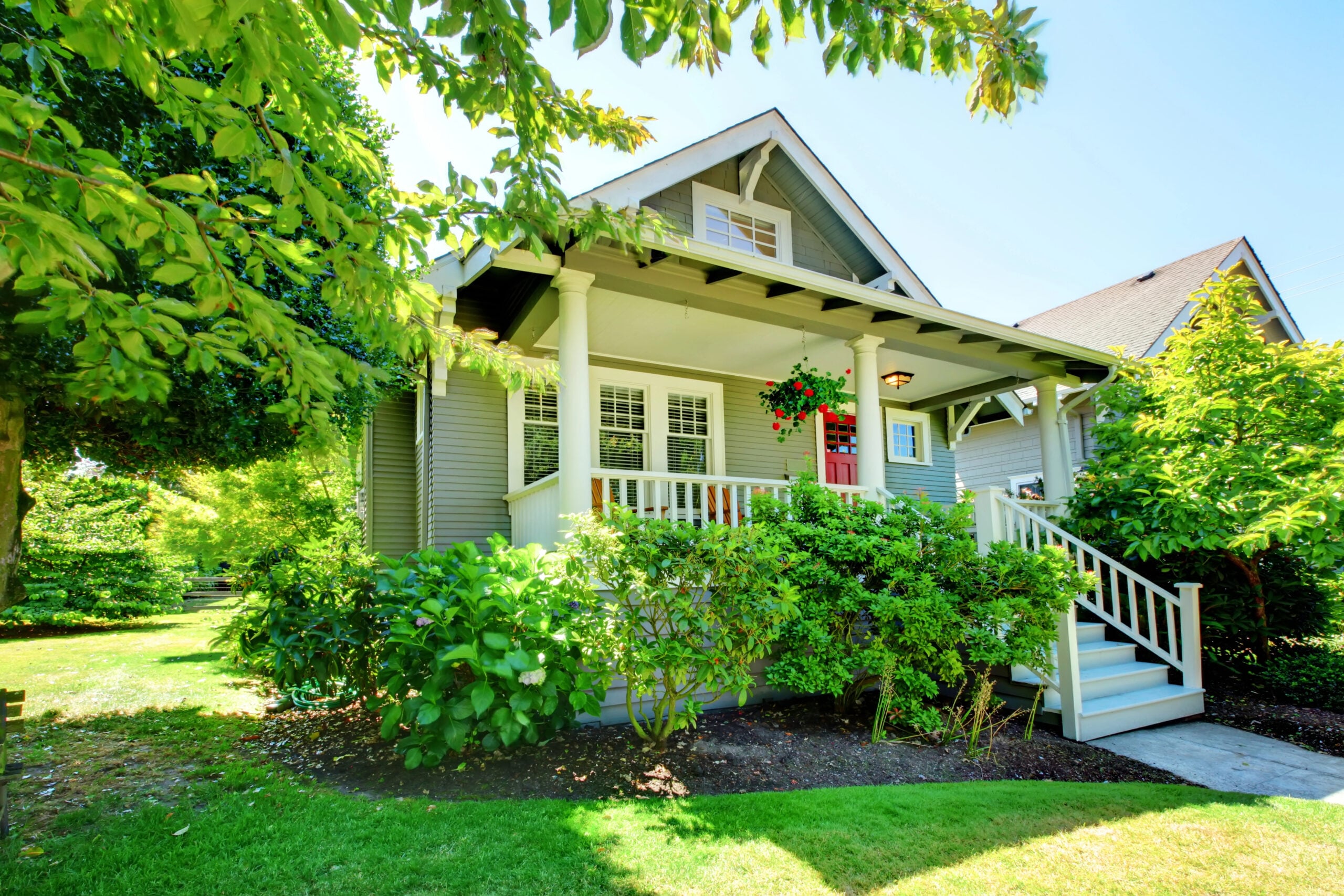
At just 10.4 feet at its widest point and a mere 6.2 feet at its narrowest, Boston’s Skinny House was built by a Civil War veteran who returned home to find his brother had claimed most of their inherited land. In revenge, he constructed this slender home specifically to block his brother’s views and sunlight.
The four-story structure continues to function as a residence today, selling for $1.25 million in 2021 despite having stairs so narrow that occupants must ascend them sideways.
Spite Tower (Adamsville, Rhode Island)
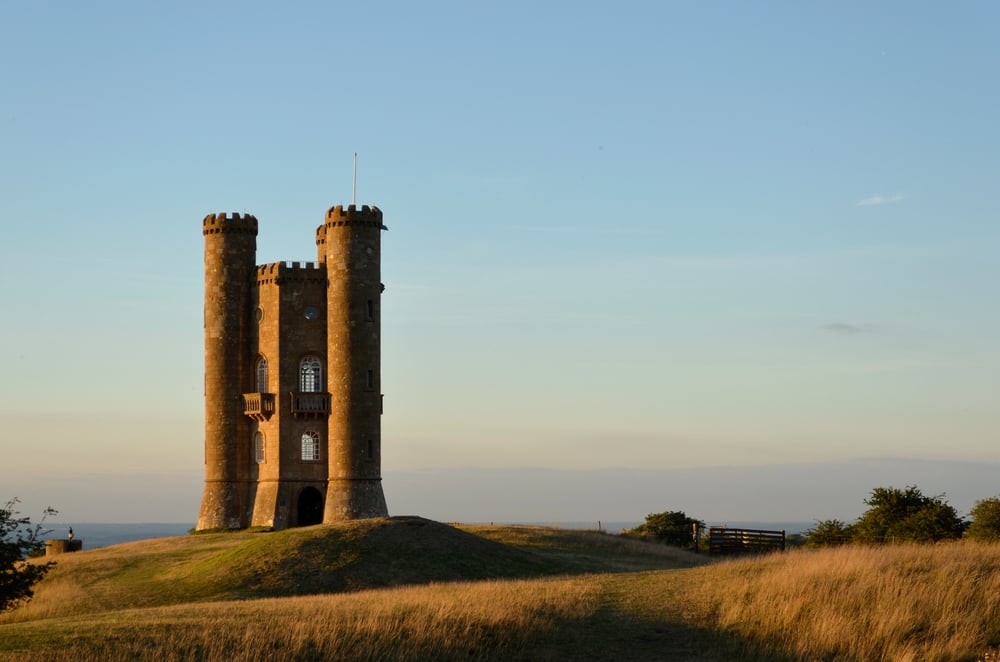
When businessman Thomas Curry’s neighbor blocked his water view, Curry responded by building a 15-foot tower on his property in 1905. The sole purpose of this oddly-shaped structure was to obstruct his neighbor’s view of the ocean.
The tower remains standing today and has become something of a local landmark, visible from a nearby highway and serving as a testament to neighborly feuds taken to architectural extremes.
Like Go2Tutors’s content? Follow us on MSN.
The Tyler Spite House (Frederick, Maryland)
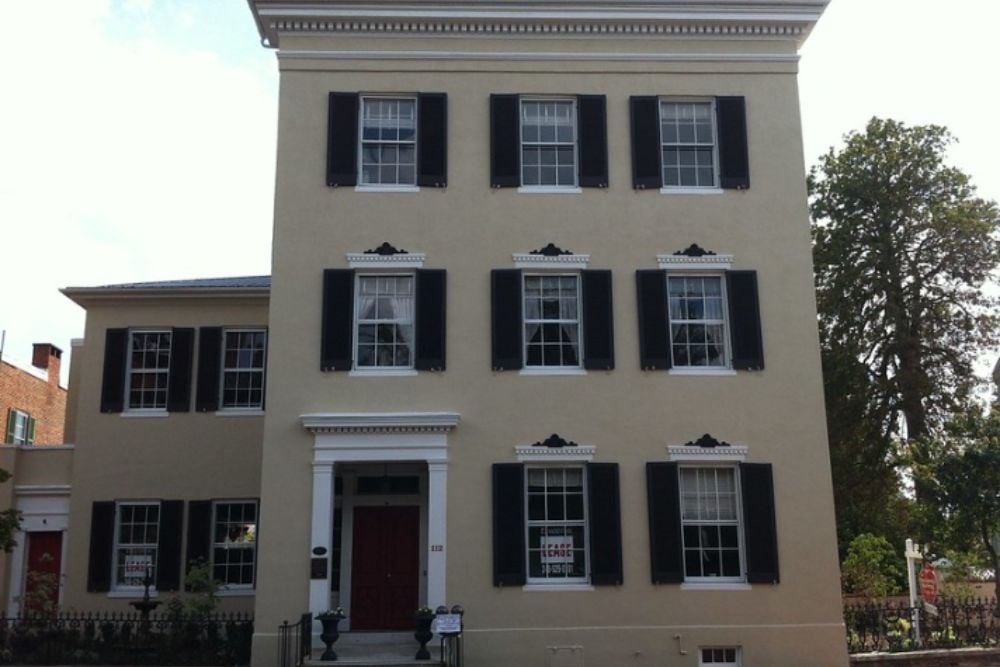
In the 1800s, Dr. John Tyler discovered that the city planned to build a road through his property without his permission. To prevent this, he quickly secured a permit and constructed a building on the exact spot where the road was planned.
The 7-foot-wide, 25-foot-long brick structure successfully blocked the road project. Today, the building serves as a private residence and stands as one of America’s most famous spite houses.
Montlake Spite House (Seattle)
This wedge-shaped home reportedly resulted from a neighbor’s incredibly low offer for a small triangular piece of land. The outraged seller built the 860-square-foot home in 1925 specifically to annoy the lowballing neighbor.
The narrowest point of this pie-shaped building measures just 15 feet wide, while the widest end spans 55 feet. Despite its unusual dimensions, the house remains a functional residence today with two bedrooms and two bathrooms.
Hollensbury Spite House (Alexandria, Virginia)
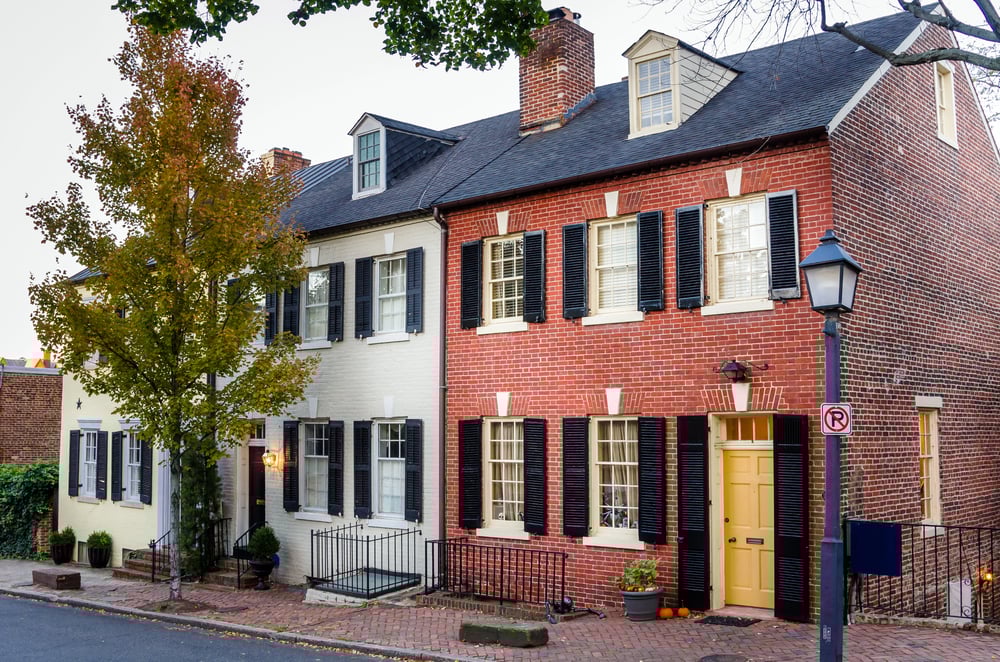
Built in 1830 by John Hollensbury, this home was constructed specifically to prevent horse-drawn wagons and loiterers from using the alley next to his home. The 7-foot-wide, 25-foot-deep structure was created by simply adding exterior walls to close off the alley.
The interior walls still show scuff marks from wagon wheels that once traveled through the space. Today, it functions as a private residence despite its extremely narrow dimensions.
Like Go2Tutors’s content? Follow us on MSN.
Fenelon Place Elevator (Dubuque, Iowa)
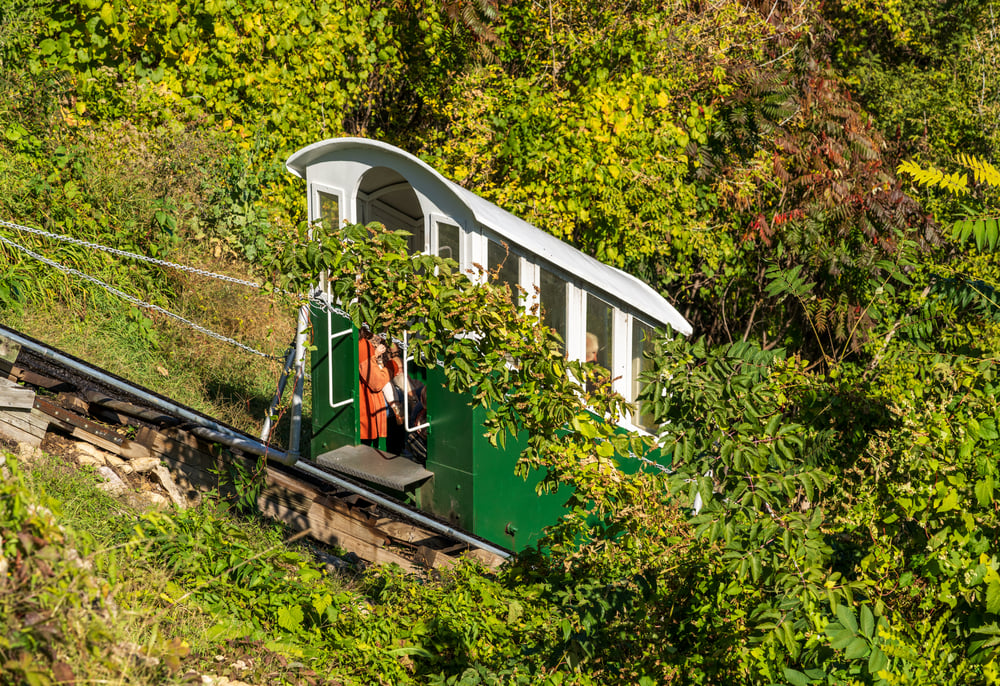
When wealthy banker J.K. Graves grew tired of the 30-minute carriage ride between his home and workplace, he asked the city for permission to build a private railway up the bluff. After the city refused, he constructed it anyway in 1882.
Though fire destroyed the original structure, Graves rebuilt it and eventually opened it to the public for a fee. Today, the 296-foot funicular railway remains operational as a tourist attraction, charging visitors a few dollars for the scenic 60-second ride.
Plum Island Pink House (Newbury, Massachusetts)
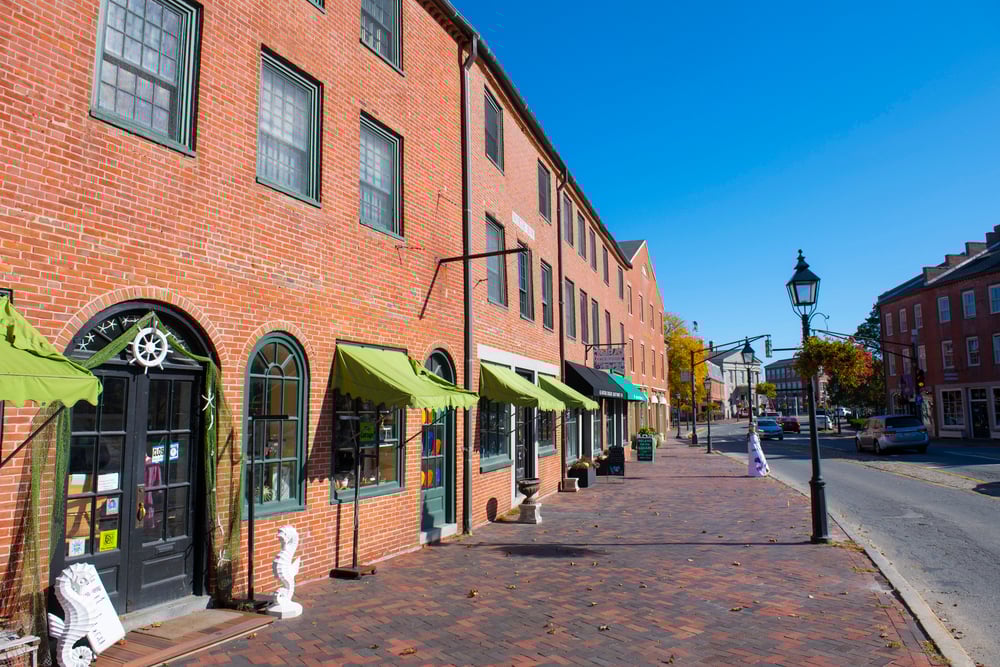
According to local legend, a divorcing husband was ordered to build an exact replica of the family home for his ex-wife. Following the court’s instructions literally but spitefully, he built the identical house—but on salt marshes far from town and with no fresh water supply.
To make matters worse, he installed the plumbing to run salt water through the taps. The distinctive pink home stands alone on the marsh and has become an iconic local landmark despite being uninhabitable.
Alameda Spite House (Alameda, California)

When a city planned to seize Charles Froling’s land to build a street in the early 1900s, Froling responded by constructing a house on his remaining sliver of property. The home measures just 10 feet wide but extends 54 feet deep and includes a full second story.
Built specifically to irritate city officials and a neighbor who supported the street project, the narrow building continues to serve as a private residence today.
Like Go2Tutors’s content? Follow us on MSN.
Old Spite House (Marblehead, Massachusetts)
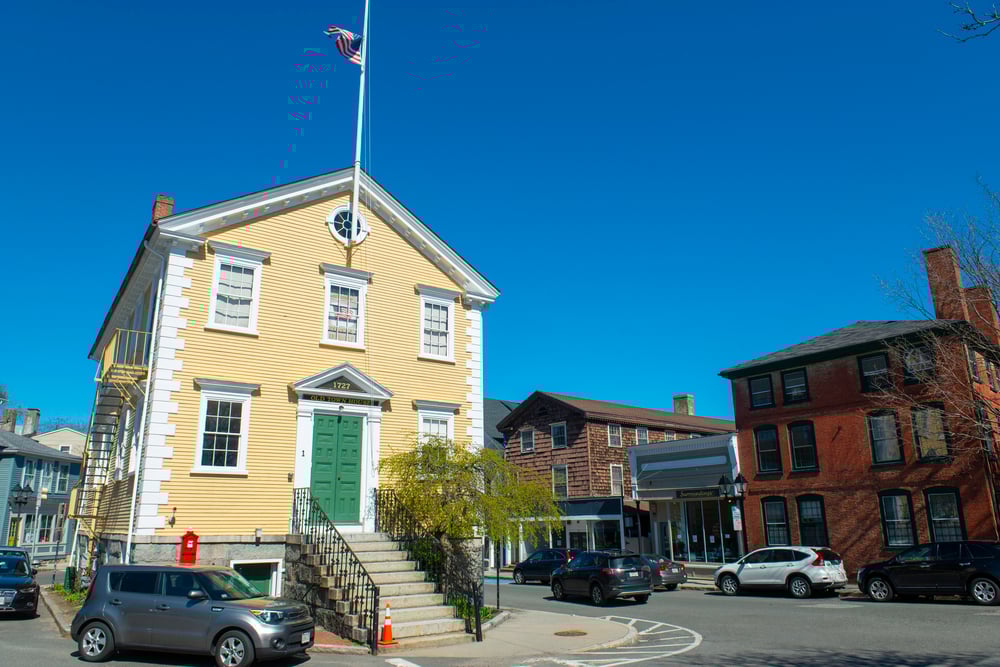
Dating back to 1716, this structure arose from a dispute between two brothers who inherited land from their father. When one brother built on a sizable portion of the property, the other constructed this home to block his brother’s ocean view.
At just 10 feet wide, the wooden structure features steeply pitched roofs and is believed to be one of the oldest spite houses in America. Now a private residence, it draws architecture enthusiasts fascinated by its unusual origin story.
Edith Macefield House (Seattle)
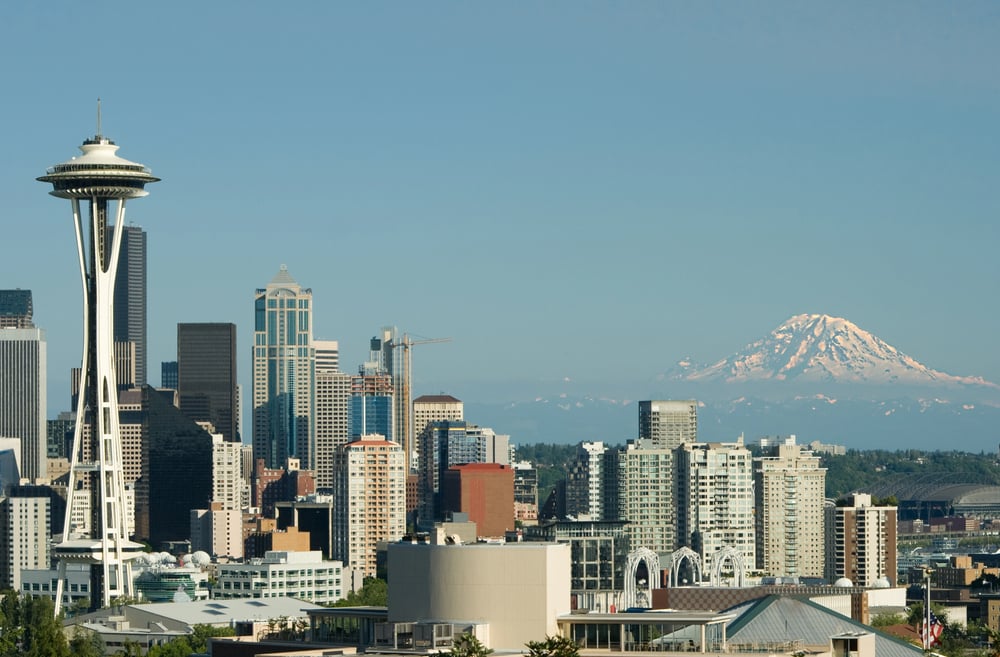
Perhaps the most famous modern spite house, Edith Macefield’s small cottage gained international attention when she refused a reported $1 million offer from developers in 2006. The 108-year-old woman stood her ground as a massive commercial development rose around her tiny home, eventually inspiring part of the plot for the Pixar film ‘Up.’
Although Macefield passed away in 2008, her home remains standing, completely surrounded by the five-story commercial development she refused to make way for.
The Richmond Spite House (Richmond, Virginia)

Built in 1925 by a father who didn’t want his adult daughter living far away after marriage, this narrow residence measures just 3.5 feet wide at its narrowest point. The father owned a tiny strip of land that other builders had dismissed as useless, but he used it to construct this home for his daughter and son-in-law.
The building functions as a private residence today and has become a tourist attraction in Richmond’s historic Fan District.
Like Go2Tutors’s content? Follow us on MSN.
The Sam Kee Building (Vancouver, Canada)
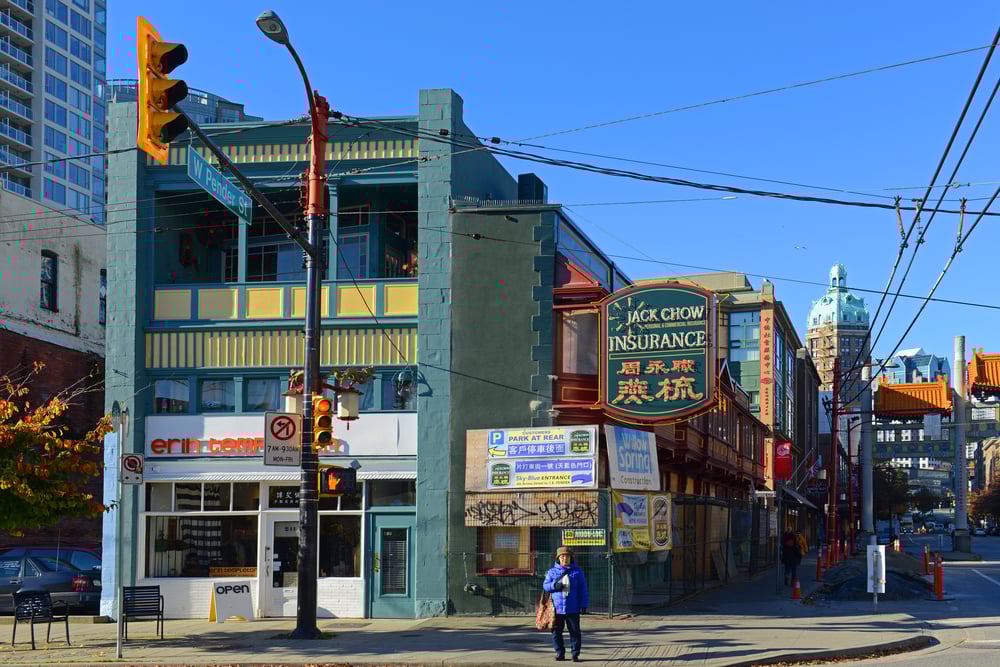
When the city of Vancouver expropriated most of Chang Toy’s property for road widening in 1912, he was left with a strip just 6 feet wide. Rather than sell this apparently useless land, Toy constructed what Guinness World Records recognizes as the world’s shallowest commercial building.
The ingenious design includes bay windows on upper floors that extend over the sidewalk and basement spaces that extend under it, maximizing the usable space in this remarkably narrow structure.
Cake House (Gaylordsville, Connecticut)

When Jan Pol learned the town planned to widen the road in front of his property in the 1760s, he relocated his home—but not without protest. Pol rebuilt his house closer to the street than before and designed it in the shape of a wedge of cake, with the pointed end facing the road.
The unusual triangular structure was intended to make the town regret its decision by creating an eyesore right along the main thoroughfare. The distinctive cake-shaped building remains standing today, now operating as a small museum.
Gate Lodge Spite House (Malibu, California)
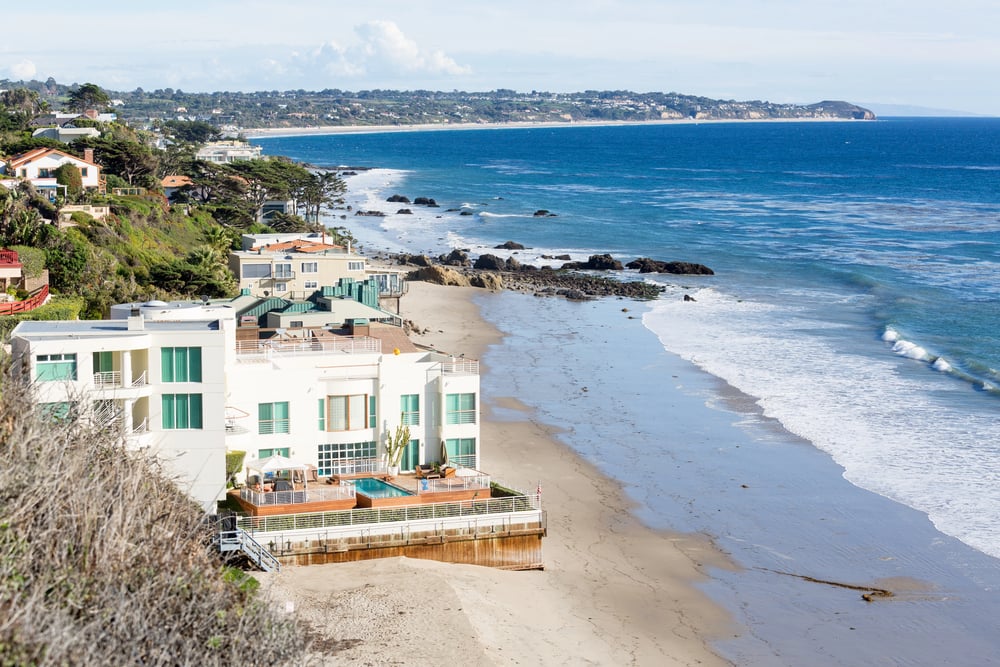
When a beach access gate was installed directly in front of May Rindge’s property in the 1930s, the wealthy landowner responded by building a home on the spot. The gate lodge was designed specifically to block public access to Malibu beaches that crossed her property.
Though Rindge eventually lost her decades-long battle against public access rights, the building remains standing today as a reminder of one woman’s determination to control her extensive coastal holdings.
Like Go2Tutors’s content? Follow us on MSN.
Architectural Testimonies to Human Tenacity

These spite structures stand as fascinating physical manifestations of human conflict, serving as permanent reminders that architecture can emerge from emotions as much as practical needs. While most were built from anger, many have transformed into beloved landmarks that add character to their communities.
These buildings demonstrate that sometimes the most interesting structures arise not from careful planning but from momentary flashes of defiance against neighbors, city officials, or family members who dared to cross the wrong property owner.
More from Go2Tutors!

- 18 Unexpectedly Valuable Collectibles You Might Have Lying Around
- 15 Things Every Teenager in the ’70s Did That Teens Today Wouldn’t Understand
- 15 Strange Things People Have Tried to Ban (And Failed)
- 15 Inventions That Were Immediately Banned After Being Created
- 20 Actors Who Were Almost Cast in Iconic Roles
Like Go2Tutors’s content? Follow us on MSN.