15 Moments of Golden Age Hollywood
Golden Age Hollywood was this crazy time when movie studios basically owned everything and everyone, creating some of the most legendary films and stars we still talk about today. From the 1930s through the 1950s, Hollywood was churning out classics while dealing with scandals, wars, and major changes that shaped how movies get made.
Here’s a list of 15 moments that defined what we now call the golden era of American cinema.
The Wizard of Oz Almost Killed Buddy Ebsen

The original Tin Man actor, Buddy Ebsen, nearly died during filming because the aluminum powder makeup they used was basically poisoning his lungs. He ended up hospitalized for weeks with severe breathing problems, and they had to completely recast the role with Jack Haley.
The studio tried to keep this whole mess quiet, but Ebsen’s near-death experience became one of Hollywood’s first major on-set safety scandals.
Gone with the Wind’s Burning of Atlanta Was Real
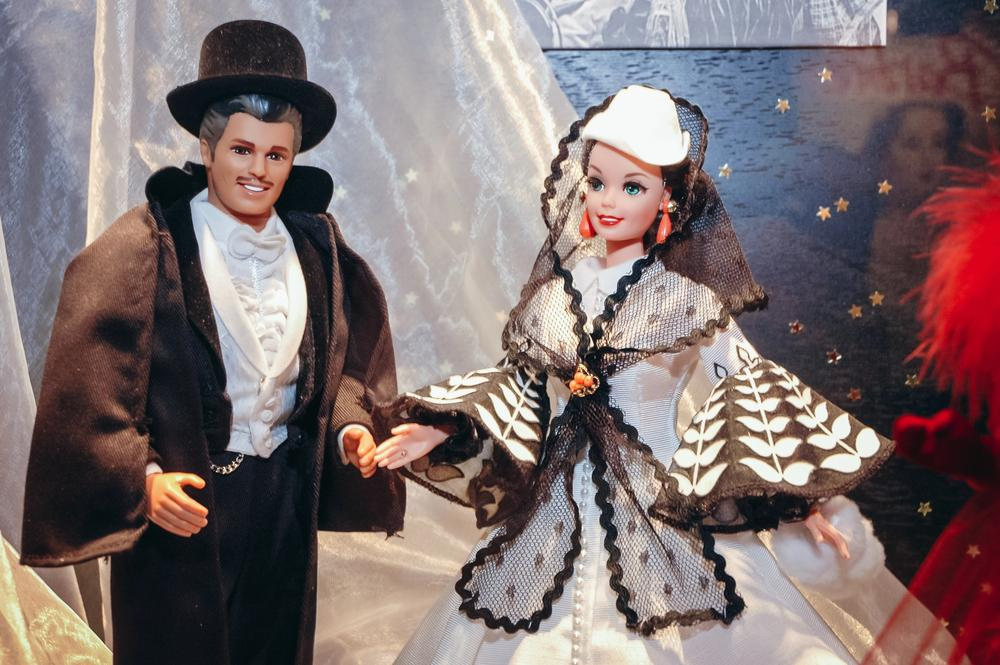
When they filmed the famous burning of Atlanta scene in 1938, they actually burned down old movie sets from previous films to create the massive fire. The studio used this as a cost-effective way to clear out storage space while getting spectacular footage for the movie.
David O. Selznick watched the flames and reportedly said it was the most expensive bonfire in history, costing around $25,000 just for that one scene.
Like Go2Tutors’s content? Follow us on MSN.
Orson Welles Terrified America Before Making Citizen Kane
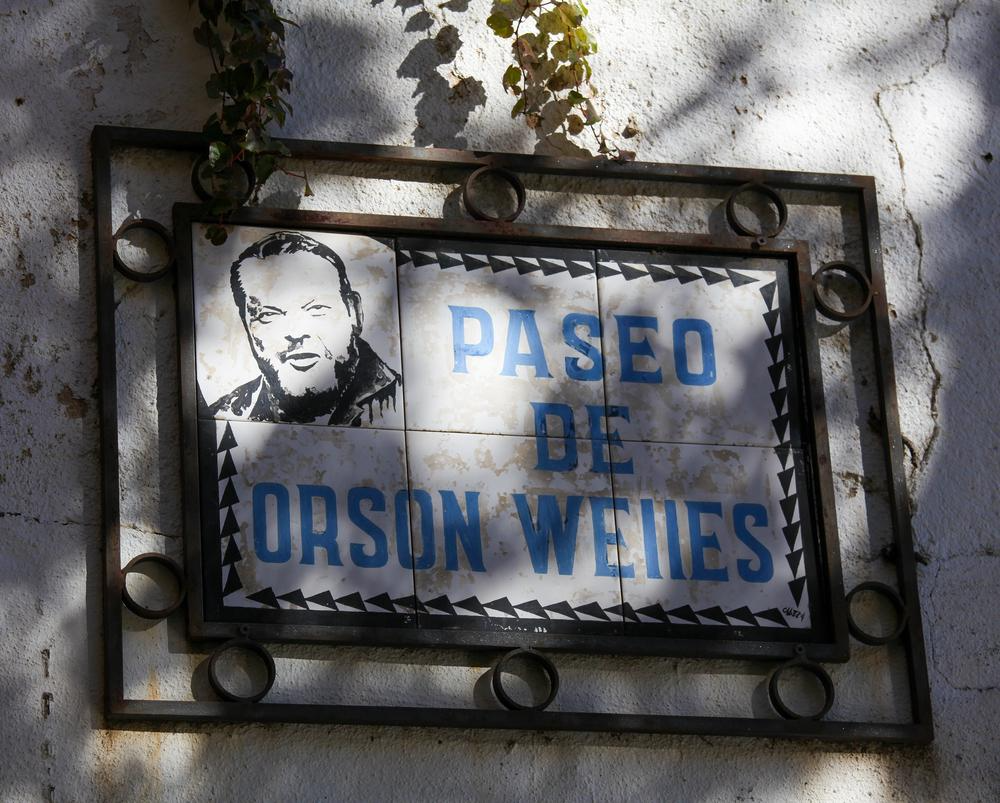
In 1938, Orson Welles broadcast ‘War of the Worlds’ on radio so realistically that thousands of people thought Martians were actually invading Earth. The panic was so widespread that police stations got flooded with calls and some people even fled their homes.
This event made Welles famous enough that Hollywood brought him out to make movies, leading to ‘Citizen Kane’ just three years later.
The Hays Code Banned Everything Fun
Starting in 1934, the Motion Picture Production Code basically turned Hollywood into a giant censorship machine that banned anything remotely controversial. Movies couldn’t show married couples in the same bed, criminals winning, or even saying certain words like ‘damn.’
This code shaped every movie made for over 30 years and created the wholesome image that people still associate with classic Hollywood films.
Clark Gable’s Undressing Scene Changed Men’s Fashion
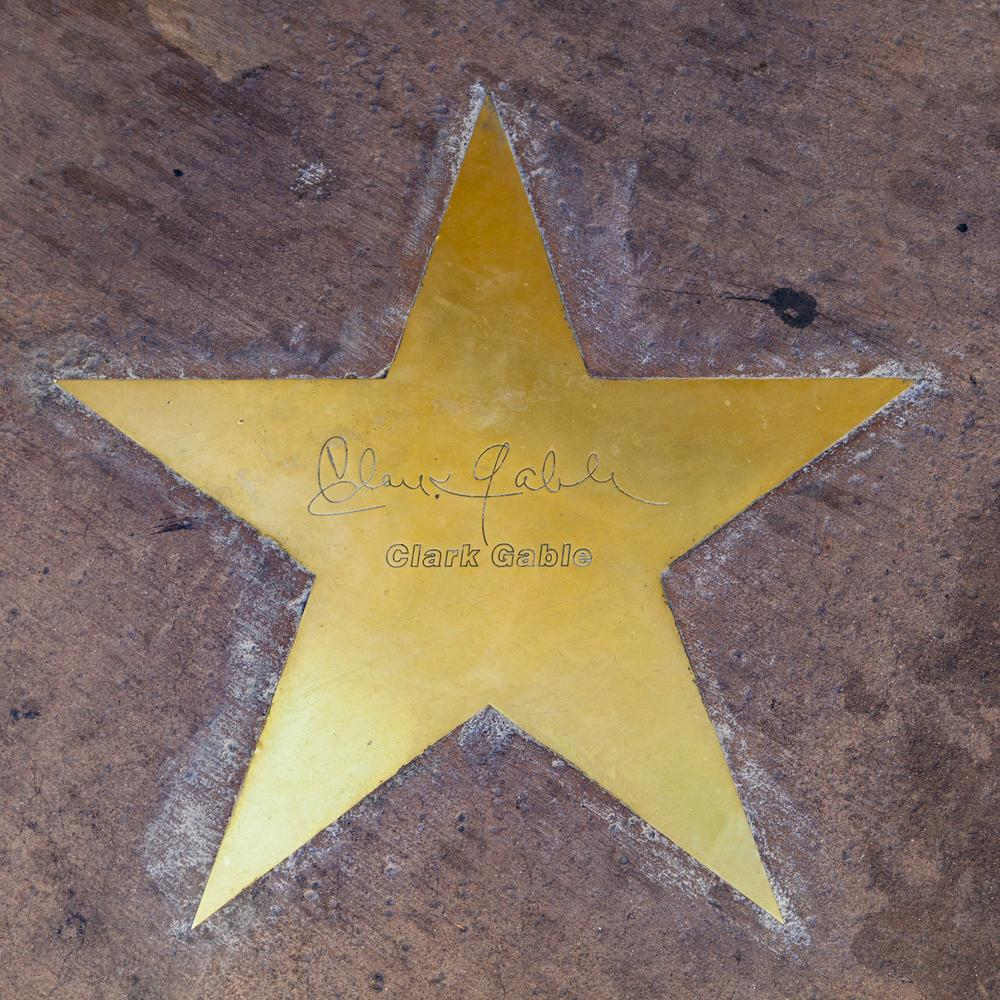
When Clark Gable took off his shirt in ‘It Happened One Night’ and revealed he wasn’t wearing an undershirt, sales of men’s undershirts supposedly dropped by 75% across America. Guys everywhere started copying Gable’s look, which was pretty impressive considering this was during the Great Depression when people barely had money for regular clothes.
The scene became one of the first examples of movies directly influencing fashion trends.
Like Go2Tutors’s content? Follow us on MSN.
Judy Garland Got Hooked on Pills at Age 16

MGM studio executives started giving Judy Garland amphetamines to keep her skinny and energetic, then gave her sleeping pills to help her rest between long filming days. This started when she was just a teenager working on ‘The Wizard of Oz’ and continued throughout her career.
The studio basically created her addiction problems while making millions off her talent, showing how ruthless the studio system could be with young stars.
Casablanca Was Made Up as They Went Along
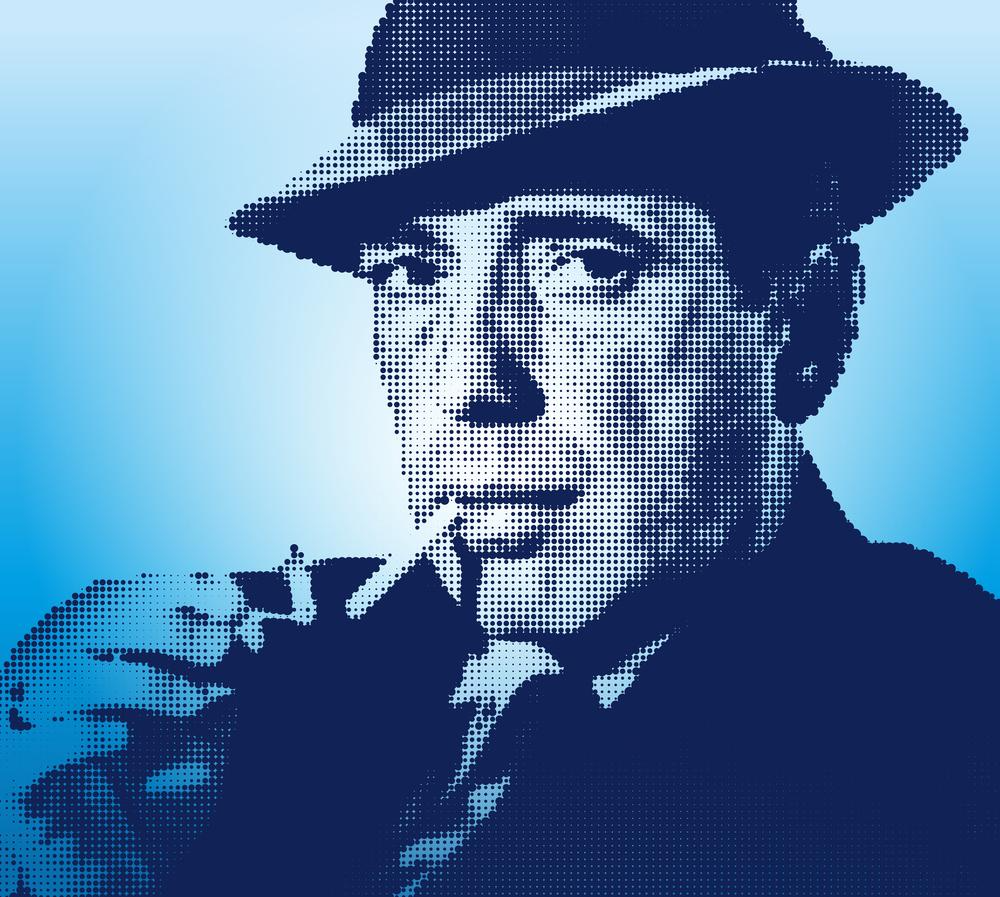
The writers were literally creating the script for ‘Casablanca’ while they were filming it, and nobody knew how the movie was going to end until near the final scenes. The famous ‘Here’s looking at you, kid’ line was completely improvised by Humphrey Bogart.
Even though the production was chaotic and rushed, it somehow became one of the greatest movies ever made and won the Academy Award for Best Picture.
Rita Hayworth’s Hair Color Started a Revolution
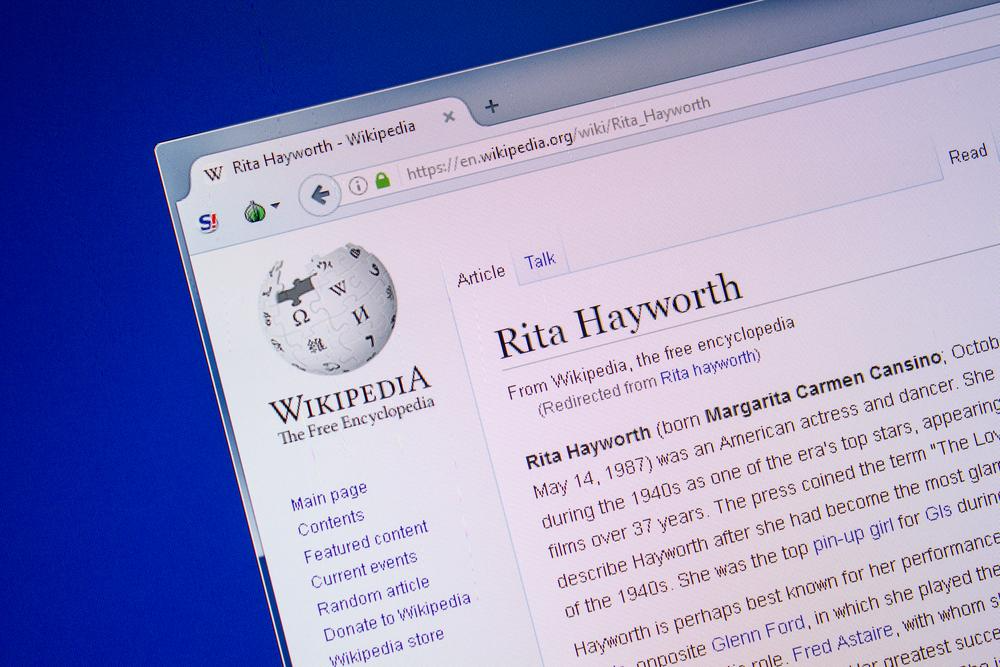
Rita Hayworth spent over two years getting painful electrolysis treatments to raise her hairline and change her look from a Spanish dancer named Margarita Cansino to a glamorous redhead. The transformation took so long that she was basically getting her forehead reshaped one hair at a time.
Her new look made her one of the biggest stars of the 1940s and inspired countless other actresses to completely remake themselves for fame.
Like Go2Tutors’s content? Follow us on MSN.
Alfred Hitchcock Tortured Tippi Hedren with Real Birds
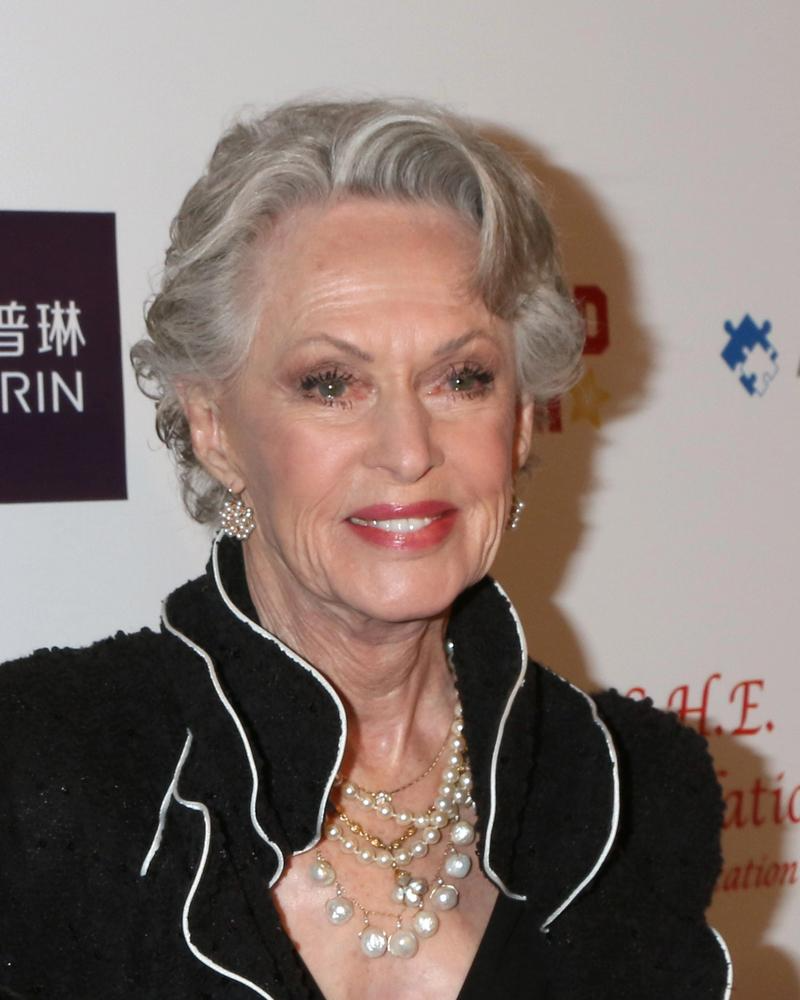
During the filming of ‘The Birds,’ Hitchcock put Tippi Hedren through a week of having live birds thrown at her for the attic attack scene, even though he had promised to use mechanical birds. The birds scratched her face and body so badly that a doctor had to order production to stop.
Hedren later said this experience, along with Hitchcock’s obsessive behavior toward her, nearly ended her acting career before it really started.
The Studio System Controlled Everything
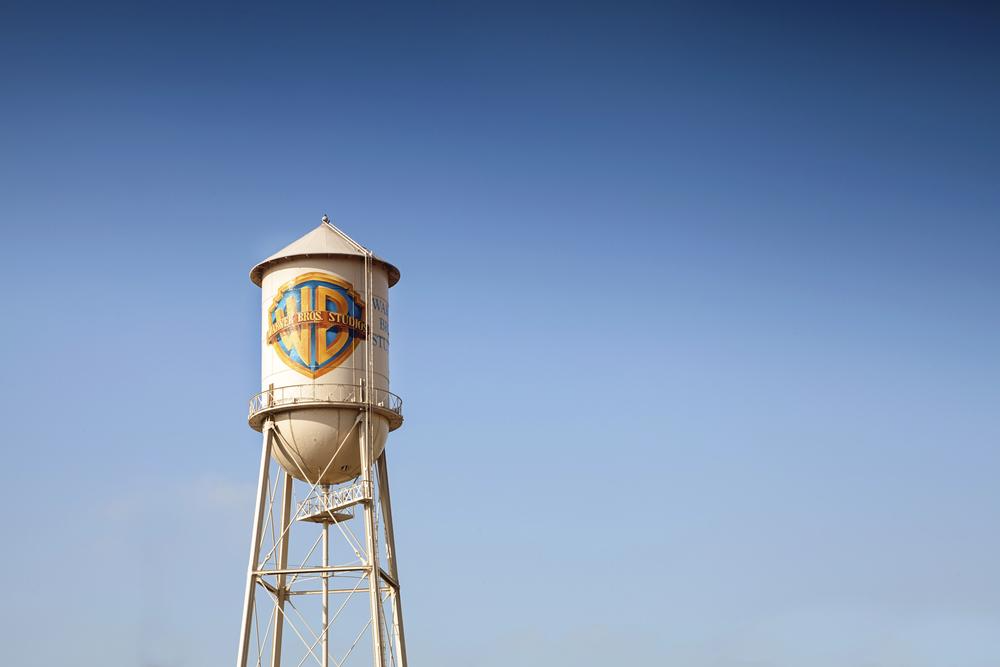
Major studios like MGM, Paramount, and Warner Bros owned not just the actors but also the theaters where movies played, creating a total monopoly over entertainment. Stars were basically property who couldn’t choose their own roles, had to follow strict moral clauses, and could be loaned out to other studios like trading cards.
This system lasted until 1948 when the Supreme Court ruled it was illegal and forced studios to sell their theater chains.
Walt Disney Nearly Went Bankrupt Making Snow White

Everyone in Hollywood thought Walt Disney was crazy for spending four years and nearly all his money making a full-length animated movie about a fairy tale. Studio executives called it ‘Disney’s Folly’ and predicted it would be a massive flop because nobody would sit through 83 minutes of cartoons.
Instead, ‘Snow White and the Seven Dwarfs’ became the highest-grossing film of 1937 and basically created the entire animated movie industry.
Like Go2Tutors’s content? Follow us on MSN.
Bette Davis Fought Warner Bros in Court
Bette Davis got so fed up with the terrible roles Warner Bros was forcing her to play that she fled to England and refused to come back to Hollywood. The studio sued her for breach of contract, and the court case became a huge news story about whether actors were basically slaves to the studios.
Even though Davis lost the lawsuit, the publicity helped establish her as one of the most powerful actresses in Hollywood who could demand better roles.
The War Years Changed Everything
When World War II started, Hollywood completely shifted to making propaganda films and sending major stars like Clark Gable, Jimmy Stewart, and Henry Fonda off to actually fight in the war. The government basically took over movie production, telling studios what kinds of films to make to boost morale at home.
This period created some of the most patriotic movies ever made while also proving that Hollywood could survive even when half its biggest stars were overseas.
Sunset Boulevard Exposed Hollywood’s Dark Side
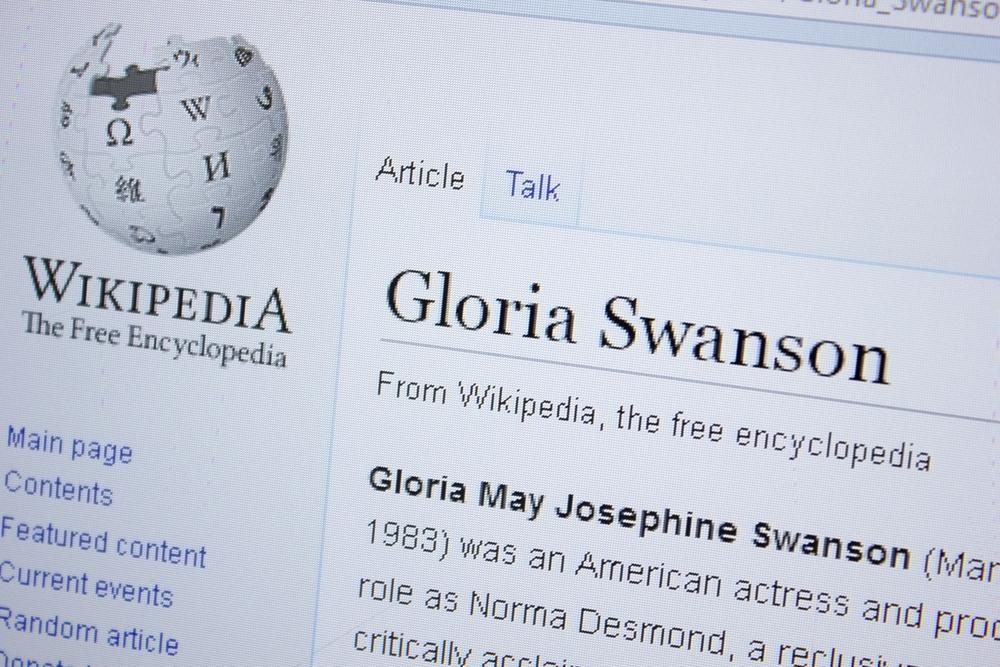
Billy Wilder’s ‘Sunset Boulevard’ was so brutally honest about how Hollywood treated aging stars that many industry people were furious about it. The movie showed the ugly reality behind the glamour, featuring real silent film star Gloria Swanson playing a forgotten actress going crazy in her mansion.
Louis B. Mayer reportedly screamed at Wilder after a screening, saying he should be kicked out of the country for making Hollywood look bad.
Like Go2Tutors’s content? Follow us on MSN.
The Blacklist Destroyed Careers Over Politics
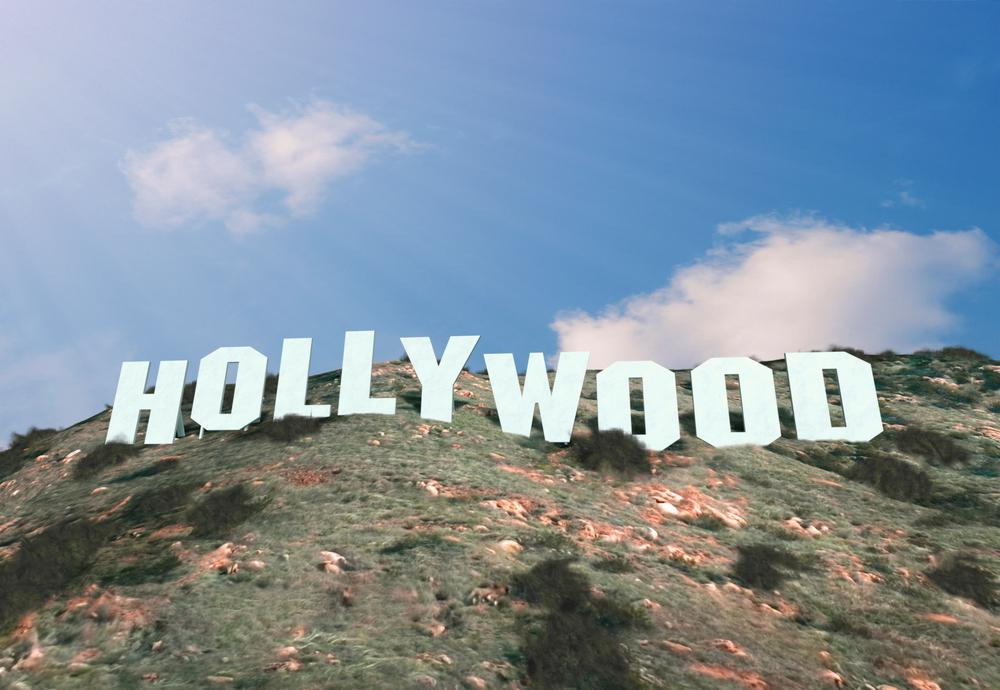
During the late 1940s and early 1950s, Hollywood created a secret blacklist of writers, directors, and actors suspected of having communist sympathies. The House Un-American Activities Committee held hearings that destroyed careers and forced people to name names or never work in Hollywood again.
This period, known as the Red Scare, ended the careers of talented people like the Hollywood Ten and showed how paranoia could completely change an entire industry.
When the Golden Age Became History
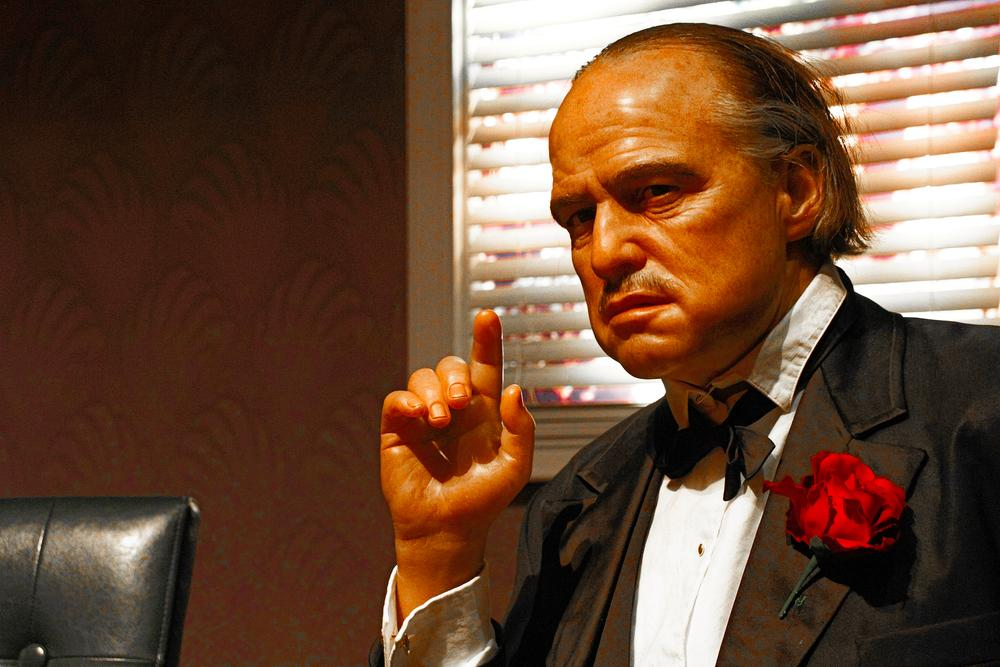
By the late 1950s, television had changed everything and the old studio system was falling apart after losing the monopoly lawsuit. The stars who had defined Golden Age Hollywood were getting older, and a new generation of actors like Marlon Brando and James Dean were bringing a completely different style of acting to movies.
What had been the most glamorous and controlled period in film history was ending, making way for the more realistic and rebellious movies of the 1960s that would change cinema forever.
More from Go2Tutors!

- 16 Historical Figures Who Were Nothing Like You Think
- 12 Things Sold in the 80s That Are Now Illegal
- 15 VHS Tapes That Could Be Worth Thousands
- 17 Historical “What Ifs” That Would Have Changed Everything
- 18 TV Shows That Vanished Without a Finale
Like Go2Tutors’s content? Follow us on MSN.



