Costliest Films Ever Produced
Films in Hollywood have long danced uneasily with cash. Back when studios ruled, throwing heaps at productions wasn’t reckless – it was supposed to show vision.
These days, franchises dominate, yet the habit sticks: spend more, mean more. Towering stages, crowds of actors, tech pushed to its edge – all whisper the same thing.
They aren’t just movies. They’re events built to echo.
Slowly, money spent on movies climbed higher, pulled upward by what viewers want plus how hard it is to reach every corner of the planet. Things that seemed wild back then seem small today, when filming sometimes feels like managing entire towns instead of movie sets.
Some pictures stand out – not just for story or stars, but because their price tags shocked everyone. Those huge figures tell a quiet story about where entertainment is headed, and why spending keeps breaking records.
Pirates of the Caribbean: On Stranger Tides

Pirates of the Caribbean: On Stranger Tides is frequently cited as the most expensive movie ever made, with reported production costs approaching $379 million. That figure was not driven by indulgence alone, but by a series of expensive logistical realities that compounded throughout production.
The film was shot across multiple countries, including the United Kingdom, Hawaii, and parts of Europe, which meant transporting crews, equipment, and elaborate costumes across oceans. Many scenes were filmed on water, one of the slowest and costliest environments to work in, where weather delays can halt progress for days.
Visual effects were layered heavily over practical footage, requiring long post-production timelines. Even so, the film performed strongly at the box office, reinforcing the idea that familiar franchises can absorb financial risk better than original projects.
Avengers: Age of Ultron

Avengers: Age of Ultron arrived at a point when superhero films had evolved into long-term investments rather than standalone releases. With a reported budget of around $365 million, it reflected the cost of maintaining a sprawling cinematic universe rather than simply telling one story.
The production brought together a large ensemble cast, each character requiring specific effects, costumes, and stunt work. Action sequences were filmed in multiple countries, including South Africa and South Korea, adding layers of coordination and expense.
Post-production was equally demanding, as visual effects teams worked to ensure consistency across dozens of interconnected scenes. That said, the spending was strategic, aimed at preserving the polished continuity that audiences expected from the Marvel brand.
Avengers: Endgame

Avengers: Endgame took large-scale filmmaking to its logical extreme. With a reported budget of roughly $356 million, it represented the culmination of more than ten years of interconnected storytelling and audience commitment.
Much of the cost came from extended visual effects work that continued long after filming ended. Actors were frequently filmed separately, later combined digitally to create scenes that would have been impossible to stage physically.
Entire sequences were refined repeatedly to balance emotional weight with spectacle. Still, the scale of spending matched the scale of anticipation.
The film’s unprecedented box office success showed how rare moments of cultural alignment can turn massive budgets into historic returns.
Star Wars: The Rise of Skywalker

Star Wars: The Rise of Skywalker reportedly carried a production cost of around $275 million, though estimates vary. Much of that expense reflected the challenge of concluding a saga that had shaped popular culture for generations.
The film underwent extensive reshoots and late-stage revisions, both of which drove costs upward quickly. Sets were reconstructed, visual effects were revised, and schedules stretched as creative decisions evolved.
On the other hand, the investment highlighted the pressure to deliver a visually satisfying farewell to a long-running series. The budget grew alongside expectations, illustrating how legacy franchises often carry financial weight far beyond what appears on screen.
Justice League

Justice League has become synonymous with runaway budgets caused by creative upheaval. With reported production costs exceeding $300 million, the film effectively became two overlapping projects stitched together under tight deadlines.
After the initial shoot, large portions were reshot, requiring actors to return, sets to be rebuilt, and visual effects to be reworked. Post-production expanded dramatically, with entire sequences altered to match a new tone.
These changes inflated costs without improving efficiency. Even so, the final release struggled to justify its expense, serving as a cautionary example of how uncertainty behind the scenes can be as costly as ambition itself.
Titanic

Titanic may not rival modern figures numerically, but its $200 million budget in the late 1990s was unprecedented. At the time, it was widely viewed as a financial gamble that could have serious consequences if audiences stayed away.
The spending was rooted in scale and precision rather than extravagance. A near full-scale replica of the ship was built, along with massive water tanks designed specifically for the production.
Filming delays and technical challenges pushed costs higher, but the attention to detail became part of the film’s appeal. When it became a global phenomenon, it reshaped how studios viewed high budgets, turning caution into confidence.
Avatar: The Way of Water
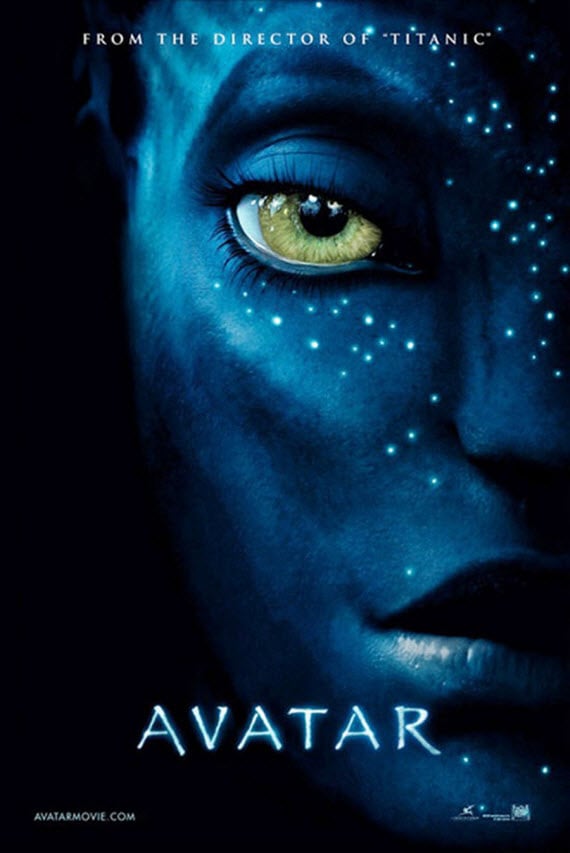
Avatar: The Way of Water reportedly cost around $350 million, reflecting years of technological development rather than a conventional production timeline. Much of the budget was spent before filming even began, funding tools created specifically for the film’s needs.
Underwater performance capture required custom-built equipment and extensive training for the cast, slowing production but expanding what could be achieved visually. Visual effects teams worked for years to perfect water simulation and movement realism.
Still, the film illustrated how modern blockbusters often double as research projects. The cost represented not just a movie, but an investment in future filmmaking technology.
Why These Numbers Still Matter

What you see when looking at the most expensive movies isn’t just bigger budgets. It’s a shift – slow, steady – from chasing realism to fulfilling promises made by past breakthroughs.
Back then, spending was about showing films could match life’s scale. Now, it’s about delivering what audiences have come to expect after years of pushed limits.
Each dollar reflects not ambition alone, but inherited pressure.
Right now, movie makers deal with shorter cinema runs, pressure from overseas markets, and viewers who change their minds fast. Big money gets poured into fewer movies, each needing to feel like a must-see moment.
The results prove that cash boosts spectacle, yet fails to stand in for a strong direction. Lasting impact comes not from dollar amounts, instead from turning bold ideas into experiences people remember once the headlines vanish.
More from Go2Tutors!

- The Romanov Crown Jewels and Their Tragic Fate
- 13 Historical Mysteries That Science Still Can’t Solve
- Famous Hoaxes That Fooled the World for Years
- 15 Child Stars with Tragic Adult Lives
- 16 Famous Jewelry Pieces in History
Like Go2Tutors’s content? Follow us on MSN.