Greatest Coffee Cultures in Modern Asia and South America
Coffee isn’t just a drink anymore — it’s a passport to understanding entire cultures. From the meticulous rituals of Japanese kissaten to the social fabric woven around Colombian fincas, the way people approach coffee reveals something deeper about how they see life itself.
The most fascinating coffee cultures today aren’t necessarily the oldest ones, but rather those that have taken this ancient beverage and made it distinctly their own. While Europe might have the reputation and North America the volume, Asia and South America have quietly become the most dynamic coffee regions on the planet.
These aren’t cultures that inherited their coffee traditions — they built them from scratch, often in defiance of what the rest of the world expected coffee to be.
Japan
Third-wave coffee shops get attention, but Japan perfected slow coffee decades before anyone called it artisanal. The kissaten culture treats coffee like tea ceremony’s caffeinated cousin.
Every cup matters. Master roasters spend years learning to read beans the way sommeliers read wine.
Temperature, timing, technique — nothing gets rushed. The result tastes like coffee, but feels like meditation.
South Korea
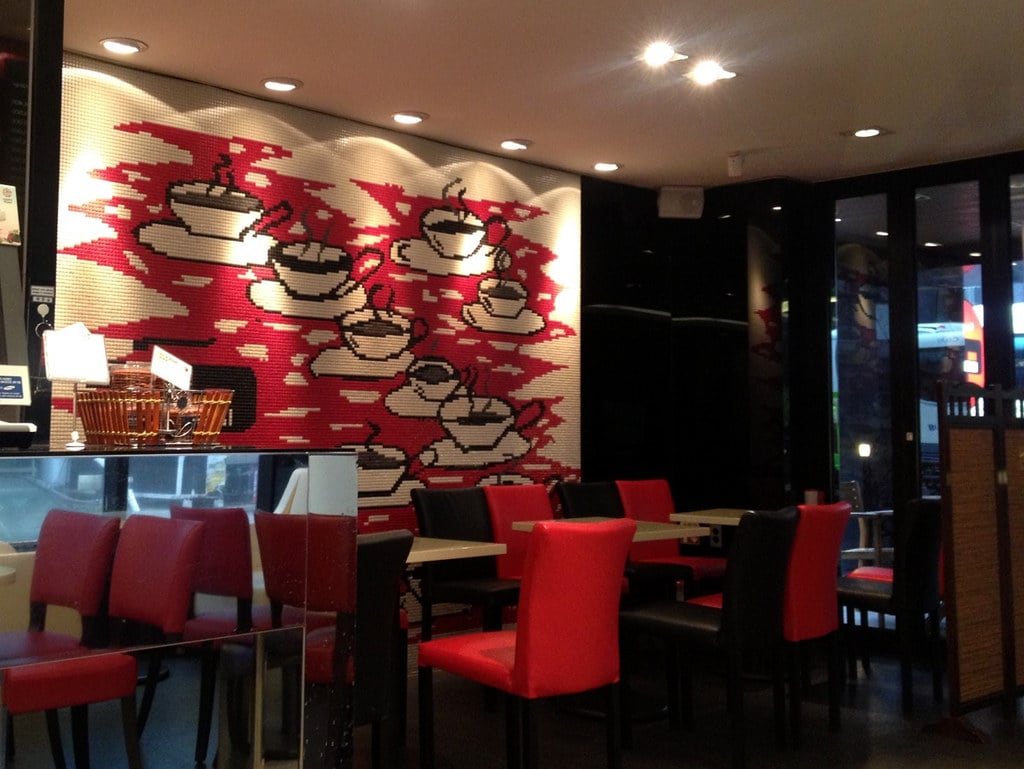
Korean coffee culture moves at the speed of Seoul itself, which is to say: relentlessly fast and somehow still thoughtful. The country went from instant coffee packets to some of the most sophisticated café scenes in Asia in about twenty years, and the transformation happened because Koreans approached coffee the same way they approach everything else — with an almost obsessive attention to getting it exactly right.
Coffee shops aren’t just places to grab caffeine (though the caffeine consumption per capita rivals anyone’s); they’re social laboratories where trends get tested, refined, and exported to the rest of the world. What makes Korean coffee culture particularly fascinating is how it balances convenience with craftsmanship.
And the convenience isn’t lazy — it’s engineered. Walk into any Seoul café and you’ll find ordering systems, brewing methods, and flavor profiles that somehow manage to be both incredibly efficient and genuinely thoughtful.
So the same culture that gave us lightning-fast internet and smartphones has naturally created coffee experiences that are both immediate and deeply considered. The aesthetic matters too: Korean café design has become its own export, with the minimalist-meets-cozy style appearing in coffee shops from Los Angeles to London.
But in Seoul, that design isn’t just Instagram bait — it reflects a particular approach to public space that treats coffee shops as extensions of home.
Colombia
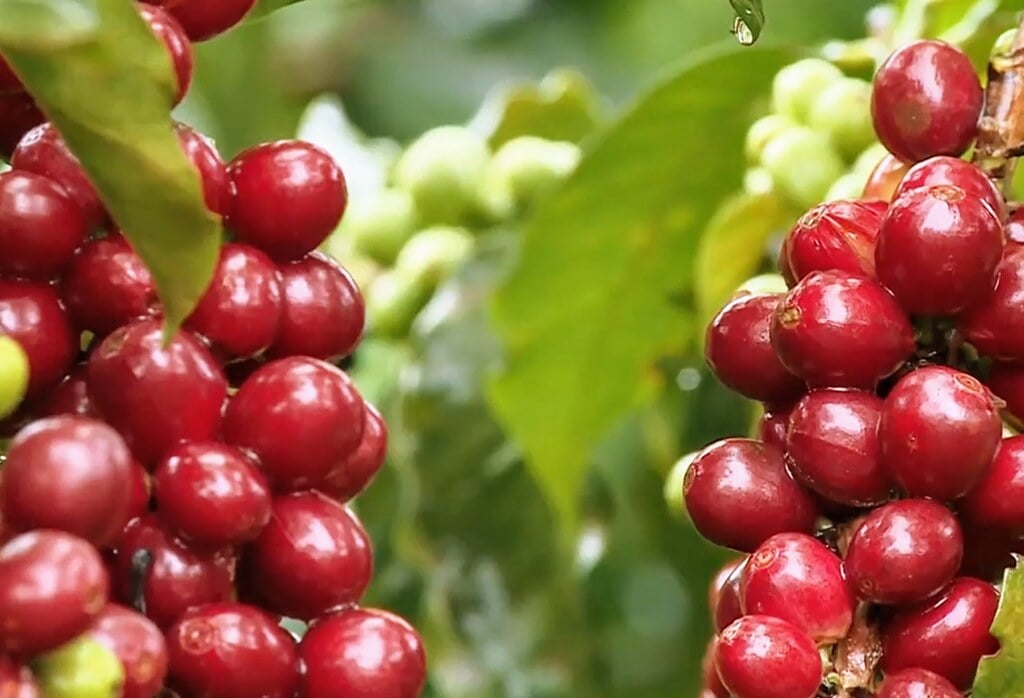
Coffee here isn’t a beverage. It’s infrastructure.
Every conversation, every deal, every relationship — coffee runs through it all. The finca culture shapes entire communities.
Families measure time in harvest seasons, not calendar years.
Vietnam
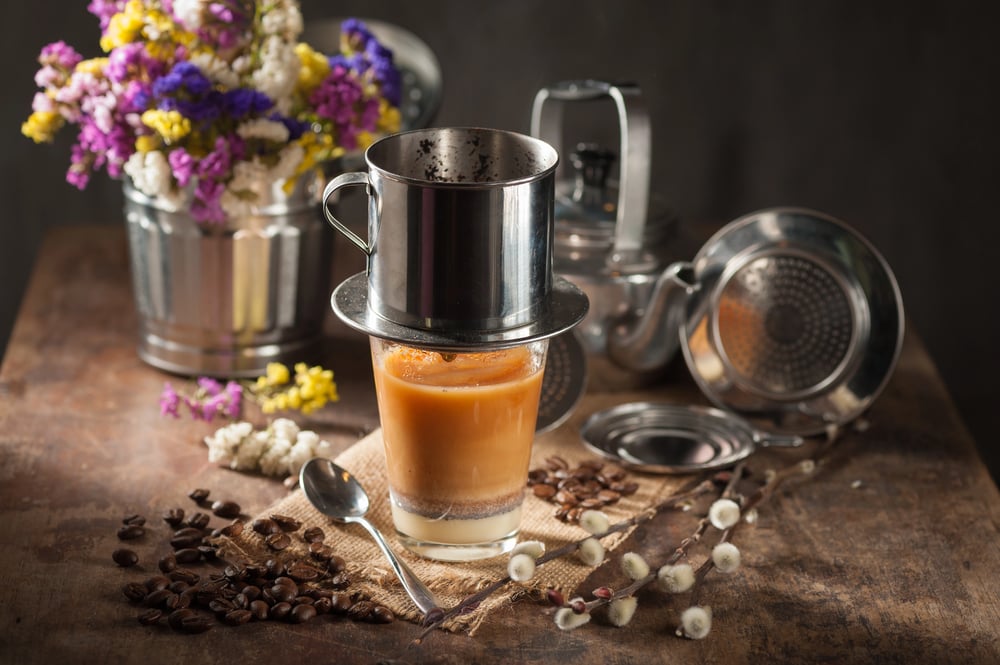
Vietnamese coffee corrects anyone who thinks coffee has to be precious or complicated. Condensed milk, strong brew, simple technique — done properly, it’s perfect.
No apologies needed. The café culture operates on sidewalks and plastic stools, which turns out to be exactly where some of the best coffee conversations happen.
Tourists hunt for authenticity in fancy shops while locals gather wherever someone sets up a decent drip filter and a few chairs. Vietnam produces serious coffee — second largest in the world by volume — but drinks it without any fuss.
The confidence shows.
Taiwan
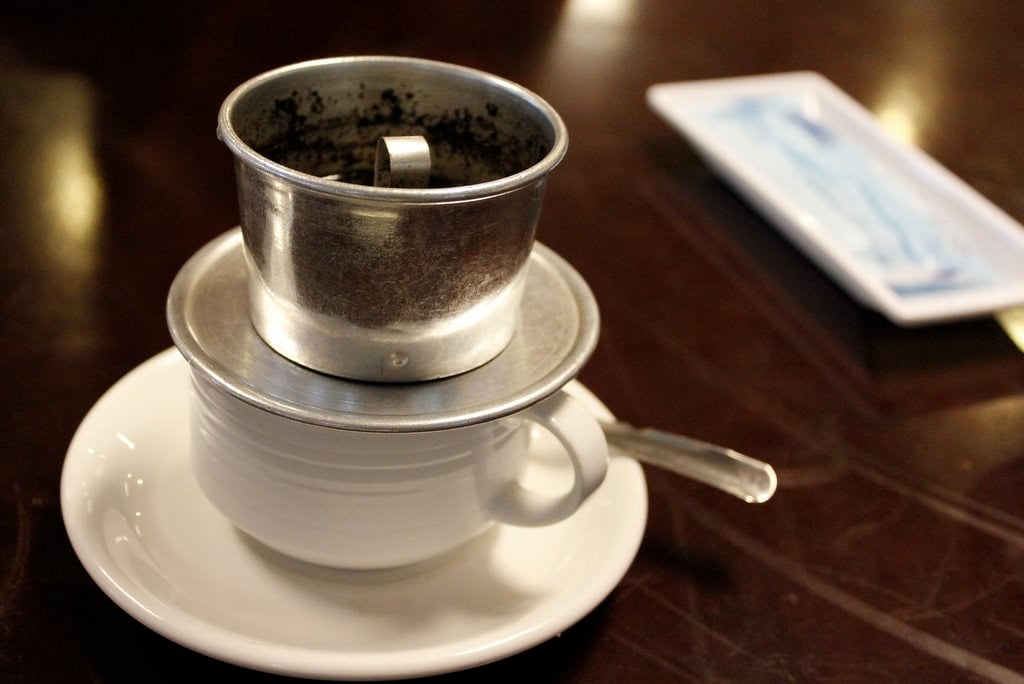
Taiwan’s coffee scene feels like watching someone discover they’re naturally gifted at something they never planned to be good at. The island started growing coffee almost by accident (Japanese colonial influence, if you’re keeping track), spent decades focused on other things, then suddenly realized it had developed one of the most thoughtful coffee cultures in Asia without really trying.
The result is coffee culture that’s both sophisticated and unpretentious, which is a combination that’s harder to achieve than it sounds. What sets Taiwanese coffee apart isn’t any single technique or philosophy, but rather the way the entire culture approaches coffee as both craft and community.
Coffee shops double as art galleries, bookstores, and informal meeting spaces — not because anyone planned it that way, but because that’s how social spaces naturally evolved in Taiwan’s dense urban environment. So you end up with café owners who are also artists, baristas who are also cultural curators, and customers who treat their regular coffee shop as an extension of their living room.
The specialty coffee scene has exploded, but it’s built on a foundation of neighborhood coffee shops that have been quietly perfecting their approach for years. These aren’t places trying to make statements; they’re places trying to make good coffee and create spaces where people want to spend time.
Turns out that’s a pretty good formula.
Brazil
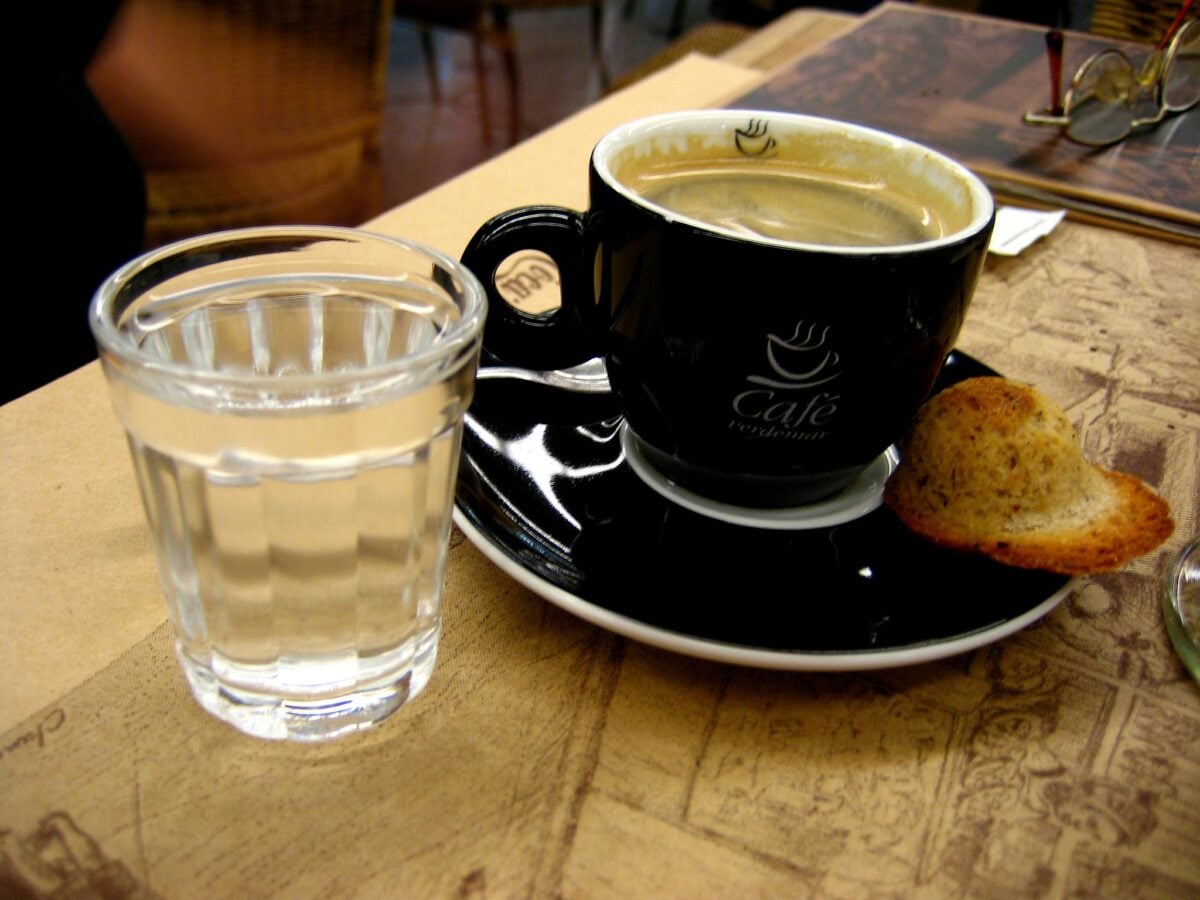
Coffee in Brazil carries the weight of history, but it doesn’t get sentimental about it. This is the country that produces about a third of the world’s coffee, and that scale creates its own culture — one that treats coffee as both everyday necessity and national identity.
Walk through São Paulo and you’ll find coffee at every economic level, from street vendors serving cafezinho in tiny cups to specialty roasters experimenting with single-origin microlots from specific fazendas. The interesting tension in Brazilian coffee culture is between tradition and innovation.
Traditional cafezinho culture is deeply social — coffee breaks aren’t just tolerated in Brazilian workplaces, they’re institutionalized. But alongside that, Brazil has developed one of the most sophisticated specialty coffee scenes in South America, with farmers, roasters, and café owners who understand coffee production from seed to cup in ways that most coffee cultures can only theorize about.
Brazilian coffee shops reflect the country’s approach to public space: they’re democratic, accessible, and designed for lingering. The café culture assumes that coffee is something you share, not something you grab and go.
Even in busy business districts, coffee shops are built for conversation.
Singapore
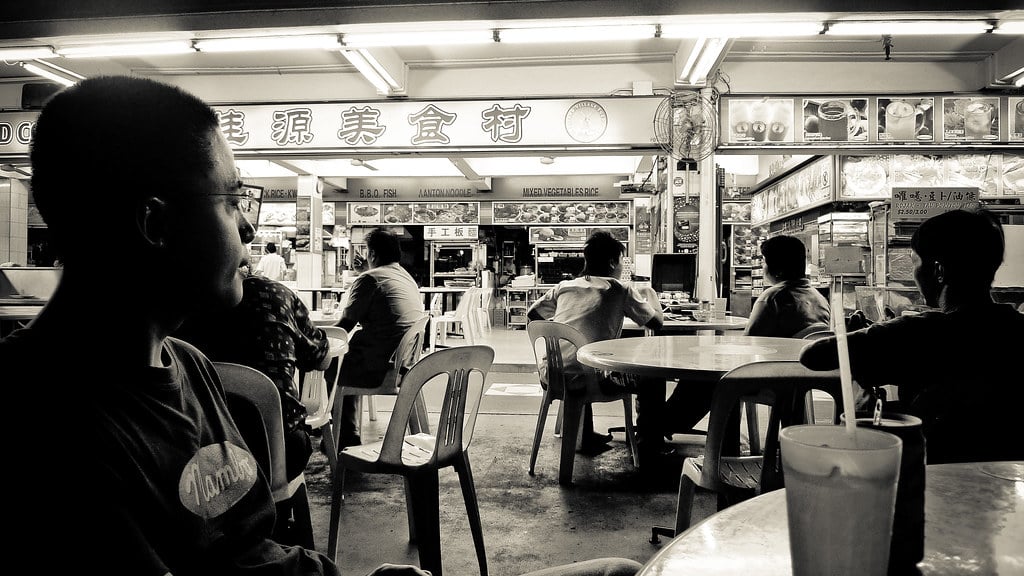
Singapore turned hawker center efficiency into high-end coffee culture. The same attention to logistics that makes the country run smoothly gets applied to espresso extraction and milk steaming.
Local kopitiam traditions merge with specialty coffee techniques. Old-school coffee shop uncles work alongside baristas with competition credentials.
Both approaches coexist without anyone getting territorial about authenticity. The result feels distinctly Singaporean: practical, precise, and better than it has any right to be.
Indonesia

Indonesian coffee culture operates on island time, which means it moves at whatever pace makes sense for the conversation at hand. This is the country that gave the world some of the most distinctive coffee varieties — your Sumatra, your Java, your increasingly famous specialty lots from Flores and Sulawesi — but the domestic coffee culture isn’t particularly interested in impressing anyone with its sophistication (though sophistication certainly exists, particularly in Jakarta’s growing third-wave scene).
Instead, Indonesian coffee culture is built around warung coffee stops and kopi tubruk — grounds mixed directly with hot water, no filter, no fuss. What makes Indonesian coffee culture fascinating isn’t its brewing methods or café aesthetics, but rather how it treats coffee as social glue.
Coffee shops aren’t destinations; they’re gathering points that happen to serve coffee. The drink facilitates the real purpose, which is sitting together, talking, and taking time.
And in a country spread across thousands of islands with hundreds of distinct cultures, that approach to coffee creates a kind of universal social currency. The specialty coffee movement has arrived in major cities, but it’s adapting to local preferences rather than trying to replace them.
So you’ll find cafés serving excellent pour-overs alongside traditional kopi preparations, recognizing that different occasions call for different approaches to coffee.
Peru
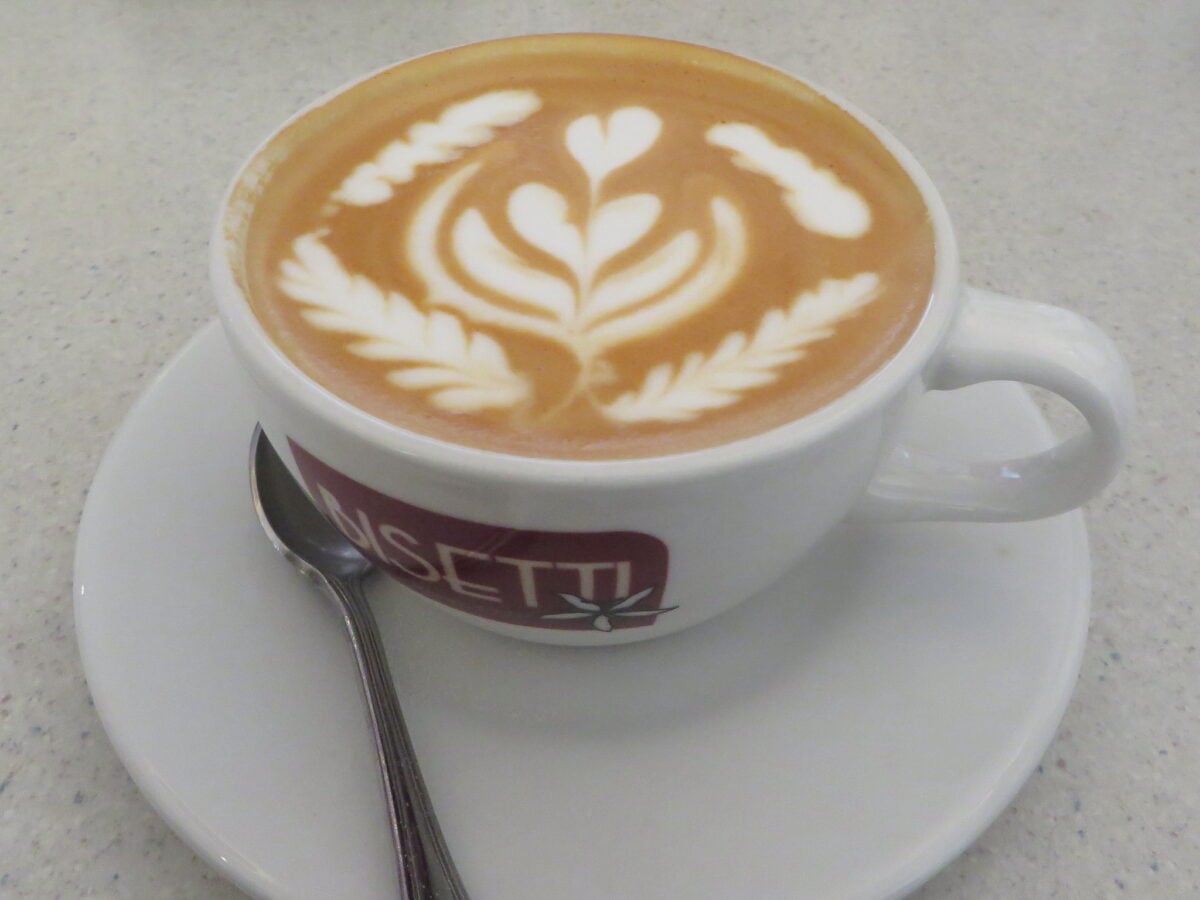
Peruvian coffee doesn’t announce itself. The country produces excellent beans — high altitude, careful processing, distinct flavor profiles — but the domestic coffee culture operates with quiet confidence rather than flashy presentation.
Lima’s coffee scene has grown sophisticated without losing its neighborhood feel. Local roasters work directly with highland farmers, creating supply chains that benefit everyone involved.
The focus stays on the coffee itself rather than the experience around it.
Ecuador
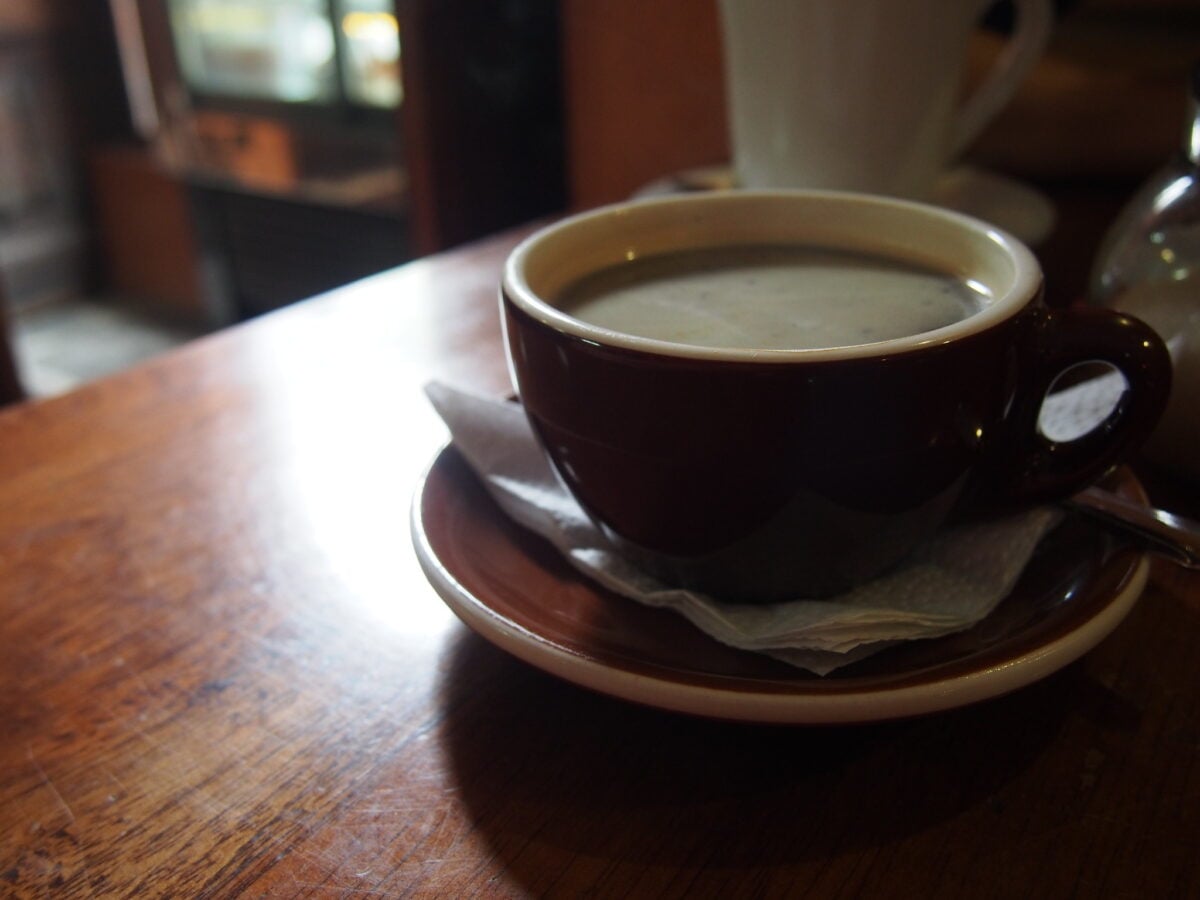
Ecuador’s coffee culture moves to its own rhythm, shaped by geography that puts some of the world’s best growing conditions right next to some of its most challenging terrain. The country produces relatively small quantities of coffee compared to its South American neighbors, but what it produces tends to be exceptional — high-altitude arabica with flavor profiles that reflect the dramatic landscape where it’s grown.
Domestic coffee culture has developed around that quality, creating a scene that’s more interested in showcasing what Ecuadorian coffee can do than in following trends from elsewhere. Quito’s coffee shops feel like extensions of the city’s colonial architecture — spaces built for lingering, with thick walls and comfortable seating that acknowledges the high-altitude climate.
Coffee culture here isn’t rushed; it’s designed around the assumption that good coffee deserves time and attention. And the baristas tend to know not just how to prepare their coffee, but where it came from and how it was processed.
The most interesting aspect of Ecuadorian coffee culture might be how it balances local pride with international awareness. Coffee shop owners are genuinely excited to introduce customers to Ecuadorian varieties, but they’re also well-versed in global coffee trends and techniques.
So you’ll find traditional Ecuadorian preparations alongside modern brewing methods, often in the same café.
Thailand

Thai coffee culture refuses to take itself too seriously, which might be exactly why it works so well. The traditional oliang and kafae yen preparations — strong coffee with condensed milk, served over ice — developed in a climate where hot beverages don’t always make sense, and the approach stuck even as Thailand’s coffee scene grew more sophisticated.
Bangkok’s specialty coffee movement has exploded over the past decade, but it’s built on top of existing coffee culture rather than trying to replace it. So you’ll find third-wave coffee shops serving meticulously prepared pour-overs right next to street vendors making oliang the same way they have for decades.
Both approaches have their place, and coffee drinkers move between them depending on their mood and the occasion. What’s particularly impressive about Thai coffee culture is how it’s managed to incorporate international techniques while maintaining its own identity.
Thai coffee doesn’t try to taste like coffee from anywhere else; it tastes distinctly Thai, whether it’s prepared traditionally or with modern specialty techniques.
Malaysia
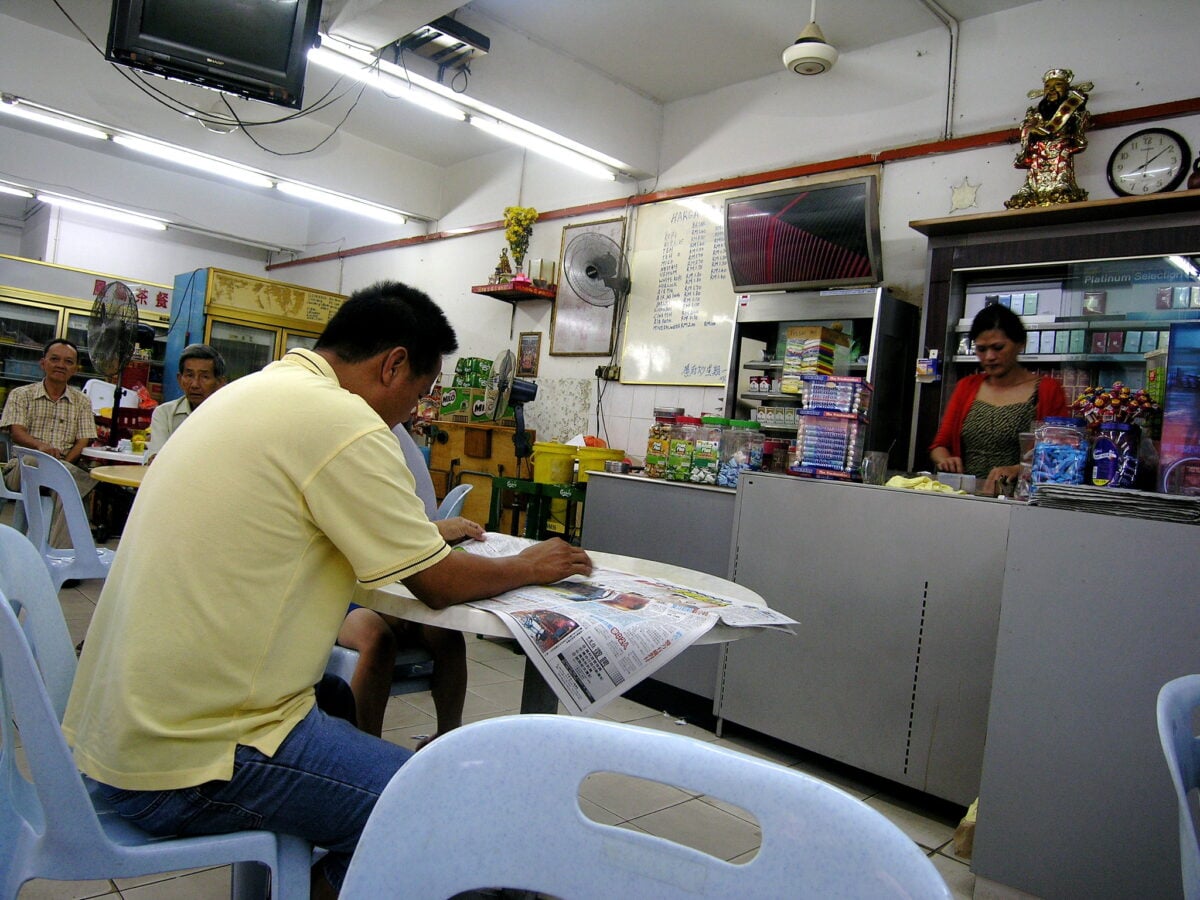
Malaysian coffee culture operates in multiple languages, multiple traditions, and multiple brewing methods simultaneously — which sounds chaotic but actually works perfectly. Kopitiam culture provides the foundation: neighborhood coffee shops that serve traditional kopi prepared with beans roasted in butter or margarine, creating a distinct flavor that tastes like Malaysia rather than anywhere else.
The specialty coffee scene has layered itself on top of that foundation rather than trying to replace it, creating coffee culture that’s both rooted in local tradition and engaged with global trends. So a single neighborhood might have a traditional kopitiam, a modern specialty coffee shop, and a Mamak stall serving teh tarik alongside their coffee — and regular customers will visit all three depending on what they’re in the mood for.
What makes Malaysian coffee culture work is its pragmatic approach to authenticity. Different preparations serve different purposes, and there’s no pressure to choose sides.
The coffee culture adapts to the social situation rather than demanding that social situations adapt to it.
Chile
Chilean coffee culture developed in the shadow of wine country, which taught it something important about terroir and patience. The country’s specialty coffee scene has grown steadily rather than explosively, building a reputation for quality that’s based on consistent excellence rather than dramatic innovation.
Santiago’s coffee shops reflect the city’s relationship with both mountains and ocean — spaces that feel grounded but not landlocked, with design aesthetics that incorporate natural materials and plenty of light. Coffee culture here treats morning coffee as ritual and afternoon coffee as social time, with distinct preparations and settings for each.
The most distinctive aspect of Chilean coffee culture might be its relationship with time. Coffee breaks are built into the workday structure, café conversations are expected to last, and the entire culture operates on the assumption that good coffee can’t be rushed.
Whether that’s traditional café con leche or carefully prepared specialty coffee, the approach remains the same: take the time to do it properly.
Bolivia
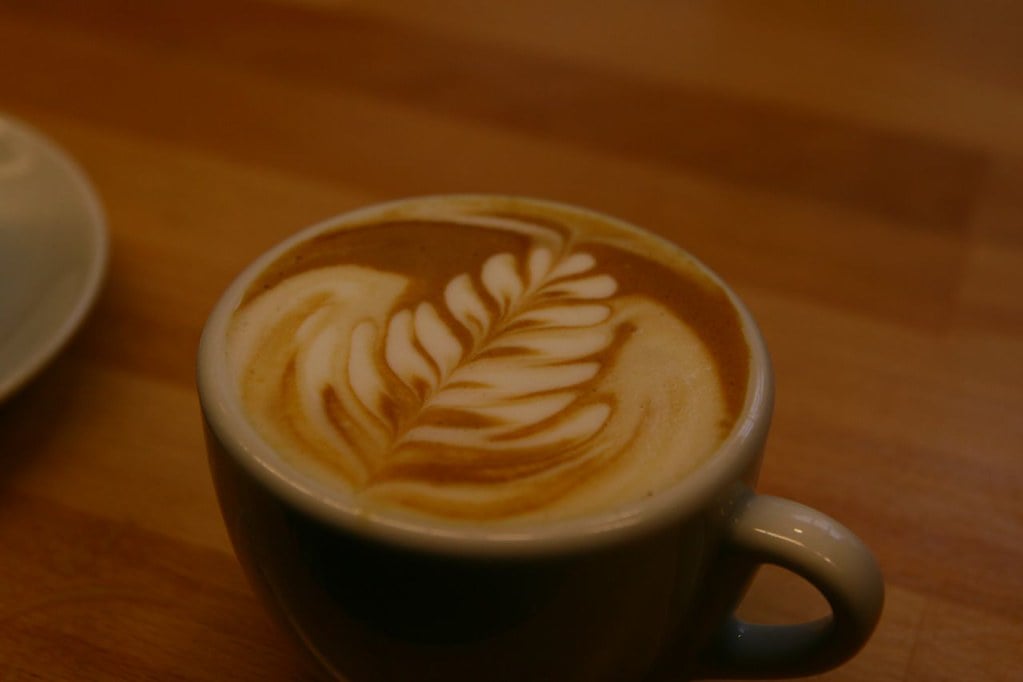
Bolivian coffee culture operates at altitude — literally and figuratively. Some of the country’s best coffee grows above 2,000 meters, creating flavor profiles that reflect the thin air and intense sun of the Andes.
Domestic coffee culture has developed around that distinctiveness, creating a scene that’s proud of what makes Bolivian coffee different rather than trying to imitate coffee cultures from elsewhere. La Paz coffee shops work with the city’s unique geography, creating spaces that take advantage of the dramatic views and acknowledge the climate challenges of high-altitude living.
Coffee culture here is both social and practical — caffeine helps with the altitude, but the social aspects of coffee culture provide community in a city where the environment can be demanding. What’s most impressive about Bolivian coffee culture is how it’s managed to develop its own identity despite being surrounded by countries with more established coffee reputations.
Bolivian coffee doesn’t try to compete with Colombian or Brazilian coffee; it focuses on being distinctly Bolivian, and the confidence shows in both the quality of the coffee and the culture that’s grown around it.
Beyond the Cup

Coffee culture reveals how societies choose to spend their time, and the most vibrant coffee cultures understand that the drink itself is just the starting point. Whether it’s the meticulous precision of Japanese kissaten or the democratic accessibility of Brazilian cafezinho, these cultures have figured out something that goes beyond brewing techniques or bean quality.
They’ve created social rituals that happen to involve coffee rather than coffee experiences that happen to be social. The best coffee cultures don’t try to be the best coffee cultures — they just focus on creating spaces and traditions that make sense for their particular place and people.
That’s harder to achieve than it sounds, but when it works, it produces something that can’t be replicated anywhere else.
More from Go2Tutors!

- The Romanov Crown Jewels and Their Tragic Fate
- 13 Historical Mysteries That Science Still Can’t Solve
- Famous Hoaxes That Fooled the World for Years
- 15 Child Stars with Tragic Adult Lives
- 16 Famous Jewelry Pieces in History
Like Go2Tutors’s content? Follow us on MSN.