15 Tall Peaks You Can Actually Climb
Most people think mountaineering belongs only to professionals with years of training and sponsor patches on their jackets. But plenty of high-altitude peaks welcome regular people who show up in decent shape with the right preparation.
You won’t need decades of ice climbing experience or a trust fund. Just determination, acclimatization, and respect for the mountain.
These aren’t beginner hills. But they’re also not Everest.
The peaks below push you hard enough to earn the summit, yet remain accessible to climbers who train properly and hire competent guides when needed.
Mount Kilimanjaro, Tanzania
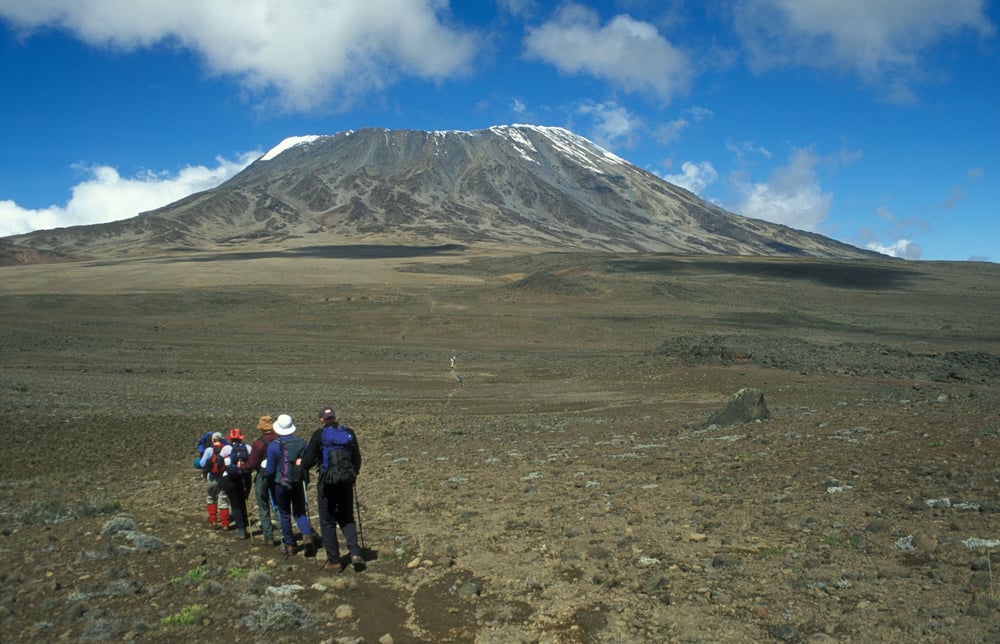
High up at 19,341 feet, Kilimanjaro claims the tallest spot on the continent. What makes it special? Reaching the summit doesn’t demand climbing expertise.
Instead of relying on gear like ropes or ice axes, most people simply hike their way upward. Altitude becomes the main challenge, not steep rock faces or glaciers needing tools.
Here’s the twist: high elevation hits everyone differently. Even marathon runners can feel worse than slower walkers who pace themselves.
What helps most is picking a trail that lasts seven or eight days, not five. Adjustment takes hours, not willpower.
High up by day, down low when resting – that’s how Machame and Lemosho work. These paths let your body adapt slowly to less oxygen.
Spending days above, nights below pushes red blood cell growth naturally. Each step upward, recovery downward builds stamina without strain.
Mount Elbrus, Russia
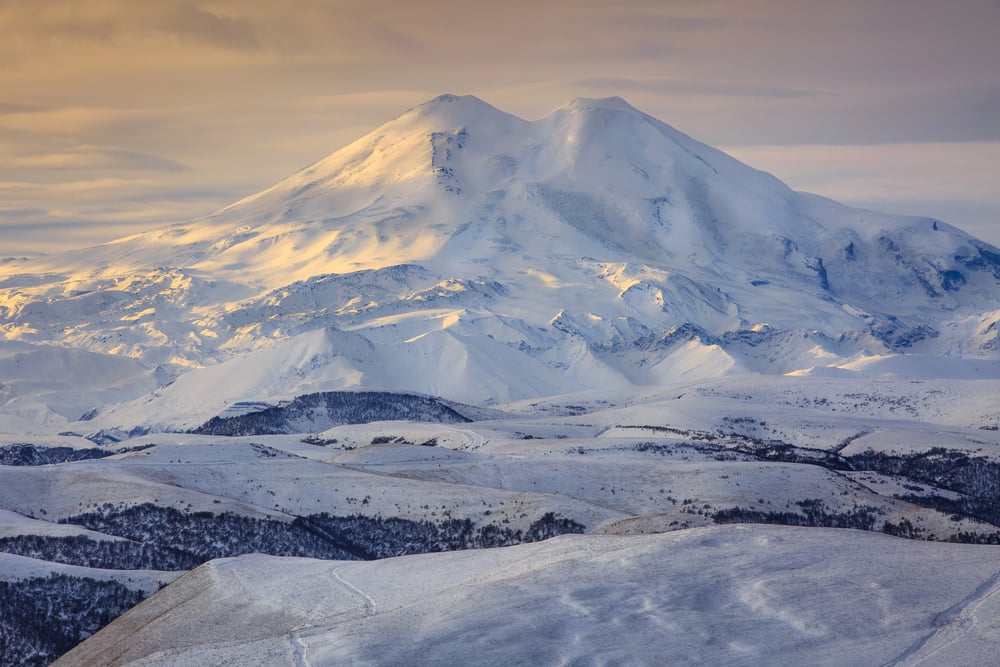
Europe’s highest peak sits in the Caucasus range at 18,510 feet. Elbrus demands more technical skill than Kilimanjaro but less than most big mountains.
You’ll use crampons, an ice axe, and travel roped to your team. The weather changes fast here.
Storms roll in with little warning, and the temperature can drop forty degrees in an hour. But on clear days, the views stretch across southern Russia into Georgia.
Most climbers approach from the south side, taking a cable car and chairlift partway up the mountain. This shortcut helps, but you still face a long summit day starting around midnight.
The final push takes eight to twelve hours round trip.
Aconcagua, Argentina
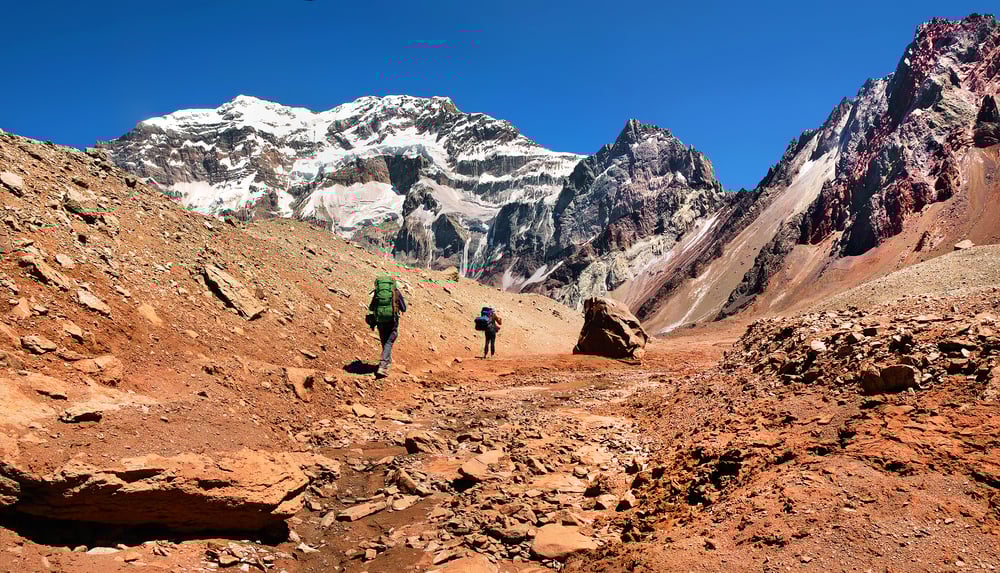
The highest peak outside Asia rises to 22,841 feet in the Andes. Aconcagua attracts hundreds of climbers each season, many attempting their first major expedition-style climb.
The normal route requires no technical climbing, but the altitude creates serious challenges. Above 20,000 feet, your body slowly dies.
You need to move up the mountain strategically, spending just enough time at each camp to acclimatize without deteriorating. Wind is the other enemy. Sustained gusts above 80 mph can pin you in your tent for days.
Climbers sometimes spend three weeks on the mountain, waiting for a weather window that lasts just 24 hours.
Island Peak, Nepal
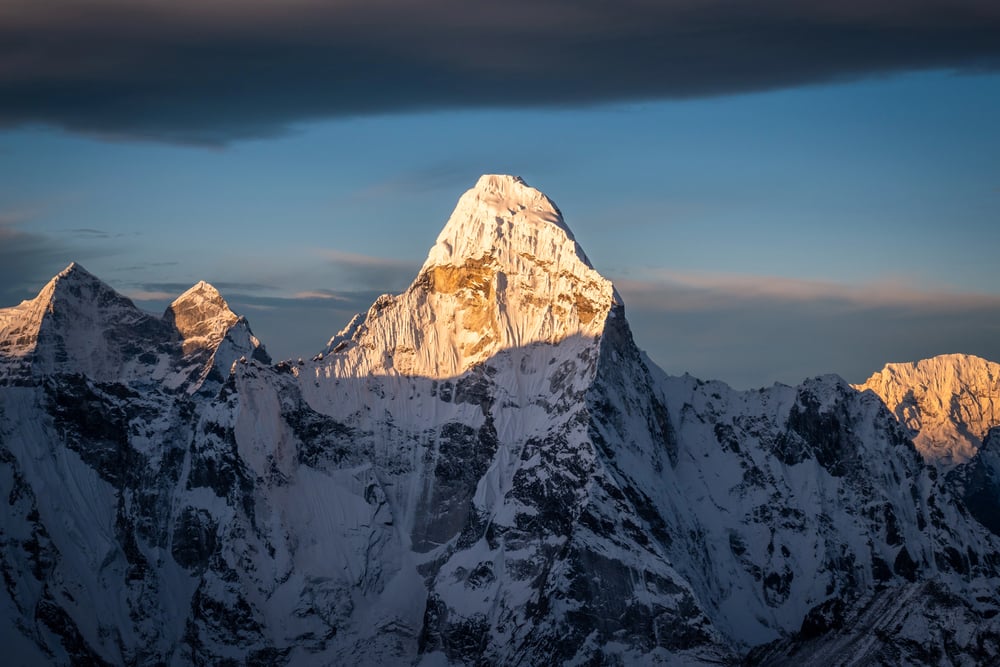
Technically called Imja Tse, this 20,305-foot peak gives you a taste of Himalayan climbing without the commitment of an 8,000-meter giant. The approach trek follows the classic Everest Base Camp route, so you get two adventures in one trip.
The summit day requires basic mountaineering skills. You’ll cross a glacier, climb a headwall with fixed ropes, and navigate a final ridge that demands focus.
The exposure feels real—steep snow and ice falling away on both sides. But the difficulty remains moderate for anyone comfortable with crampons and steep terrain.
Most commercial expeditions succeed because the technical sections are short and well-protected with ropes.
Mount Toubkal, Morocco
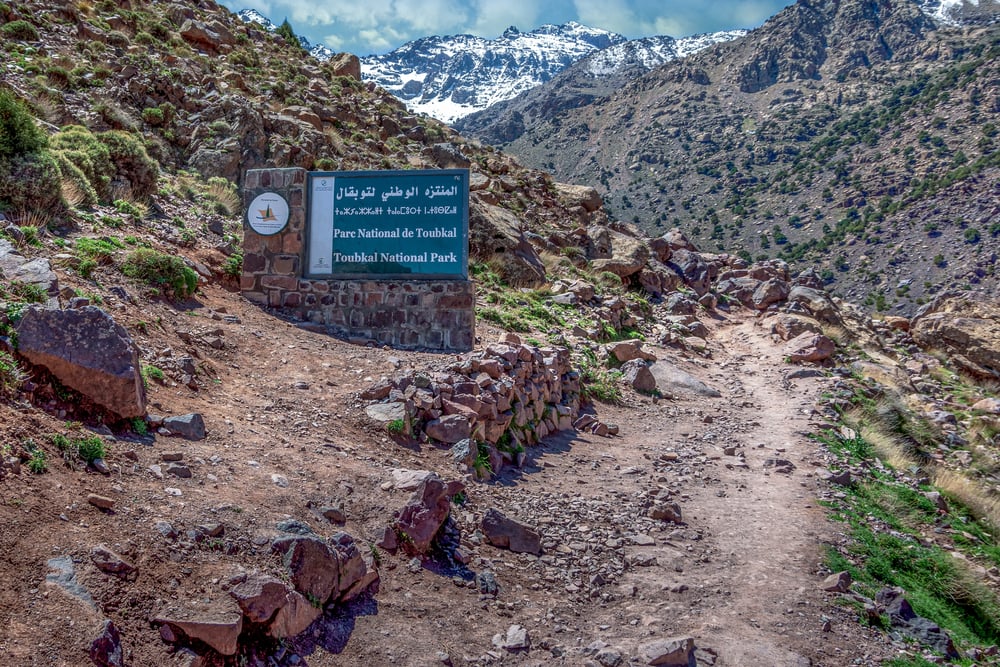
North Africa’s highest peak tops out at 13,671 feet in the Atlas Mountains. Toubkal offers an achievable summit just a few hours from Marrakech, making it popular for long weekends.
The trail winds through Berber villages where locals still farm terraced mountainsides. Higher up, the landscape turns to scree and rock.
The final approach can be snowy in winter, requiring crampons and an axe. Summer climbs feel more like aggressive hiking.
The altitude affects you, but nothing like the bigger peaks. Most fit hikers summit in two to three days, staying in mountain refuges that serve hot meals and mint tea.
Mount Kinabalu, Malaysia
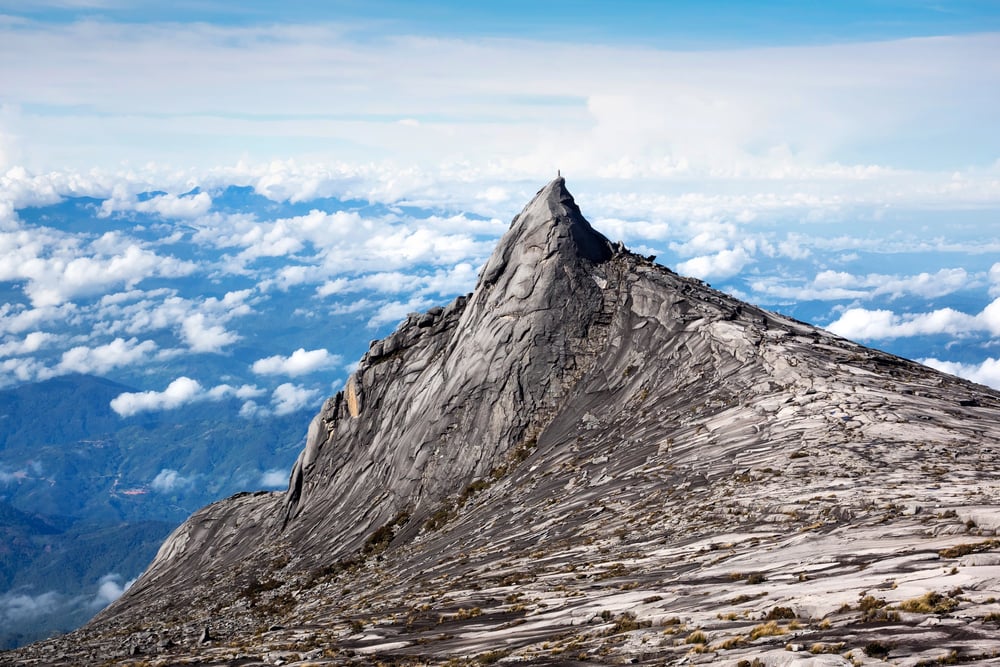
High on Borneo, this mountain rises to 13,435 feet where life thrives in surprising forms. Moving upward, thick jungle wraps around the trail, alive with pitcher plants and unusual orchids.
Above, the forest gives way as the air thins and open slopes appear. Starting at about 2 in the morning, the climb begins with a goal of reaching the peak by dawn.
Up near the top, people move carefully across wide sheets of granite, using their hands where needed – ropes aren’t necessary here. For those who want an extra edge, there are iron paths fixed into the rock that bring added difficulty without forcing full mountaineering gear.
Booking early is key because permits run out fast. Crowds show up regularly, yet everything runs without chaos.
Hiring a guide isn’t optional – this choice leads to more summits and fewer emergencies.
Cotopaxi, Ecuador
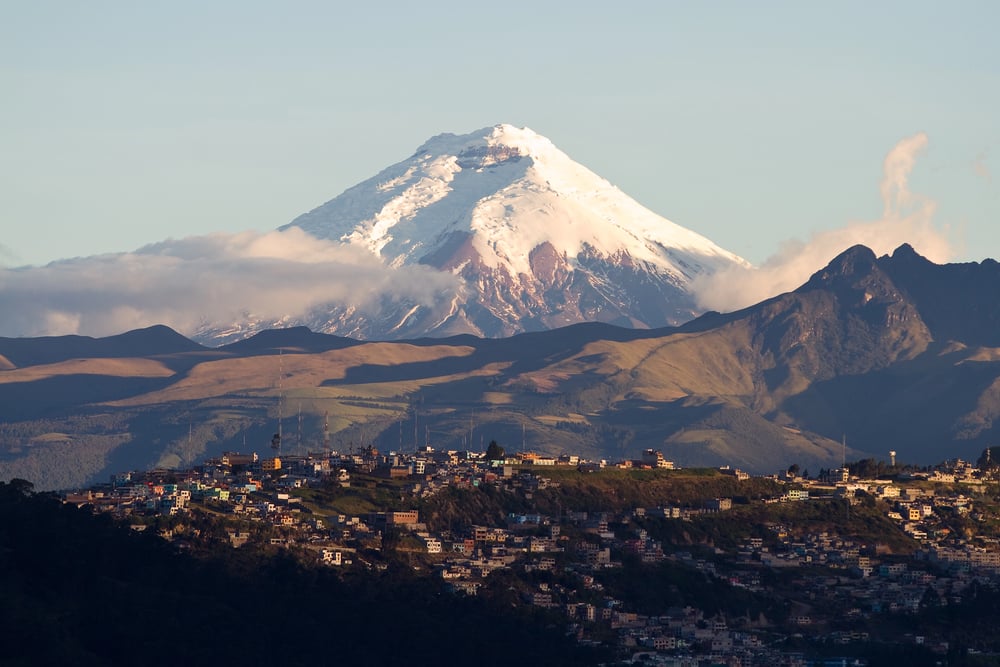
A peak among Earth’s most restless giants climbs to 19,347 feet. Wisps of vapor curling from its top hint at hidden heat – silent since 1904, yet never fully asleep.
Footsteps crunch over ice just after midnight, tracing a path that tilts sharper as it climbs. Care is needed where cracks split the glacier – watch each move.
The air gets thin up there, even if Quito, resting high already, gives some help. Days pass slowly while the body learns to breathe differently.
A hollow rim opens up, strange underfoot where yellow stains mark the snow from sulfur. When skies turn sharp, distant volcanoes line up along the ridge, visible far off down the long volcanic trail.
Pico de Orizaba, México
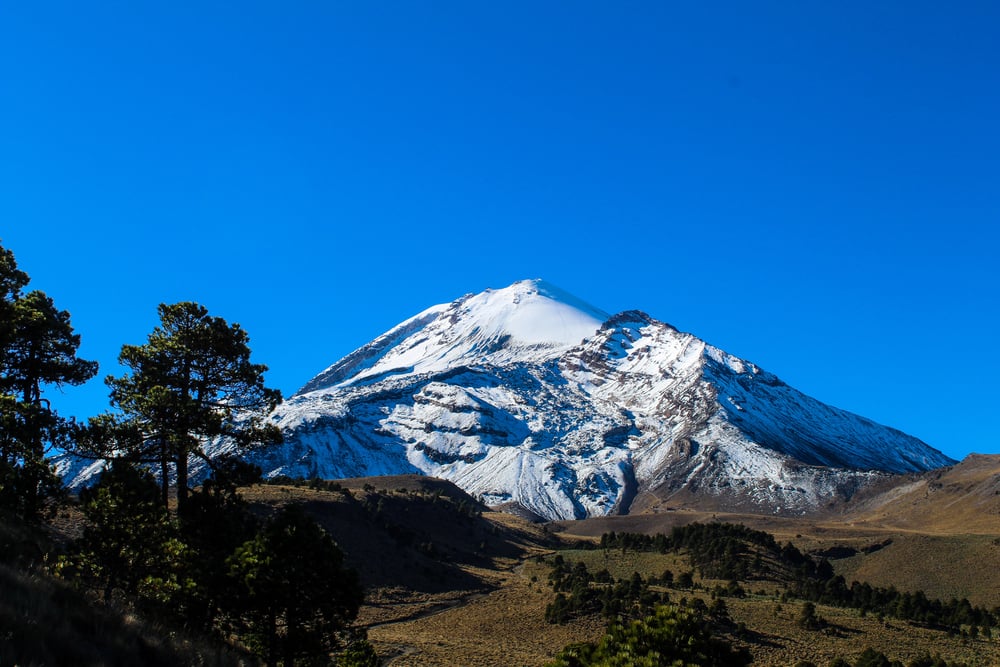
Mexico’s highest peak rises to 18,491 feet, offering a relatively straightforward glacier climb. The standard route follows the Jamapa Glacier, requiring crampons and an ice axe but no vertical ice climbing.
The altitude challenges your lungs, but the technical difficulty stays low. Many climbers use Orizaba as training for bigger mountains, testing their high-altitude performance in a controlled environment.
Start from the Piedra Grande Hut at 14,000 feet and push for the summit the next day. The climb takes six to eight hours up and three to four hours down.
Afternoon weather tends to deteriorate, so early starts are non-negotiable.
Mount Rainier, Washington
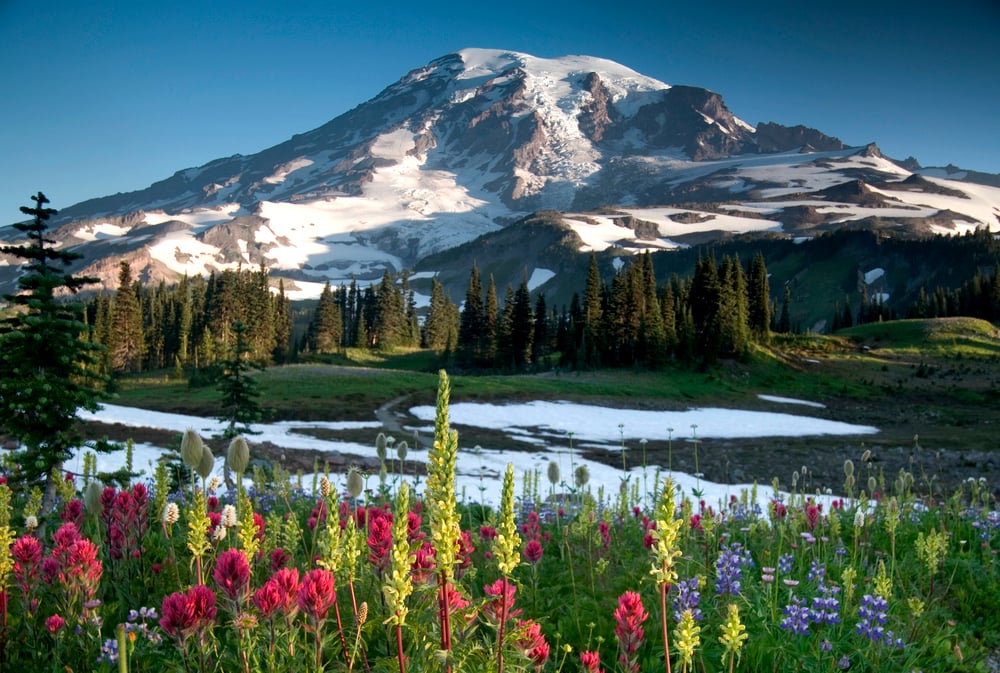
At 14,411 feet, Rainier isn’t the tallest mountain on this list. But it’s one of the most respected.
The mountain creates its own weather, and conditions change with violent speed. Climbers face crevasse navigation, avalanche danger, and altitude—all while carrying overnight gear.
The Disappointment Cleaver route is the most popular, winding through ice formations and past steaming fumaroles. Success rates hover around 50 percent, not because the route is technically extreme, but because the mountain demands everything.
Fitness, experience, luck with weather, and mental toughness all matter. Guided climbs are recommended unless you have solid glacier travel experience.
Mont Blanc, France/Italy
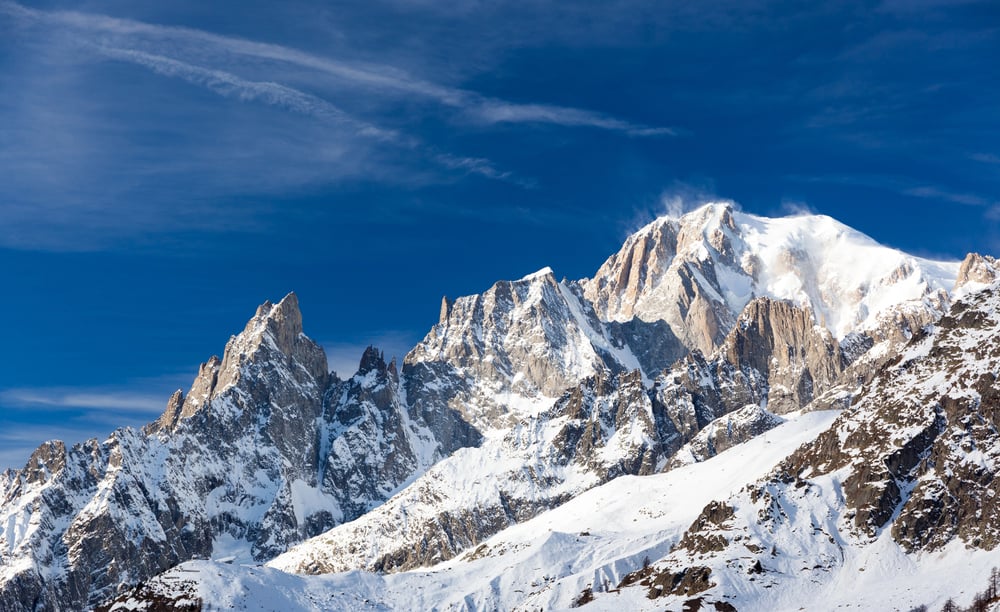
The highest peak in the Alps reaches 15,774 feet. Every summer, hundreds of climbers attempt the summit, making it one of the busiest big mountains in the world.
The normal route from Chamonix involves two or three days of hiking and moderate climbing. You’ll use crampons, navigate crevasses, and manage altitude.
But the real challenge comes from crowds and objective hazards. Seracs—massive blocks of ice—tower over parts of the route.
They can collapse without warning. Rockfall increases as the day warms.
This means you need to climb efficiently, moving through danger zones quickly.
Iztaccíhuatl, Mexico
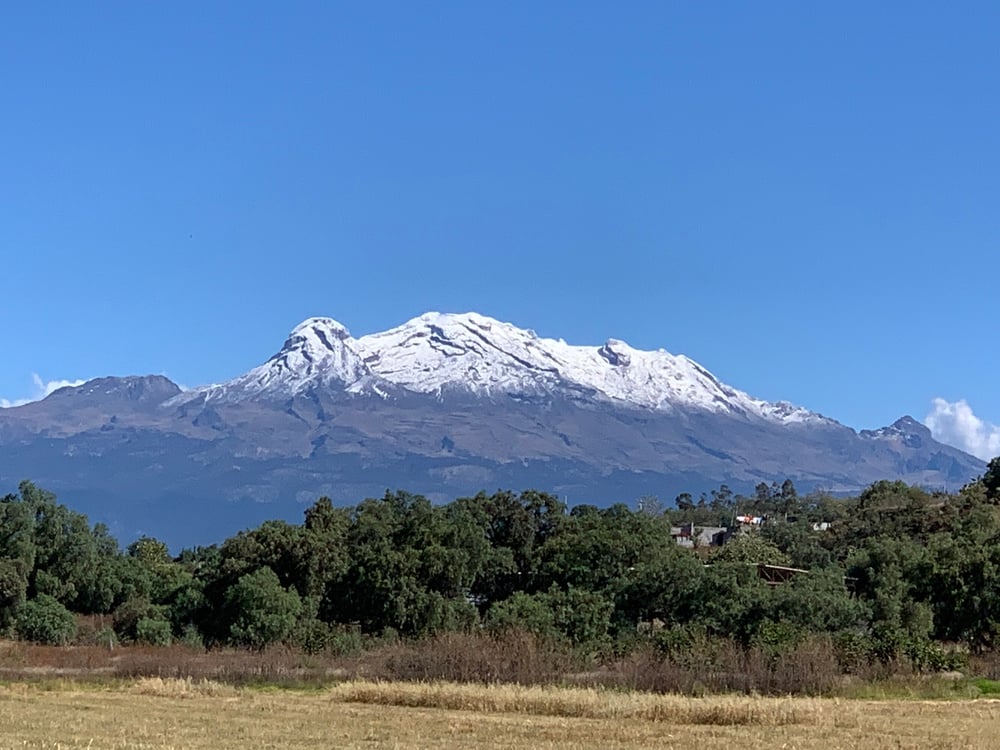
Called “Ixta” by locals and “the sleeping woman” for its profile, this 17,159-foot volcano sits next to Popocatépetl near Mexico City. The mountain offers a less-crowded alternative to nearby Orizaba while still providing serious altitude training.
The climb involves scrambling over volcanic rock and navigating a glacier on the summit approach. Routes vary from straightforward hiking to mixed rock and ice climbing, depending on conditions and which path you choose.
Acclimatization comes easy since you can camp at 13,000 feet and do acclimatization hikes before your summit attempt. The mountain sees fewer climbers than Orizaba, giving you more solitude.
Mount Kenya, Kenya
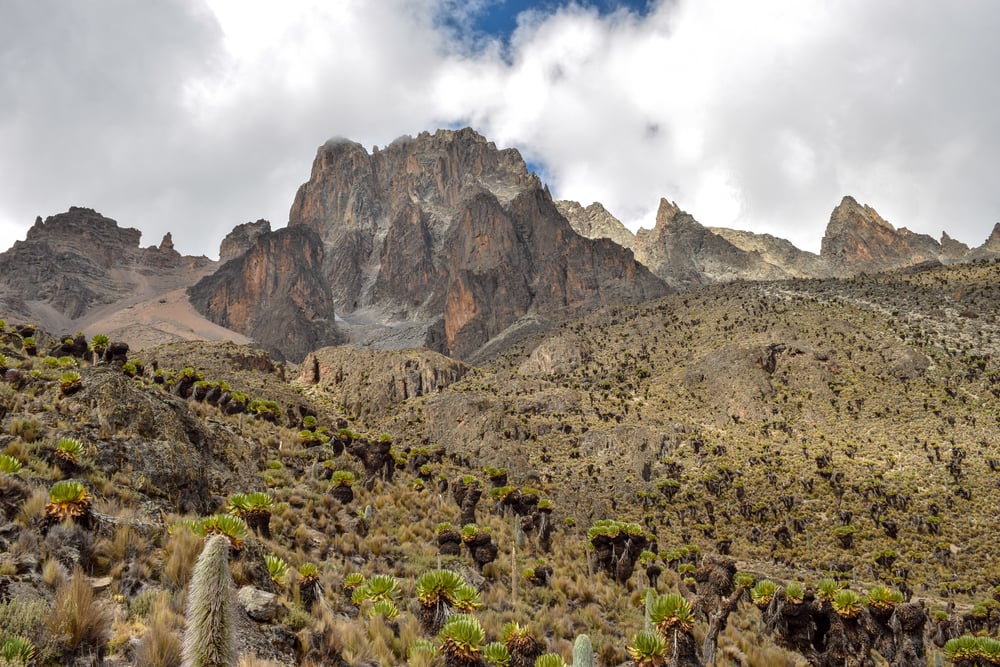
Africa’s second-highest peak rises to 17,057 feet. Unlike Kilimanjaro, Mount Kenya requires actual rock climbing to reach the highest summit, Batian.
But Point Lenana, the third-highest summit at 16,355 feet, requires only hiking and basic scrambling. The trek to Point Lenana takes you through distinct ecological zones—farmland, bamboo forest, moorland, and alpine desert.
Each day brings different scenery. The final push to Lenana starts before dawn, scrambling over loose scree in the dark.
By sunrise, you’re standing on top, looking across at Batian and Nelion’s technical rock faces.
Stok Kangri, India
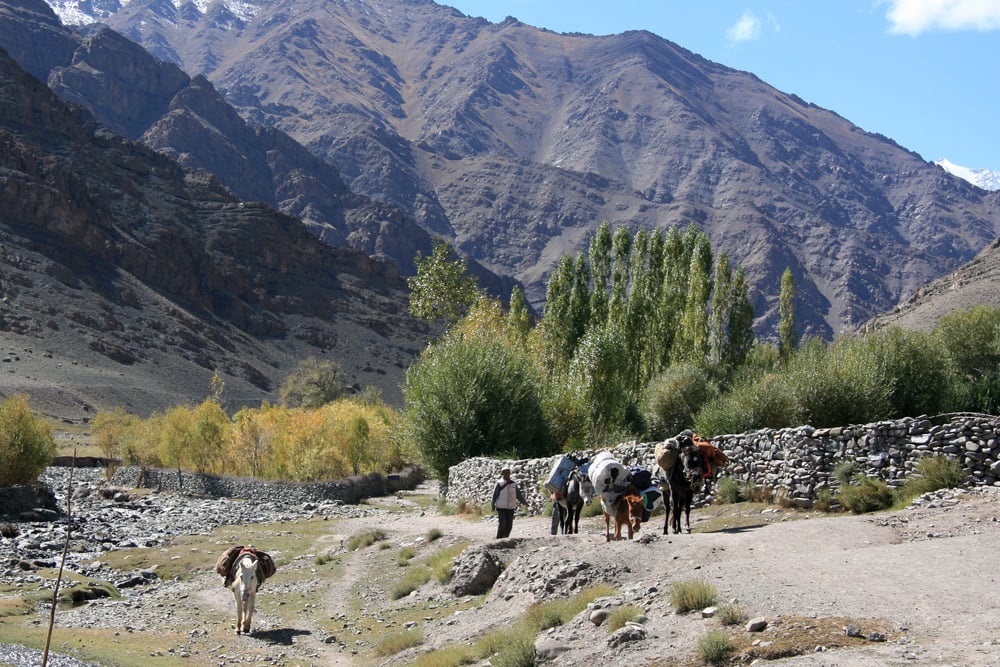
This 20,182-foot peak in Ladakh offers an accessible introduction to climbing above 20,000 feet. The route involves glacier travel and some steep snow slopes, but no vertical ice or rock.
The bigger challenge is getting to Ladakh and acclimatizing properly. The region sits at high altitude, with the town of Leh at 11,500 feet.
You need at least four to five days to adjust before attempting the mountain. The landscape feels otherworldly—barren brown mountains under intense blue sky.
Buddhist prayer flags snap in the wind, and monasteries cling to cliffsides. The climbing is secondary to the experience of being in this remote corner of the Himalayas.
Gran Paradiso, Italy
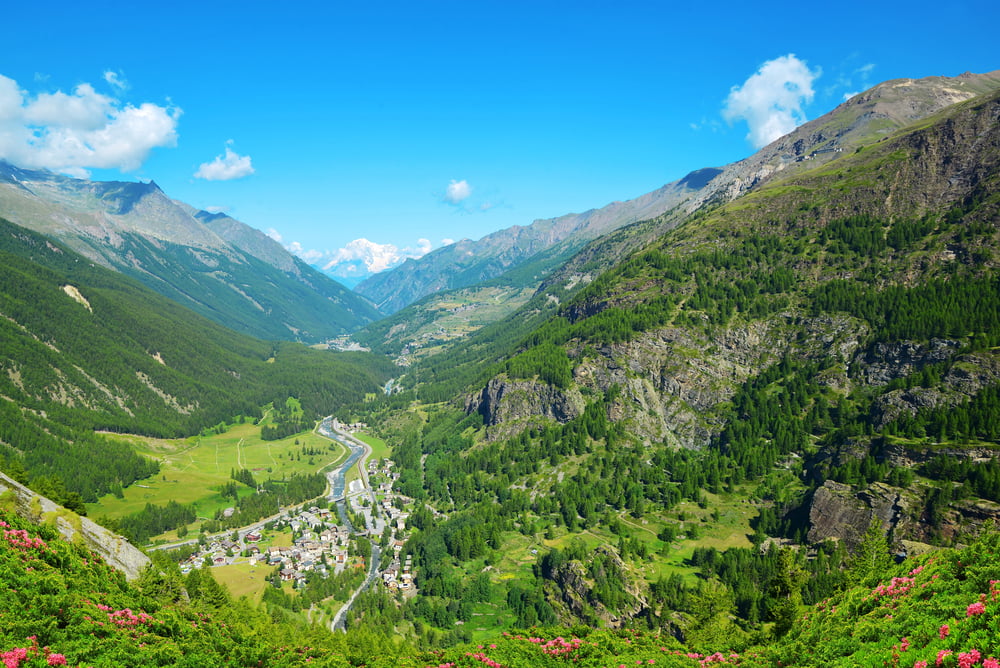
Italy’s highest peak entirely within its borders reaches 13,323 feet. Located in the Gran Paradiso National Park, the mountain offers a relatively safe introduction to alpine climbing.
The normal route includes glacier travel and a final rocky ridge to the summit. The climbing stays moderate—steep but not vertical.
Most parties complete the climb in a long day from the Vittorio Emanuele II refuge. The summit hosts a bronze Madonna statue.
On clear days, you can see Mont Blanc and the Matterhorn. The descent requires careful attention as afternoon snow softens and rockfall increases.
Punta Gnifetti (Signalkuppe), Switzerland/Italy
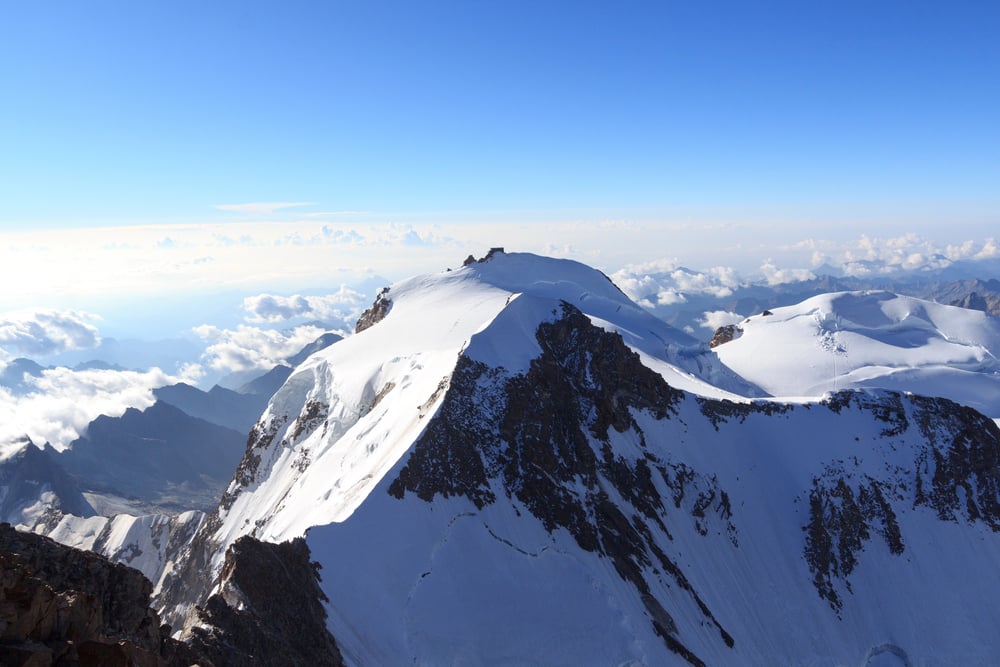
Right at the edge of the sky, this 14,941-foot summit holds a shelter like no other. Perched above everything, the Margherita Hut gives sleepers a strange quiet, high where breath comes slow.
Starting on the Italian flank means moving across a glacier where cracks hide beneath snow. Tied together, teams pick their way past icy towers, though nothing demands advanced training.
Skill level needed stays within reach for those who know how to handle basic snow and ice travel. At almost 15,000 feet, dawn paints the Alps in quiet light – worth every stiff moment inside the tight shelter below.
There, seventy squeeze in while pots simmer endlessly, slowed by air so thin that water turns to steam at just 185 degrees.
The Summit and the Descent
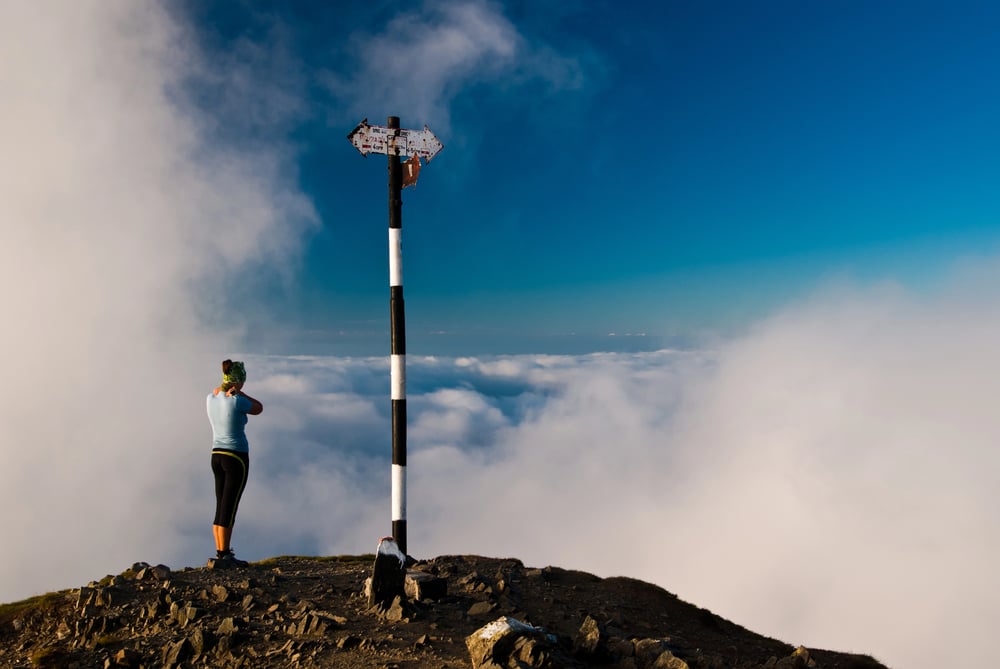
Up high, everyone reacts their own way. Tears come to some, while smiles spread across others – still, plenty are worn out and thinking only of the climb down.
You’d think the panorama would steal your breath, yet most attention goes to staying upright instead. What surrounds you fades behind the balance it takes to stay put.
Just because you reach the peak does not mean the job is done. Trouble often comes back, where tired minds meet sharp drops.
Reaching the top means nothing once fatigue sets in. Safety matters more than summits when gravity pulls hard.
What counts is returning with breath steady and body intact. Mountains won’t turn you into an expert climber.
Still, they show how far your body goes once tested, what alpine heights expect from anyone who dares upward, yet also reveal why souls return despite shaking limbs and gasping breath. This truth lingers well beyond when snapshots lose their color.
More from Go2Tutors!

- The Romanov Crown Jewels and Their Tragic Fate
- 13 Historical Mysteries That Science Still Can’t Solve
- Famous Hoaxes That Fooled the World for Years
- 15 Child Stars with Tragic Adult Lives
- 16 Famous Jewelry Pieces in History
Like Go2Tutors’s content? Follow us on MSN.



