Typos That Cost Companies Millions
Everyone makes typos. A missing comma here, a transposed letter there, maybe an autocorrect disaster that turns a professional email into something mildly embarrassing. Most of the time, these mistakes cost nothing more than a moment of cringing when someone points them out. But sometimes — just sometimes — a single character error can bring an entire corporation to its knees, wiping out millions of dollars faster than you can hit “undo.”
The business world runs on precision, and when that precision fails at exactly the wrong moment, the consequences can be spectacular. These aren’t stories about sloppy work or careless employees. These are tales of how the smallest possible mistake can create the largest possible disaster, reminding us that in our hyperconnected, automated world, there’s often no safety net between a typo and catastrophe.
Alitalia’s $7.2 Million Pricing Error
The airline meant to offer business class seats from Toronto to Cyprus for $3,900. Someone accidentally listed them at $39 instead. Within hours, deal-hunting websites had spread the news across the internet, and thousands of travelers were booking what amounted to nearly-free international flights.
Alitalia faced a choice: honor the obviously incorrect prices and lose millions, or cancel the bookings and face a public relations nightmare. They chose to honor most of the bookings, eating the massive loss rather than dealing with the legal and reputational fallout of canceling confirmed reservations.
Mizuho Securities’ $225 Million Fat Finger
On December 8, 2005, a Mizuho Securities trader tried to sell one share of J-Com stock for 610,000 yen. Instead, he typed an order to sell 610,000 shares for one yen each. The Tokyo Stock Exchange’s systems, despite having safeguards in place, processed the order.
But here’s where a simple typo became a catastrophic chain reaction (something that happens more often than anyone wants to admit): other trading systems interpreted the massive sell order as a signal that something was fundamentally wrong with J-Com, so algorithmic trading programs began short-selling the stock aggressively. By the time Mizuho realized what had happened and tried to cancel the order, it was too late — the exchange’s systems couldn’t handle the cancellation request because of the volume of trades already in motion. The final damage reached $225 million, and the incident led to significant changes in how Japanese exchanges handle erroneous orders.
Chile’s $10 Million Check Error

The Chilean government intended to send unemployment benefit checks of 25,000 pesos (about $40) to citizens affected by economic hardship. A programming error in the payment system added an extra zero to some payments, turning them into 250,000-peso checks instead.
So thousands of Chileans opened their mail to find checks worth ten times what they expected. The government couldn’t legally claw back money that had already been cashed — Chilean banking law made the checks valid once processed. The error cost taxpayers over $10 million and sparked a political scandal about government competence and oversight of social programs.
Childish Gambino Concert Pricing Catastrophe
Someone at Ticketmaster listed premium seats for a Childish Gambino concert at $65 instead of $650. Within minutes of tickets going on sale, bots and quick-fingered fans had snapped up hundreds of dramatically underpriced seats.
Ticketmaster canceled the sales and relisted the tickets at correct prices. But the damage was already done — fans who thought they’d scored legitimate deals were furious, social media exploded with complaints about bait-and-switch tactics, and the incident became another data point in ongoing criticism of Ticketmaster’s monopolistic practices. The company faced class-action lawsuits and regulatory scrutiny that cost far more than the original pricing error would have.
NASA’s Mars Climate Orbiter Navigation Error
NASA’s Mars Climate Orbiter, a $125 million spacecraft, burned up in Mars’ atmosphere because one team was using metric units while another used imperial measurements. The error wasn’t discovered until the spacecraft was already approaching Mars — too late to correct course.
And the really painful part: this wasn’t a complex engineering failure or an unprecedented technical challenge. It was the kind of unit conversion mistake that gets high school physics students points marked off on tests. Yet because space missions offer no second chances, that simple error destroyed years of work and scientific opportunity along with the spacecraft itself.
Deutsch Bank’s $6 Billion Accidental Transfer
A junior employee at Deutsche Bank intended to process a routine transaction. Instead of entering the correct amount, they mistakenly transferred $6 billion to a hedge fund client — roughly 60 times more than intended.
The bank caught the error within hours, but not before it had already caused internal chaos and regulatory headaches. The incident exposed weaknesses in Deutsche Bank’s internal controls and contributed to broader scrutiny of the bank’s risk management practices, ultimately costing far more in regulatory fines and reputation damage than the temporary misplacement of funds.
Kmart’s $300 Million Inventory Error
During Kmart’s bankruptcy proceedings, a single misplaced decimal point in inventory management software caused the system to overorder spring merchandise by a factor of ten. Instead of ordering appropriate quantities for a retailer trying to manage cash flow during restructuring, the system placed massive orders that the company couldn’t afford or store.
The error forced Kmart to liquidate merchandise at deep discounts just to free up warehouse space, turning what should have been profitable spring sales into another drain on the company’s strained finances. The mistake contributed to a longer and more expensive bankruptcy process than originally projected.
United Airlines’ Free Flight Fiasco
United Airlines accidentally listed flights from San Francisco to Hong Kong for $43 instead of $1,300. The error went live during peak booking hours, and travel deal websites amplified the mistake within minutes.
Even though United could have legally canceled the obviously erroneous bookings, the airline chose to honor them — partly to avoid negative publicity and partly because some of the tickets had already been used for travel. The decision cost United several million dollars but earned them goodwill from customers who had come to expect airlines to cancel mistake fares without compensation.
Amazon’s Pricing Algorithm Gone Wrong
Amazon’s automated pricing algorithms occasionally create perfect storms where competing systems drive prices to absurd levels. The most famous case involved a biology textbook that briefly cost $23.6 million because two pricing bots got caught in an escalating loop, each trying to price slightly higher than the other.
But here’s the thing about algorithmic pricing errors: they reveal just how much of modern commerce runs on autopilot, with systems making thousands of pricing decisions per second based on rules that seemed logical when someone programmed them. When those systems malfunction, they don’t just make one mistake — they make thousands of mistakes, all at the speed of computers rather than humans.
The textbook incident was caught before anyone actually paid $23.6 million for it, but similar algorithm failures have cost retailers significant money when customers successfully purchased mispriced items before the errors were detected.
British Airways’ Two-for-One Business Class Error
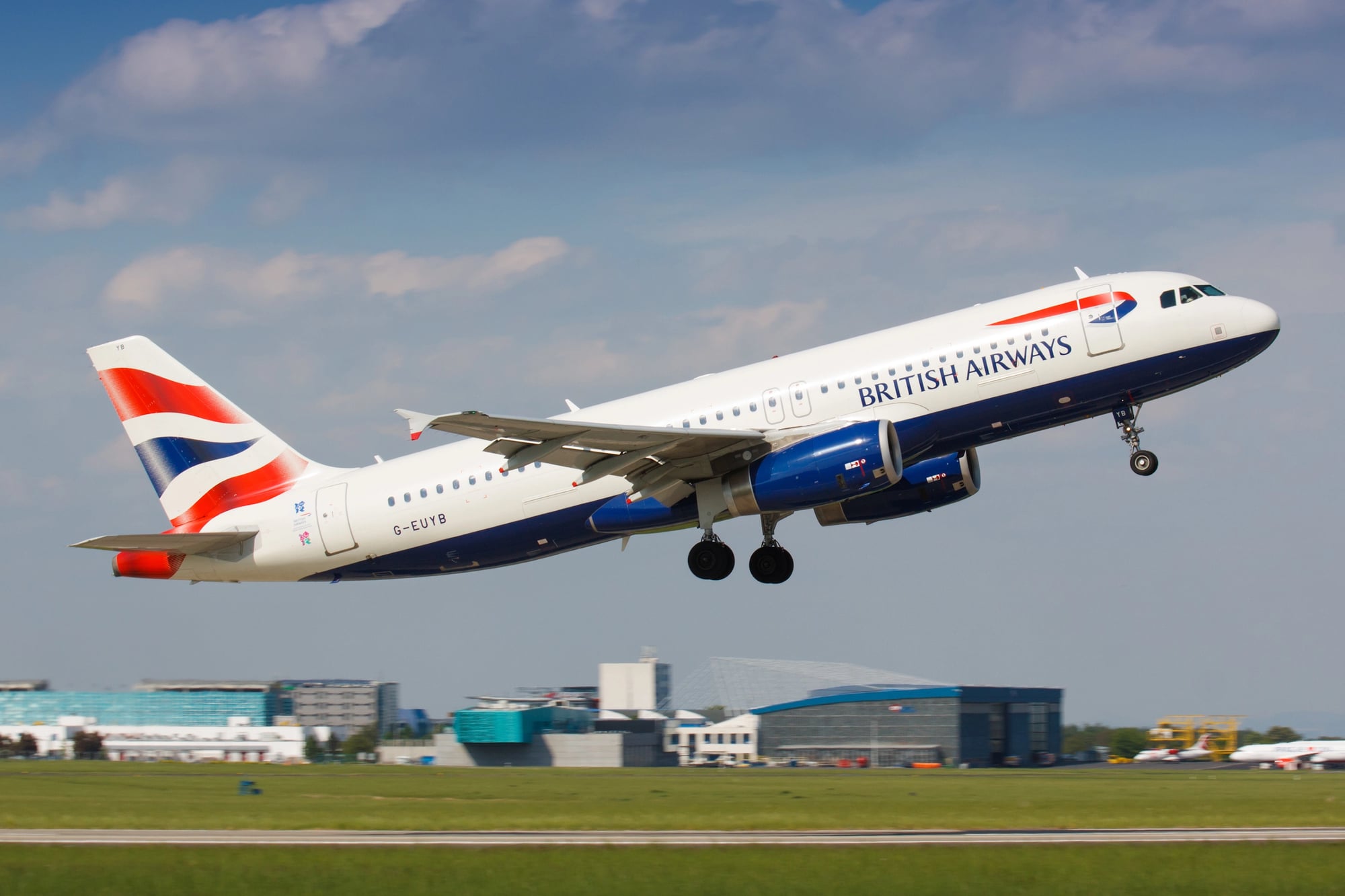
British Airways accidentally sent an email newsletter advertising business class flights to Dubai for “Buy One, Get One Free” when they meant to promote a standard discount. The email went to their entire premium customer mailing list — precisely the customers most likely to have both the money to book expensive flights immediately and the experience to recognize an obvious mistake fare.
Hundreds of customers booked the flights before BA could correct the error. The airline honored the bookings rather than face the legal challenges and public relations nightmare of canceling confirmed reservations for their most valuable customers.
eBay’s $1.04 Billion Stock Calculation Error
During eBay’s employee stock option program, a spreadsheet error caused the company to overestimate the value of outstanding options by more than $1 billion. The mistake went undetected through multiple levels of financial review and made it into official SEC filings before being discovered.
The correction required restating earnings, triggering SEC investigations and shareholder lawsuits. The incident highlighted how even sophisticated companies with extensive financial controls can miss fundamental calculation errors when everyone assumes someone else has double-checked the numbers.
Ethereum’s Multi-Million Dollar Smart Contract Bug
A typo in a smart contract caused the Parity wallet to freeze over $280 million worth of Ethereum cryptocurrency. A developer accidentally triggered a function that made him the owner of the wallet library, then deleted it — permanently locking away funds belonging to thousands of users.
And the cruel irony of blockchain technology: it’s designed to be immutable and trustless, which means there’s no customer service department to call when someone makes a mistake. The funds remain frozen to this day, a permanent monument to how a single character error can have consequences that literally cannot be undone.
When Precision Meets Reality

The thread connecting all these disasters isn’t technology or human error — it’s the gap between how systems are supposed to work and how they actually work when everything goes wrong at once. Each of these companies had safeguards, review processes, and experienced people checking important decisions. Yet somehow, a single typo still managed to slip through every defense and cause spectacular damage.
Perhaps that’s the real lesson here: in a world where so much depends on getting every detail exactly right, the most dangerous assumption is that someone else will catch the mistakes we miss.
More from Go2Tutors!

- The Romanov Crown Jewels and Their Tragic Fate
- 13 Historical Mysteries That Science Still Can’t Solve
- Famous Hoaxes That Fooled the World for Years
- 15 Child Stars with Tragic Adult Lives
- 16 Famous Jewelry Pieces in History
Like Go2Tutors’s content? Follow us on MSN.



