17 Longest-Living Creatures Ever Recorded
The concept of immortality has fascinated humans throughout history. While we haven’t quite cracked that code for ourselves, the natural world hosts some remarkable organisms that seem to have time on their side. From ancient trees that witnessed the rise and fall of civilizations to deep-sea dwellers that quietly survive through centuries, these long-lived species challenge our understanding of biological limits.
Nature has gifted certain creatures with extraordinary lifespans that dwarf our human experience. Here is a list of 17 of the most impressively long-lived organisms ever documented on our planet.
Greenland Shark

The Greenland shark moves through the icy Arctic waters at an almost imperceptible pace, growing just a centimeter per year. Scientists using radiocarbon dating of eye lens proteins discovered these sharks can live upwards of 400 years, making them the longest-lived vertebrates known to science. A Greenland shark swimming today might have been alive during the American Revolutionary War.
Ocean Quahog Clam
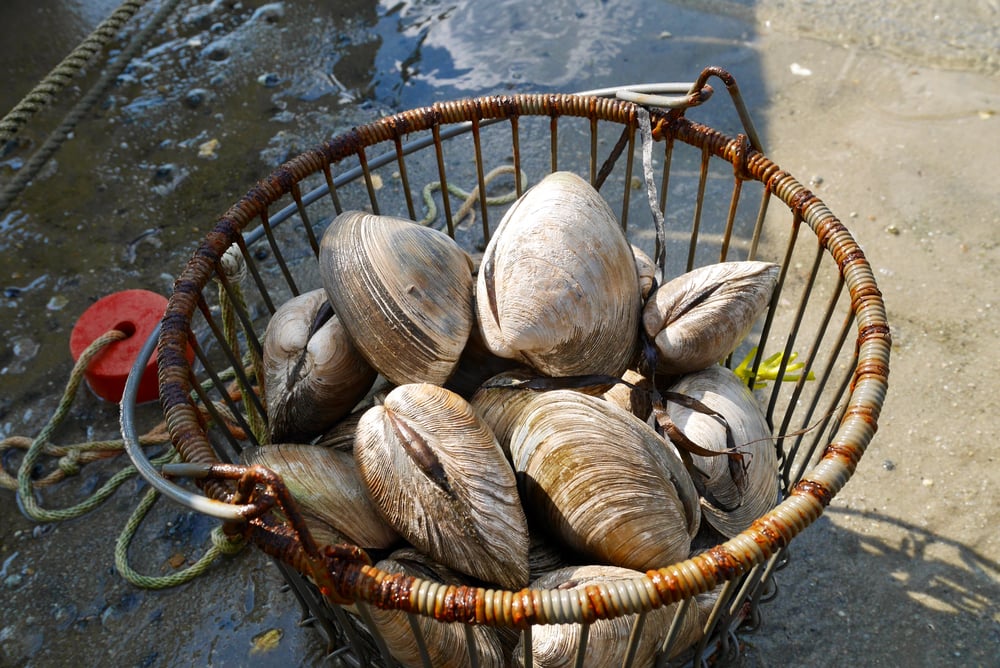
In 2006, researchers discovered a humble ocean quahog clam they nicknamed ‘Ming’ (after the Chinese dynasty during which it was born) that lived to be 507 years old. These unassuming mollusks spend their centuries buried in North Atlantic seabed sediments, filtering water and growing their thick shells with annual growth rings that scientists can count like tree rings.
Great Basin Bristlecone Pine
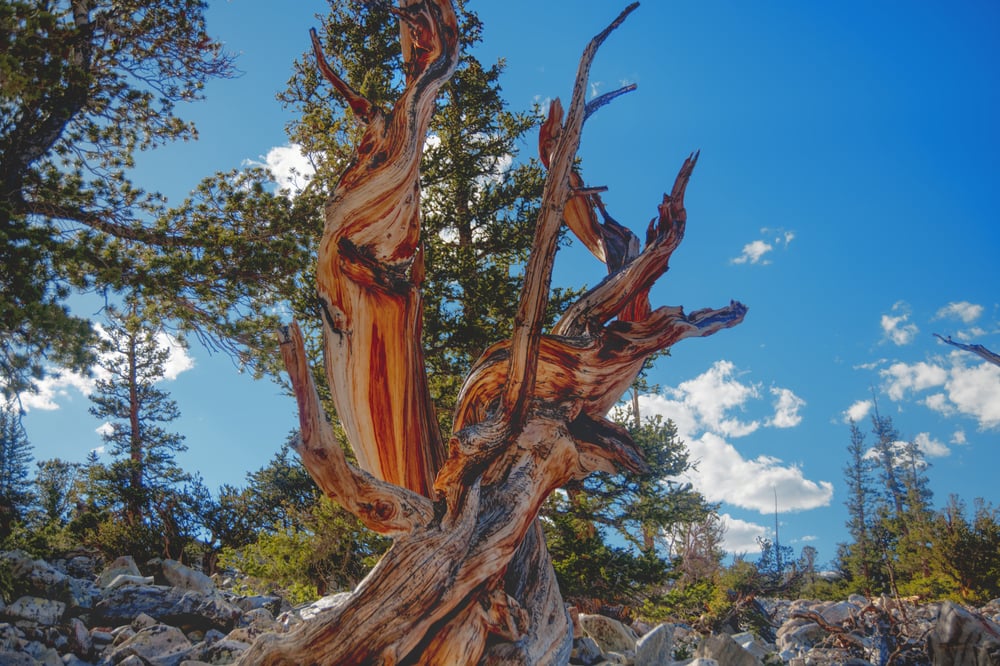
Standing twisted and weathered against the harsh mountain conditions of Nevada and California, bristlecone pines have survived for millennia. The oldest verified specimen, named Methuselah, is approximately 4,850 years old and still growing in California’s White Mountains. These trees were already ancient when the pyramids of Egypt were being built.
Mediterranean Sea Sponge
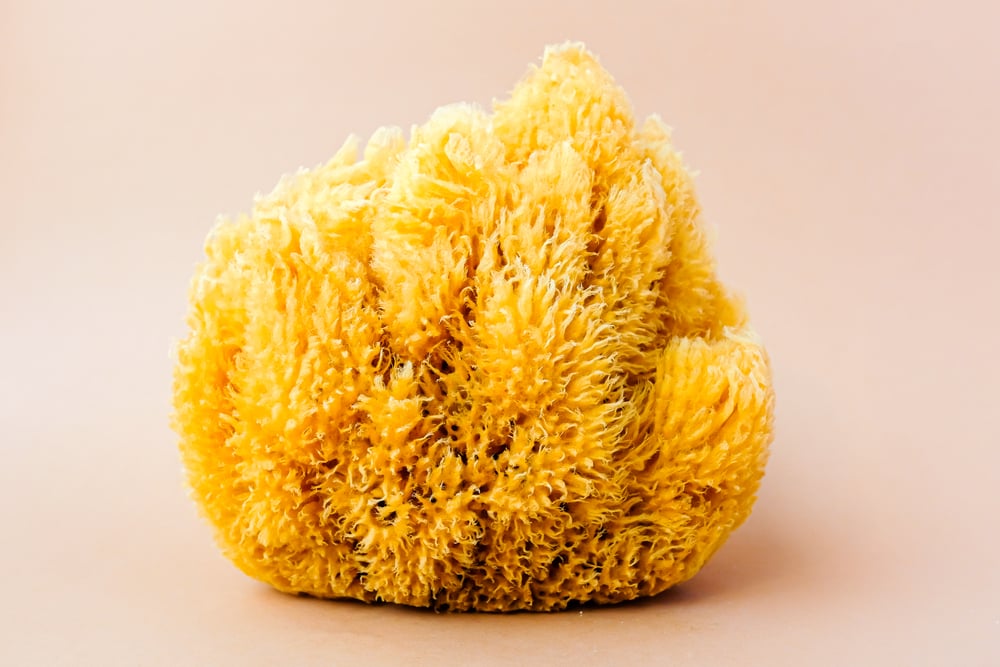
Beneath the azure waters of the Mediterranean, some sea sponges have quietly filtered seawater for over 2,000 years. These simple, immobile animals grow exceedingly slowly in cold, deep waters where disturbances are minimal. Like living time capsules, they’ve remained essentially unchanged while empires rose and fell above the waves.
Bowhead Whale
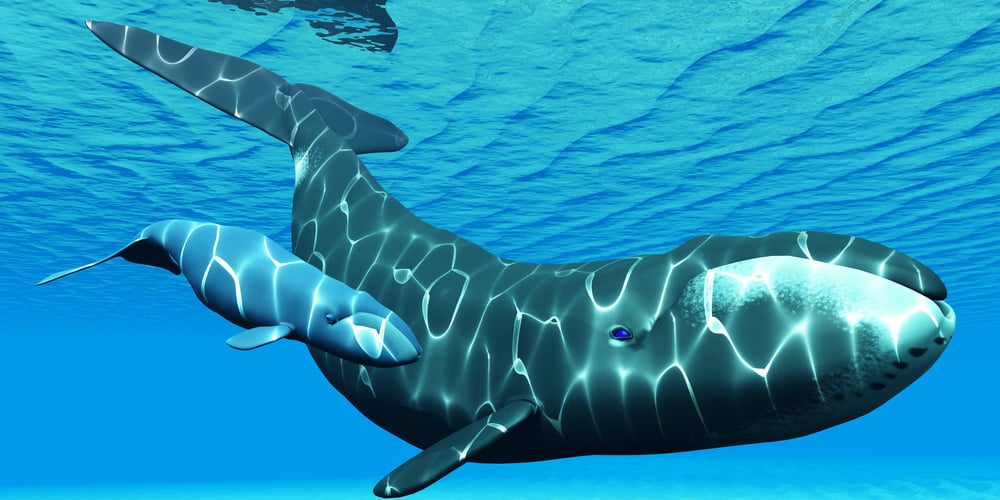
Navigating the frigid Arctic waters, bowhead whales can live over 200 years, making them the longest-lived mammals. Researchers discovered their impressive age by finding 19th-century harpoon heads embedded in still-living whales. Their secret might lie in extremely efficient DNA repair mechanisms that protect against the ravages of time.
Red Sea Urchin
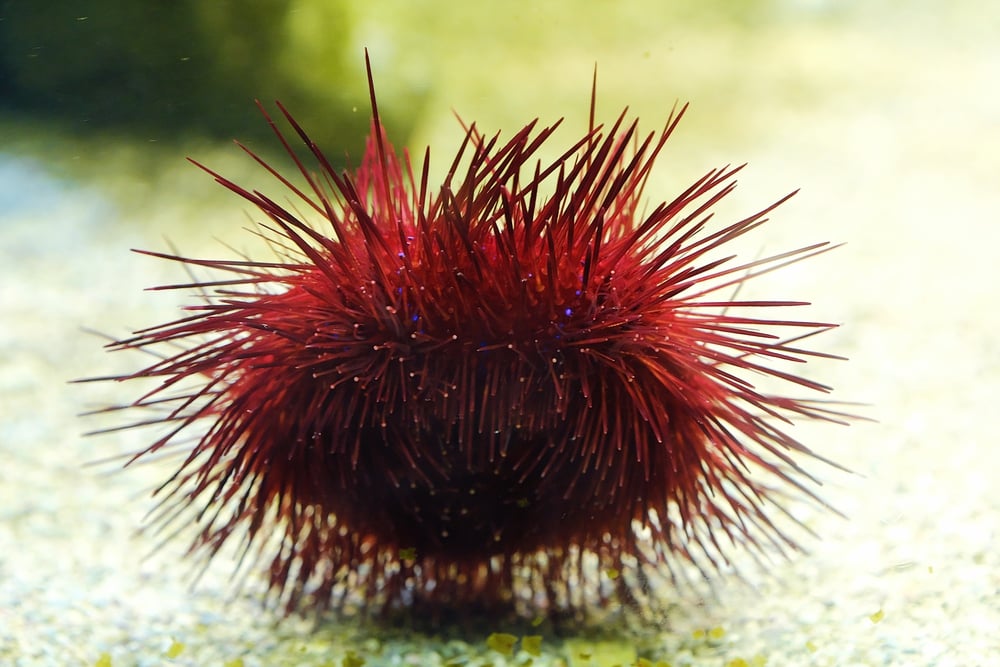
These spiny ocean dwellers might not look impressive, but red sea urchins routinely live for over 200 years with some reaching ages of 400. Found along the Pacific coast from Alaska to Baja California, they spend their centuries slowly grazing on kelp. Unlike humans, they show negligible signs of aging—their reproductive organs and capacity don’t diminish over time.
Aldabra Giant Tortoise
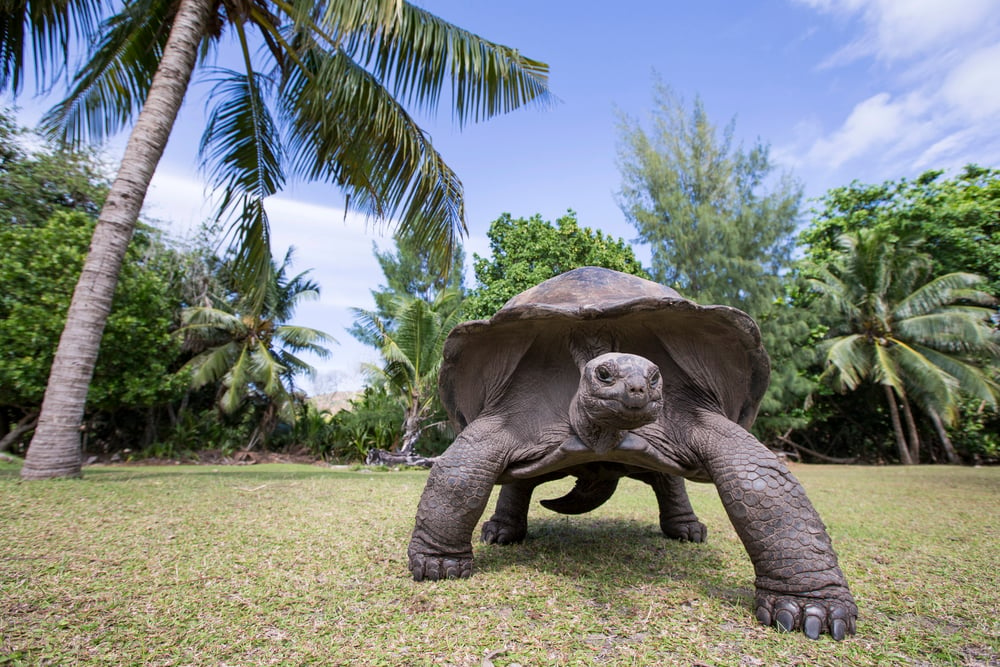
Plodding along at their famously unhurried pace, Aldabra giant tortoises regularly live past 100 years, with some individuals surpassing 250 years. One famous tortoise named Jonathan, living on the island of St. Helena, was hatched around 1832 and is still alive today at 193 years old. He’s officially the oldest known living land animal and has lived through the terms of 39 U.S. presidents.
Hydra

These tiny freshwater relatives of jellyfish possess what seems like biological immortality. Under ideal laboratory conditions, hydras show no signs of aging or increased mortality over time. Their remarkable regenerative abilities allow them to replace all cells in their bodies every few days, essentially becoming new individuals and potentially avoiding death by old age altogether.
Tubeworms
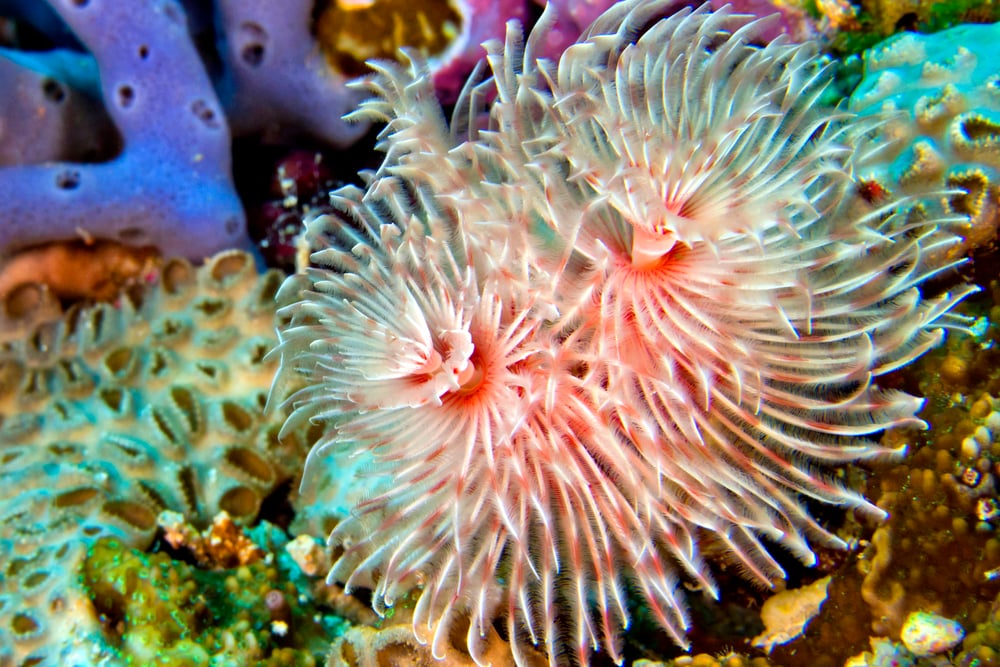
Deep in the darkness of hydrothermal vents, where superheated water meets frigid deep ocean, vestimentiferan tubeworms can live for over 250 years. These bizarre creatures have no mouth or digestive system—instead, they host bacteria that convert chemicals from the vents into energy. Their extreme environment paradoxically provides the stability that enables their extraordinary lifespans.
Turritopsis Dohrnii Jellyfish
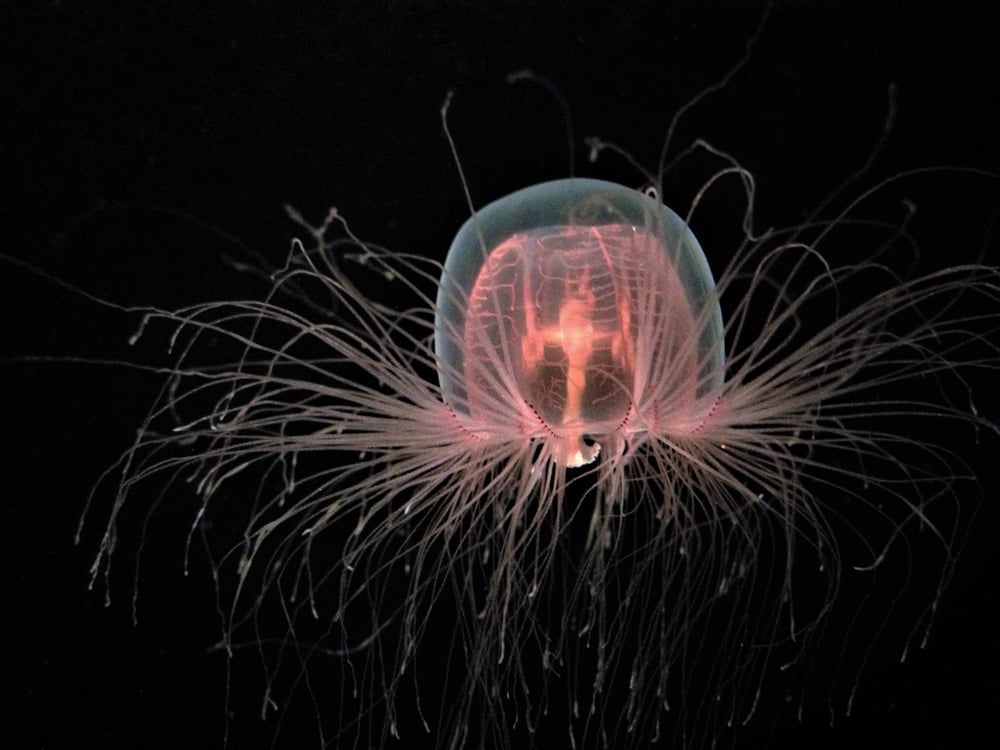
Often called the ‘immortal jellyfish,’ this tiny transparent creature has developed a remarkable survival trick. When facing environmental stress or physical damage, it can revert from its mature medusa stage back to its juvenile polyp stage—essentially aging backward. Theoretically, this cycle could continue indefinitely, making it potentially biologically immortal in the wild.
Macaw
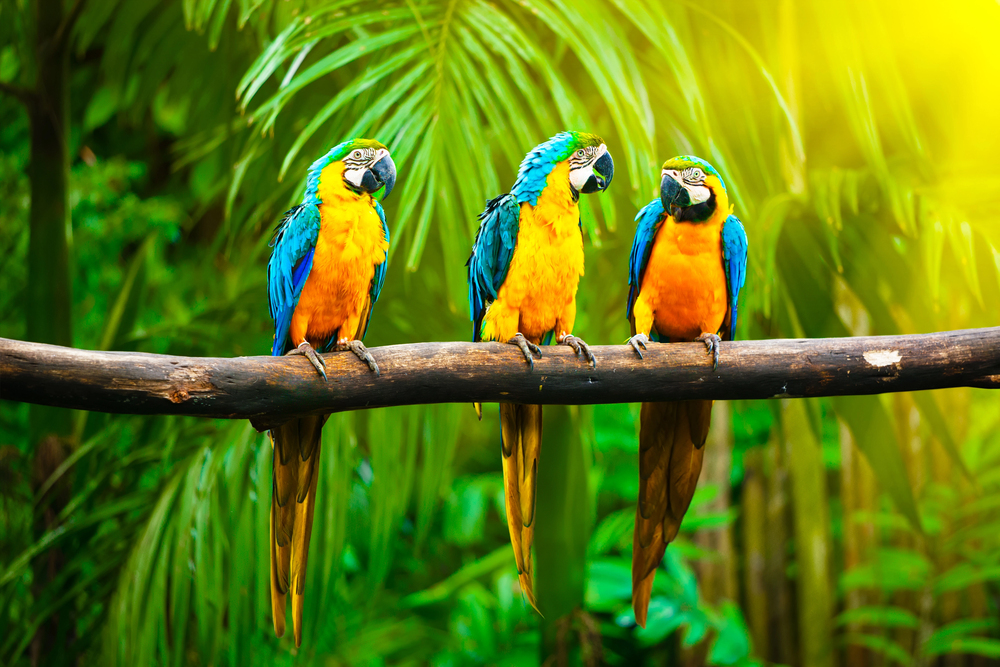
Among birds, the colorful macaws of South and Central America stand out for their impressive lifespans. These intelligent parrots commonly live 50-70 years in the wild and have been documented reaching over 100 years in captivity. Their long lives match their complex social structures and advanced cognitive abilities, which continue developing throughout their lives.
Glass Sponge
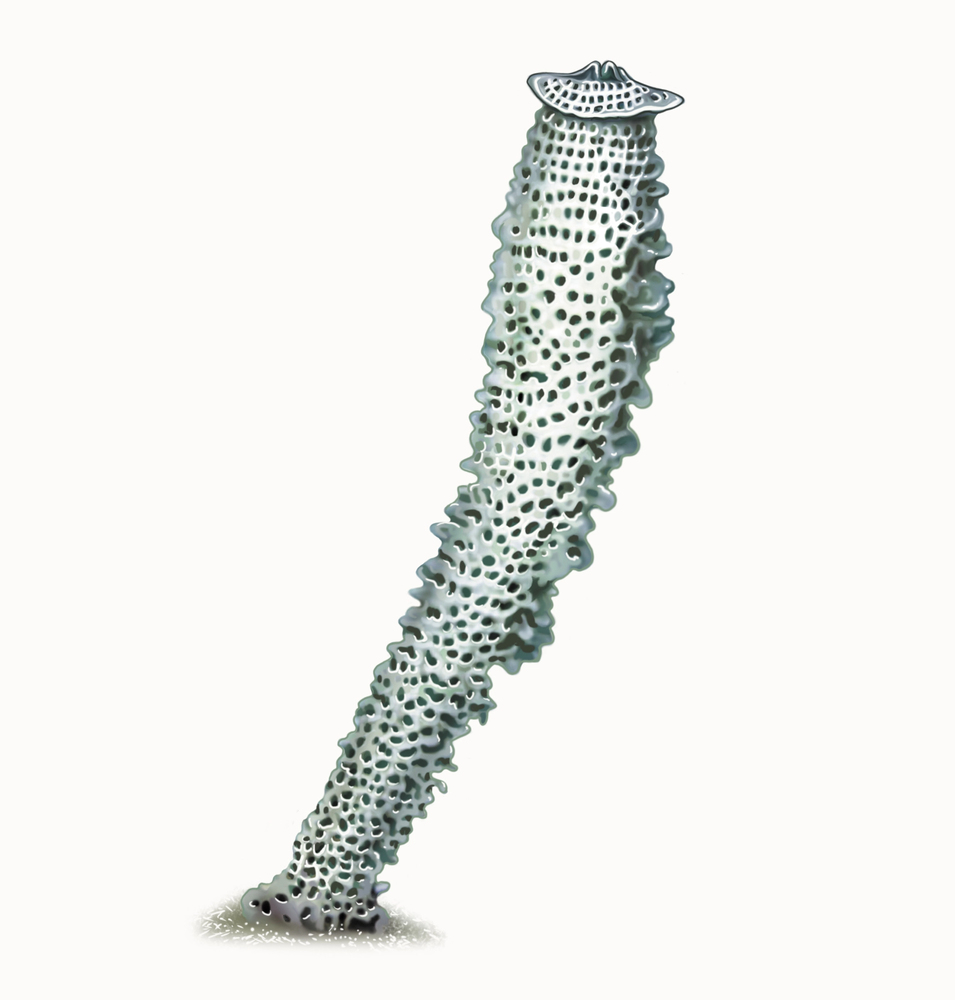
In the deep waters off Antarctica, glass sponges create intricate silica skeletons that can persist for thousands of years. Some living specimens are estimated to be over 10,000 years old—meaning they were already filtering seawater when humans were just beginning to develop agriculture. Their extreme slowness—both in metabolism and growth—contributes to their exceptional longevity.
Lamellibrachia Tube Worm
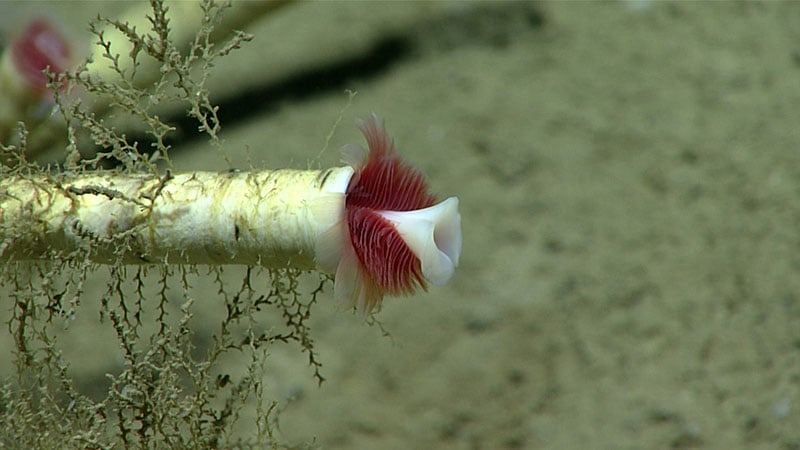
Living on the ocean floor near cold seeps, these remarkable tube worms grow to lengths of over 10 feet and can live for more than 250 years. They build protective tubes around themselves and rely on symbiotic bacteria to convert chemicals from the seabed into food. Their metabolic rates are among the lowest measured in any animal, helping extend their lifespans.
Rougheye Rockfish
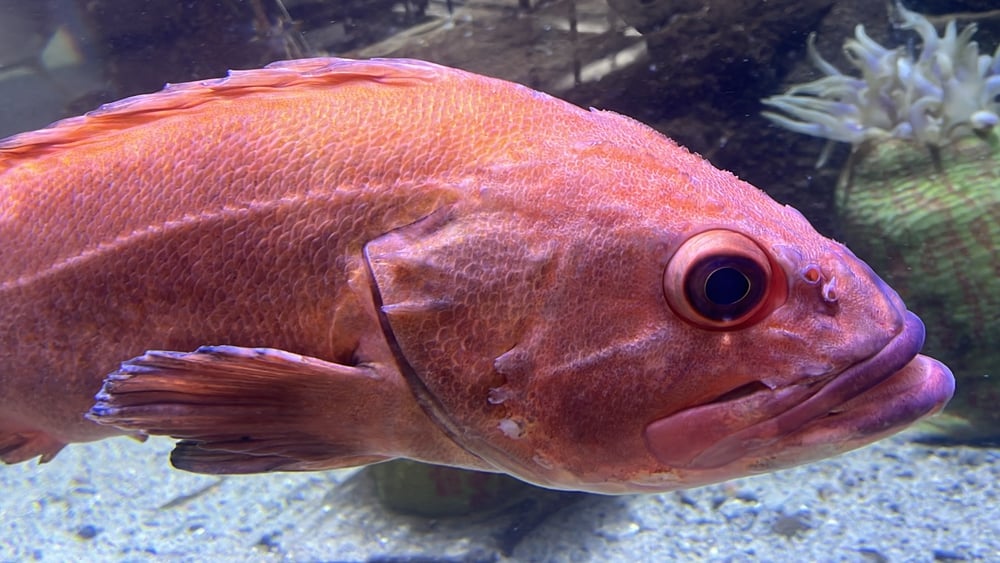
Swimming in the cold waters of the North Pacific, rougheye rockfish can live over 200 years. These deep-dwelling fish grow extraordinarily slowly, reaching sexual maturity only after 20+ years. Scientists determine their age by counting growth rings in their ear bones, similar to counting tree rings, revealing some specimens born during Thomas Jefferson’s presidency.
Copper Coral
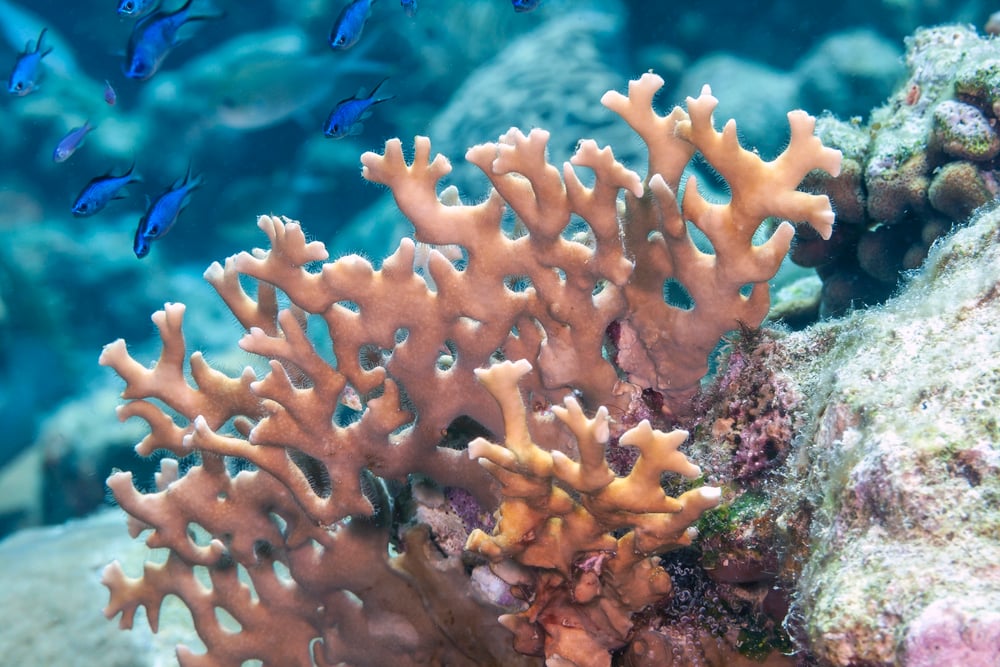
In the dark depths where sunlight never reaches, some black corals grow at rates measured in micrometers per year. Certain deep-water copper coral specimens found off Hawaii have been dated to be over 4,000 years old. Unlike the more familiar tropical reef corals, these species form solitary colonies in the stable environment of the deep ocean where they can quietly persist through millennia.
Elephant
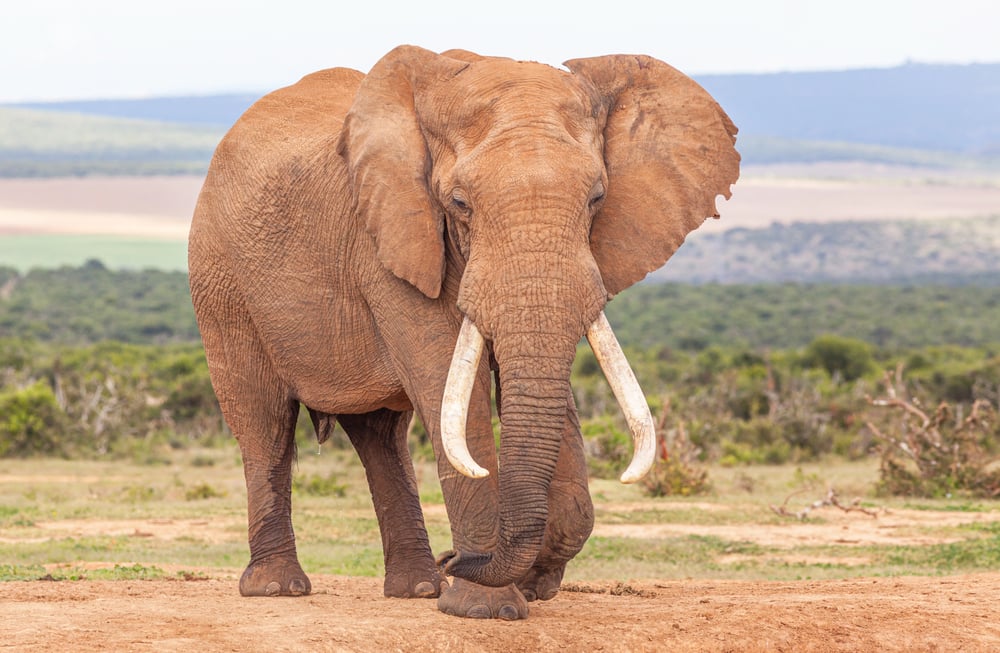
The largest land mammals are also among the longest-lived. African elephants typically live 60-70 years in the wild, though some individuals have surpassed the century mark. Their impressive lifespans support their complex social structures and allow for the intergenerational transfer of knowledge—older matriarchs remember watering holes from decades past and guide their herds through droughts.
Antarctic Sponge
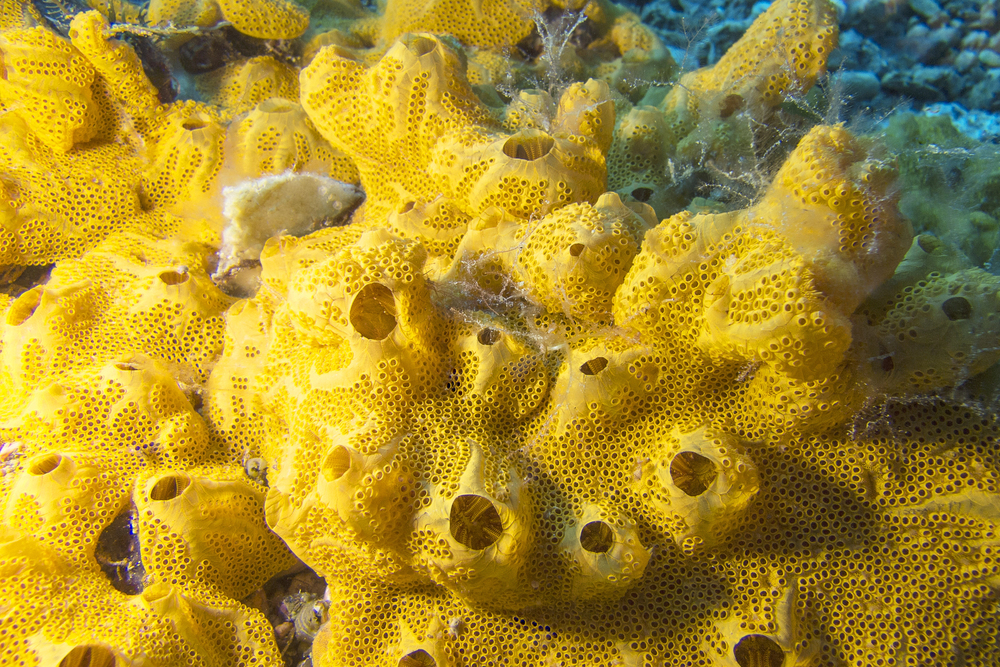
The frigid waters around Antarctica host sponges that live in slow motion. With extremely reduced metabolic rates and minimal environmental disturbance, some Antarctic sponges are estimated to be over 15,000 years old. These ancient organisms have survived relatively unchanged since the last ice age, growing at a pace measured in centuries rather than years.
Time’s Patient Witnesses

These extraordinary creatures serve as living time capsules, connecting us to Earth’s distant past. While humans typically measure life in decades, these remarkable organisms measure theirs in centuries or even millennia. Their longevity offers scientists valuable insights into the biological mechanisms that control aging and longevity, potentially holding clues for extending human healthspan.
The creatures on this list remind us that our human perception of time represents just one perspective in the grand tapestry of life. From the ocean depths to mountain peaks, these ancient beings have witnessed the unfolding of history with quiet persistence, embodying nature’s remarkable capacity for endurance against the relentless march of time.
More from Go2Tutors!

- The Romanov Crown Jewels and Their Tragic Fate
- 13 Historical Mysteries That Science Still Can’t Solve
- Famous Hoaxes That Fooled the World for Years
- 15 Child Stars with Tragic Adult Lives
- 16 Famous Jewelry Pieces in History
Like Go2Tutors’s content? Follow us on MSN.



