Rare Photos of the Hollywood Sign While it Was Still Being Built
The Hollywood sign stands as one of the world’s most recognized landmarks, but few have ever seen it in its most vulnerable state — half-finished, incomplete, and struggling toward existence. These rare construction photographs capture something most people never consider: even icons have awkward teenage years.
Most of these images were taken by workers, local residents, and curious photographers who happened to be in the right place during the right months in 1923. Back then, nobody expected this temporary real estate advertisement to become a global symbol.
They were just documenting another construction project in the hills above Los Angeles.
The First Letters Go Up
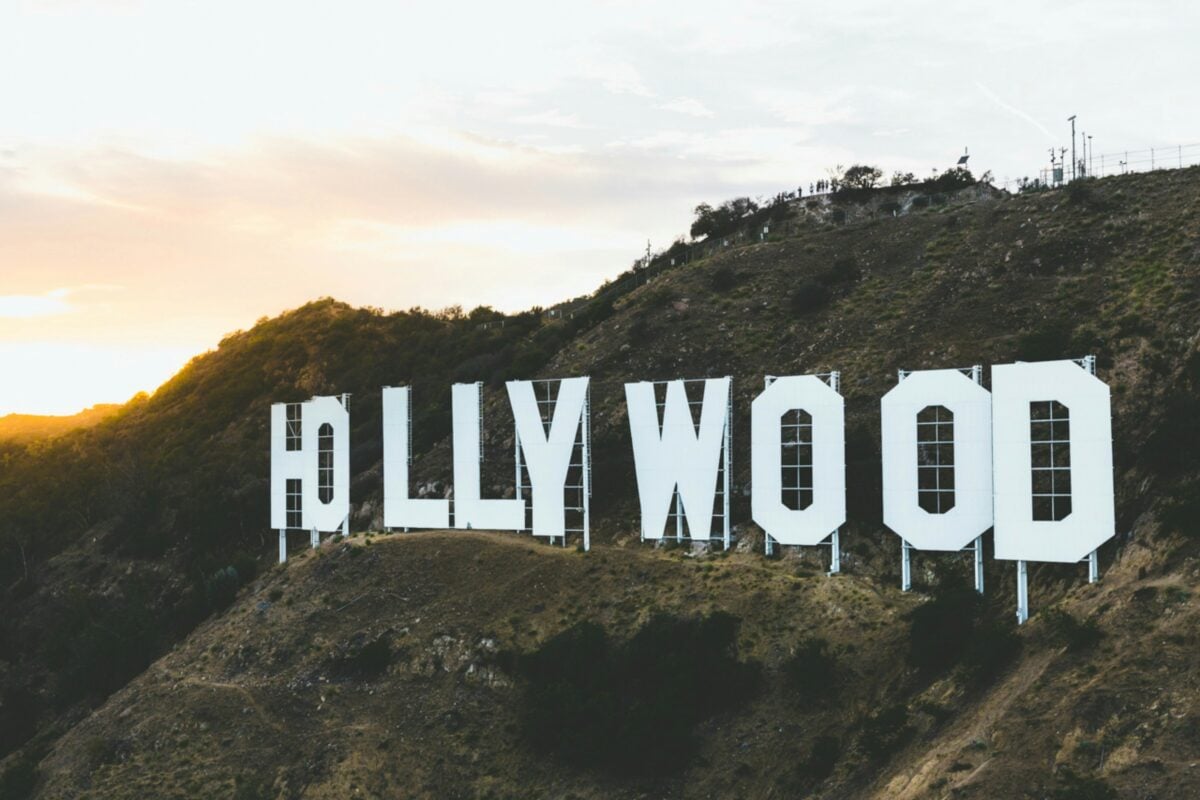
The Hollywoodland sign started with just the letter “H.” Workers hauled materials up the steep hillside using pack mules and their own backs. No helicopters, no modern machinery — just determination and probably a lot of cursing.
Early photos show the single letter looking absurdly lonely against the chaparral-covered slope. The “H” stood there for weeks before the “O” joined it, creating what looked more like a giant exclamation of confusion than the beginning of Hollywood magic.
Wooden Framework Rising
So there’s this thing about the original sign that most people forget: it wasn’t built to last forever, which explains why the construction looks so surprisingly delicate in these photographs (the whole thing was meant to stand for maybe 18 months to sell houses in a hillside development called Hollywoodland). The wooden framework — and you can see this clearly in several shots where workers are installing the internal bracing — resembles the skeleton of some enormous prehistoric beast more than the foundation of what would become an international icon.
But here’s what’s remarkable: those same photographs capture something unintentional, something the builders never meant to document. Impermanence.
And yet the photos also show just how meticulously planned this “temporary” structure really was. Each letter required its own foundation, its own carefully calculated framework, its own electrical system for the light bulbs that would eventually outline every surface.
Workers Scaling the Letters
The construction photos reveal just how massive each letter really was. These weren’t signs you could build on the ground and lift into place. Workers had to climb inside the letters, crawling through the framework like they were exploring the skeleton of a building.
Several photos show men standing casually on top of the letter “O,” 50 feet off the ground, without safety harnesses. They’re wearing regular work clothes — overalls, boots, caps — as if they were installing a fence rather than creating what would become one of the most photographed landmarks on Earth.
The Electrical Work Begins
Here’s where the construction gets genuinely impressive: each letter was designed to be outlined in light bulbs, requiring miles of electrical wire to be strung through the wooden framework. The installation photos from this phase show workers threading cables through spaces barely wide enough for a person to squeeze through.
The electrical system was ambitious beyond reason. When completed, the sign would flash in sequence — “HOLLY,” then “WOOD,” then “LAND” — using over 4,000 individual bulbs.
Construction photos show workers testing sections as they went, creating a patchwork of lit and unlit letters across the hillside.
Hauling Materials Up the Hill
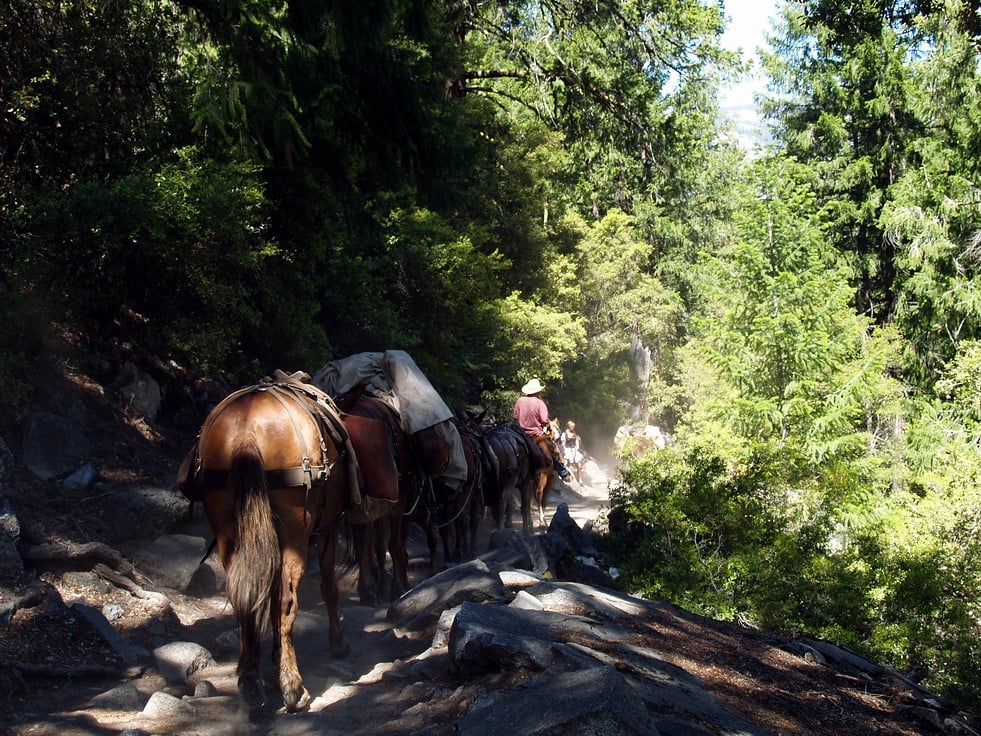
Building anything on a steep hillside is complicated — building something this size without modern equipment borders on the heroic. Construction photographs show the improvised system workers used to get materials up the slope: a combination of pack animals, pulleys, and pure stubbornness.
The most striking images show mules loaded with lumber and electrical supplies, picking their way up narrow paths that look more suited to hiking than construction. Workers follow behind, carrying additional materials and tools, creating a procession that looks more like a mining expedition than a sign installation.
Half-Built Letters in Winter Rain
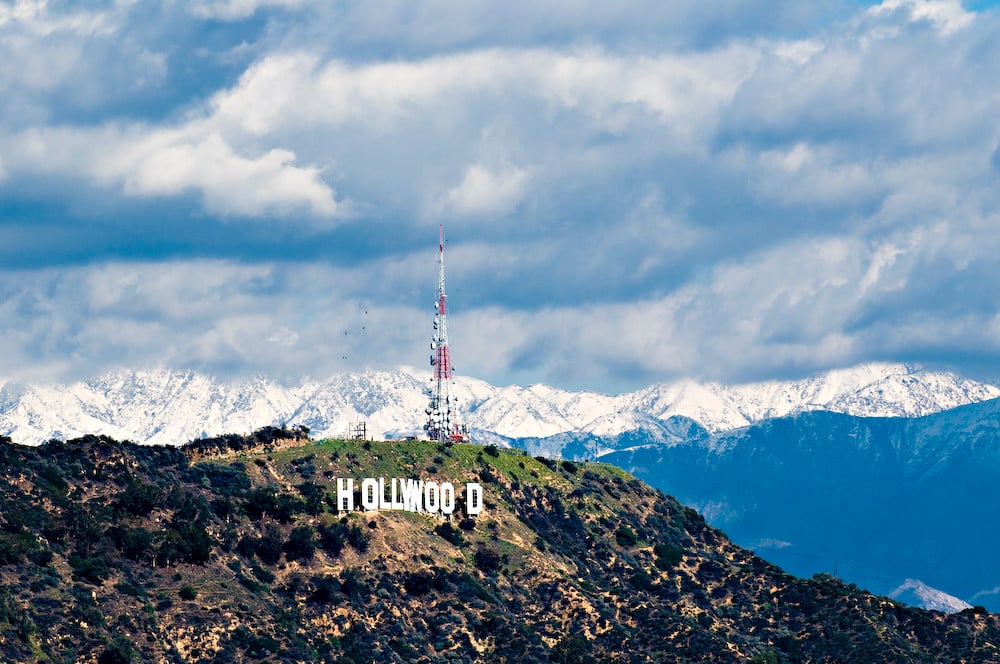
The sign took months to complete, which meant construction continued through Los Angeles’s brief winter rainy season. Several rare photographs capture the half-built sign during storms, with some letters complete and illuminated while others remain skeletal frameworks wrapped in canvas and rope.
These images reveal something unexpectedly moving: the sign looking genuinely fragile, temporary, almost apologetic as it clings to the hillside in the weather. Rain streams down the completed letters while workers huddle under tarps, waiting for conditions to improve.
Installing the Light Bulbs
Threading the electrical wire was only half the job — each of those 4,000 bulbs had to be screwed in by hand. Construction photos from this phase show workers with canvas bags full of bulbs, methodically working their way around each letter’s perimeter.
The bulb installation required a different kind of precision than the earlier construction phases. Workers had to test each section as they went, replacing burned-out bulbs immediately because reaching them later would be nearly impossible.
Several photos show the sign with scattered sections lit for testing, creating a connect-the-dots effect across the hillside.
The Support Structure Nobody Sees
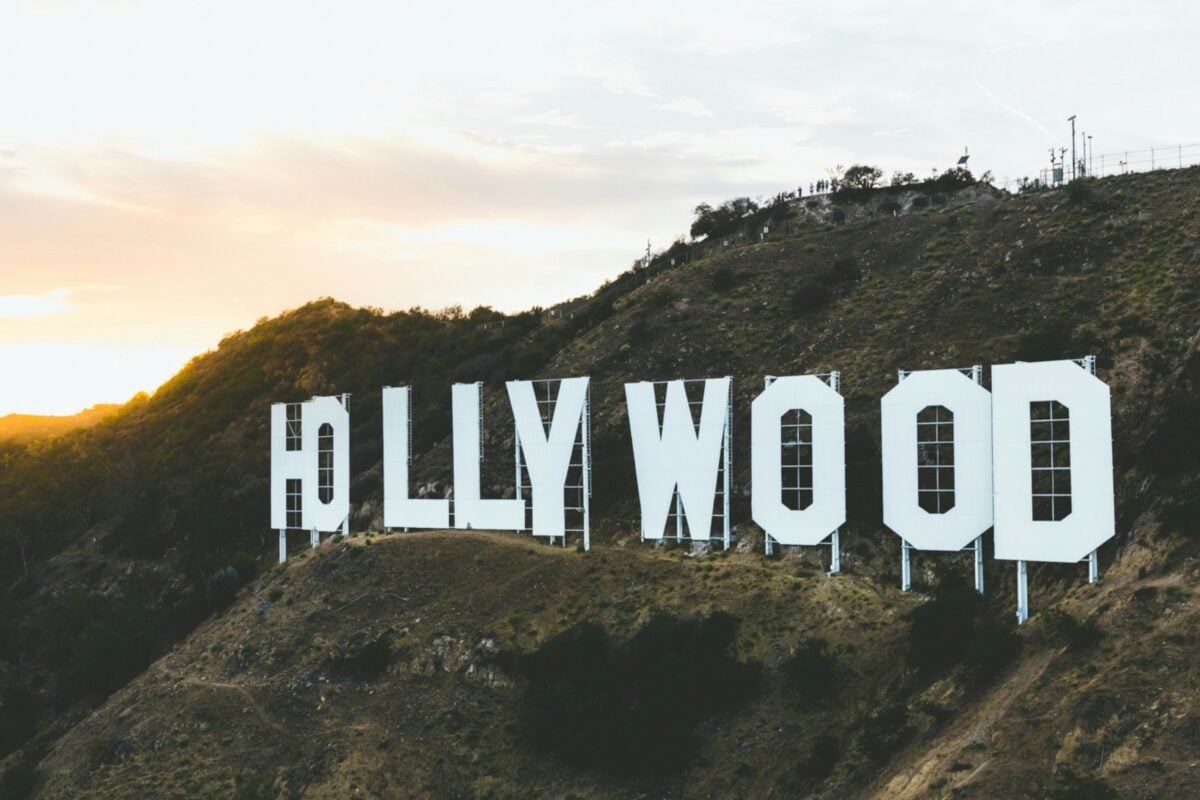
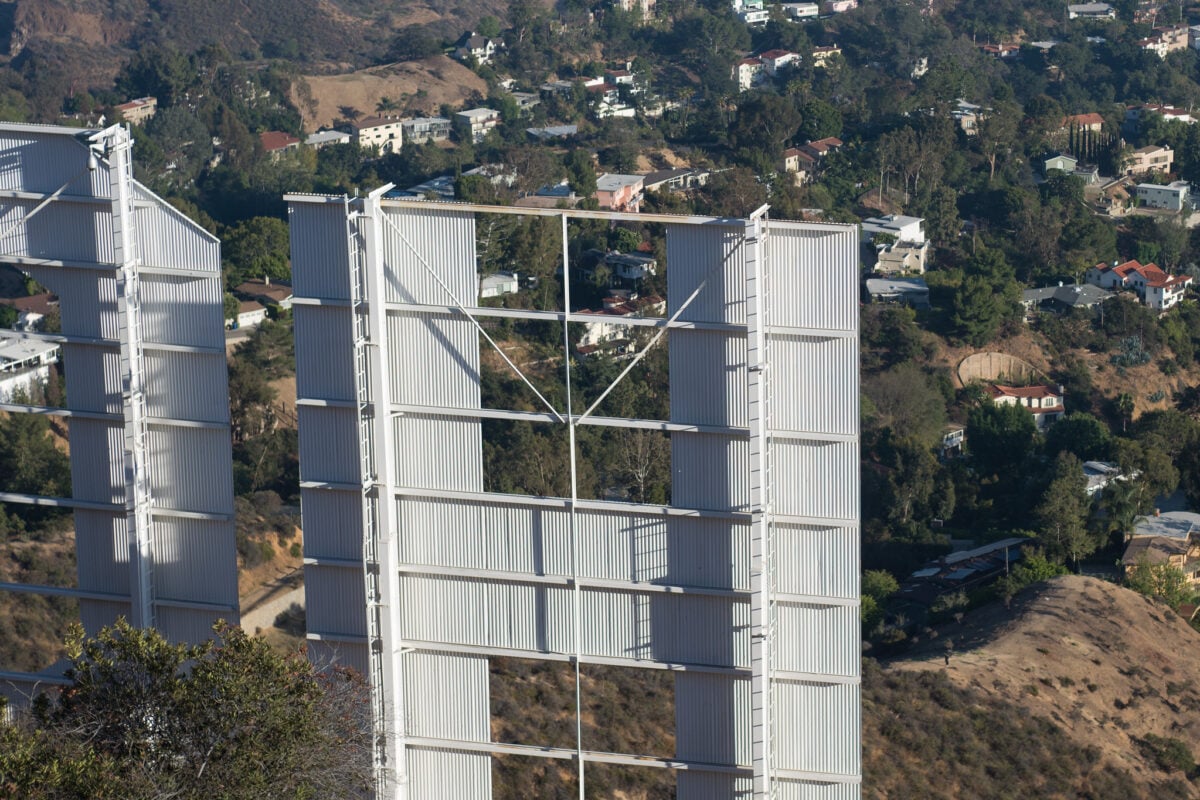
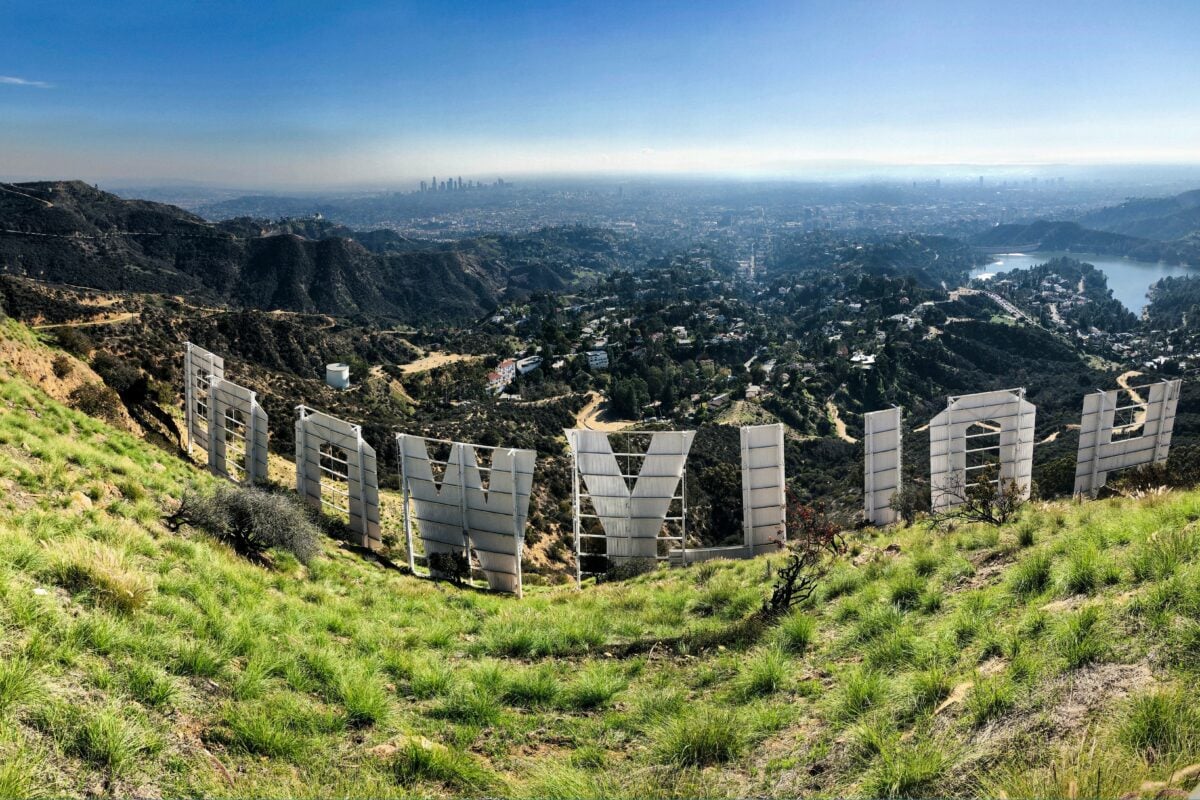
Most people think of the Hollywood sign as a facade, which it essentially is — but the construction photos reveal the extensive support structure hidden behind each letter. The backside of the sign, invisible from Los Angeles, required almost as much lumber and engineering as the front.
These behind-the-scenes construction shots show workers installing diagonal braces, guy wires, and foundation anchors designed to keep the letters standing in high winds. The support structure looks more industrial than anyone might expect, resembling the framework of a small building rather than a simple sign.
Testing the Light Sequence
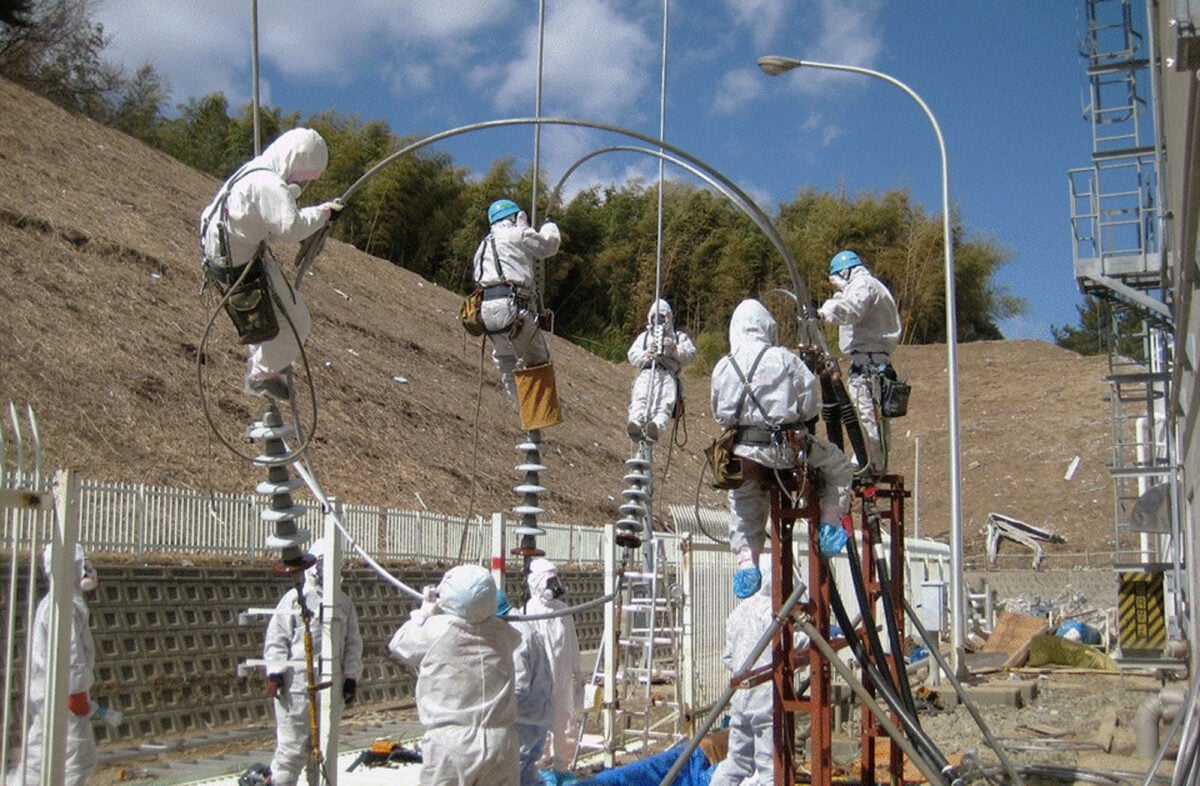
Before the official dedication, workers spent weeks testing the electrical system that would make the sign flash in sequence. Construction photographs from this period capture something remarkable: the sign spelling out different combinations as workers experimented with the timing and sequence.
Some photos show only “HOLLY” lit up, others just “WOOD,” creating partial messages that look almost like the sign is learning to spell its own name. The testing phase lasted longer than expected because the original timing mechanism proved unreliable, requiring workers to climb back into the letters multiple times to adjust the wiring.
The Final Letters Fall into Place
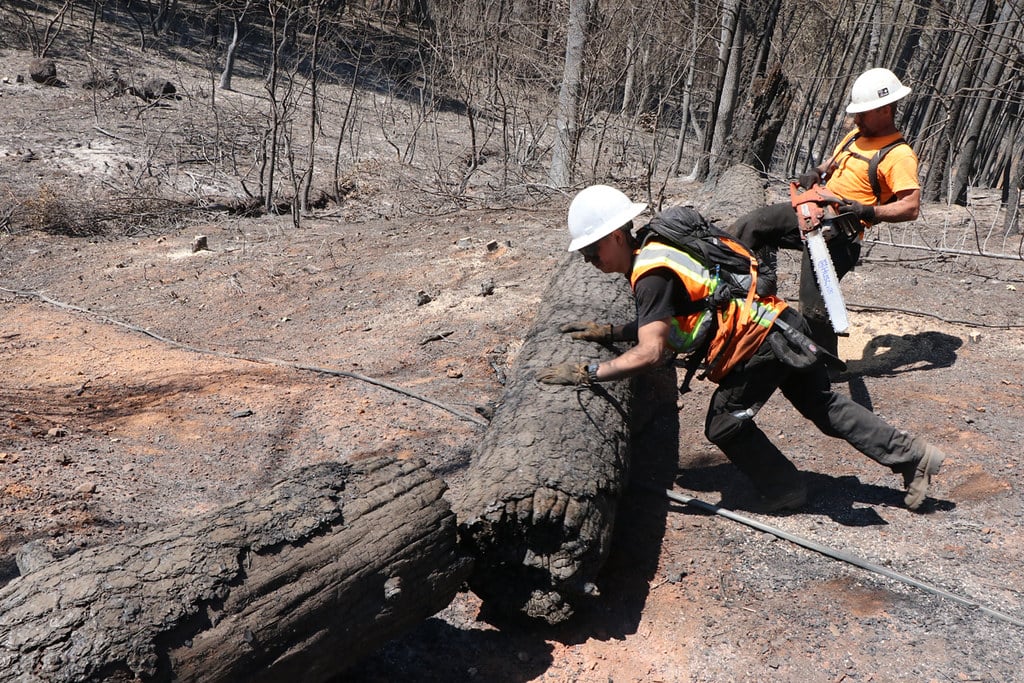
Like watching a jigsaw puzzle complete itself — except this puzzle weighed several tons and could be seen from miles away — the final construction photographs document the installation of the last letter pieces. By this point, the sign had become a curiosity for local residents, who would drive up winding hillside roads to watch the progress.
The “D” was the last letter completed, partly because it sat at the most challenging point on the slope. Construction photos show workers making final adjustments to the letter’s position, tilting and rotating it until it aligned properly with the rest of the sign.
And somehow, in those final images, you can sense the workers beginning to realize they’d built something more significant than anyone had planned.
Workers Posing with Their Creation
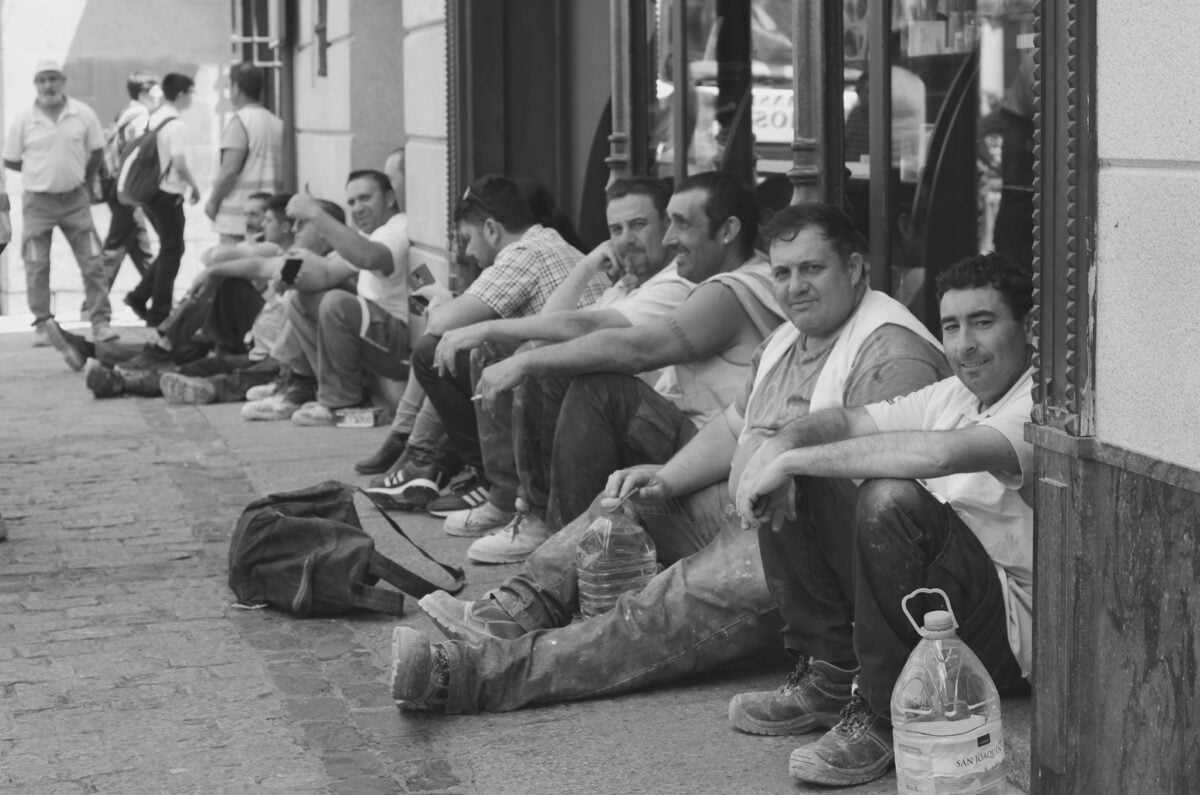
The best construction photos aren’t the technical shots or the progress documentation — they’re the informal pictures of workers posing with their nearly completed creation. These men look genuinely proud, and they should.
They’d hauled tons of materials up a mountain, wired thousands of light bulbs, and assembled what was essentially a 450-foot-long piece of illuminated architecture. In several photos, workers sit casually on the letters during their lunch breaks, using the Hollywood sign as furniture.
They have known they were eating lunch on what would become one of the most recognizable symbols in the world. To them, it was just another construction job — well-built, sure, but temporary. Just a sign to sell some houses.
When the Lights First Came On
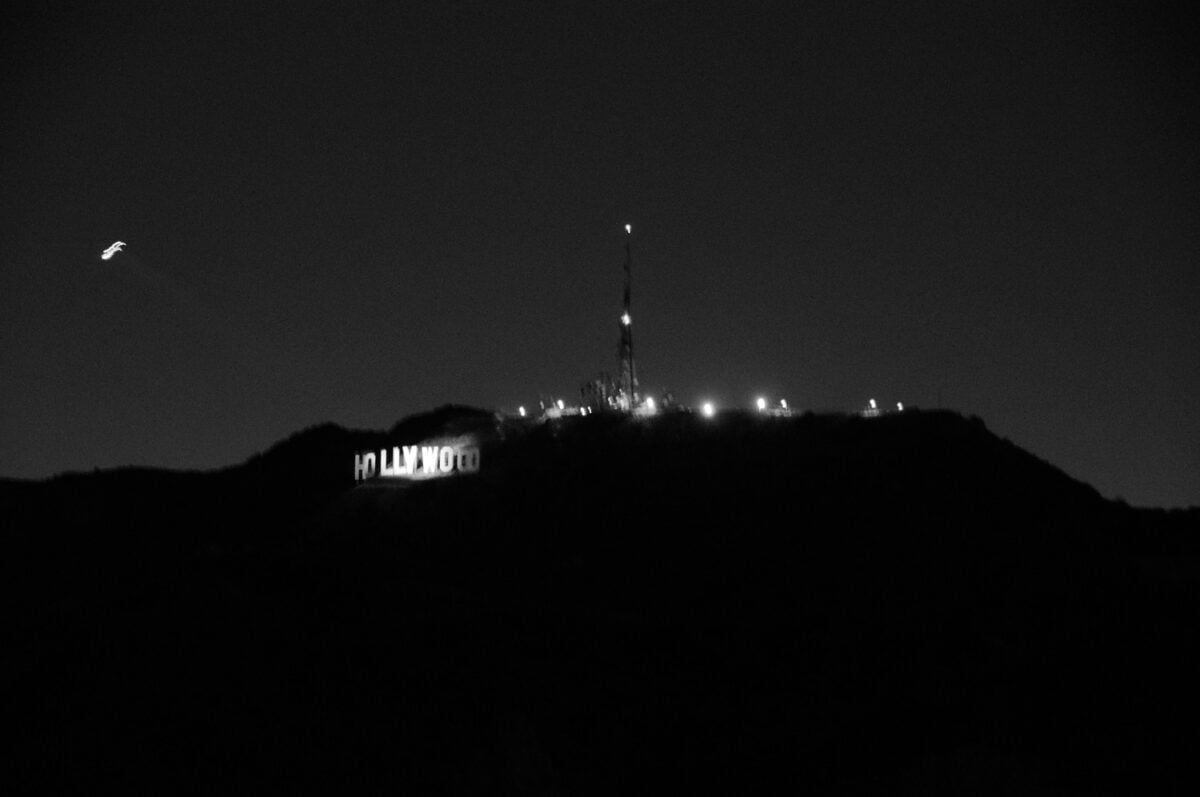
The construction phase officially ended the night the entire sign lit up for the first time. Only a few photographs exist from that moment, mostly taken from distances that capture the full effect rather than the construction details that had dominated earlier shots.
Even in these grainy, long-distance photographs, something has clearly changed. The sign no longer looks like a construction project — it looks like a landmark. The transition happened somewhere between the last light bulb being installed and the first time all 4,000 bulbs flashed in sequence across the dark hillside.
More Than They Built
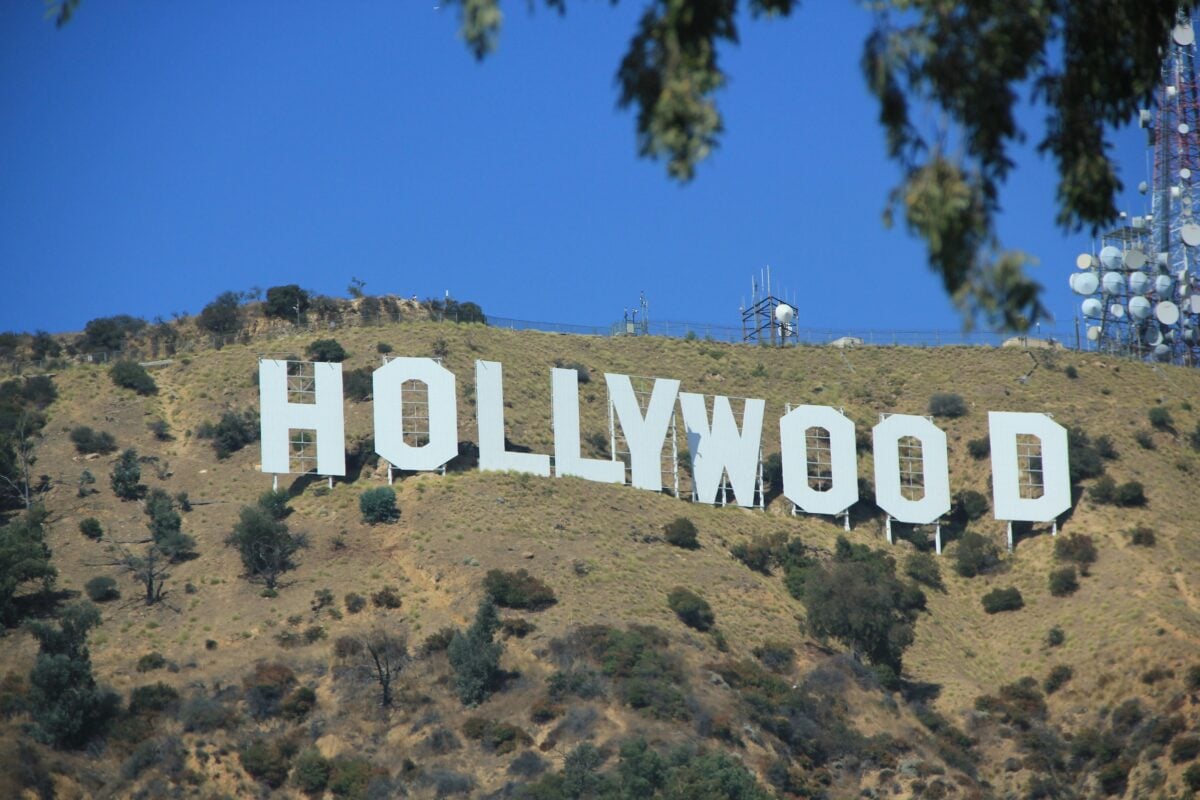
Building the Hollywood sign took six months, cost $21,000, and was supposed to last 18 months. The workers who hauled lumber up that hillside on mules were constructing a temporary advertisement for a housing development that barely anyone remembers today.
Those construction photographs capture something unintentional: the moment when craftsmanship outlasts its original purpose. Every carefully installed brace, every properly wired bulb, every foundation post dug a little deeper than strictly necessary — all of it contributed to a structure that refused to be temporary.
Hollywood sign didn’t become an icon because of what it advertised. It became an icon because of how well it was built.
More from Go2Tutors!

- The Romanov Crown Jewels and Their Tragic Fate
- 13 Historical Mysteries That Science Still Can’t Solve
- Famous Hoaxes That Fooled the World for Years
- 15 Child Stars with Tragic Adult Lives
- 16 Famous Jewelry Pieces in History
Like Go2Tutors’s content? Follow us on MSN.



