Unusual Accidents That Made Headlines
Some stories are so bizarre they barely sound real. A city street buried under a wave of syrup.
A whale that exploded on a beach. A man killed by his own beard.
These aren’t urban legends — they’re accidents that actually happened, and in each case, the world couldn’t look away. History is full of moments where something went spectacularly, absurdly wrong, and the results ended up in newspapers, textbooks, and pub conversations for generations.
Here are some of the strangest accidents ever to make headlines.
Boston’s Great Molasses Flood
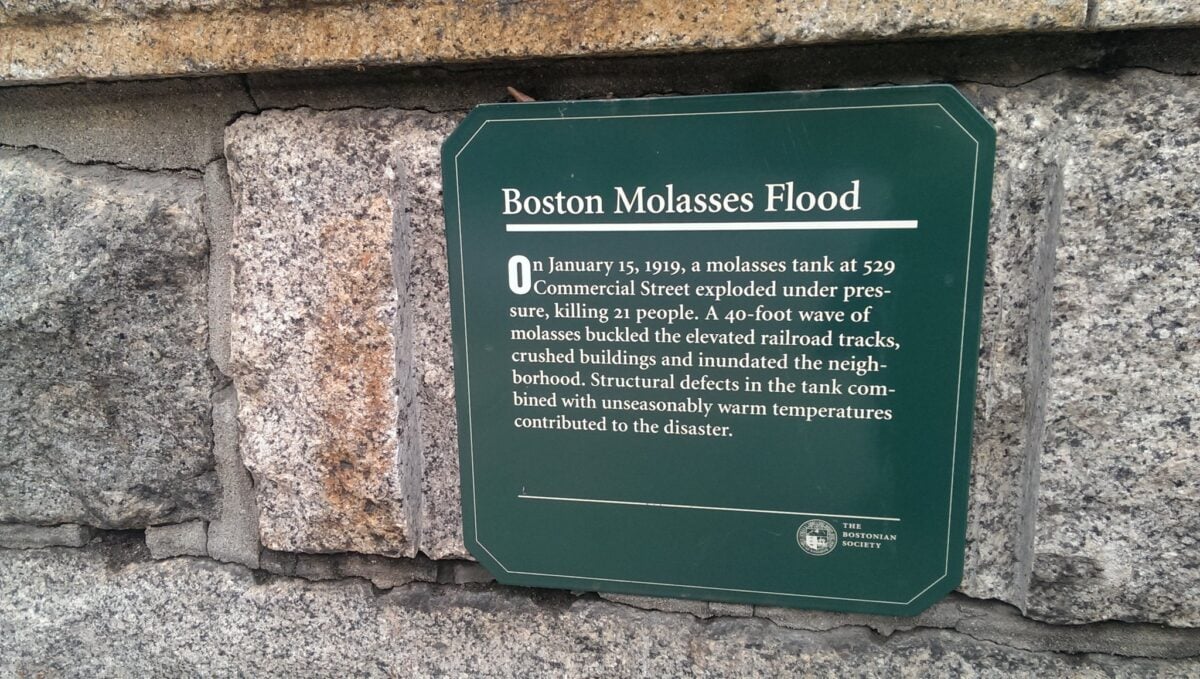
On January 15, 1919, a massive storage tank in Boston’s North End burst open and released about 2.3 million gallons of molasses into the streets. The wave moved faster than people expected — estimates suggest it traveled at around 35 miles per hour at its peak.
It killed 21 people, injured 150 more, and coated the neighborhood in a thick, sticky mess that took weeks to fully clean up. For years after, locals claimed you could still smell molasses on hot summer days.
London’s Great Beer Flood

In 1814, a vat at the Meux and Company Brewery in London ruptured, triggering a chain reaction. Over 100,000 gallons of beer crashed through the brewery walls and poured into the surrounding St. Giles neighborhood — one of the city’s poorest areas.
Eight people died, most from drowning or injuries caused by the collapsing structures. Strangely, some locals reportedly filled buckets and cups from the flood.
The brewery owners were later found not liable, the disaster having been ruled an “act of God.”
The Exploding Whale of Oregon
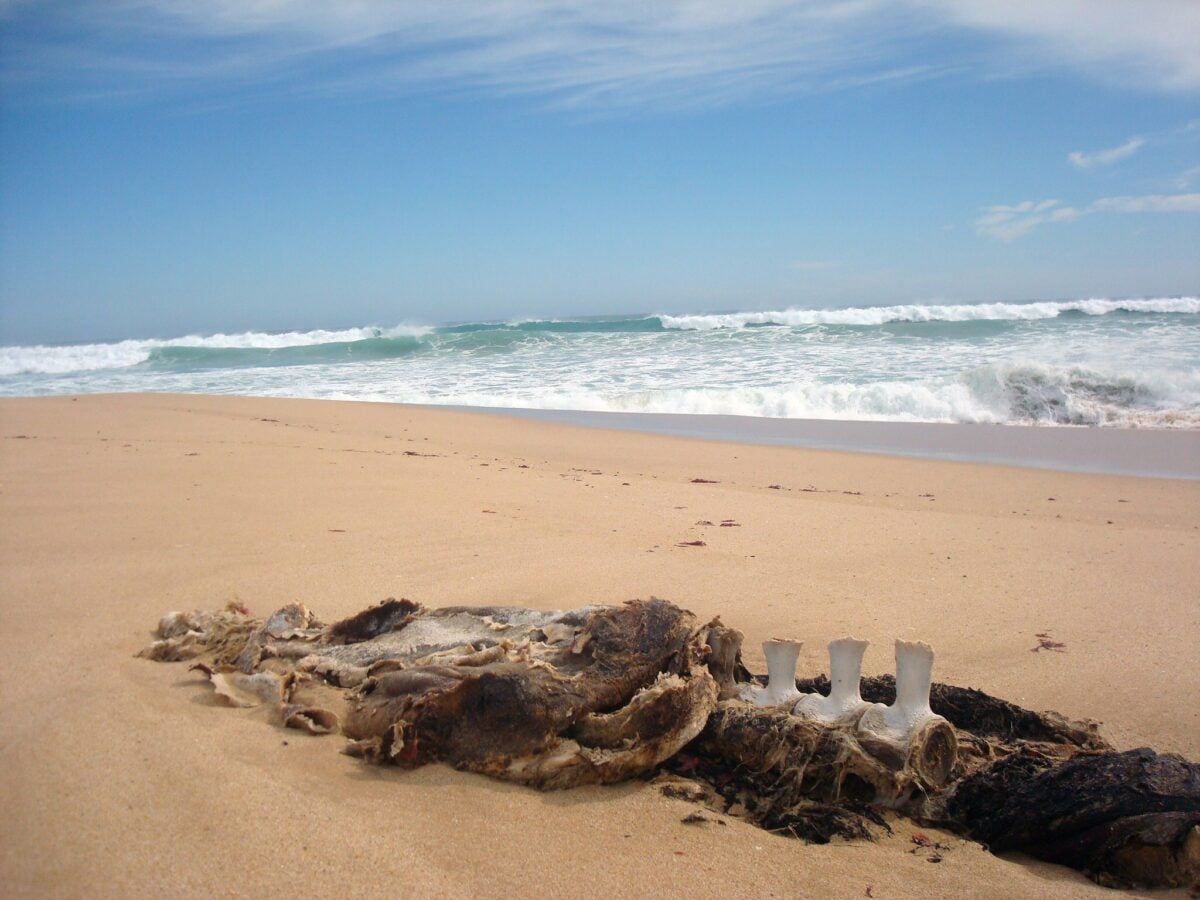
In November 1970, a dead sperm whale washed up on a beach near Florence, Oregon. Authorities decided the fastest solution was to bury it with dynamite.
What happened next became one of the most-watched news bloopers of the 20th century — and later, the internet age. The explosion sent massive chunks of blubber flying hundreds of feet in every direction, raining down on spectators and flattening a car parked a quarter mile away.
The whale was not, for the record, successfully removed.
The Vasa Warship Sinks on Its First Voyage
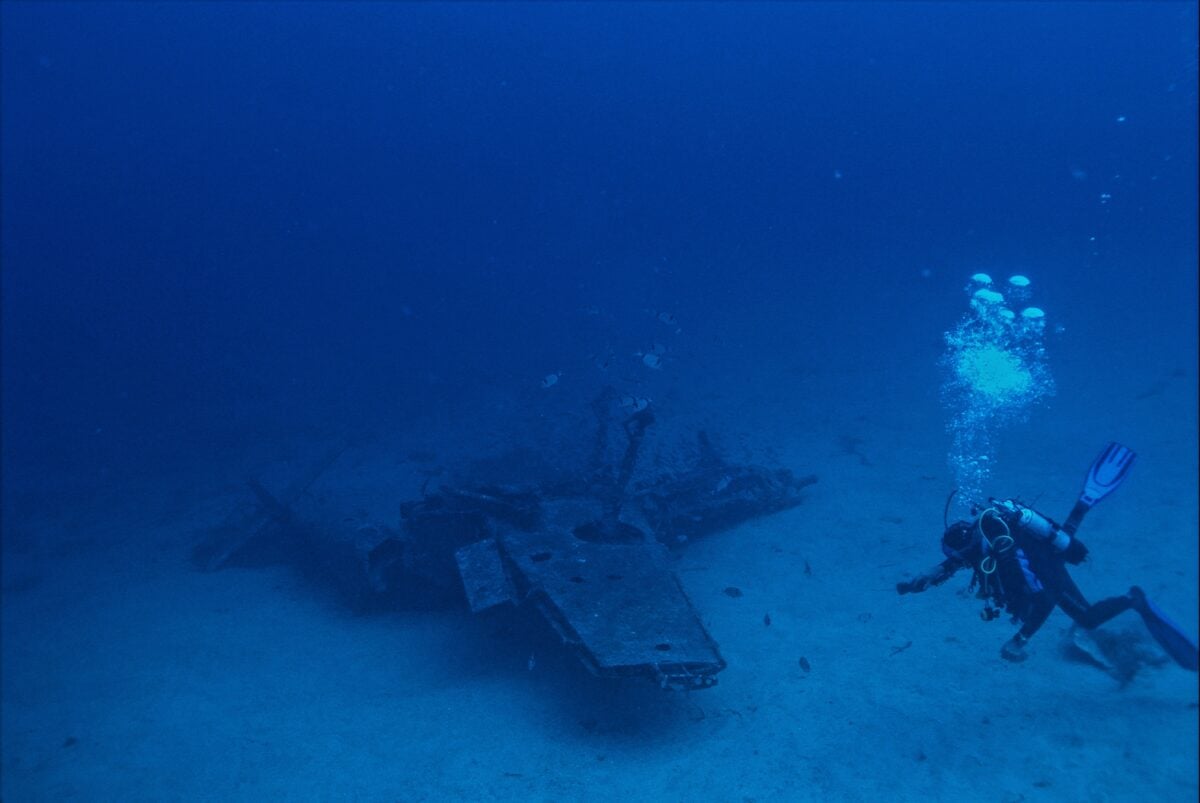
Sweden’s warship the Vasa was supposed to be the pride of the Swedish navy. Built on the orders of King Gustav II Adolf, it was one of the most heavily armed ships of its era.
On August 10, 1628, it set sail from Stockholm harbor on its maiden voyage. It sank within minutes.
The ship was top-heavy and poorly designed, and a gust of wind was enough to tip it over. It went down less than a mile from shore with around 30 people aboard.
The wreck sat at the bottom of the harbor for over 300 years before being salvaged in 1961.
Fabio, a Roller Coaster, and a Goose
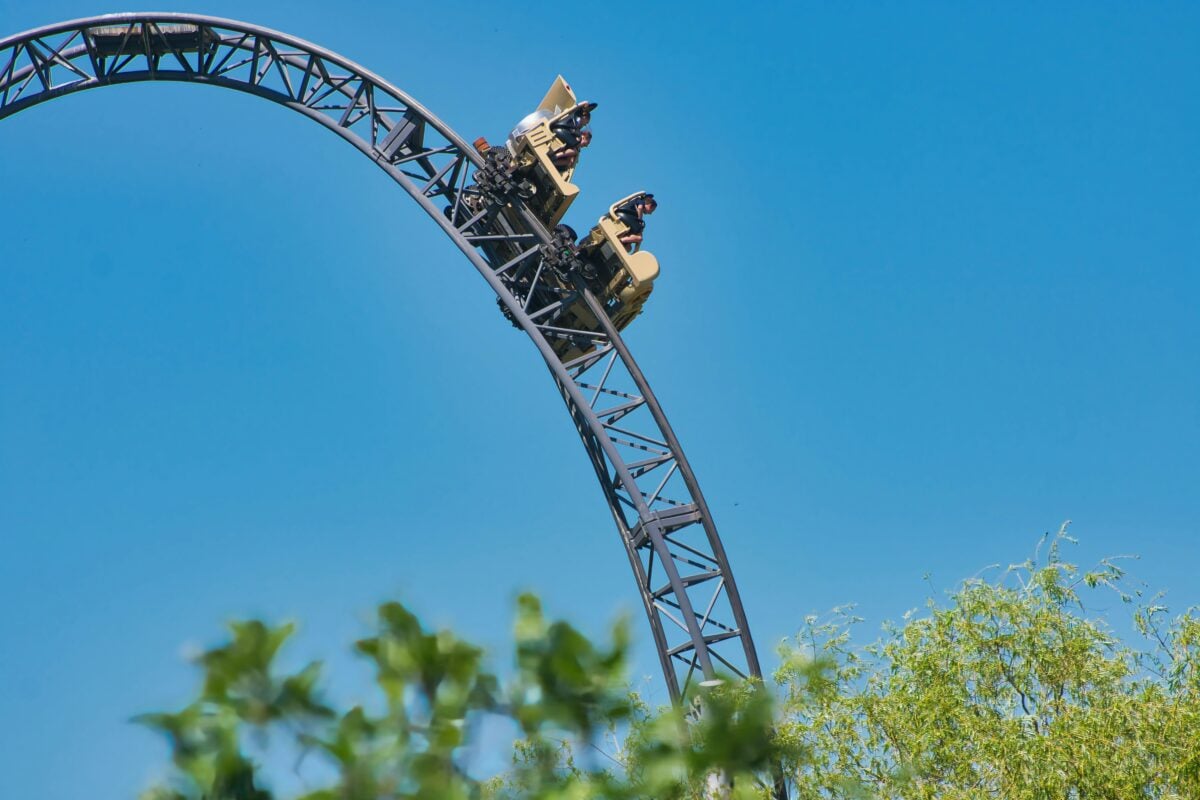
In March 1999, model and actor Fabio was invited to be the first rider on a new roller coaster at Busch Gardens in Virginia. As the coaster moved through the ride, a Canada goose struck him in the face.
Fabio sustained a broken nose. The goose did not survive.
Photos of Fabio stepping off the ride, face bloodied and shocked, circulated everywhere. It remains one of the more memorable celebrity accident stories simply because of how improbable it was.
A Cow Falls Through a Brazilian Couple’s Roof

In 2013, a couple in Caratinga, Brazil, were asleep in their bedroom when they were suddenly woken by a loud crash. A cow had wandered onto the roof of their home — which was built into a hillside — and fallen through the ceiling, landing directly on the husband’s side of the bed.
The husband escaped with minor injuries. The cow was unharmed.
The story spread internationally and became a running joke about the risks of hillside construction.
The Man Who Survived Being Swallowed by a Whale
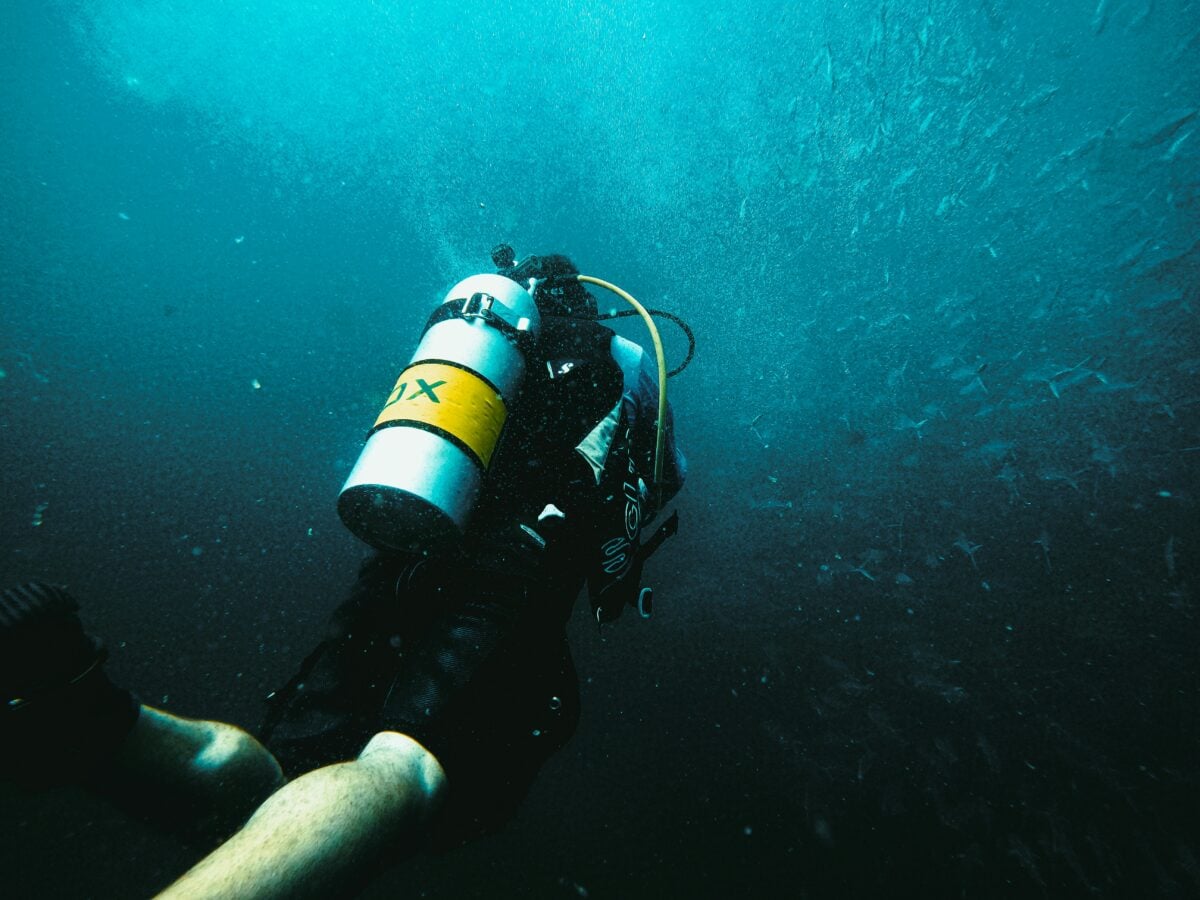
In June 2021, lobster diver Michael Packard was working off the coast of Provincetown, Massachusetts, when a humpback whale accidentally took him into its mouth. His crewmate pulled him free after the whale surfaced and spat him out.
Packard said it went dark immediately and he could feel the whale’s muscles contracting around him. He was in the whale’s mouth for roughly 30 to 40 seconds.
He survived with soft tissue damage and no broken bones. Marine biologists confirmed it was likely an accident — humpbacks don’t typically prey on humans.
The Man Killed by His Own Beard

Hans Steininger was the mayor of Braunau am Inn in Austria in the 16th century. He was also famous for having the longest beard in the world at the time — reportedly around 4.5 feet long.
In 1567, during a fire in the town, Steininger was rushing to safety when he tripped over his own beard and fell down a flight of stairs. He broke his neck and died.
His beard was reportedly preserved after his death and is still on display in a local museum.
The Lightning Man

Roy Sullivan was a U.S. park ranger in Virginia who was struck by lightning seven times between 1942 and 1977. He survived every single one.
Each strike left its mark — he lost a toenail, had his hair catch fire multiple times, suffered burns to his chest and shoulder, and was left temporarily blinded on one occasion. Sullivan himself was reportedly deeply troubled by his reputation.
He carried a can of water with him for years in case his hair ignited again. He was listed in the Guinness World Records as the person struck by lightning more times than anyone else on record.
The Chelyabinsk Meteor Catches Everyone Off Guard
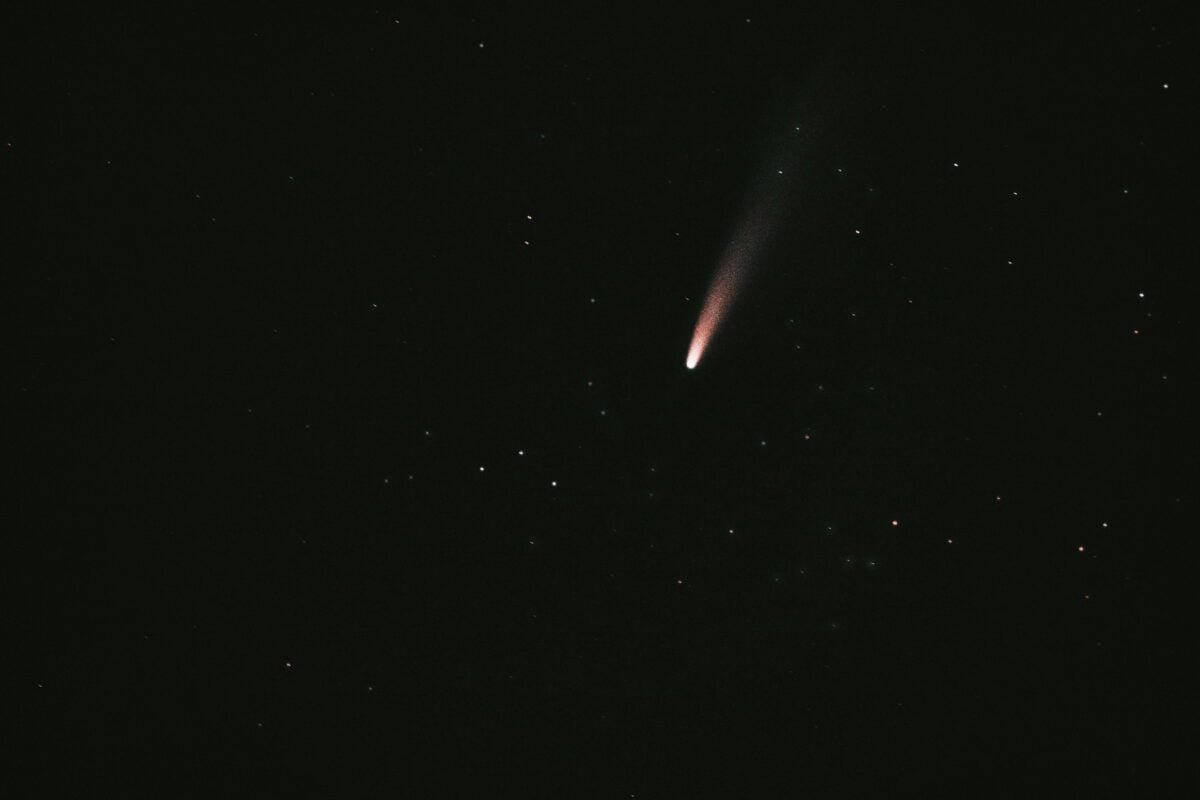
On February 15, 2013, a meteor entered Earth’s atmosphere over Russia and exploded in an airburst above the city of Chelyabinsk. The explosion released energy equivalent to roughly 30 times the Hiroshima bomb.
Around 1,500 people were injured — most from shattered glass when they ran to their windows to see what was happening. The irony: scientists had been tracking a different asteroid that day, which also passed close to Earth.
Nobody saw the Chelyabinsk meteor coming until it was already there.
The Carrington Event and the Telegraphs That Caught Fire
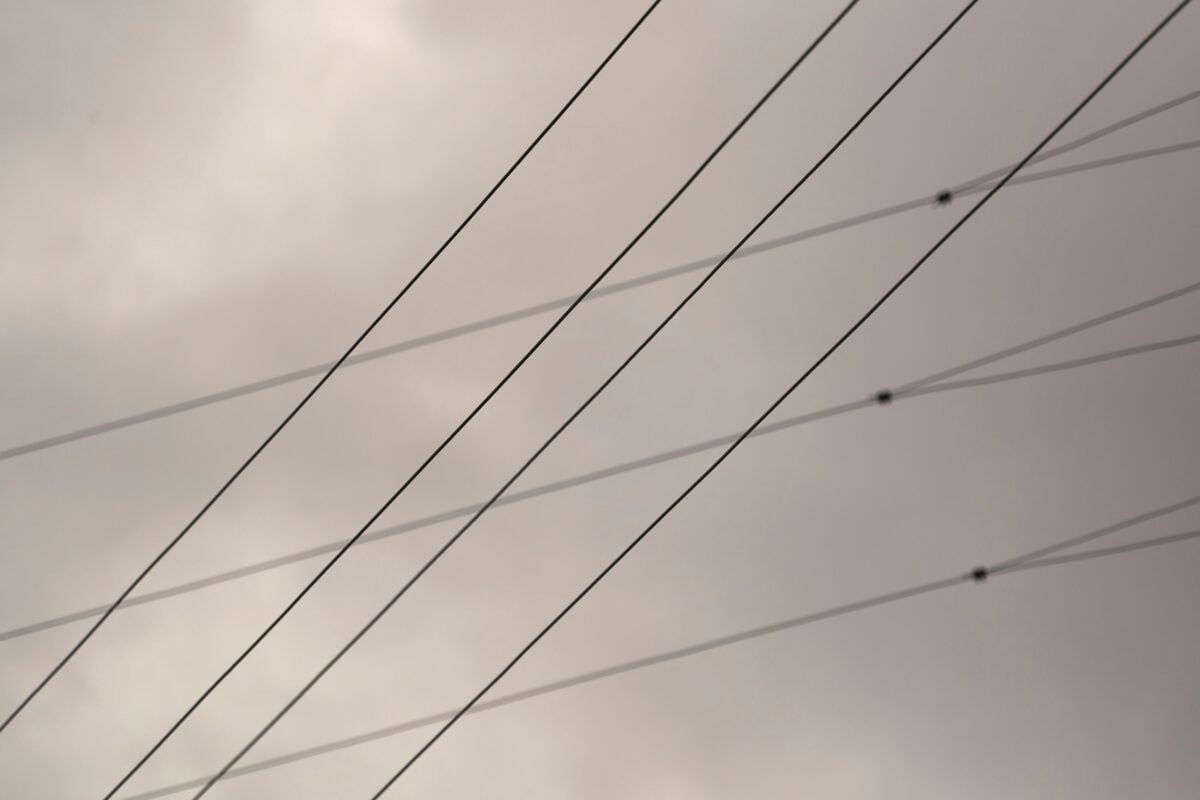
That year, a huge burst of energy from the sun hit our planet hard enough to knock out long-distance communication lines through two continents. When it arrived, machines meant for sending messages went dark without warning.
Certain people handling the gear felt sudden jolts in their hands. Nearby sheets of paper began to burn quietly under strange sparks.
A few tried cutting off main supplies just to stop damage – yet signals kept arriving anyway, powered only by forces stirred in the air above them. A single storm this strong could shut down power networks, wreck satellites, disrupt communication lines on a continental scale.
Power might vanish for weeks while signals flicker out silently overhead. Entire regions may find themselves cut off without warning.
Satellites already strained by radiation would falter under sudden pressure. Communication towers stand tall but break faster than expected when struck head-on.
The Radium Fad That Sickened Its Followers

Early 1900s folks thought radium held mysterious power. Thanks to Marie Curie’s work, shelves filled up fast – jars of glowing water, skin lotions, potions promising vigor, tooth cleaners too.
It tasted modern back then. Energy seemed to pour from anything touched by its glow.
A story often told begins with Eben Byers – rich, well-connected, drawn to a supposed cure. Instead of healing, daily sips of radioactive tonic carved ruin through bone.
Year after year he swallowed bottle upon bottle, trusting it would help. Come 1931, doctors took his jaw away; parts of his head crumbled beyond repair.
When he died, one paper summed it up plainly: “The Radium Water Worked Fine Until His Jaw Fell Off.” A wave of public outrage finished off the radium fad.
Though it had been popular before, trust vanished fast after the truth came out. What once seemed miraculous now felt dangerous.
News stories spread quickly, shifting opinions overnight. People started questioning every claim they’d believed.
Slowly, demand dropped – then disappeared altogether.
The Dancing Plague of 1518

A strange thing happened in Strasbourg during the summer of 1518. One woman started dancing in public, unable to pause.
Soon after, more people moved with her, caught in the same rhythm. As time passed, nearly four hundred swayed without rest.
A few dropped from tiredness; others never got up again. Still puzzled, officials first supported the dancing – even hired players and raised a platform, thinking movement would clear the sickness.
That only deepened the chaos. Experts argue today about its roots.
The idea of shared stress turning physical fits many clues best, yet proof stays missing. One thing holds true: few gatherings have ever matched its oddness.
The Swim That Went Sideways
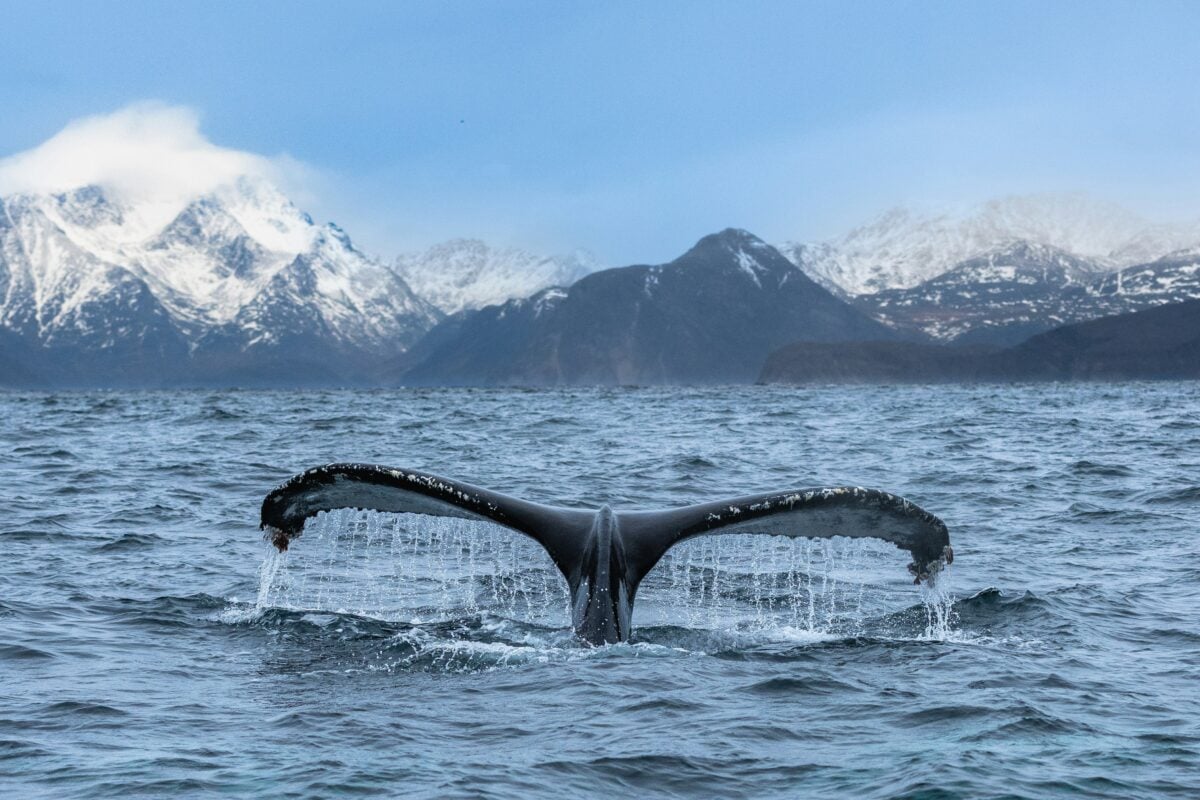
Out of nowhere, big news often comes from small moments. Picture this: regular folks, usual day, nothing special going on.
Then – boom – things shift without warning. Take a diver simply floating in water.
One second he is fine, next – gulp – inside a whale’s mouth. Not because anyone meant it.
Just how it went down. Elsewhere, a cow walks above someone’s head inside a barn roof.
Next thing? Crash.
Dust fills the air. The ceiling gives way.
Animal lands where no animal should be. Meanwhile, somewhere far off, a bird takes flight near a man named Fabio.
The goose sees a face. Does not know him.
Never met him. Zero context.
Yet wings flap, chaos follows. No scheme behind it.
Life just jumps tracks when least expected. Funny how life twists what we think should happen.
Not crashes, not crises – just the pause when things go sideways in a way nobody saw coming. That blink where laughter leaks out instead of panic.
When your feet stay planted even though everything shifted beneath them. Moments like these keep stacking up, one after another, through every age.
Likely always will.
More from Go2Tutors!

- The Romanov Crown Jewels and Their Tragic Fate
- 13 Historical Mysteries That Science Still Can’t Solve
- Famous Hoaxes That Fooled the World for Years
- 15 Child Stars with Tragic Adult Lives
- 16 Famous Jewelry Pieces in History
Like Go2Tutors’s content? Follow us on MSN.