Influential Commercial Planes in History
Flying used to feel impossible. Then it felt dangerous.
Now it feels boring — which might be the greatest engineering achievement of all. The planes that made this transformation happen didn’t just move people from one place to another.
They redrew the map of what seemed reachable, turned oceans into inconveniences, and made the world smaller in ways that still ripple through how we live today.
Some aircraft changed everything by being first. Others by being better.
A few by being so reliable that they made flying feel as routine as taking a bus. These are the planes that didn’t just carry passengers — they carried the future.
Douglas DC-3
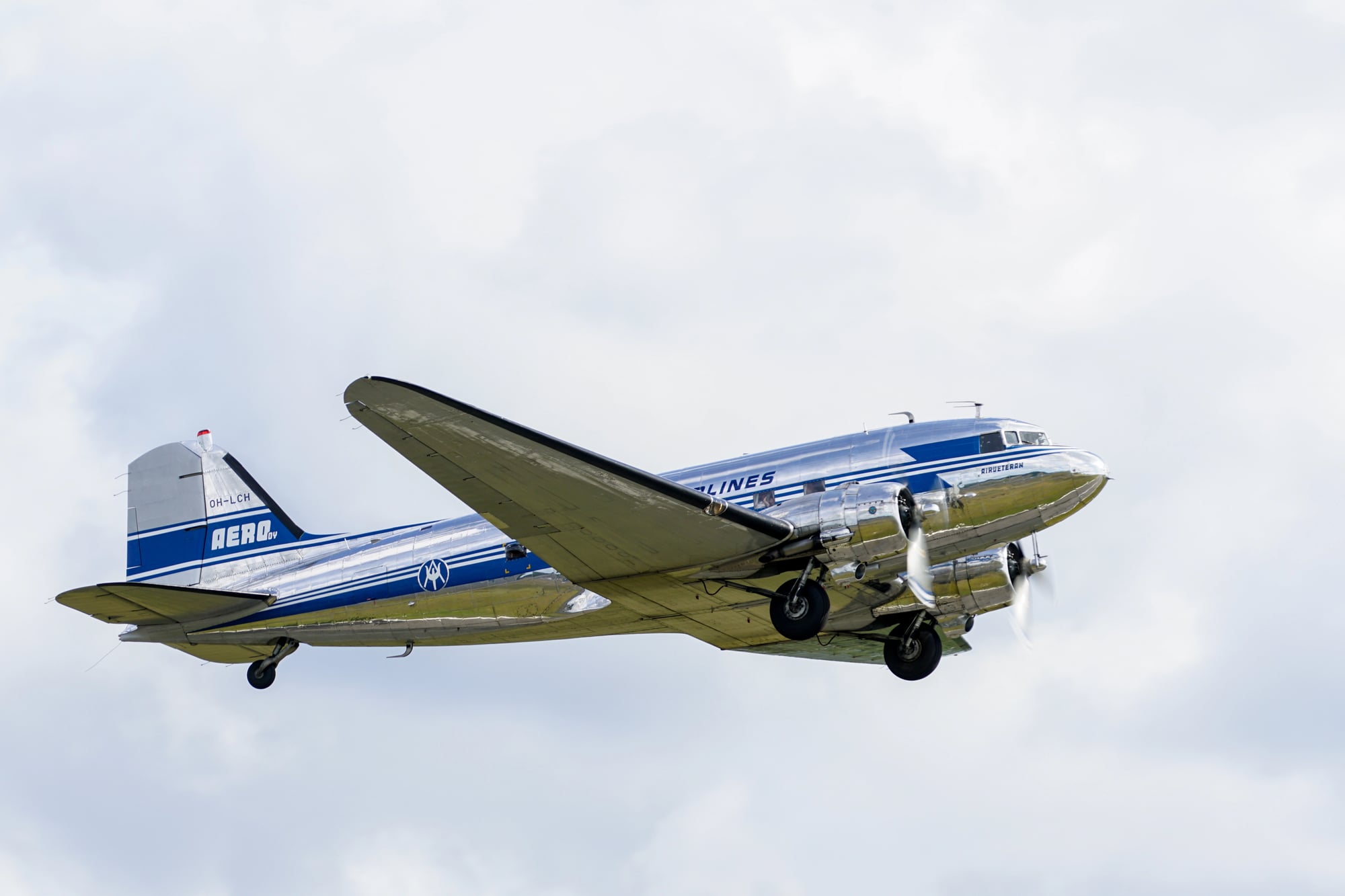
The DC-3 turned flying into something regular people could consider doing. Before 1936, air travel belonged to the wealthy and the desperate.
The DC-3 made it middle-class.
Airlines could actually make money on passenger flights instead of relying on mail contracts to stay afloat. Twenty-one passengers, cruising speed that cut train times in half.
The math finally worked.
Boeing 707
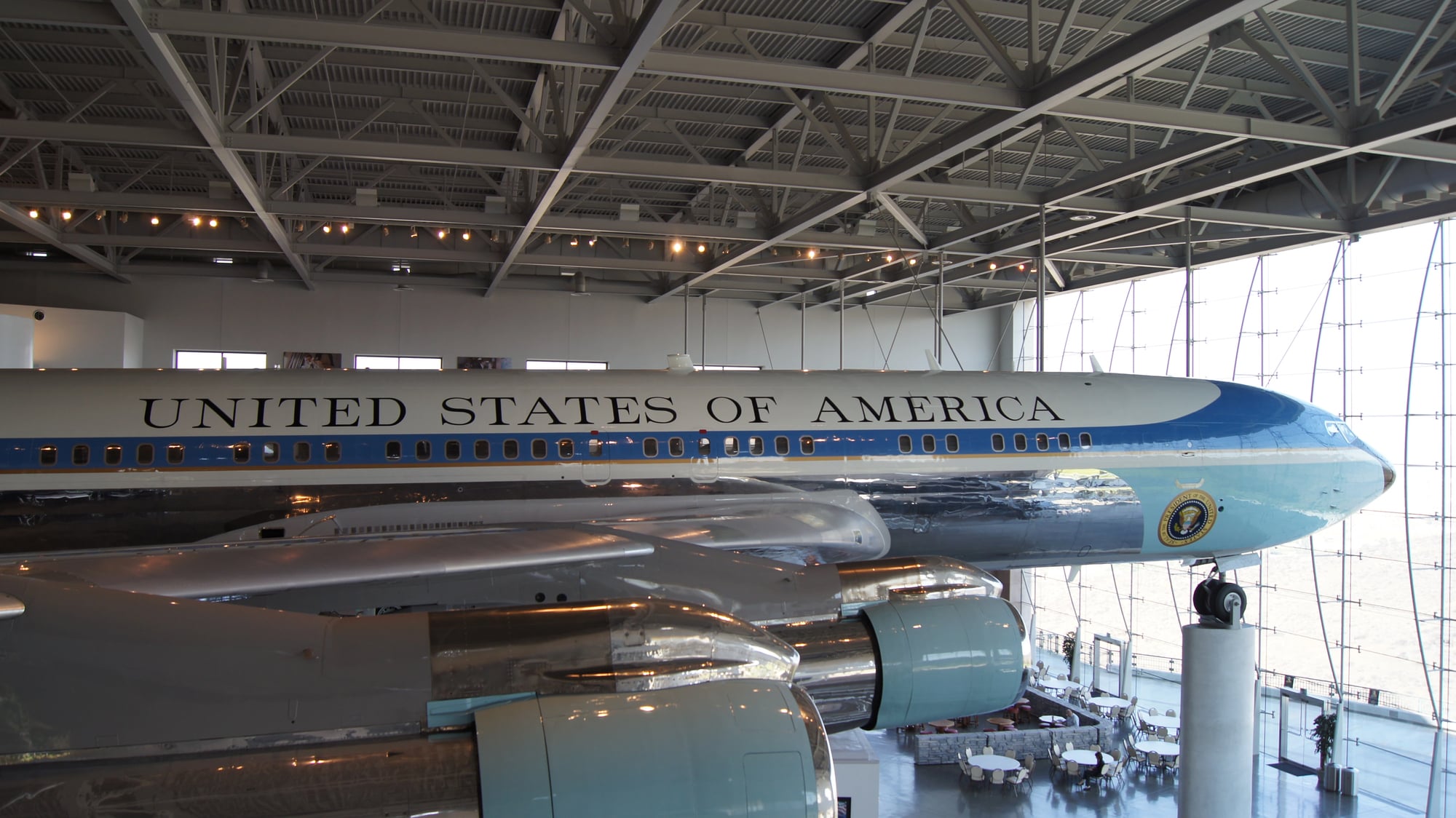
So the DC-3 made flying accessible, but the 707 made it fast — and by fast, we’re talking about the difference between propellers and jets, which turned out to be the difference between flying being a novelty and flying being how people crossed continents. The 707 didn’t just go faster than anything else carrying passengers in 1958; it went fast enough that business travelers could justify the expense over trains, and far enough that suddenly you could have breakfast in New York and dinner in Los Angeles on the same day (and this was back when that seemed like science fiction rather than a recipe for exhaustion).
But here’s the thing that mattered more than speed: Boeing built it tough enough that airlines trusted it with their reputations, reliable enough that passengers stopped thinking of each flight as a small gamble with physics. And because Boeing was smart about it — or lucky, depending on how you read corporate history — they designed it with enough range to cross the Atlantic without stopping, which meant European routes opened up, and once that happened, the whole idea of international travel shifted from something you planned for months to something you could decide to do next weekend.
Sud Aviation Caravelle
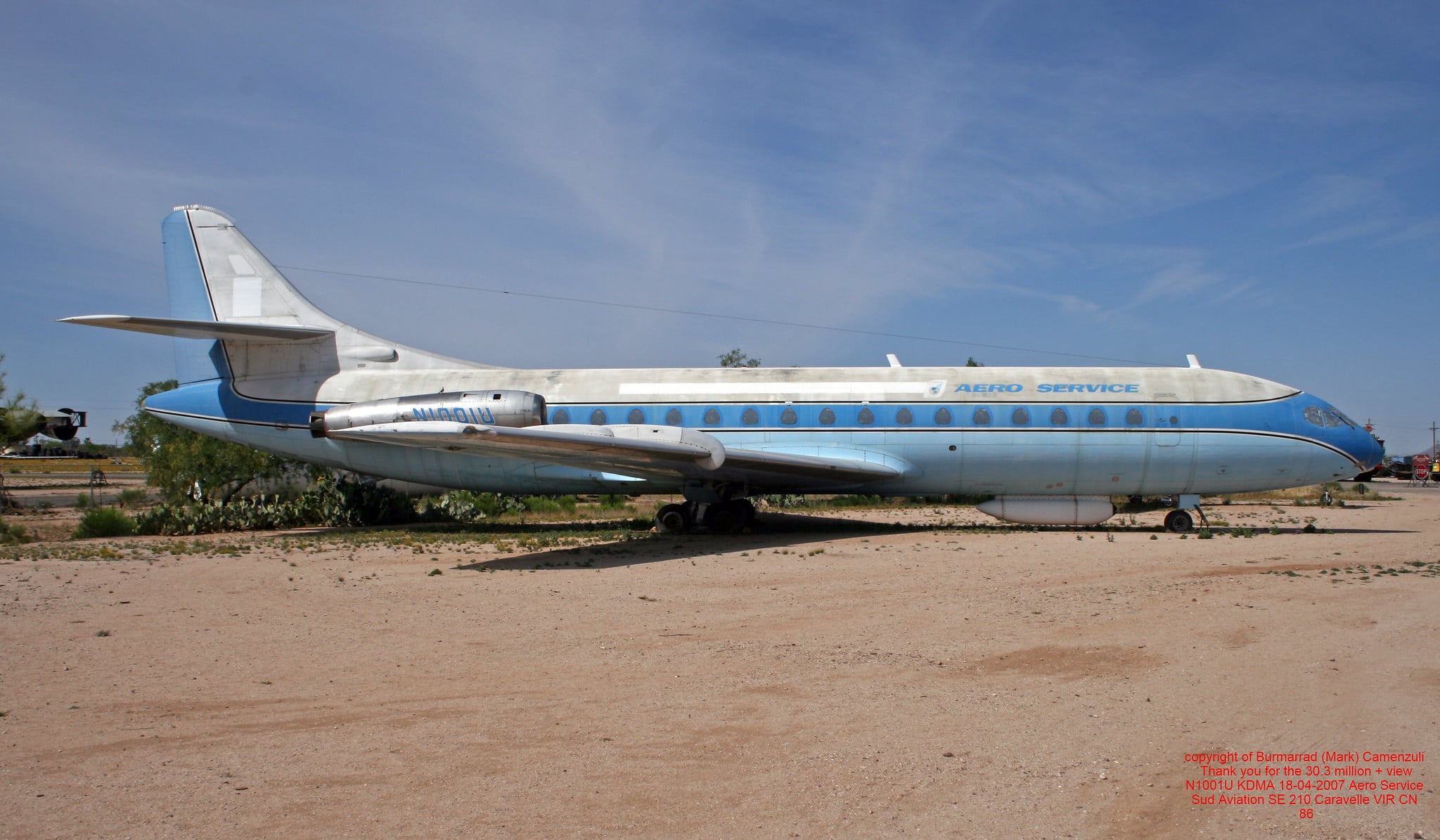
Picture trying to sell passengers on jet travel when jets had a reputation for being loud, smoky, and vaguely experimental. The Caravelle solved this by putting the engines in the back, away from the cabin windows, which sounds simple until you remember that nobody had tried it before on a passenger jet.
French engineering at its most practical. Clean wings, quiet interior, and passengers who could actually have a conversation without shouting.
The rear-engine design became the template for decades of aircraft that followed.
Boeing 747
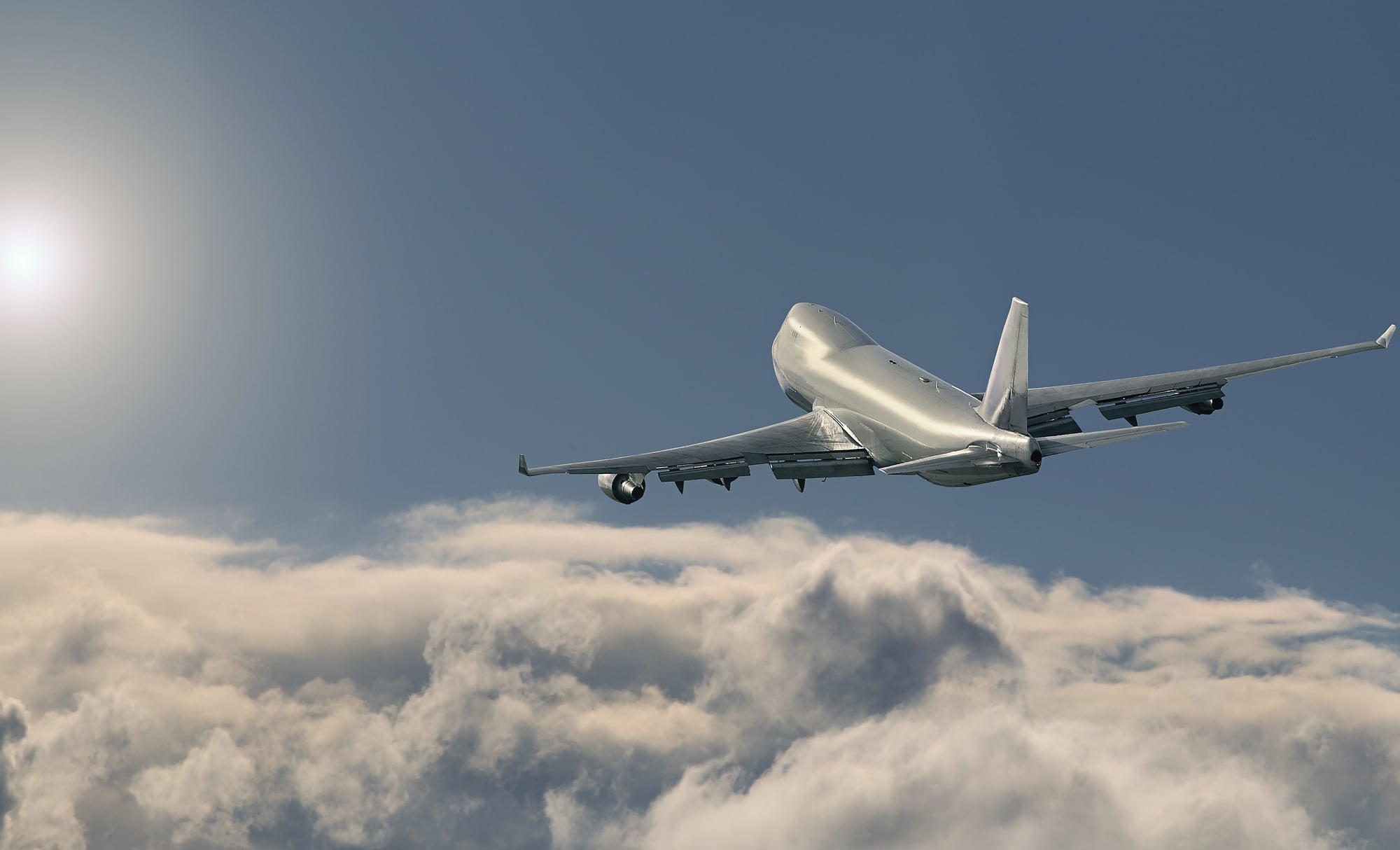
The 747 is audacious in the way that only works when the timing is perfect and the execution is flawless. Boeing looked at air travel in 1970 and decided what it needed was an airplane twice as big as anything flying, which sounds like the kind of corporate overreach that ends in bankruptcy and congressional hearings.
Instead, it ended up defining what long-haul travel looks like for the next five decades. The sheer size created its own logic — airlines could offer more routes because they could fill more seats, which made tickets cheaper, which meant more people could afford to fly internationally, which justified bigger planes.
A feedback loop that turned the 747 into something like the interstate highway system with wings.
Concorde
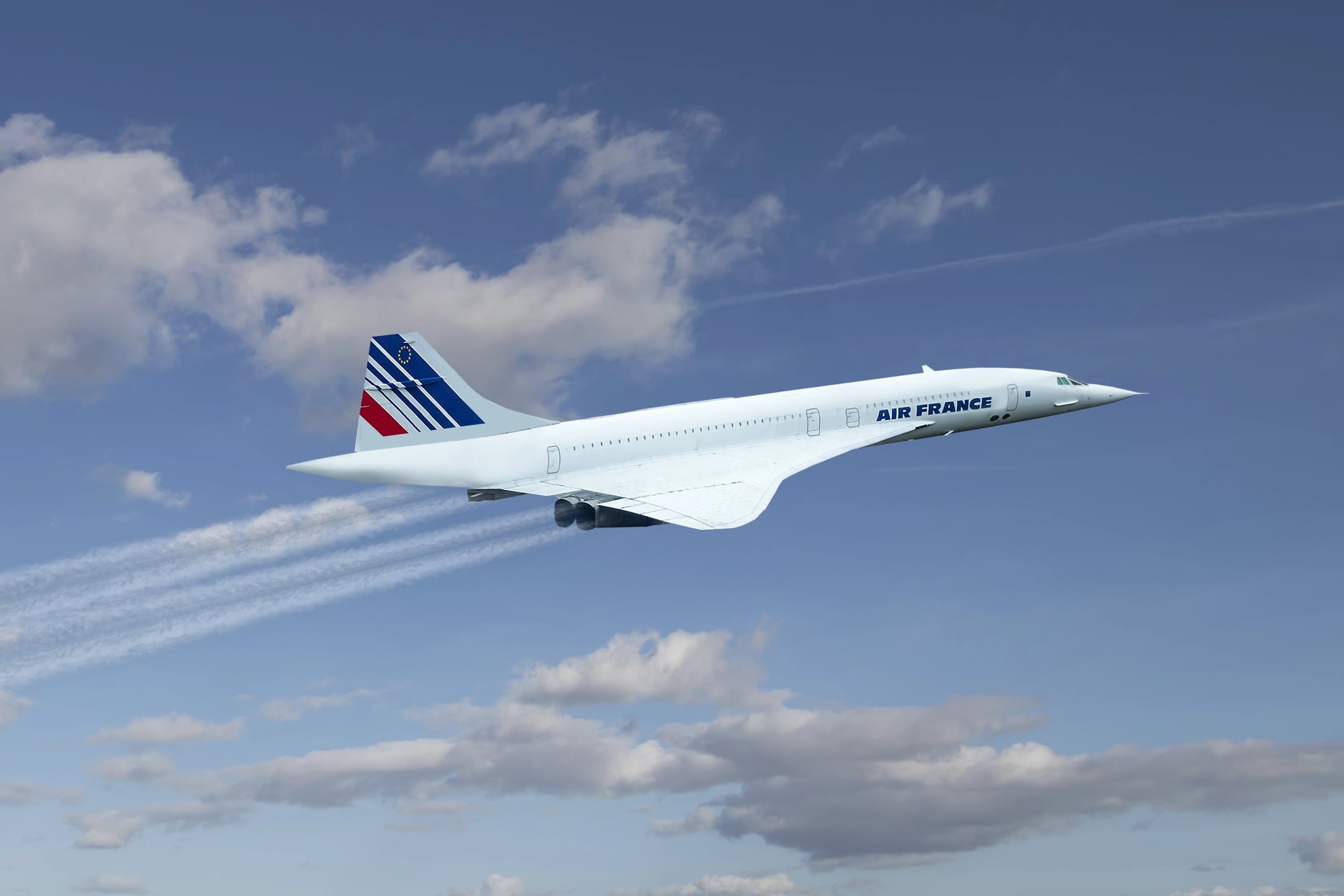
Concorde was never practical. That was the point.
Faster than the speed of sound, more expensive than most people’s houses, and loud enough to rattle windows three states away. It flew for twenty-seven years anyway.
Some achievements matter more for what they prove than what they accomplish.
Douglas DC-8
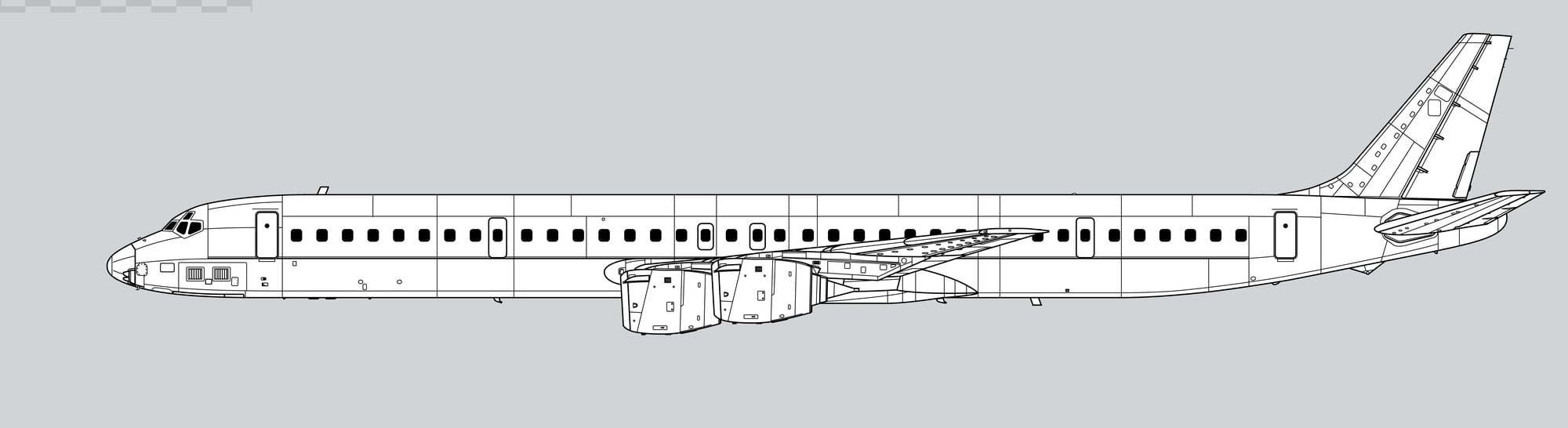
The DC-8 had the misfortune of being nearly as good as the 707 while arriving second to the party. But second place in the jet age still meant reshaping how people thought about distance and time.
Douglas stretched it longer than Boeing dared, pushed the range further, and built it sturdy enough that some are still flying cargo routes today.
Sometimes being almost first is enough to change everything.
Boeing 737
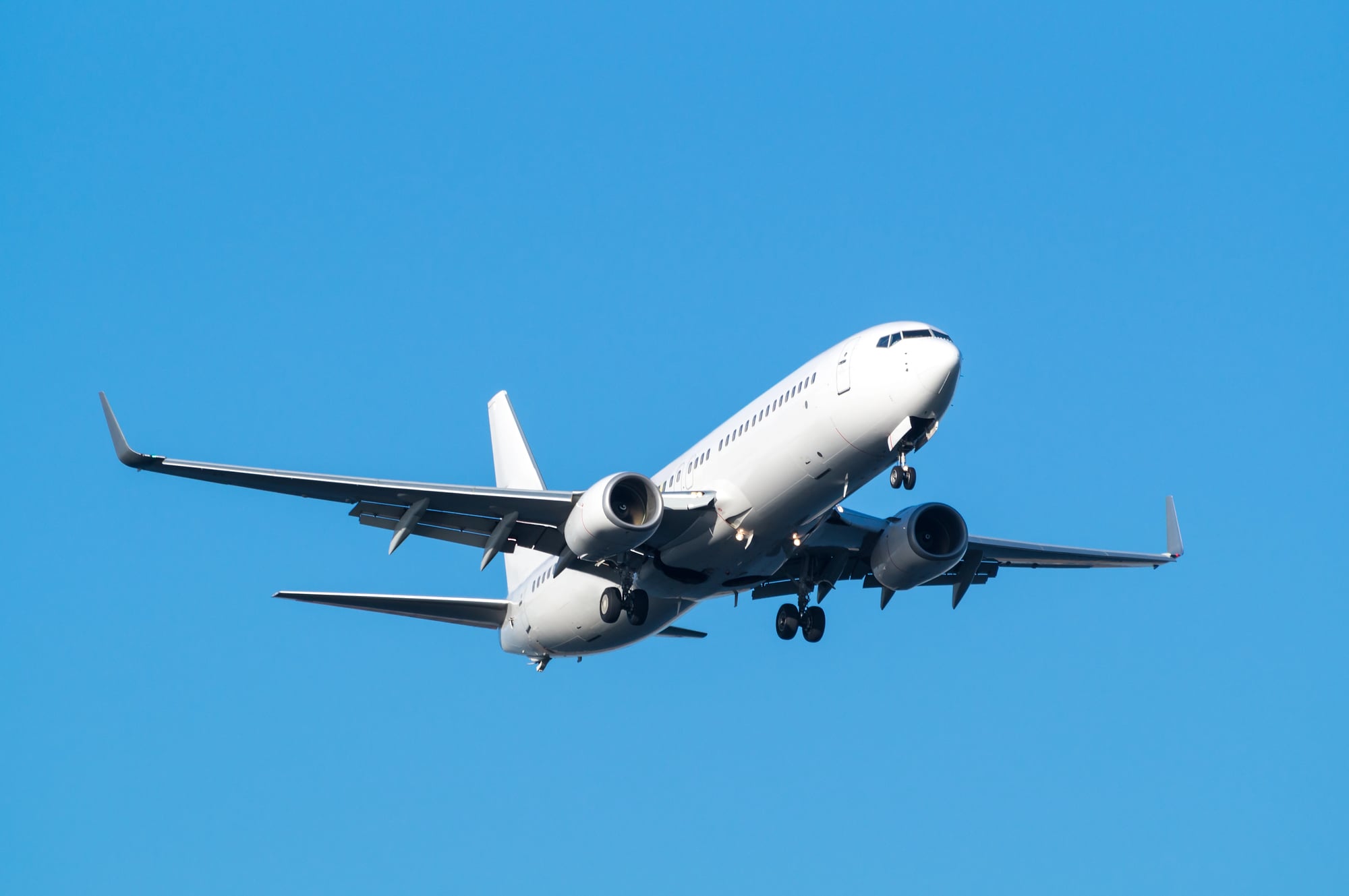
There’s a democracy to the 737 that runs deeper than its economics, though the economics matter plenty — this is the plane that made flying cheap enough that families could afford vacation trips, business travelers could hop between cities for day meetings, and airlines could serve routes that never would have made sense with larger, more expensive aircraft. But beyond the cost savings, the 737 proved that smaller could be better, that you didn’t need a massive jet to cover serious distances reliably.
Like a well-worn path through the woods, the 737 routes connected places that had never been directly connected before, turning what used to require multiple stops and layovers into simple point-to-point flights.
The most produced commercial aircraft in history, and it’s still rolling off assembly lines. That kind of longevity doesn’t happen by accident.
Airbus A300
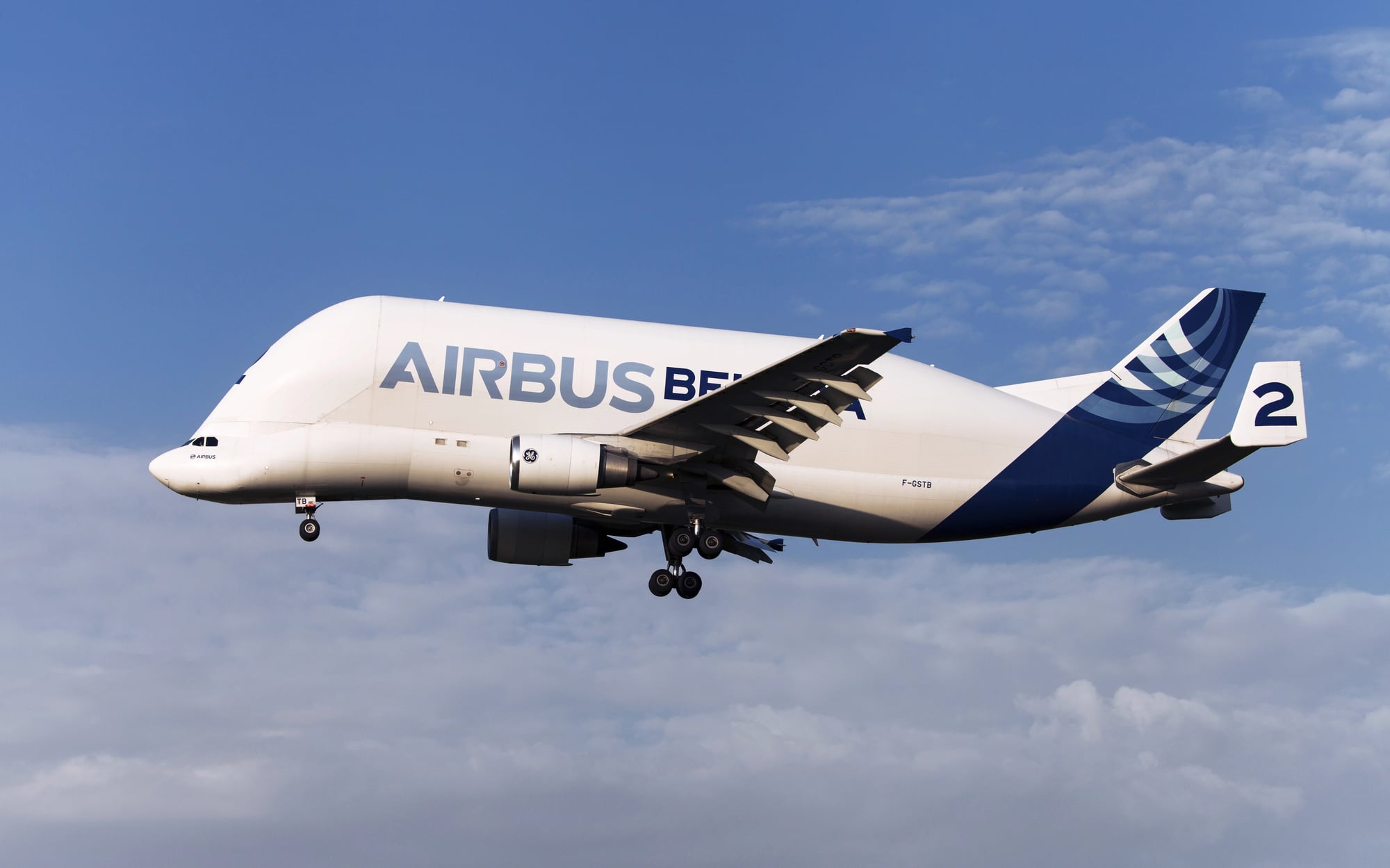
The A300 was Europe’s answer to American dominance in commercial aviation, which sounds like the setup for a predictable nationalist rivalry until you realize how much it changed the industry simply by existing. Boeing and Douglas had gotten comfortable being the only serious options for airlines buying large aircraft.
Competition sharpened everyone’s focus.
Airbus introduced advanced computerized flight management systems. Fly-by-wire controls came later with the A320, revolutionizing how computers assisted pilots in flight control.
Lockheed L-1011
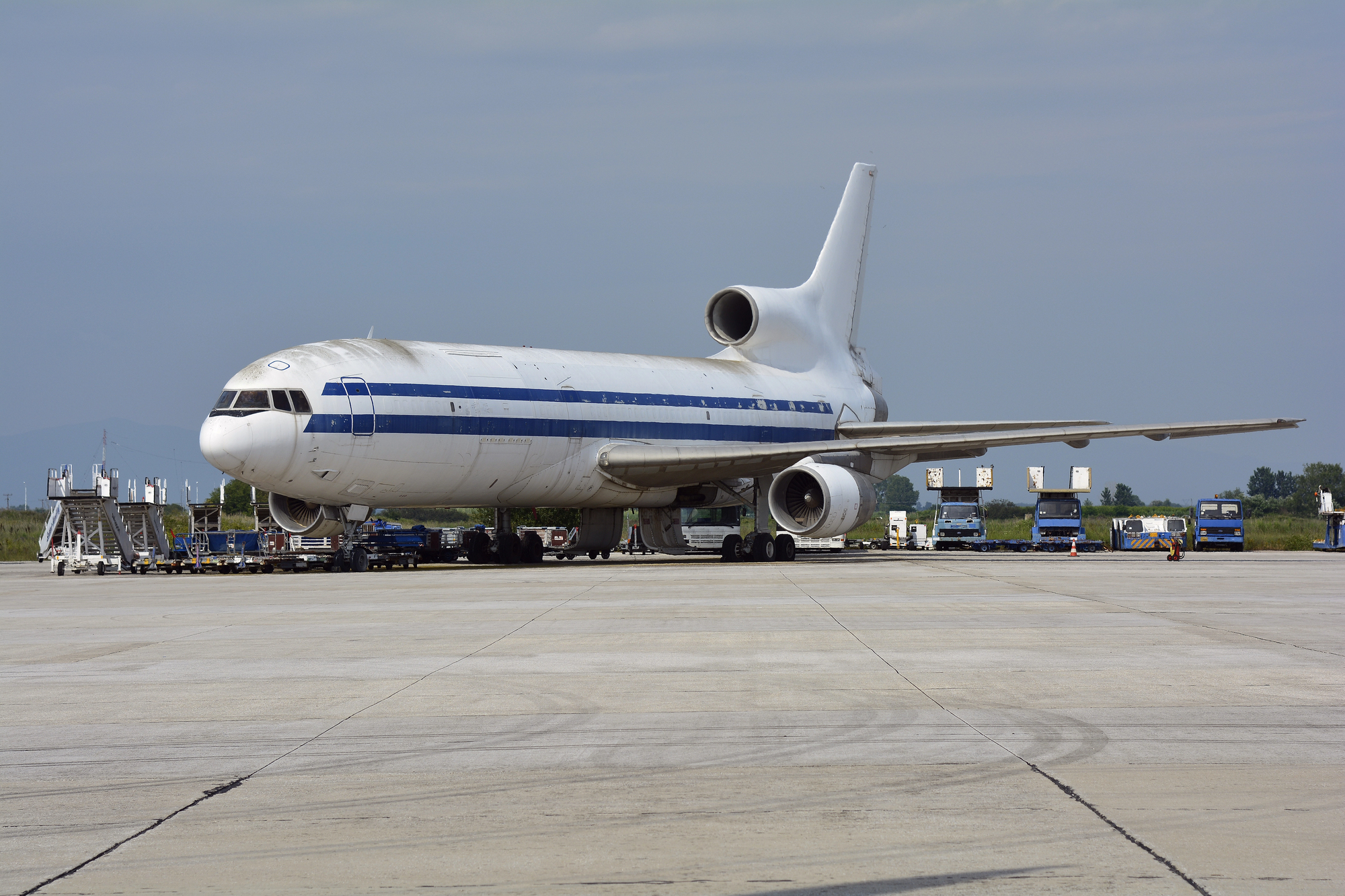
The L-1011 represents that particular kind of tragedy where excellent engineering meets terrible timing. Lockheed built a wide-body jet that was quieter, more fuel-efficient, and more advanced than its competition.
Then Rolls-Royce, the engine supplier, went bankrupt during development.
By the time the L-1011 reached market, airlines had already committed to the 747 and DC-10. Superior technology couldn’t overcome a two-year delay.
Lockheed never built another commercial airliner.
McDonnell Douglas DC-10
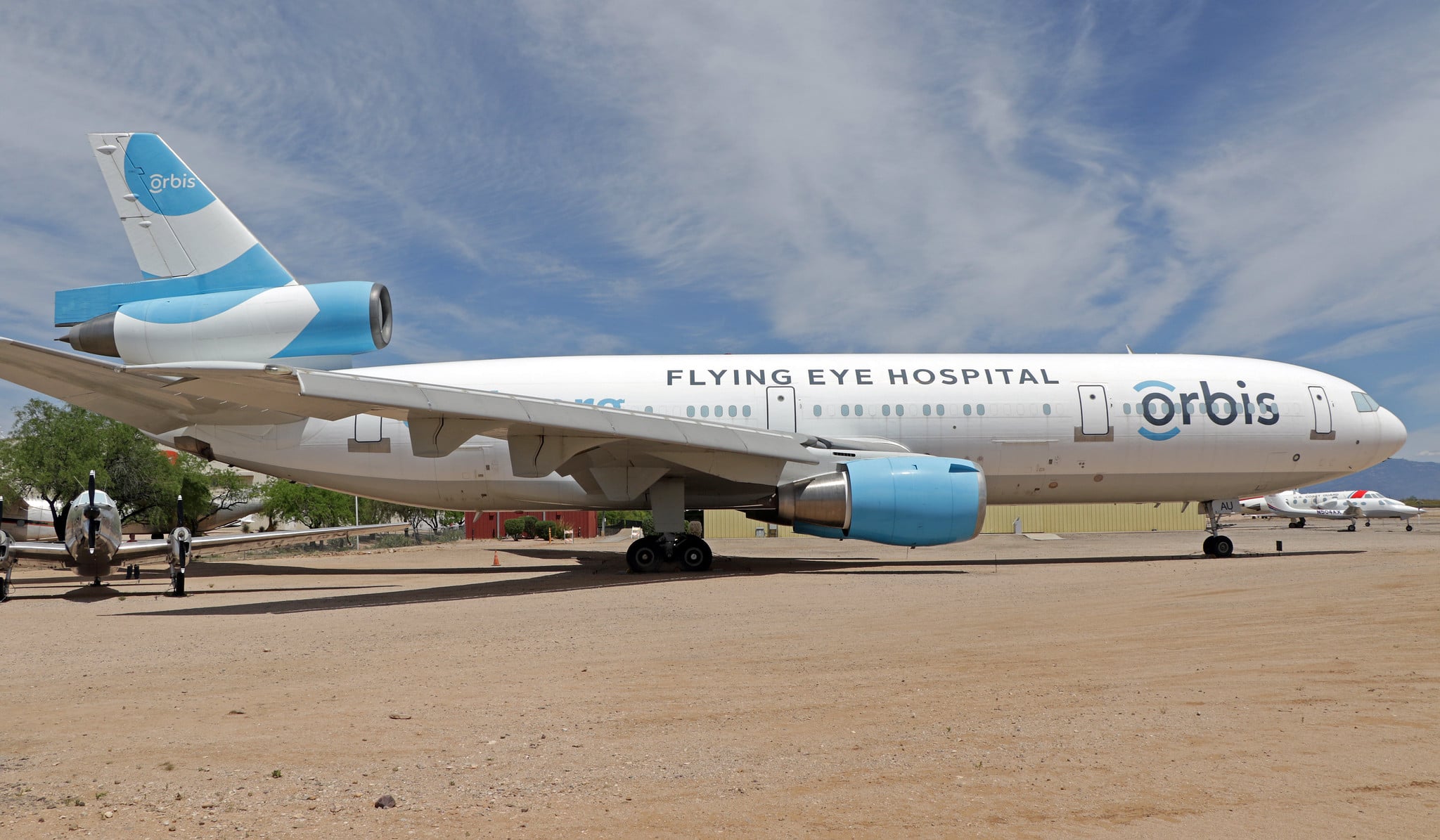
The DC-10 carved out the middle ground between the massive 747 and smaller narrow-body jets, creating a category that airlines didn’t know they needed until it existed — wide-body aircraft that could handle long routes without requiring the passenger volume that made the 747 profitable. This opened up international routes between smaller cities, connections that never would have justified a 747 but were too long for efficient narrow-body service.
So suddenly you had direct flights between places like Denver and London, or Atlanta and Frankfurt, routes that reshaped how people thought about where they could go without connecting through major hubs. But the DC-10 also proved that the aircraft business is unforgiving in ways that other industries aren’t: early accidents, even when later resolved, can define an airplane’s reputation for decades (and the DC-10’s early cargo door problems became the kind of engineering cautionary tale that still gets taught in design schools).
Even so, the basic concept worked well enough that it established the three-engine wide-body as a distinct category, one that lasted until twin-engine aircraft became reliable enough to cross oceans.
Airbus A320
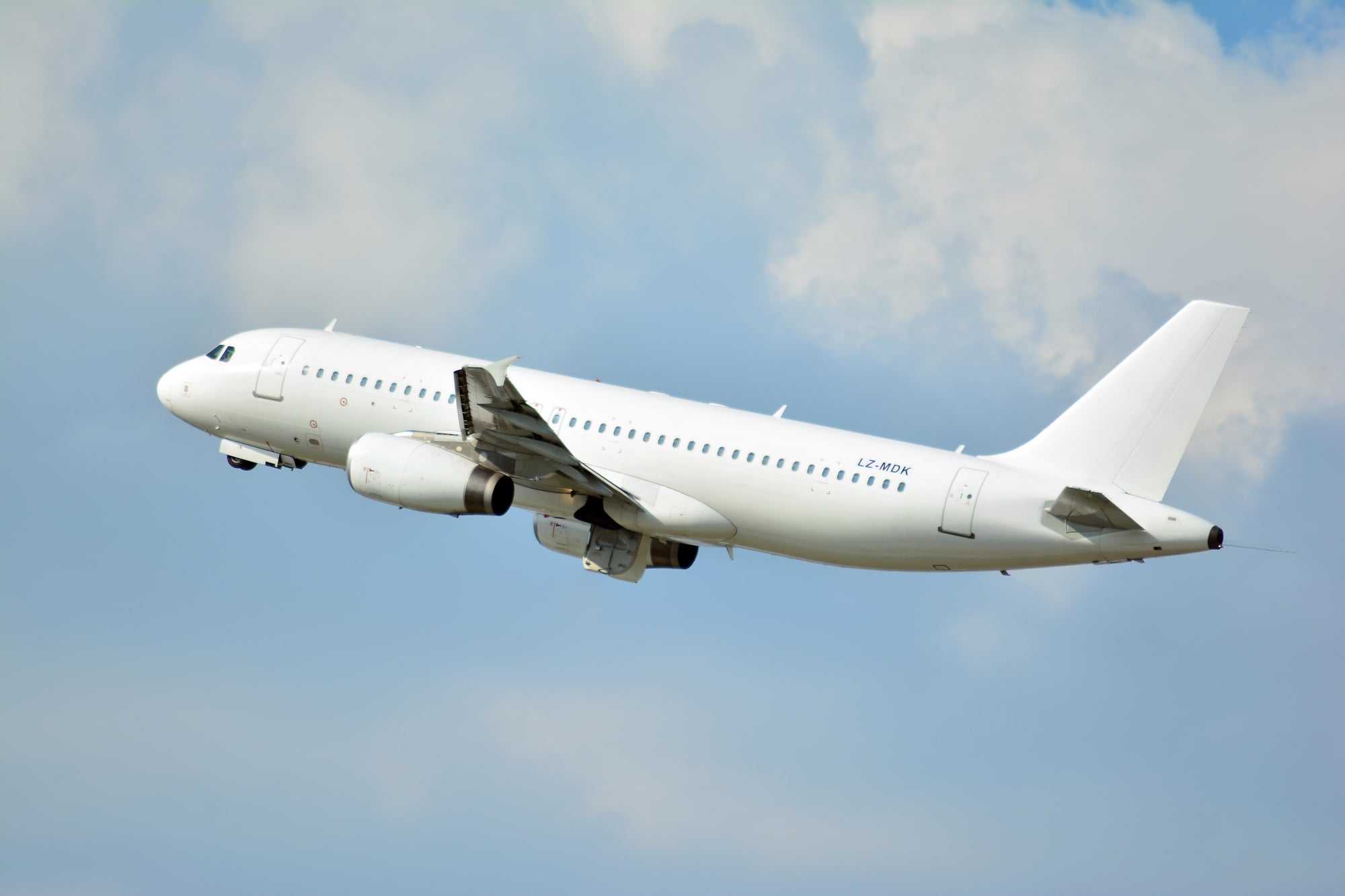
The A320 brought computers into the cockpit in ways that fundamentally changed how planes are flown. Fly-by-wire flight controls meant the computer stood between pilot inputs and aircraft response, interpreting commands and preventing dangerous maneuvers.
Pilots initially resisted the change. Airlines embraced it because it reduced training costs and improved safety records.
The A320 family became the best-selling narrow-body aircraft line in Europe and gave Boeing serious competition in the single-aisle market for the first time in decades.
Boeing 777
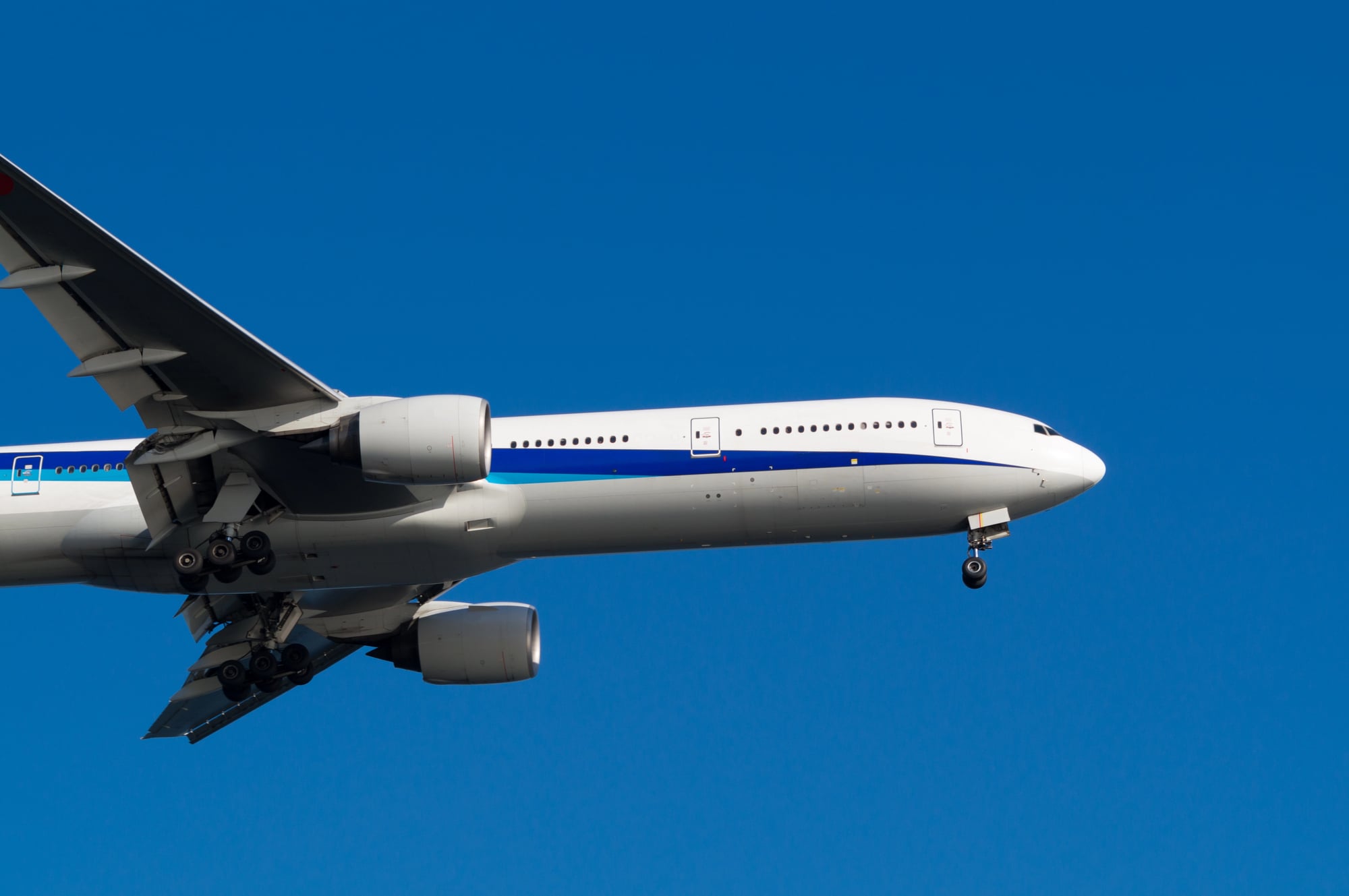
Boeing designed the 777 entirely on computers, the first commercial aircraft created without physical blueprints or mockups — which sounds like a detail for engineering history until you consider what it meant for airlines buying the planes and passengers flying in them. Digital design allowed for precision that traditional methods couldn’t match, parts that fit together perfectly the first time, systems integration that eliminated the kind of small incompatibilities that had plagued aircraft development for decades.
But the real breakthrough was range: the 777 could fly further on two engines than most aircraft could on three, opening up routes that had been impossible before and making twin-engine aircraft the standard for long-haul international flights.
The 777 proved that bigger could still mean better, even in an industry that seemed to be moving toward smaller, more efficient aircraft. Sometimes the market wants size and range more than it wants economy.
Airbus A380
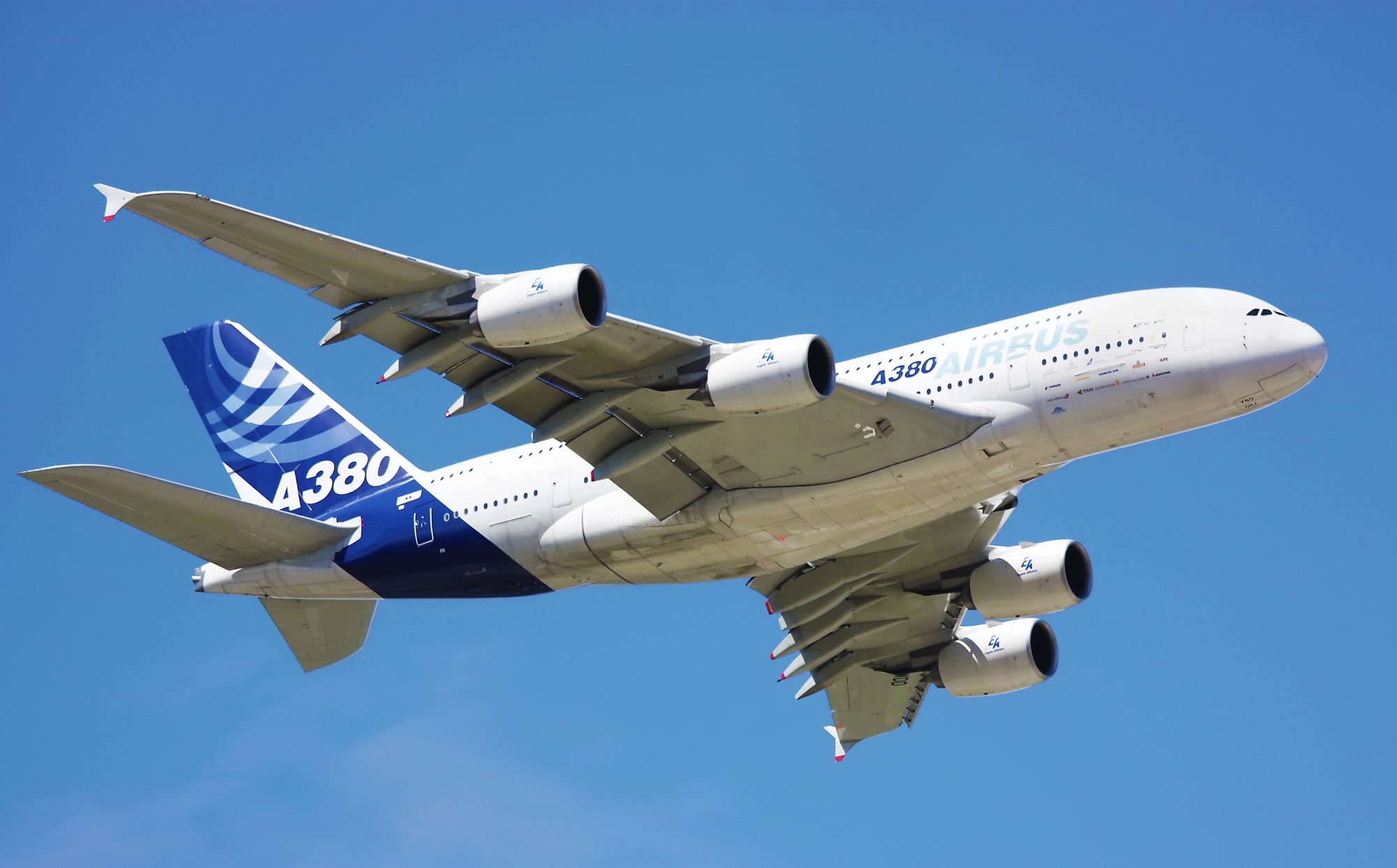
The A380 bet that airports would get more crowded, not that airlines would find more routes to serve. Airbus looked at hubs like Heathrow and JFK and concluded that the solution was bigger planes carrying more passengers on the same number of flights.
The bet didn’t pay off. Airlines wanted flexibility more than capacity. Point-to-point routes grew faster than hub-and-spoke systems.
The A380 was magnificent and wrong at the same time.
Aviation’s Unfinished Story
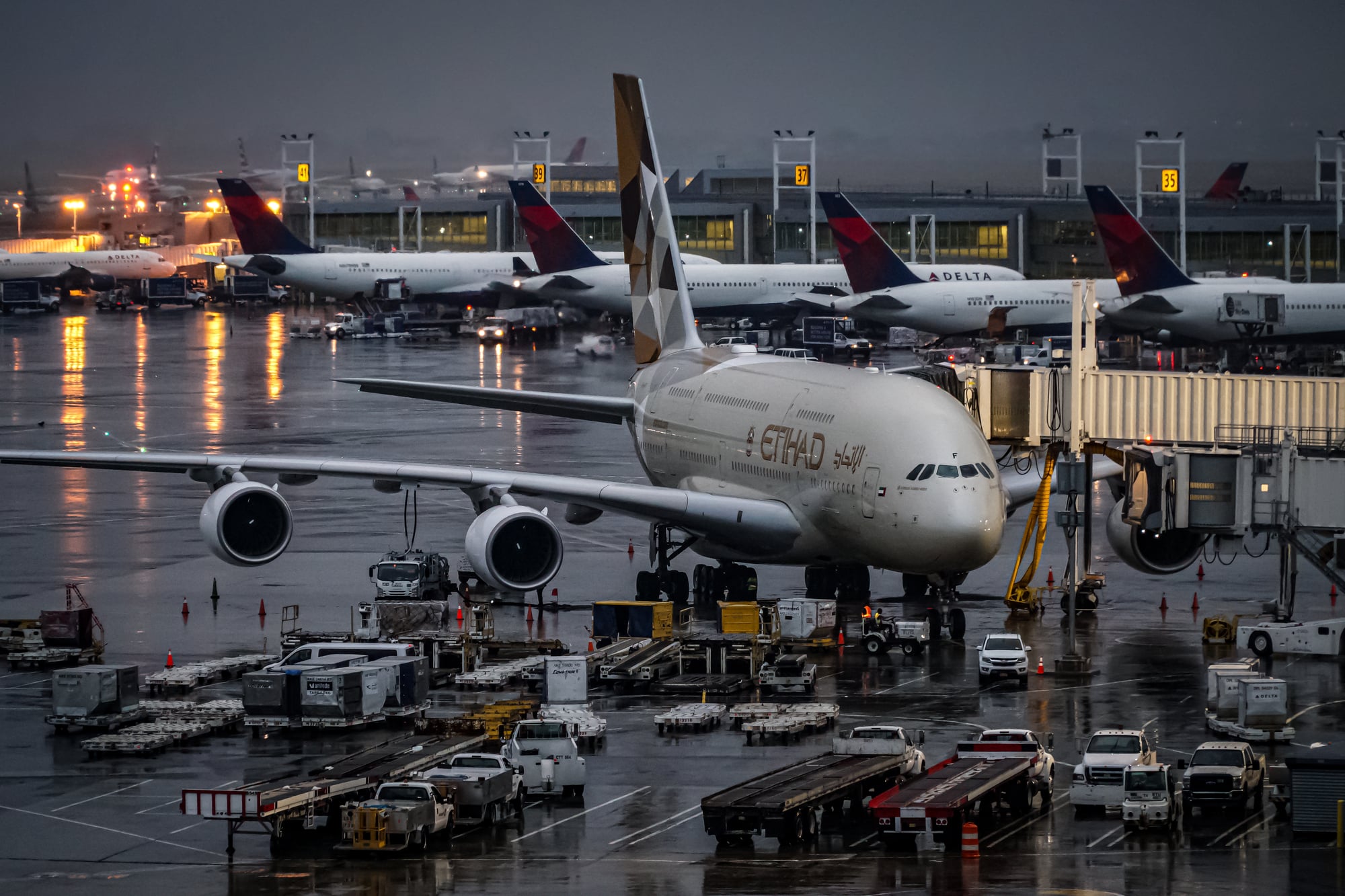
These planes didn’t just transport people — they compressed geography and accelerated time in ways that reshaped how humans think about distance and possibility. Each one solved problems that seemed permanent until the solution took flight.
The DC-3 made flying reliable. The 707 made it fast. The 747 made it affordable for the masses. The A320 made it computer-controlled.
What comes next won’t just be about moving people more efficiently. Electric aircraft, supersonic travel, autonomous flight systems — the next influential commercial planes are already being designed.
They’ll solve problems we’re just beginning to understand, the same way the planes on this list solved problems their designers couldn’t have fully anticipated when they first committed blueprints to metal and lifted them into the sky.
More from Go2Tutors!

- The Romanov Crown Jewels and Their Tragic Fate
- 13 Historical Mysteries That Science Still Can’t Solve
- Famous Hoaxes That Fooled the World for Years
- 15 Child Stars with Tragic Adult Lives
- 16 Famous Jewelry Pieces in History
Like Go2Tutors’s content? Follow us on MSN.



