Manufacturing Inventions That Reshaped Life
The story of human progress isn’t written in boardrooms or laboratories—it’s stamped, molded, and assembled on factory floors. Every object within arm’s reach right now carries the DNA of some long-dead inventor who figured out how to make something faster, cheaper, or better than anyone thought possible.
These weren’t just clever gadgets or incremental improvements. These were the machines that taught other machines how to work, the processes that turned craftsmen into operators, and the ideas that transformed entire civilizations from the ground up.
The Cotton Gin

Eli Whitney’s cotton gin did exactly what it was supposed to do—and that became the problem. Before 1793, separating cotton fibers from seeds took forever (one person could clean about a pound per day, and cotton wasn’t particularly profitable as a result).
Whitney’s machine changed that math dramatically: suddenly, one person could process fifty pounds in the same time.
But here’s the thing about efficiency gains that dramatic—they don’t just speed up existing systems, they create entirely new ones. The cotton gin made cotton so profitable that it entrenched slavery deeper into American economic life, turned the South into a cotton-production machine, and fed the textile mills that would power the Industrial Revolution on both sides of the Atlantic.
And so a device designed to reduce labor ended up demanding much more of it, just of a different, more brutal kind.
The gin itself was almost embarrassingly simple: a wooden drum with wire hooks that caught the cotton fibers and pulled them through slots too small for the seeds to follow. That’s it.
Sometimes the most world-changing inventions are the ones that make you wonder why no one thought of them sooner.
The Assembly Line
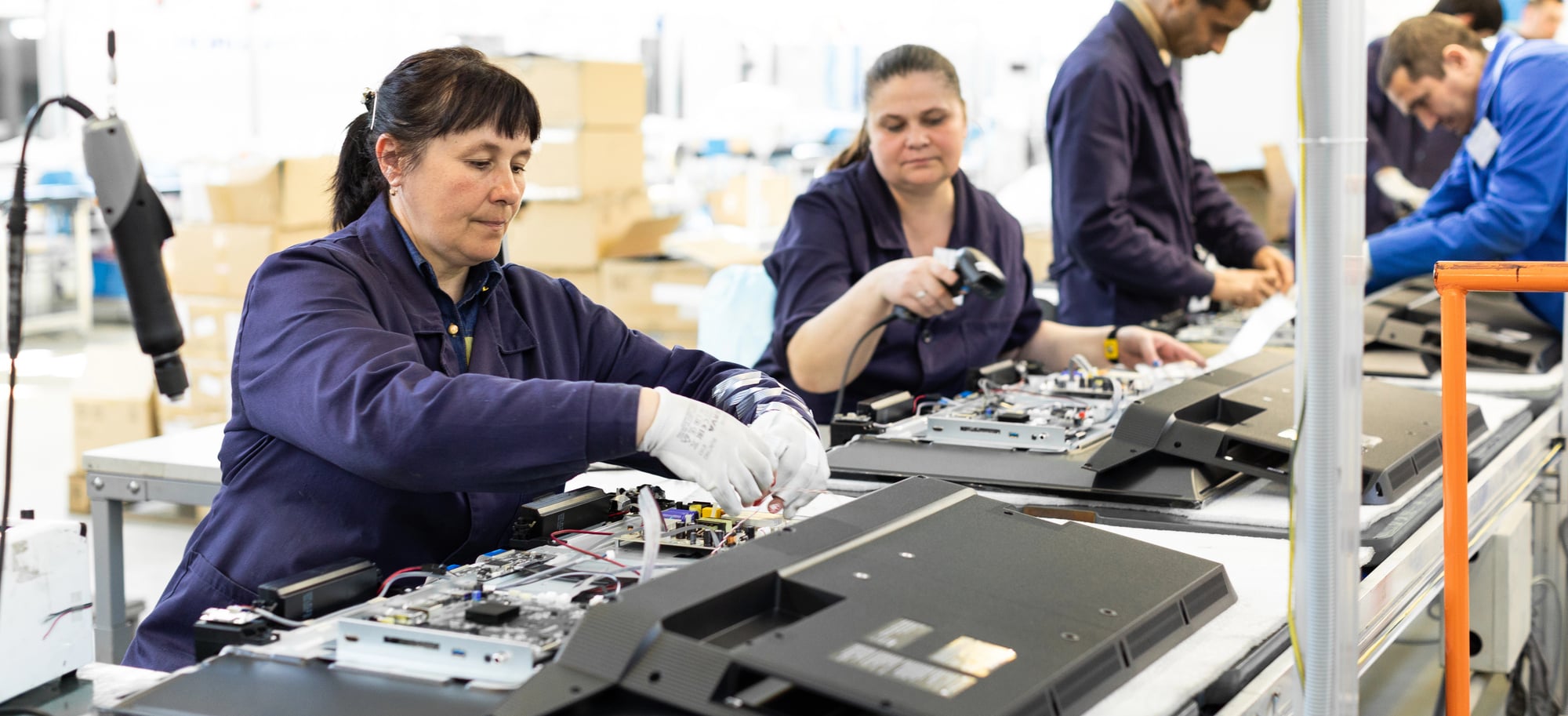
Henry Ford didn’t invent the assembly line—he just figured out how to make it ruthless. The idea of moving work through a series of specialized stations had been around for decades (watchmakers used similar methods, and so did some early manufacturers), but Ford’s 1913 implementation at his Highland Park plant turned manufacturing into something closer to a science experiment in human efficiency.
The numbers tell the story better than any theory: before the moving assembly line, it took over twelve hours to build a single Model T. After Ford’s system was fully implemented, that time dropped to about ninety minutes.
Which is saying something, considering these were the same workers building the same car—the only difference was that the work came to them instead of them going to the work.
So naturally, everyone hated it at first. Workers quit in droves because standing in one spot doing the same task every few seconds felt dehumanizing (which, to be fair, it was).
Ford solved this by doubling wages to five dollars a day, which was enough money that people were willing to accept the tedium. Turns out you can make almost any job tolerable if you pay enough for it.
Interchangeable Parts

There’s something almost musical about the way identical components click together—no filing, no custom fitting, no craftsman squinting at tiny variations and making adjustments by hand. Before Eli Whitney (yes, the same Whitney) standardized this approach for musket production in the early 1800s, every manufactured item was essentially a one-off creation, and fixing anything meant finding someone skilled enough to fabricate a replacement part from scratch.
Whitney’s system flipped that relationship entirely. Instead of skilled workers adapting parts to fit individual products, the parts themselves became precise enough that any worker could assemble them.
The musket barrel made in Connecticut would fit perfectly with the trigger mechanism made in Massachusetts, and both would work seamlessly with the stock carved in Vermont. It was manufacturing as plug-and-play, decades before anyone used those words.
The real breakthrough wasn’t just mechanical—it was philosophical. Once you accept that parts can be truly identical, you start thinking differently about everything: inventory, repair, training, quality control, even labor itself.
And once that thinking takes hold, you’re not just making muskets more efficiently—you’re creating the conceptual framework that every modern manufacturing process still depends on.
The Steam Engine
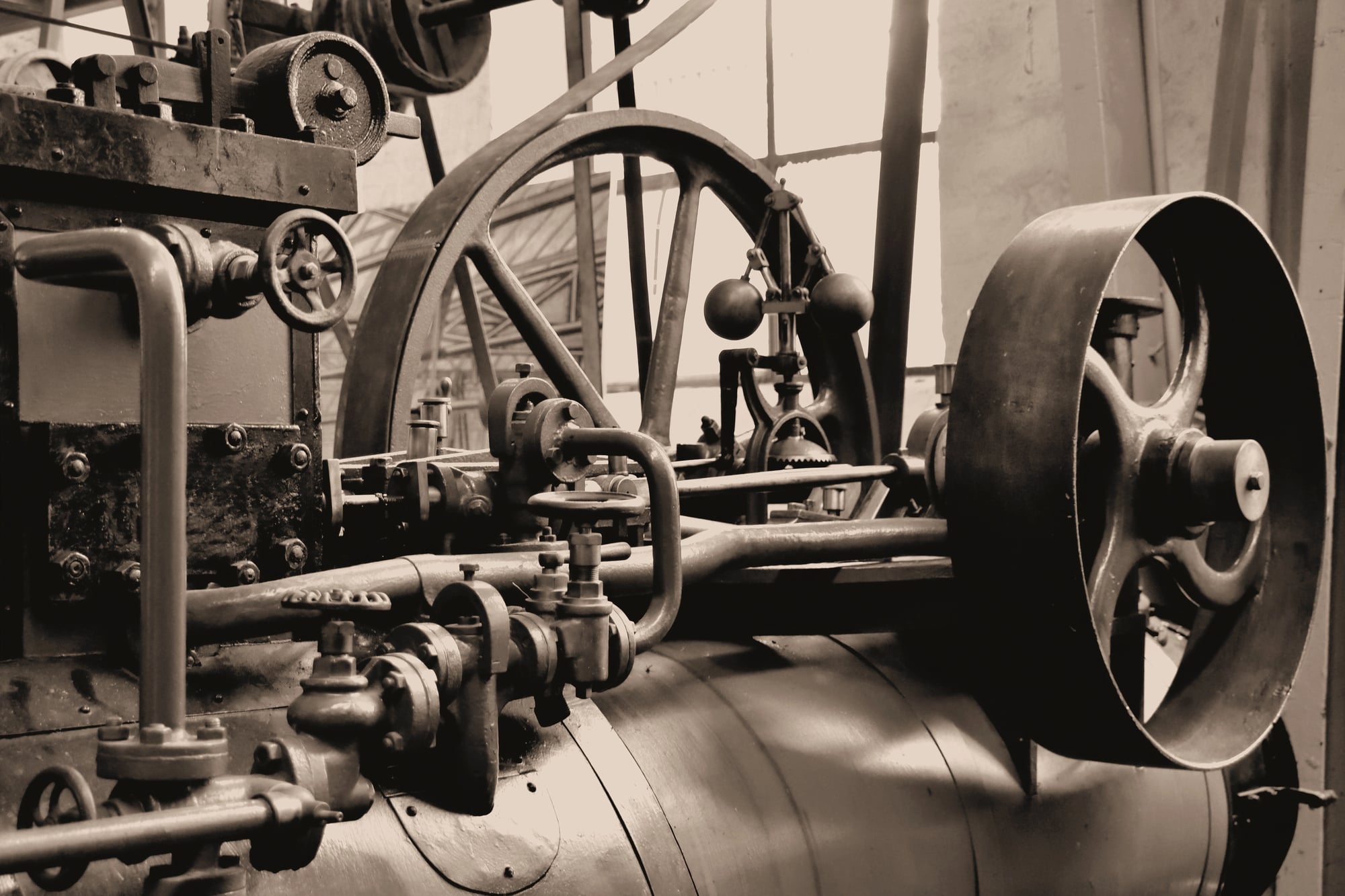
Coal goes in, motion comes out, and somewhere in between, water turns into the force that reshapes continents. James Watt’s improvements to the steam engine in the 1760s and 1770s didn’t create the technology from nothing (steam power had been around in crude forms for decades), but his separate condenser and rotary motion innovations made steam engines efficient enough to power more than just water pumps in mines.
Watt’s engine was different because it wasted less energy. Earlier steam engines lost most of their power heating and cooling the same cylinder over and over—Watt’s separate condenser kept the main cylinder hot while cooling the steam elsewhere, which roughly tripled the engine’s efficiency.
That difference between wasteful and economical steam power was the difference between a curious novelty and the driving force of industrialization.
But here’s what makes steam engines particularly fascinating from a manufacturing perspective: they didn’t just power factories, they made factories possible in the first place. Before steam, manufacturing had to happen near rivers (for water power) or in specific locations where wind was reliable.
Steam engines freed factories from geography—you could build industrial capacity anywhere you could transport coal, which meant anywhere you could build a railroad, which meant basically anywhere at all.
The Printing Press
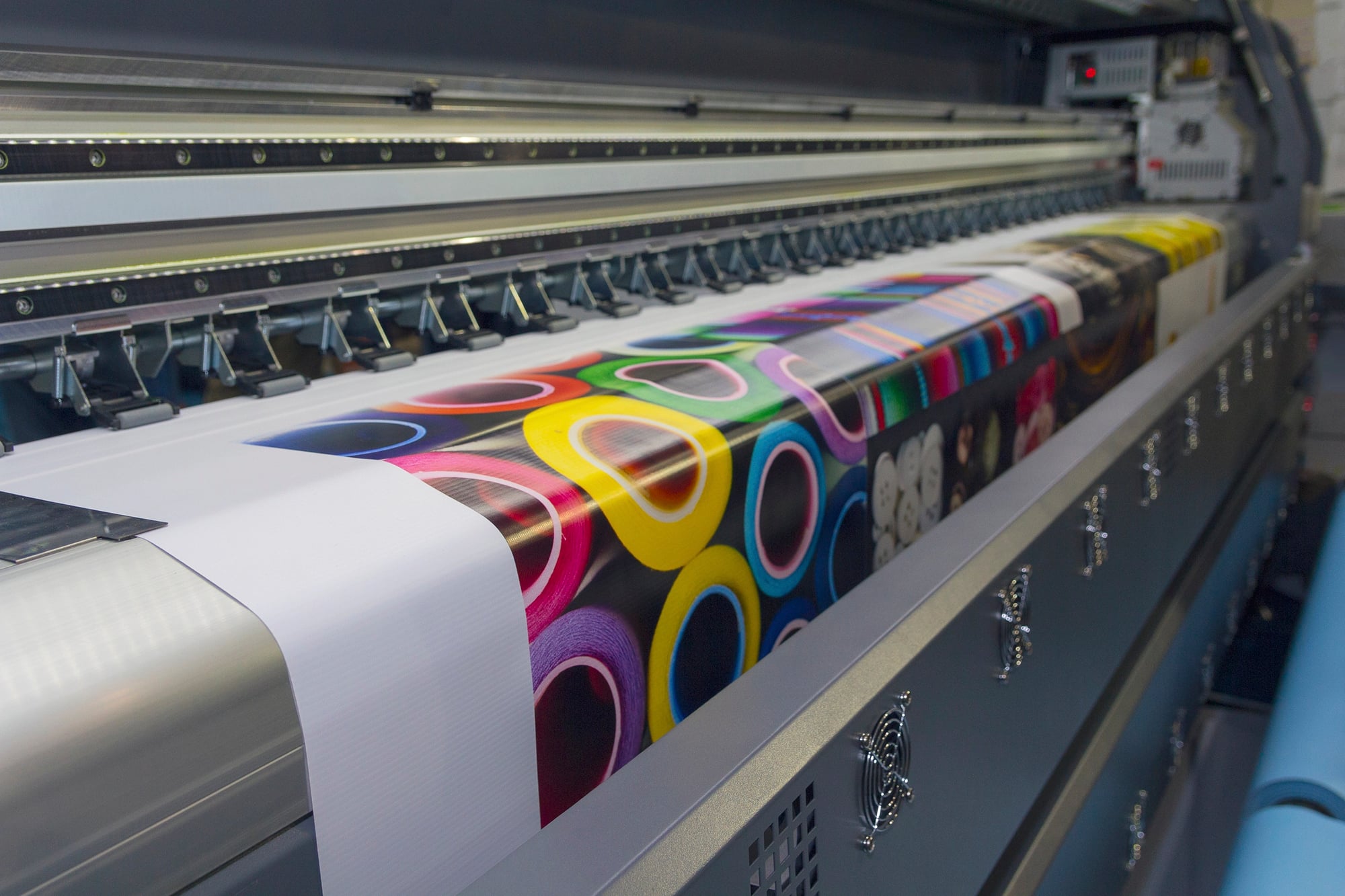
Gutenberg’s printing press around 1440 was manufacturing applied to knowledge itself. Before movable type, creating books meant hand-copying every single page, which made books so expensive that most people would never own one in their entire lives.
The printing press didn’t just make books cheaper—it made ideas spreadable in ways that had never existed before.
The mechanical innovation was straightforward enough: individual letters cast in metal, arranged into words and sentences, inked, and pressed onto paper. What made it revolutionary was the economics—once you had the type set, you could print hundreds or thousands of copies for roughly the same effort it used to take to create one.
And once those books started circulating, you had something unprecedented: identical copies of the same information in dozens or hundreds of locations simultaneously.
That standardization of knowledge changed everything else. Scientific discoveries could be replicated because the instructions were exactly the same in every copy. Religious movements could spread because believers could reference the same texts.
Political ideas could scale because pamphlets could be mass-produced and distributed. The printing press made the Reformation possible, accelerated the Scientific Revolution, and created the conditions for mass literacy—all because someone figured out how to manufacture books instead of crafting them one at a time.
The Power Loom
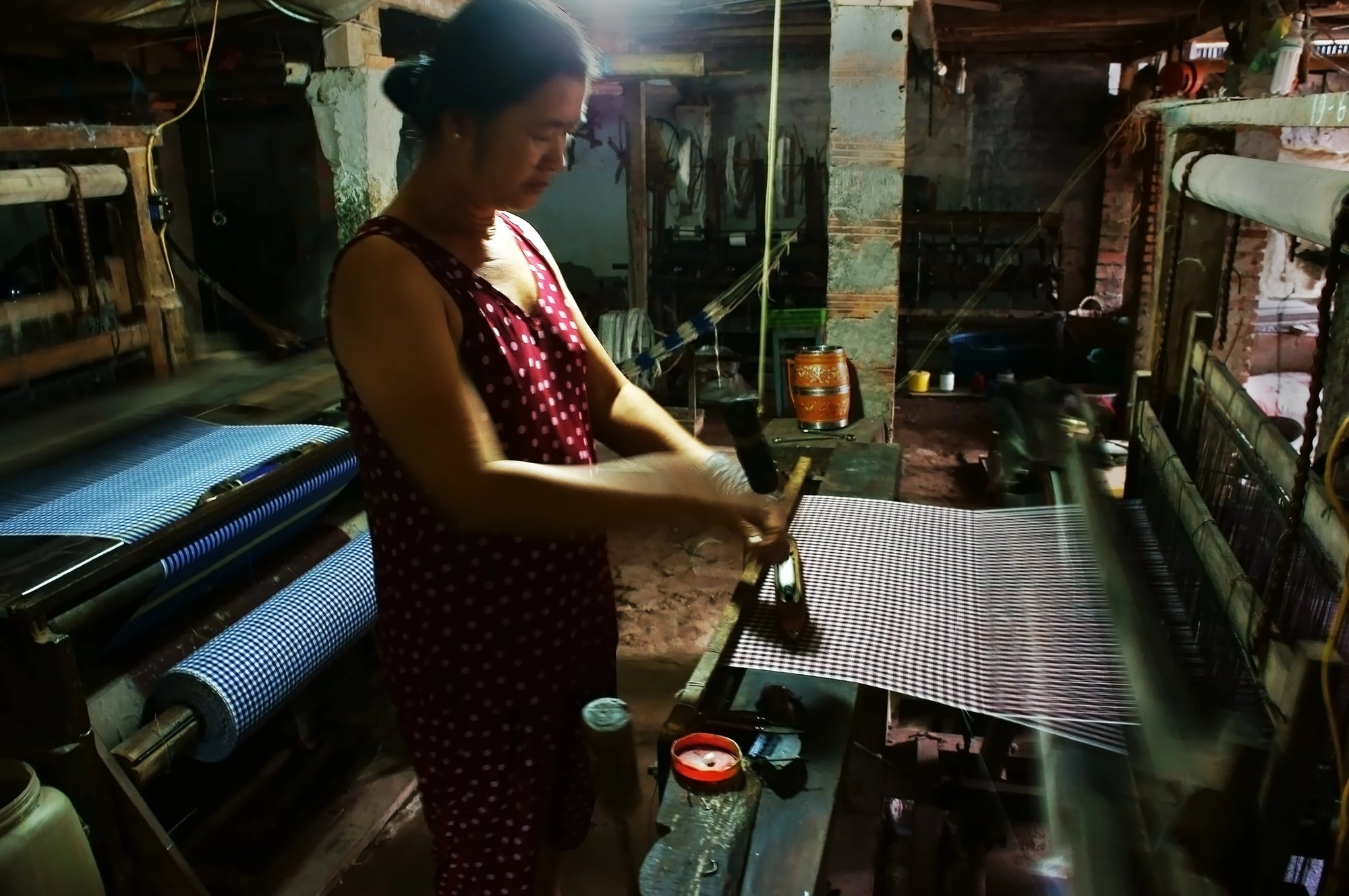
Before Edmund Cartwright’s power loom in 1785, weaving cloth was skilled handwork that took considerable time and produced limited quantities, but after steam-powered looms arrived in textile mills, the same amount of fabric could be produced by less-skilled workers in a fraction of the time—and suddenly, clothing became something ordinary people could afford to own more than one or two sets of.
The power loom represented a particular kind of manufacturing revolution: the replacement of human skill with mechanical precision (and the replacement of human power with steam power). A skilled hand weaver could create beautiful, complex patterns, but they couldn’t compete with a machine that could run continuously, required minimal supervision, and produced consistent results at industrial scale.
So the artisan weaver became a mill operator, and textile production became one of the first truly mechanized industries.
And textile mills became the template for industrial organization that other industries would copy: large buildings filled with machines, workers specialized in operating rather than creating, production organized around machine capabilities rather than human rhythms, and output measured in quantities that would have been unimaginable just a few decades earlier.
The power loom didn’t just change how cloth was made—it demonstrated how entire industries could be reorganized around mechanical efficiency.
The Lathe
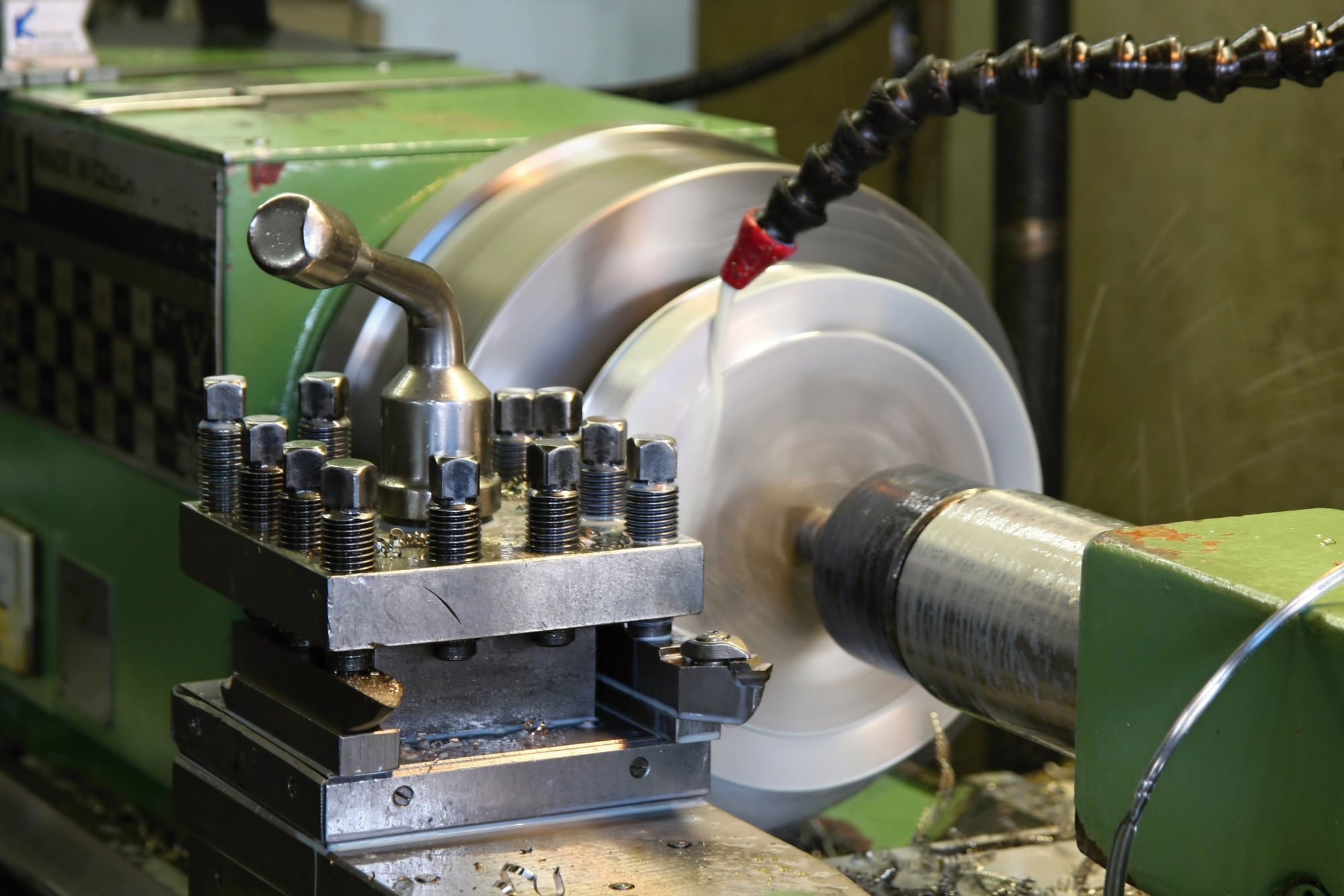
The lathe is the machine that makes other machines—and there’s something almost recursive about that relationship, since improved lathes enable the production of even more precise lathes, which enable more precise manufacturing across every other industry. Henry Maudslay’s screw-cutting lathe around 1800 brought mechanical precision to metalworking that simply hadn’t existed before, and once that precision became available, everything else became more precise too.
Maudslay’s innovation was the slide rest—a mechanical guide that held cutting tools steady while the workpiece rotated, replacing the hand-held tools that previous lathes required. That might sound like a small change, but the results were dramatically better: perfectly round cylinders, precise threads, consistent dimensions, and surfaces smooth enough that parts would fit together without gaps or binding.
The lathe’s influence spread through manufacturing like precision itself becoming contagious. Better lathes produced better machine parts, which enabled better machines, which enabled better manufacturing processes, which created demand for even better lathes.
It’s the kind of positive feedback loop that accelerates entire technological ecosystems—each improvement makes the next improvement not just possible, but inevitable.
The Sewing Machine
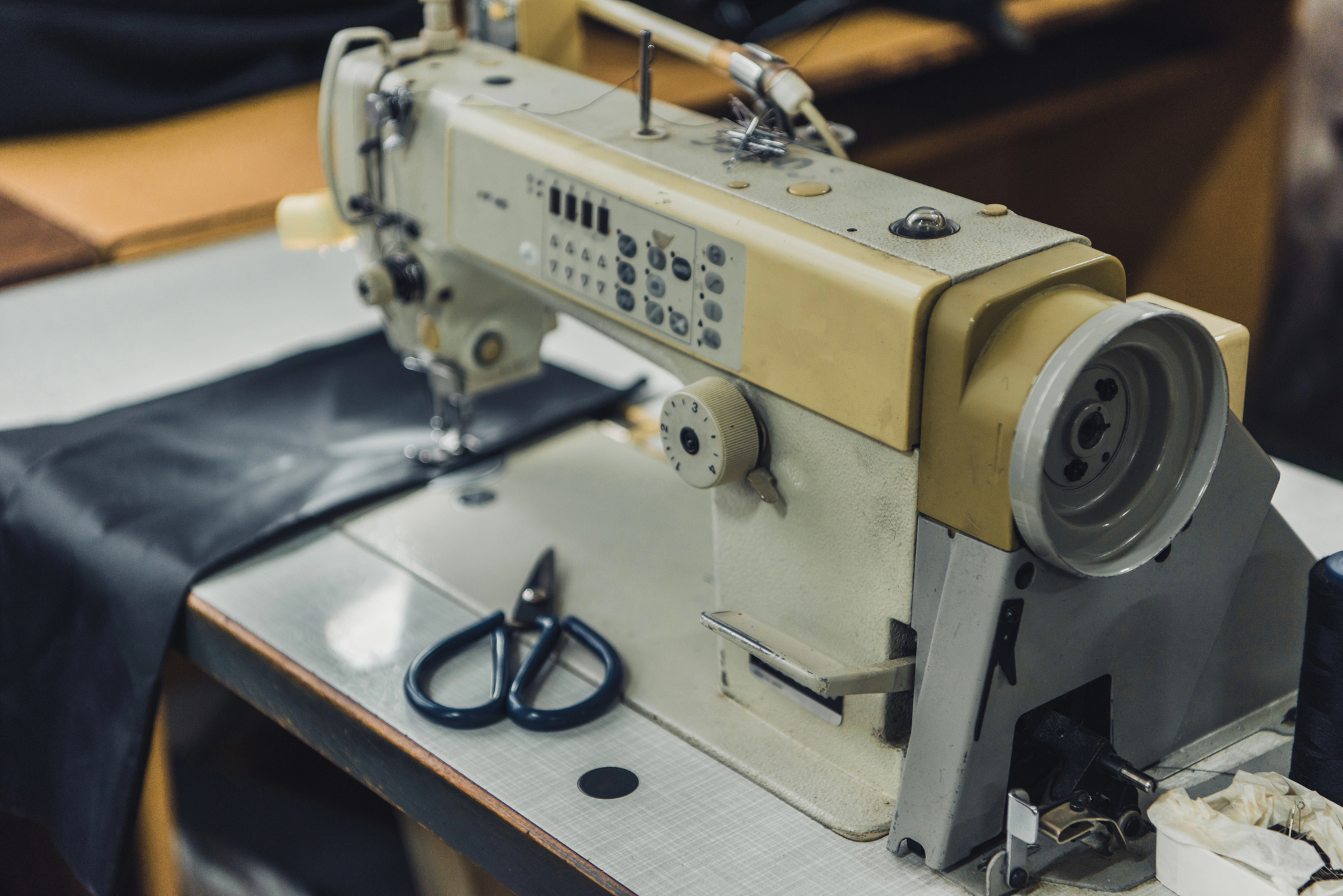
Elias Howe’s sewing machine in 1846 took a task that had occupied human hands for thousands of years and handed it over to mechanical repetition, but the real impact wasn’t just faster sewing—it was the birth of ready-made clothing as something ordinary people could afford.
Before sewing machines, clothes were either made at home (which took enormous amounts of time) or custom-tailored by professionals (which cost enormous amounts of money). The sewing machine created a third option: factory-produced clothing that could be manufactured quickly and sold affordably.
Which meant that for the first time in human history, fashion could change rapidly because new styles didn’t require months of hand-sewing to produce.
The machine itself was elegant in its simplicity: a needle that carried thread down through fabric, where it interlocked with thread from a bobbin underneath—creating a lock stitch that was stronger and more consistent than hand stitching.
But that mechanical simplicity enabled social complexity: clothing factories, fashion industries, department stores, and the entire concept of seasonal style changes that we still live with today.
The Spinning Jenny

James Hargreaves’ spinning jenny around 1764 multiplied a single worker’s capacity to spin thread by eight (and later versions could handle even more spindles simultaneously), but more importantly, it demonstrated that traditional craft processes could be mechanized without completely abandoning human control—the operator still guided the process, but the machine did most of the work.
The jenny was different from purely automatic machines because it required skill and attention—the operator had to coordinate multiple threads, maintain proper tension, and respond to breaks or tangles.
So it represented a middle ground between traditional hand-spinning (which was slow but allowed complete control) and fully automated spinning machines (which were faster but required significant capital investment and factory infrastructure).
That middle ground turned out to be historically important because it made mechanization accessible to smaller producers and home-based workers. You could operate a spinning jenny in your cottage, which meant the technology spread quickly through existing networks of textile workers rather than requiring entirely new industrial infrastructure.
Sometimes the most influential technologies are the ones that work within existing social systems rather than demanding completely new ones.
The Mechanical Reaper

Cyrus McCormick’s mechanical reaper in 1831 turned grain harvesting from labor-intensive handwork involving multiple people with scythes into a job one person could do with a horse-drawn machine, and in doing so, it solved the agricultural bottleneck that had limited farming productivity for centuries.
Before mechanical reapers, farmers could plant more grain than they could harvest—which meant that labor availability during the brief harvest window determined farm size more than land availability or growing conditions.
McCormick’s reaper broke that constraint by making harvest labor dramatically more productive, which allowed individual farms to expand and freed agricultural workers for other kinds of work.
The reaper also demonstrated something that would become a pattern in manufacturing technology: machines don’t just replace human labor, they reorganize it.
Farming with mechanical reapers required different skills, different timing, different planning, and different economic calculations than traditional farming. The machine changed not just the work itself, but the entire system of relationships around the work.
The Bessemer Process
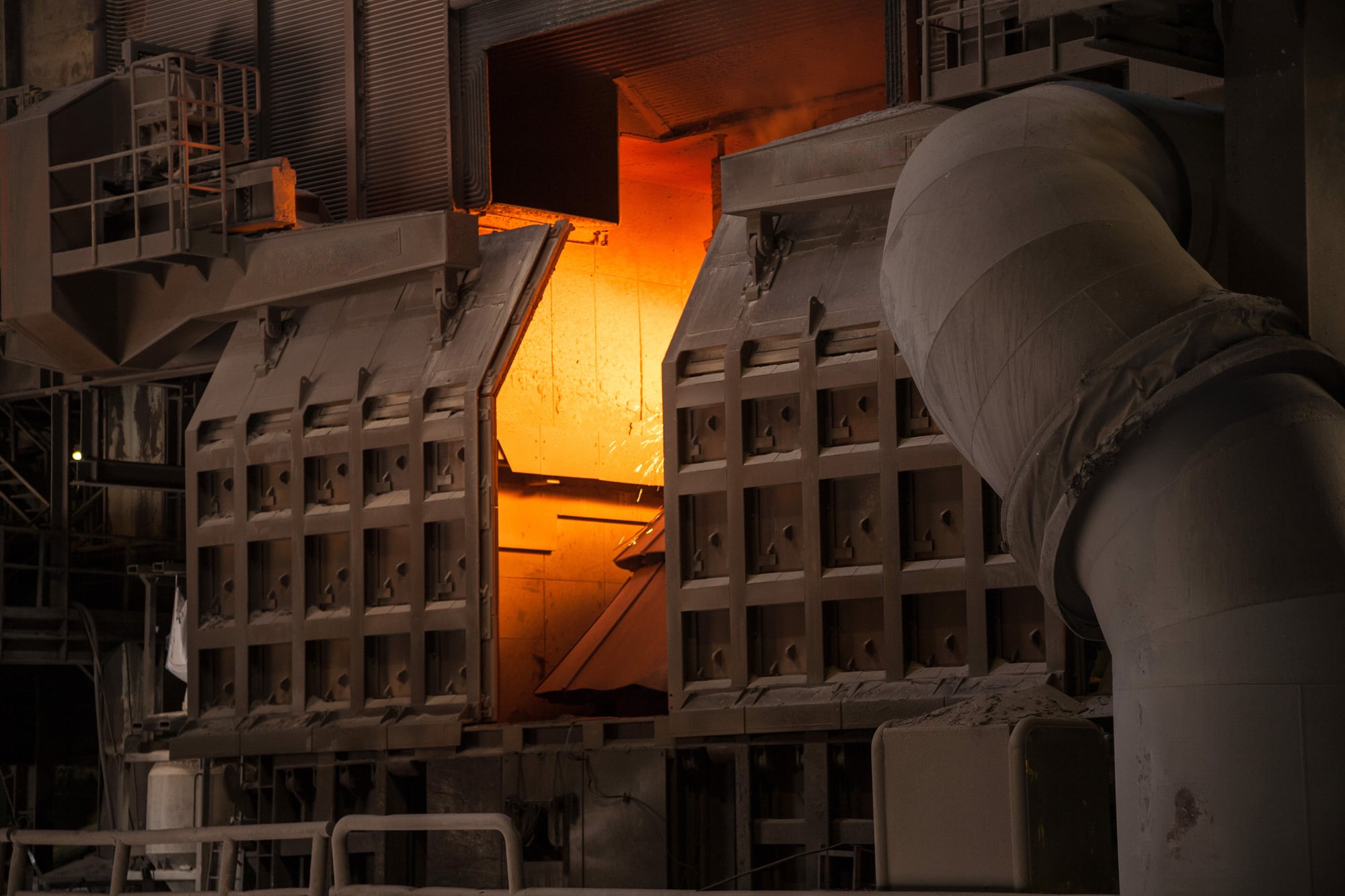
Henry Bessemer’s process for mass-producing steel in the 1850s took what had been an expensive, labor-intensive craft and turned it into something more like industrial chemistry—blow air through molten iron to burn off impurities, and what comes out is high-quality steel at a fraction of the previous cost.
Before the Bessemer process, steel was so expensive that it was used sparingly, mostly for tools and weapons where its superior properties justified the cost.
Bessemer steel was cheap enough to use structurally—for building frames, railroad rails, ship hulls, and eventually the skeleton of entire cities. The process made skyscrapers economically feasible and railroad expansion practical on a continental scale.
But the real breakthrough was understanding that steel production could be a continuous process rather than batch work. The Bessemer converter could run constantly, processing iron into steel as fast as raw materials could be fed in.
That continuous flow became the model for other heavy industries and established the principle that manufacturing efficiency comes from eliminating stops and starts in production processes.
The Typewriter

Christopher Sholes’ typewriter in 1873 mechanized writing itself, and in doing so, it created the modern office as we know it—along with new categories of work, new patterns of business communication, and new opportunities for women to enter professional employment.
The typewriter made written communication faster and more legible, but its deeper impact was organizational. Typed documents looked official in ways that handwritten ones didn’t, which changed how businesses communicated internally and externally.
Standard business letter formats developed around typewriter capabilities. Carbon paper allowed multiple copies of the same document.
And typing became a specialized skill that created new job categories and new career paths.
The QWERTY keyboard layout, designed to prevent mechanical jamming in early typewriters, became so entrenched that we still use it on devices that have no mechanical constraints whatsoever.
That’s the kind of technological lock-in that demonstrates how manufacturing decisions can persist long after the original reasons for them have disappeared.
The Light Bulb

Edison’s practical incandescent light bulb in 1879 wasn’t just about creating artificial light—it was about creating a complete system for generating, distributing, and using electrical power, which required inventing not just the bulb itself but the generators, wiring, switches, meters, and business models that made electric lighting practical for ordinary use.
The manufacturing challenge wasn’t just making light bulbs that worked—it was making them reliable enough and cheap enough that people would trust their homes and businesses to electric lighting instead of gas or oil.
That required solving problems of glass-blowing, filament materials, vacuum sealing, and mass production all at the same time. Edison’s team essentially had to invent modern electrical manufacturing from scratch.
But the light bulb’s real significance was as the first electrical appliance that ordinary people used daily. It made electricity familiar and desirable in ways that industrial electrical equipment never could.
Once people had electric lights in their homes, they were ready for electric fans, electric irons, and eventually all the other electrical devices that define modern life.
A World Remade by Ingenuity

These weren’t just clever inventions that made life a bit more convenient. They were the mechanical ancestors of everything around you—the reason your clothes fit well enough to buy off the rack, your books cost dollars instead of months of wages, and your lights turn on with the flip of a switch.
Each one solved a specific manufacturing problem, but in solving it, they created the industrial foundation that everything else builds on. The cotton gin led to textile mills, which led to ready-made clothing, which led to fashion industries, which led to the global supply chains that deliver next-day shipping to your door.
The assembly line that Ford used for cars became the template for manufacturing everything from electronics to pharmaceuticals. The precision tooling that made interchangeable parts possible eventually enabled the tight tolerances that make modern engines, aircraft, and computers work reliably.
What’s remarkable isn’t just that these inventions worked, but that they worked so well they became invisible—woven so completely into the fabric of modern life that we barely notice them anymore. The typewriter keyboard layout persists on devices that have never had mechanical keys.
The assembly line principles that revolutionized car manufacturing now organize software development and food service. The precision standards that started with musket parts now enable global supply chains where components manufactured on different continents fit together perfectly.
These manufacturing innovations didn’t just change how things were made—they changed what kinds of things could exist at all, and in doing so, they quietly built the world we wake up in every morning.
More from Go2Tutors!

- The Romanov Crown Jewels and Their Tragic Fate
- 13 Historical Mysteries That Science Still Can’t Solve
- Famous Hoaxes That Fooled the World for Years
- 15 Child Stars with Tragic Adult Lives
- 16 Famous Jewelry Pieces in History
Like Go2Tutors’s content? Follow us on MSN.