Inventions made by kids that are genius
Not every brilliant mind walks in with a title. Curiosity might open the door instead, followed by restlessness, then a stubborn question: why must it stay broken?
Grown-ups overlook odd details until a kid points, asking too loud. That moment – when someone small refuses to look away – can shift everything entirely.
Starting small doesn’t mean thinking small. A kid might fix a broken toy, yet stumble into brilliance.
Frustration sparks ideas more than grand plans ever do. When fear shows up at their door, some children grab tools instead of hiding.
Caring for another can push them to build what adults overlooked. Solutions grow naturally when the need is real.
Simplicity often hides inside these moments. Impact sneaks in through back doors.
A fresh peek at actual inventions made by children shows just how young minds can spark big ideas. What matters isn’t years lived, but curiosity fired up early.
Some of the smartest fixes came from those not taught what couldn’t be done. A different view often arrives untouched by rules when youth lead the way.
These creations stand firm proof that new thinking skips age checks entirely.
A safer way to spot harmful chemicals

One young inventor noticed how difficult it was for ordinary people to identify dangerous substances in everyday environments. Instead of accepting the complexity of laboratory testing, she developed a low-cost method to detect harmful chemicals using colour-changing materials.
The brilliance of the invention lay in accessibility. It did not require specialist training or expensive equipment.
By focusing on simplicity, the solution made safety information visible to people who would otherwise go without it. Scientists later refined similar methods for broader use, but the original idea came from a child who refused to believe safety should be inaccessible.
A device to stop distracted accidents

After seeing how easily distracted movement could lead to injury, a young teenager designed a wearable device that alerted users when their attention drifted at dangerous moments. The invention addressed a modern problem with a straightforward solution that relied on awareness rather than restriction.
What made the idea stand out was empathy. The inventor was not interested in punishment or control.
The device worked by gently redirecting attention before harm occurred. That human-centred thinking is something professionals often struggle to achieve, yet it came naturally to someone still learning how the world works.
Turning playground frustration into assistive tech

A child who watched a classmate struggle with everyday tasks decided to design a tool that would make those tasks easier. Using household materials and basic mechanics, the invention improved independence for people with limited mobility.
The design was not flashy. It was thoughtful.
By observing daily routines closely, the inventor created something that integrated seamlessly into existing habits. Engineers later praised the concept for addressing real needs rather than imagined ones, proving that careful observation can matter more than technical complexity.
A clean water solution born from curiosity

Concerned about access to clean water, a young inventor experimented with filtration methods using affordable materials. The result was a system that removed contaminants effectively without relying on advanced infrastructure.
What made this invention genius was not novelty alone, but context. The inventor considered where the solution would be used and who would maintain it.
By designing with local realities in mind, the invention offered practical impact rather than theoretical promise. That level of situational awareness is rare at any age.
Improving emergency response with a simple idea

After learning how delays in emergency response could cost lives, a child developed a concept that streamlined communication between callers and responders. The system focused on clarity, reducing confusion during high-stress situations.
Rather than adding complexity, the invention removed friction. It simplified information flow at the exact moment simplicity mattered most.
Professionals later noted that the idea aligned closely with best practices, despite being conceived by someone with no formal training in emergency systems.
Redesigning everyday tools for inclusion

Some of the most powerful child inventions focus on redesign rather than reinvention. One young inventor rethought a common household object to make it usable by people with limited strength or coordination.
The changes were subtle but transformative. This approach demonstrated a deep understanding of user experience.
Instead of creating a separate solution, the inventor improved what already existed. The result was dignity through design, showing how inclusion often depends on small, intentional changes rather than entirely new products.
A sustainable answer to waste problems

Environmental frustration inspired another child to develop a method for reducing everyday waste. By repurposing discarded materials into something useful, the invention addressed two problems at once.
The genius lay in reframing waste as potential. The inventor did not see trash as the end of a product’s life, but as the beginning of another.
This mindset mirrors circular economy principles now embraced by industry leaders, yet it came from someone still learning multiplication tables.
A medical aid inspired by family experience

Personal experience often fuels the most meaningful inventions. After watching a family member struggle with a medical routine, a child designed a tool that simplified the process and reduced discomfort.
Healthcare professionals later recognised the invention’s value because it addressed emotional as well as physical challenges. The design acknowledged fear, frustration, and fatigue, turning empathy into function.
That emotional intelligence elevated the invention beyond technical problem-solving.
Making learning easier through play
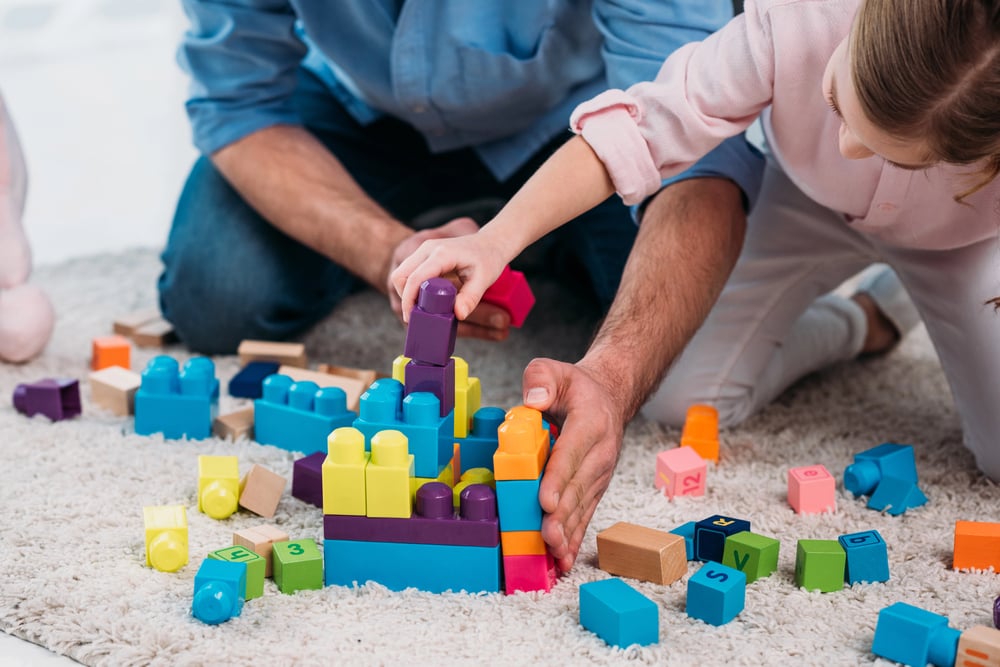
Education has been transformed by inventions that blend learning with engagement. One child inventor created a system that turned complex concepts into interactive experiences, making learning more intuitive for peers.
The invention succeeded because it respected how children actually learn. Instead of forcing attention, it invited curiosity.
Educators later noted that the approach aligned with research on cognitive development, highlighting how lived experience can rival formal theory.
Reducing food waste with a practical fix

After noticing how much food was thrown away unnecessarily, a young inventor developed a solution to extend freshness using simple materials. The idea addressed a universal issue with minimal cost.
What stood out was scalability. The solution could be used in homes, schools, and communities without specialised knowledge.
By prioritising ease of adoption, the inventor ensured the idea could spread organically rather than relying on institutional support.
Why kids see solutions adults miss

Children approach problems without deeply ingrained assumptions. They are less likely to accept inconvenience as inevitable and more likely to ask why something exists in its current form.
That questioning mindset opens space for innovation. Adults often dismiss these ideas as unrealistic until proven otherwise.
Yet many child-led inventions succeed precisely because they are unburdened by precedent. They prioritise function over tradition and empathy over efficiency metrics.
Support systems that turn ideas into impact

While creativity may come naturally, impact usually requires support. Mentors, teachers, and families play a critical role in helping child inventors refine ideas, test assumptions, and navigate real-world constraints.
The most successful examples involve collaboration rather than correction. Adults who listen instead of directing allow young inventors to retain ownership of their ideas while gaining practical guidance.
That balance preserves originality while increasing viability.
What these inventions teach us about innovation

Looking across these stories, a pattern emerges. Genius does not depend on advanced knowledge.
It depends on attention, care, and willingness to act. Children notice problems that affect their daily lives and respond without waiting for permission.
These inventions challenge the notion that innovation must come from established institutions. They remind us that fresh perspectives often produce the most human solutions.
In a world that rewards expertise, these stories reassert the value of curiosity.
The lasting impact of early invention

For many child inventors, the experience matters as much as the outcome. Creating something that works builds confidence and shapes how they engage with the world.
Even when an invention does not reach mass adoption, the mindset it fosters can influence future paths. Early invention teaches that problems are not fixed.
They are invitations to think, test, and improve. That lesson carries forward into adulthood, shaping how people approach challenges in every field.
Why these stories still matter

What happens when children invent things? It strips away the noise.
Seeing someone so young create something real shifts how we think about ideas. Not needing advanced degrees helps highlight where breakthroughs actually begin – in observation.
When gadgets grow more confusing, their creations act like anchors. These moments pull invention out of labs and place it right into daily experience.
A hush lives inside their challenge. Should young minds spot flaws, picture fixes, curiosity sticks around – no matter how old you get.
It isn’t only about what gets built, more about how care and focus spark fresh thinking. What counts shows up when effort leans close.
More from Go2Tutors!

- The Romanov Crown Jewels and Their Tragic Fate
- 13 Historical Mysteries That Science Still Can’t Solve
- Famous Hoaxes That Fooled the World for Years
- 15 Child Stars with Tragic Adult Lives
- 16 Famous Jewelry Pieces in History
Like Go2Tutors’s content? Follow us on MSN.



