Unusual Landmarks Hiding Fascinating Stories
Most famous landmarks come with stories everyone knows. The Eiffel Tower, the Statue of Liberty, the Great Wall of China—their histories get taught in schools and repeated in guidebooks.
But scattered across the world are structures that look strange, seem out of place, or make you wonder why anyone built them. These landmarks hold stories that are weirder, darker, or more surprising than anything in the standard tourist script.
A House Built Backwards to Spite a Neighbor
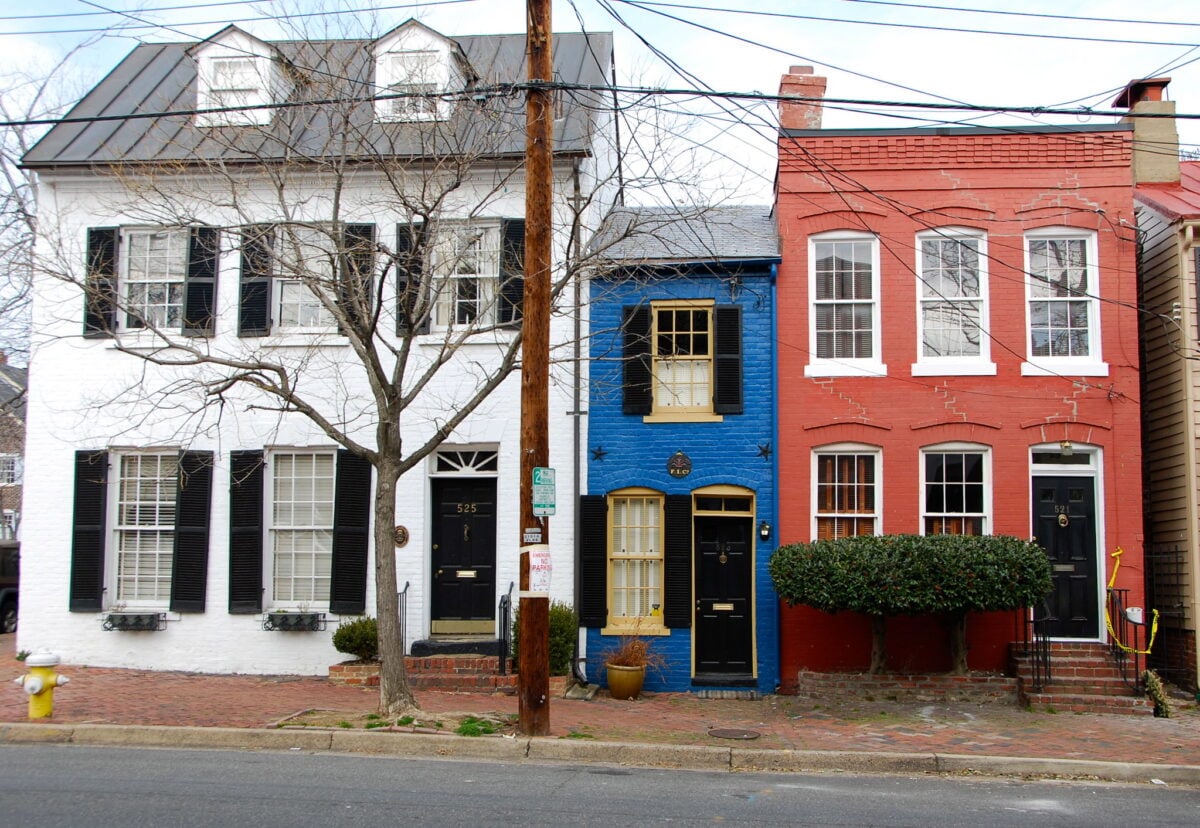
The Spite House in Alexandria, Virginia, measures just seven feet wide. The owner built it in 1830 to block an alley that people used as a shortcut. Neighbors and horse-drawn carriages had been cutting through his property for years, and he got tired of it.
So he constructed the narrowest house possible, filling the entire alley. The structure is only 25 feet deep but includes two stories with a living room, bedroom, kitchen, and bathroom.
People still live in it today, paying rent for one of the skinniest homes in America. The house proved effective.
The alley closed permanently, and the original owner made his point. But he also created a landmark that tourists photograph constantly, standing in the street and marveling at how anyone fits furniture through those doors.
An Island Made Entirely From Shells
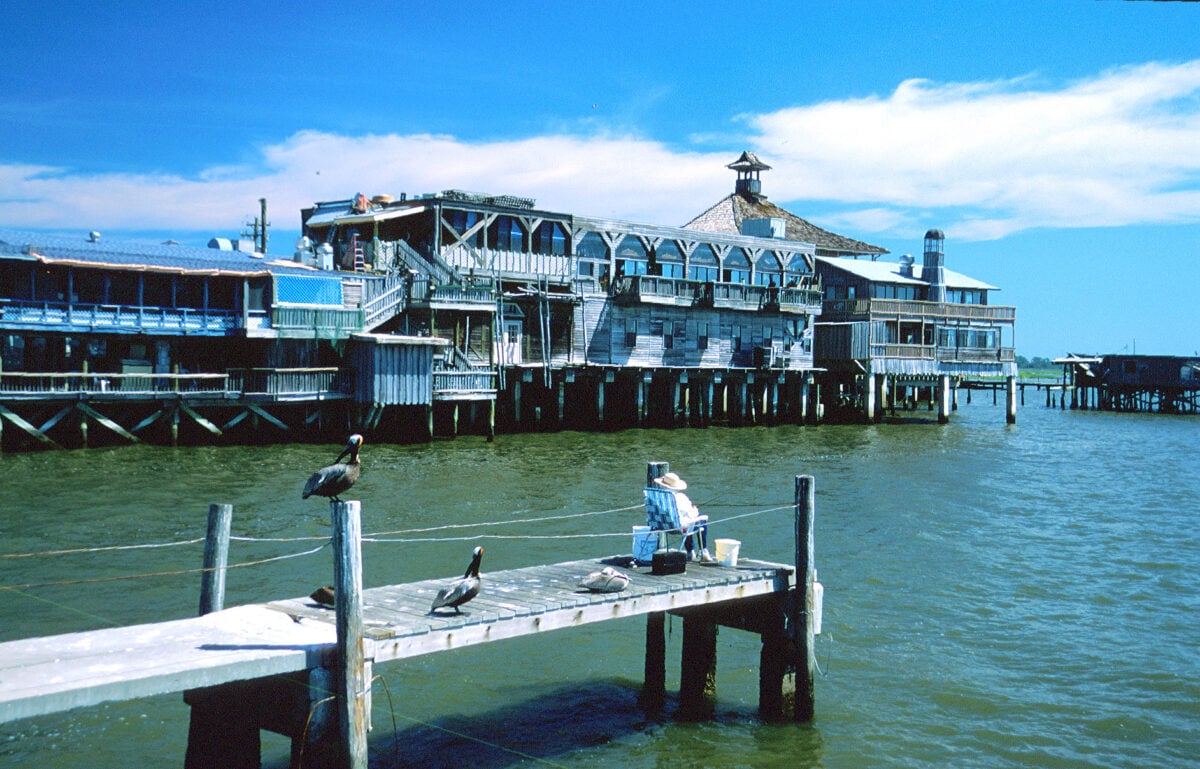
Cedar Key, Florida, contains several islands built completely from oyster shells. Native Americans created these shell mounds over thousands of years, piling discarded shells higher and higher until they formed islands big enough to live on.
One mound, Shell Mound, rises 28 feet and covers several acres. Archaeological studies show continuous habitation for over 2,000 years.
The shells are packed so densely that trees grow from them, their roots winding through layers of ancient oyster remains. European settlers thought the islands were natural formations at first.
They mined the shells for road construction until archaeologists realized what they were destroying. The remaining mounds are now protected, though erosion slowly washes them away.
The Crooked Forest Where Trees Grow Sideways
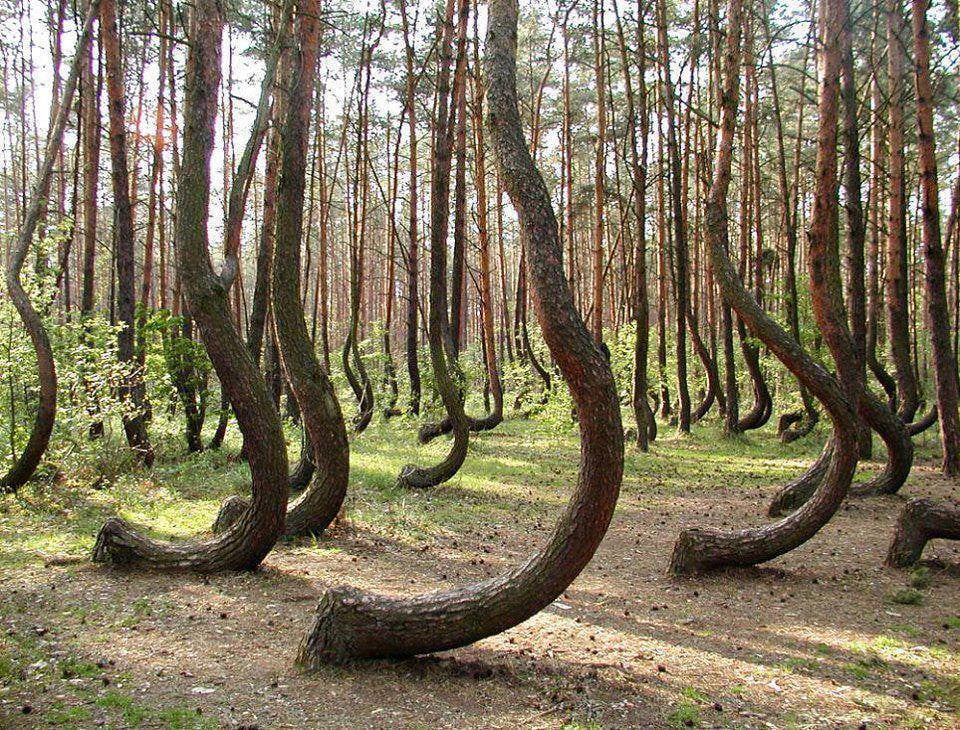
About 400 pine trees in Poland grow with a 90-degree bend at their base. They all curve the same direction, forming perfect J-shapes before straightening out.
The Crooked Forest near Gryfino has stumped botanists for decades. Someone or something made these trees bend in the 1930s.
The most common theory suggests farmers manipulated them as saplings to create naturally curved wood for furniture or boat building. But World War II interrupted the area, and whatever plans existed were abandoned or lost.
The trees kept growing, maintaining their strange shapes. They stand in neat rows surrounded by normal pines, making the contrast even more striking.
No records explain who bent them or why. The mystery adds to the appeal—tourists visit just to see trees that shouldn’t exist in that form.
A Town Built Underground to Escape Heat
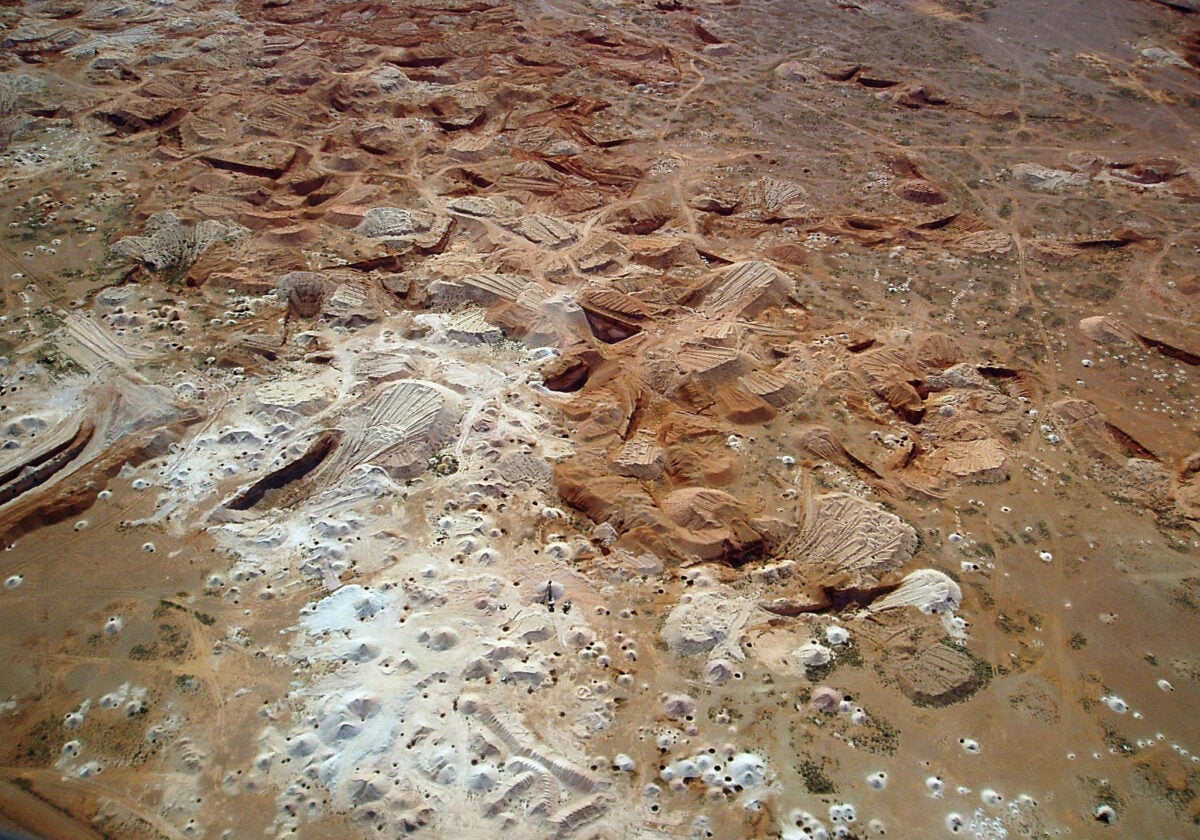
Coober Pedy, Australia, sits in the outback where summer temperatures exceed 120°F. Most residents live in underground homes carved from rock.
The town mines opal, and when miners dug tunnels, they realized the constant 75°F temperature underground made better living quarters than surface homes. Now the town has underground churches, hotels, shops, and bars.
Homes, called dugouts, stay cool without air conditioning. Residents excavate their own spaces, expanding rooms whenever they feel like it.
Some people accidentally mine opals while digging out a new bedroom. The landscape above ground looks post-apocalyptic.
Dirt mounds and ventilation shafts dot the surface. Signs warn people not to walk at night because you might fall down someone’s chimney.
The town’s name comes from Aboriginal words meaning “white man’s burrow.”
The Door to Hell That’s Been Burning for Decades
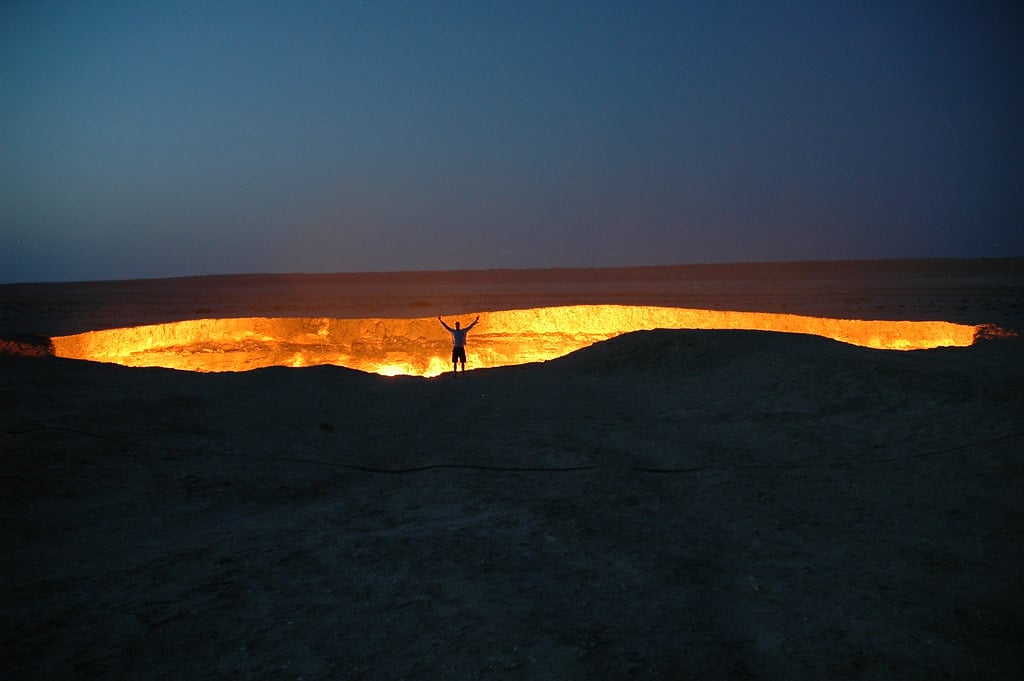
The Darvaza Gas Crater in Turkmenistan has been on fire since 1971. Soviet geologists were drilling for oil when the ground collapsed, creating a crater 230 feet wide.
Natural gas poured out, and to prevent methane poisoning, they lit it on fire, expecting it to burn out in a few weeks. It’s still burning.
The crater glows orange day and night, with flames shooting up from hundreds of spots across the floor. Local people call it the Door to Hell or the Gates of Hell.
The area around it is barren desert, making the burning crater visible from miles away. At night, the flames illuminate the sand in an eerie orange glow.
The Turkmen government keeps talking about putting it out but hasn’t done it yet. The crater has become a bizarre tourist attraction that nobody planned.
Thousands of Bridges Leading Nowhere
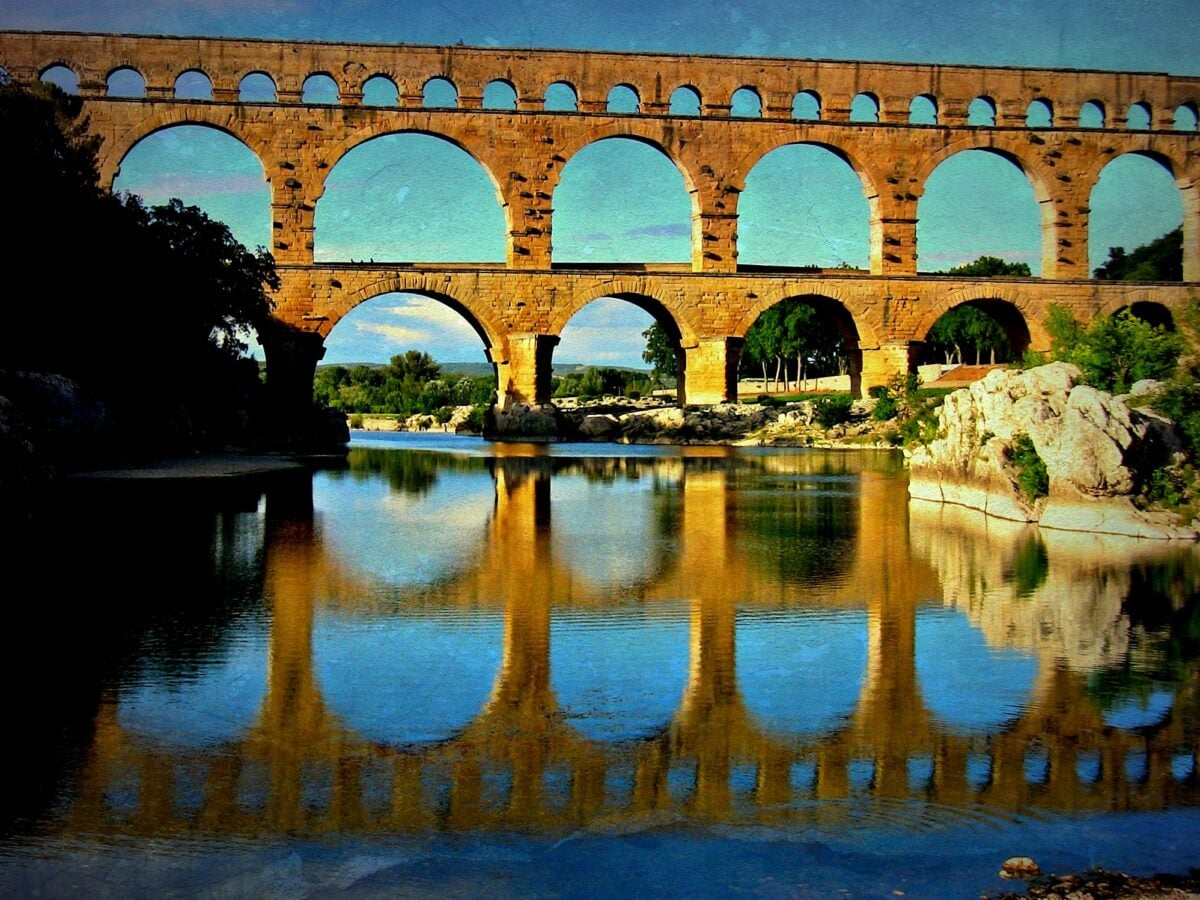
The Pont du Gard in France is impressive, but it’s one aqueduct. The Tarr Steps in England span a river with medieval stones.
But in Pennsylvania, there’s a stone arch bridge in the middle of the woods, far from any road or river. The Meadowcroft Rockshelter area contains similar bridges—carefully constructed stone arches that don’t cross anything anymore.
Forests grew around them. Rivers changed course.
Roads shifted. The bridges remain, serving no purpose except as reminders of how landscapes change.
Across Europe and North America, thousands of these orphaned bridges exist. Some crossed streams that dried up.
Others connected roads that were rerouted. A few were built by wealthy landowners who wanted picturesque ruins on their property.
Each one has a story about why it was built and why it became obsolete.
A Castle Built By One Man Over 33 Years
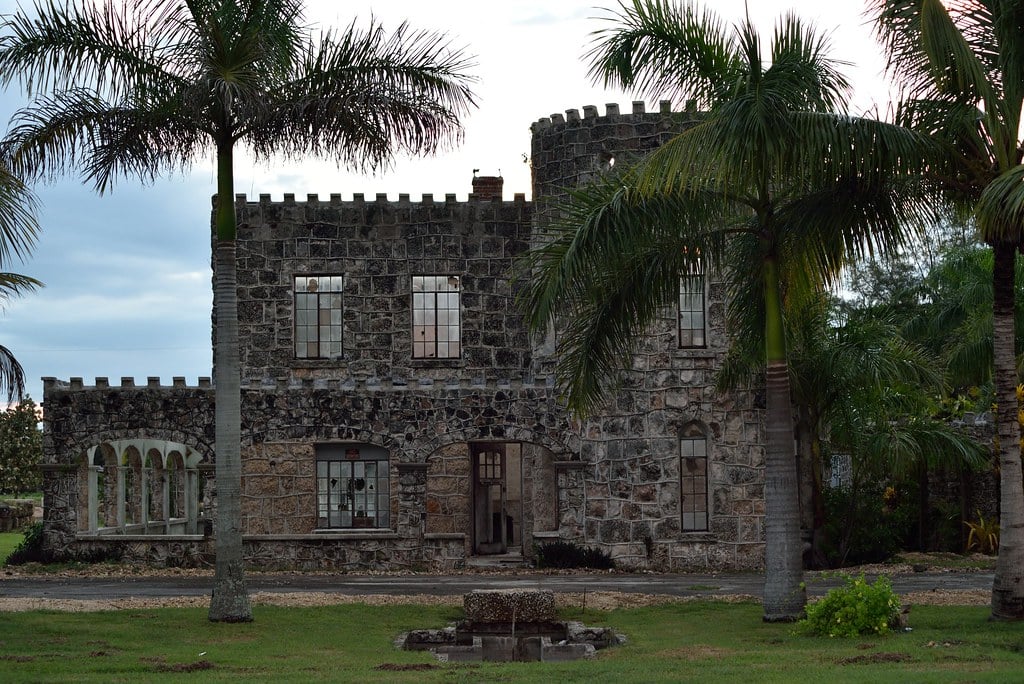
Coral Castle in Florida was built by Edward Leedskalnin between 1923 and 1951. He carved and moved over 1,100 tons of coral rock, working alone at night.
Nobody knows how he did it. Leedskalnin was a small man, about five feet tall and weighing 100 pounds.
Yet he moved individual stones weighing several tons, including a nine-ton gate that rotates with one finger’s touch. He claimed to understand the secrets of the pyramids and used magnetic forces and leverage.
He never explained his methods. When anyone asked, he said he knew how the Egyptians built the pyramids.
He worked exclusively at night and stopped whenever someone approached. After his death, people found basic tools—a chain hoist, some tripods, and hand tools.
Nothing explains how he moved megalithic stones by himself. The castle includes a perfectly balanced sundial, a stone telescope aligned with the North Star, and carved furniture.
Leedskalnin built it for a woman who left him, though she never saw it.
The Staircase That Goes Up to the Sky

The Haiku Stairs in Hawaii climb 3,922 steps straight up a mountain ridge. The U.S. military built them in 1942 to access a radio station.
The stairs are steep, metal, and often slick from rain. They rise nearly 2,000 feet. The stairs were closed to the public in 1987 because they became too dangerous.
The local government wants to tear them down. But people keep climbing them illegally, hiking at night to avoid security.
The view from the top shows the entire coast, which makes the risky climb tempting. Guards patrol the area.
Trespassers get fines up to $1,000. Still, hundreds climb monthly.
The stairs became famous on social media, which made the problem worse. The structure itself is deteriorating—steps rust through, railings come loose.
Eventually, nature or the government will remove them. Until then, they remain a forbidden landmark that people risk getting arrested to see.
A Museum Dedicated to Broken Relationships
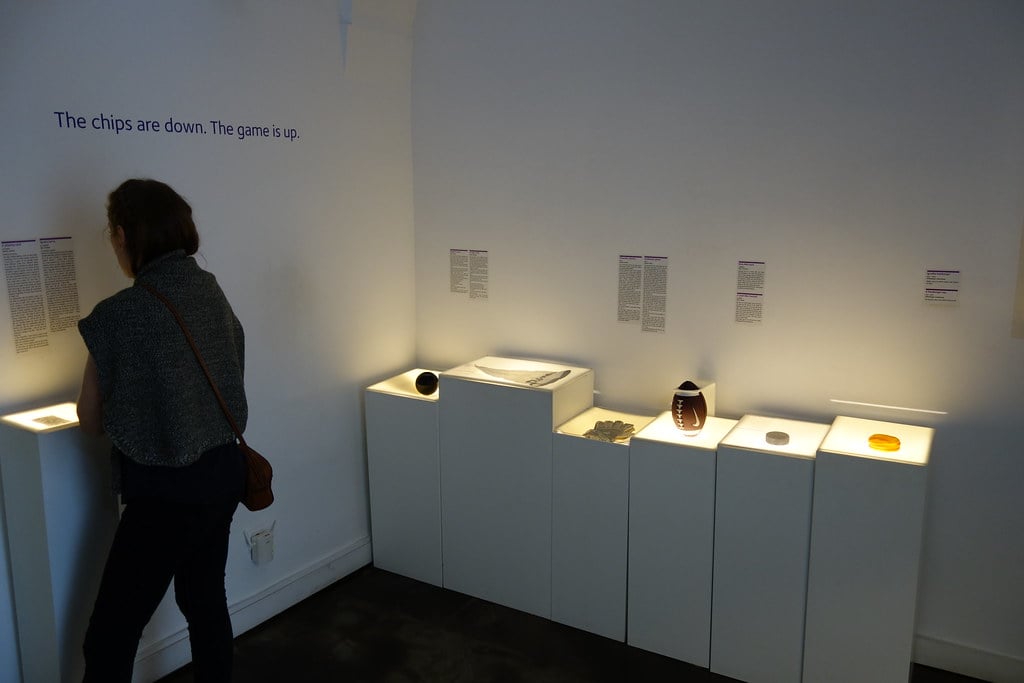
The Museum of Broken Relationships in Zagreb, Croatia, displays items from failed relationships. Each object comes with a short description of the relationship and its end.
A wedding dress. A garden gnome.
An ax used to destroy an ex’s furniture. The museum started as a traveling exhibition in 2006 after the creators went through a breakup.
They realized they had accumulated objects during their relationship that held meaning but no longer had a place in their lives. Throwing them away felt wrong.
So they created a space where these items could exist. People worldwide send donations—anything from love letters to prosthetic legs.
Each tells a story about love, loss, and the things we keep. The museum treats heartbreak as a universal experience worth preserving.
It’s funny, sad, and relatable in ways traditional museums aren’t.
An Entire Town Painted Blue
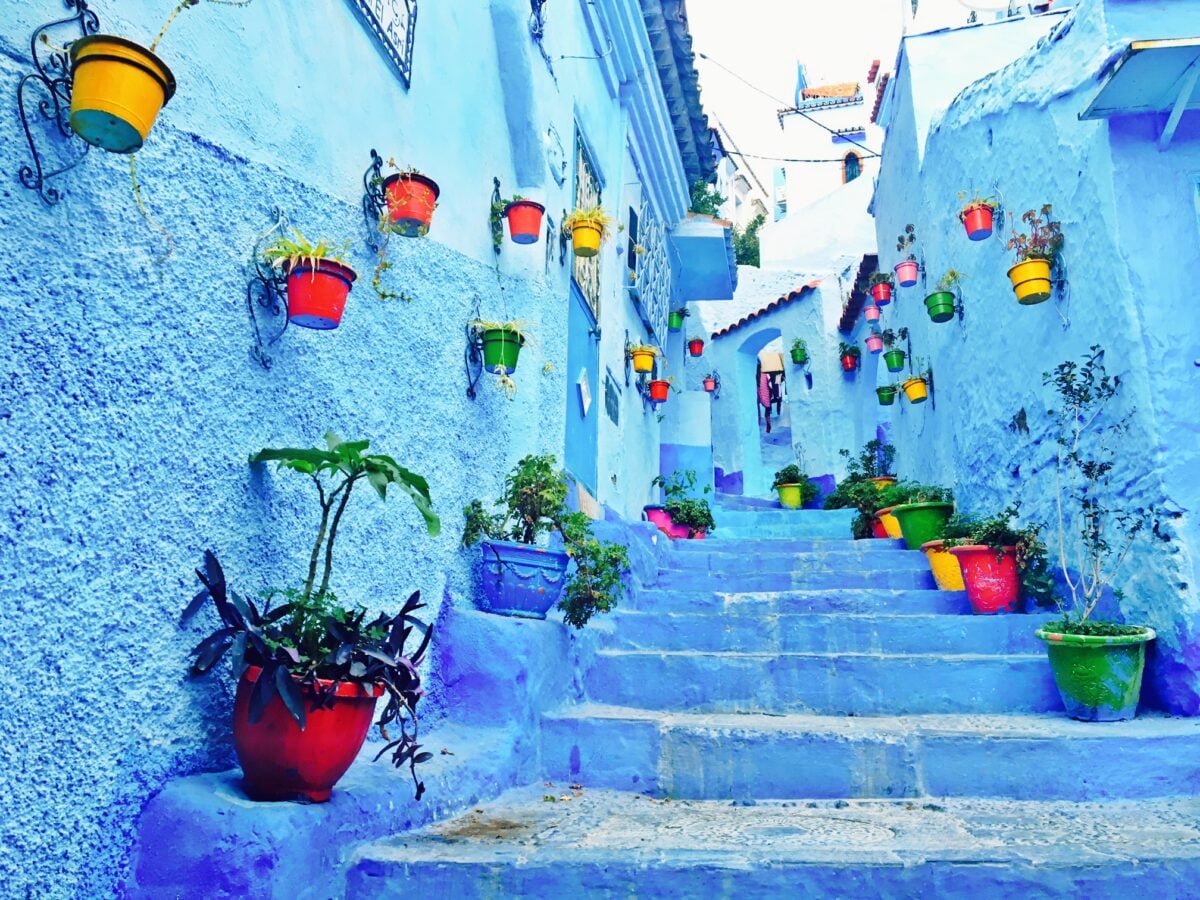
Chefchaouen, Morocco, has buildings painted in shades of blue. Every wall, door, and alley glows in blues ranging from powder to deep azure.
The practice started in the 1930s when Jewish refugees settled there and painted buildings blue for religious reasons. The tradition continued even after most Jewish residents left.
Now people repaint buildings blue every year. Some say it repels mosquitoes.
Others claim it keeps houses cool. Many just say it looks beautiful.
The blue town sits in the Rif Mountains, making the contrast between blue buildings and green hills striking. Photographers flock there.
The residents maintain the blue even though it requires constant upkeep. Walking through the streets feels surreal—blue on blue on blue, with cats lounging on blue steps and doorways.
A Bridge Built From Living Tree Roots
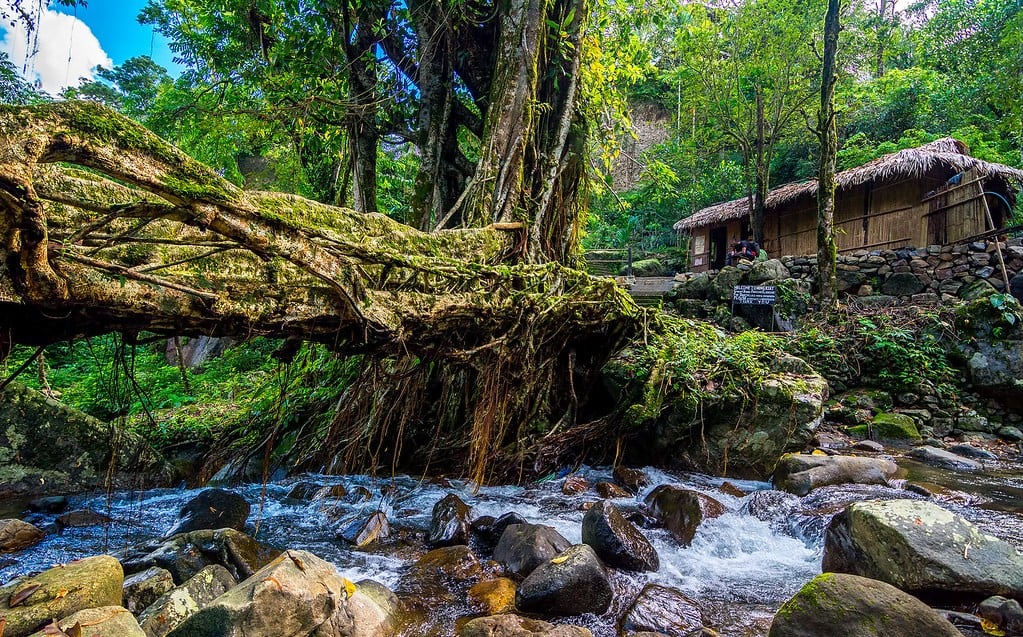
Meghalaya, India, has bridges woven from living tree roots. The Khasi people train rubber fig tree roots across rivers, guiding them over decades until they form sturdy bridges.
Some are over 100 feet long and can hold 50 people. Building one takes 15 years minimum.
Farmers plant rubber trees on both riverbanks, then guide the roots across using bamboo scaffolding. As roots reach the other side, they dig into the soil and strengthen.
The bridges get stronger with age—some are over 500 years old. These living bridges solve a problem.
Meghalaya gets massive rainfall, and wooden bridges rot quickly. But living root bridges thrive in moisture.
They repair themselves, growing new roots when old ones weaken. The Khasi pass down bridge-building knowledge through generations, maintaining a tradition that creates structures stronger than anything humans can build with dead materials.
The Graveyard Where Everyone Died the Same Day
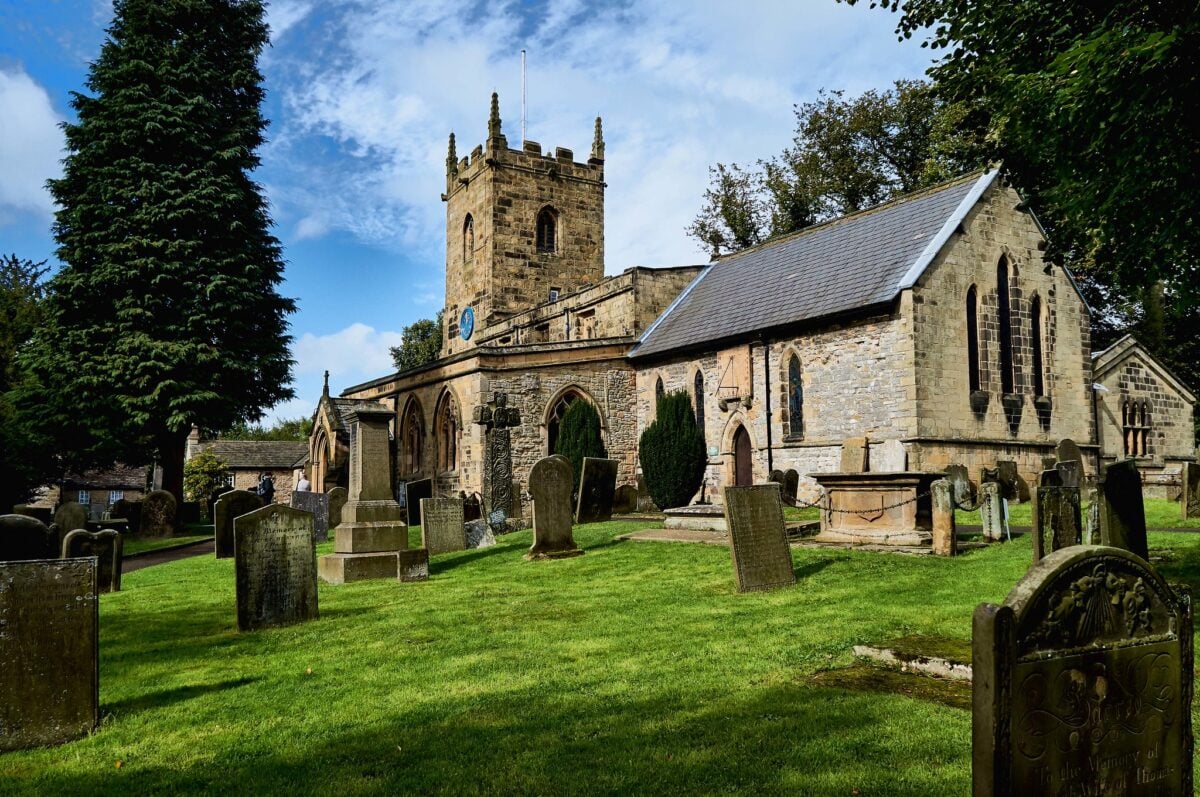
In Eyam, England, a small graveyard contains entire families buried in 1666. The village experienced a plague outbreak that killed over 260 people.
But instead of fleeing and spreading the disease, villagers quarantined themselves. The vicar convinced residents to stay put.
Surrounding villages left food and supplies at the boundary stones. Nobody entered or exited Eyam. Families watched each other die.
One woman buried her husband and six children in eight days. The sacrifice worked.
The plague didn’t spread beyond Eyam. Surrounding villages survived because Eyam stayed isolated.
The village today honors this history. Plaques mark houses where people died.
The graveyard serves as a memorial to people who chose to protect strangers by accepting their own deaths.
Buildings Wearing Sweaters in Winter

Every year, people in Norway knit giant sweaters for buildings. The tradition started as public art but became a way to raise awareness for energy conservation.
Volunteers knit panels, then wrap entire structures in colorful yarn. A bus stop in one town wears a different sweater each winter.
A war memorial got wrapped in geometric patterns. Even trees get scarves.
The knitting brings communities together—hundreds of people contribute panels, then gather for the installation. The sweaters stay up for months before being removed and stored.
Some buildings have multiple sweaters rotated over the years. What started as a quirky art project became a landmark tradition that tourists plan trips around.
It’s absurd, joyful, and uniquely Norwegian.
The Fortress Nobody Attacked
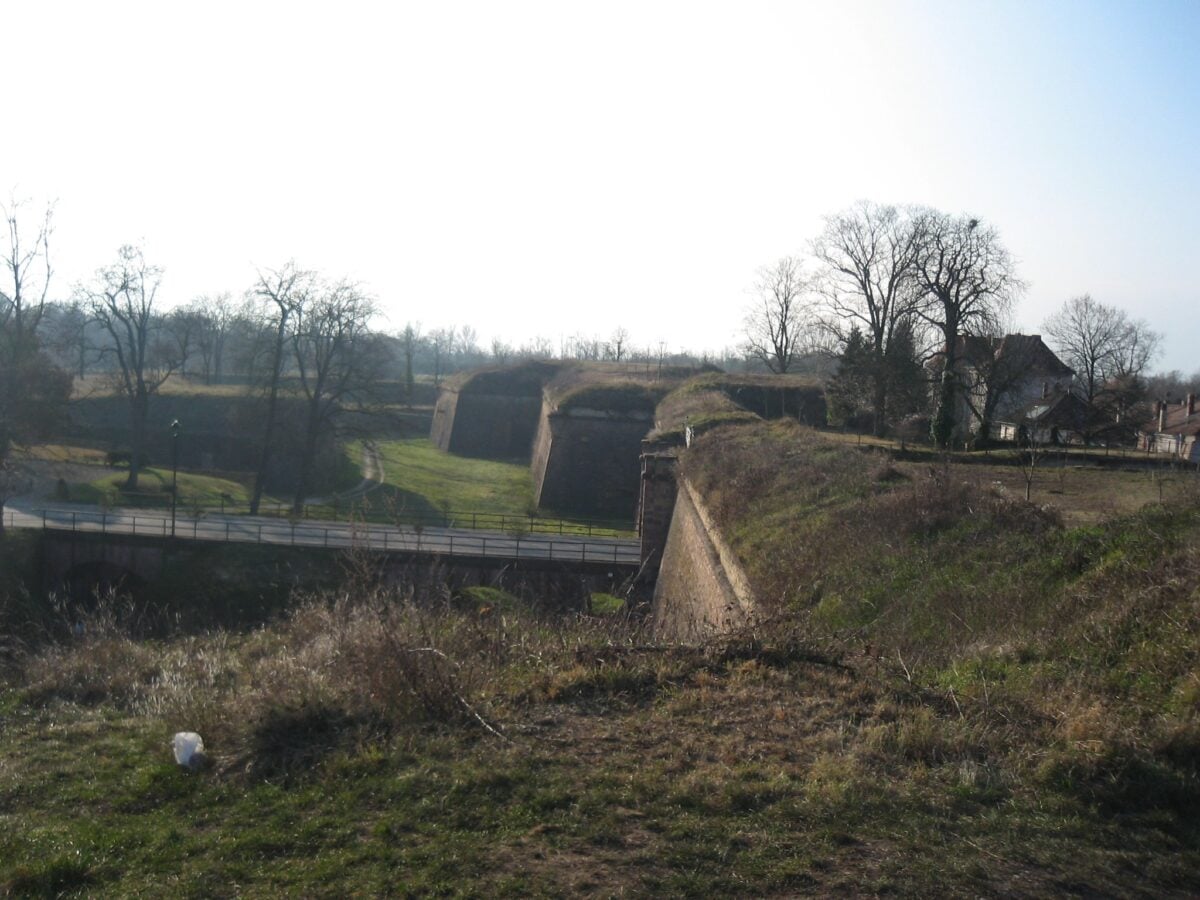
A shape like a star cuts into the French countryside – Neuf-Brisach took form in 1697 under Vauban’s eye. Eight bulwarks stretch outward, each one sharp and evenly spaced around an octagonal rim.
Inside, roads run straight, crossing at right angles without deviation. Order rules every line drawn on the land.
Around these stones, silence ruled instead of war. This stronghold stands unscarred since no enemy arrived to test its strength.
Despite plans etched deep in stone, battle avoided the place completely. Walking along ramparts shows clear lines of old-time strategy still visible today – no guesswork needed.
Precision shaped every angle, meant for danger that never appeared. Up close, the streets follow the old plan without change.
Seen from the air, patterns spread out like frozen crystals. Because of how it was designed, global experts gave it protected status.
Built ready for battle, its value grew by staying at peace.
Where the strange feels normal
Beneath the surface is where some of them began. Going down instead of up changed how space was used.
Roots guided slowly over time now hold people above rivers. What looked strange at first grew natural through patience.
Color chosen long ago still covers every wall, every door. Blue wasn’t random, but a quiet rule that stuck.
Solutions shaped by need often become tradition without anyone noticing. Later on, things shift.
Old logic feels odd now. Useful ideas turn puzzling.
Yet some spots remain simply by standing apart – this sets them apart in memory. Proof sits here: unforgettable spots often break form instead of fitting in.
More from Go2Tutors!

- The Romanov Crown Jewels and Their Tragic Fate
- 13 Historical Mysteries That Science Still Can’t Solve
- Famous Hoaxes That Fooled the World for Years
- 15 Child Stars with Tragic Adult Lives
- 16 Famous Jewelry Pieces in History
Like Go2Tutors’s content? Follow us on MSN.