16 Traditional Crafts That Influenced Modern Technology
Long before silicon chips and smartphones existed, craftspeople around the world were developing techniques that would later become the foundation of our digital age. Their hands-on innovations, passed down through generations, created the building blocks for technologies we can’t imagine living without today.
The connection between ancient crafts and modern innovation runs deeper than most people realize. Here is a list of 16 traditional crafts that directly influenced the technology shaping our world today.
Weaving
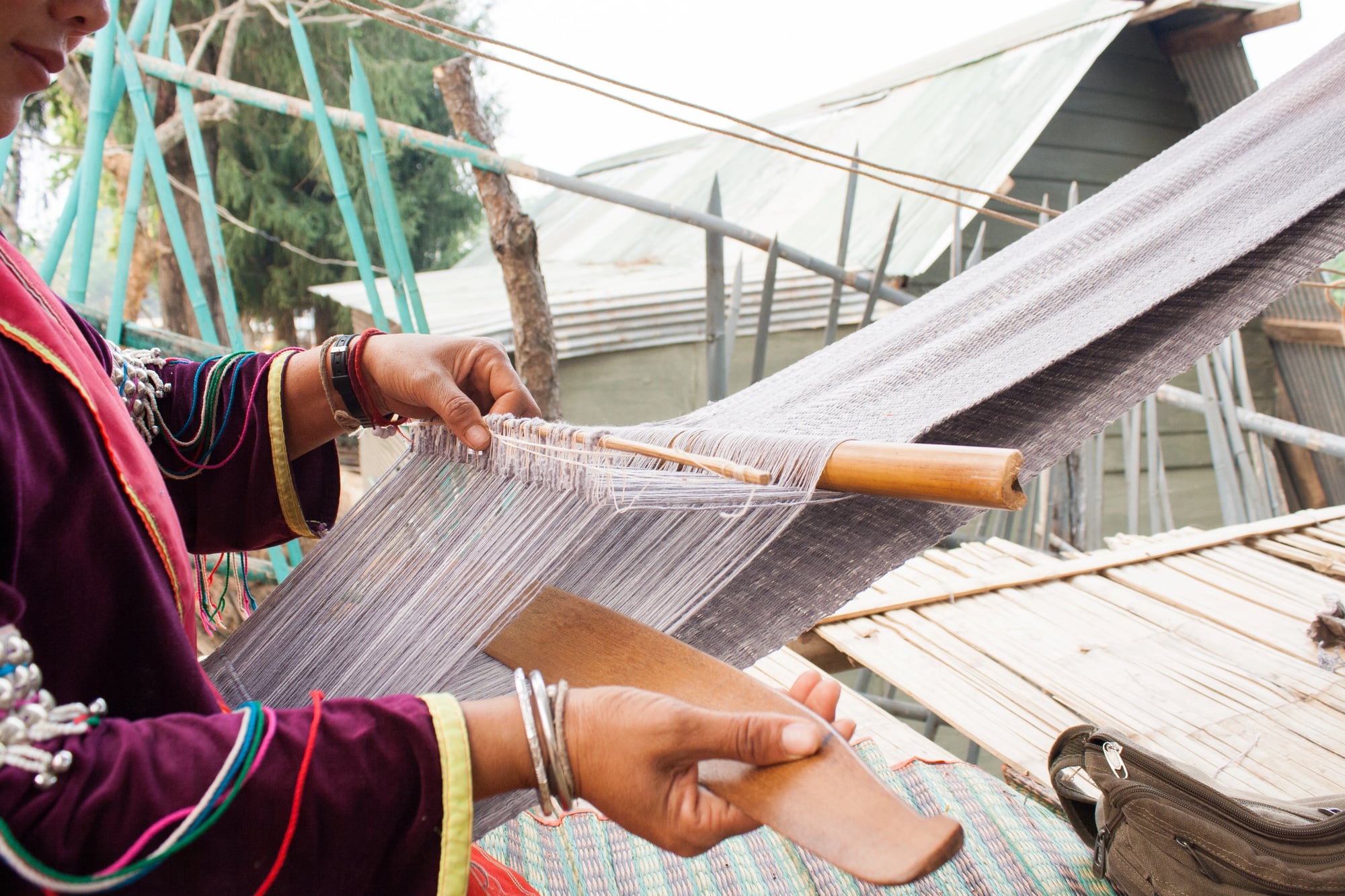
The rhythmic patterns of ancient looms gave birth to the first programmable machines. Joseph Marie Jacquard’s 1804 loom used punched cards to control intricate textile patterns, creating what many consider the first binary system.
This breakthrough inspired Charles Babbage’s analytical engine and eventually led to modern computer programming. Every time you see code running in loops or following conditional statements, you’re witnessing the digital evolution of techniques perfected by weavers thousands of years ago.
Metalworking
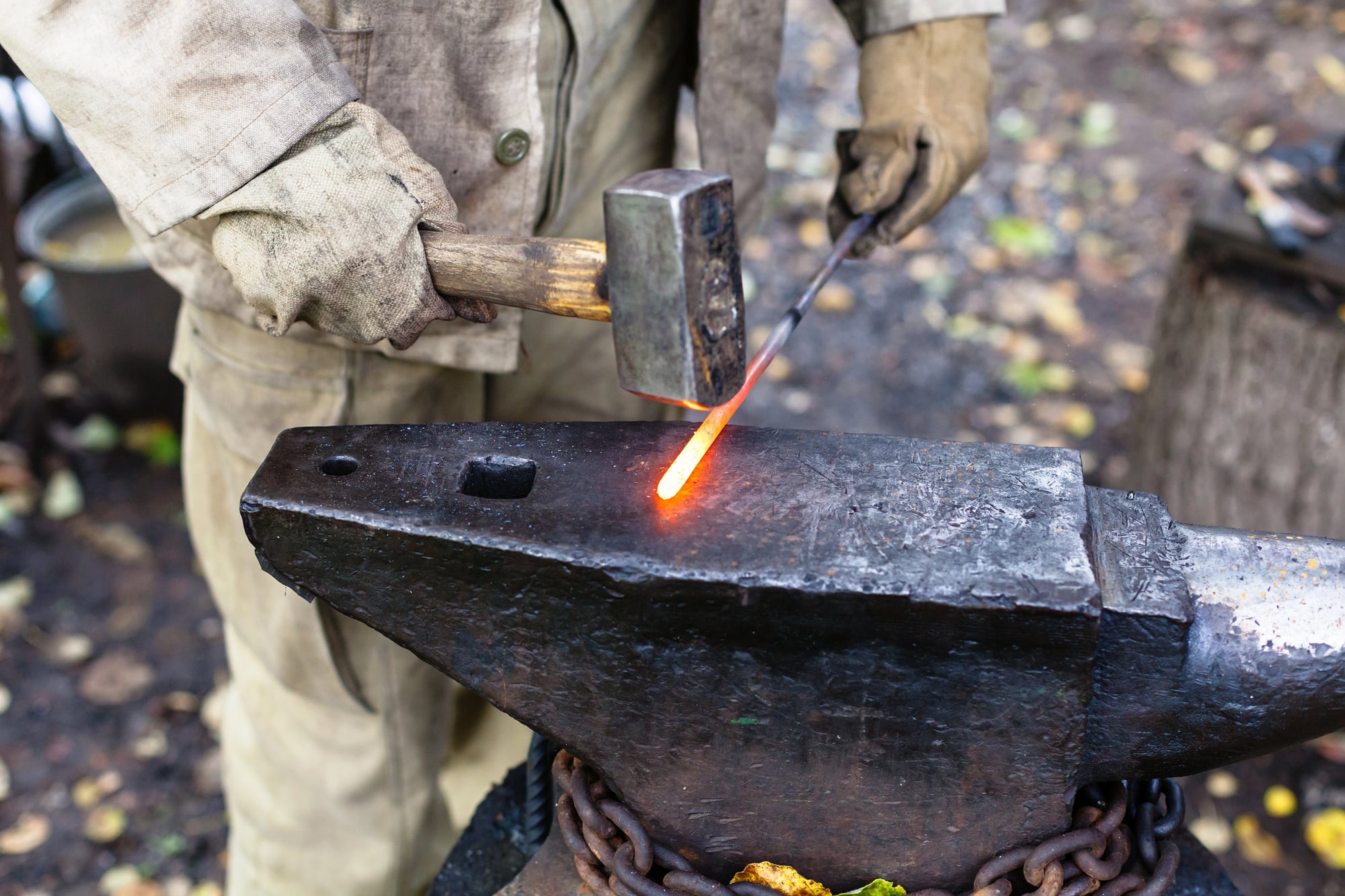
Blacksmiths hammering red-hot iron laid the groundwork for everything from microprocessors to spacecraft. The precision required to forge tools and weapons taught metallurgists how to manipulate materials at the molecular level.
Modern semiconductor manufacturing relies on the same principles of heating, cooling, and shaping that medieval smiths used to create swords. The clean rooms where computer chips are made might look nothing like a traditional forge, but the fundamental understanding of how metals behave under extreme conditions remains unchanged.
Pottery
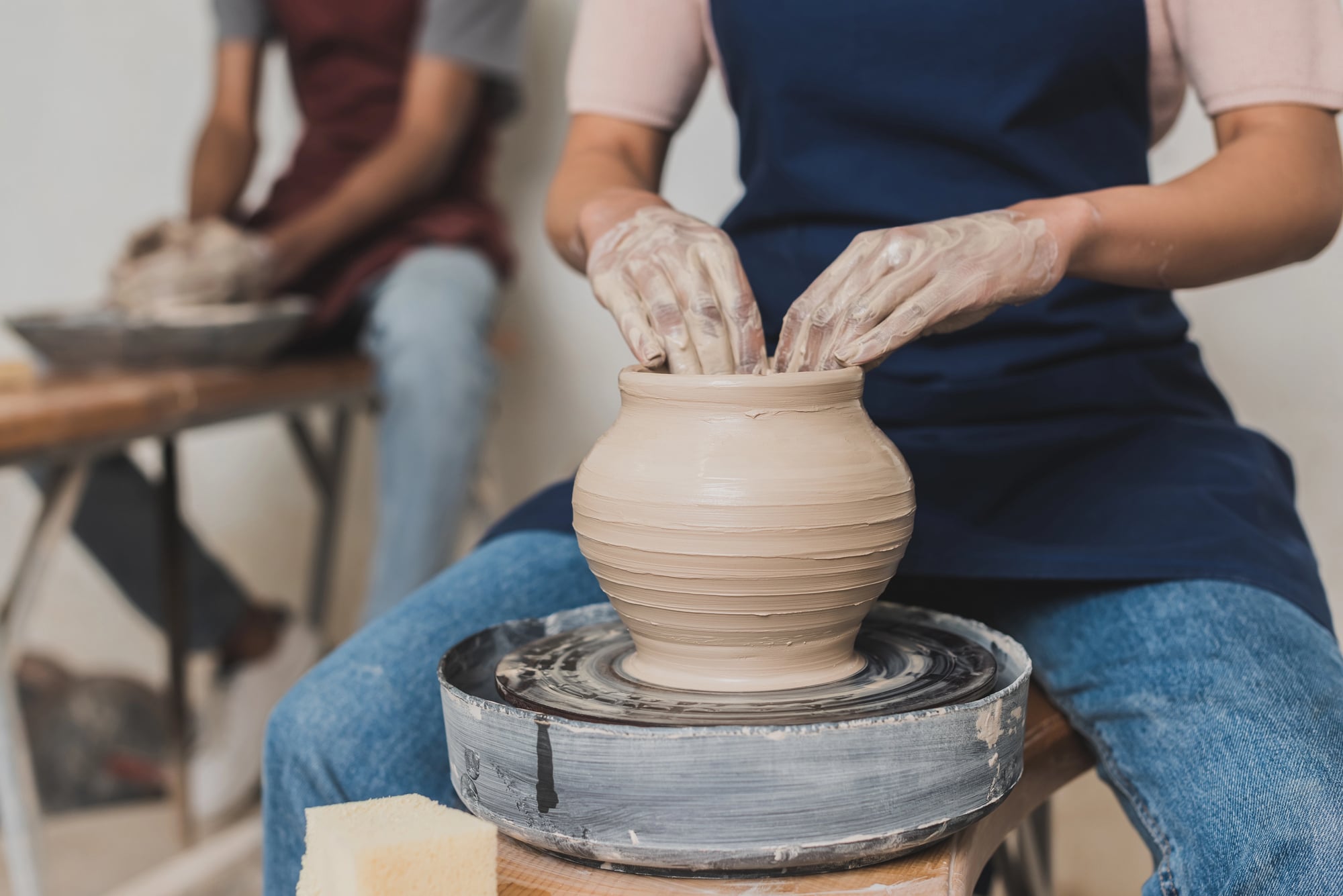
The potter’s wheel introduced humanity to precision manufacturing and quality control. Ancient ceramicists developed techniques for creating identical vessels, understanding how temperature and timing affected their final products.
Today’s 3D printing technology follows the same additive manufacturing principles that potters used when building vessels coil by coil. The kilns that fired clay pots also taught us about controlled heating environments, knowledge that became essential for creating everything from glass fiber optics to semiconductor wafers.
Like Go2Tutors’s content? Follow us on MSN.
Glassblowing

Venetian glassmakers of the Renaissance didn’t know they were pioneering fiber optic communications, but their techniques for creating perfectly clear, uniform glass became the foundation of modern telecommunications. The precision required to blow glass into exact shapes developed into the manufacturing processes used for camera lenses, microscope objectives, and laser components.
Every phone call traveling through fiber optic cables relies on glass purity standards that glassblowers established centuries ago through trial and error.
Bookbinding
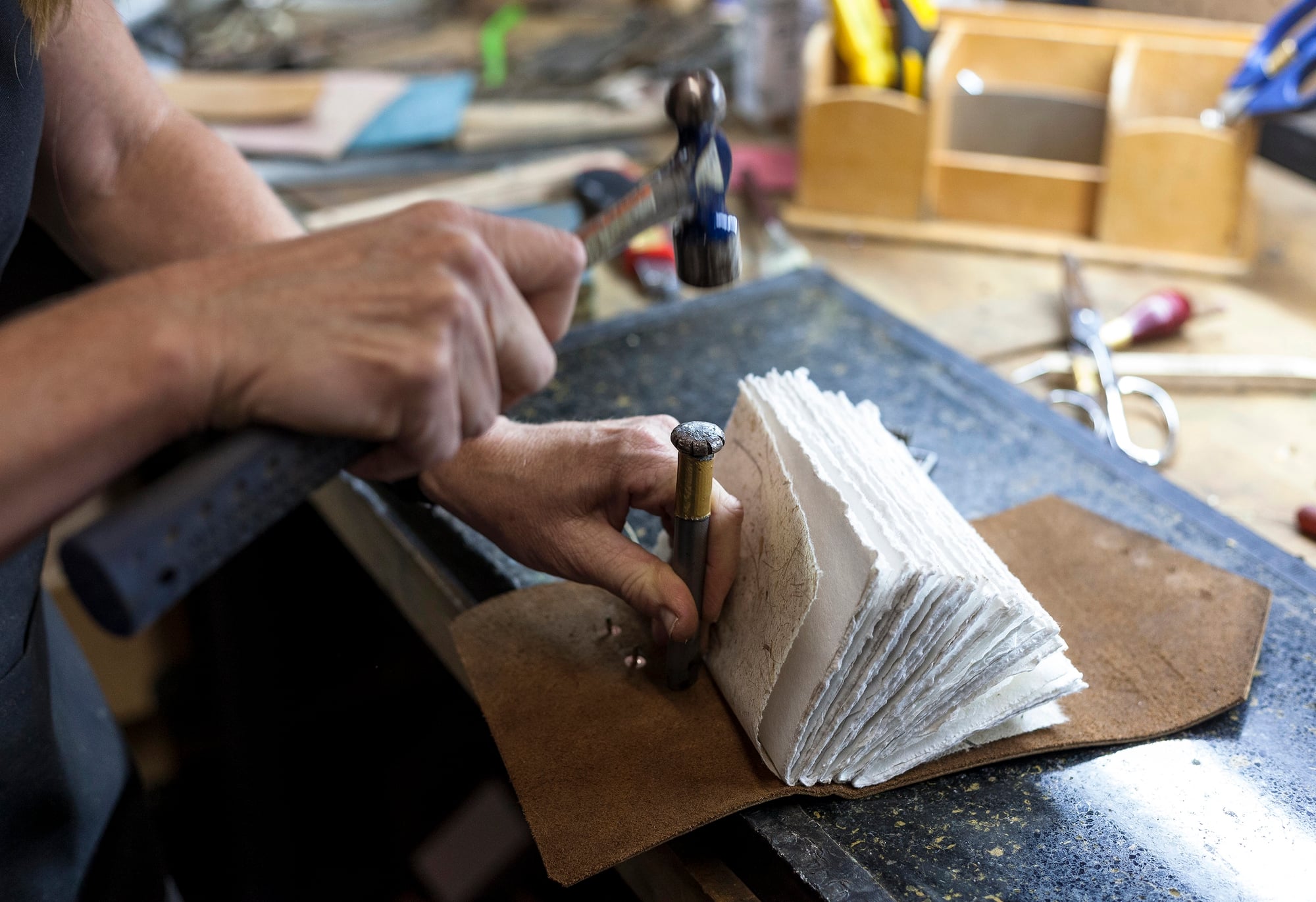
Medieval monks binding manuscripts created the first information storage and retrieval systems. Their methods for organizing, preserving, and accessing written knowledge directly influenced how we structure digital databases today.
The way books are indexed, cross-referenced, and categorized established patterns that computer scientists later adapted for search engines and file systems. Even the concept of hyperlinks mirrors the marginal notes and cross-references that scholars used in hand-bound books.
Clockmaking
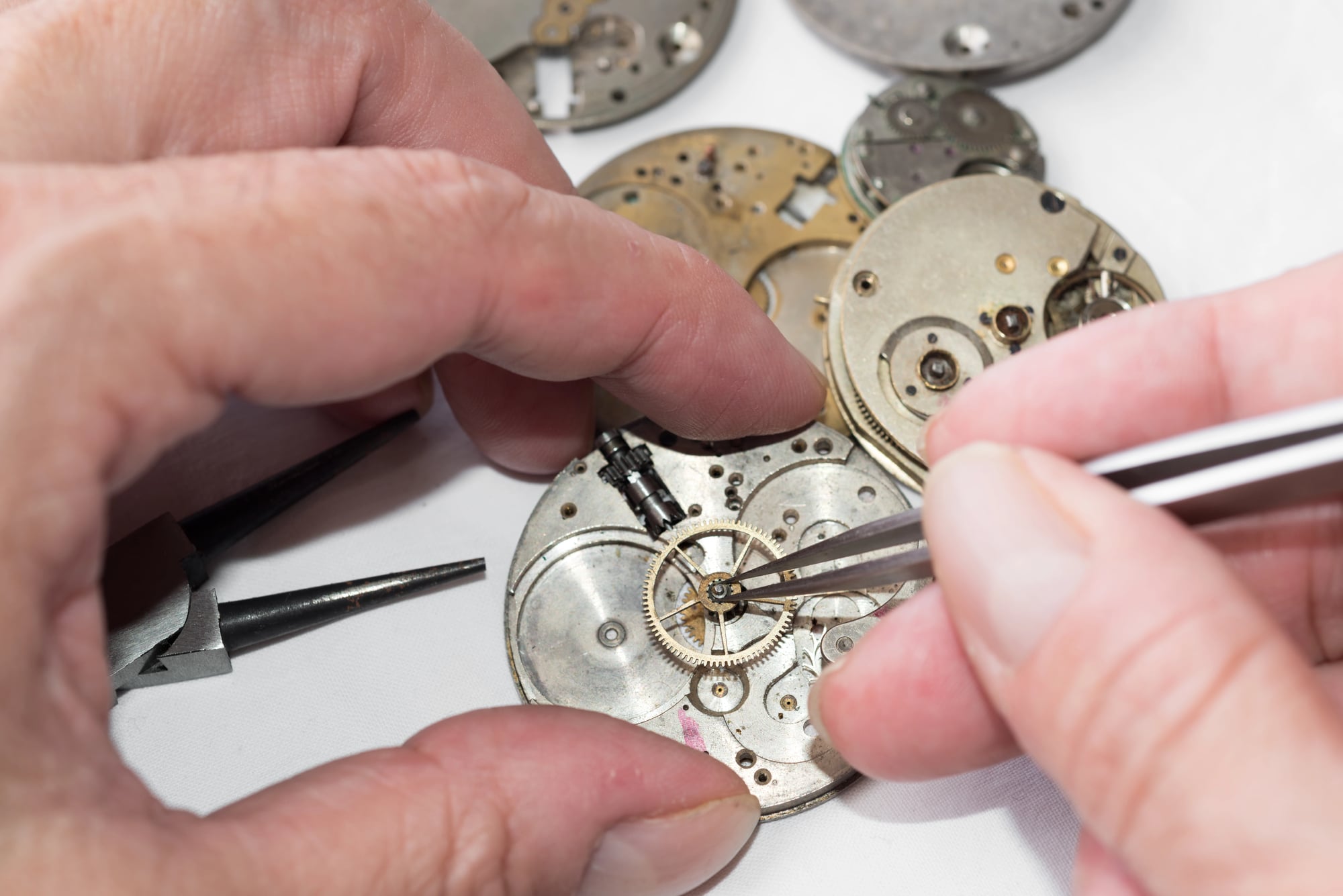
Clockmakers were the original precision engineers, creating the first complex mechanical systems that required perfect timing and coordination. Their understanding of gears, springs, and escapements became the foundation for all mechanical engineering.
Modern robotics still relies on principles that clockmakers developed while trying to create accurate timepieces. The miniaturization skills needed to build pocket watches directly influenced the development of microelectronics and computer components.
Like Go2Tutors’s content? Follow us on MSN.
Printing
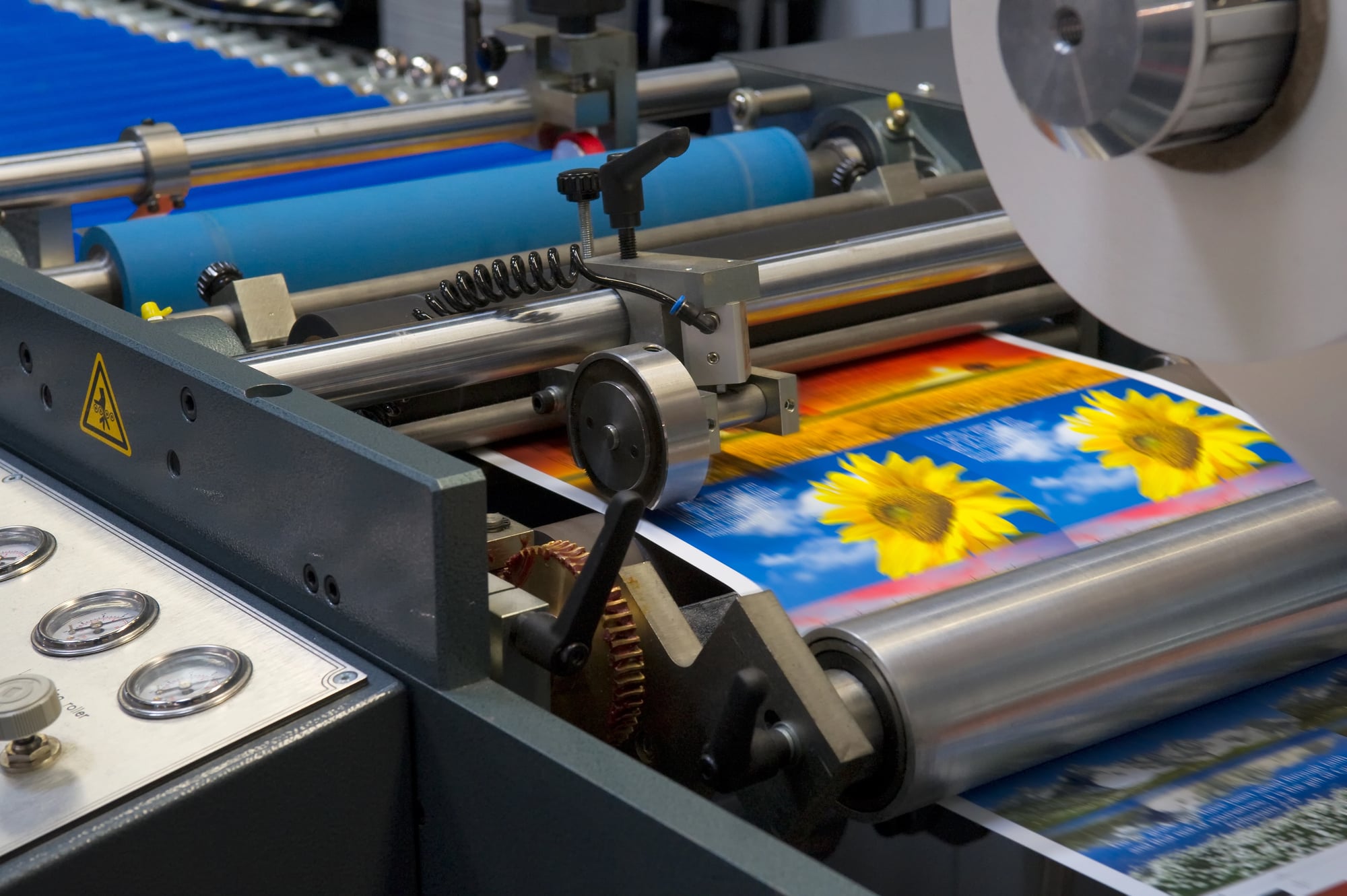
Gutenberg’s printing press didn’t just democratize knowledge—it established the mass production principles that Henry Ford later applied to automobiles and that manufacturers now use for electronics. The precision required to align type, control ink flow, and maintain consistent pressure taught early industrialists about quality control and standardization.
Modern circuit board manufacturing uses essentially the same printing techniques, just with conductive inks instead of traditional black ink.
Lens Grinding
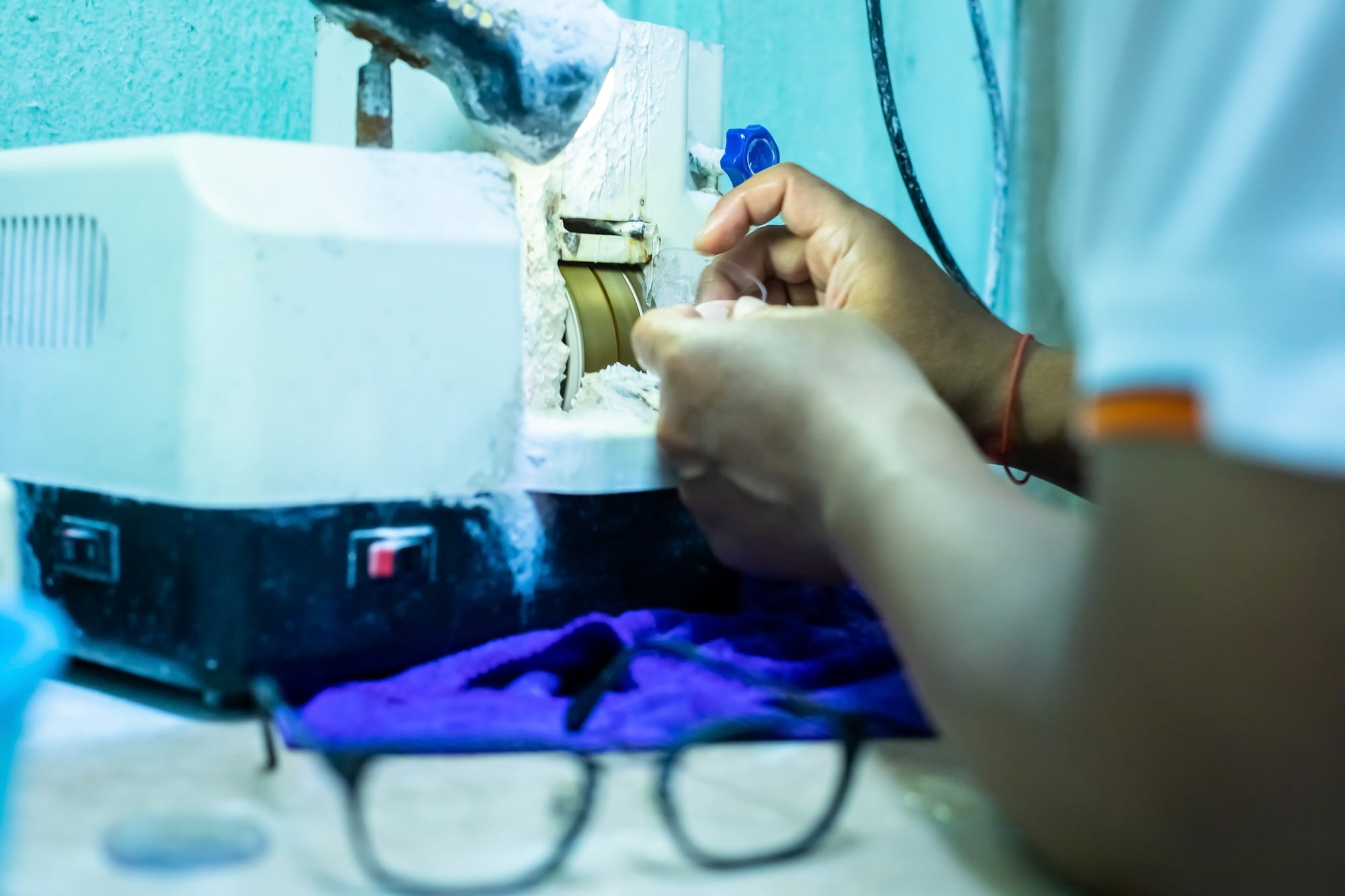
Dutch lens grinders perfecting eyeglasses and telescopes unknowingly created the foundation for all modern optics. Their patient work shaping glass to exact curvatures established the mathematical principles behind cameras, microscopes, and laser systems.
The precision measurement techniques they developed to test lens quality became standard practices in manufacturing industries. Every smartphone camera and laptop screen relies on optical principles that lens grinders discovered while trying to help people see more clearly.
Carpentry

Traditional woodworking joints and construction techniques established the engineering principles behind modern architecture and mechanical design. Carpenters learned how different materials expand and contract, how to distribute weight evenly, and how to create structures that could withstand stress over time.
These insights directly influenced civil engineering and materials science. The modular construction techniques that carpenters used for timber framing became the blueprint for prefabricated manufacturing and even computer programming architecture.
Like Go2Tutors’s content? Follow us on MSN.
Brewing

Ancient brewers were actually the first biotechnologists, learning to control fermentation processes through careful attention to temperature, timing, and ingredient ratios. Their understanding of how microorganisms behave under different conditions laid the groundwork for modern pharmaceutical manufacturing and food processing.
The quality control methods that brewers developed to ensure consistent batches became standard practices in chemical and biological industries. Every antibiotic and vaccine produced today relies on fermentation principles that brewers mastered thousands of years ago.
Navigation

Sailors using celestial navigation and compass readings developed the first global positioning systems. Their methods for triangulating position using multiple reference points became the mathematical foundation for GPS technology.
The charts and mapping techniques that navigators created to record their discoveries established standards for data visualization that we still use in digital mapping. Even the concept of dead reckoning—estimating position based on previous known locations—remains essential in modern autopilot systems.
Farming

Agricultural techniques for selective breeding and crop rotation introduced humanity to systematic experimentation and data collection. Farmers keeping detailed records of which practices produced better yields established the scientific method that researchers use today.
Their understanding of seasonal cycles and environmental factors became the foundation for supply chain management and inventory control systems. Modern precision agriculture uses GPS and sensors, but it’s still applying the same observational skills that farmers developed over millennia.
Like Go2Tutors’s content? Follow us on MSN.
Textiles

Textile workers spinning thread and dyeing fabrics created the first chemical processing industries. Their knowledge of how different materials interact with various substances became the foundation for modern chemistry and materials science.
The quality control methods that textile workers used to ensure consistent colors and textures established standards for manufacturing industries. Even the concept of threading—whether it’s fabric or computer processes—comes from textile terminology.
Jewelry Making
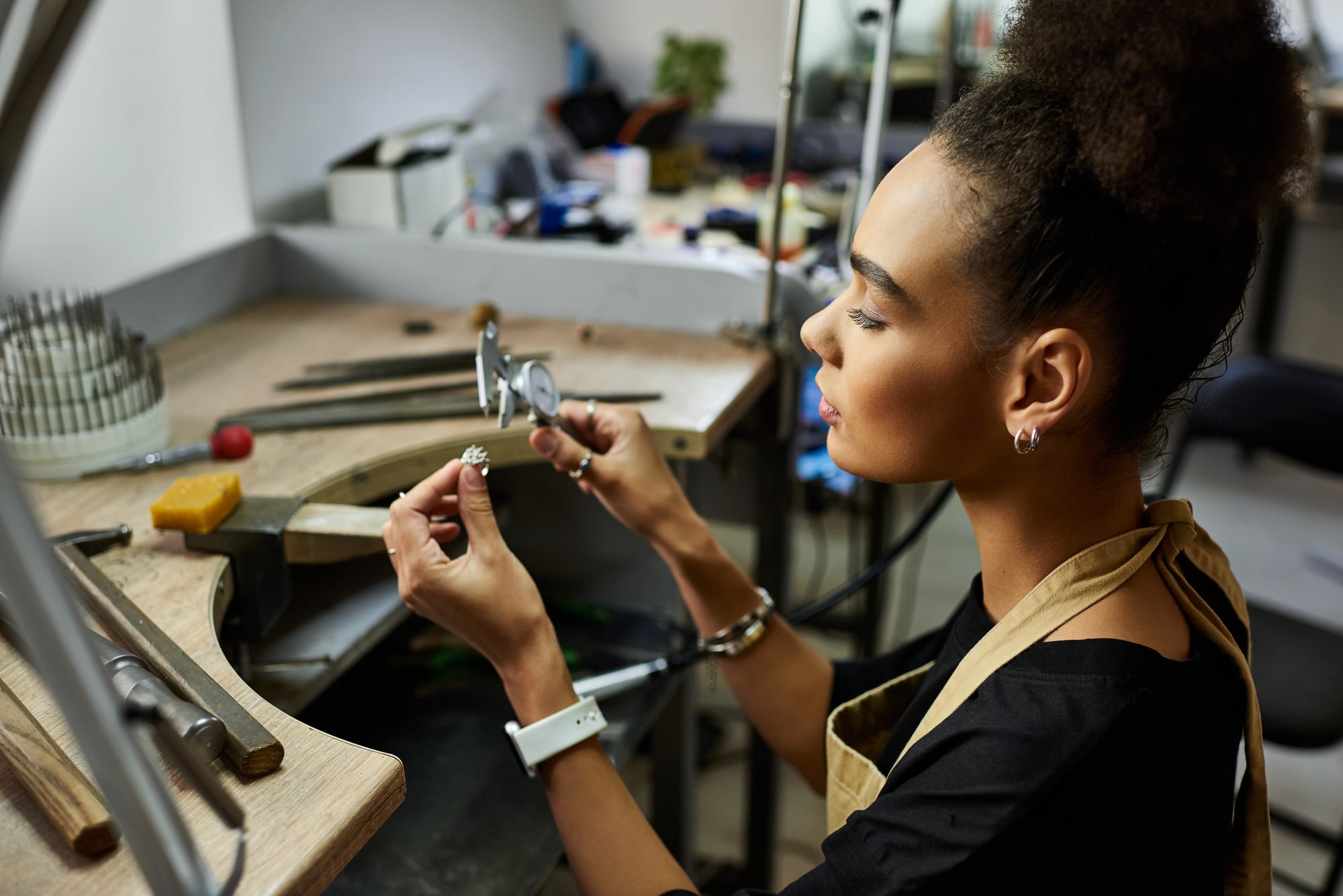
Jewelers working with precious metals and gemstones developed the first precision tools and measurement techniques. Their ability to work with materials at microscopic scales directly influenced the development of nanotechnology and microelectronics.
The soldering and etching techniques that jewelers used to create intricate designs became standard practices in circuit board manufacturing. Every computer processor relies on metalworking skills that jewelers perfected while creating decorative objects.
Stone Carving
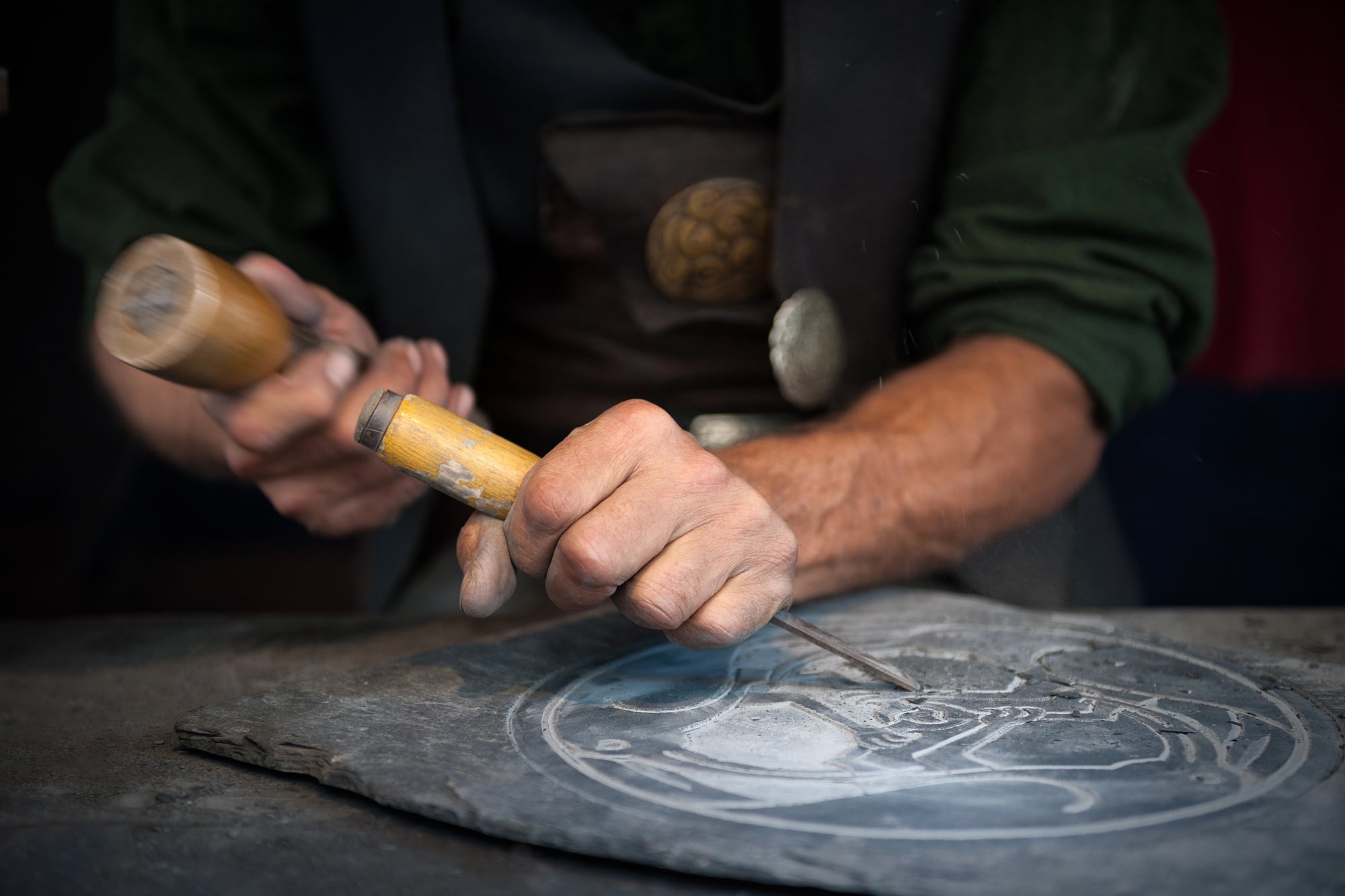
Stonemasons shaping granite and marble established principles of precision cutting and surface finishing that became essential for modern manufacturing. Their understanding of how different materials respond to various tools and techniques influenced the development of machining and fabrication processes.
The geometric principles that stonemasons used to create architectural elements became the foundation for computer-aided design and 3D modeling. Even laser cutting technology follows patterns that stone carvers established while working with chisels and hammers.
Like Go2Tutors’s content? Follow us on MSN.
Rope Making

Traditional rope makers twisting fibers into strong cables created the first composite materials and understood how combining multiple elements could create something stronger than its individual parts. Their techniques for measuring tensile strength and load distribution became fundamental principles in engineering and construction.
The braiding and weaving patterns that rope makers used to maximize strength influenced the development of fiber optic cables and composite materials used in aerospace applications. Modern cable management in data centers still follows organizational principles that rope makers developed centuries ago.
The Thread That Connects Yesterday to Tomorrow
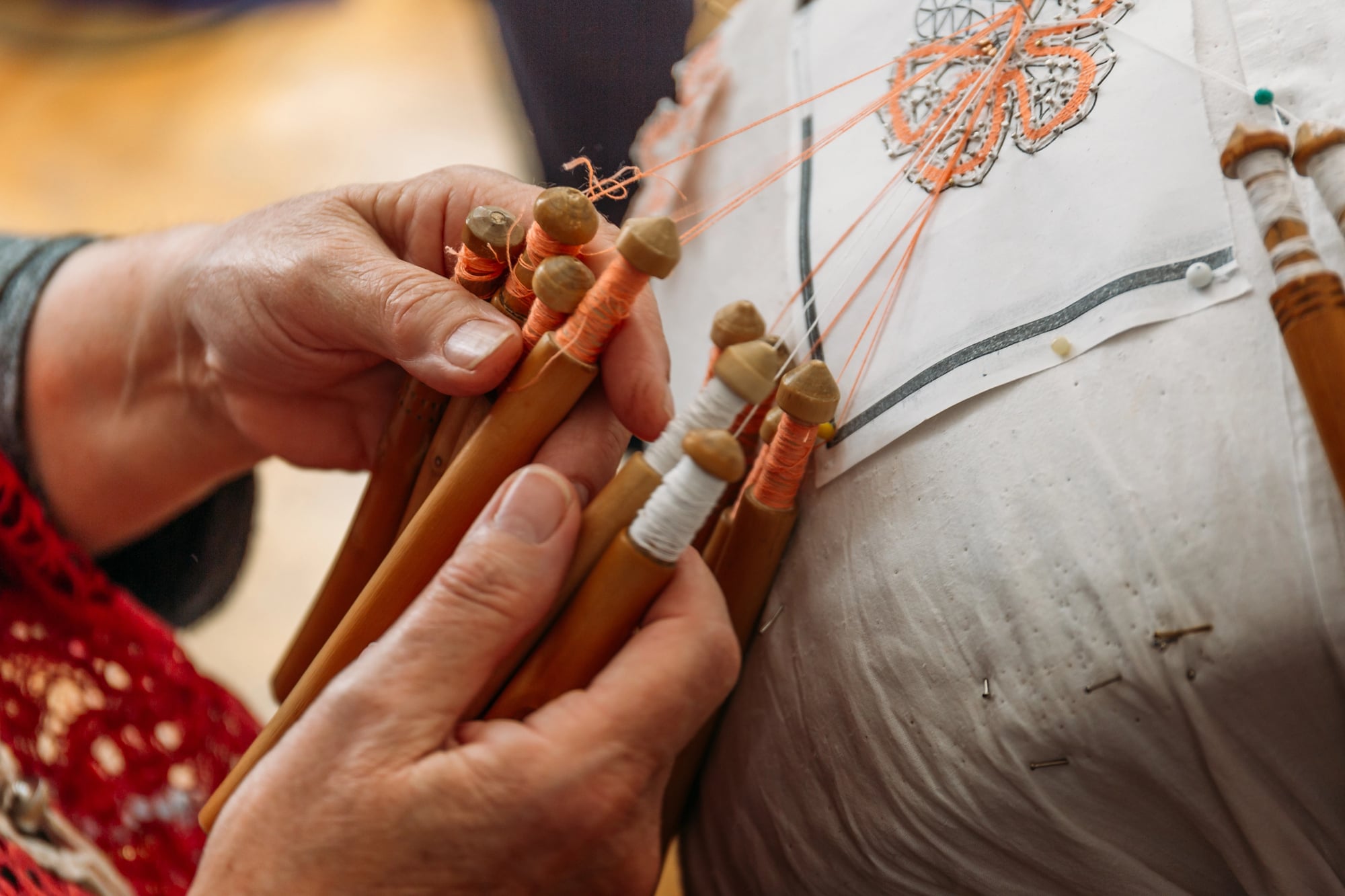
These traditional crafts didn’t disappear when modern technology arrived—they evolved and found new expression in digital forms. The patience, precision, and problem-solving skills that craftspeople developed over generations became the foundation for our technological civilization.
Understanding this connection helps us appreciate both the ingenuity of our ancestors and the continuity of human innovation. Next time you use your smartphone or drive through a GPS-guided route, remember that you’re benefiting from knowledge that countless craftspeople contributed to over thousands of years of careful, dedicated work.
More from Go2Tutors!

- 18 Unexpectedly Valuable Collectibles You Might Have Lying Around
- 20 Little-Known Historical Battles That Had Huge Consequences
- 20 Historical Artifacts That Scientists Can’t Explain
- 15 Inventions That Were Immediately Banned After Being Created
- 20 Actors Who Were Almost Cast in Iconic Roles
Like Go2Tutors’s content? Follow us on MSN.