Unusual Materials Used in Architecture
Buildings whisper tales based on what they’re built with. Stroll downtown, notice how glass, metal, and concrete dominate every block.
They function fine – no doubt – but feel way too familiar now. A few designers skip the usual stuff, hunting instead for elements that catch your eye mid-step.
Picking these isn’t only for show; sometimes it fixes issues or ties a structure to its place in surprising manners.
Mycelium: Growing Your Walls
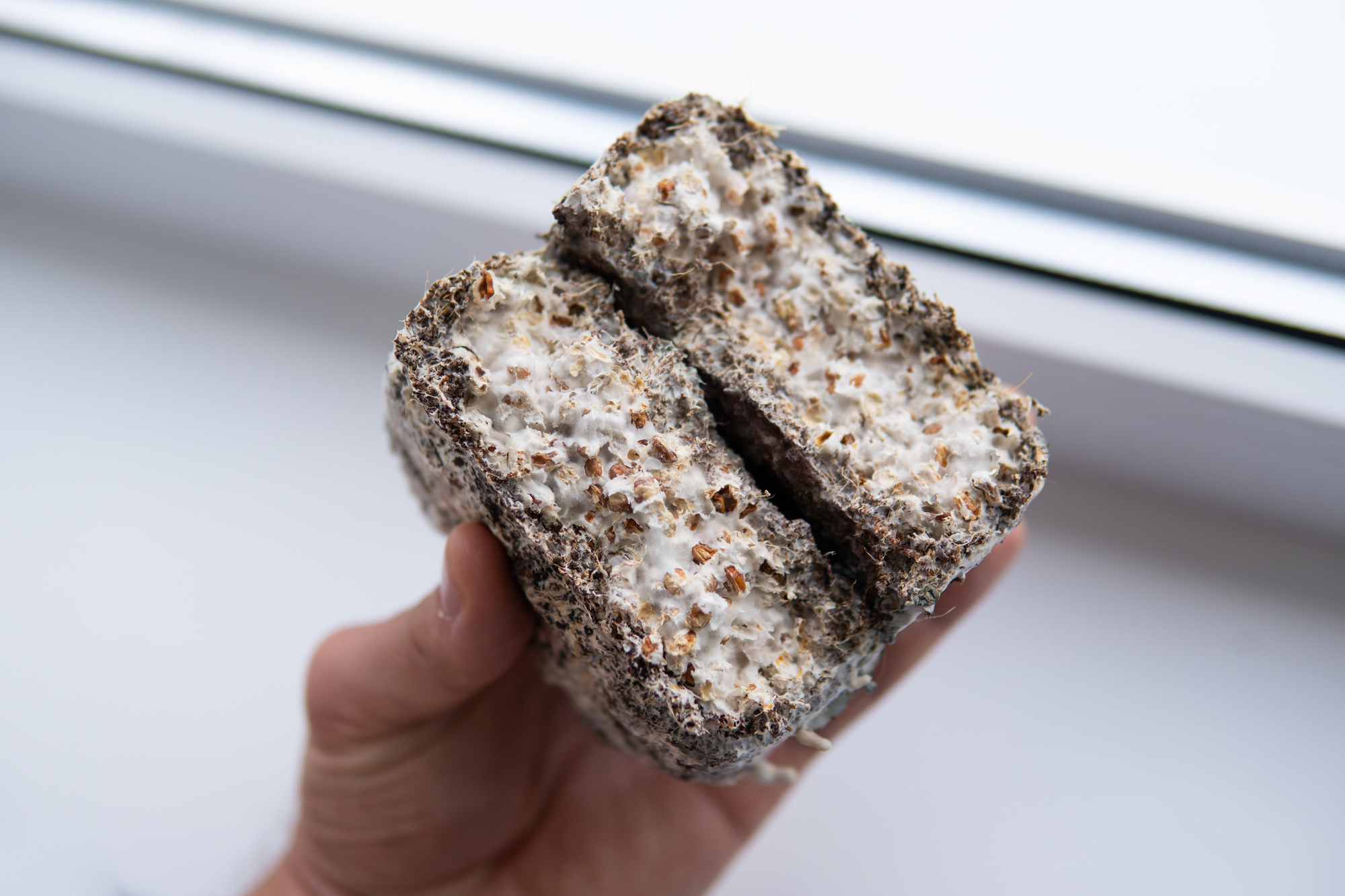
Mushroom roots can build structures. Mycelium, the thread-like network of fungi, binds together when mixed with agricultural waste.
Architects pack it into molds, let it grow for roughly five days, then dry it out. The result is a lightweight material that insulates well and breaks down completely when you’re done with it.
The compressive strength is about 30 psi compared to concrete’s 4,000 psi, so it works for non-load-bearing walls and insulation rather than structural elements. You can literally grow a building component in less than a week.
Translucent Concrete
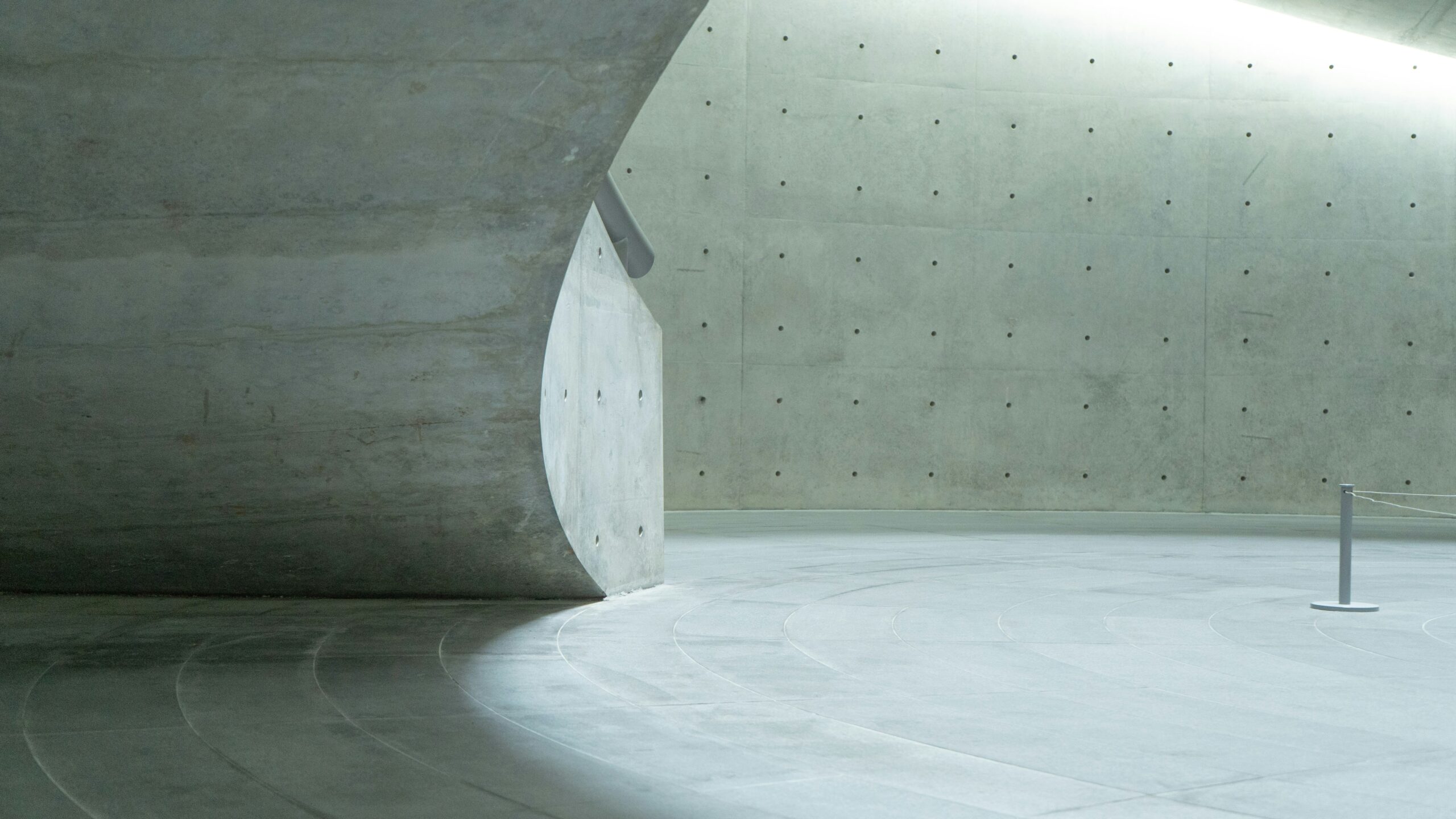
Concrete doesn’t have to be opaque. Mix about 4-5% optical fibers by volume into concrete blocks, and light passes through while the material keeps its strength.
The fibers run parallel from one surface to the other. Walk past a wall made from this stuff and you’ll see silhouettes and shadows from the other side.
The effect feels almost magical, especially when sunlight moves across the surface throughout the day. The material was developed in 2001 by Hungarian architect Áron Losonczi.
Hempcrete Made From Cannabis
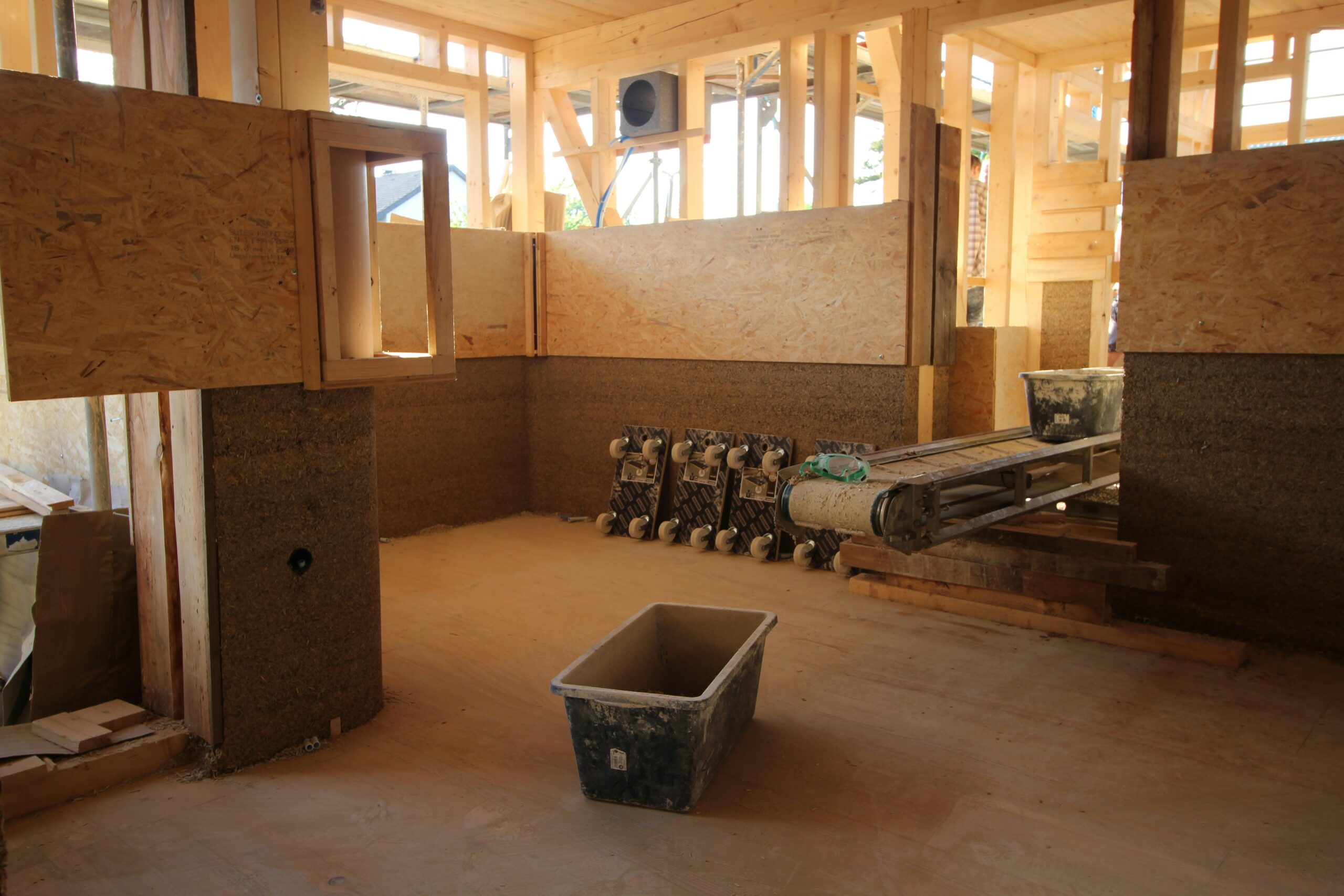
Hemp hurds mixed with lime create a building material that’s been around for centuries but only recently caught attention again. Hempcrete breathes, regulates humidity, and actually absorbs carbon dioxide from the air as it cures.
The plants grow fast and don’t need pesticides. Buildings made with this material stay cool in summer and warm in winter without much mechanical help.
It can’t be used for load-bearing walls since its compressive strength is only around 0.3 MPa, so it works as infill between structural frames.
Paper Tubes as Structural Elements
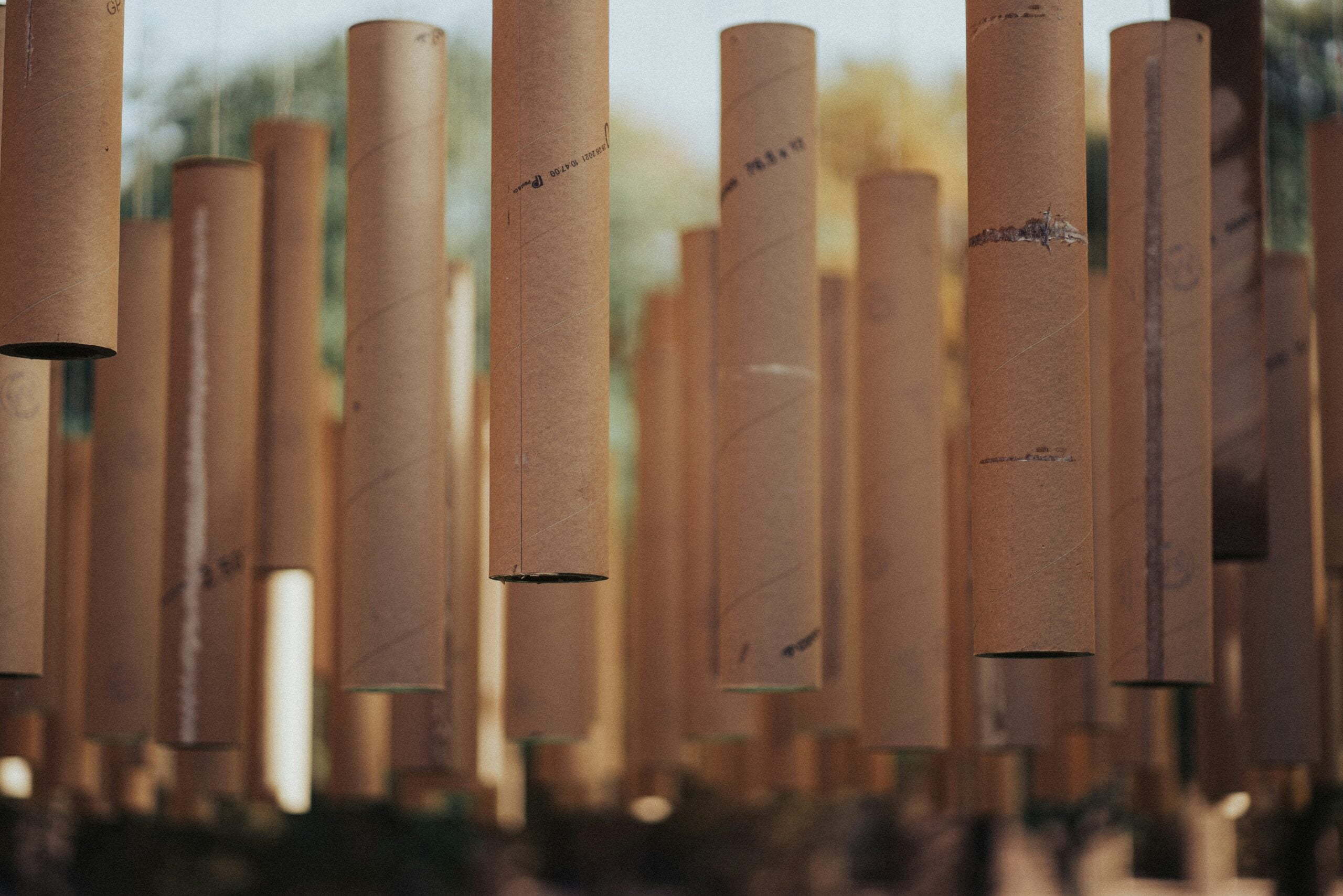
Industrial cardboard tubes, the kind used in textile factories and other industries, can hold up entire buildings when used correctly. They’re cheap, recyclable, and surprisingly strong when oriented properly.
Architect Shigeru Ban pioneered their use in architecture, treating them with waterproof coatings for weather resistance. Some disaster relief shelters use these tubes as their main structural system.
They work as columns, beams, and even decorative screens. A single tube can support up to 1,500 kilograms, and some larger ones can handle nearly 7,000 kilograms.
Algae Facades That Generate Energy

Living algae can turn a building facade into a power source. Special photobioreactor panels contain microalgae suspended in water.
Sunlight hits the algae, they photosynthesize, and the process generates both heat and biomass that can be harvested for biofuel. The panels also provide shade and insulation.
The first full-scale example, Hamburg’s BIQ building completed in 2013, uses 129 bioreactor panels. The building essentially grows its own energy while giving off a distinctive green glow that changes with algae density.
Recycled Denim Insulation
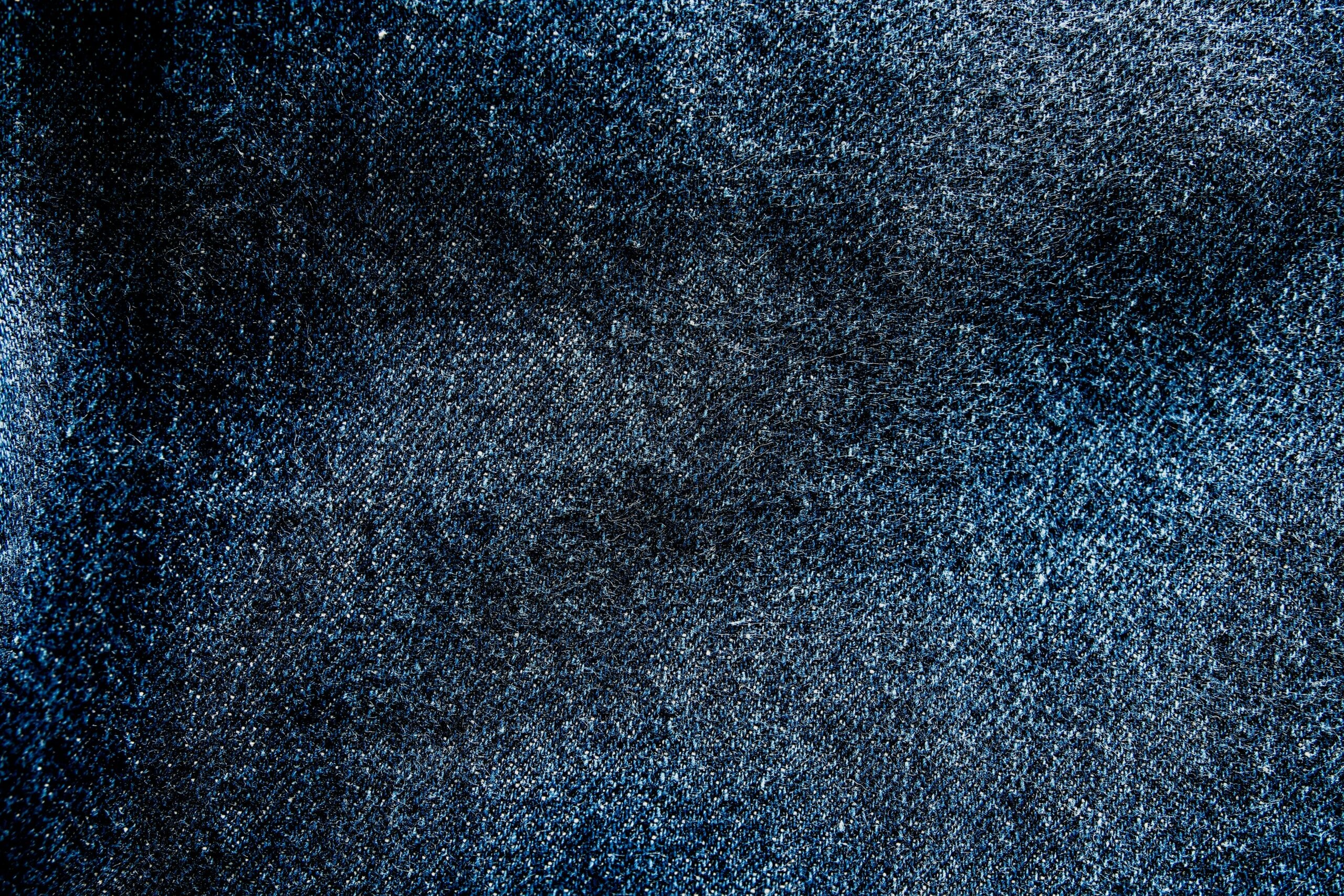
Old jeans find new life inside walls. Denim scraps from factories get treated with boron and turned into insulation batts that perform as well as fiberglass.
The material doesn’t itch, doesn’t require special safety equipment to install, and contains no toxic chemicals. It even dampens sound better than standard insulation.
Your old 501s might end up keeping someone’s house quiet and comfortable.
Rammed Earth Walls

Dirt can be beautiful. Rammed earth construction packs moist soil into temporary forms, creating thick walls with layers of color that depend on the local soil.
The technique dates back thousands of years but modern engineering has refined it. These walls store heat during the day and release it at night, naturally regulating temperature.
Each building looks unique because the earth comes from right where it stands.
Timber Made From Compressed Wood Waste
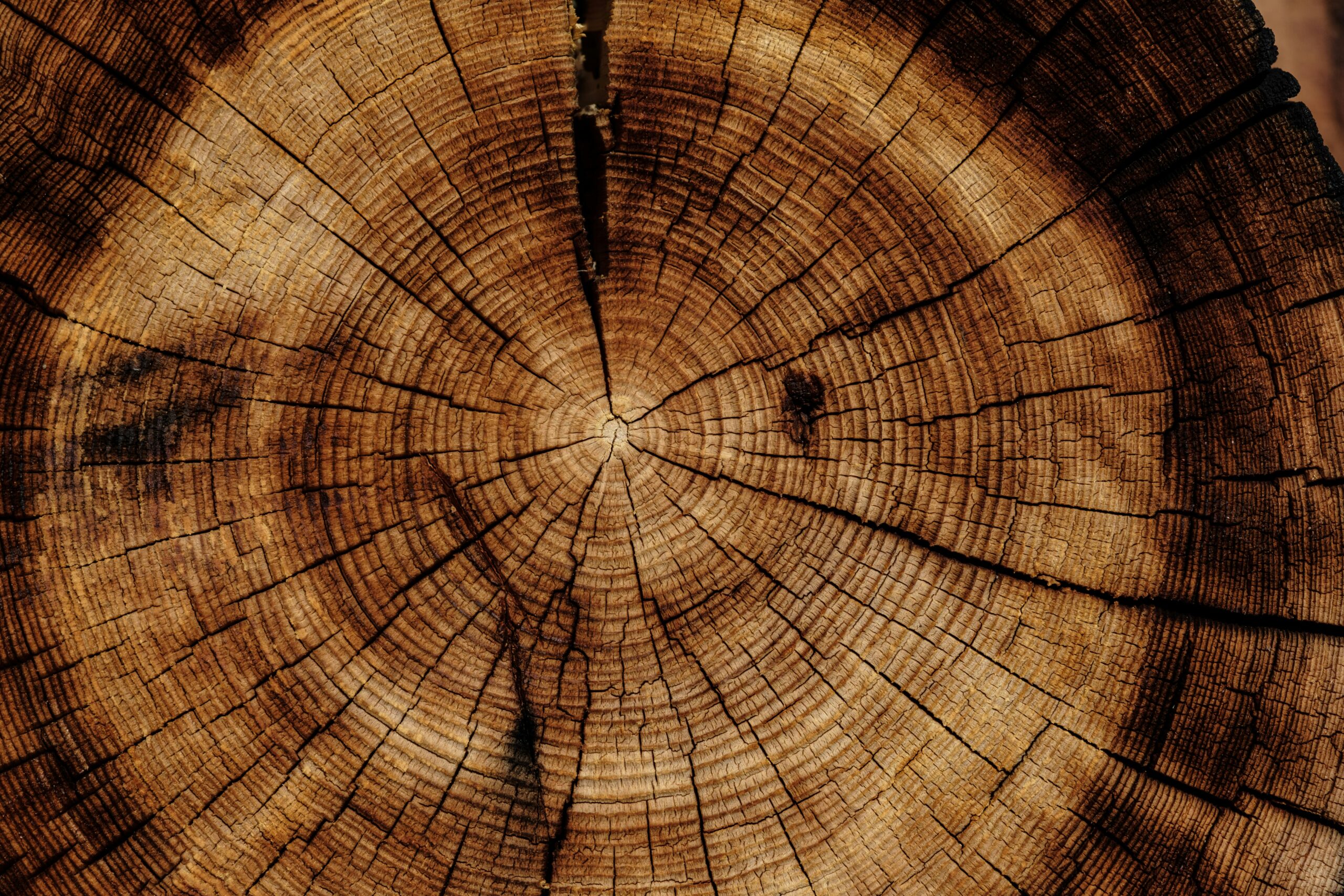
Wood chips, sawdust, and other wood industry leftovers get compressed under extreme pressure without adhesives. The natural lignin in wood acts as a binder.
The resulting material is denser and stronger than the original wood. It uses waste that would otherwise burn or rot, and it can be shaped into complex forms that traditional lumber can’t achieve.
Salt Blocks for Desert Construction
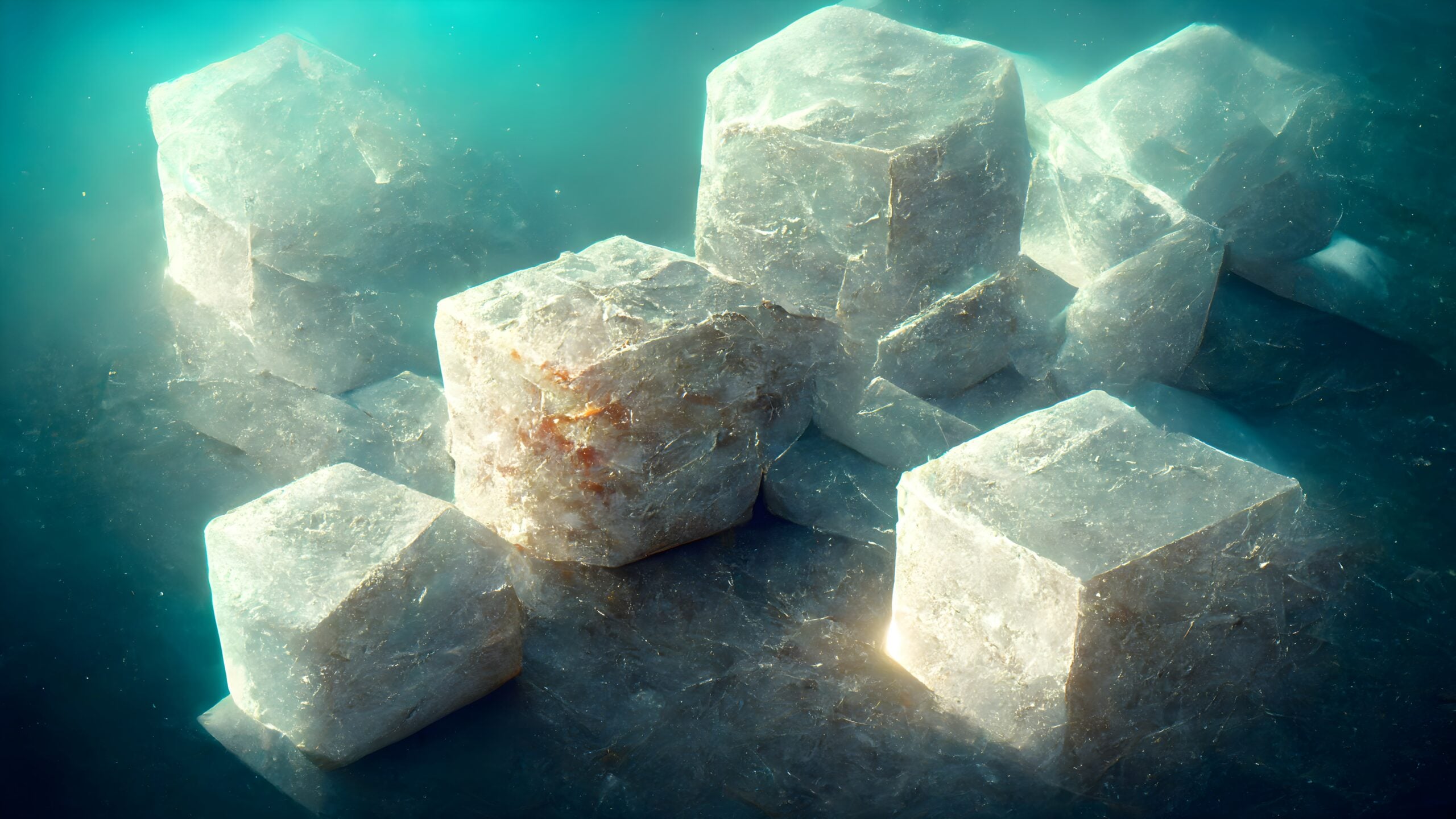
In areas where salt deposits are abundant, builders have started using solid salt blocks as a building material. The blocks work well in dry climates where rain is rare.
They create a distinctive crystalline appearance and naturally regulate humidity. When light hits them at certain angles, the walls seem to glow from within.
The material stays cool even under intense sun.
Recycled Plastic Bricks
Plastic waste gets melted down and molded into building blocks that interlock like oversized LEGO pieces. Some versions are hollow and can be filled with sand or gravel for added weight and insulation.
These bricks don’t rot, resist pests, and can handle moisture without degrading. They address two problems at once—waste disposal and affordable construction materials.
Cork Panels for Exteriors
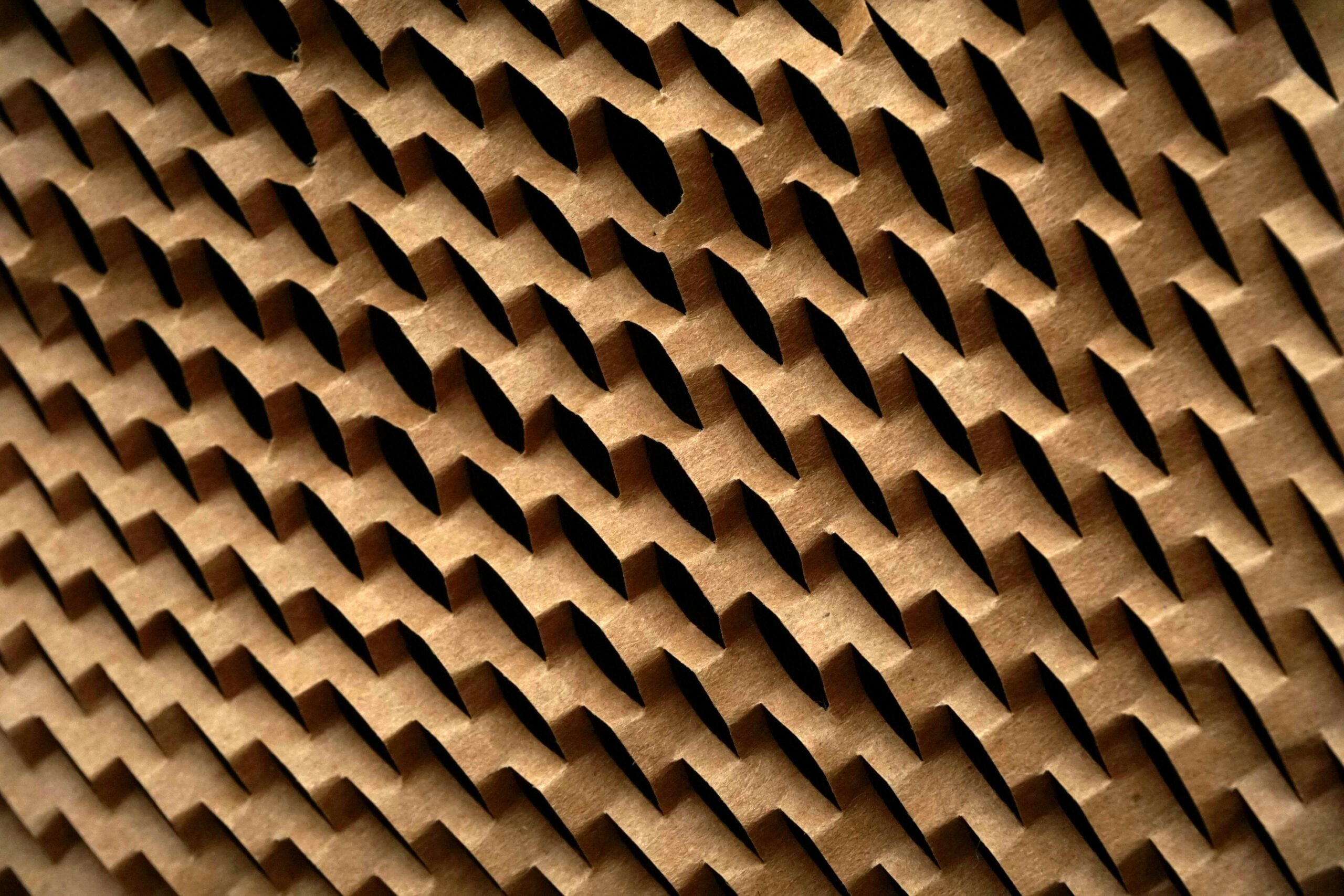
Wine bottle stoppers inspired a building material. Cork bark grows back after harvesting, making it renewable.
As a building material, it insulates exceptionally well, resists fire, dampens sound, and repels insects naturally. The texture adds warmth to facades that might otherwise feel cold.
Buildings wrapped in cork look organic and contemporary at the same time.
Biochar Concrete
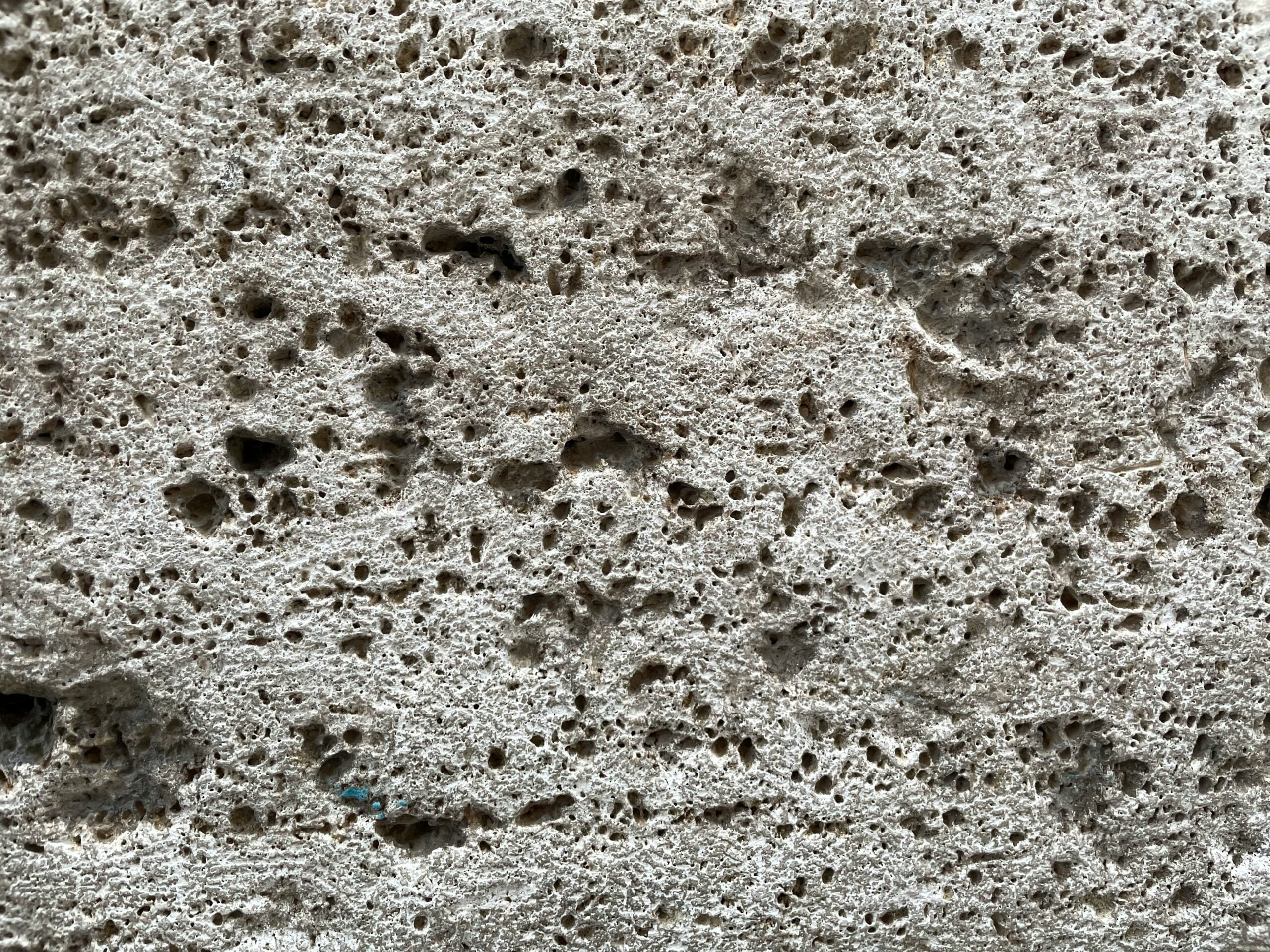
Charcoal made from plant waste can reinforce concrete. Biochar adds strength while reducing the amount of cement needed, which cuts carbon emissions significantly.
The material also sequesters carbon permanently—the plants absorb CO2 while growing, and turn them into charcoal locks that carbon away. Buildings become carbon sinks instead of carbon sources.
Transparent Wood
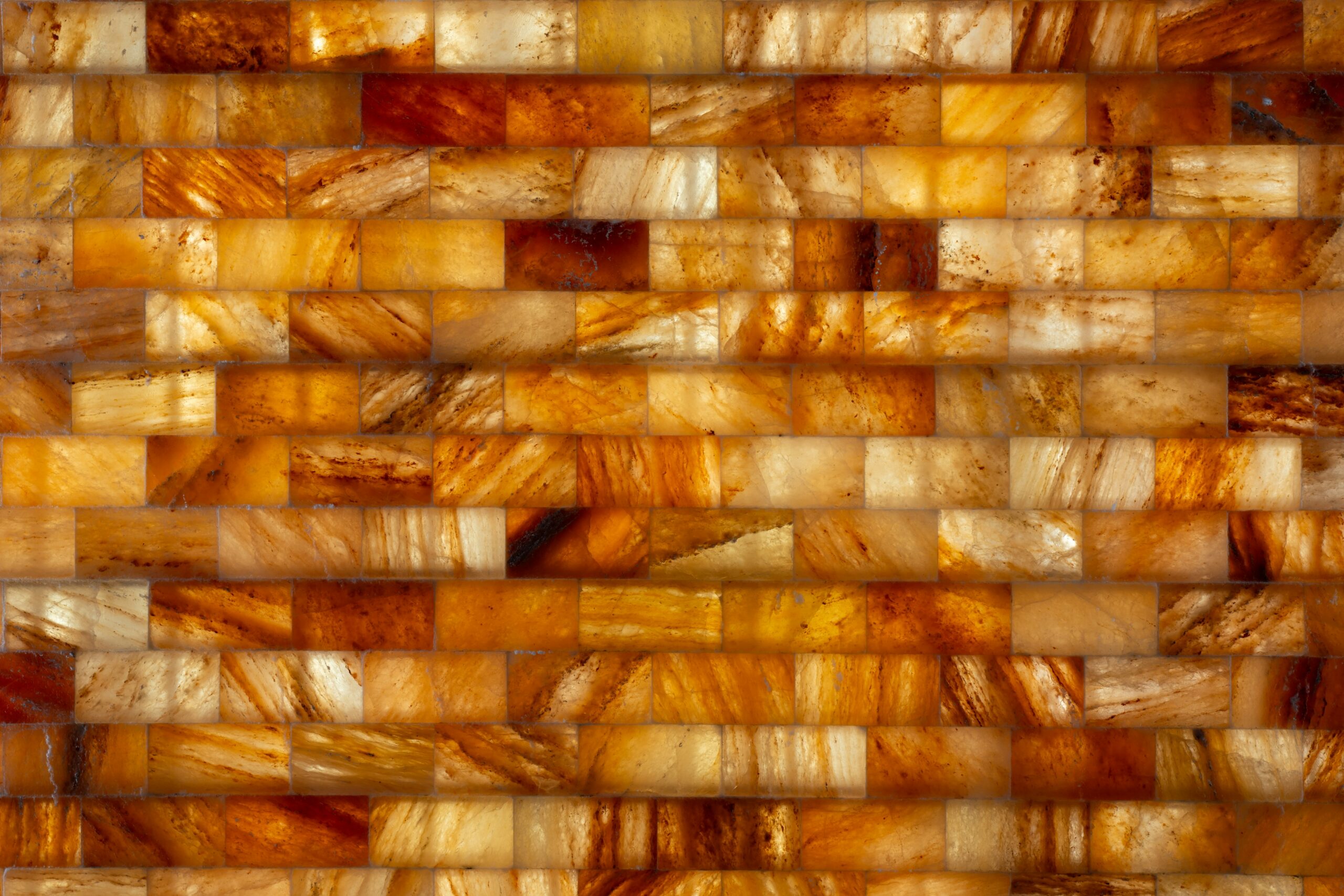
Wood doesn’t have to be opaque either. Remove the lignin from thin wood veneers and fill the gaps with epoxy resin, and you get a material that lets light through while maintaining wood’s strength and grain pattern.
It’s stronger than glass, insulates better, and shows the tree’s growth rings glowing from within. The effect is striking, especially in interior partitions.
Ferrock: The Iron-Based Alternative
Industrial waste steel dust mixed with silica from ground glass creates a cement substitute that’s stronger than Portland cement. Ferrock actually absorbs and binds CO2 as it hardens, making it carbon negative.
The material works in all the same applications as traditional concrete but with a fraction of the environmental impact. Tests show it’s around five times stronger in compression than standard concrete.
The iron-based material rusts slightly on the surface, giving it a unique patina over time. It was accidentally discovered by Dr. David Stone in the early 2000s.
What These Materials Share

These materials? They’re more than a trend. Because people want structures that act like living things – not stiff, cold walls – but something smarter… thanks to tight supplies, greener demands, or the push to use less power.
Sure, old-school stuff sticks around. Yet these new options reveal fresh ideas when designers skip typical blueprints.
Maybe the top homes are those learning, shifting, even reacting – to weather, time, or place.
More from Go2Tutors!

- The Romanov Crown Jewels and Their Tragic Fate
- 13 Historical Mysteries That Science Still Can’t Solve
- Famous Hoaxes That Fooled the World for Years
- 15 Child Stars with Tragic Adult Lives
- 16 Famous Jewelry Pieces in History
Like Go2Tutors’s content? Follow us on MSN.



