Secret Facts About Famous Things You Thought You Knew
Most folks learn the same old tales about big monuments, classic dishes, little gadgets by heart while growing up. Hidden details behind those common icons slip through classroom cracks more often than not.
Surprising turns wait just beneath what tourists hear or students memorize day after day. Familiar facts rarely show how deep things really go once you dig past headlines.
Surprising facts can shift the way people notice common things and well-known spots. Brace yourself – what follows reshapes assumptions.
Hidden details often lie beneath familiar surfaces.
The Eiffel Tower Gets Slightly Taller During Summer Months
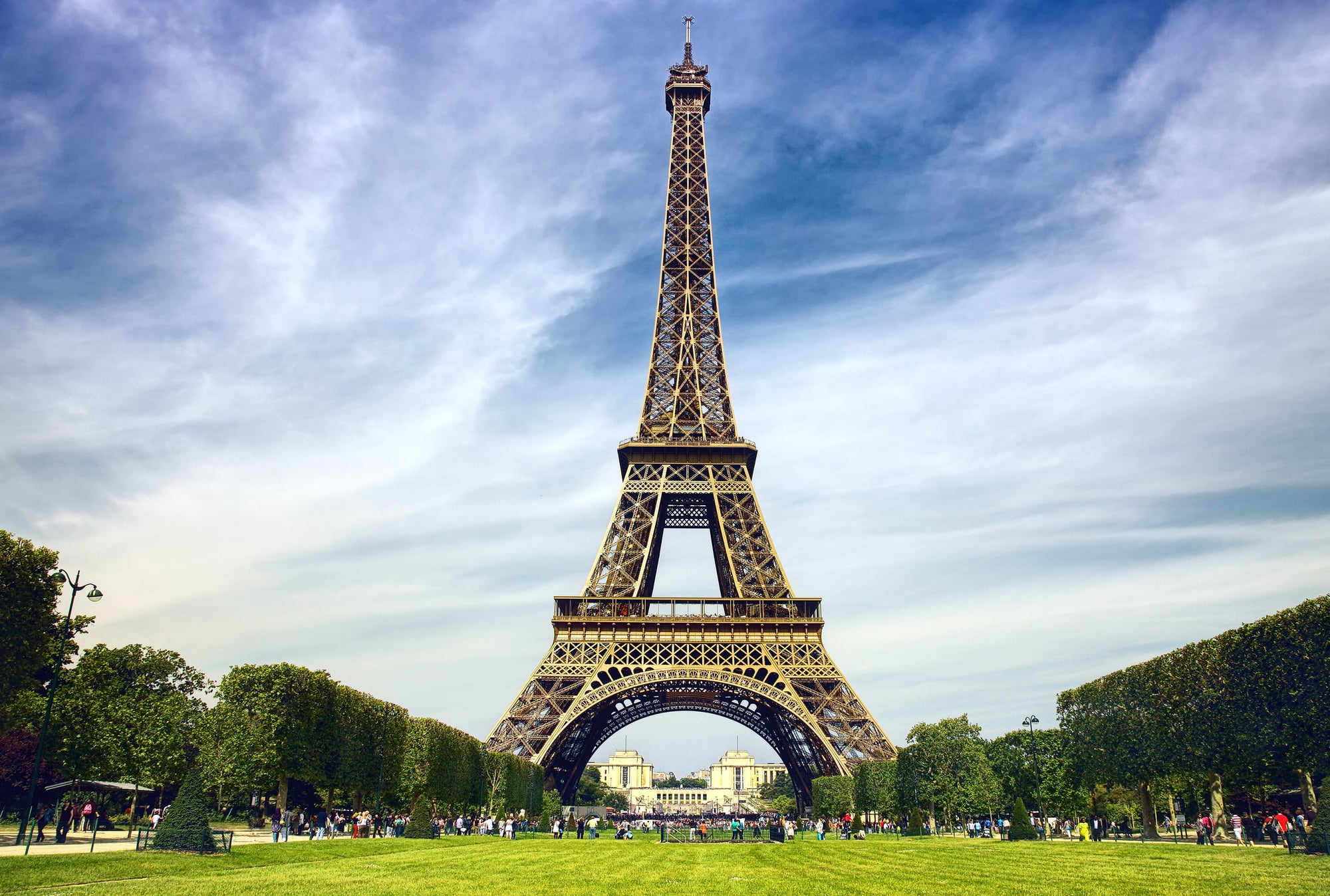
That tall iron thing in Paris shifts size when the weather switches. Heat bakes the metal during summer, pushing its frame upward by half a foot or more.
Winter drags it shorter once cold grips the beams. Built-in wiggle room let designers handle these swings starting in the 1880s.
The whole skeleton breathes without breaking.
Fortune Cookies Originated In California Not China
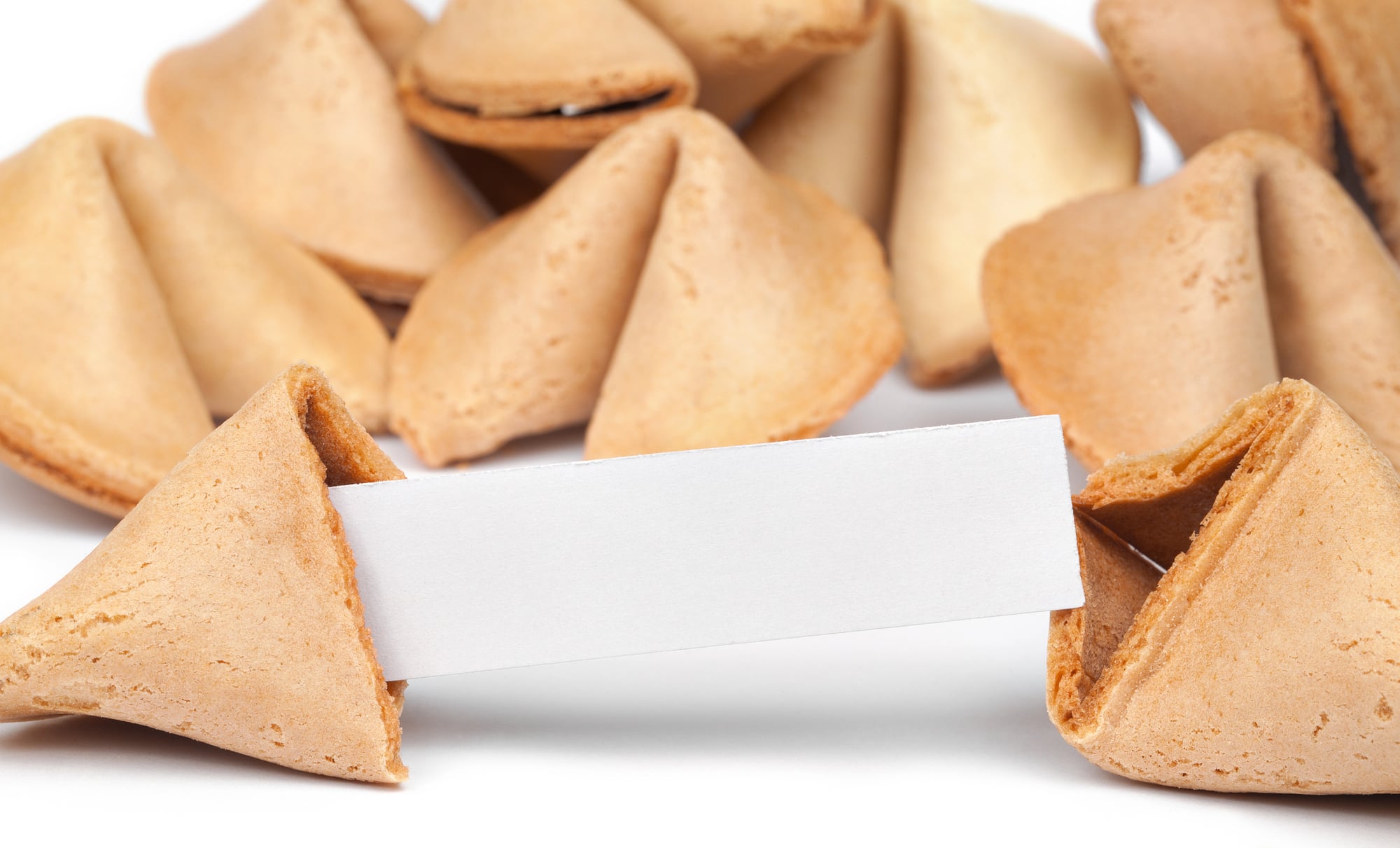
Even though they appear after almost every Chinese meal in the U.S., fortune cookies aren’t from China at all. Created by Japanese settlers in California around the 1900s – probably in San Francisco – they took root there quietly.
When WWII hit, Japanese Americans were forced into camps, leaving their shops behind; that gap let Chinese eateries adopt the treat. In China itself, nobody knew these crisp messages existed until visitors from America began requesting them years later.
Cleopatra Walked Earth More Recently Than We Think Compared To Those Ancient Stones
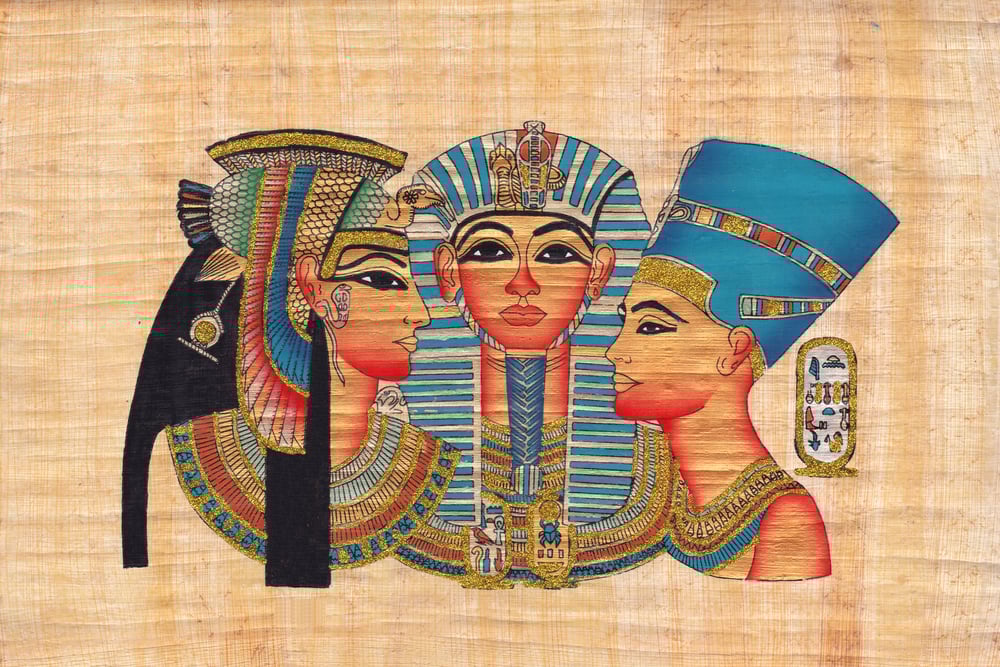
The smartphone era feels like yesterday next to her time. Her world was far from Pharaohs under starlit sands.
Modern tech sits nearer on history’s timeline than pyramid shadows. When Cleopatra walked through Egypt, the Great Pyramid of Giza had long stood like a silent giant from another world.
Over two thousand five hundred years stretched between its building and her rule. Today, we sit only roughly two millennia away from her moment in time.
A smartphone user now lives closer to Cleopatra than she was to the pyramid builders. That shift tilts how we see centuries – suddenly, stone monuments feel older than they ever seemed.
Banana? That Counts As A Berry. Strawberry Does Not. Weird How Names Lie Sometimes
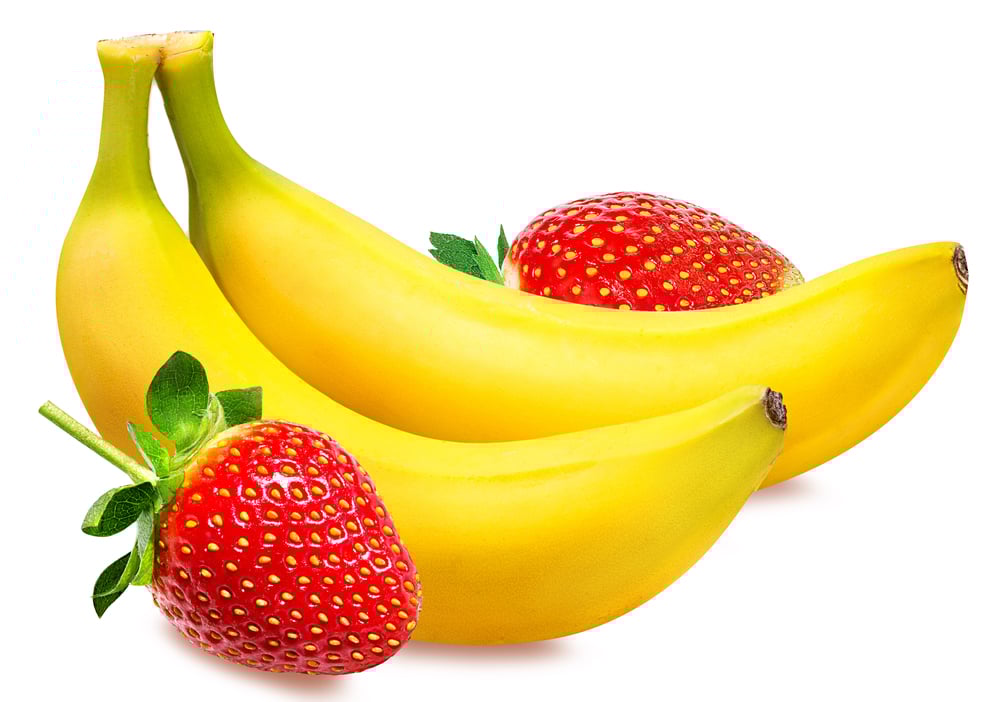
Most folks think berries are small and sweet, yet science says otherwise. From a single bloom carrying just one ovary comes what counts as a real berry.
Inside its pulp, you will find the seeds tucked away neatly. Bananas match that setup exactly.
Not so for strawberries – they form from blooms with many ovaries. Their little specks of seed perch on the surface instead of hiding within.
That alone strips them of official standing. Raspberries share the same fate along with blackberries.
But surprise: grapes make the cut, also kiwifruit, and yes, even bulky watermelons.
Back Then, In 1889, Nintendo Began Selling Playing Cards
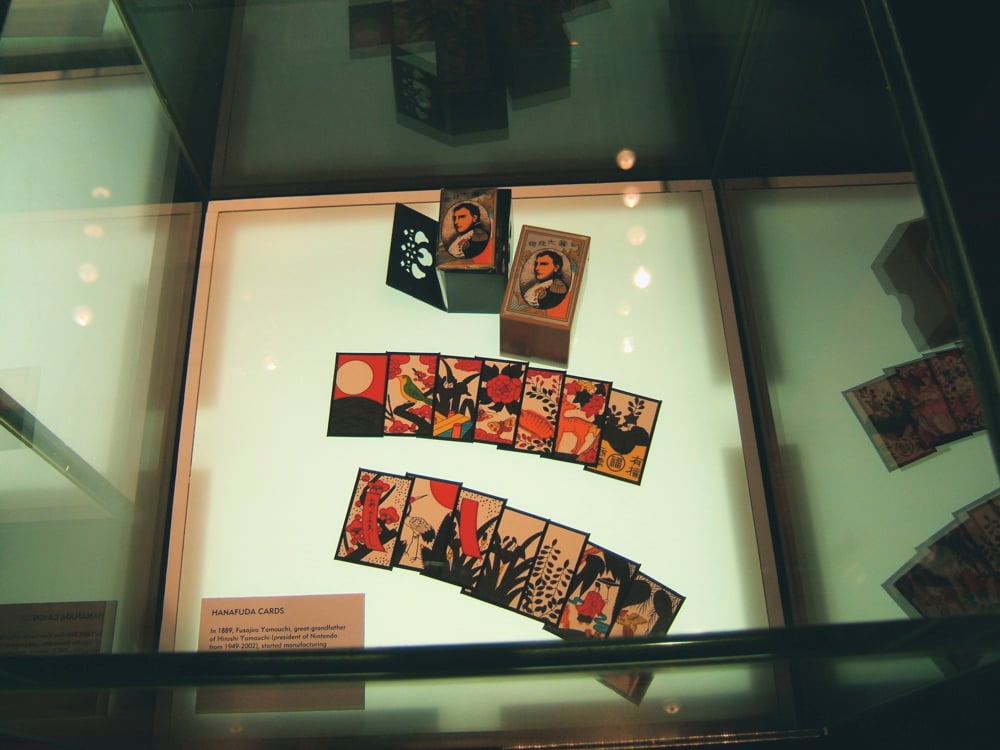
Cards were its first business move. That year marked the start of what would become a gaming giant.
A small step into entertainment, really. Playing cards opened the door. From there, things slowly changed over time.
Back when Mario was just an idea, Nintendo crafted wooden decks in Kyoto. For close to one hundred years, those cards ruled their days alongside odd turns – like cabs, then quick-cook grains.
Not until the seventies did pixels appear in their world. That original craft lingers quietly under the brand’s skin.
Today, controllers overshadow it completely.
Honey Never Spoils
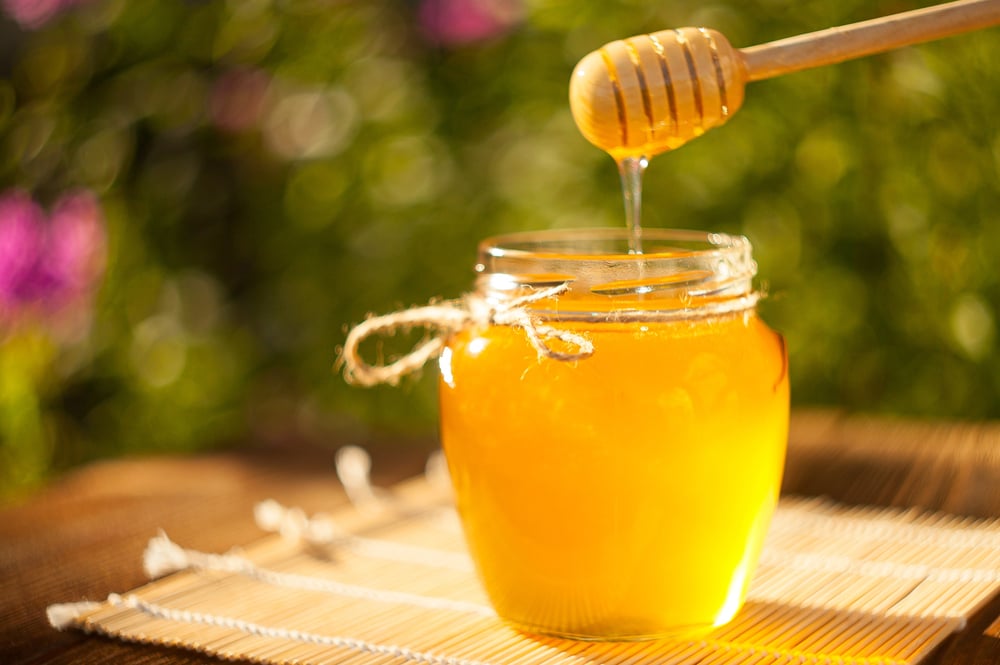
Archaeologists have found pots of honey in ancient Egyptian tombs that remain perfectly edible after more than 3,000 years. The thick, sweet substance creates an environment where bacteria simply cannot survive.
Low moisture content and natural acidity work together to preserve honey indefinitely. A jar sitting in someone’s pantry today could theoretically last for centuries if stored properly, though it might crystallize and need gentle warming to restore its smooth texture.
The Great Wall Of China Isn’t Visible From Space
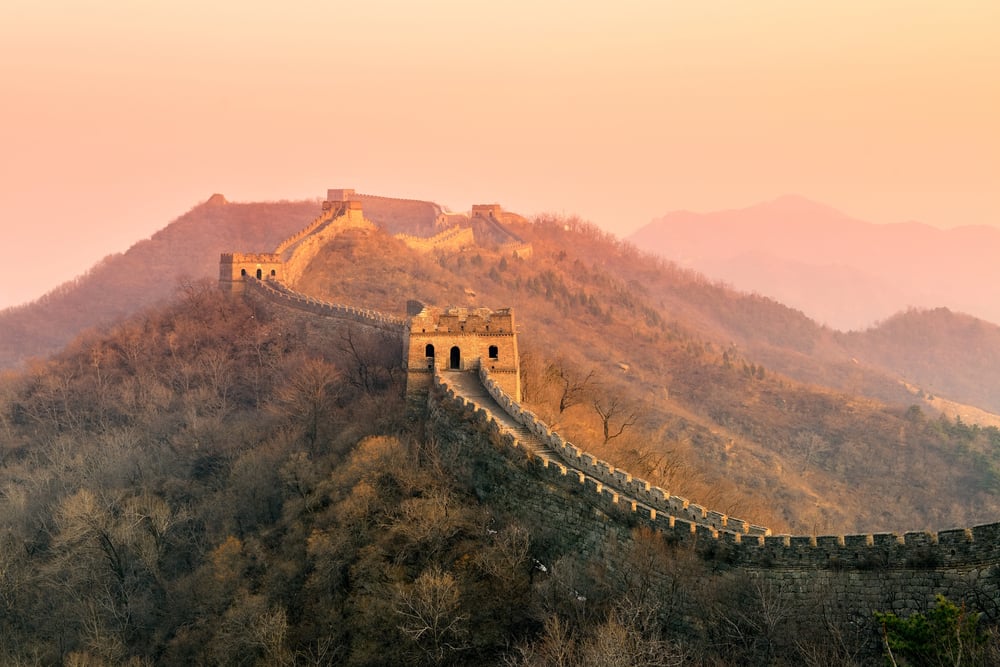
Astronauts have repeatedly debunked this popular myth from orbit. The wall is narrow and blends into the natural landscape too well for human eyes to spot from space without aid.
Plenty of other human-made structures, like major highways and large cities, show up much more clearly. This false claim somehow became common knowledge and spread through textbooks for generations before space travel proved it wrong.
Pineapples Used To Cost $8,000 Each
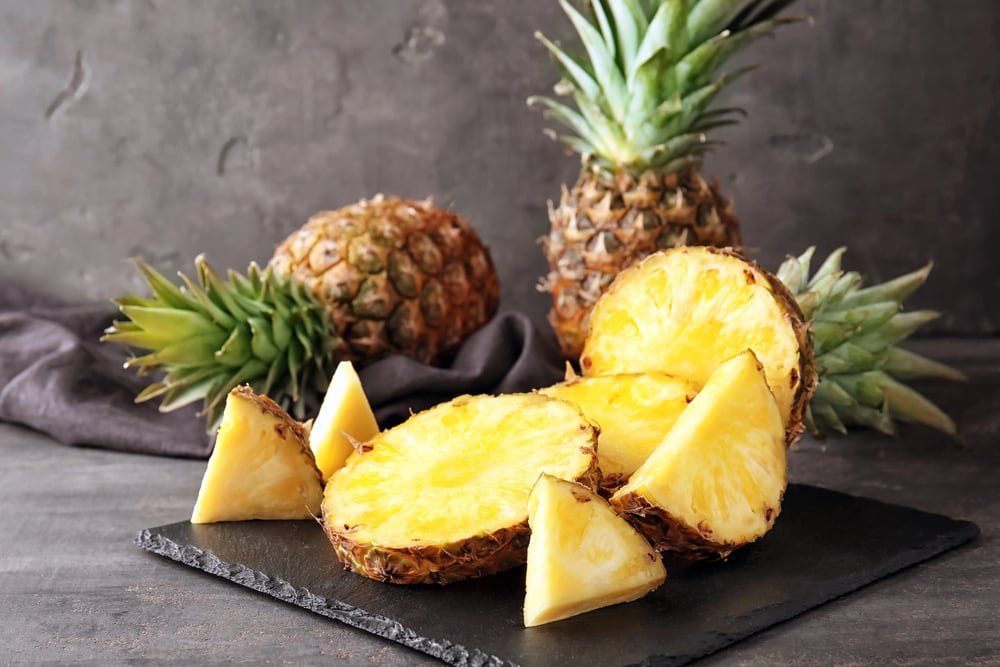
Back in the 1700s, wealthy Europeans treated pineapples as the ultimate status symbol. The tropical fruit cost so much that people would rent them for parties just to display as centerpieces, not even to eat.
Growing them in cold European climates required expensive heated greenhouses. Once shipping improved and growing operations expanded, prices dropped dramatically and pineapples became accessible to regular folks.
Carrots Weren’t Originally Orange

Wild carrots came in purple, white, yellow, and red varieties for thousands of years. Dutch farmers bred the orange version in the 1600s, possibly to honor the royal House of Orange.
The orange carrot tasted sweeter and less bitter than other types, so it quickly became the standard. Other colored carrots still exist today, but most grocery stores stock only the orange ones.
A Day On Venus Lasts Longer Than Its Year
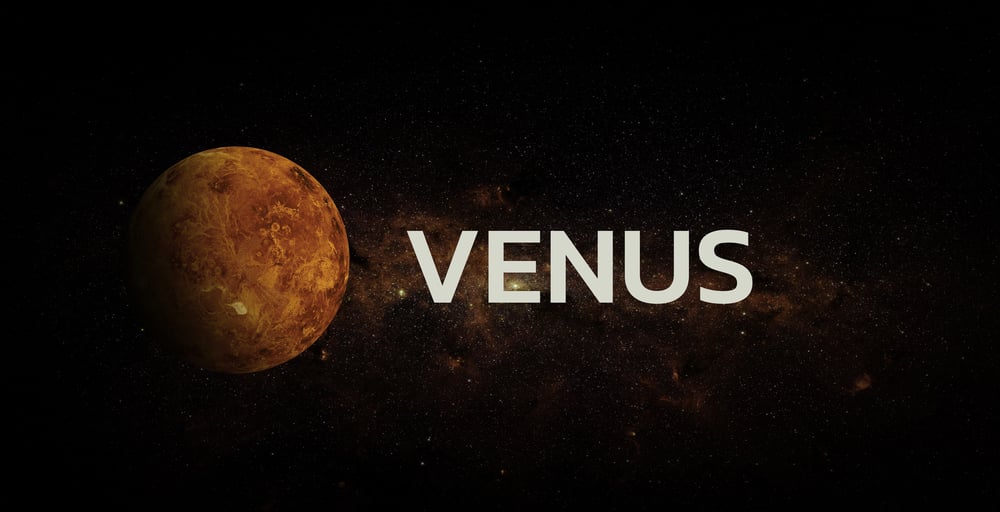
Venus takes about 243 Earth days to complete one rotation on its axis but only 225 Earth days to orbit the Sun. This means a single day on Venus outlasts an entire Venusian year.
The planet also rotates in the opposite direction from most other planets, so the Sun rises in the west and sets in the east. Trying to keep a calendar on Venus would confuse anyone.
Bubble Wrap Was Invented As Wallpaper
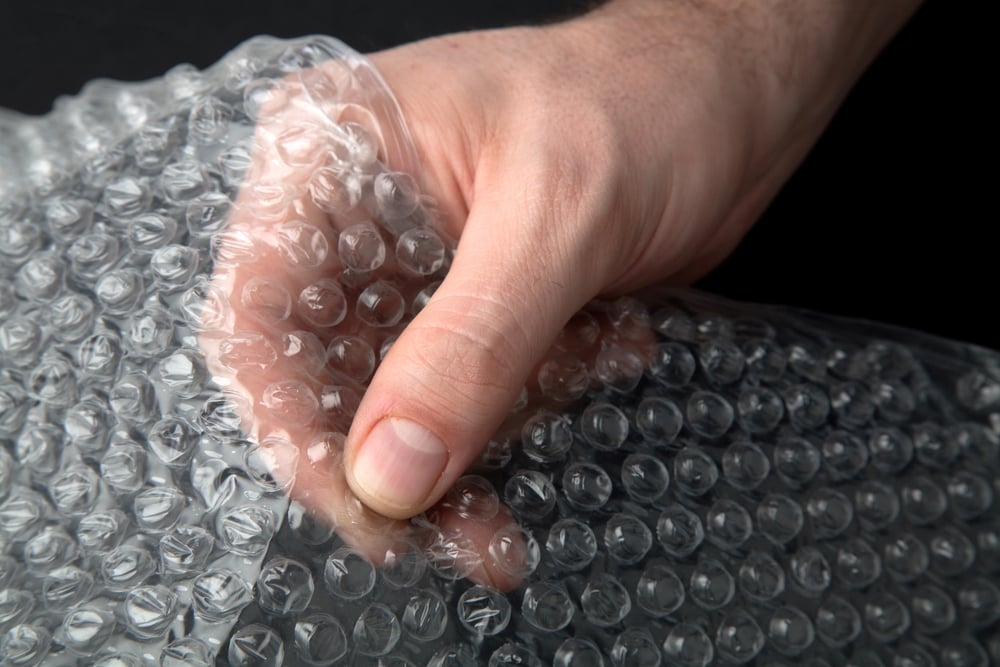
Two engineers in 1957 sealed shower curtains together to create textured wallpaper for modern homes. Nobody wanted to buy their bubbly wall covering, so the product floated around looking for a purpose for several years.
IBM finally started using it to protect computers during shipping in the 1960s, and packaging became its true calling. The satisfying pop that everyone loves was originally considered a design flaw.
Oxford University Predates The Aztec Empire
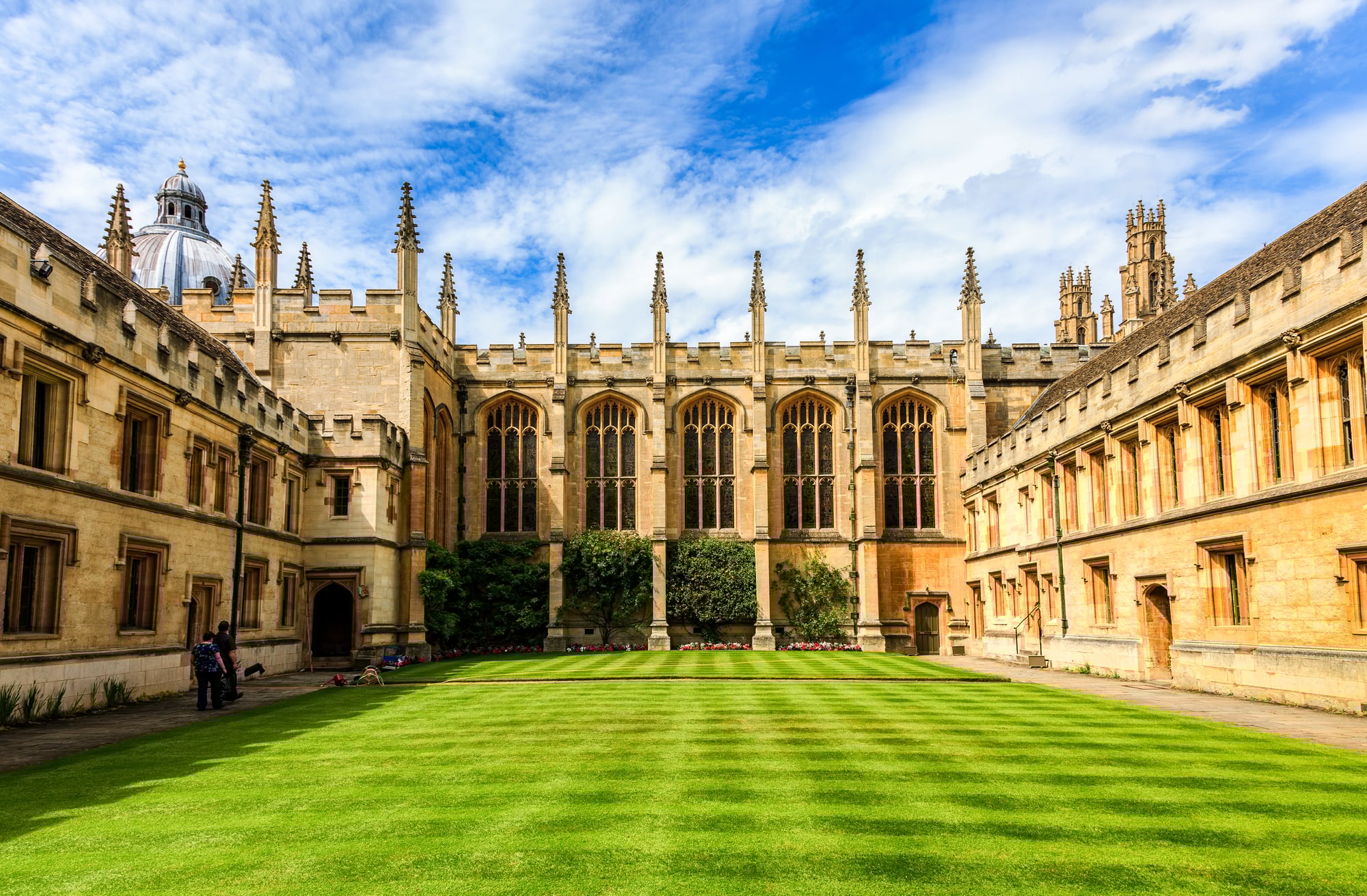
Teaching happened at Oxford as early as 1096, making it one of the oldest universities in continuous operation. The Aztec capital of Tenochtitlan wasn’t founded until 1325, more than two centuries later.
Medieval students studied at Oxford while most of the Americas remained unknown to Europeans. This timeline shows how some institutions have persisted through enormous historical changes.
Octopuses Have Three Hearts And Blue Blood
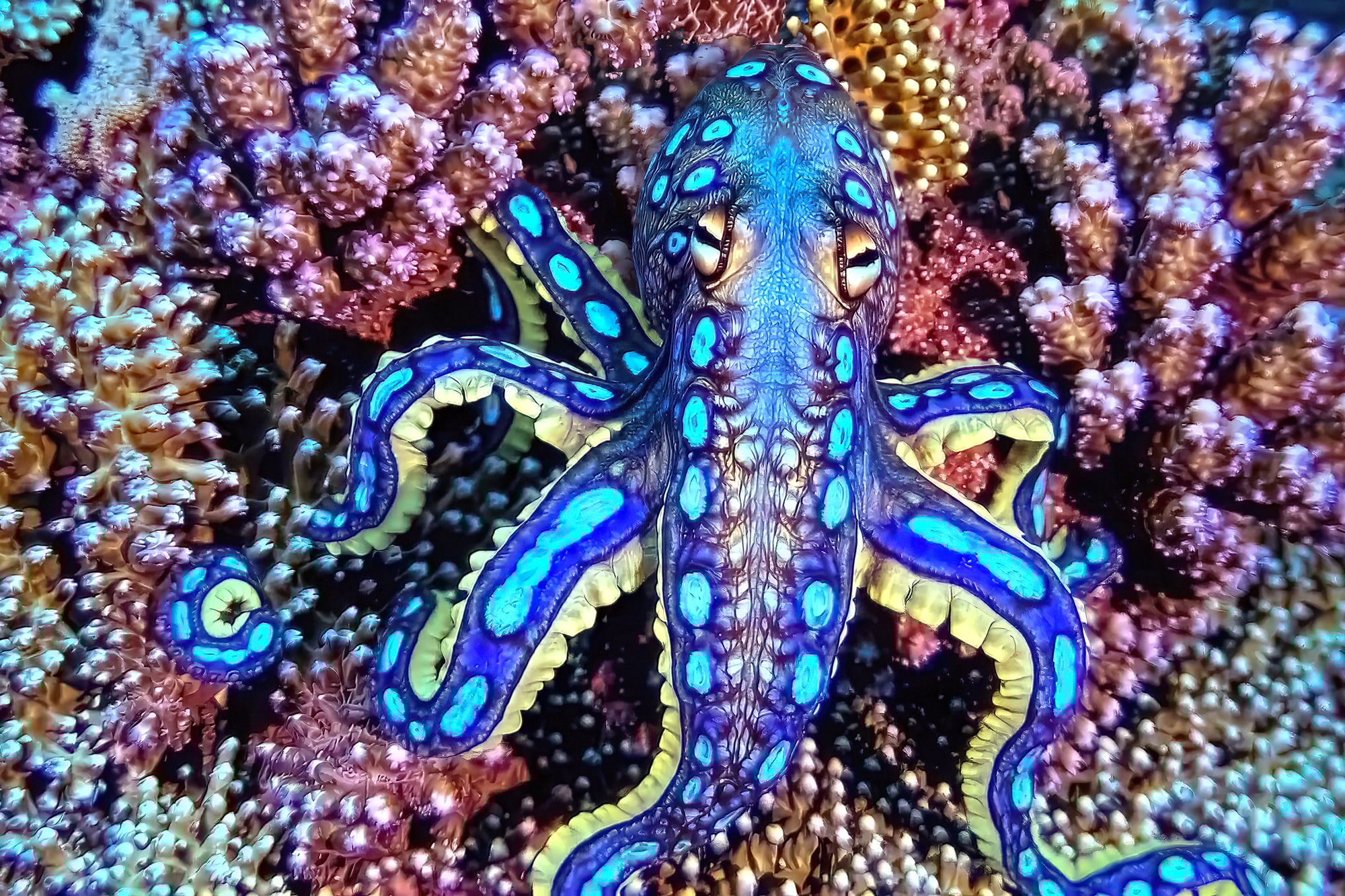
Two hearts pump blood to the gills while a third sends it to the rest of the body. Their blood contains copper-based hemocyanin instead of iron-based hemoglobin, which makes it blue instead of red.
The central heart actually stops beating when an octopus swims, which explains why these creatures prefer crawling along the ocean floor. Their bodies pack in more biological quirks than most science fiction creatures.
Woolly Mammoths Were Still Alive When The Pyramids Were Built

A small population of woolly mammoths survived on Wrangel Island in the Arctic Ocean until about 4,000 years ago. The Great Pyramid of Giza was already about 500 years old at that point.
Most mammoths died out around 10,000 years ago, but this isolated group hung on through the rise and fall of ancient civilizations. The image of primitive cavemen hunting mammoths doesn’t match up with this timeline.
Koalas Sleep Up To 22 Hours Per Day
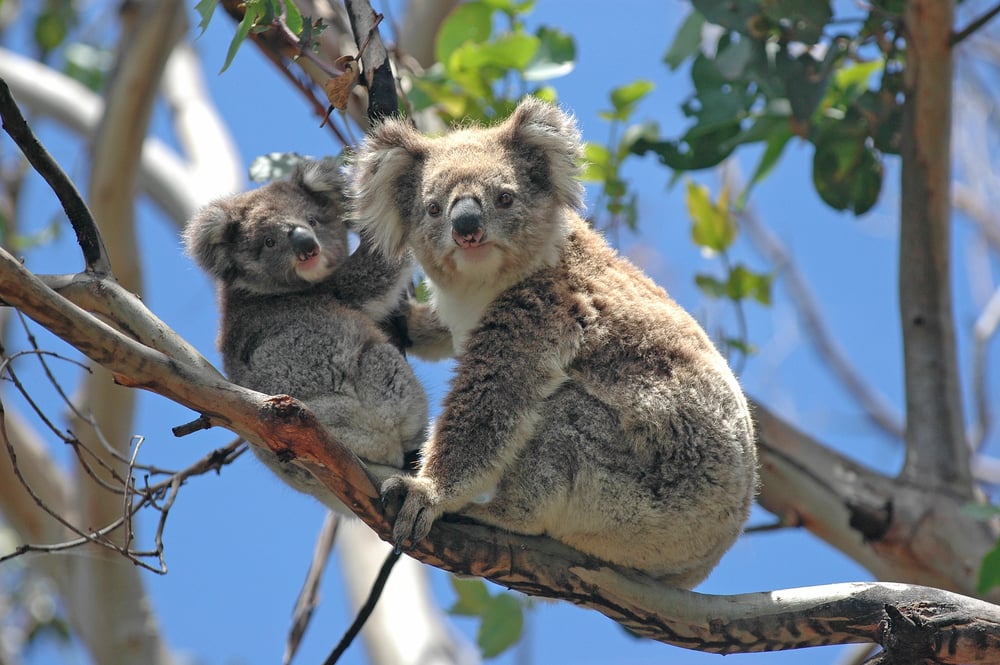
These Australian tree dwellers rank among the sleepiest animals on Earth. Eucalyptus leaves provide very little energy and take enormous effort to digest, so koalas conserve energy by snoozing most of the time.
They wake up mainly to eat more leaves or move to a new tree. A koala’s lifestyle makes even the laziest human seem productive by comparison.
Where The Unexpected Becomes Normal
These surprising facts prove that famous things hide layers of complexity and weirdness beneath their familiar surfaces. History books simplify stories to make them easier to teach, but reality tends to be stranger and more interesting than the sanitized versions.
The world keeps its best secrets hiding in plain sight, waiting for curious minds to dig a little deeper and question what everyone assumes they already know.
More from Go2Tutors!

- The Romanov Crown Jewels and Their Tragic Fate
- 13 Historical Mysteries That Science Still Can’t Solve
- Famous Hoaxes That Fooled the World for Years
- 15 Child Stars with Tragic Adult Lives
- 16 Famous Jewelry Pieces in History
Like Go2Tutors’s content? Follow us on MSN.