Unusual Materials Used to Make Musical Instruments
Wood, metal, and animal skin have dominated instrument making for centuries. But some builders look beyond traditional materials, finding sound in objects that nobody else thought to listen to.
These unconventional instruments prove that music can come from anywhere if you understand how vibration works. The materials might seem bizarre, but the sounds they produce are often surprisingly beautiful.
Ice

Ice instruments melt while you play them, making every performance temporary. Builders carve violins, cellos, and even organs from blocks of ice, shaping the frozen water into functional instruments that actually hold tune.
The sound quality changes as the ice warms, creating a performance that evolves from start to finish. Norwegian musician Terje Isungset pioneered ice music, building entire orchestras from ice harvested from glaciers.
The instruments sound ethereal and fragile, with a clarity that traditional materials can’t replicate. Concerts happen in below-freezing venues, and the audience watches the instruments slowly transform throughout the show.
By the end, some pieces have changed pitch noticeably or stopped working entirely. The music exists only in that moment, then it’s gone.
Vegetables

The Vienna Vegetable Orchestra performs exclusively on instruments carved from fresh produce. Carrots become flutes, pumpkins turn into percussion instruments, and cucumbers get hollowed out to make didgeridoos.
The musicians carve new instruments before each performance because vegetables dry out and lose their acoustic properties. The sound varies based on which vegetables they use and how fresh they are.
A carrot flute sounds different from a zucchini flute, and both change as moisture evaporates during the show. After performances, they make soup from the instruments and serve it to the audience.
The entire concept combines music, sculpture, and cooking into something that defies easy categorization.
PVC Pipe
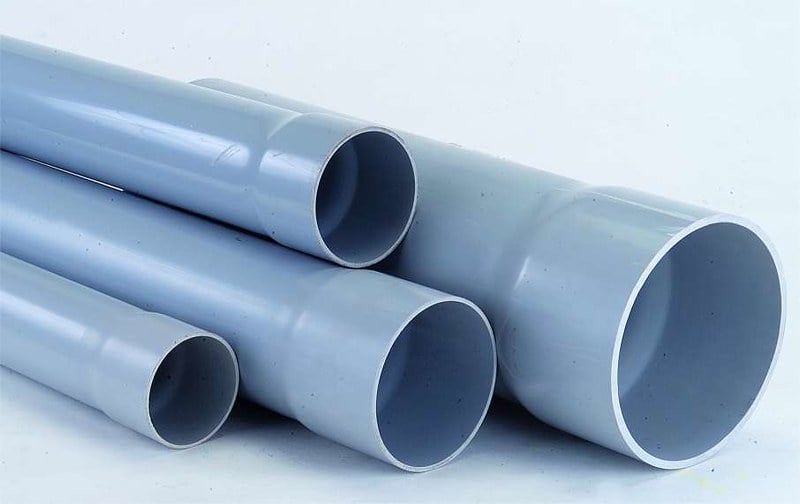
Plumbers discovered that different lengths of PVC pipe produce distinct pitches when struck or blown across. DIY musicians took this observation and built entire percussion setups, wind instruments, and even stringed instruments using plastic plumbing supplies.
The material costs almost nothing compared to traditional instrument materials. The Blue Man Group popularized PVC instruments in their shows, creating massive pipe organs and percussion arrays that fill theaters with sound.
The plastic produces surprisingly pure tones, especially for bass notes. Marching bands have adopted PVC instruments because they’re lightweight, waterproof, and practically indestructible.
The material that carries wastewater in most buildings creates music that sounds remarkably clean.
Glass
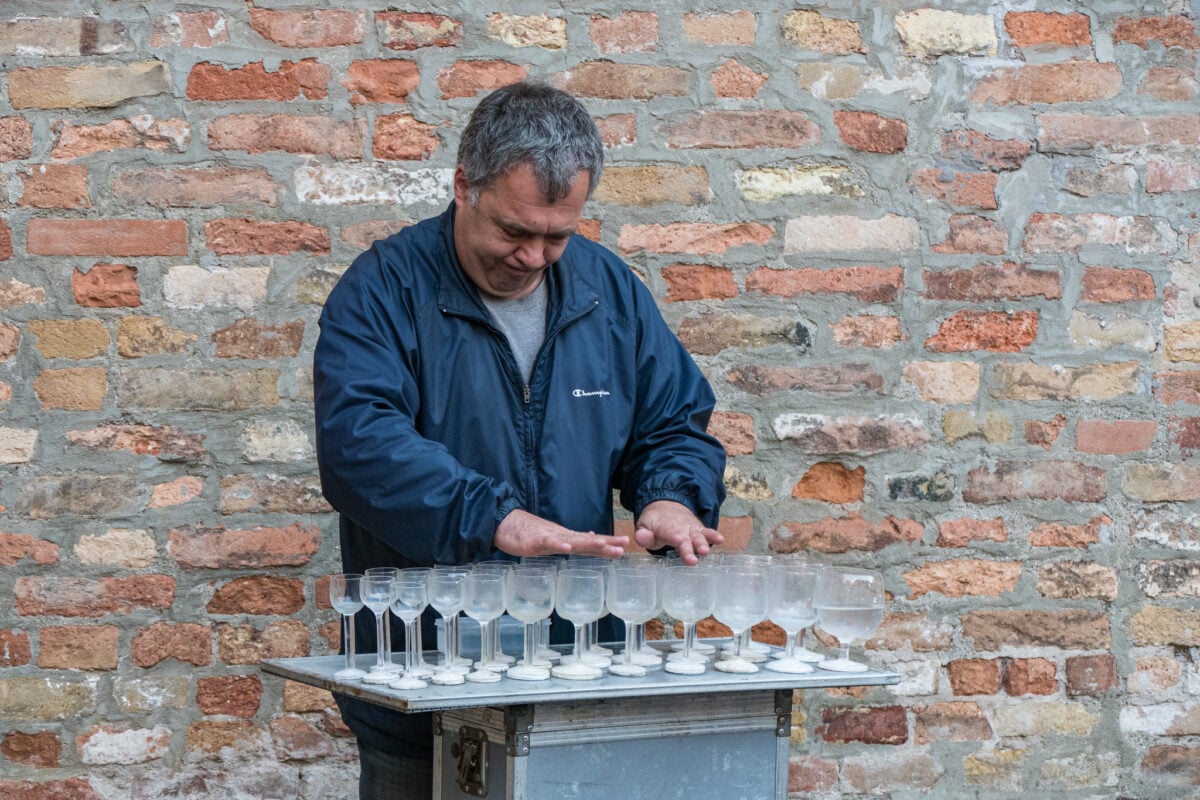
Glass instruments date back centuries, but modern glass artists have expanded what’s possible. Glass harmonicas use spinning glass bowls that produce sound when touched with wet fingers.
Glass marimbas arrange tuned glass tubes that ring when struck with mallets. The material’s resonance creates sounds that linger in the air.
Benjamin Franklin invented the glass harmonica in the 1700s, improving on the practice of making music with wine glasses. Modern builders have created entire orchestras of glass instruments, from violins to trumpets.
The material is fragile and expensive, but the sound quality justifies the effort. Glass vibrates with a purity that other materials struggle to match, producing tones that feel almost supernatural.
Bicycle Parts

Chains, spokes, frames, and gears all produce sound when struck or strummed. Musicians have built guitars from bicycle frames, percussion instruments from wheels, and stringed instruments using brake cables.
The mechanical precision of bicycle parts translates surprisingly well into musical precision. The Musical Bike project transformed an entire bicycle into a playable instrument, with different parts producing different notes.
Pedaling powers some elements while hand-cranking activates others. The finished product sounds like a cross between a music box and a percussion ensemble.
Environmental musicians particularly like bicycle instruments because they repurpose materials that might otherwise end up in landfills.
Human Bones

Tibetan monks traditionally crafted trumpets from human thighbones, creating instruments used in religious ceremonies. The practice continues in some monasteries, though finding ethically sourced bones has become more difficult.
The instruments produce deep, haunting tones used to accompany chanting and meditation. Modern musicians have experimented with bone instruments, though usually using animal bones rather than human ones.
The material produces sounds distinctly different from wood or metal, with a warmth that feels organic. Bone flutes date back tens of thousands of years, making them among the oldest known instruments.
The material connects modern music to practices that predate recorded history.
Rubber
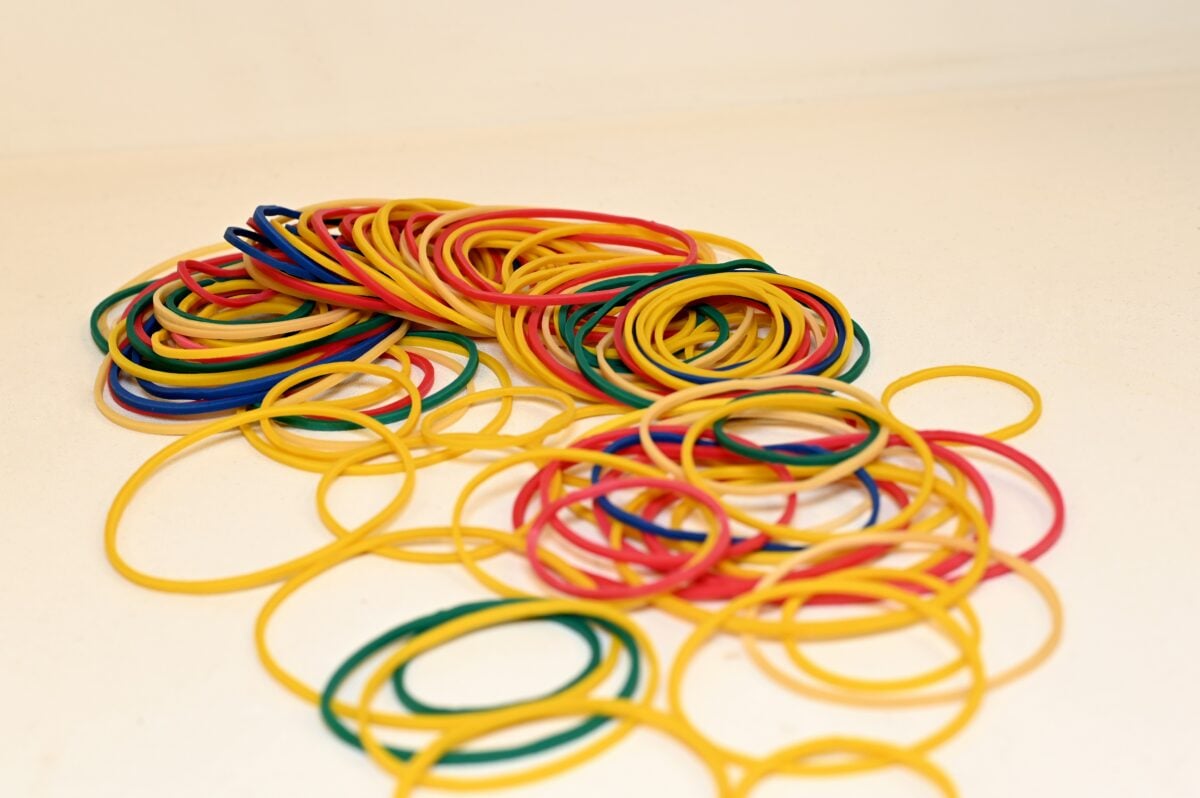
Rubber bands stretched across boxes create simple stringed instruments, but serious musicians have taken the concept much further. Rubber membranes stretched over frames produce drums with unique tonal qualities.
Rubber hoses can be played like wind instruments, producing sounds that range from deep rumbles to squeaky whistles depending on tension and length. The Material Band built an entire performance around rubber instruments, creating sounds that traditional materials couldn’t replicate.
Rubber produces both musical tones and rhythmic percussion, sometimes in the same instrument. The elasticity allows for pitch bending and vibrato effects that rigid materials can’t achieve.
Musicians discovered that tire inner tubes work particularly well, offering consistent thickness and tension.
Stone

Stone instruments predate written history, with examples found in archaeological sites worldwide. Lithophones use carefully tuned rocks that ring when struck, producing clear musical notes.
Different types of stone produce different tones, with some rocks sounding like bells while others produce duller thuds. The Ancient Stones Orchestra in England performs on stone instruments, including a stone xylophone that weighs several tons.
Limestone and slate work particularly well because their crystalline structure vibrates predictably. Volcanic rock produces darker tones while metamorphic rock creates brighter sounds.
The instruments last indefinitely, with some ancient stone chimes still producing the same notes they did thousands of years ago.
Paper

Origami techniques can transform paper into functional wind instruments. Paper drums, when properly constructed, produce surprisingly good sound.
The material is cheap and accessible, making it popular for experimental and educational music projects. Japanese musicians have created entire orchestras from paper, proving the material can handle serious performance demands.
The instruments don’t last long compared to traditional materials, but they serve their purpose. Paper resonates differently than wood or metal, producing sounds that feel delicate and temporary.
Some composers specifically write music for paper instruments, designing pieces that acknowledge the material’s fragility.
Scrap Metal
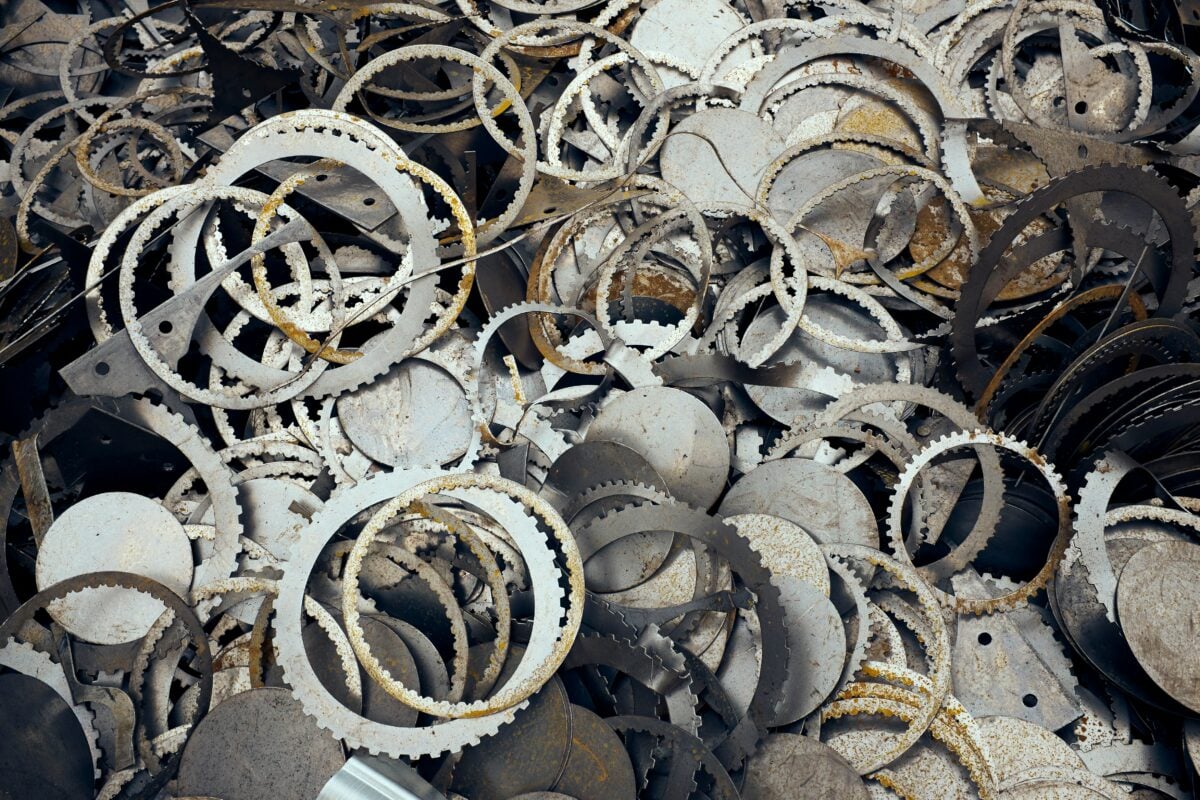
Junk percussion groups build instruments from discarded industrial materials. Oil drums become steel pans, brake discs turn into bells, and exhaust pipes serve as wind instruments.
The raw material costs nothing, though the labor to tune and prepare the metal takes considerable skill. Caribbean steel drum makers pioneered this approach, transforming oil barrels into sophisticated melodic instruments.
The tradition spread globally, with musicians discovering that almost any metal can produce musical tones with proper treatment. Scrap metal orchestras now perform complex classical pieces on instruments that started as trash.
The finished products often sound as good as professionally manufactured percussion instruments.
Cactus

Dried cactus skeleton creates excellent resonating chambers for stringed instruments. The woody interior of large cacti like saguaro has acoustic properties similar to traditional tonewoods.
Native American musicians have used cactus to make rain sticks and percussion instruments for centuries. Modern luthiers experiment with cactus wood for guitars and ukuleles, finding that the material produces bright, clear tones.
The internal structure of the cactus creates natural acoustic chambers that amplify sound effectively. Environmental concerns limit how much can be harvested, but fallen cacti provide enough material for small-scale instrument production.
The desert plant creates sounds that carry hints of the arid landscape where it grew.
Clay
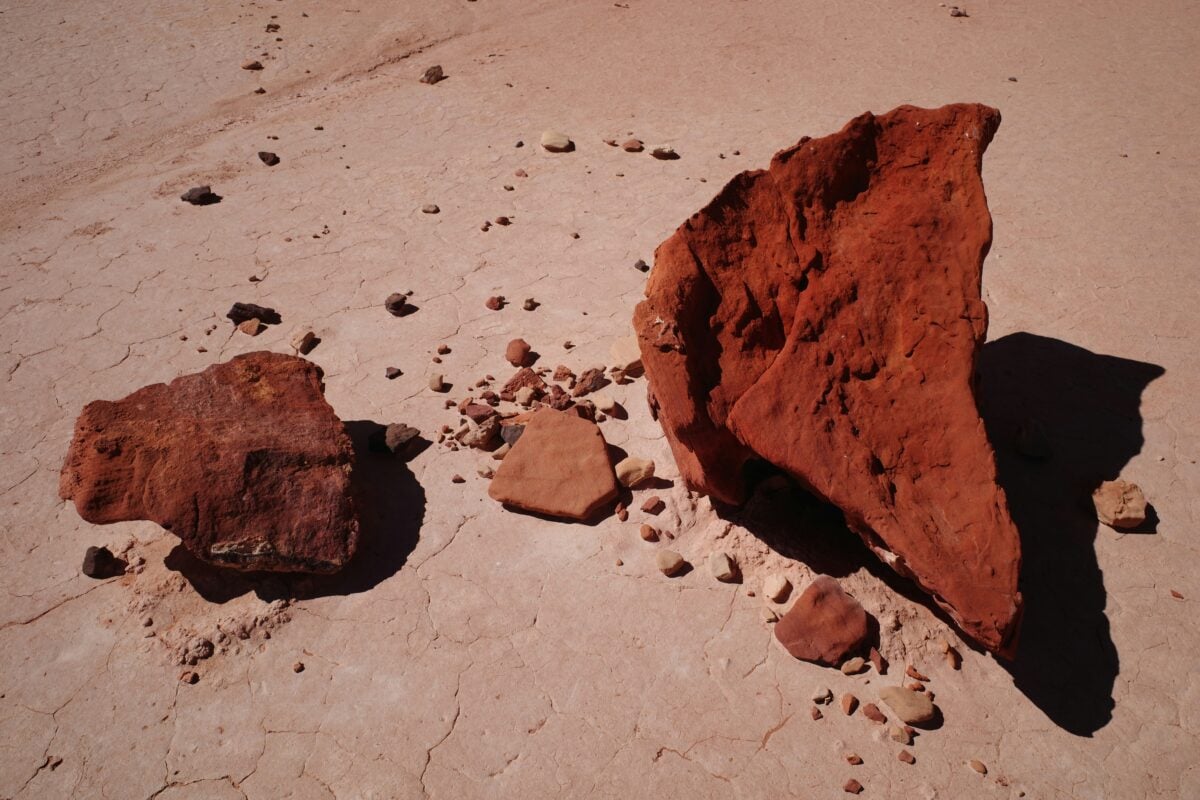
Ceramic instruments date back millennia, with ocarina-style vessels found in ancient civilizations worldwide. Clay flutes, drums, and bells all produce distinctive sounds that differ from instruments made from other materials.
The firing process determines the final acoustic properties, with temperature and clay composition affecting tone quality. Modern ceramic artists create playable sculptures that function as instruments.
The material allows for complex shapes impossible with wood or metal. Clay resonates with warmth that feels earthy and organic.
Some builders deliberately leave surfaces unglazed to create friction that produces unique tonal effects when played. The instruments are fragile but produce sounds that glazed ceramic can’t match.
Computer Hard Drives

Electronic musicians discovered that old hard drives produce sounds when electrical signals control their mechanical parts. The read/write heads move across platters with precision, creating controllable pitches and rhythms.
Multiple drives working together can play melodies or create complex percussion patterns. Artists have built orchestras from recycled computer parts, programming the drives to play classical compositions.
The mechanical whirring and clicking that normally indicates computer activity becomes deliberate music. The sound is distinctly digital and mechanical, celebrating technology rather than hiding it.
The instruments repurpose electronic waste into something beautiful, turning obsolescence into artistic opportunity.
Sound From Anything

One thing ties these odd tools together – way past the weird stuff they’re made from. A person saw something regular, yet listened for potential rather than purpose.
Rules about proper instruments? Tossed aside. Trial followed trial till things clicked.
The top builders know materials affect tone – yet limits aren’t set by stuff alone. Try crafting tunes from frozen water that drips away, veggies going soft, or junk headed for dumps.
What counts is the rhythm, not what it’s made of. All things hum when you learn to hear them.
More from Go2Tutors!

- The Romanov Crown Jewels and Their Tragic Fate
- 13 Historical Mysteries That Science Still Can’t Solve
- Famous Hoaxes That Fooled the World for Years
- 15 Child Stars with Tragic Adult Lives
- 16 Famous Jewelry Pieces in History
Like Go2Tutors’s content? Follow us on MSN.