15 Multiplayer Games that Ruled the 2000s
The 2000s marked a golden era for multiplayer gaming. This was the decade when online play went mainstream, local split-screen reached its peak, and developers figured out how to make virtual worlds feel alive with real human connections.
From basement LAN parties to the birth of Xbox Live, this period laid the foundation for modern multiplayer gaming. Here’s a list of 15 multiplayer games that truly dominated the 2000s landscape and shaped how we play together today.
Halo: Combat Evolved
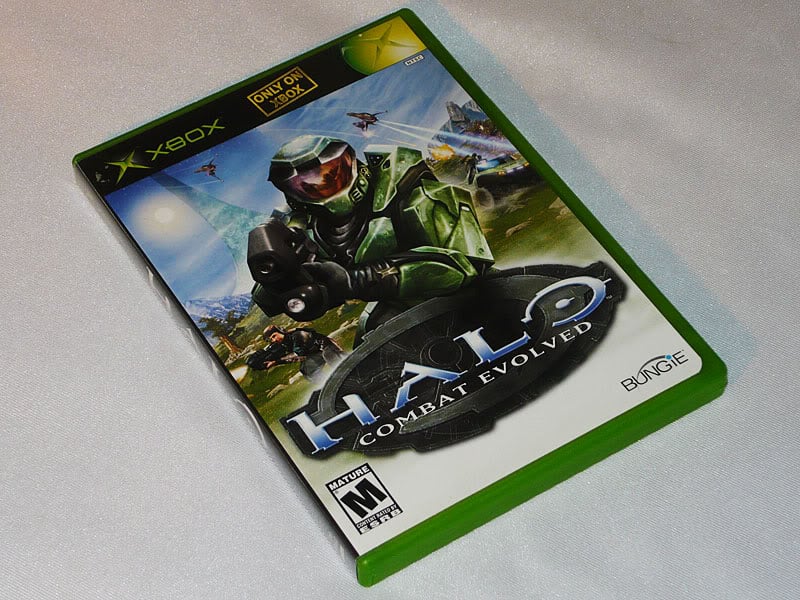
When Halo launched with the original Xbox in 2001, it didn’t just sell consoles—it created a religion. The game’s four-player split-screen multiplayer turned living rooms into battlegrounds where friends became enemies over Blood Gulch supremacy.
Combat Evolved proved that console shooters could rival their PC counterparts, with tight controls and perfectly balanced weapon gameplay. Those legendary LAN parties where people lugged their chunky Xbox consoles to friends’ houses became the stuff of gaming folklore.
Counter-Strike
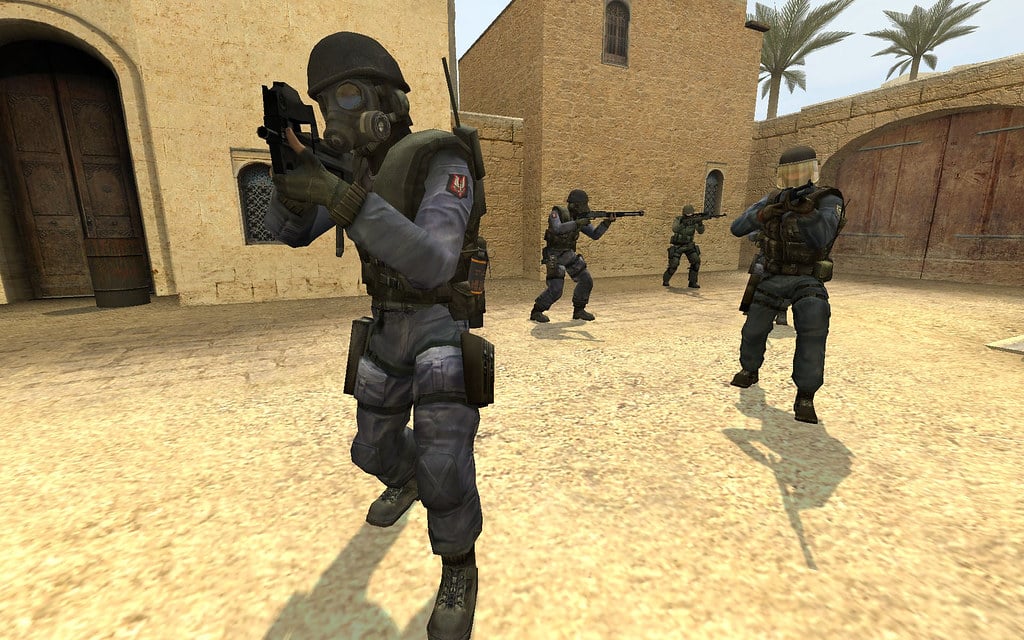
Starting life as a Half-Life mod, Counter-Strike became the most influential competitive shooter of the decade. The tactical gameplay demanded precision, teamwork, and nerves of steel—one mistake could cost your team the entire round.
Internet cafes worldwide echoed with the sounds of AK-47s and the frustrated yells of players who got headshot while defusing bombs. This game practically invented esports as we know it, turning basement tournaments into professional leagues.
Halo 2
If Halo: Combat Evolved was the appetizer, Halo 2 was the main course that left everyone wanting more. Released in 2004, it revolutionized console online gaming with Xbox Live integration and matchmaking systems that actually worked.
The game sold over 8 million copies and had players logging more than 710 million hours on Xbox Live. Those late-night voice chat sessions while waiting for matches created friendships that lasted well beyond the game itself.
World of Warcraft
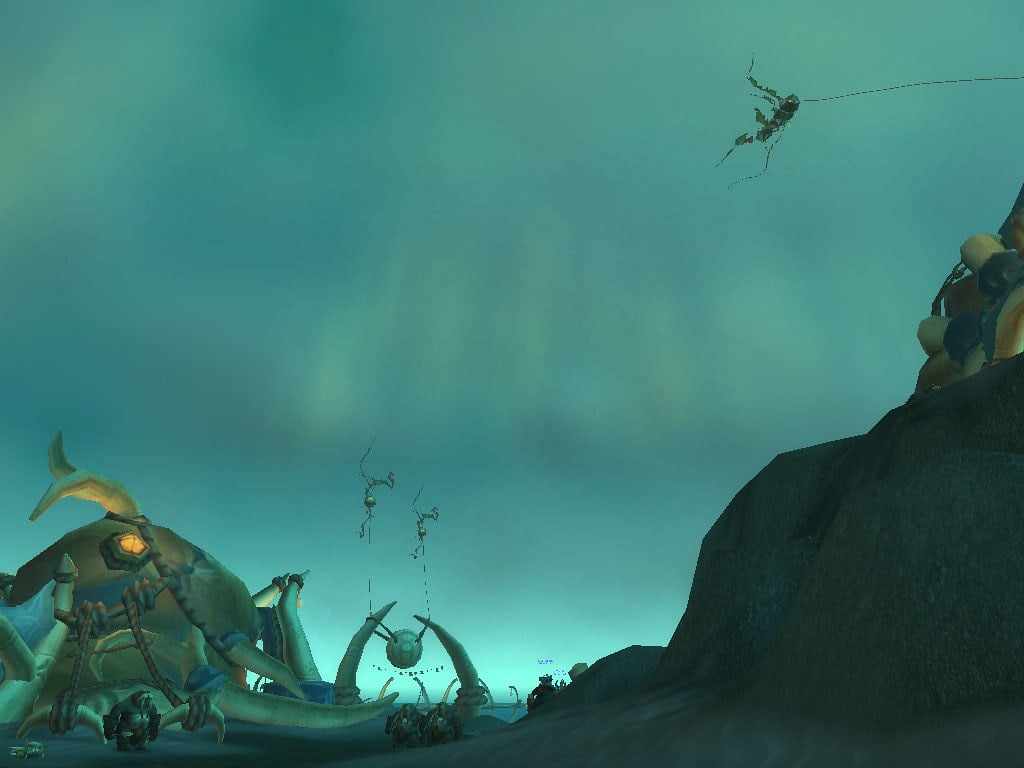
Blizzard took the MMORPG concept and made it accessible to millions. WoW launched in 2004 and quickly became a cultural phenomenon that pulled players into Azeroth for thousands of hours.
The game’s brilliant quest system, addictive progression mechanics, and seamless multiplayer integration made it feel less like a game and more like a second life. Entire office buildings would empty out during lunch breaks as coworkers snuck off to complete dungeon runs together.
Call of Duty 4: Modern Warfare
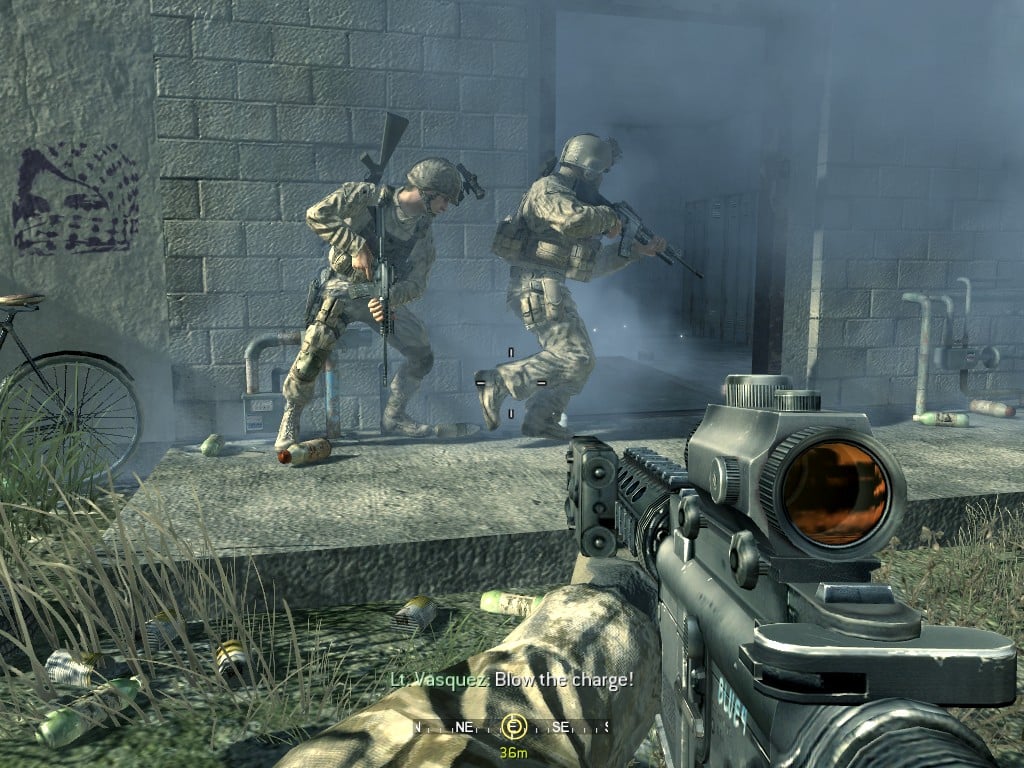
Modern Warfare didn’t just change the Call of Duty franchise—it rewrote the rules for multiplayer shooters entirely. The progression system with unlockable weapons and perks gave players constant goals to chase, while the refined gunplay made every match feel intense and personal.
This 2007 release popularized the ‘one more match’ mentality that kept players glued to their screens until sunrise, desperately chasing that next weapon unlock or prestige level.
Team Fortress 2
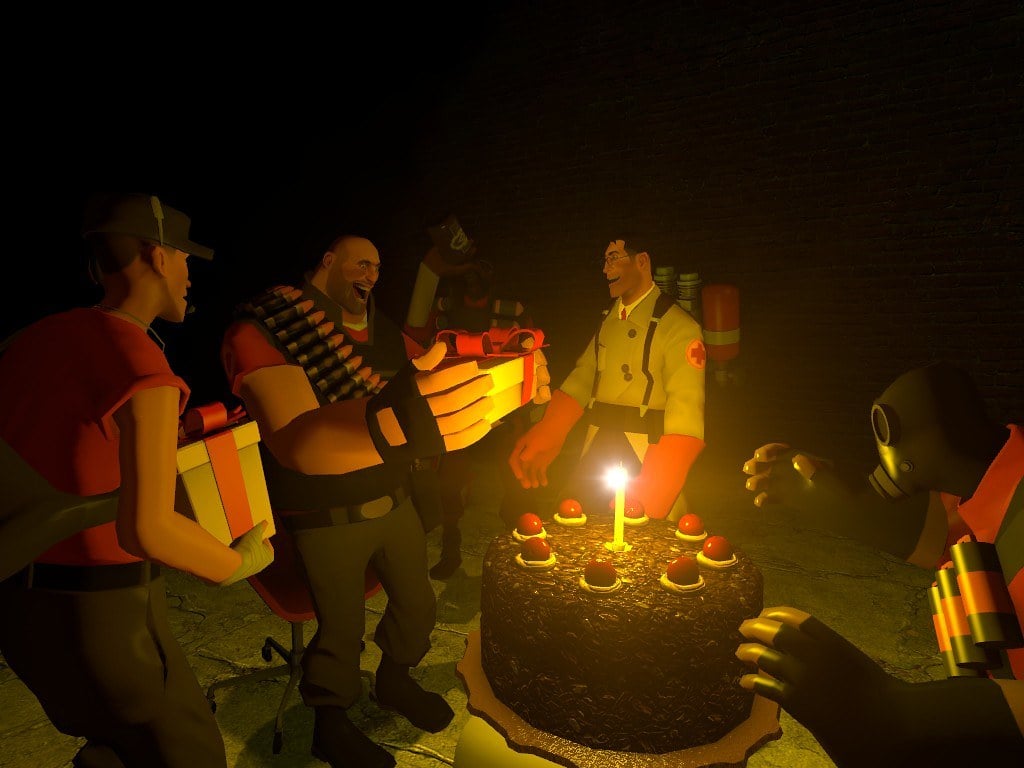
Valve’s class-based shooter proved that multiplayer games could have personality and humor without sacrificing competitive depth. Each of the nine classes felt distinct and essential, creating natural teamwork opportunities even among strangers.
The game’s cartoon art style has aged gracefully, and its community-driven content keeps it alive even today. TF2 showed that you could build a multiplayer game around cooperation rather than just individual skill, making it welcoming to newcomers while rewarding veteran players.
Super Smash Bros. Melee
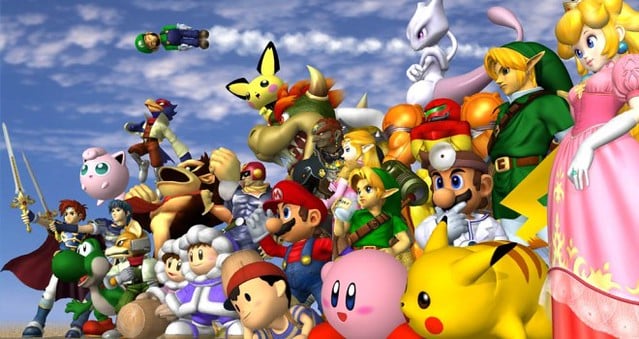
Nintendo’s fighting game accidentally became one of the most technically demanding competitive games ever made. What looked like a casual party fighter revealed incredible depth through advanced techniques that the developers never intended.
College dorm rooms became training grounds where players spent hundreds of hours perfecting wavedashes and L-canceling. The game’s tournament scene grew from small gatherings to massive events, proving that competitive gaming could thrive on any platform.
Unreal Tournament 2004
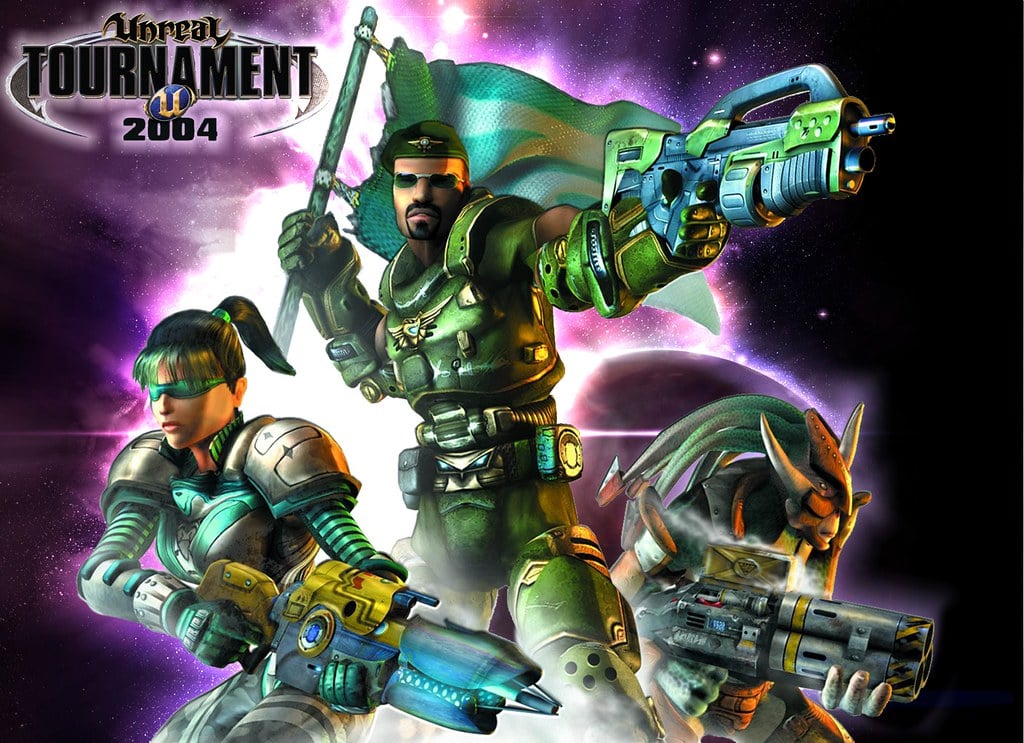
Epic Games delivered the ultimate arena shooter experience with UT2004, packing in more content than most players could explore in a lifetime. The game featured everything from intimate deathmatch arenas to massive vehicle-based battles that felt like sci-fi war movies.
The mod support was incredible, with the community creating everything from realistic military simulations to completely absurd game modes. This was PC gaming at its most pure and unapologetic.
Battlefield 1942
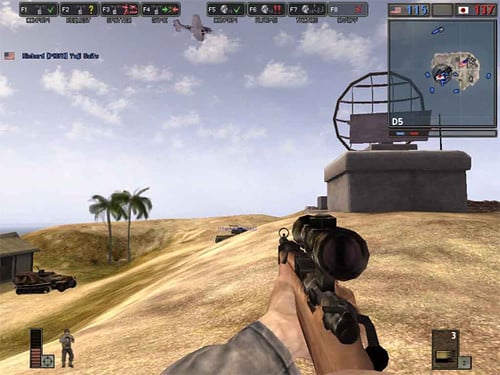
DICE created something special with their World War II multiplayer shooter that emphasized teamwork over individual heroics. Maps supported 64 players and featured tanks, planes, and ships that required coordination to use effectively.
The game made every player feel like part of a larger military operation rather than a lone wolf gunslinger. Those moments when your squad successfully captured a strategic point felt genuinely triumphant, like you’d contributed to something bigger than yourself.
Gears of War
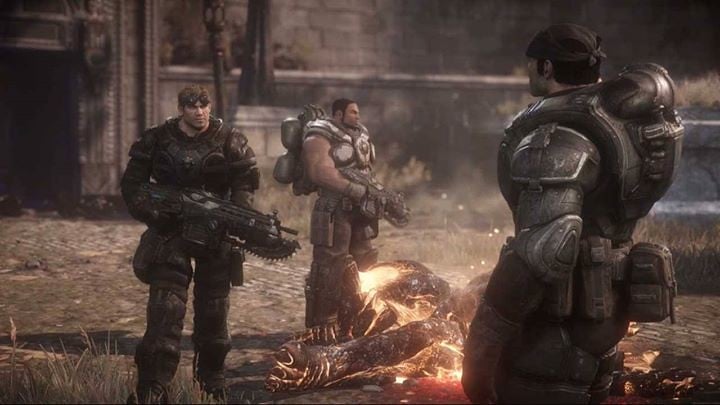
Epic Games brought something fresh to the third-person shooter space with their cover-based combat system and brutal finishing moves. The cooperative campaign could be played split-screen or online, creating shared moments of tension as players revived each other under heavy fire.
The multiplayer featured some of the most satisfying weapon mechanics ever created, particularly the iconic chainsaw bayonet that turned close-quarters combat into visceral spectacle.
Mario Kart: Double Dash
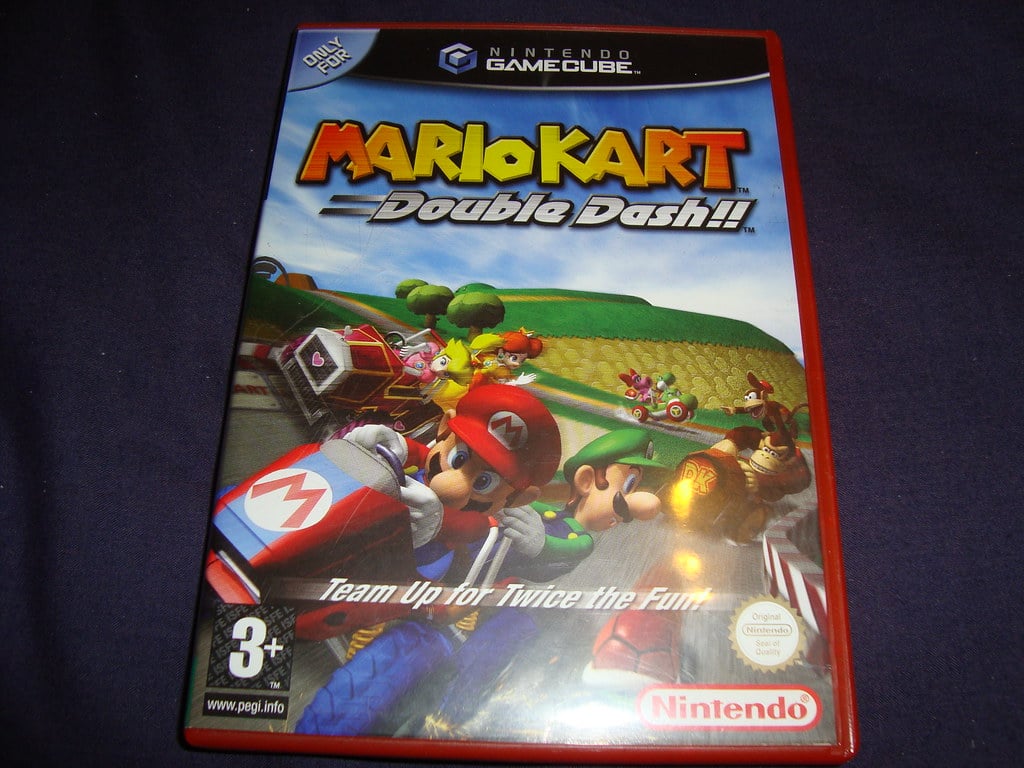
Nintendo’s GameCube racer introduced the brilliant concept of two riders per kart, creating a cooperative experience within a competitive framework. Friends could work together to dominate races or sabotage each other at the worst possible moments.
The game’s item system reached peak chaos in Double Dash, with special character-specific weapons and the ability to carry two items simultaneously. Those living room tournaments could destroy friendships faster than a well-timed blue shell in the final lap.
TimeSplitters: Future Perfect
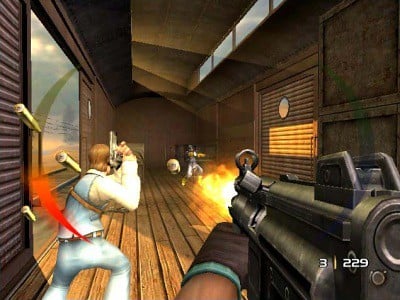
Free Radical Design created the most underrated multiplayer shooter of the decade with Future Perfect. The split-screen multiplayer supported up to four players and featured some of the most creative game modes ever devised, from virus infection battles to monkey assistant mayhem.
The weapon variety was incredible, spanning different time periods and ranging from realistic firearms to completely ridiculous future tech. The game’s sense of humor kept matches lighthearted even during intense competition.
Left 4 Dead
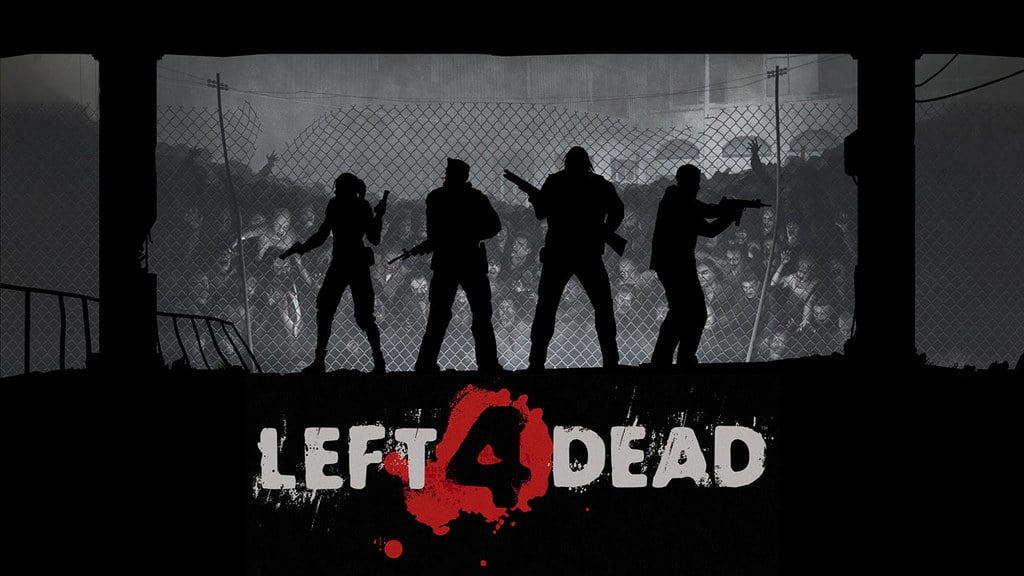
Valve revolutionized cooperative gaming with their zombie apocalypse shooter that required genuine teamwork to survive. The AI Director dynamically adjusted the difficulty based on player performance, ensuring that every playthrough felt unique and appropriately challenging.
Playing with friends created unforgettable moments of desperate cooperation, like covering each other during frantic escape sequences or making last-second rescues. The game proved that working together against computer enemies could be just as thrilling as competing against human opponents.
Guitar Hero II
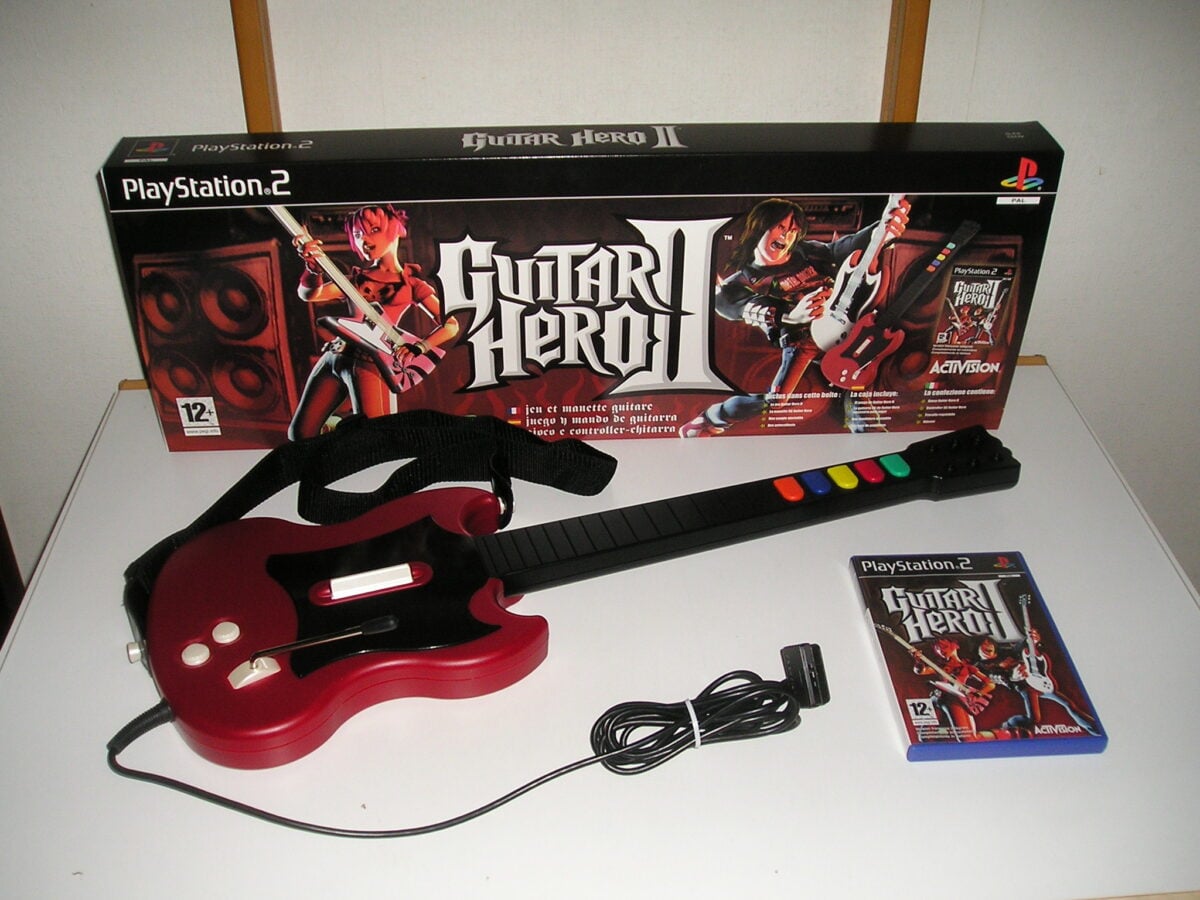
Harmonix transformed living rooms into concert venues with their music rhythm game that anyone could enjoy. The cooperative and competitive modes let friends form bands or battle for guitar supremacy using plastic instruments that somehow felt authentic.
Those party gatherings where everyone took turns attempting to conquer ‘Through the Fire and Flames’ on expert difficulty became legendary social events. The game democratized musical performance, letting anyone feel like a rock star for three and a half minutes.
RuneScape
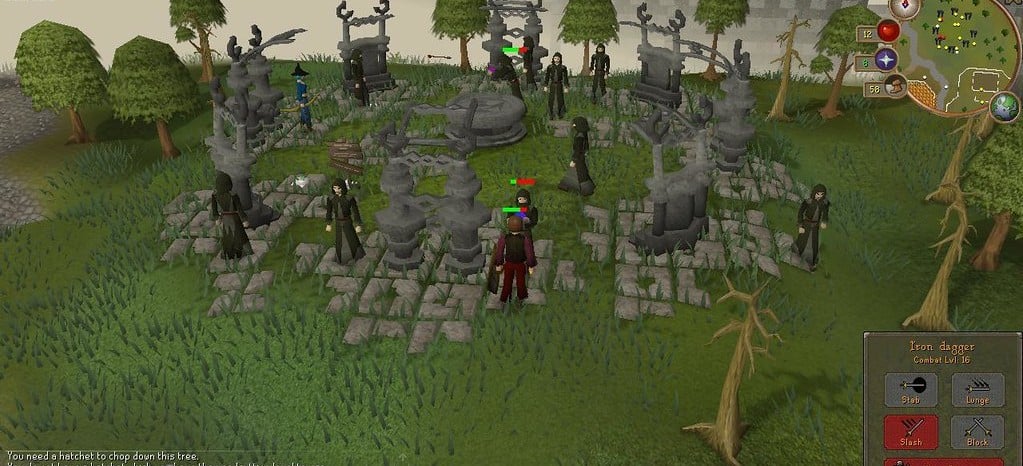
Jagex created one of the most accessible MMORPGs ever made with their browser-based fantasy adventure. The game required no downloads or special hardware—just a web browser and internet connection.
This low barrier to entry made it incredibly popular in schools and libraries where traditional gaming was restricted. The simple graphics hid surprisingly deep gameplay systems, with skills that took months to master and a player-driven economy that felt genuinely meaningful.
When Gaming Became Social
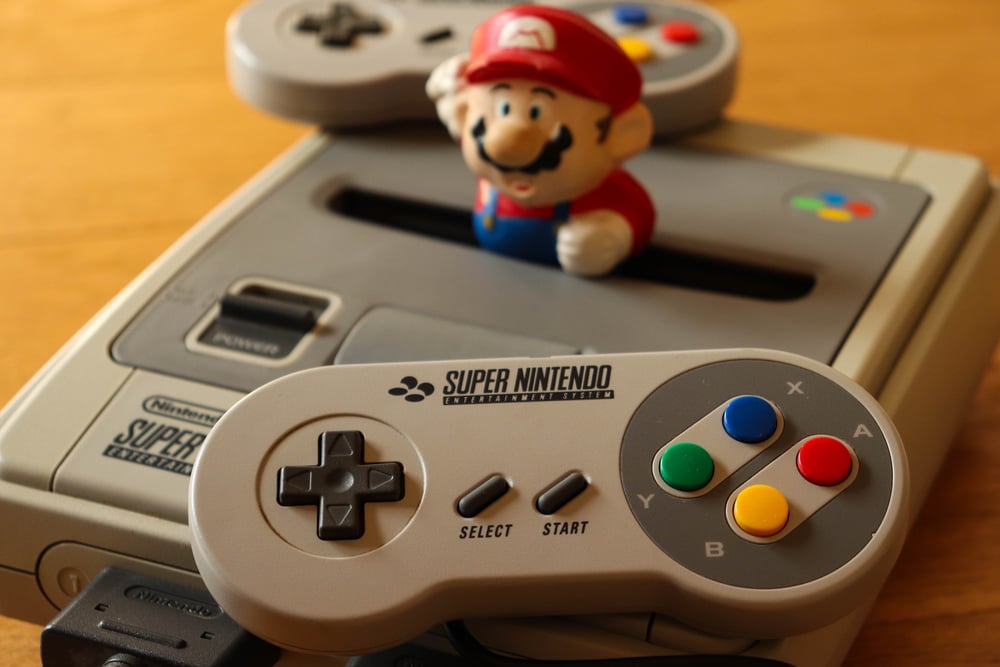
— Photo by manuel.zanoni@gmail.com
The multiplayer games of the 2000s didn’t just entertain us—they fundamentally changed how we think about interactive entertainment. These titles proved that the most memorable gaming moments happen when you’re playing with other people, whether they’re sitting right next to you or connected from thousands of miles away.
The decade established online gaming as a mainstream social activity and showed that virtual worlds could foster real relationships. Today’s gaming landscape owes everything to the pioneering multiplayer experiences that ruled the 2000s.
More from Go2Tutors!

- The Romanov Crown Jewels and Their Tragic Fate
- 13 Historical Mysteries That Science Still Can’t Solve
- Famous Hoaxes That Fooled the World for Years
- 15 Child Stars with Tragic Adult Lives
- 16 Famous Jewelry Pieces in History
Like Go2Tutors’s content? Follow us on MSN.