15 Monuments Built After Tragedy
Throughout history, humanity has responded to devastating loss by creating something enduring. These monuments don’t erase the pain or bring back what was lost, but they offer something else entirely: a place where memory becomes permanent, where grief transforms into something larger than itself. The impulse to build after destruction seems almost instinctive, as if stone and steel could somehow hold what words cannot.
Vietnam Veterans Memorial
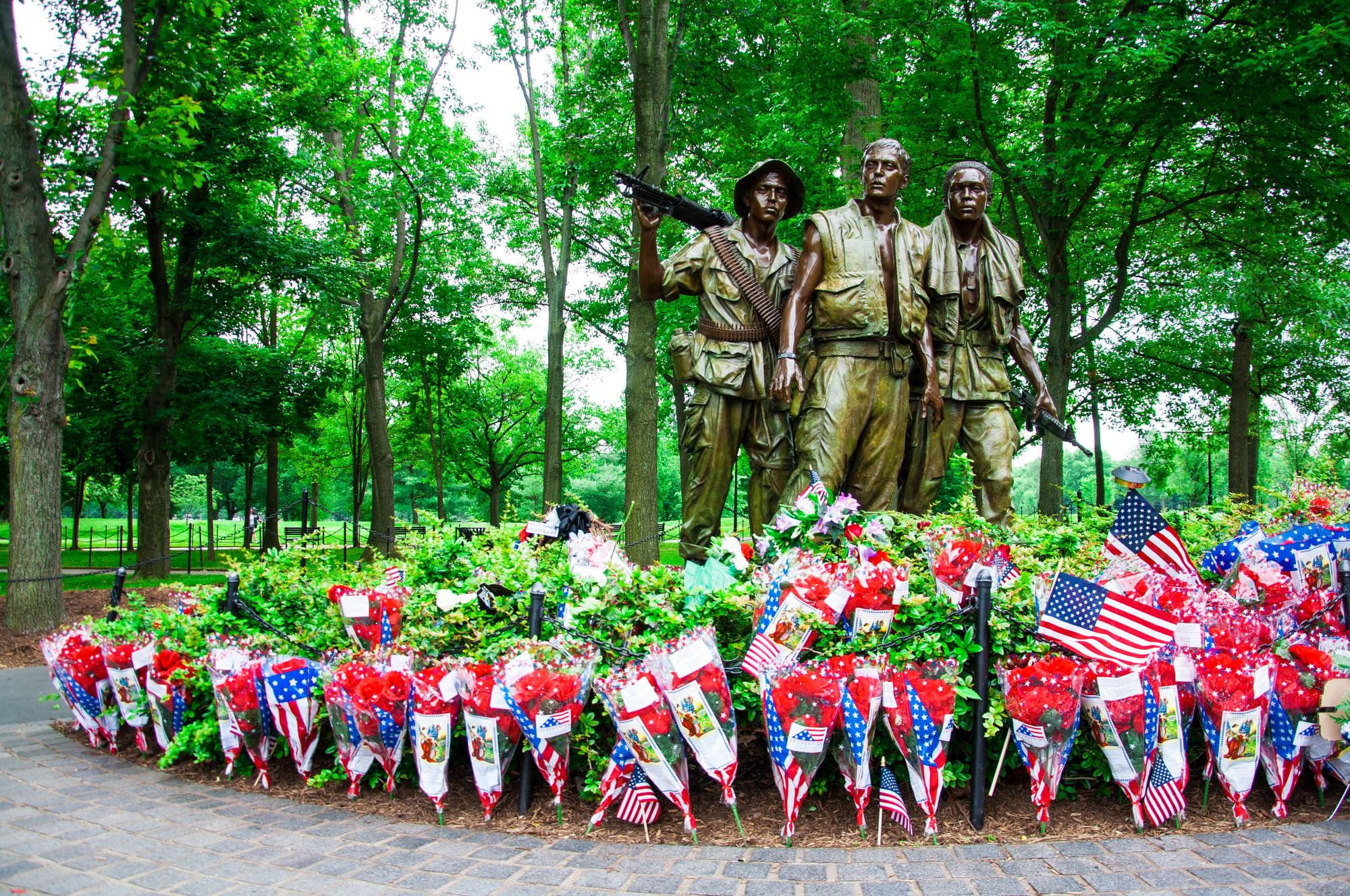
The wall appears almost accidentally, emerging from the earth at a gentle angle rather than demanding attention from the sky. Maya Lin’s design sparked controversy when it was first proposed—critics called it a “black gash of shame”—but time proved them wrong.
The polished granite reflects both the names of the dead and the faces of the living, creating an encounter that catches visitors off guard every time.
Oklahoma City National Memorial
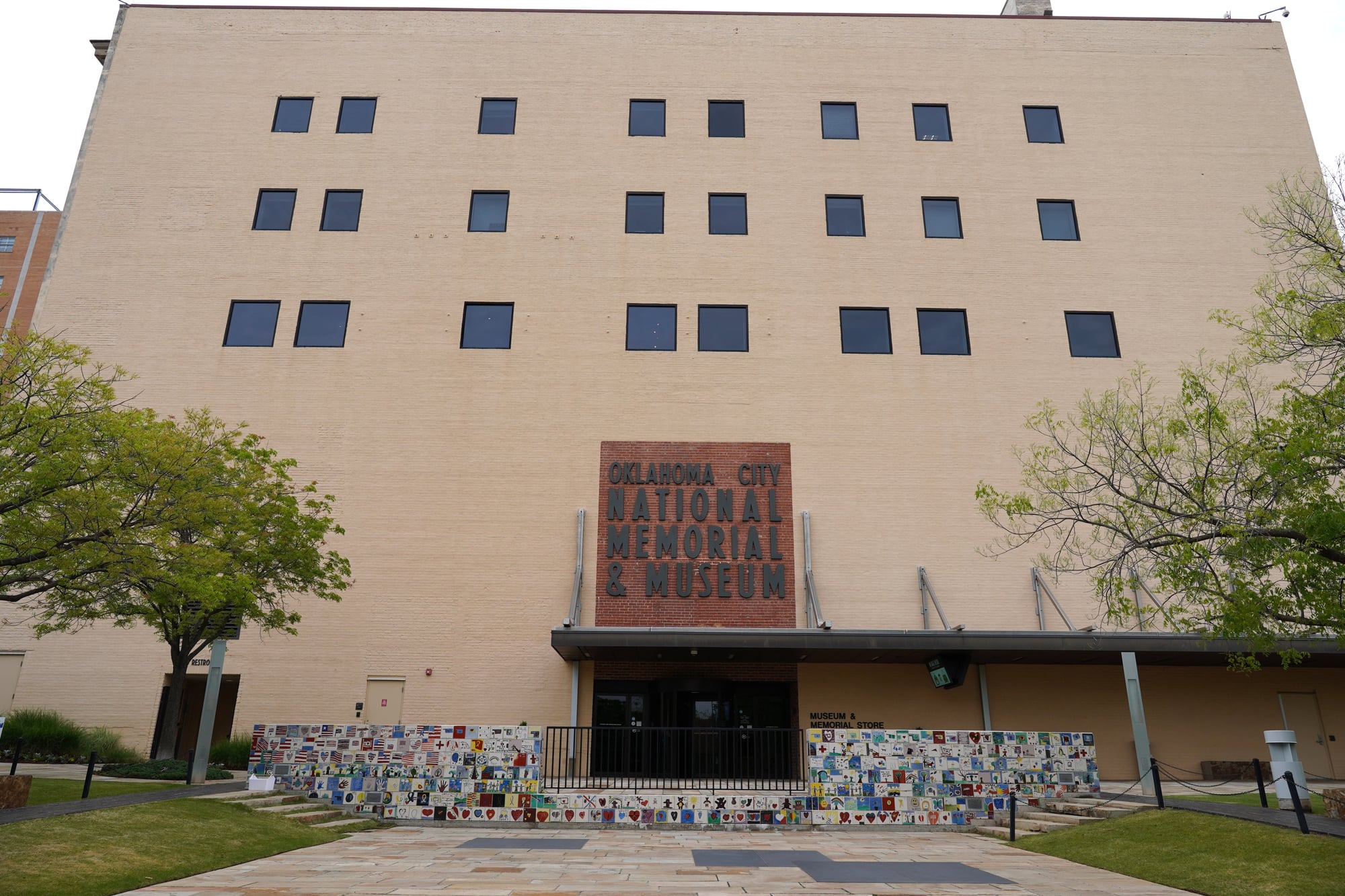
The chairs sit empty in perfect rows, translucent and glowing when the light hits them right. One hundred sixty-eight of them (with nineteen smaller ones for the children who died that April morning in 1995), each one bearing a name, each one representing a life that ended when Timothy McVeigh’s truck bomb tore through the Alfred P. Murrah Federal Building.
But here’s the thing that gets overlooked: the memorial doesn’t focus on the destruction—it insists on the lives that were interrupted.
Ground Zero Memorial and Museum
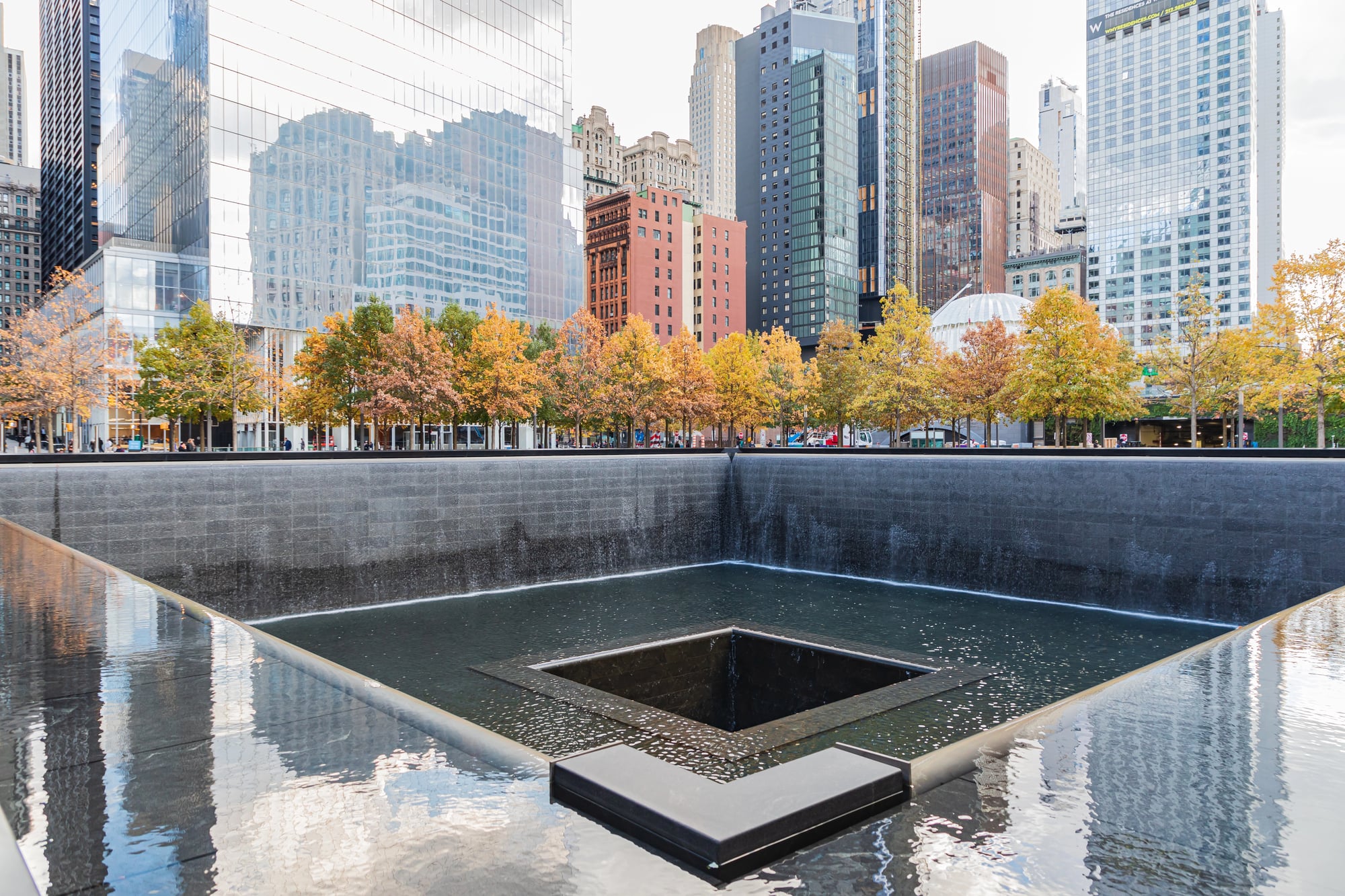
Water falls into absence where the Twin Towers once stood, and the sound it makes—that constant, gentle roar—drowns out the noise of the city above (which seems both appropriate and impossible, given that this is Manhattan we’re talking about). The names etched around each pool tell only part of the story, though; the real weight lives in what’s not there, in the negative space that refuses to be filled.
So visitors find themselves staring into voids that seem to go deeper than physics should allow, while the water disappears into darkness that feels less like a drain and more like a question that doesn’t have an answer. And yet people keep coming, keep looking, keep trying to understand something that probably can’t be understood—which might be the point.
Hiroshima Peace Memorial
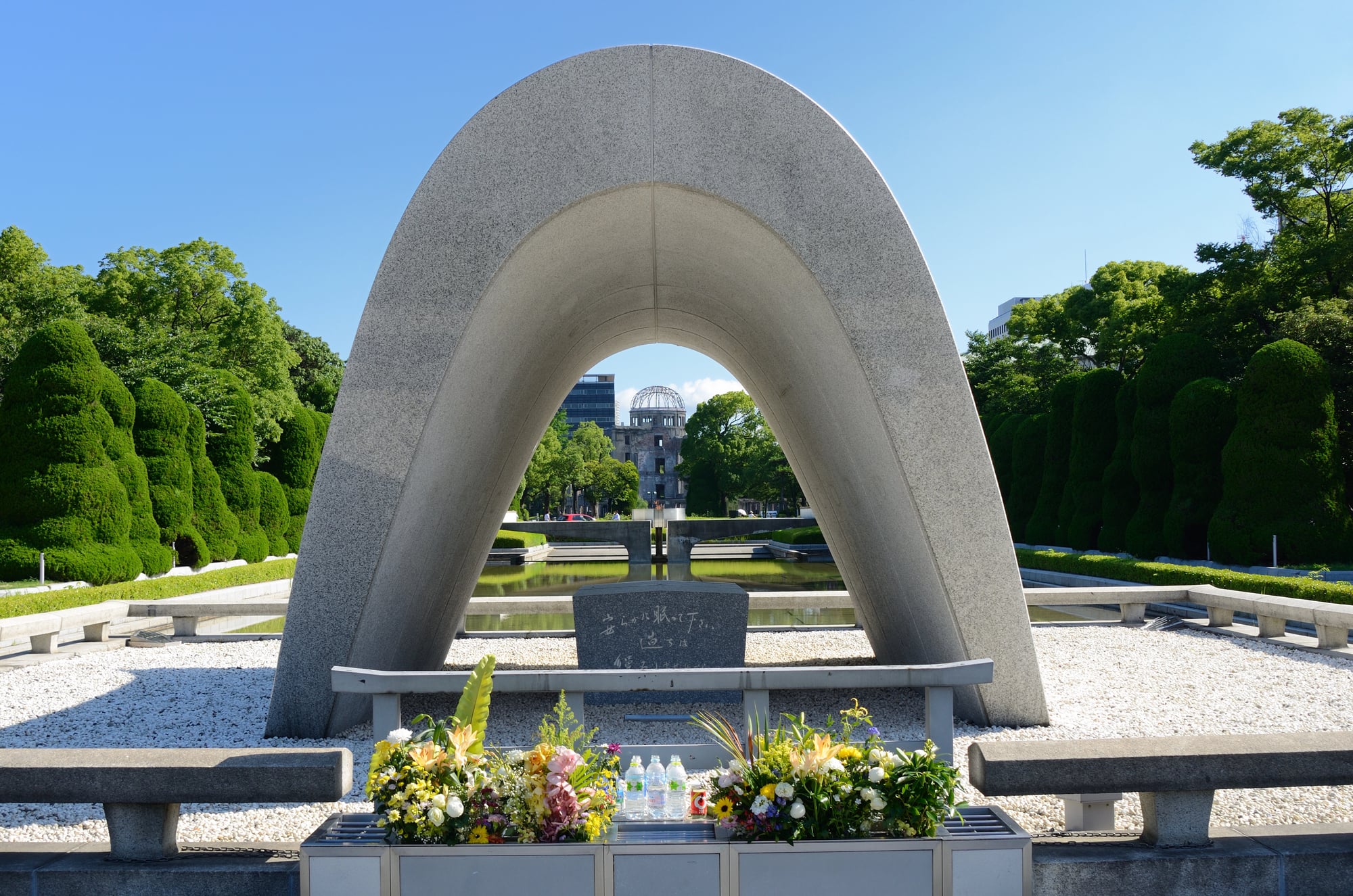
The dome stands because it was almost directly beneath the bomb when it detonated, and structural forces that should have destroyed it instead preserved its skeleton in a way that defies easy explanation. It’s become something like a fossil of that moment, August 6th, 1945, when the world changed in ways that are still rippling outward.
The building doesn’t commemorate war or victory—it simply insists on the possibility of a world where such things never happen again.
Columbine Memorial
The memorial sits in a place where teenagers used to eat lunch and complain about tests and figure out who they wanted to ask to prom—ordinary teenage stuff that feels impossibly precious now. It’s smaller than you might expect, more intimate than grand, because the tragedy it commemorates was ultimately about individual lives cut short rather than abstract concepts like war or terrorism.
The design acknowledges something that larger memorials sometimes miss: that some losses are too personal to be transformed into symbols, that some grief needs to remain specific and particular rather than universal.
But there’s a tension here that other memorials don’t have to navigate—the question of how to remember victims without inadvertently creating a shrine to the perpetrators (who were, after all, students at the same school). So the memorial focuses on hope and resilience, on the capacity of a community to heal itself, while carefully avoiding anything that might glorify violence or inspire copycats.
The result is a space that feels genuinely peaceful rather than mournful, which takes considerable skill to pull off. And the fact that it sits on the grounds of a rebuilt school—where new students walk past it every day on their way to class—suggests something about the stubborn persistence of ordinary life, the way it insists on continuing even in places where terrible things have happened.
Pulse Nightclub Memorial
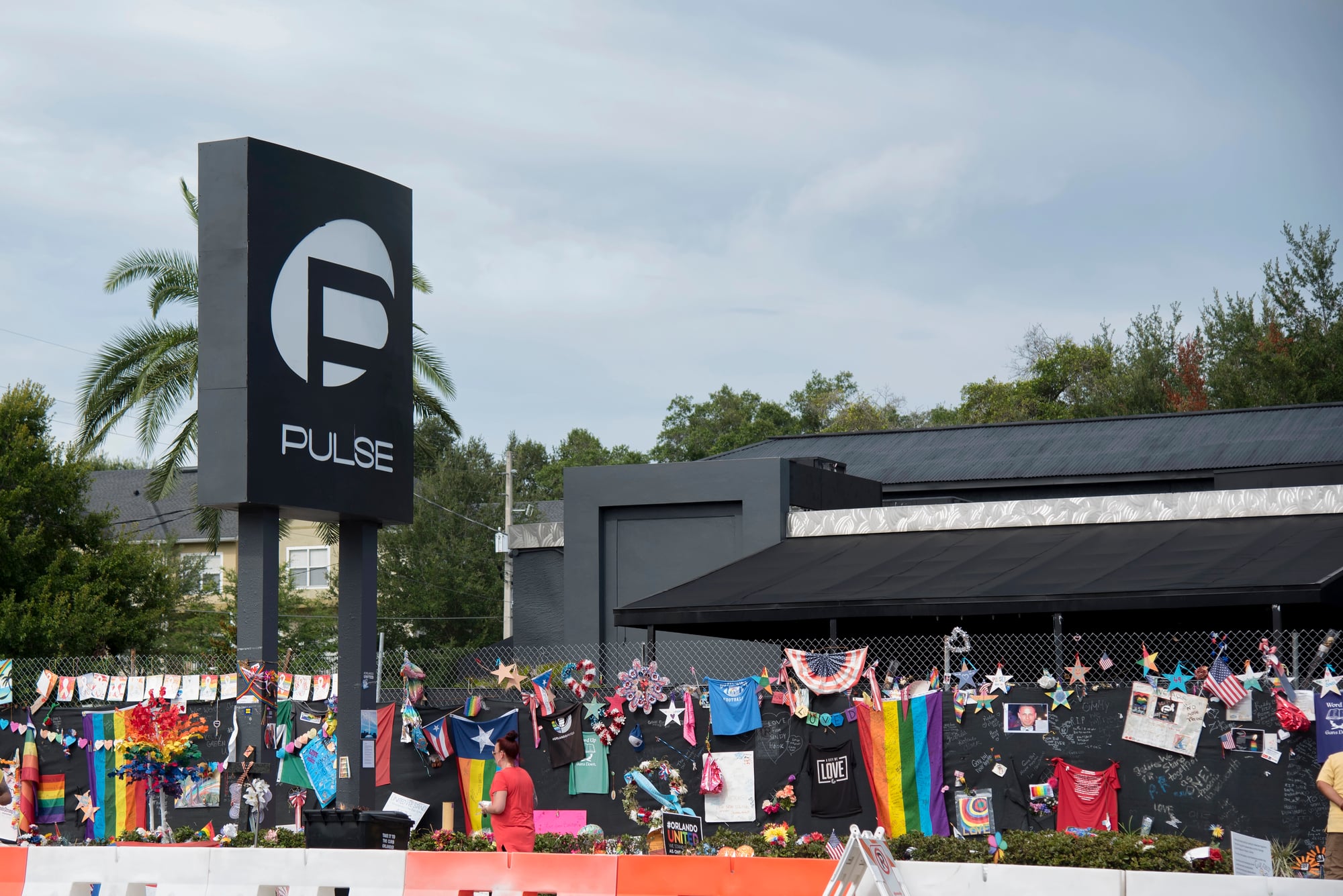
The memorial has to carry weight that goes beyond the forty-nine lives lost that night in Orlando. It represents an attack on a community that was already vulnerable, a space that was supposed to be safe turned into a site of violence.
The challenge was creating something that honored both the specific tragedy and the broader struggle for acceptance and dignity.
The design acknowledges this complexity without trying to solve it. Instead, it creates space for the kind of grief that doesn’t have easy answers.
Memorial to the Murdered Jews of Europe
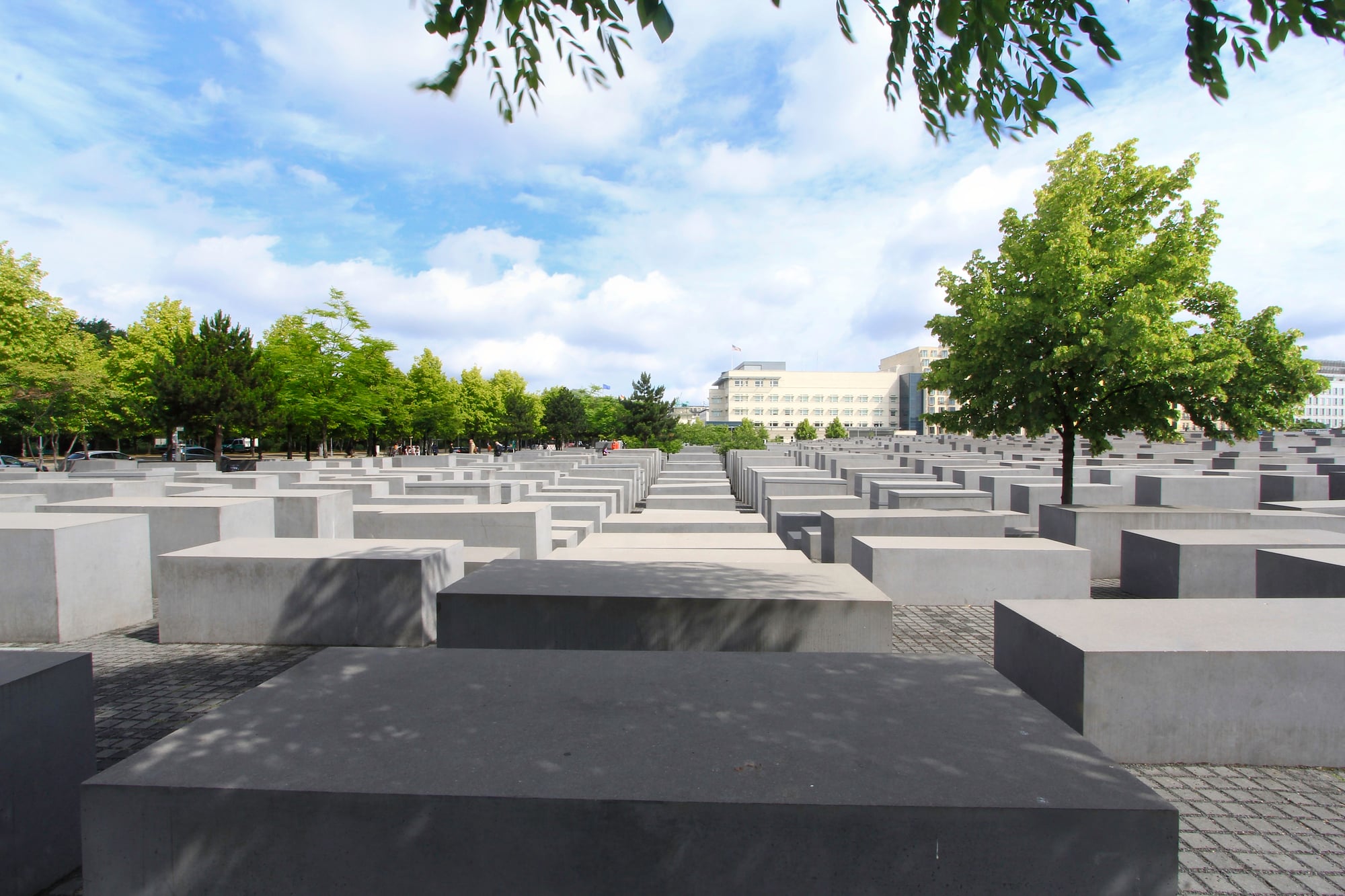
The field of concrete blocks in Berlin doesn’t announce itself with plaques or explanations—you have to figure out what it means as you walk through it. The blocks vary in height, creating a landscape that shifts from ankle-high obstacles to towering walls that block out the sky, and the effect is deliberately disorienting.
You lose sight of the people walking parallel paths just a few feet away, lose your sense of direction, lose your bearings entirely.
It’s a memorial that works on your body rather than your intellect, creating an experience of isolation and confusion that might approximate some small fraction of what its subjects endured. But the genius is in what it doesn’t do—it doesn’t try to represent the unrepresentable, doesn’t attempt to create equivalent suffering, doesn’t pretend that a walk through concrete blocks could somehow make you understand genocide.
Instead, it creates space for contemplation and discomfort, for the kind of thinking that happens when you’re slightly lost and can’t see where you’re going. And the fact that it sits in the heart of Berlin, surrounded by the ordinary business of a modern city, means you can’t separate the memorial from the place where the decisions were made.
Sandy Hook Memorial
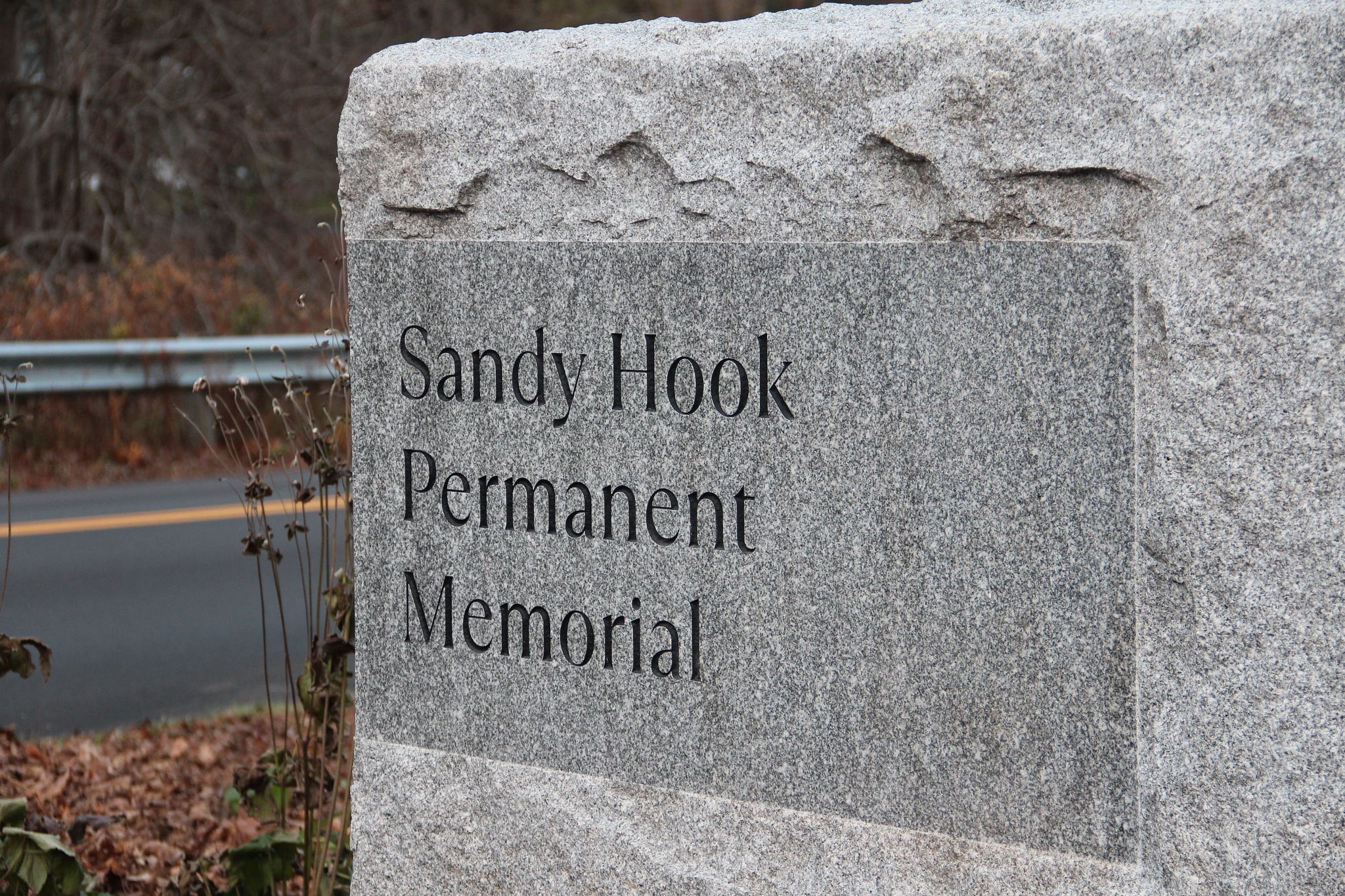
The memorial had to navigate territory that no community should have to cross. Twenty first-graders and six educators, murdered in a place that should have been the safest spot in their small Connecticut town.
The challenge was creating something that could hold that level of loss without becoming unbearable, something that honored the victims without sensationalizing the violence.
The solution was radical simplicity. A memorial that speaks quietly rather than shouting, that creates space for private grief rather than public spectacle.
Because some tragedies are too raw, too close to home, to be transformed into symbols of anything larger than themselves.
Lorraine Motel Memorial
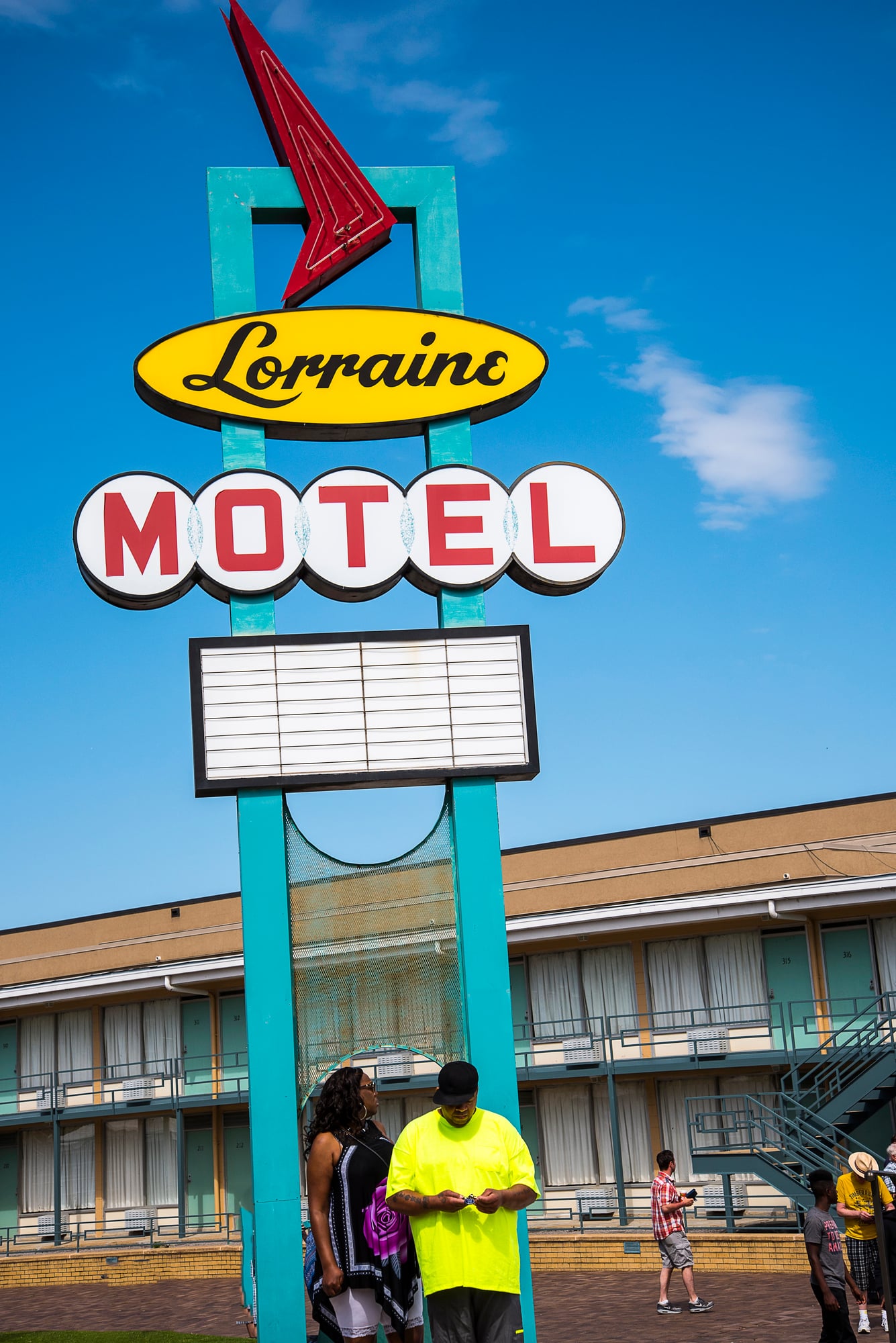
The balcony where Martin Luther King Jr. stood that April evening in Memphis has been preserved exactly as it was, down to the arrangement of furniture in the rooms below—and there’s something almost unbearable about that level of preservation, as if time stopped at 6:01 PM on April 4th, 1968, and never started again. Walking through the museum feels like moving through a photograph, everything frozen in the moment before the shot that changed everything.
But the memorial doesn’t end with the assassination (which would be a strange place to leave the story of someone whose life was about much more than how it ended). Instead, it places that terrible moment in the context of the larger movement, the ongoing struggle for justice and equality that didn’t die on that balcony.
So visitors leave thinking not about how King died, but about how he lived and what he was trying to accomplish.
And the fact that the memorial sits in a neighborhood that’s still struggling with many of the same issues King was fighting against adds a layer of complexity that keeps the place from becoming a museum piece. The civil rights movement isn’t ancient history here—it’s still happening.
Srebrenica Memorial
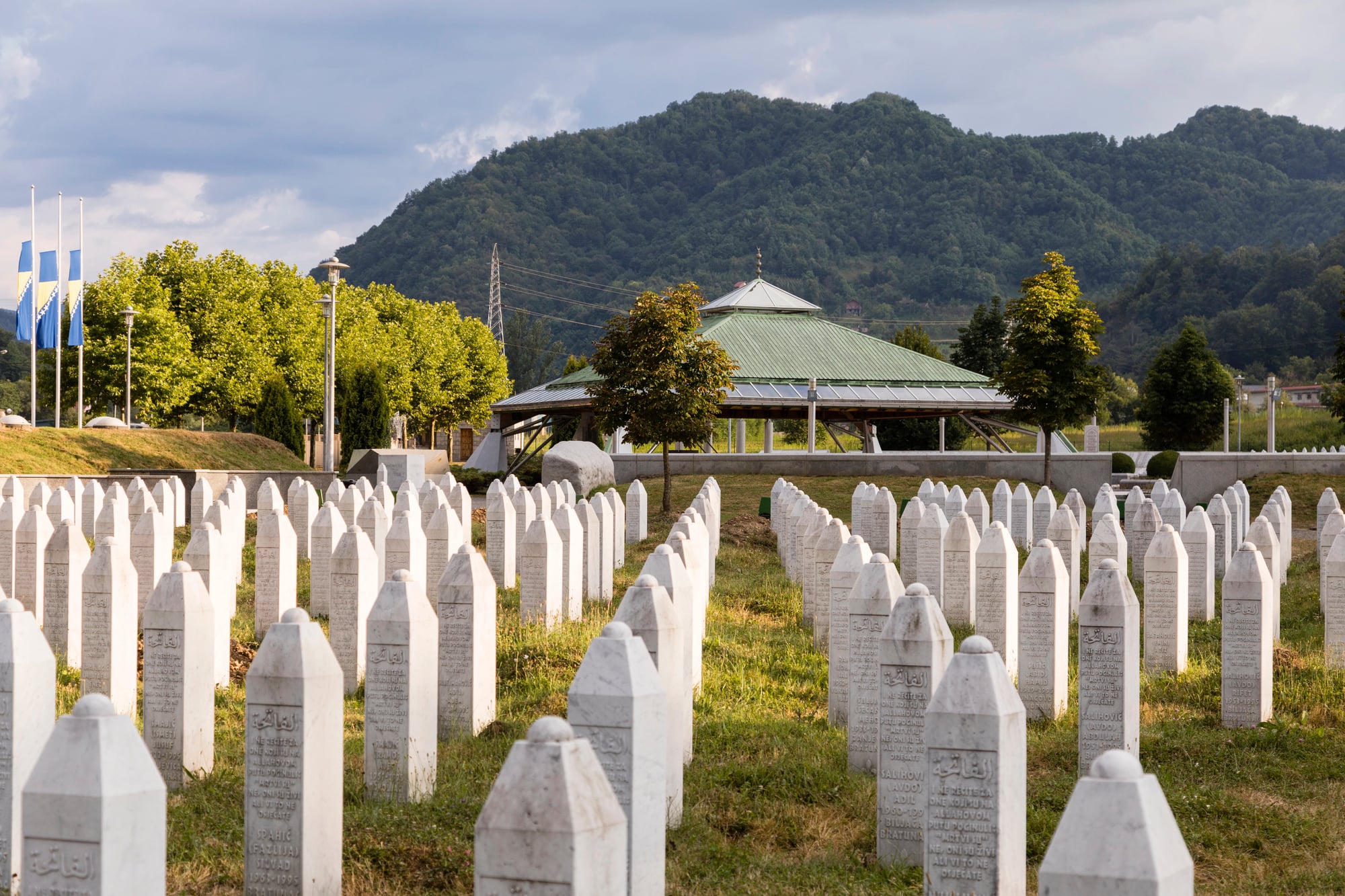
The cemetery spreads across rolling hills outside the town where, in July 1995, Bosnian Serb forces systematically murdered more than 8,000 Bosnian Muslim men and boys in what would later be classified as genocide. The white marble headstones stretch further than seems possible, each one marking a life that ended for no reason more complex than ethnic hatred.
What’s most striking is how peaceful the place feels now, how quiet and green and ordinary. There’s nothing in the landscape itself that suggests the horror that happened here—just hills and trees and a small town going about its daily business.
The memorial has to carry all the weight of memory because the place itself has returned to normalcy, which makes the rows of headstones feel both more necessary and more heartbreaking.
New graves are added each year as remains are identified and recovered from mass graves scattered throughout the region. Families finally get to bury their fathers and sons and brothers, sometimes decades after they disappeared.
The memorial grows slowly, organically, as the work of finding the dead continues.
Aurora Theater Memorial
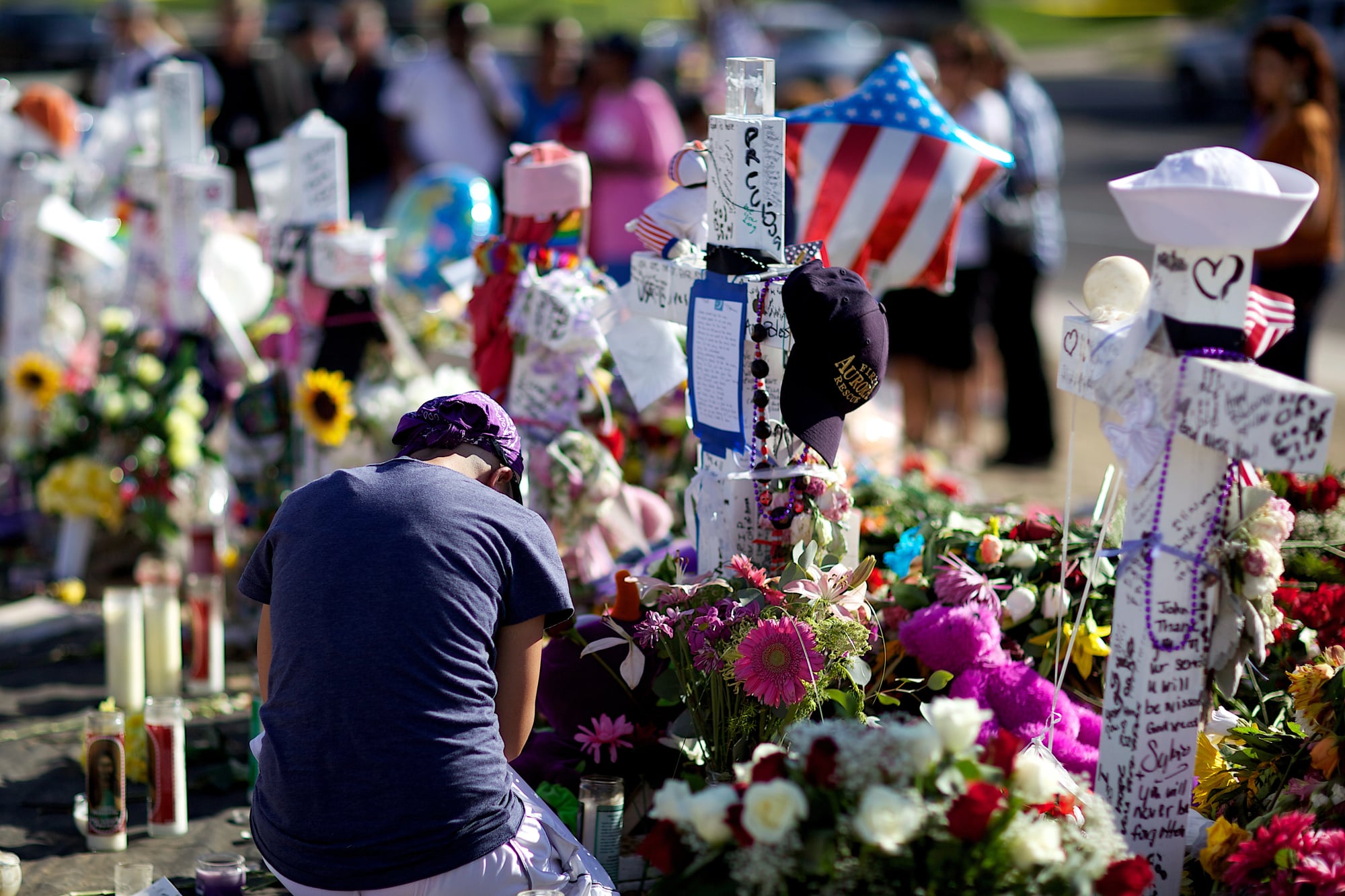
The memorial faces the challenge of commemorating tragedy without turning the site into a destination for dark tourism. Twelve people died and seventy were wounded during a midnight showing of “The Dark Knight Rises” in July 2012, and the question became how to honor their memory without creating something that would overshadow the ordinary business of going to movies.
The answer was intentionally modest. A memorial garden that acknowledges loss without dwelling on the details of violence, that creates space for reflection without turning tragedy into spectacle.
Because the goal isn’t to help people remember what happened—most people remember just fine—but to provide a place where that memory can settle into something bearable.
Charleston Church Memorial
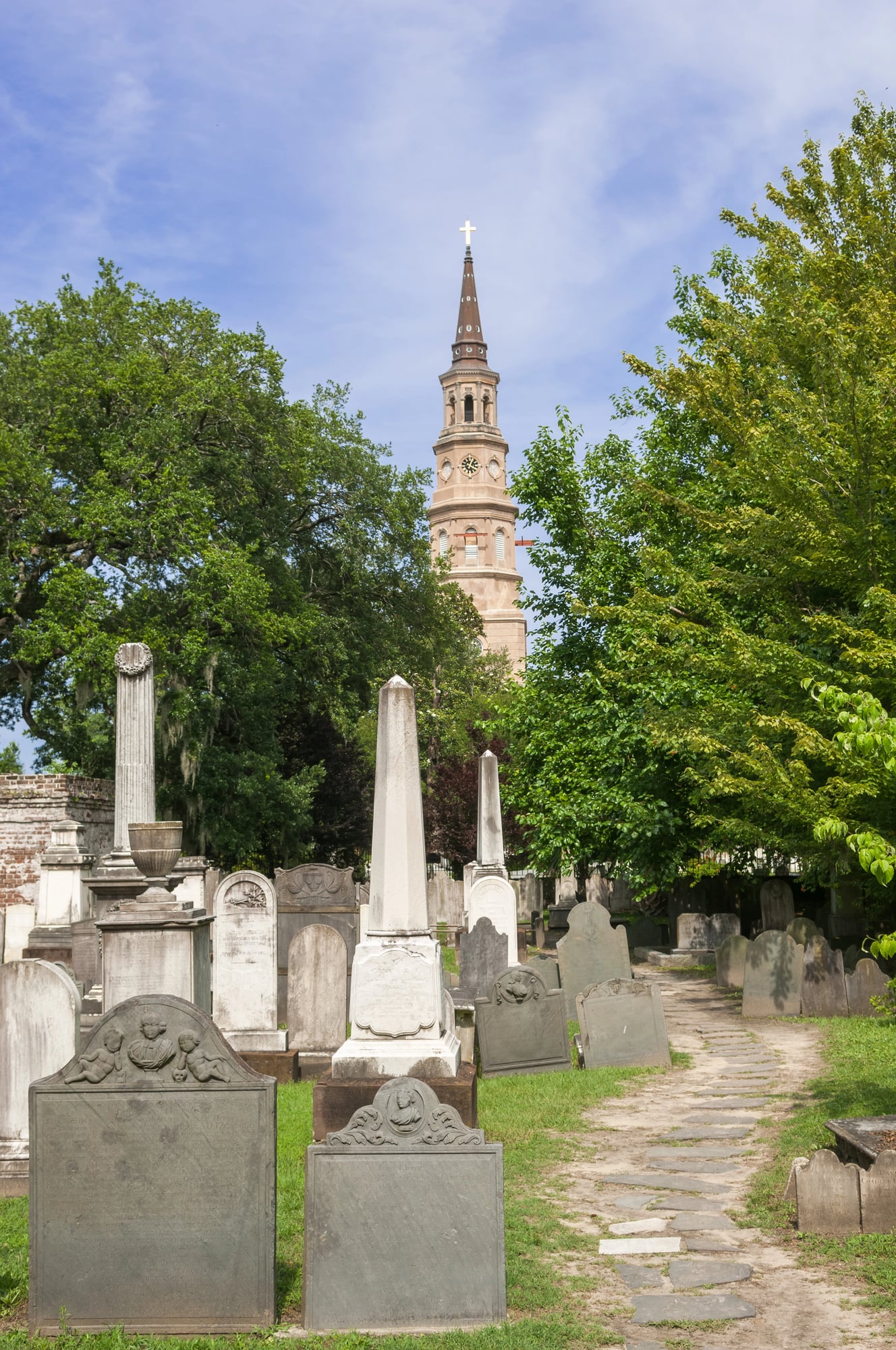
Mother Emanuel AME Church continues to hold services in the same sanctuary where Dylann Roof murdered nine people during Bible study on a June evening in 2017. The congregation made a deliberate choice to reclaim the space rather than abandon it, to continue the work of worship and community building in the place where it was so brutally interrupted.
The memorial acknowledges the violence without being defined by it. The church remains primarily a place of worship rather than a museum, a living memorial where the community gathers to do what it was doing before the shooting: studying Scripture, supporting each other, working for justice in their city and beyond.
This might be the most radical response to tragedy on this entire list—not just building a monument, but refusing to let violence change the fundamental purpose of the place where it occurred.
Pittsburgh Synagogue Memorial
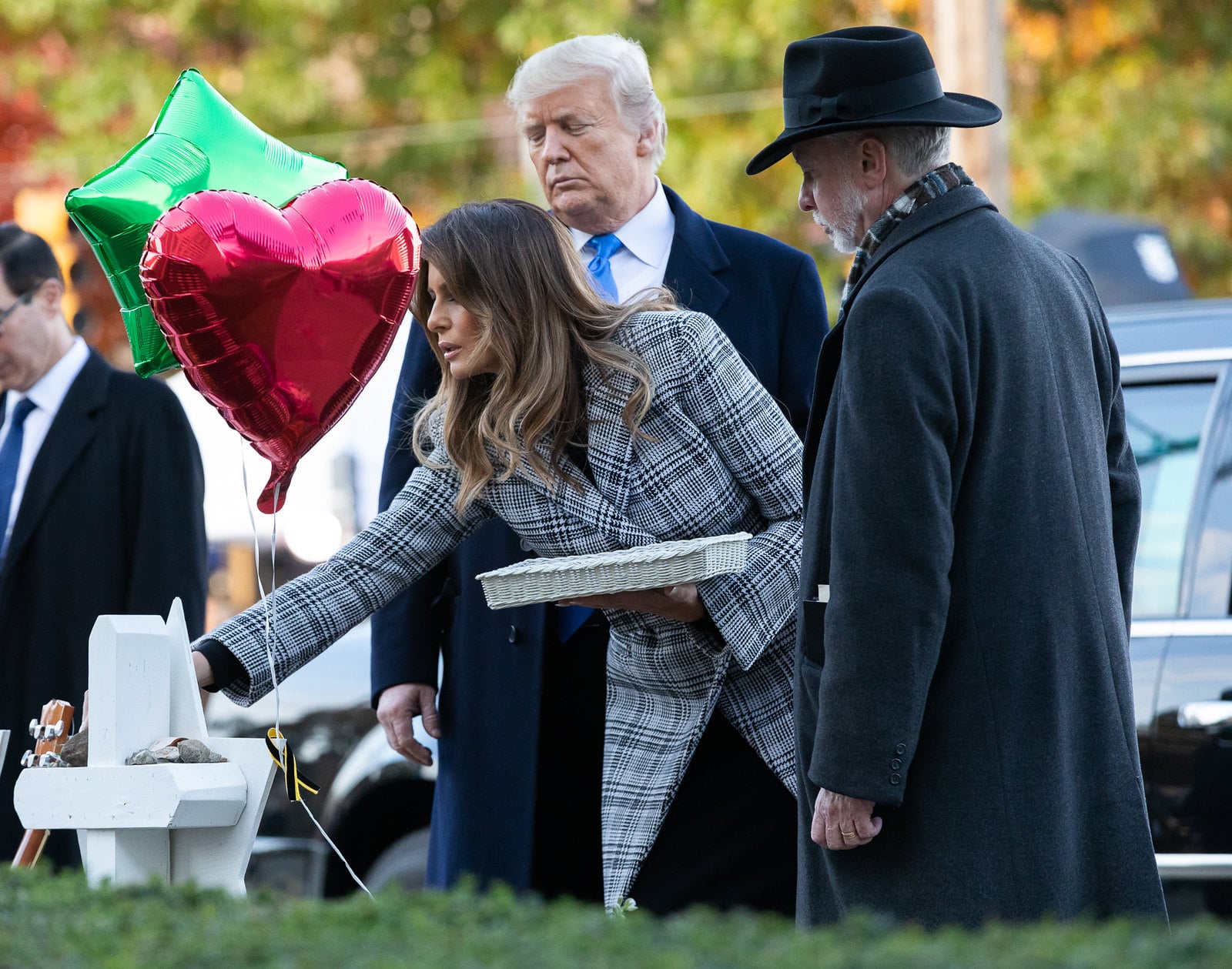
The Tree of Life synagogue is still working out how to memorialize the eleven people murdered there during Shabbat services in October 2018. The building itself bears the physical scars of that morning—bullet marks in walls, damaged fixtures, spaces that may never feel quite the same—and the congregation faces the same question that every community on this list has confronted: how to remember without being consumed by memory.
The process is ongoing, complicated by the fact that this was an attack not just on individuals but on the very idea of religious community, on the possibility of gathering safely to worship and study and argue and laugh together. Any memorial has to address that larger assault while still honoring the specific people who died.
Boston Marathon Memorial
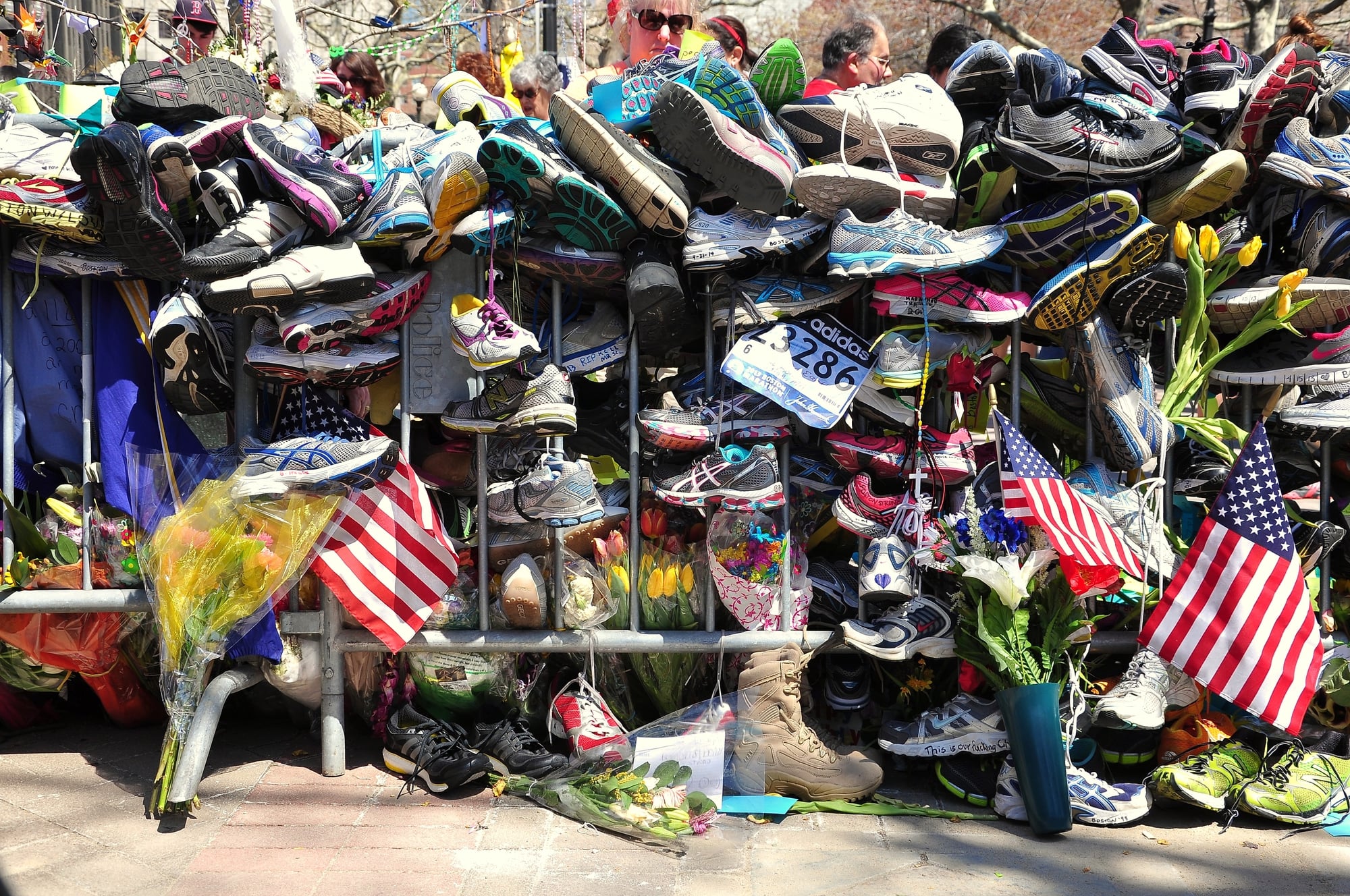
The memorial on Boylston Street marks the spot where the bombs exploded near the marathon finish line in April 2013, but it has to share space with one of the city’s busiest commercial districts. People walk past it on their way to work, to lunch, to shopping—ordinary life flowing around the site of extraordinary violence.
This creates a different kind of memorial experience, one that’s integrated into daily life rather than set apart from it. You don’t make a special trip to visit it; you encounter it while doing something else entirely.
And maybe that’s appropriate for a bombing that targeted ordinary people doing an ordinary thing—cheering for marathoners on a spring afternoon.
Las Vegas Memorial
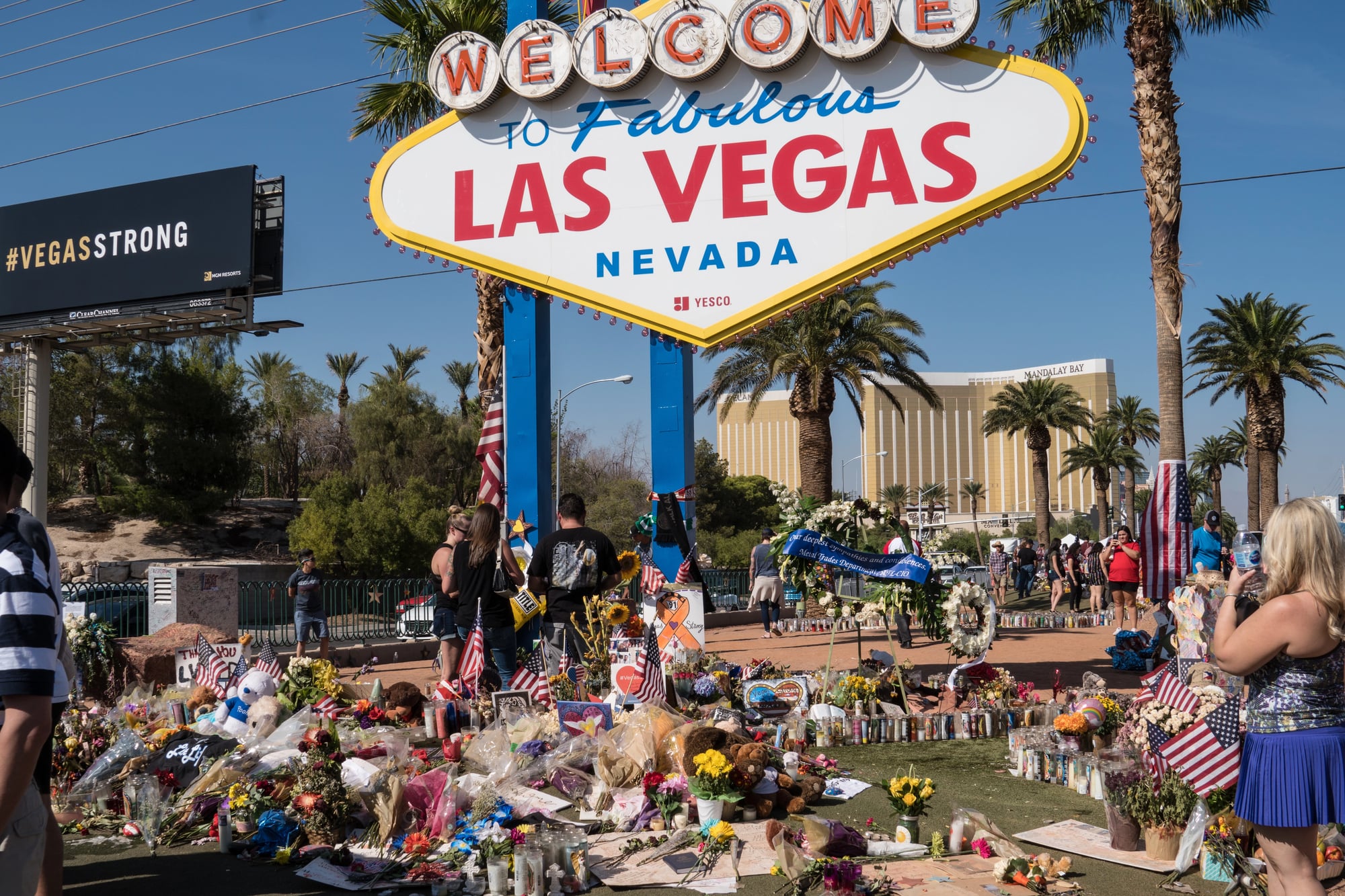
The memorial garden honors the fifty-eight people killed and hundreds wounded when a gunman opened fire on a country music festival from a hotel window in October 2017. The challenge was memorializing victims of the deadliest mass shooting in modern American history without creating something that felt overwhelming or exploitative.
The solution focuses on individual lives rather than the scale of the tragedy, on the specific people who died rather than the abstract horror of mass violence. Each victim is represented individually, by name and story, in a design that insists on their humanity rather than reducing them to statistics.
But the memorial also has to exist in Las Vegas, a city built on entertainment and distraction, where tragedy competes with slot machines and stage shows for attention. The contrast between the solemnity of the memorial and the relentless cheerfulness of the surrounding city creates a tension that’s hard to resolve.
Pulse of the Community
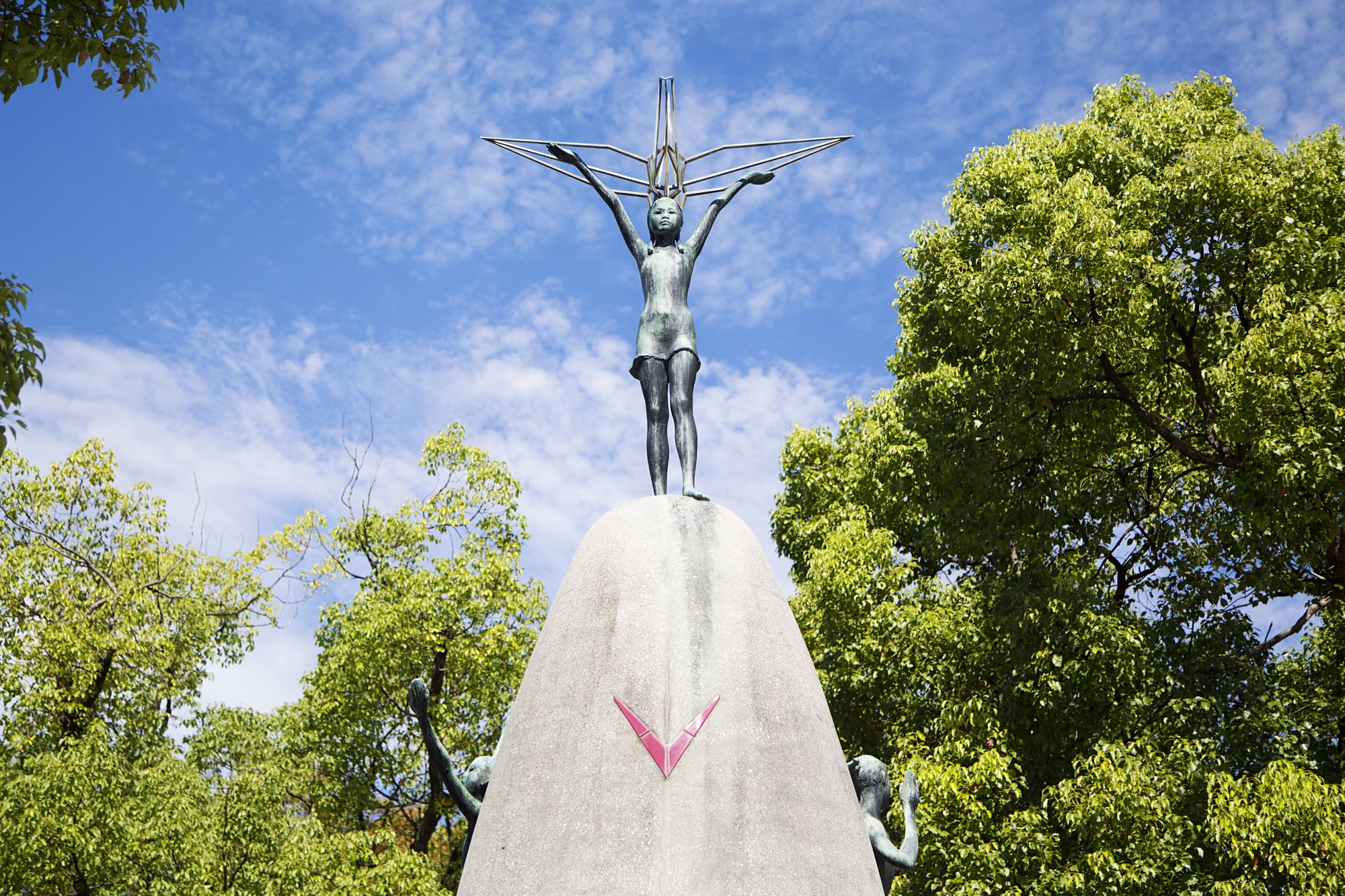
These places all wrestle with the same impossible task: how to transform unbearable loss into something that serves the living. They’re not really about the past—they’re about what happens next, about the choice between despair and resilience, between forgetting and remembering in ways that don’t destroy you.
Each one represents a community’s decision to build something permanent from something that felt like pure destruction, to insist that love and memory are more durable than hatred and violence.
The monuments work not because they explain tragedy or make sense of senseless loss, but because they provide a place where grief can settle into something manageable, where private pain can connect with public memory. They remind us that the impulse to create something lasting from something terrible might be the most essentially human response to a world that often seems designed to break our hearts.
More from Go2Tutors!

- The Romanov Crown Jewels and Their Tragic Fate
- 13 Historical Mysteries That Science Still Can’t Solve
- Famous Hoaxes That Fooled the World for Years
- 15 Child Stars with Tragic Adult Lives
- 16 Famous Jewelry Pieces in History
Like Go2Tutors’s content? Follow us on MSN.