Unusual Things Royals Competed Over
Throughout history, royals haven’t just battled over territories and thrones—they’ve engaged in some truly bizarre competitions that would make even modern reality show producers raise an eyebrow. From collecting dwarfs to building the tallest structures, monarchs have channeled their competitive spirits in surprisingly strange ways.
Here is a list of 15 of the weirdest things kings and queens have competed over throughout history.
Collecting Dwarfs
European royal courts during the 16th and 17th centuries turned collecting people with dwarfism into a status symbol. King Philip IV of Spain and Queen Christina of Sweden maintained fierce rivalries over who could employ the most dwarfs in their courts.
The Spanish court particularly valued these individuals, featuring them prominently in royal portraits by Velázquez, while providing them with elegant accommodations and considerable influence.
Pineapple Growing
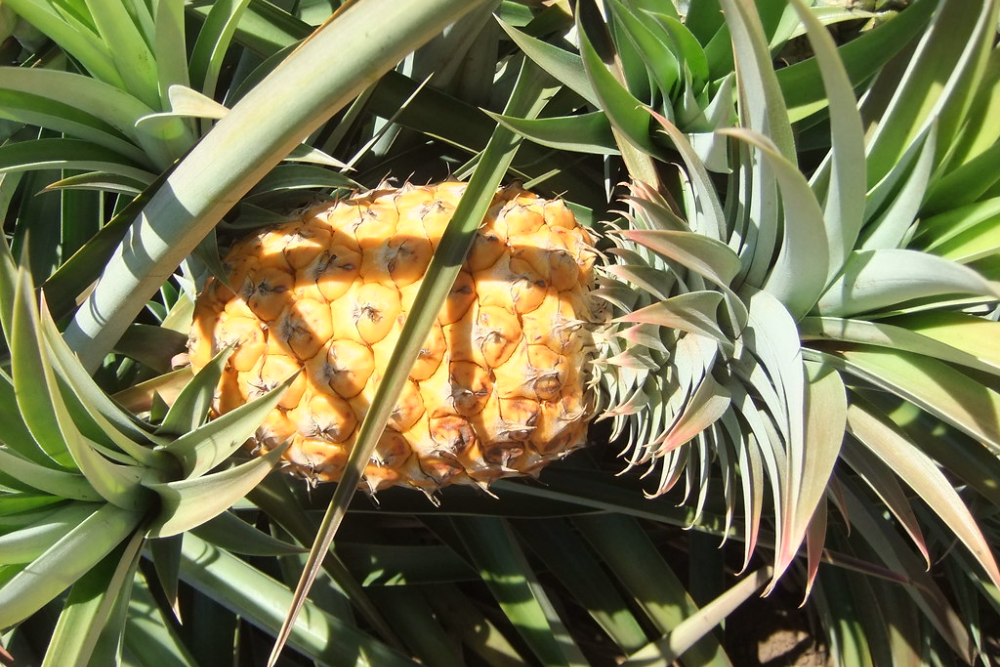
In 18th-century Europe, successfully growing a pineapple became the ultimate royal flex. King Louis XV of France and King George I of England poured fortunes into creating special heated greenhouses called ‘pineapple pits’ just to cultivate this tropical fruit.
A single pineapple could cost the equivalent of $8,000 in today’s money, and monarchs would display them at dinner parties—sometimes the same pineapple would make appearances at multiple events without being eaten, just to show off.
The Tallest Buildings

Medieval rulers competed relentlessly to build the tallest structures. When Philip II of France completed the Notre-Dame Cathedral in Paris, Henry III of England immediately commissioned Westminster Abbey to surpass it.
This architectural one-upmanship continued across Europe for centuries, with each monarch trying to leave a more impressive vertical landmark than their rival had managed.
Menageries of Exotic Animals
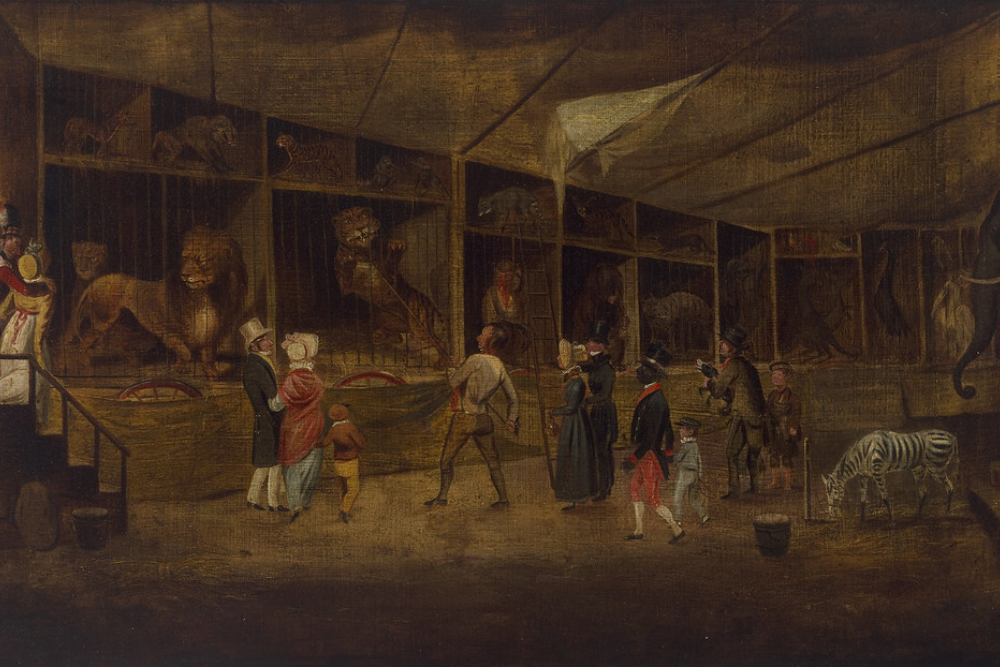
Exotic animal collections became a peculiar royal obsession in the 16th-18th centuries. Catherine the Great of Russia and Louis XIV of France maintained elaborate competitions over who could acquire the most unusual beasts. When Louis received an elephant from the King of Portugal, Catherine responded by demanding her diplomats find her a rhinoceros—an animals most Europeans had never seen in person.
Chess-Playing Automatons
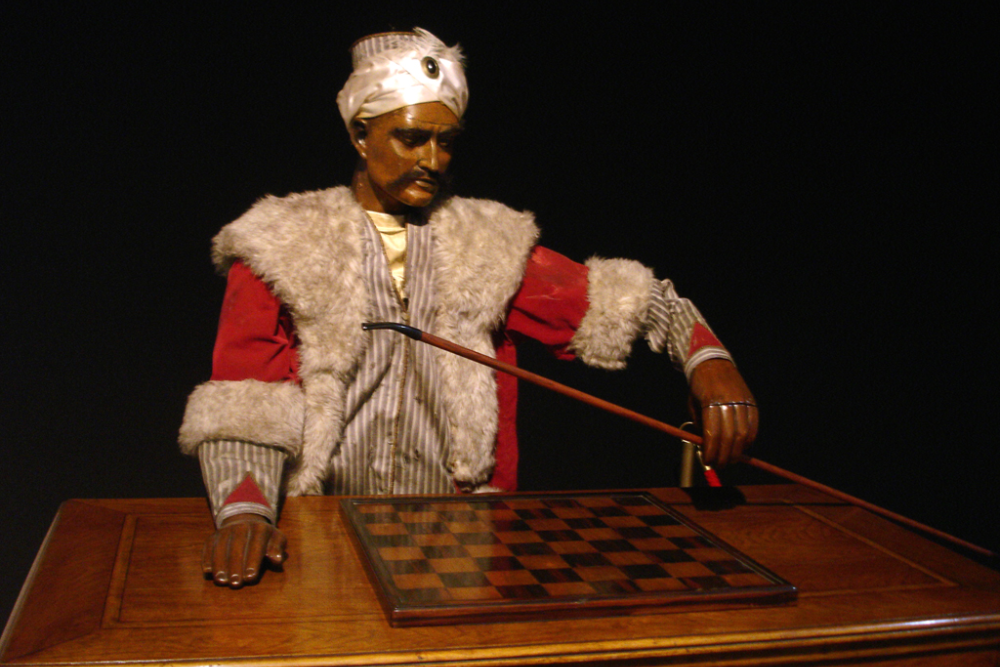
In the 18th century, royals competed to build or acquire mechanical wonders, particularly chess-playing ‘robots.’ Frederick the Great of Prussia and Empress Maria Theresa of Austria both sponsored inventors to create these machines.
The most famous, ‘The Turk,’ was actually operated by a hidden human chess master, but that didn’t stop monarchs from challenging each other’s mechanical marvels to demonstrate technological superiority.
Giant Vegetables
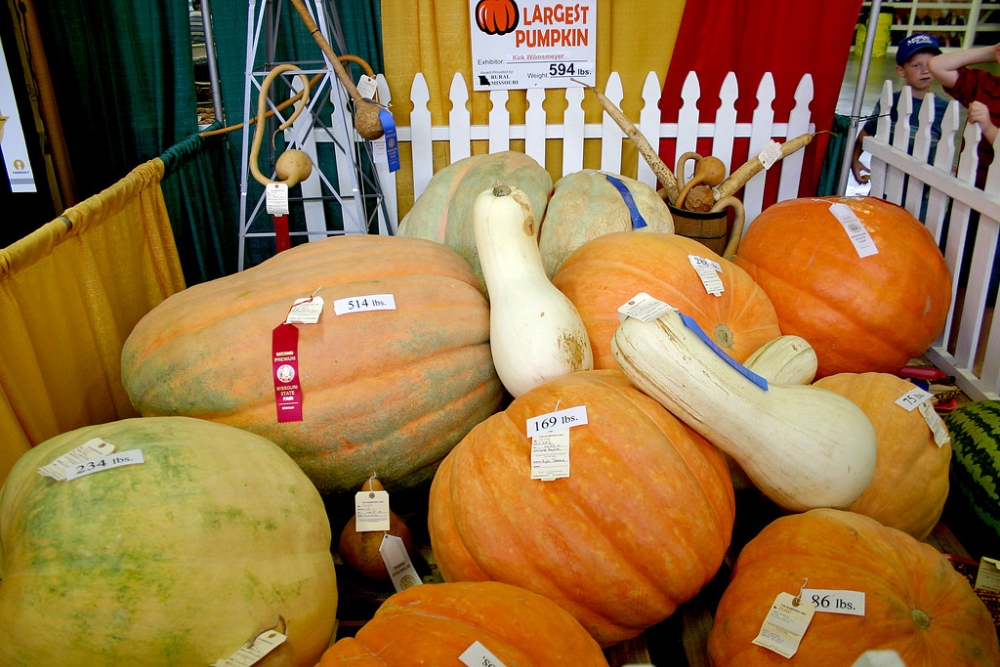
King Edward VII of England and Kaiser Wilhelm II of Germany, despite being uncle and nephew, maintained a peculiar rivalry over who could grow the largest vegetables on their royal estates. Their gardeners were under immense pressure to produce record-breaking pumpkins, cabbages, and carrots.
The competition became so intense that special scales were manufactured just to weigh these enormous produce specimens.
Alchemy Laboratories
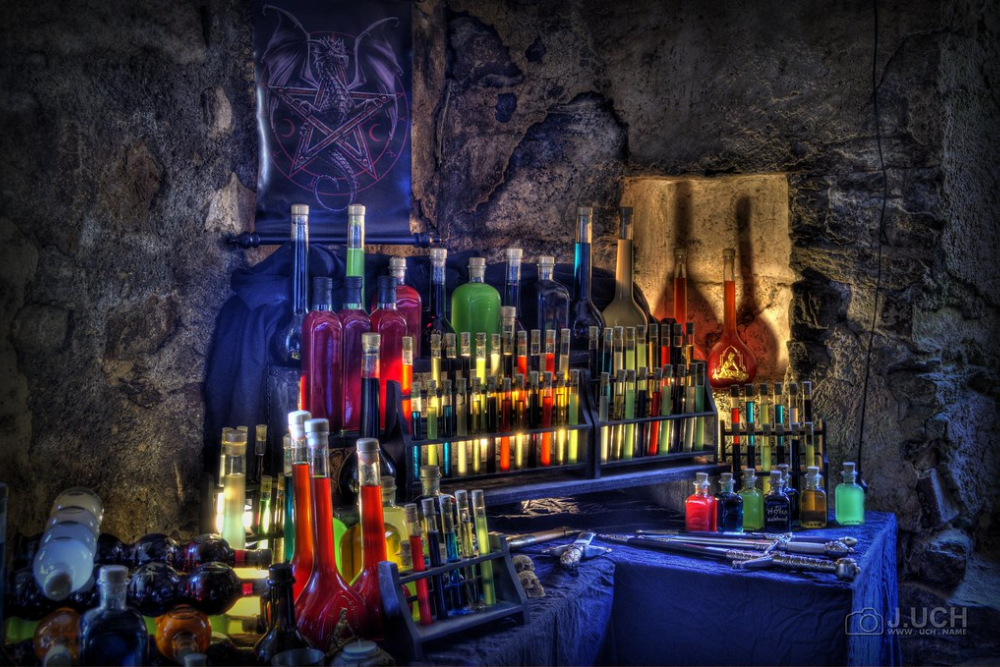
During the 16th and 17th centuries, Emperor Rudolf II of the Holy Roman Empire and Queen Christina of Sweden competed over who could assemble the finest alchemy laboratories and attract the most renowned alchemists. Both spent vast fortunes funding experiments to turn base metals into gold or create the elixir of life.
Despite their scientific patronage, neither monarch managed to unlock these mystical secrets.
Porcelain Collections
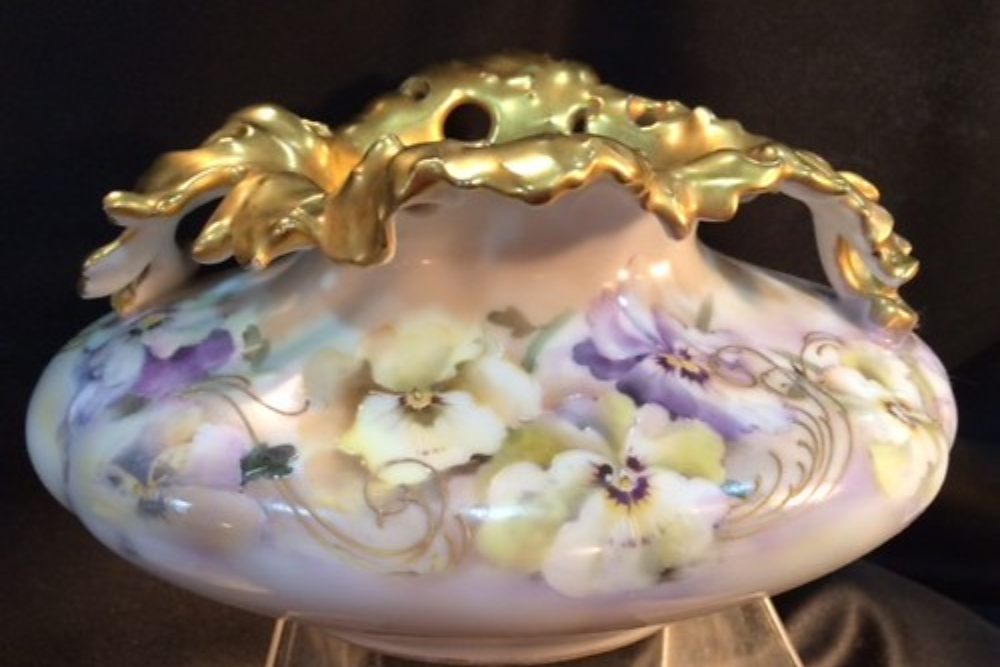
In the 18th century, Augustus the Strong of Saxony and Louis XV of France developed an intense rivalry over porcelain. Augustus was so obsessed that he traded an entire regiment of soldiers to the King of Prussia for 151 Chinese porcelain vases.
Not to be outdone, Louis established the Sèvres Porcelain Manufactory, creating uniquely French designs that he would personally showcase to visiting dignitaries.
Court Dwarfs
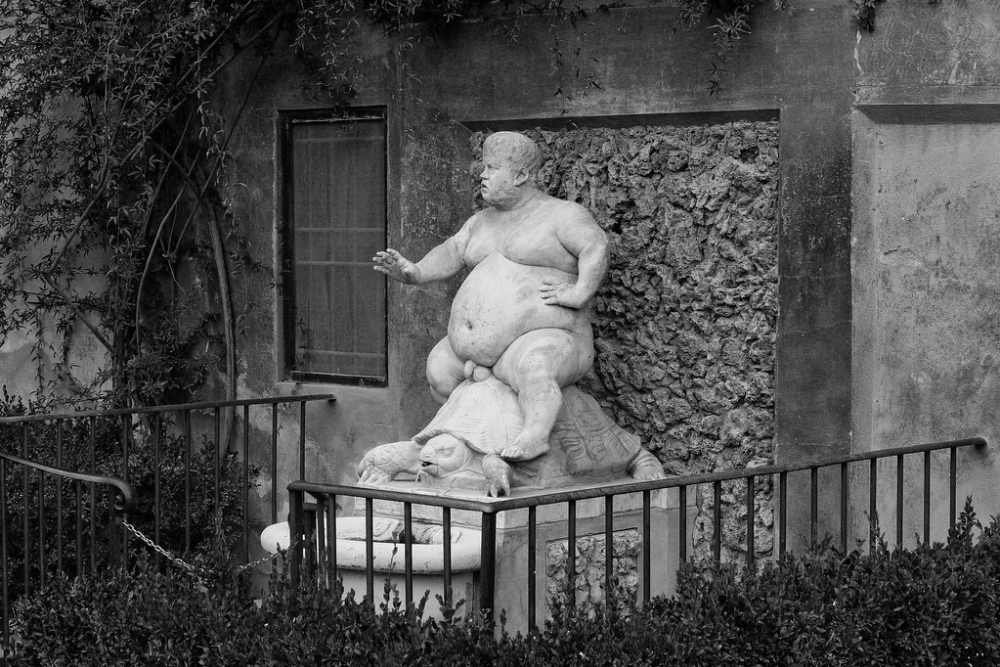
Peter the Great of Russia and King Stanisław I of Poland competed over employing the smallest people as court entertainers. Peter once held a wedding for two of his dwarfs inside a specially built miniature palace, inviting only guests with dwarfism to attend.
Stanisław responded by creating a miniature ‘dwarf village’ on his estate, complete with tiny houses, furniture, and even farm animals.
Beautiful Mistresses
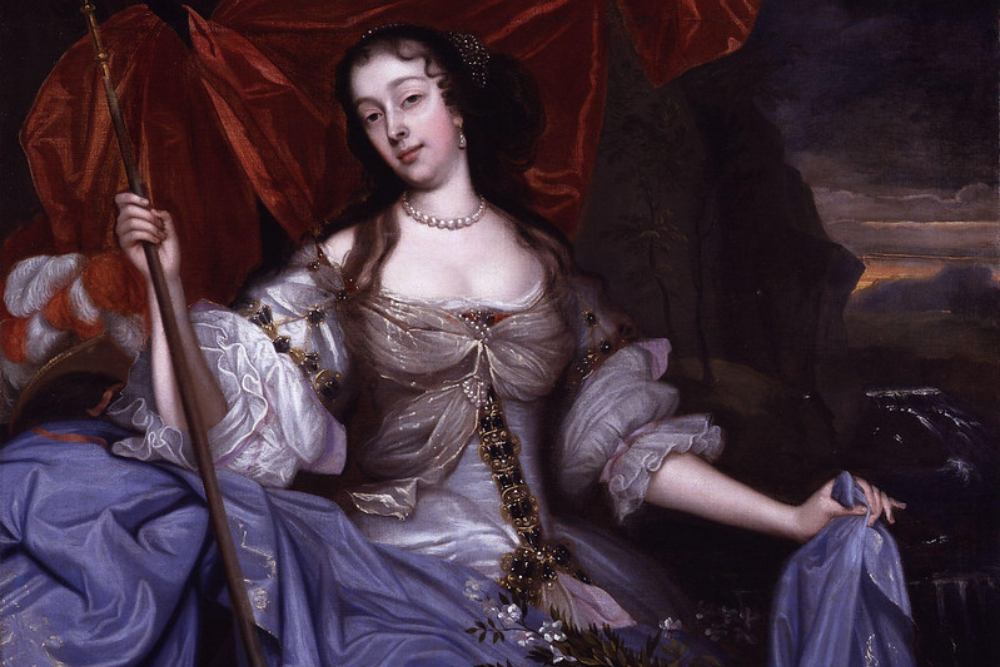
Louis XV of France and Charles II of England engaged in an unspoken competition over whose mistresses were more beautiful and influential. When Charles appointed the striking Barbara Villiers as ‘Lady of the Bedchamber,’ Louis responded by elevating Madame de Pompadour to unprecedented political influence.
Portraits of these royal companions were exchanged between courts almost like trading cards.
Elaborate Wigs
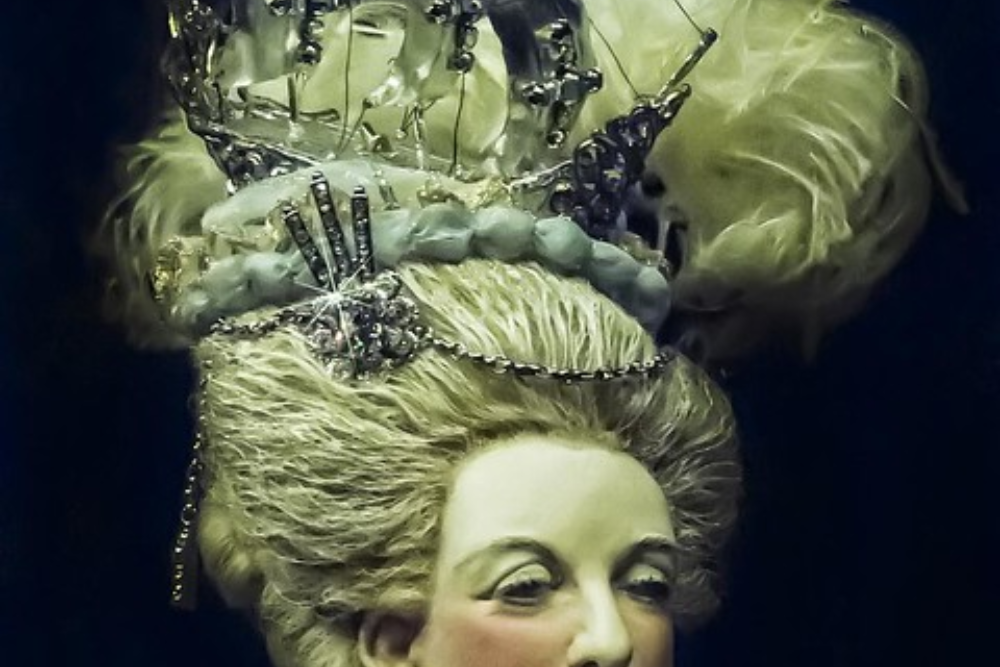
The height and extravagance of court wigs became a peculiar battleground between Marie Antoinette of France and Catherine the Great of Russia. Marie Antoinette’s famous ‘pouf’ hairstyles could rise three feet above her head, incorporating model ships, stuffed birds, and themed decorations.
Catherine responded with her own elaborate styles, though she privately mocked the French excesses while continuing to participate in the unspoken competition.
Mechanical Toys
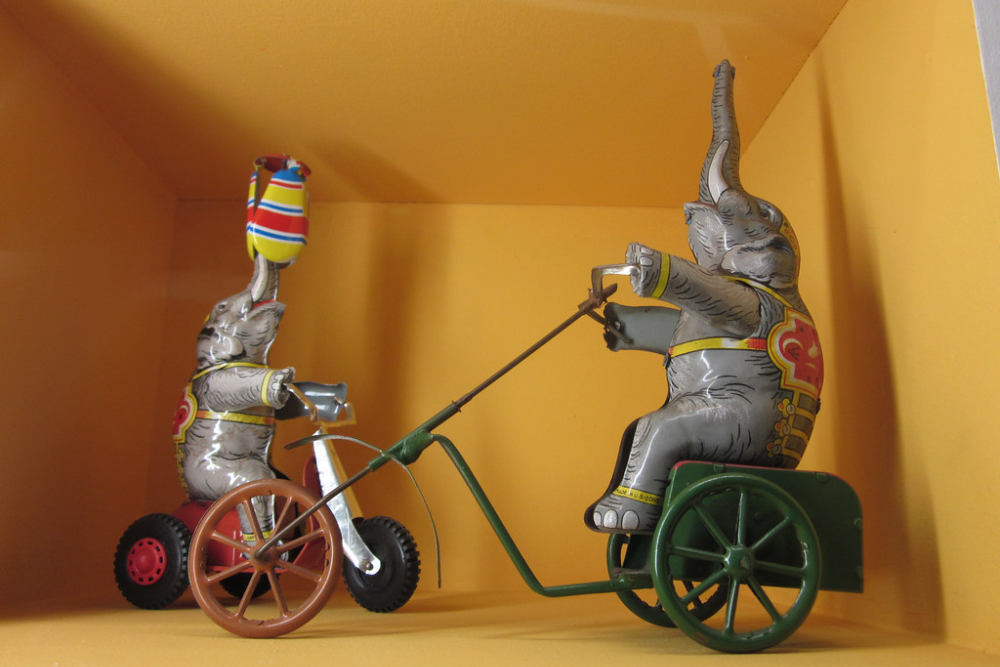
Frederick the Great of Prussia and Louis XVI of France competed intensely over automata—complex mechanical toys that could perform human-like actions. Louis, an amateur clockmaker himself, collected writing automatons and mechanical birds that could sing.
Frederick meanwhile commissioned a mechanical flute player that could perform 12 different melodies through a complex system of bellows and gears.
Private Zoos
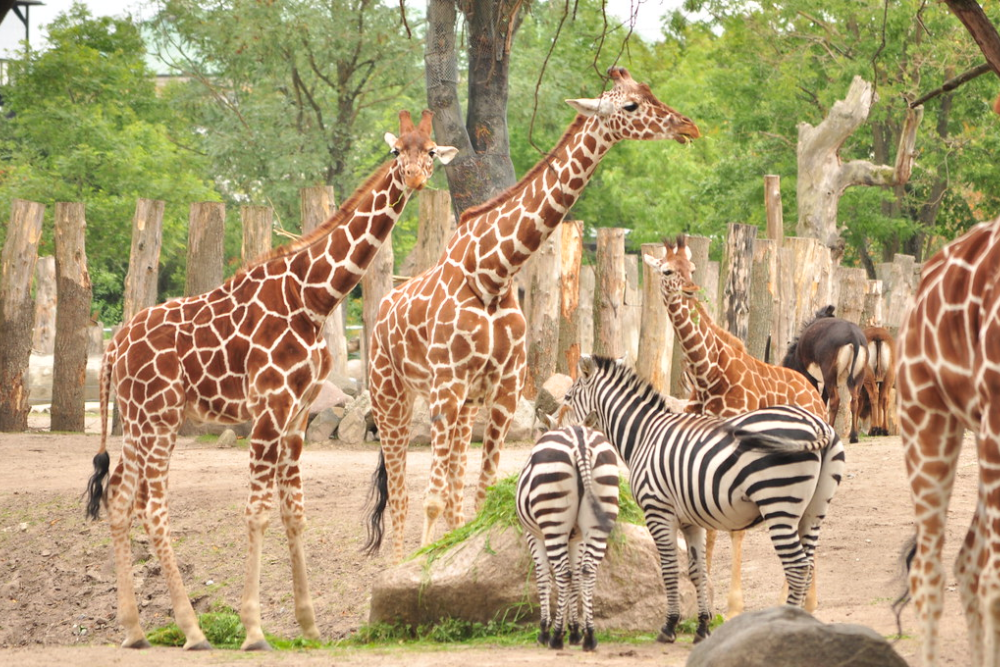
Charles III of Spain and Catherine the Great maintained a decades-long competition over their respective royal menageries. When Catherine acquired a giraffe, Charles responded by obtaining the first platypus specimen in Europe.
The Spanish royal family spent the equivalent of millions in today’s dollars just to transport exotic animals across continents, often resulting in the unfortunate deaths of these creatures.
Dining Spectacles
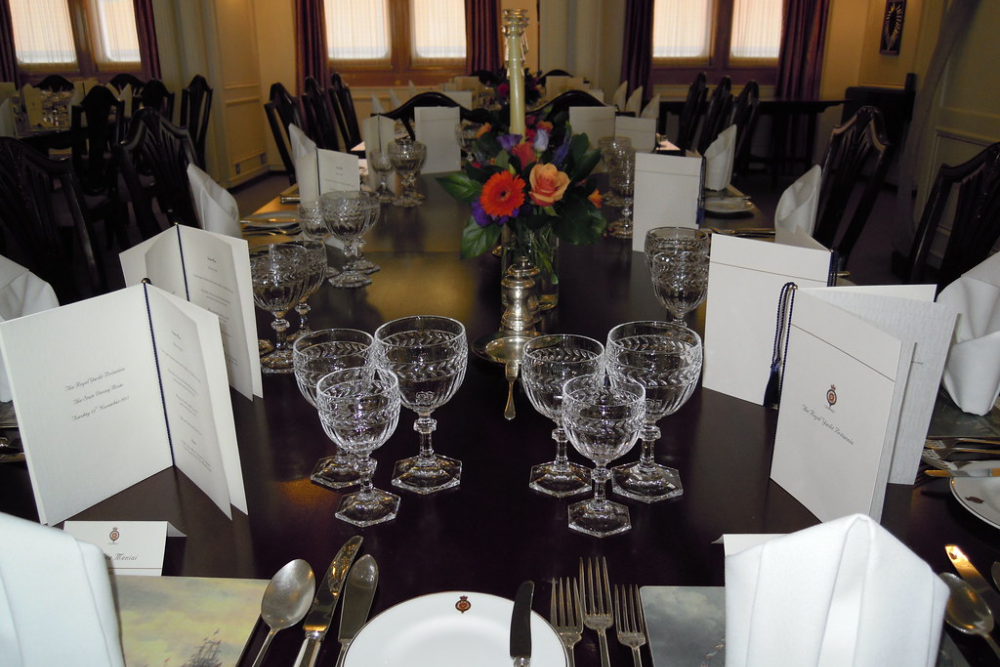
The Sun King Louis XIV of France and Charles II of England competed over who could host the most spectacular feasts. Louis invented the grand public dinner where courtiers would watch him eat, while Charles pioneered the multi-course banquet with theatrical elements.
When Charles served a pie that released live birds when cut open, Louis responded with a feast featuring 80 different dishes and mechanical table decorations that moved on their own.
Botanical Gardens

Mary II of England and Louis XIV engaged in botanical one-upmanship, establishing extensive royal gardens featuring plants from around the world. When Louis created his famous orangery at Versailles, Mary responded by building massive glasshouses at Hampton Court.
Royal botanists were dispatched worldwide in search of new specimens, sometimes risking their lives to find plants that could give their monarch the edge in this green-thumbed competition.
Royal Legacies That Outlasted Their Thrones
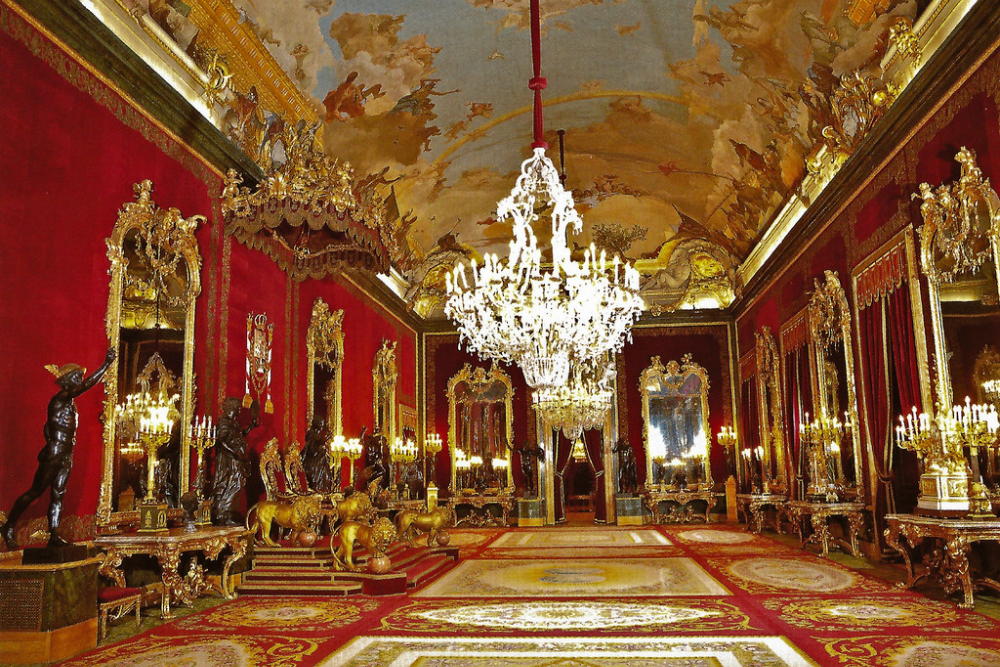
These strange competitions, while seemingly frivolous, actually drove innovation and cultural exchange throughout Europe. The royal obsession with exotic plants led to important botanical discoveries, while competitions over mechanical toys helped advance early engineering.
Today’s museums and royal collections showcase these bizarre rivalries that shaped European culture more profoundly than many military campaigns. What’s most fascinating about these royal competitions isn’t just their strangeness, but how they reflected each monarch’s personality and the anxieties of their era.
While modern leaders might compete through economic indicators or sports teams, there’s something uniquely revealing about a king who would trade actual soldiers for porcelain vases or a queen who would spend a fortune growing a single pineapple.
More from Go2Tutors!

- The Romanov Crown Jewels and Their Tragic Fate
- 13 Historical Mysteries That Science Still Can’t Solve
- Famous Hoaxes That Fooled the World for Years
- 15 Child Stars with Tragic Adult Lives
- 16 Famous Jewelry Pieces in History
Like Go2Tutors’s content? Follow us on MSN.



