15 Wikipedia Pages That Are Actually Terrifying
Late-night Wikipedia browsing starts innocently enough. You look up one thing, click a link, then another, and suddenly you’re reading about something that makes you want to close your laptop and turn on all the lights.
Some Wikipedia pages document things that shouldn’t exist but do. Others describe events so strange that fiction couldn’t match them.
And a few explain medical conditions that sound like horror movie plots but happen to real people. These aren’t the pages you stumble onto by accident.
You have to go looking for them. But once you find them, they stick with you.
The Dyatlov Pass Incident
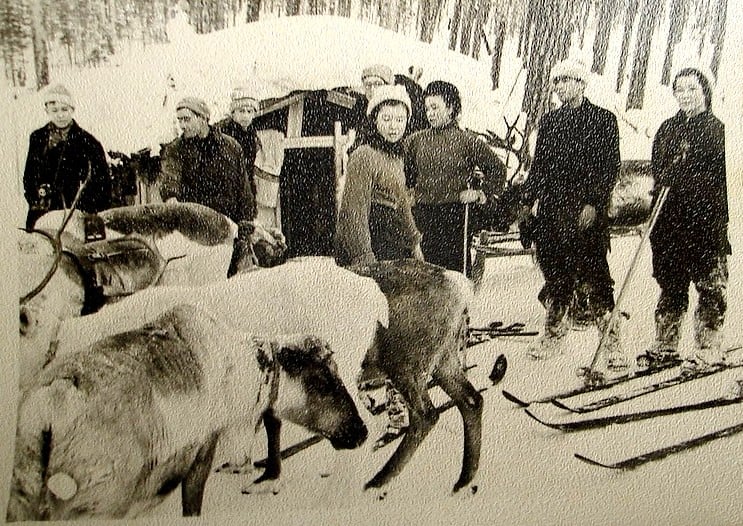
Nine experienced hikers died in the Ural Mountains in 1959 under circumstances that still don’t make sense. They cut their way out of their tent from the inside during a blizzard, then scattered into the freezing night wearing almost nothing.
Investigators found the bodies over several months. Some had died from hypothermia.
Others had severe internal injuries with no external wounds—broken ribs, fractured skulls, damage consistent with a car crash. One person was missing their tongue and eyes.
The theories range from avalanche to military testing to infrasound-induced panic. None of them explain everything.
The Soviet investigation concluded they died from a “compelling natural force,” which explains nothing at all.
Fatal Familial Insomnia

This genetic disorder means you stop being able to sleep. Not that you have trouble sleeping—you physically cannot sleep at all, no matter what you try.
It starts with mild insomnia in middle age. Then it gets worse.
Panic attacks begin. Hallucinations follow. Your body temperature regulation fails.
You start losing weight rapidly because your metabolism goes haywire. After a few months, you can’t speak coherently.
After a year or so, you fall into a stupor that resembles sleep but isn’t. Your brain never rests. Then you die.
There’s no treatment and no cure. Only a few families in the world carry the gene, but for them, it’s a certainty.
Unit 731

The Japanese military ran experiments on living people during World War II. The Wikipedia page lists what they did in clinical language, which somehow makes it worse.
They tested biological weapons on prisoners. They performed vivisections without anesthesia. They froze limbs to study frostbite, then thawed them to see what happened.
They tested grenades and flamethrowers on living subjects at measured distances. After the war, the people who ran these experiments weren’t prosecuted.
The United States gave them immunity in exchange for the data they’d collected. They went on to have normal careers in medicine and academia.
List of Unusual Deaths
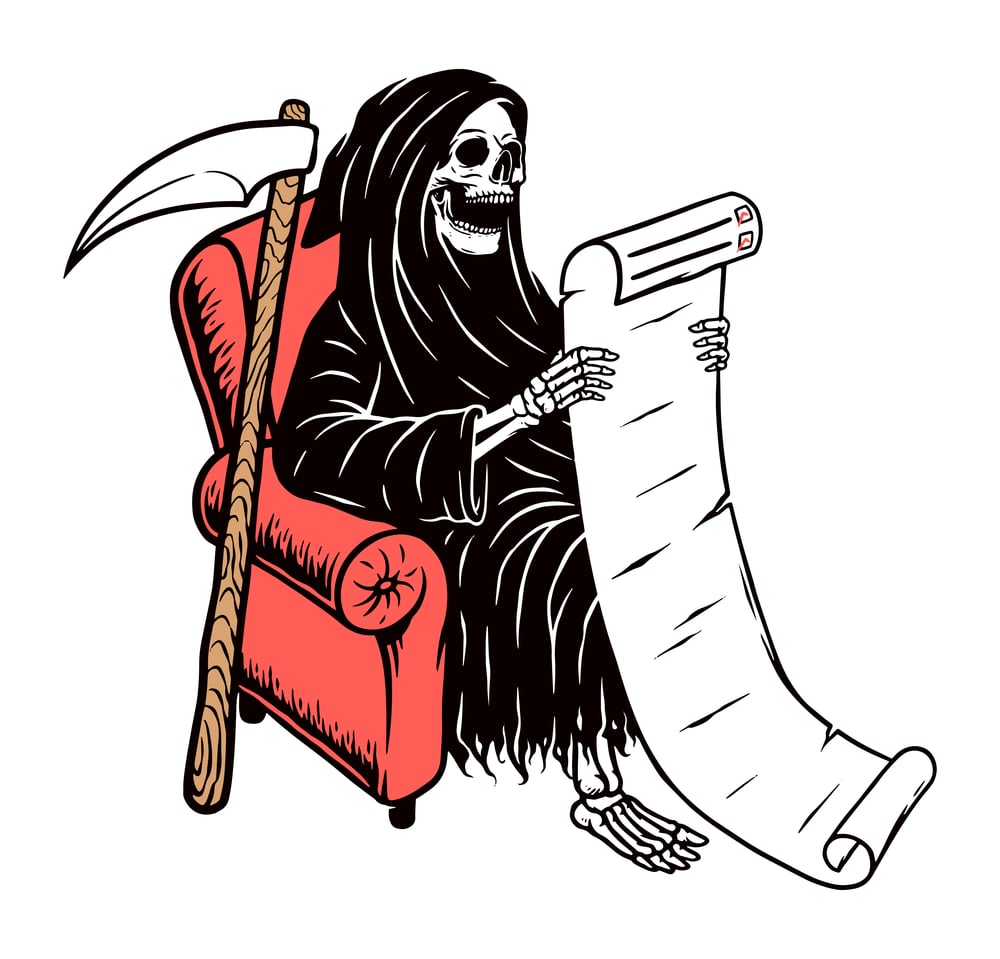
Wikipedia maintains a list of people who died in bizarre ways. It reads like dark comedy until you remember these were real people.
A man died after being struck by a flying lawnmower at a baseball game. Another was killed by his own beard—it was so long that it got caught in machinery while he was climbing stairs.
A woman died from drinking too much water during a radio contest. The ancient entries are just as strange.
A Greek playwright died when an eagle dropped a tortoise on his bald head, mistaking it for a rock. The list goes on for pages. Each entry is stranger than the last.
Cotard’s Syndrome
People with this condition believe they’re dead. Not metaphorically dead or feeling dead inside—they genuinely think they’ve died and are somehow still walking around.
Some believe they’re decomposing. Others think they’ve lost their internal organs or that their blood has stopped flowing.
They can see themselves in mirrors and feel their heartbeat, but they explain it away. The evidence doesn’t matter. They know they’re dead.
The condition often appears alongside severe depression or neurological damage. Treatment is possible, but imagine trying to convince someone they’re alive when they’re absolutely certain they’re not.
Rabies

The rabies page explains exactly what happens when the virus reaches your brain. You become afraid of water because your throat muscles spasm when you try to swallow.
You produce excessive saliva but can’t swallow it. You become aggressive and confused.
Hallucinations start. Partial paralysis sets in.
Once symptoms appear, the survival rate is effectively zero. You die within days.
The virus has been around for thousands of years. It’s in wild animals on every continent except Antarctica.
Vaccines exist and they work, but you have to get them before symptoms start. After that, there’s nothing anyone can do.
The Byford Dolphin Accident

Five people died instantly when a decompression chamber lost pressure in 1983. The Wikipedia page describes what happened to their bodies in medical detail.
The chamber was pressurized to simulate deep-sea diving conditions. When a hatch opened accidentally, the pressure dropped from nine atmospheres to one atmosphere in less than a second.
The differential pressure was so extreme that one person was forced through a gap measuring about 60 centimeters in diameter. The autopsy findings are documented on the page.
The level of detail makes it clear this wasn’t just an explosion. The human body isn’t designed to handle that kind of pressure change.
Centralia, Pennsylvania
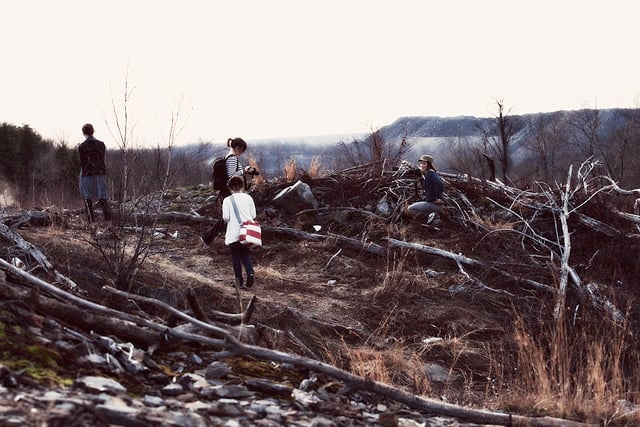
An entire town is on fire underground and has been since 1962. The coal mines beneath Centralia ignited and nobody could put them out.
Smoke vents up through cracks in the ground. The earth is hot to the touch in places.
Carbon monoxide seeps into basements. The highway that runs through town has been closed for decades because it buckled and cracked from the heat.
Almost everyone left. A handful of people refused to go and still live there.
The fire could burn for another 250 years. It’s consumed the mines beneath 400 acres and it’s still spreading.
Pripyat

The city was evacuated 36 hours after the Chernobyl reactor exploded. The Wikipedia page shows what gets left behind when 50,000 people have to abandon their homes immediately.
Schools still have textbooks on desks and gas masks in piles. The amusement park never opened—it was scheduled to launch five days after the disaster.
The ferris wheel still stands, rusting. Apartments have furniture, photos, and personal belongings exactly where people left them.
The radiation levels are lower now but the city is still contaminated. Trees grow through buildings.
Animals have moved in. It looks like a movie set, but it’s real and you can visit it if you want.
Locked-In Syndrome
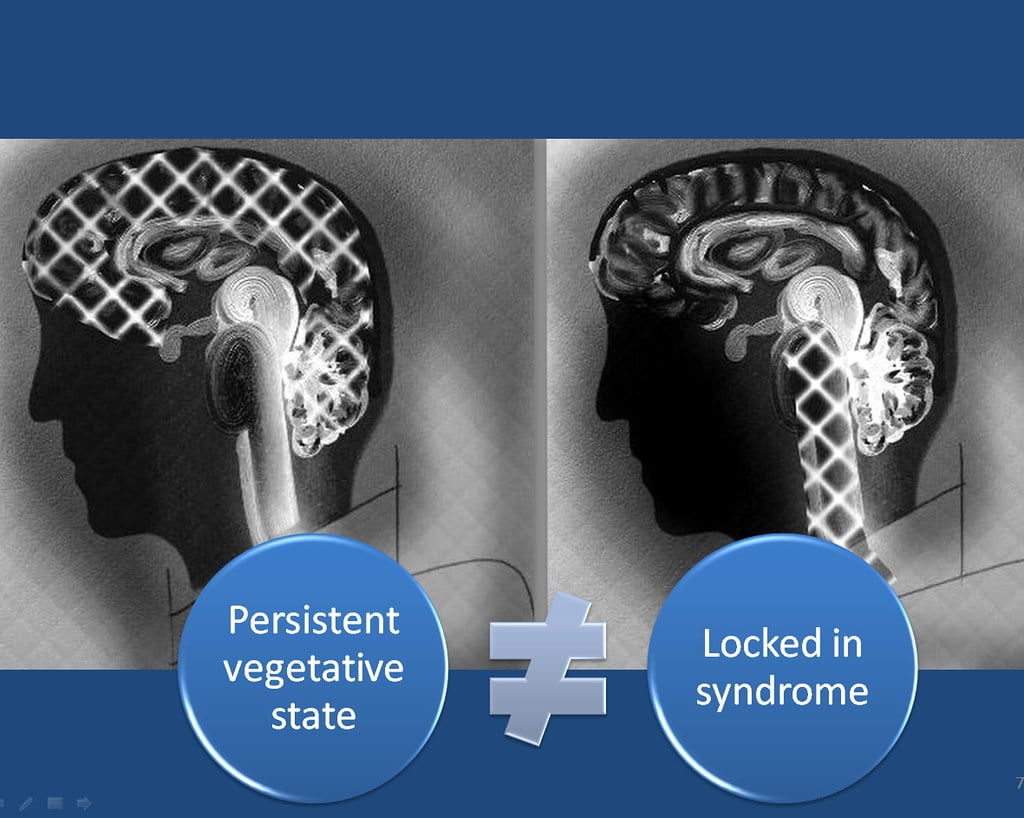
You’re completely conscious and aware, but you can’t move anything except your eyes. You can’t speak, can’t gesture, can’t move your face.
You’re trapped inside your body, fully awake, possibly for years. The Wikipedia page explains the causes—stroke, trauma, and medication reactions.
It describes the methods people use to communicate, usually by blinking. Some people recover partially. Others don’t recover at all.
The worst part is that doctors sometimes don’t realize the patient is conscious. They talk about the person in front of them, discussing prognosis and treatment, while the patient hears everything but can’t respond.
Tarrare

John Fray as Tarrare. Photo by Dahlia Katz. Costumes by Cat Haywood.
This 18th-century French man could eat impossible amounts of food. Not large amounts—impossible amounts.
He ate live animals, whole. He supposedly ate a toddler at one point, though that’s disputed. Doctors examined him repeatedly.
They described his mouth as enormous, his teeth as stained, his body as emitting a visible vapor. They fed him full meals and he remained hungry.
They gave him enough food for 15 people and he ate it all and asked for more. He eventually died in his twenties from tuberculosis.
The autopsy revealed a digestive tract far larger than normal and internal organs that were described as putrid. The Wikipedia page includes details from medical reports that are genuinely disturbing.
Alien Hand Syndrome
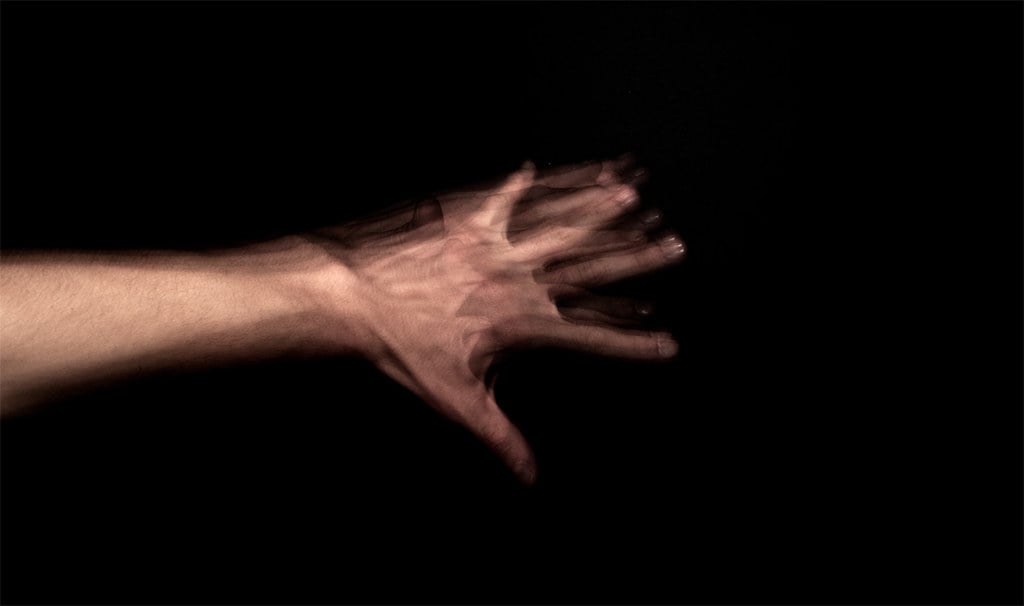
Your hand moves on its own and you can’t control it. Not a twitch or spasm—complex, purposeful movements that you didn’t plan and can’t stop.
The hand might button your shirt after you unbutton it. It might grab objects without you wanting to grab them.
In severe cases, one hand fights the other. You watch your own hand do things while having no control over it.
It happens after brain injuries or strokes that damage the connection between the brain hemispheres. The hand isn’t possessed.
It’s still controlled by your brain. But it’s controlled by a part of your brain that your conscious mind can’t access.
Capgras Delusion

You become convinced that someone you love has been replaced by an identical impostor. Your spouse, your parents, your child—they look exactly the same, but you know they’re not the real person.
The delusion comes from brain damage that disconnects facial recognition from emotional response. You recognize the face, but you don’t feel the emotional connection you should feel, so your brain concludes this must be a different person.
You can’t be convinced otherwise. Evidence doesn’t help.
The person you love is right in front of you, but you see them as a stranger wearing a familiar face.
The Nutty Putty Cave Incident
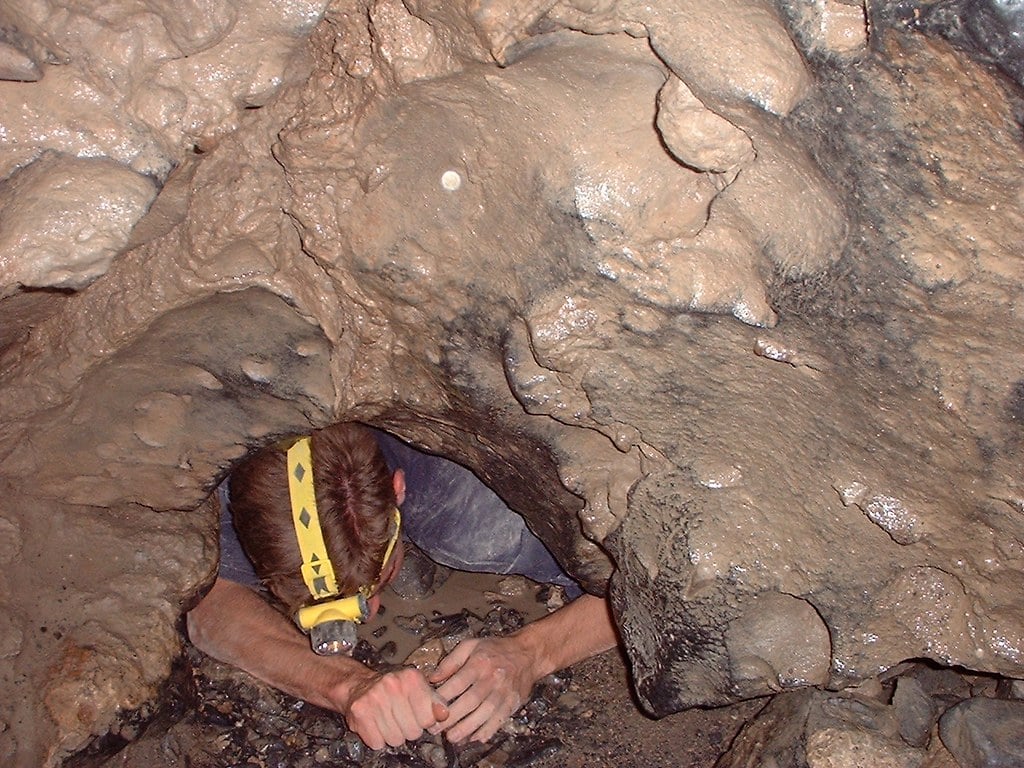
A man got stuck upside down in a cave in 2009. He was stuck in a tight passage, bent backwards, with his head lower than his feet.
Rescuers spent 27 hours trying to free him. The Wikipedia page details the rescue attempts.
They tried to pull him out with rope systems. They drilled anchors into the cave walls.
They got him moved 12 inches at one point before the equipment failed and he slid back down. He died after being stuck for 28 hours.
His body is still in the cave. They sealed the entrance with concrete.
The cave is his tomb now.
The Smurl Haunting

A family in Pennsylvania claimed to experience violent paranormal activity for more than a decade starting in 1974. The Wikipedia page documents what they reported with the same neutral tone it uses for everything else.
They described physical attacks, strange smells, and objects moving on their own. The claims escalated over time.
They brought in paranormal investigators, religious officials, and eventually wrote a book about it. Whether you believe in ghosts or not, the documentation is unsettling.
The family’s testimony is consistent. Multiple witnesses reported the same events.
And they lived with whatever was happening for years before leaving.
Pages That Stay With You

Inside one big book of facts, where you might find a moth’s life cycle next to the capital city of Idaho, sit these entries. Identical fonts shape every line.
Each reference follows the exact pattern seen elsewhere. The tone stays flat, like a librarian reading rules aloud.
Even the punctuation matches what appears near botanical sketches. A calm tone won’t soften what’s being described.
In fact, it might intensify it. When horror is laid out like a report, something pulls you forward, page after page, despite yourself.
The detachment acts like a pull, quiet but steady. Close the browser if you want.
Wipe your history clean. Toss the page title from memory.
Still, certain traces stick around longer than planned. Those tales linger inside, popping up just as you turn away.
Perhaps that’s the reason they remain a draw. What drives folks is curiosity about limits – especially the ones that make us uneasy.
Wikipedia lays it bare, neutral in tone, which ends up feeling stranger than if it took sides.
Still, the pages remain.
They sit, quiet. A single search is all it takes.
More from Go2Tutors!

- The Romanov Crown Jewels and Their Tragic Fate
- 13 Historical Mysteries That Science Still Can’t Solve
- Famous Hoaxes That Fooled the World for Years
- 15 Child Stars with Tragic Adult Lives
- 16 Famous Jewelry Pieces in History
Like Go2Tutors’s content? Follow us on MSN.



