Unusual Ways People Used Shoes in Rituals
Shoes are something most people slip on without much thought, but throughout history, they’ve held deep meaning in cultures around the world. From weddings to funerals, shoes have been more than just foot protection.
They’ve been symbols of power, luck, protection, and even love.
Let’s look at some of the strangest and most fascinating ways people have used shoes in their rituals and traditions.
Throwing shoes at newlyweds for good luck

Tossing shoes at newly married couples might sound rude, but it was actually considered a blessing in many cultures. In ancient Egypt, fathers would hand over their daughter’s sandals to the groom as a sign of transferring authority.
Later, in Victorian England, people threw old boots at the carriage carrying the bride and groom. The louder the clang, the better the luck.
Hanging shoes on trees to ward off evil spirits
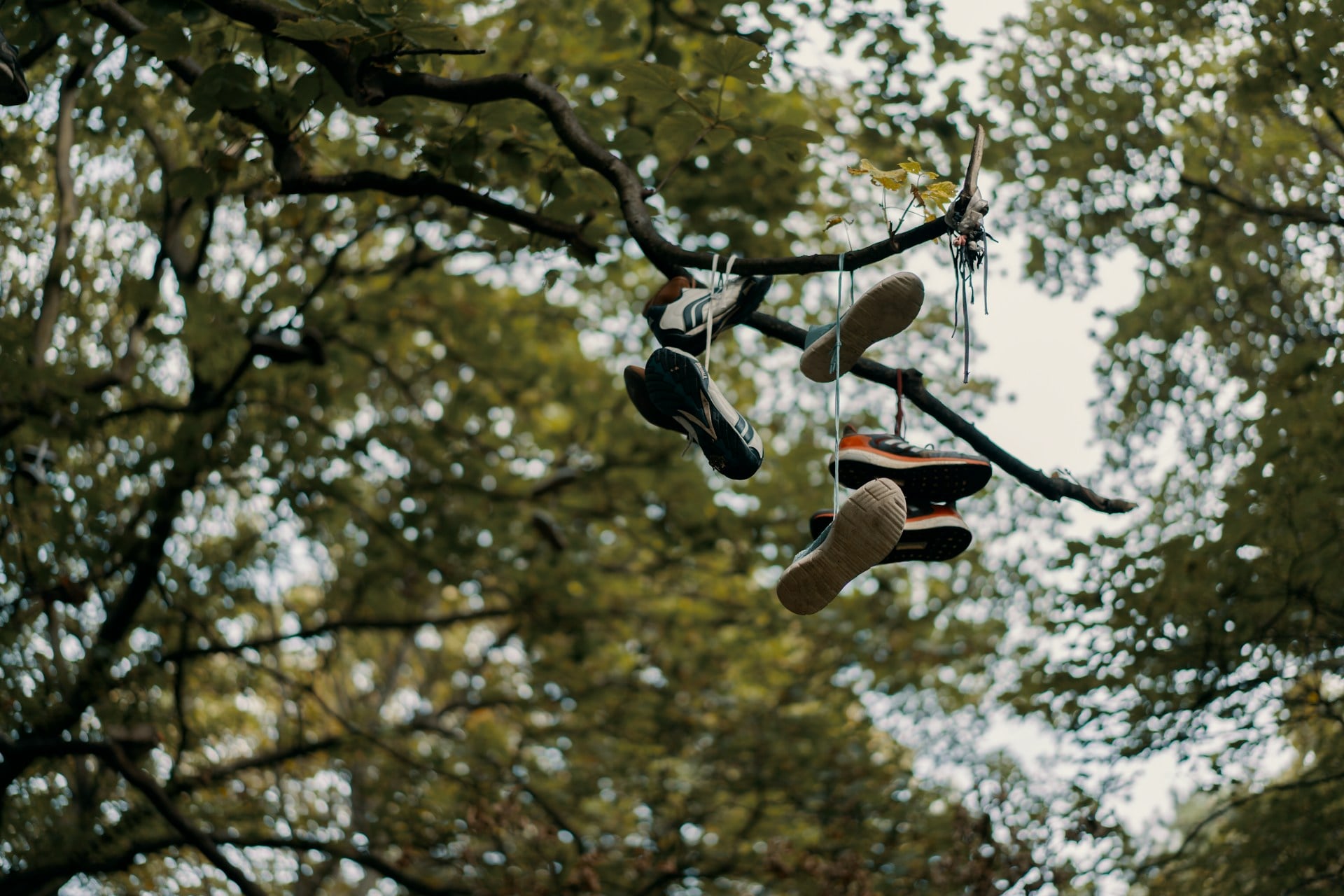
Travel through certain parts of Europe or the southern United States, and you might spot shoes dangling from tree branches. This practice dates back centuries and was believed to protect communities from illness and bad luck.
People thought that hanging worn-out shoes would trap evil spirits inside them. The spirits would get stuck in the leather and never reach the village.
Placing baby shoes in walls during construction

Builders in England discovered thousands of concealed shoes hidden inside the walls of old houses. Families would place children’s shoes inside walls, under floorboards, or near chimneys during construction.
This wasn’t about storage. People believed these hidden shoes would guard the home against witches and demons who might try to enter through openings like chimneys.
Burying shoes with the dead in ancient times

Archaeological digs across Europe and Asia have uncovered graves with shoes carefully placed beside or on the bodies. Ancient Greeks put coins in the mouths of the deceased to pay the ferryman, but they also made sure the dead had sturdy sandals.
The journey to the afterlife was thought to be long and difficult. No one wanted their loved ones walking barefoot through the underworld.
Nailing shoes to doorways for protection

Old houses in Britain and parts of America sometimes have rusty nails sticking out near doorframes with bits of leather still attached. Homeowners would nail shoes above or beside doors to keep witches from entering.
The logic was simple but strange. Witches supposedly couldn’t resist counting all the stitches and nail openings in a shoe, which would keep them busy until sunrise.
Throwing shoes over power lines to mark territory

While more modern than ancient, this practice has ritual significance in many urban communities. Shoes tied together and flung over telephone wires mark everything from gang boundaries to memorial sites.
In some neighborhoods, each pair tells a story about someone who lived there or an event that happened. The shoes become a permanent record hanging high above the street.
Filling shoes with rice at Chinese weddings

Chinese wedding traditions include some unusual footwear customs. Brides’ families sometimes fill red shoes with uncooked rice before the ceremony.
The groom must find these hidden shoes and pay a symbolic price to retrieve them. This playful ritual represents the value of the bride and the groom’s commitment to caring for his new wife and future family.
Burning shoes to release souls
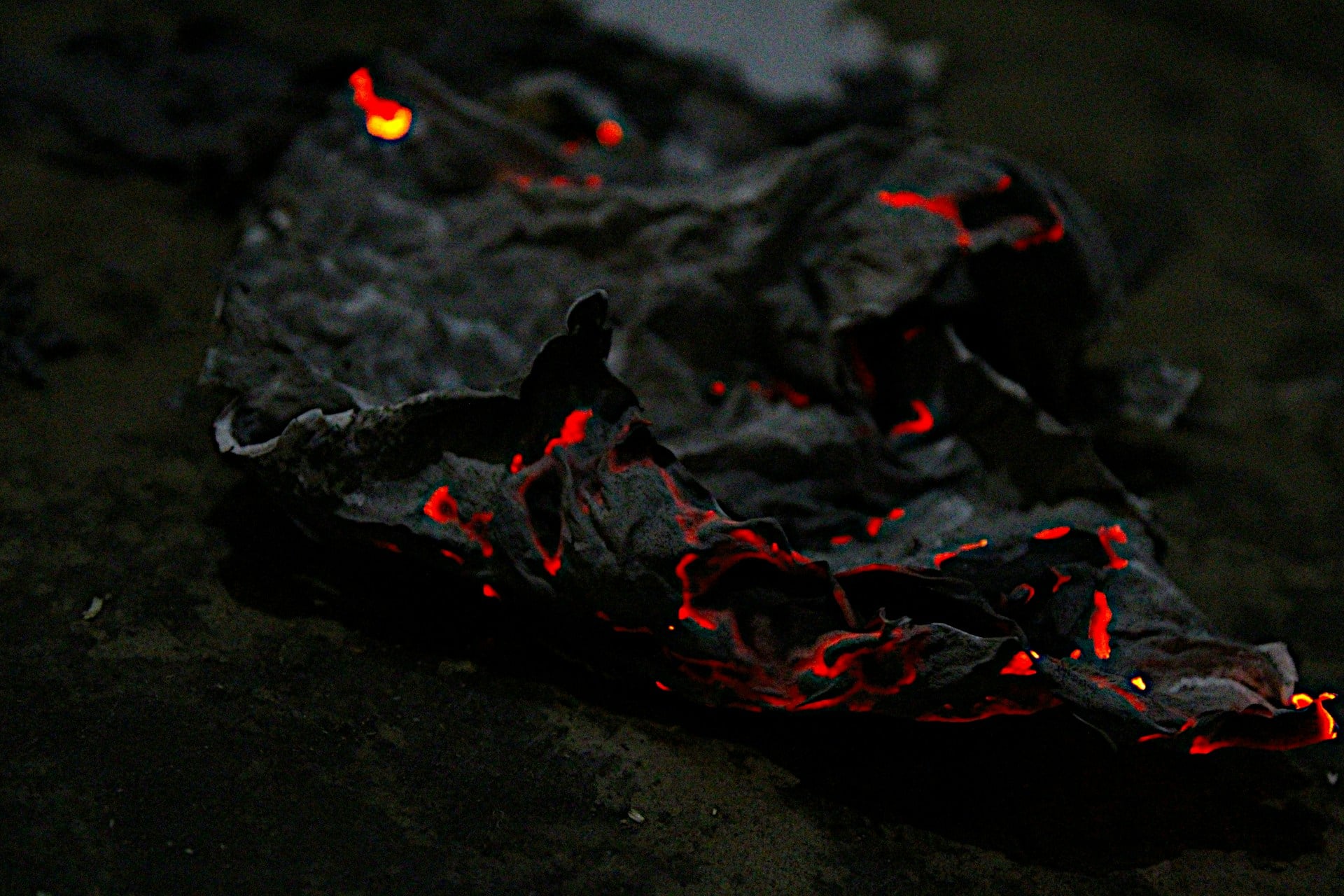
In some Hindu funeral practices, burning the deceased person’s shoes serves an important spiritual purpose. The fire releases not just the physical body but also everything that connects that person to earthly life.
Shoes, which carry someone through their daily journey, need to be destroyed so the soul can move forward without attachment. The ritual helps both the living and the dead let go.
Using pointed shoes to confuse demons

Medieval Europeans developed extremely long, pointed shoes called poulaines. While fashion played a role, some people believed the exaggerated points served a protective function.
Demons and evil spirits supposedly traveled in straight lines, so the curved, elongated toes would confuse them about which direction the wearer was actually heading. The longer the point, the better the protection.
Placing shoes under beds for fertility
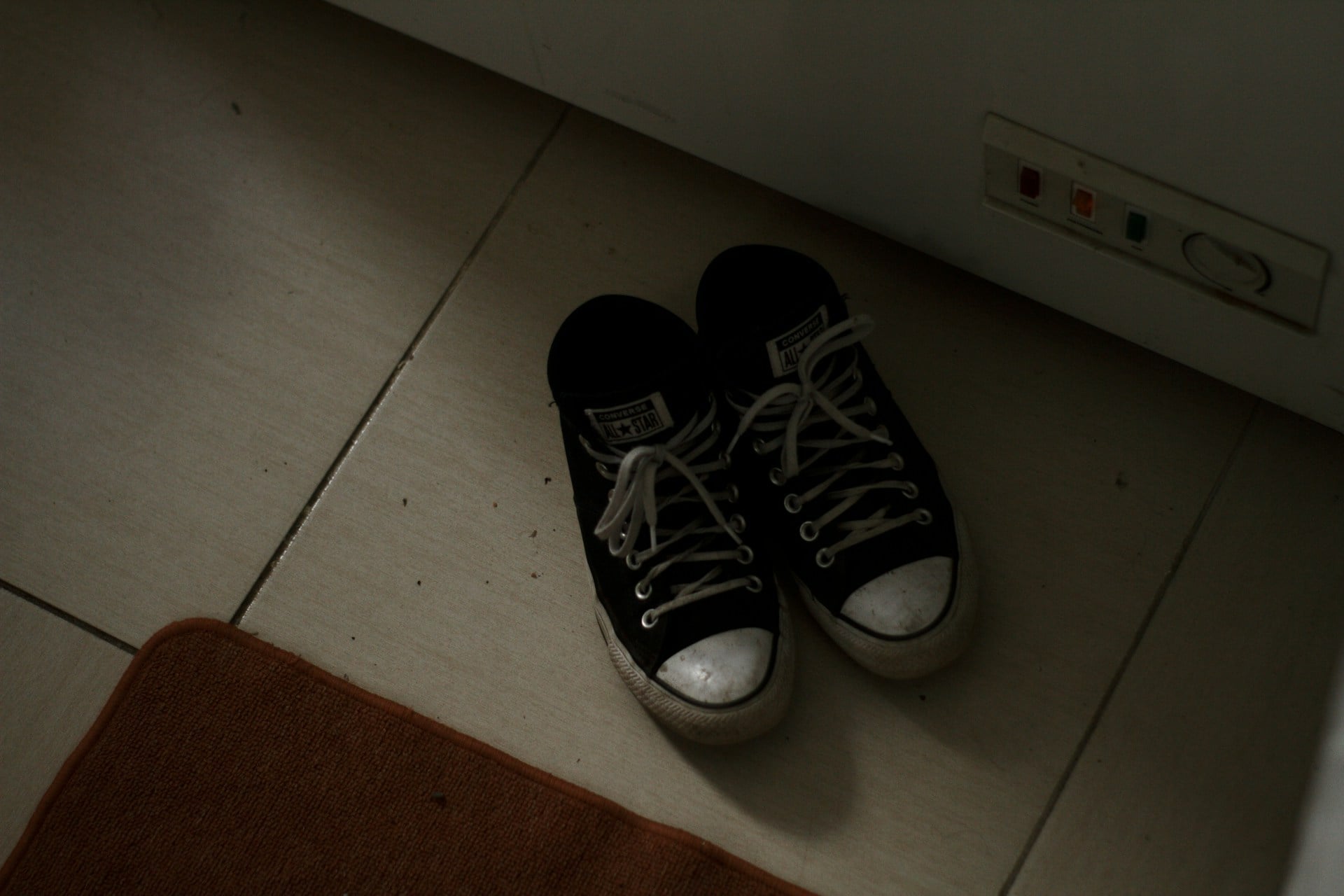
Newlywed couples in parts of Germany and Scandinavia had an interesting bedtime ritual. They would place their shoes under the marriage bed with the toes pointing outward.
This arrangement was supposed to encourage fertility and ensure the couple would have many children. If the shoes got turned around during the night, people saw it as a sign that a baby would arrive soon.
Sacrificing shoes at crossroads

Crossroads have long been considered powerful and dangerous places where worlds meet. In various African and Caribbean traditions, people would leave shoes at intersections as offerings.
The shoes represented a journey or a choice between paths. Leaving them behind was a way to ask spirits for guidance or to mark a significant life decision.
Decorating shoes with coins and bells
Brides in Turkey and parts of the Middle East traditionally wore shoes covered in coins and tiny bells. The jingling announced her arrival and was believed to drive away jealous spirits.
The coins represented wealth and prosperity in the marriage. Every step the bride took created a sound that both celebrated the union and protected it from unseen threats.
Preserving baby’s first shoes in resin

Modern American families often bronze or preserve a baby’s first walking shoes. This practice evolved from older European traditions where first shoes were kept as protective charms.
Parents believed that saving these tiny shoes would ensure their child’s continued health and success. Some families still place preserved baby shoes on mantels or in special display cases as both decoration and spiritual safeguard.
Stealing the bride’s shoe during ceremonies
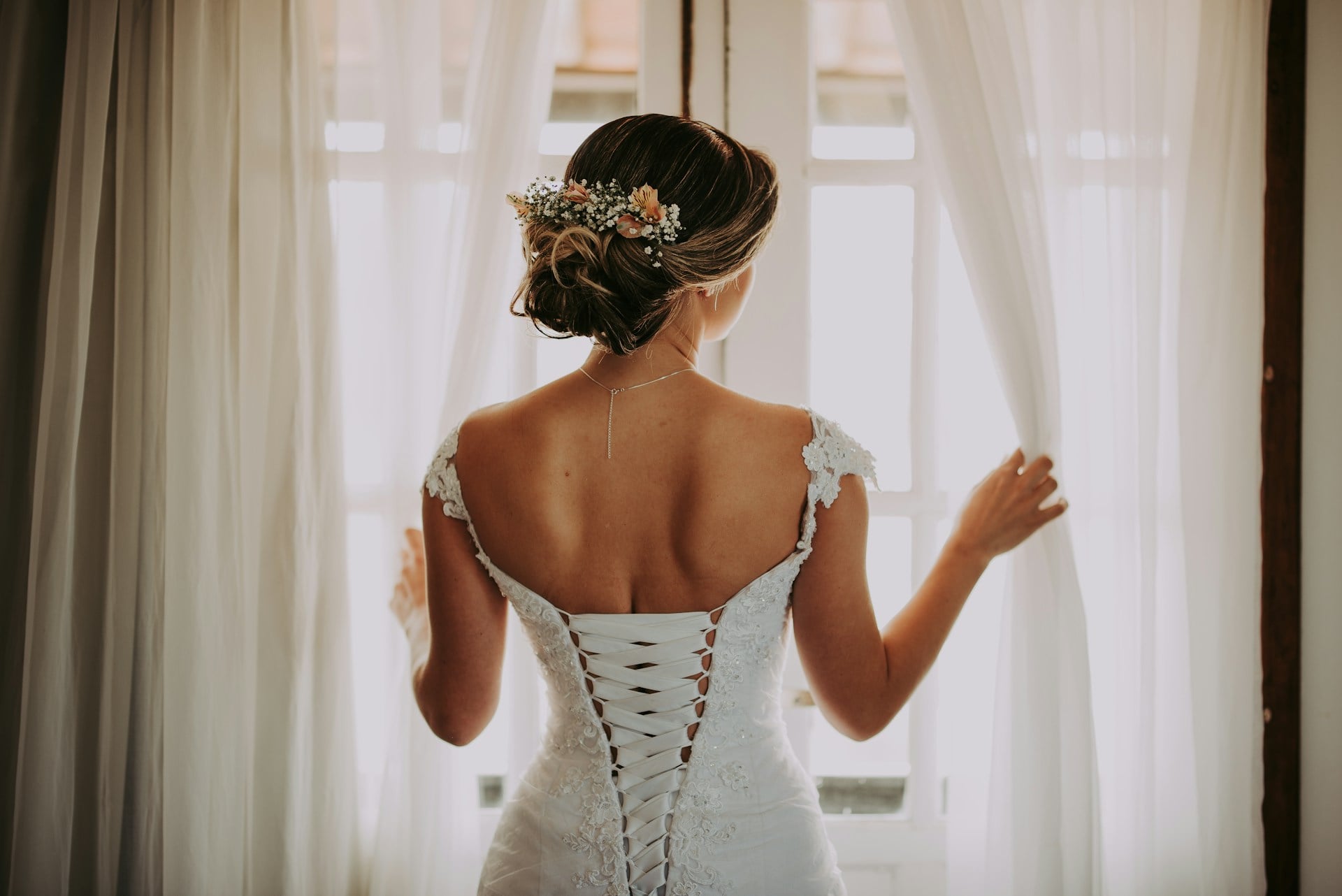
Jewish wedding traditions include a playful shoe theft. Guests attempt to steal the bride’s shoe during the reception, and the groom must negotiate or pay to get it back.
This lighthearted custom has deeper roots in showing the groom’s dedication and resourcefulness. It also brings the community together in shared laughter and celebration.
Slippers left by the door of holy places

Slipping off your shoes when stepping into special places shows up in plenty of faiths, yet each gives it its own spin. At Buddhist shrines, ditching footwear means dropping daily clutter and grime before crossing into something clean.
Hindu sanctuaries do much the same, seeing soles as carriers of bad vibes picked up outdoors. That small gesture of kicking things off marks a shift, from regular life right into sacred ground.
Putting metal boots on people who were killed by law

Historical accounts from medieval Europe tell of a dark custom, officials put thick iron boots on criminals after death. Not regular footwear, these were heavy shackles designed to stop corpses from moving.
People worried that folks killed in anger or as justice could come back to scare the living. The metal shoes pinned them down, keeping spirits buried.
Exchanging shoes between bride and groom

In some Indian weddings, the bride takes the groom’s shoes while he grabs hers, this happens at special points in the ceremony. Instead of just standing apart, they step into each other’s place, getting a feel for how the other moves through life.
Not only is it meaningful, but also kind of useful, showing they’ll need to adjust and grow together. Wearing ill-fitting footwear, even briefly, teaches them that sharing a life means shifting stance now and then.
Giving red shoes on big birthday moments
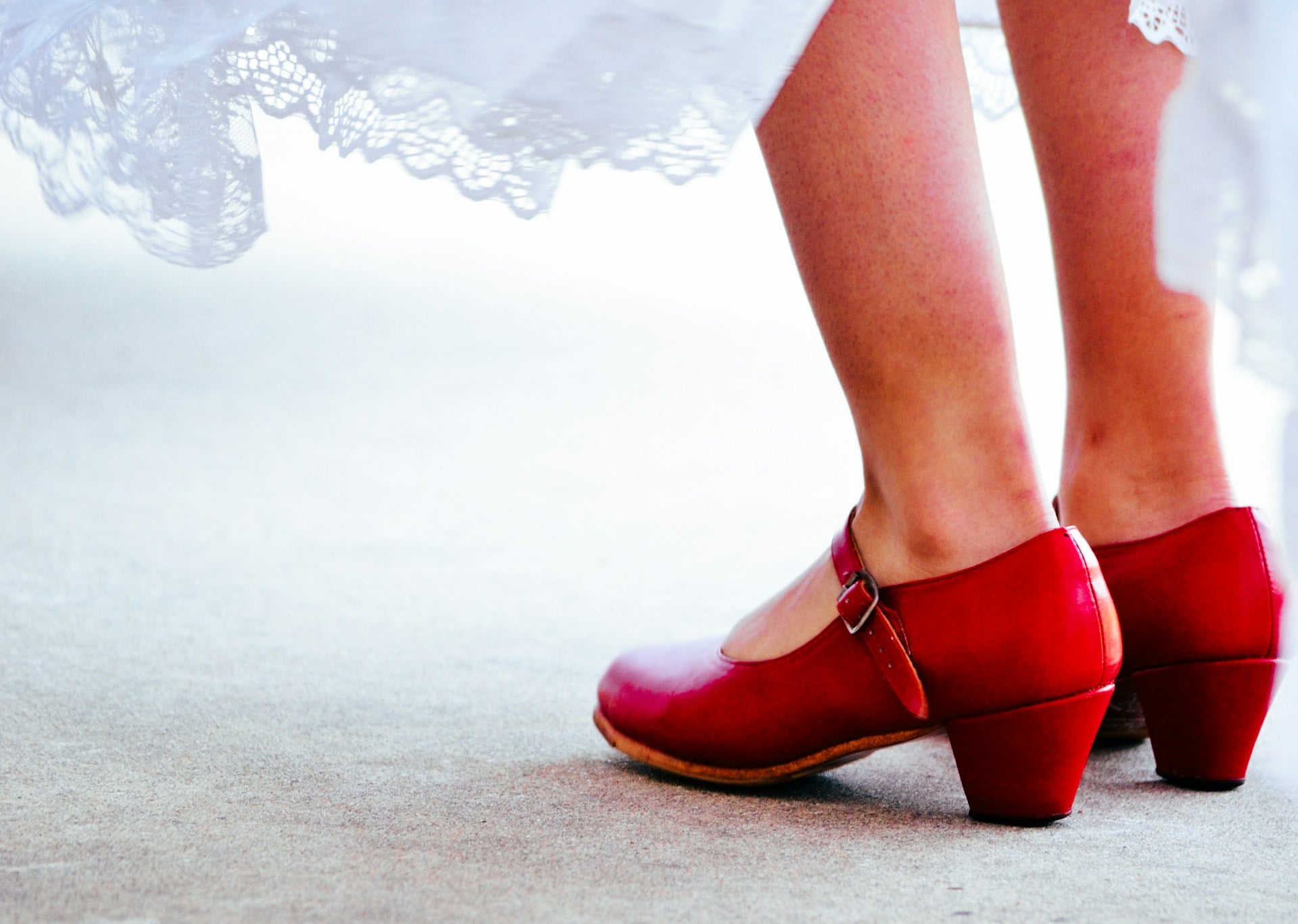
Korean custom means kids get red shoes at age one. In Korea, red stands for safety from bad forces, so it’s chosen on purpose.
Turning twelve months is a big deal because back then, lots of babies didn’t make it that far. Since surviving was rare, families marked the moment with joy.
From ceremony to habit
Shoe customs show folks’ve always tried to honor big life events while guarding the things they care about. Some sacred acts turned into everyday habits, passed down through families, even when the roots get forgotten.
Next time you see rice thrown at a newly married pair or tiny boots saved in a closet, think twice: that small act might carry echoes of old-time rites.
More from Go2Tutors!

- The Romanov Crown Jewels and Their Tragic Fate
- 13 Historical Mysteries That Science Still Can’t Solve
- Famous Hoaxes That Fooled the World for Years
- 15 Child Stars with Tragic Adult Lives
- 16 Famous Jewelry Pieces in History
Like Go2Tutors’s content? Follow us on MSN