US Presidents With Athletic Background
The White House has housed plenty of bookish intellectuals and career politicians, but some commanders-in-chief came to the office with impressive athletic credentials too. Physical prowess shaped how these leaders approached challenges, built character, and connected with the American public.
Their sports backgrounds reveal another dimension of presidential history that often gets overlooked.
Theodore Roosevelt: Boxing and the Strenuous Life

Roosevelt didn’t just talk about physical fitness—he lived it. As a young man, he boxed regularly and even sparred in the White House.
A punch during one of these sessions left him partially blind in one eye, but he kept the injury secret for years. His athletic philosophy went beyond personal health.
He believed Americans needed to embrace what he called “the strenuous life” to build national character.
Gerald Ford: Star Center for Michigan
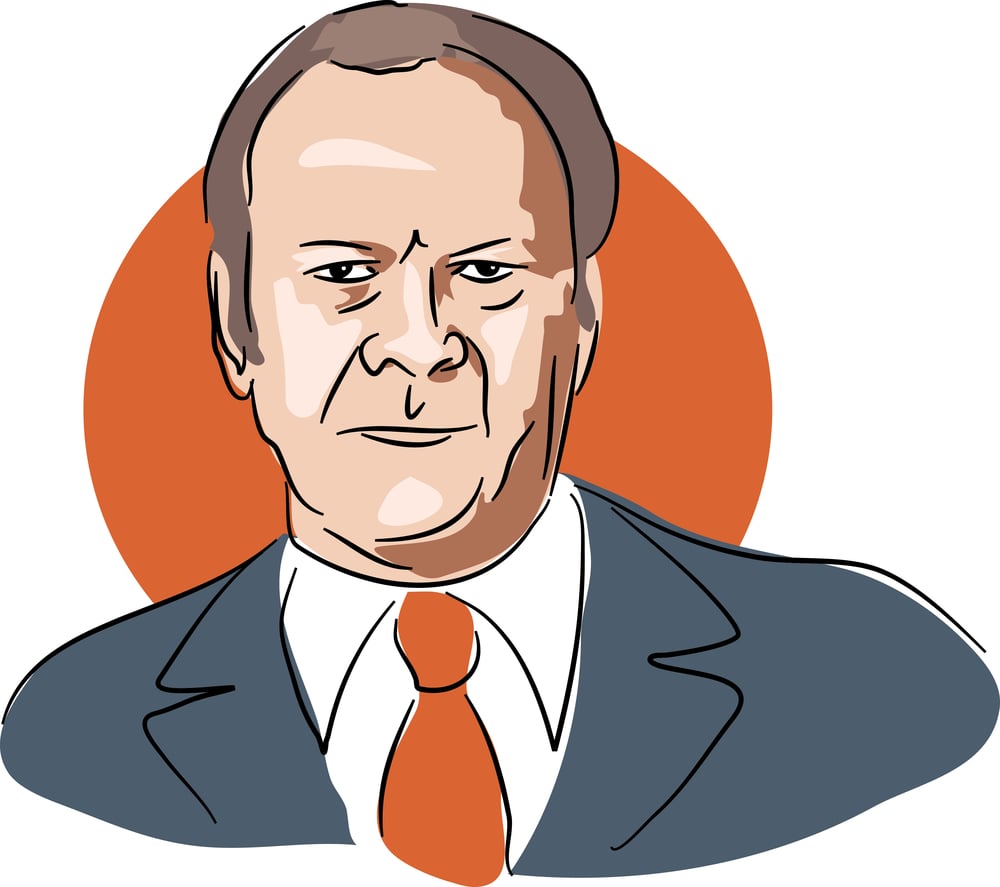
Before politics, Ford played center for the University of Michigan Wolverines. The team won national championships in 1932 and 1933 with Ford as a key player.
He received offers from the Detroit Lions and Green Bay Packers but turned down professional opportunities to attend Yale Law School instead. Those years on the gridiron taught him teamwork and resilience that served him well during his unexpected presidency.
Dwight Eisenhower: Baseball and Football at West Point
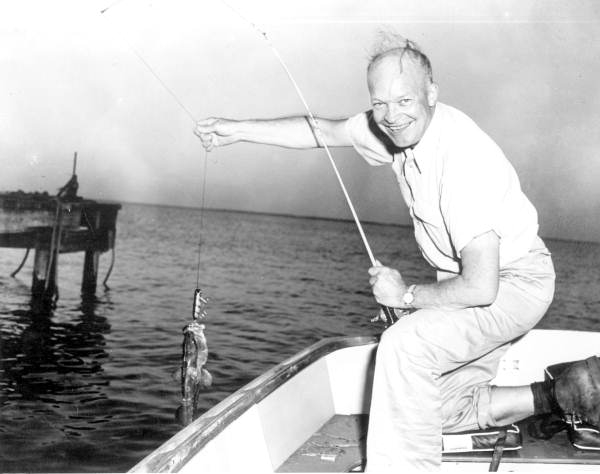
Eisenhower excelled at both sports during his time at the military academy. A knee injury ended his playing days, but his love for athletics never faded.
As president, he installed a putting green at the White House and played golf whenever his schedule allowed. His competitive spirit on the field translated directly to his strategic thinking during World War II and his presidency.
George H.W. Bush: Yale’s Baseball Captain
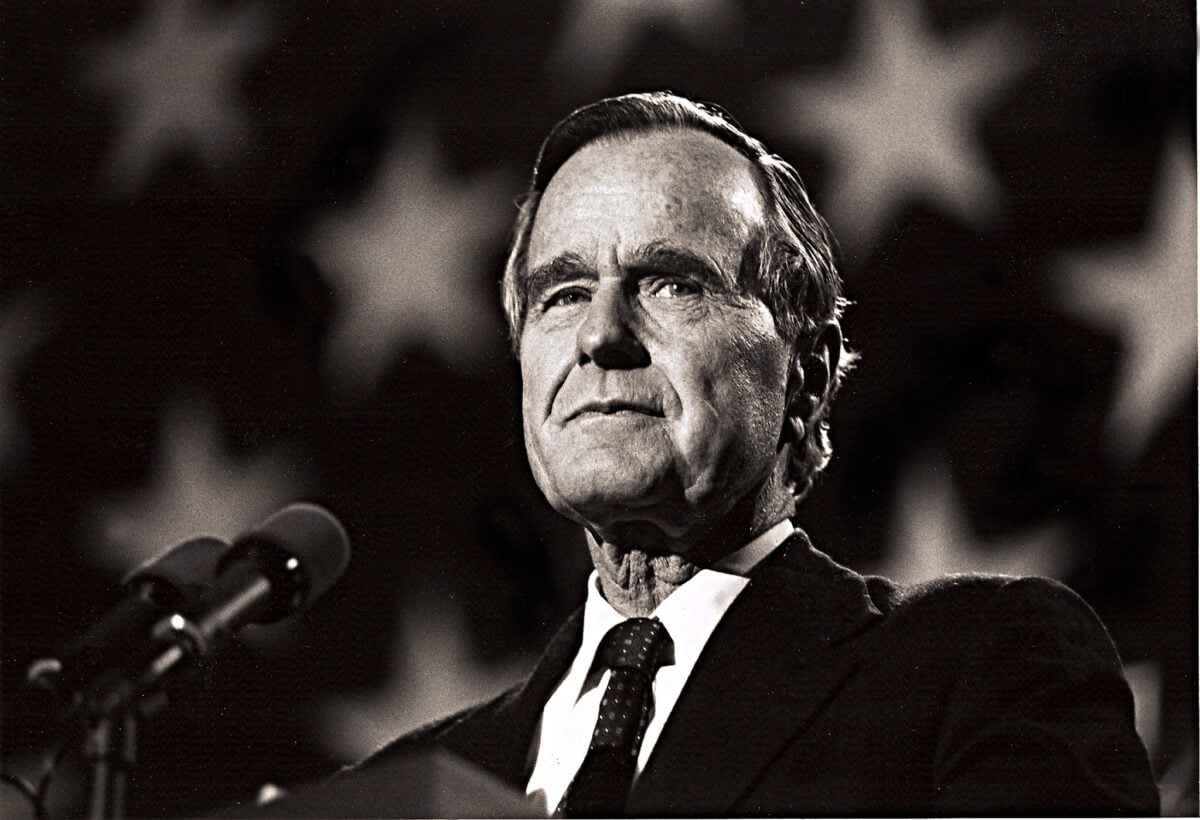
Bush captained the Yale baseball team and played in the first two College World Series tournaments. He met Babe Ruth during an exhibition game at Yale Field, a moment he treasured throughout his life.
His teammates remembered him as someone who valued fair play and sportsmanship above winning at any cost. The discipline from those early morning practices and the pressure of leading a team prepared him for the diplomatic challenges he would face decades later.
Ronald Reagan: Lifeguard and Football Player

Reagan worked as a lifeguard in Illinois, saving 77 people over seven summers. He also played football at Eureka College, though poor eyesight limited his abilities.
His sports background gave him the physical confidence and quick reflexes that served him well in Hollywood and eventually in politics. The performer’s instincts he developed paralleled the discipline he learned on the field.
John F. Kennedy: Sailing and Swimming Despite Pain
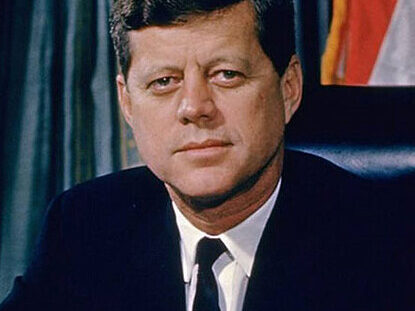
Kennedy’s chronic back problems could have sidelined him completely, but he refused to let them. He swam regularly for therapy and became an accomplished sailor.
During World War II, his swimming ability saved his life when his PT boat was destroyed. He swam for hours pulling an injured crew member to safety.
That physical courage became part of his presidential image.
Richard Nixon: Bench Warmer with Determination
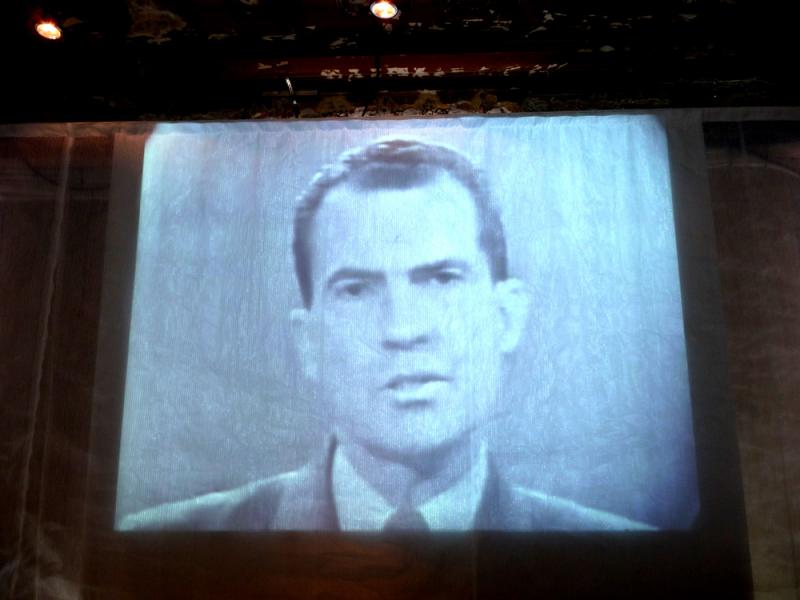
Nixon sat on the bench for most of his time on the Whittier College football team. He lacked natural athletic talent but showed up to every practice and never quit.
Coach Wallace Newman later said Nixon’s determination impressed him more than skilled players who coasted on ability. That same stubbornness defined his political career, for better and worse.
Jimmy Carter: Cross Country Runner
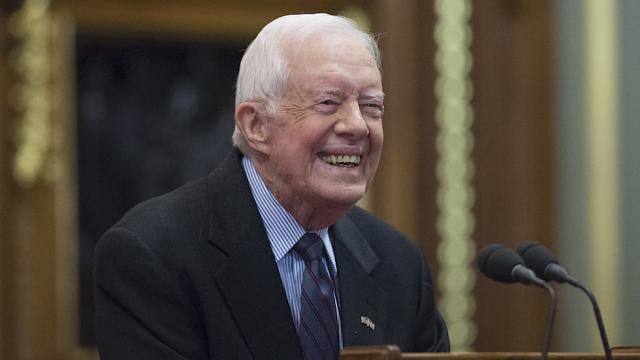
Carter ran cross country at the Naval Academy, developing the endurance that would mark his approach to governance. Running taught him to push through discomfort and focus on long-term goals rather than immediate gratification.
As president, he maintained a rigorous jogging routine and once collapsed during a 10K race, pushed himself to the limit even in his fifties.
Abraham Lincoln: Wrestling Champion
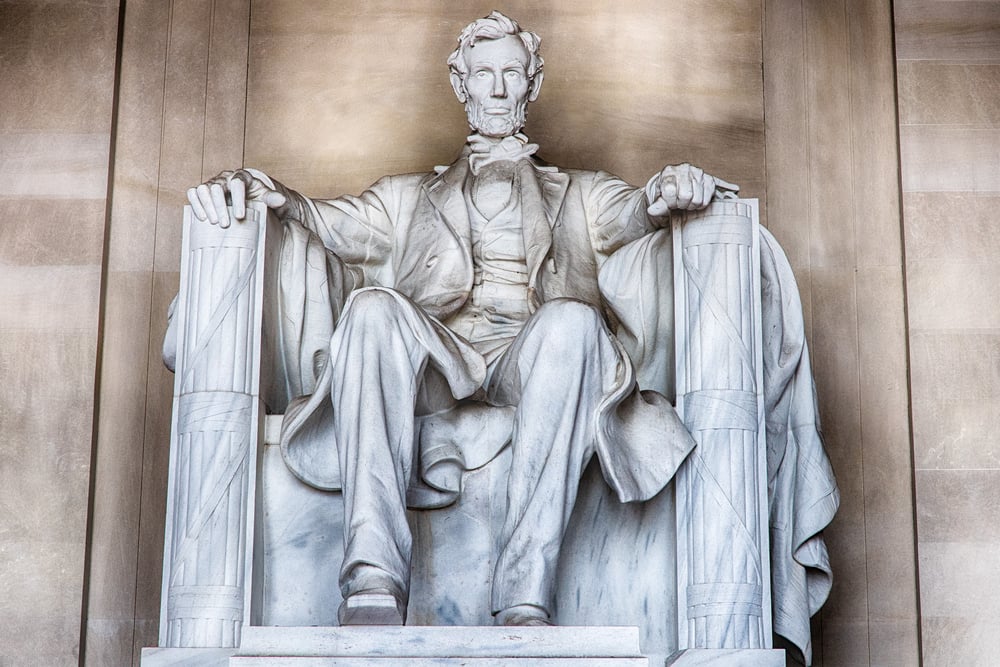
Lincoln stood 6’4″ and possessed remarkable strength from years of splitting rails and manual labor. He wrestled competitively in his youth, losing only once in roughly 300 matches.
His most famous bout occurred when he defeated Jack Armstrong, the leader of a gang called the Clary’s Grove Boys. That victory earned him respect in New Salem, Illinois, and helped launch his political career.
The physicality of wrestling matched his direct, hands-on approach to leadership.
George W. Bush: High School Baseball and Jogging
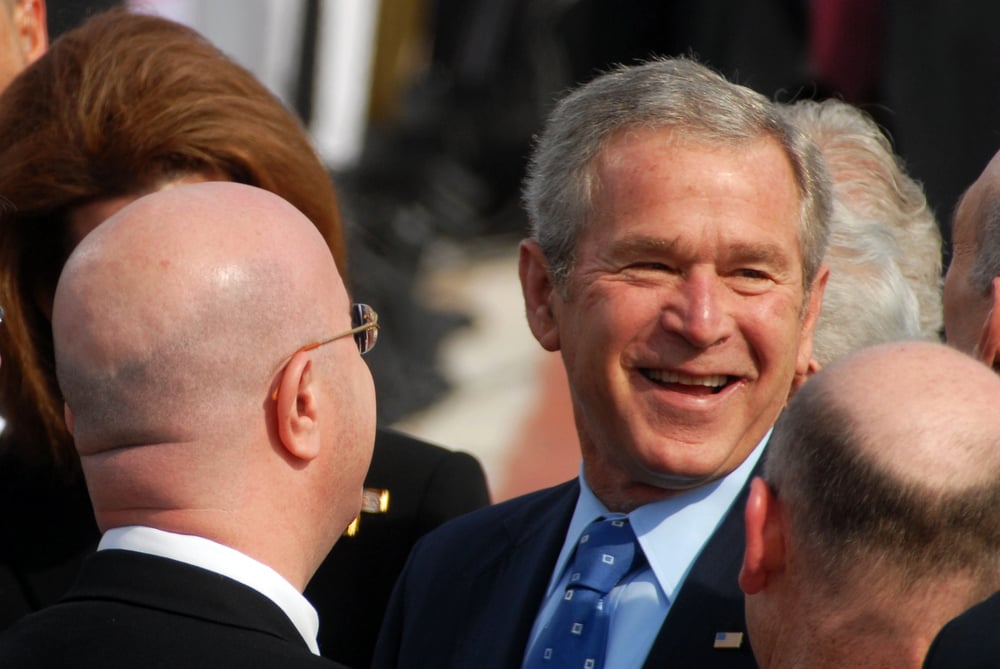
Bush played baseball at Phillips Academy and owned a share of the Texas Rangers before becoming president. He ran regularly, sometimes completing three miles in under 21 minutes even in his fifties.
His competitive nature showed in everything from his workout times to his approach to politics. He used running as both stress relief and a way to prove his vitality to critics who questioned his intellectual depth.
Barack Obama: High School Basketball Star

Obama played point guard for his high school team in Hawaii, earning the nickname “Barry O’Bomber” for his jump shot. He loved the team aspect of the sport and continued playing pickup games throughout his presidency.
Basketball taught him timing, patience, and the importance of knowing when to pass and when to shoot. Those lessons appeared repeatedly in his deliberative decision-making style.
Bill Clinton: High School Band Over Sports
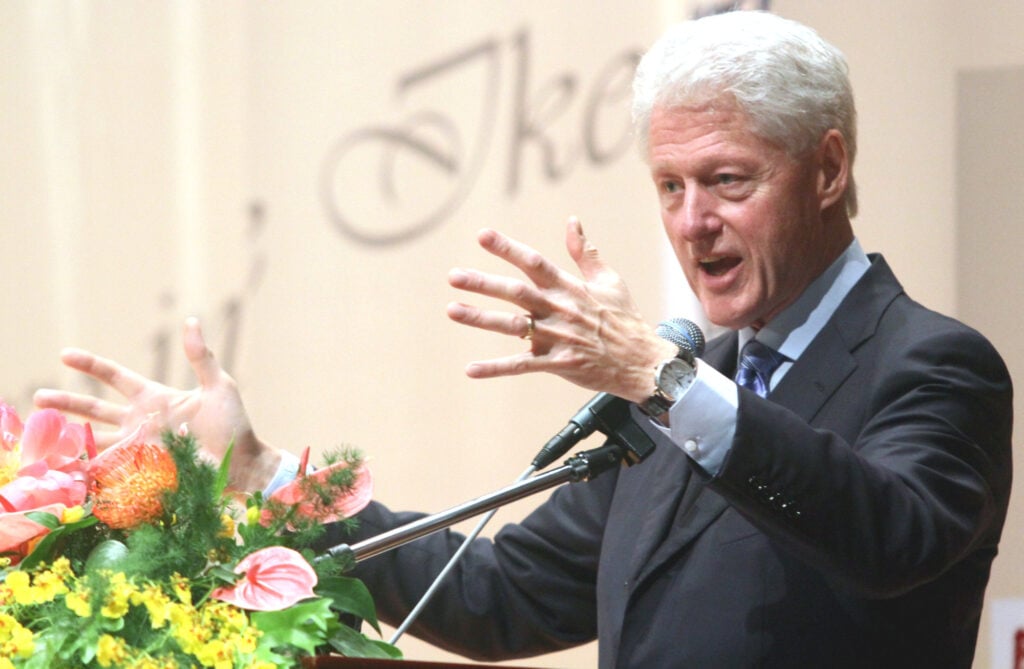
Clinton didn’t excel at organized sports, but he played saxophone in the band and enjoyed informal games. His athletic participation came mostly through jogging, which he took up in his forties.
The running habit reflected his baby boomer generation’s embrace of fitness culture. He famously jogged to McDonald’s during his presidency, an image that captured both his attempts at health and his struggles with self-discipline.
Herbert Hoover: Stanford Baseball and Football Manager
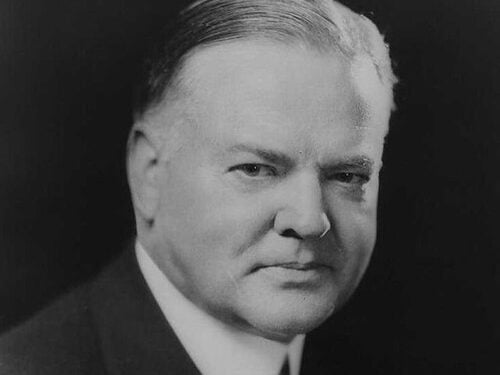
Hoover managed Stanford’s baseball and football teams during the university’s early years. He didn’t play competitively but understood the organizational side of athletics.
His management skills developed through coordinating teams, handling logistics, and solving problems behind the scenes. That administrative approach defined his engineering career and his presidency.
Where Sports and Statecraft Meet
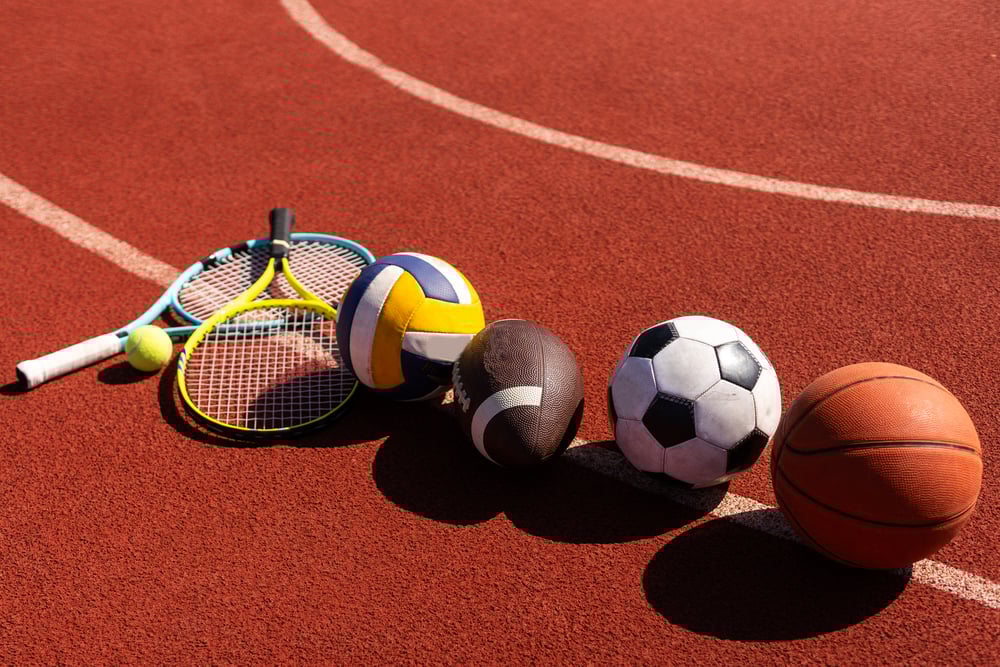
Football games at dawn, long runs under heavy skies – those rhythms stayed with them after college. Not merely routines of sweat and strain, but echoes of something deeper.
One learned timing from basketball; another found calm in boxing’s rhythm. Public eyes watched closely when they swung bats or threw orbs.
For others, it was private – the way swimming cleared thought during hard months. Critics had said they were too weak, too slow, too unsure.
Yet every jump shot, every mile logged, pushed back without words. How they moved their bodies became part of how they carried the office.
Athletes turned presidents show something quiet about endurance shaping authority. Finishing when exhausted teaches persistence few learn elsewhere.
Pushing forward while hurt builds a different kind of strength. Sitting unused on sidelines shapes patience power often ignores.
Physical trials plant lessons logic cannot touch. Leading well means carrying what struggle carves into bone.
More from Go2Tutors!

- The Romanov Crown Jewels and Their Tragic Fate
- 13 Historical Mysteries That Science Still Can’t Solve
- Famous Hoaxes That Fooled the World for Years
- 15 Child Stars with Tragic Adult Lives
- 16 Famous Jewelry Pieces in History
Like Go2Tutors’s content? Follow us on MSN.