Views of countries with the most islands
Out there, where water cuts through land, attention slows down. Not just because a cove sits untouched behind cliffs, but also when jagged edges drop into waves without warning – moments like these stick around in your head.
Picture trees growing close to salt spray, roots gripping stone as tides pull back; that contrast doesn’t show up inland.
Where nations scatter across clusters of small masses, each view shifts like shuffled cards.
Familiar photos fail to capture what standing on one actually feels like.
A handful of nations stand out when it comes to islands – countless specks of land scattered across blue expanses.
Landmasses have small and numerous shaped coastlines few ever see up close.
What stays with you isn’t grand design – it’s raw simplicity.
Not every country has so many islands, yet those that do leave an imprint.
Views linger long afterward, quiet and unshakable.
Sweden
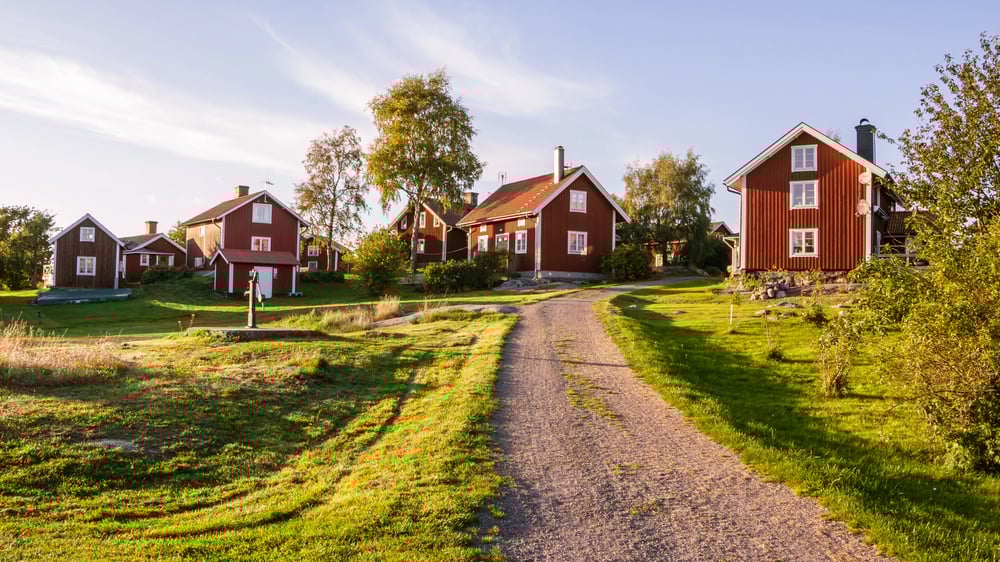
Floating along Sweden’s edges and tucked inside its lakes are more than 220,000 islands, each showing a different face – some rough and untamed, others quiet like a painted scene.
Spread out beyond the capital, one cluster weaves through over thirty thousand tiny landforms, barely rising above the sea.
When summer arrives, sunlight lingers, soft and amber, making bare stone glow as if lit from within.
Along the coasts, small houses wear bright coats of red or yellow paint, standing where water meets shore.
Between these pieces of land, the surface stays flat and glassy, reflecting everything without a single ripple.
Finland
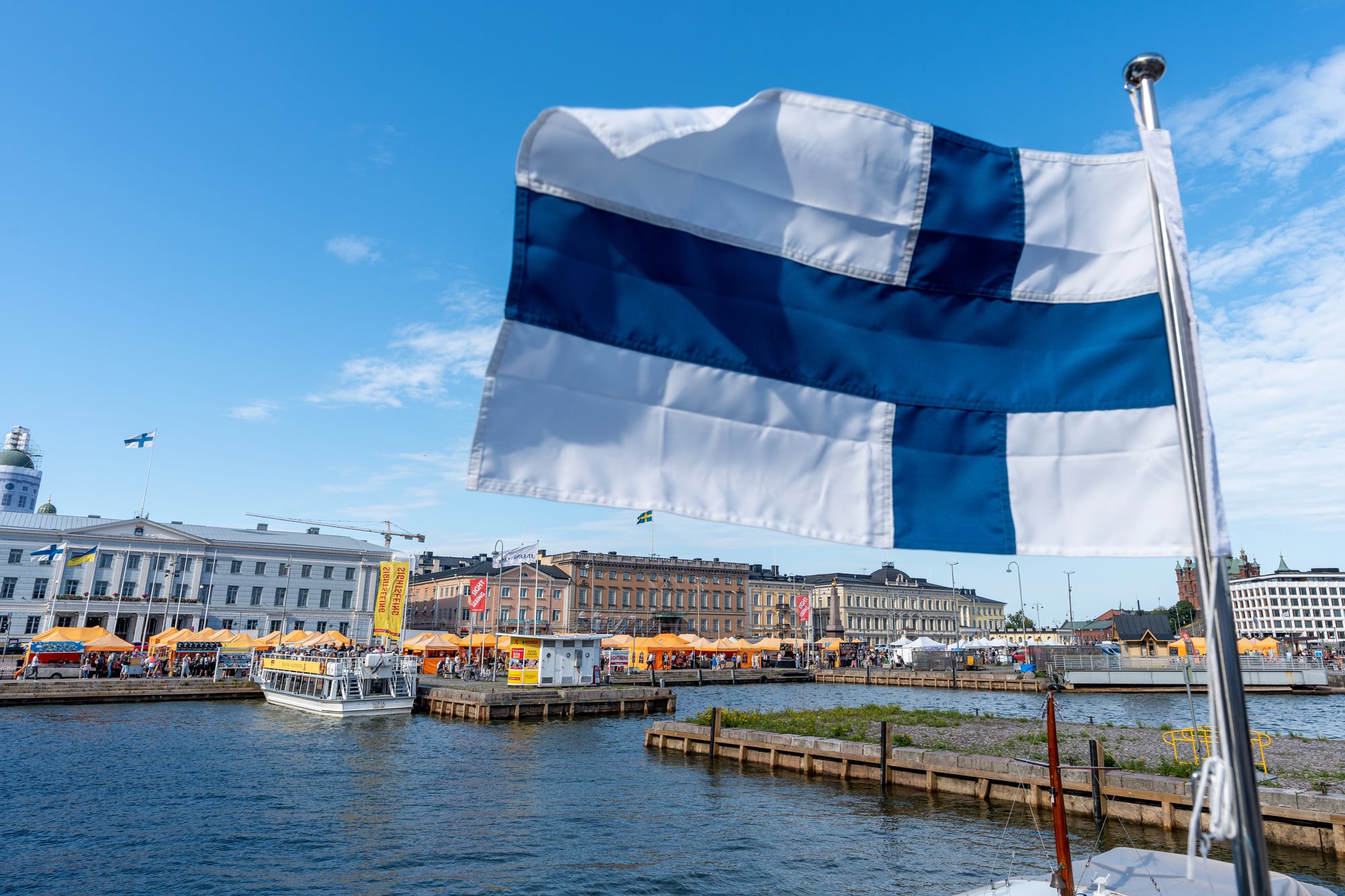
Islands make up a big chunk of Finland, about 180,000 scattered all over.
Southwest lies the Archipelago Sea, a maze where land pokes out between water like puzzle pieces refusing to settle.
Boats slip quietly along narrow lanes, brushing past shores lined with birch roots dipping into the sea.
Sunlight here moves differently – hazy, gentle – as if slowed by the air itself, pulling lens-toting travelers from distant corners just to see it.
Norway
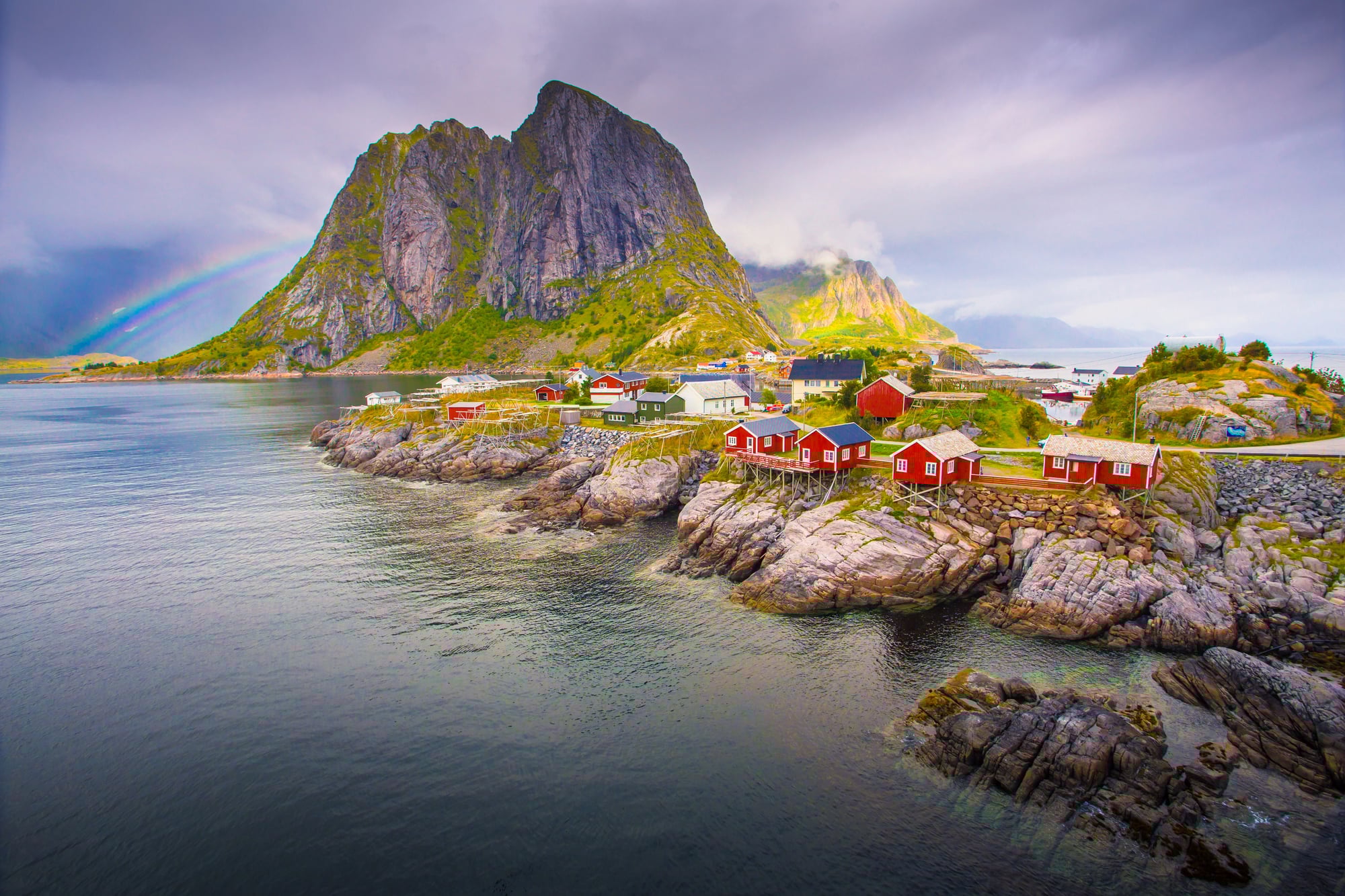
Along Norway’s edge, the land tears into deep fjords while wrapping past countless islands – over fifty thousand specks scattered like stones.
Rising without warning from cold water, the Lofoten peaks grab attention first, jagged and wet under shifting skies.
Clusters of red cabins cling to shorelines below, where fishing nets hang still between wooden huts.
When darkness lingers in winter months, ribbons of light twist overhead, turning snowfields electric.
Colors spill across the night with no help from anyone’s lens.
Canada

Most would be surprised to learn how many islands belong to Canada – fifty-two thousand dot the waters along its three surrounding oceans.
Rising sharply in the far north, Baffin stands among Earth’s biggest, shaped by icy forces that carved deep fjords into endless tundra under vast white sheets.
On the opposite edge of the country, Vancouver Island breathes quiet green life through thick coastal woods veiled in fog, where still bays cut between shadowed peaks.
From gentle shores to wild extremes, these scattered lands offer scenery shaped by silence, weather, and time.
Indonesia

Scattered across the ocean, Indonesia stretches over 17,000 islands – putting it among the world’s biggest island nations when counting landmasses surrounded by water.
Instead of blending together, each patch of land offers something separate: jagged volcanoes poking through clouds alongside quiet coastlines guarded by coral and glassy waves where seafloor stones show clearly beneath passing boats.
While tourists tend to flock to Bali, drawn by green staircases of rice fields tumbling toward the horizon, places such as Komoda and Raja Ampat surprise visitors with scenes equally intense.
Step onto any shore, however small, and the ground underfoot might feel familiar yet entirely foreign at once.
Philippines
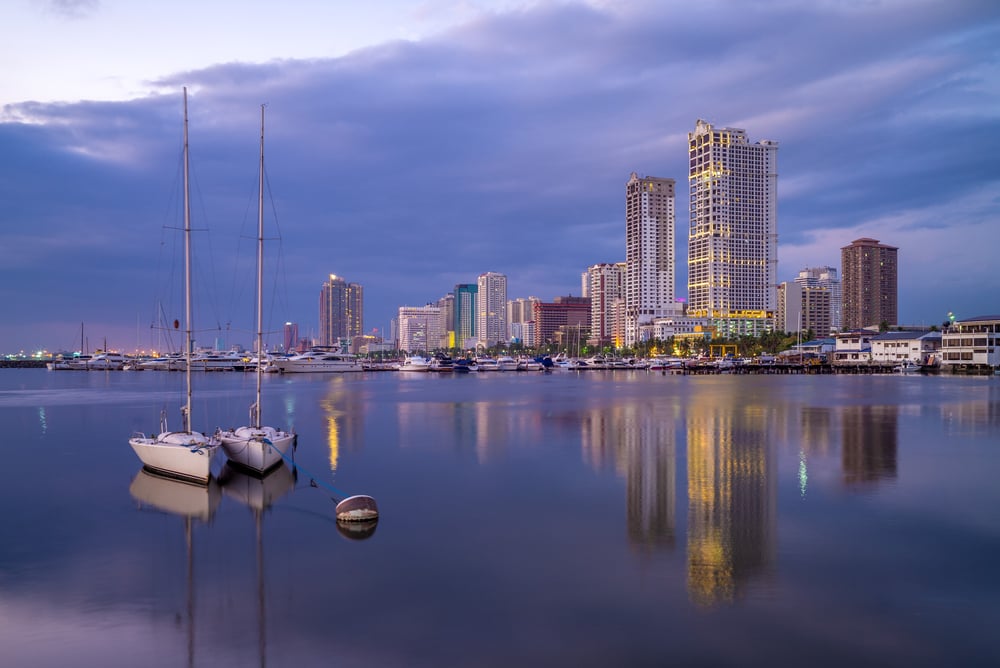
About 7,640 islands make up the Philippines, yet each journey changes what you see in dramatic ways.
Heading toward Palawan? Expect towering limestone walls, secret coves tucked behind rock, along with bright blue seas that glow under sunlight.
Then there’s Bohol – home to the Chocolate Hills – a place where more than a thousand smooth, grass-covered domes rise from flat ground like something dreamed up by nature itself.
Surprises wait around every corner here, no matter how many times you look.
Japan
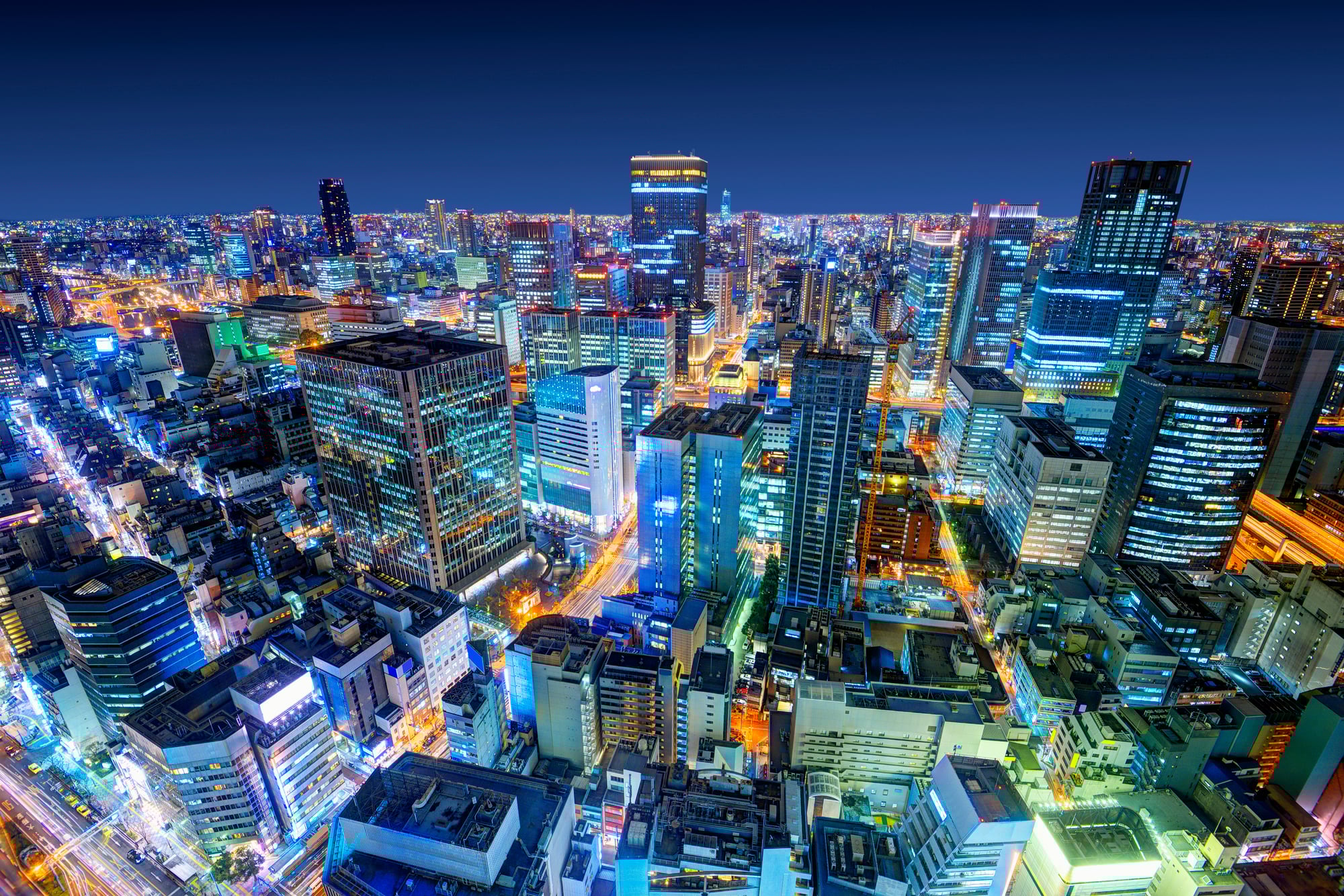
Stretching across almost 7,000 islands, Japan shows a deep care for natural scenery.
Along the Seto Inland Sea, tiny landmasses hold lemons near rocky edges while quiet artworks rest in wide grassy stretches.
Farther down, past most of the archipelago, lie the Ryukyu Islands – Okinawa among them – with bright waters, living reefs, and ways of life unlike what you find on the main shores.
Rides by boat from one island to another deliver sights that stick without trying too hard.
Australia
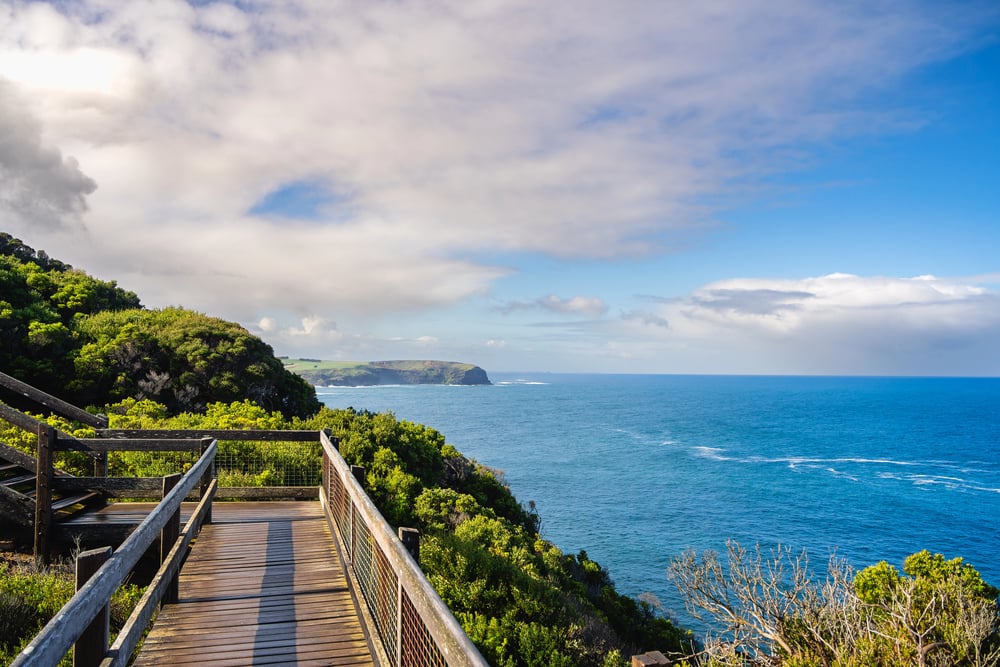
Australia’s island count runs into the thousands, with Tasmania being one of the most visually powerful of them all.
The southwest of Tasmania is so wild and untouched that large parts of it are only reachable by boat or foot, with ancient forests and quartzite mountains making up the view.
The Whitsunday Islands sit inside the Great Barrier Reef and offer a completely different picture, where white sand beaches curve against impossibly blue water.
Few countries pack this much visual contrast into their islands.
Greece
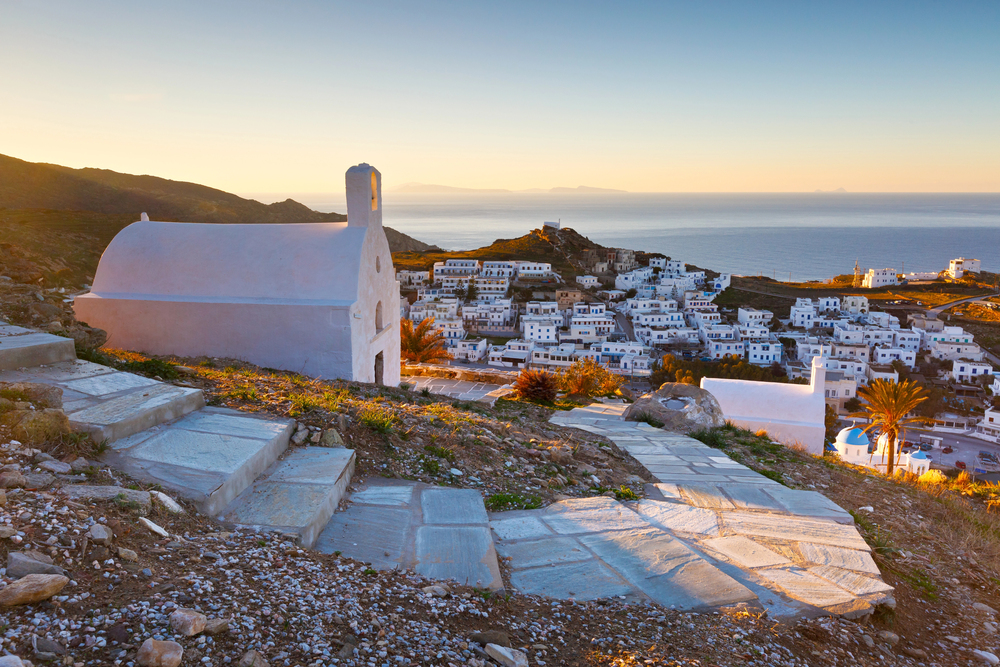
Greece has around 6,000 islands, though only a few hundred are actually inhabited.
The Aegean and Ionian seas are dotted with these islands, each one slightly different in character and scenery.
Santorini’s white buildings and blue domes stacked above the caldera are possibly the most reproduced island image in the world.
But head to lesser-known islands like Folegandros or Ikaria and the views become quieter, more honest, and in many ways more beautiful.
Chile

Chile is not always the first country that comes to mind when talking about islands, but it has over 5,000 of them along its southern coast.
Chiloé is the largest and most known, covered in dense temperate rainforest with wooden churches, stilt houses built over the water, and mist that sits low over the sea most mornings.
Further south, the islands become increasingly wild and uninhabited, part of the Patagonian channels where glaciers meet the sea.
The views down here feel genuinely far from everything else.
United Kingdom

The UK is built on islands, with Great Britain and Ireland being the largest, surrounded by hundreds of smaller ones.
The Scottish islands, particularly the Outer Hebrides and Orkney, offer views that are raw and often dramatic, with Atlantic waves hitting wide, empty beaches backed by green hills.
Skye in particular has a landscape that shifts between foggy cliffs, flat lochs, and jagged ridges that look almost too cinematic to be real.
These islands hold a kind of quiet intensity that stays with you.
New Zealand
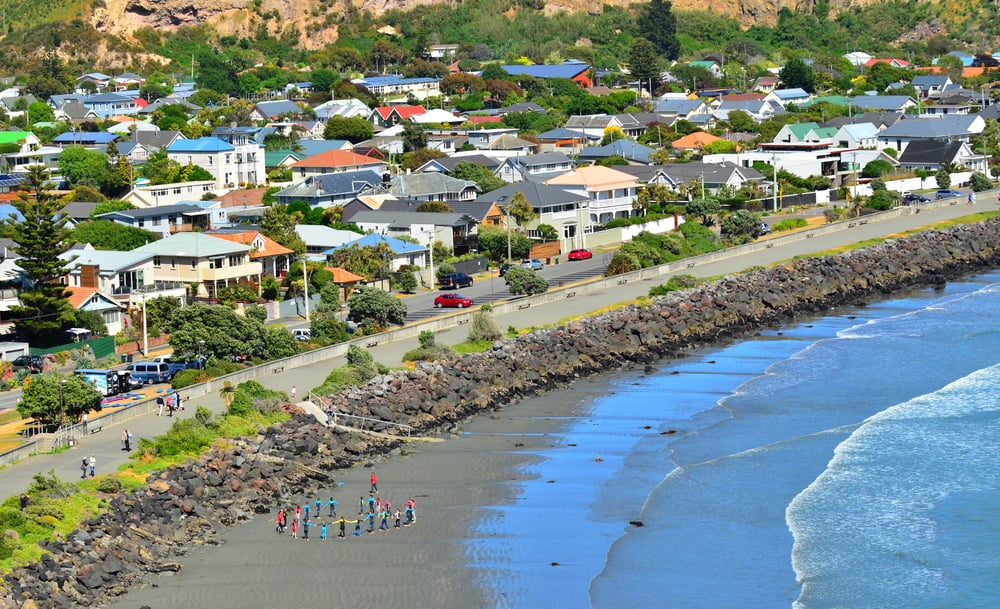
New Zealand sits on two main islands and hundreds of smaller ones, and its scenery has a scale and drama that stands out even by island standards.
The South Island has fjords, glaciers, and mountains that descend into cold, dark water, while the North Island mixes volcanic landscapes with warm coastal bays.
Fiordland, on the southwest of the South Island, regularly tops lists of the world’s most beautiful places.
The country packs an enormous range of views into a relatively small amount of land.
Estonia

Estonia might not be the first name on anyone’s island list, but it has over 2,200 islands along its Baltic coast.
Saaremaa and Hiiumaa are the largest, covered in pine forests, windmills, and old stone churches that sit near the water’s edge.
The light in summer is long and gentle here, and the harbors are quiet in a way that feels genuinely unhurried.
It’s the kind of island scenery that rewards people who look a little closer.
Maldives

The Maldives is made up of about 1,200 coral islands sitting just above sea level in the Indian Ocean.
From above, the atolls look like rings of green surrounded by water that shifts from deep blue to bright turquoise in bands.
The sunsets here are famously wide and vivid, spreading across a horizon that has no land anywhere to interrupt it.
Because the islands are so low and flat, the sky takes up most of the view, and it’s rarely boring.
Madagascar

Madagascar sits off the east coast of Africa and is technically one large island, but its coastline is home to smaller islands and peninsulas that add to its extraordinary range of scenery.
Nosy Be in the northwest is surrounded by warm, clear water and smaller uninhabited islands draped in jungle.
The eastern coast faces the open Indian Ocean and gets a wilder, more windswept look.
For a single island nation, the visual range here is almost unmatched.
The Bigger Picture

The world’s most island-rich countries are not just impressive on a map; they represent the full range of what land and water can look like together.
From the frozen stillness of Canada’s Arctic islands to the reef-ringed warmth of the Maldives, each country tells a different story through its scenery.
These views shaped the cultures, diets, and daily lives of millions of people long before anyone thought to photograph them.
Paying attention to where these islands are and what they look like is one of the most honest ways to understand just how varied this planet really is.
More from Go2Tutors!

- The Romanov Crown Jewels and Their Tragic Fate
- 13 Historical Mysteries That Science Still Can’t Solve
- Famous Hoaxes That Fooled the World for Years
- 15 Child Stars with Tragic Adult Lives
- 16 Famous Jewelry Pieces in History
Like Go2Tutors’s content? Follow us on MSN.