Vintage Lab Experiments Kids Actually Did
There was a time when science class meant getting your hands dirty, not swiping a screen. Kids mixed, poured, shook, and watched things erupt, harden, or change color right in front of them, and it was genuinely exciting.
Let’s take a walk back to those days when the classroom smelled like vinegar and something vaguely burnt, and every experiment felt like a small discovery worth bragging about at lunch.
Baking Soda And Vinegar Volcano
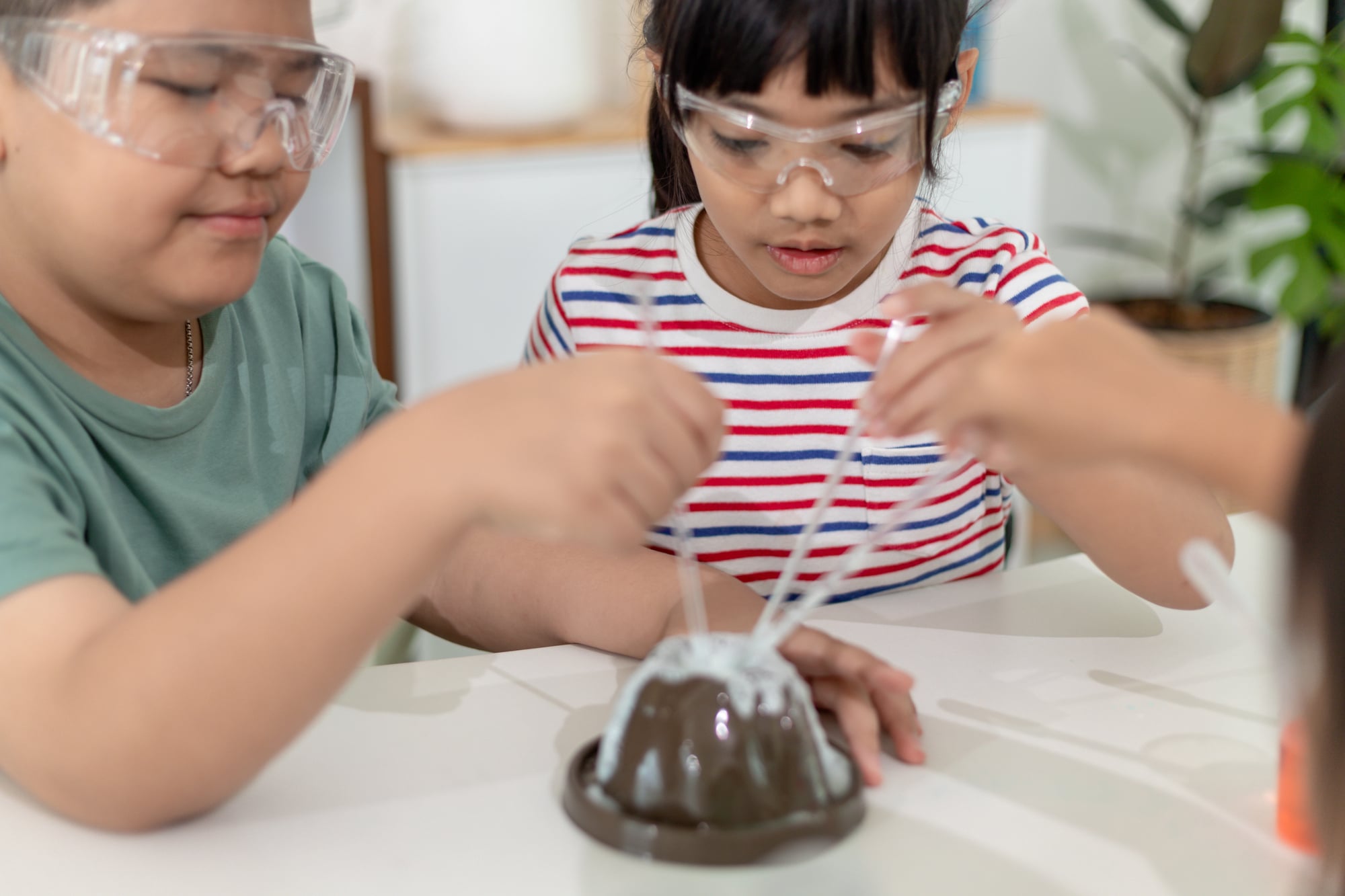
This is the one that started it all for most kids. A papier-mâché mountain, a spoonful of baking soda, and a good splash of vinegar was all it took to make everyone in the room gasp.
The chemical reaction between the acid in vinegar and the base in baking soda releases carbon dioxide gas, which pushes out a fizzy foam that looks like lava. Teachers used it to explain reactions, but kids just loved the mess.
Milk And Vinegar Plastic
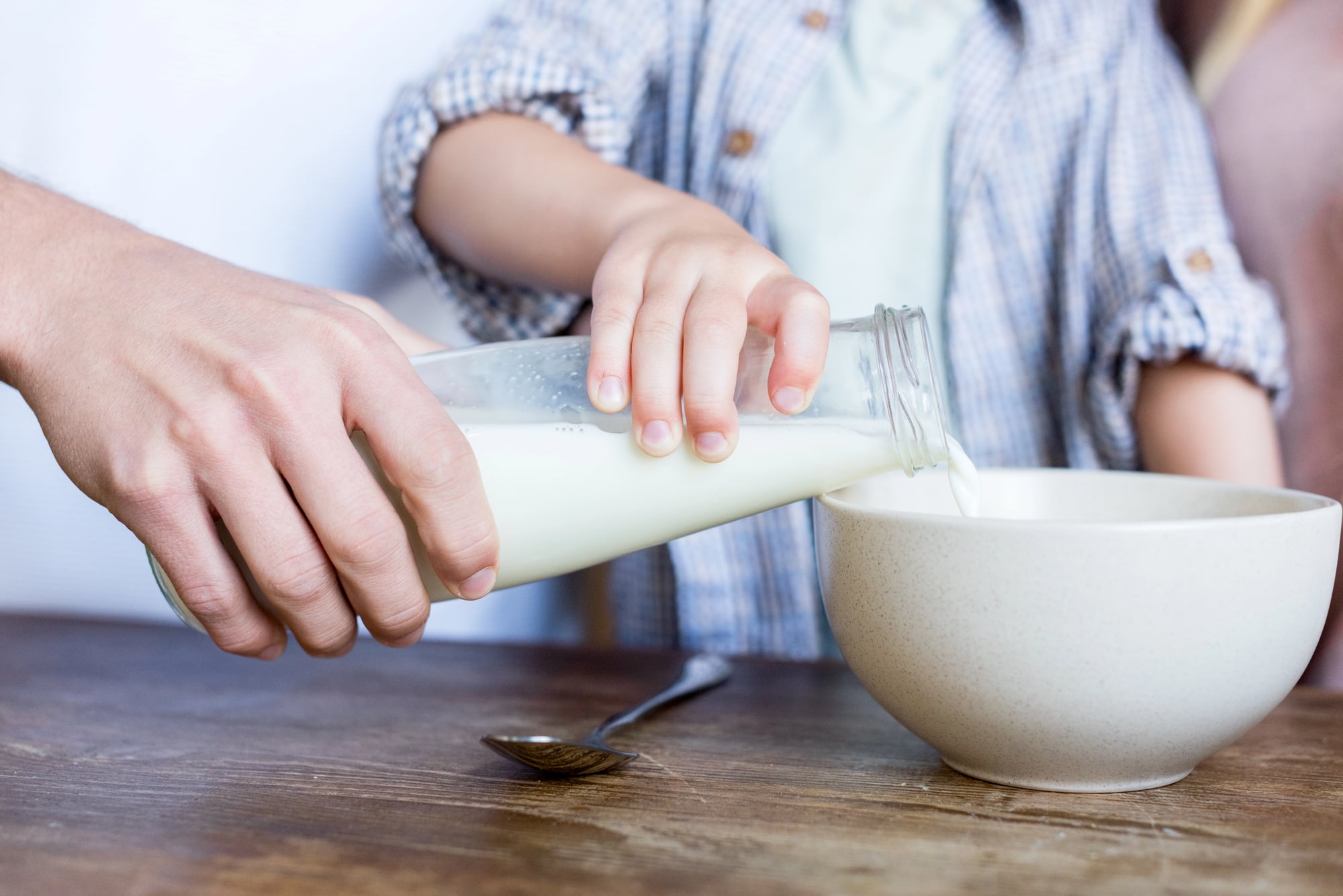
Few things surprised a child more than turning kitchen ingredients into something solid. When warm milk mixes with vinegar, the acid causes the milk protein called casein to clump together.
Those rubbery clumps could be shaped and left to harden into a crude plastic-like material. It was a hands-on way to understand how early plastics were actually made before synthetic versions took over.
Growing Crystals With Salt Or Sugar

Patience was the main ingredient here. Kids dissolved as much salt or sugar as possible into hot water, dipped a string or pencil into the jar, and waited days for crystals to slowly form along it.
The process showed how molecules arrange themselves into repeating patterns as the water evaporates. Some crystals came out tiny and rough; others grew into impressive geometric shapes that kids proudly took home.
The Dancing Raisins Trick
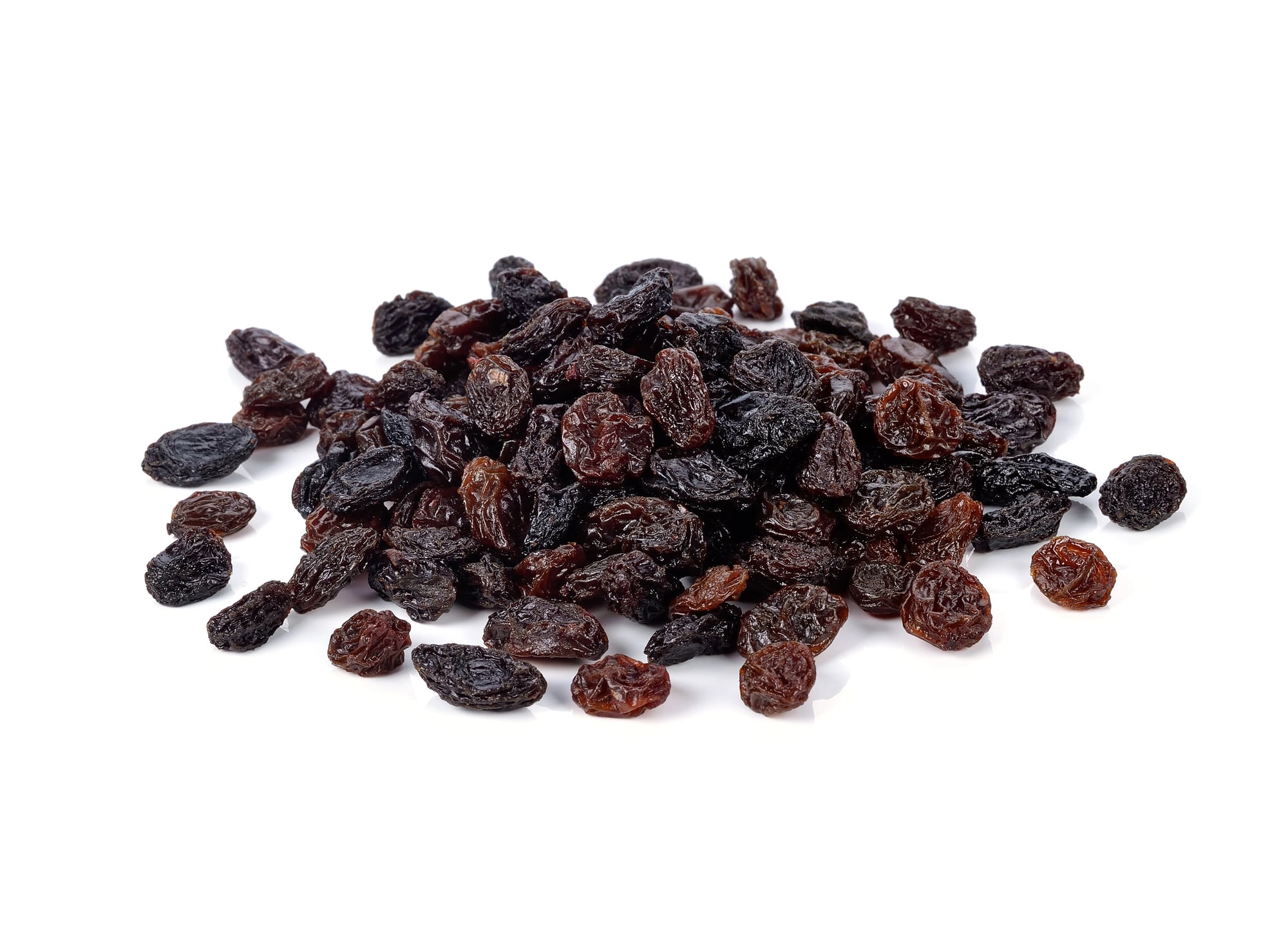
Drop a handful of raisins into a clear glass of sparkling water and watch them bob up and down like tiny floats. Carbon dioxide bubbles from the water attach to the wrinkled surface of each raisin, lifting it to the top.
Once the bubbles pop at the surface, the raisin sinks back down, and the whole cycle repeats. It was one of the simplest experiments around, and it worked every single time.
Red Cabbage PH Indicator
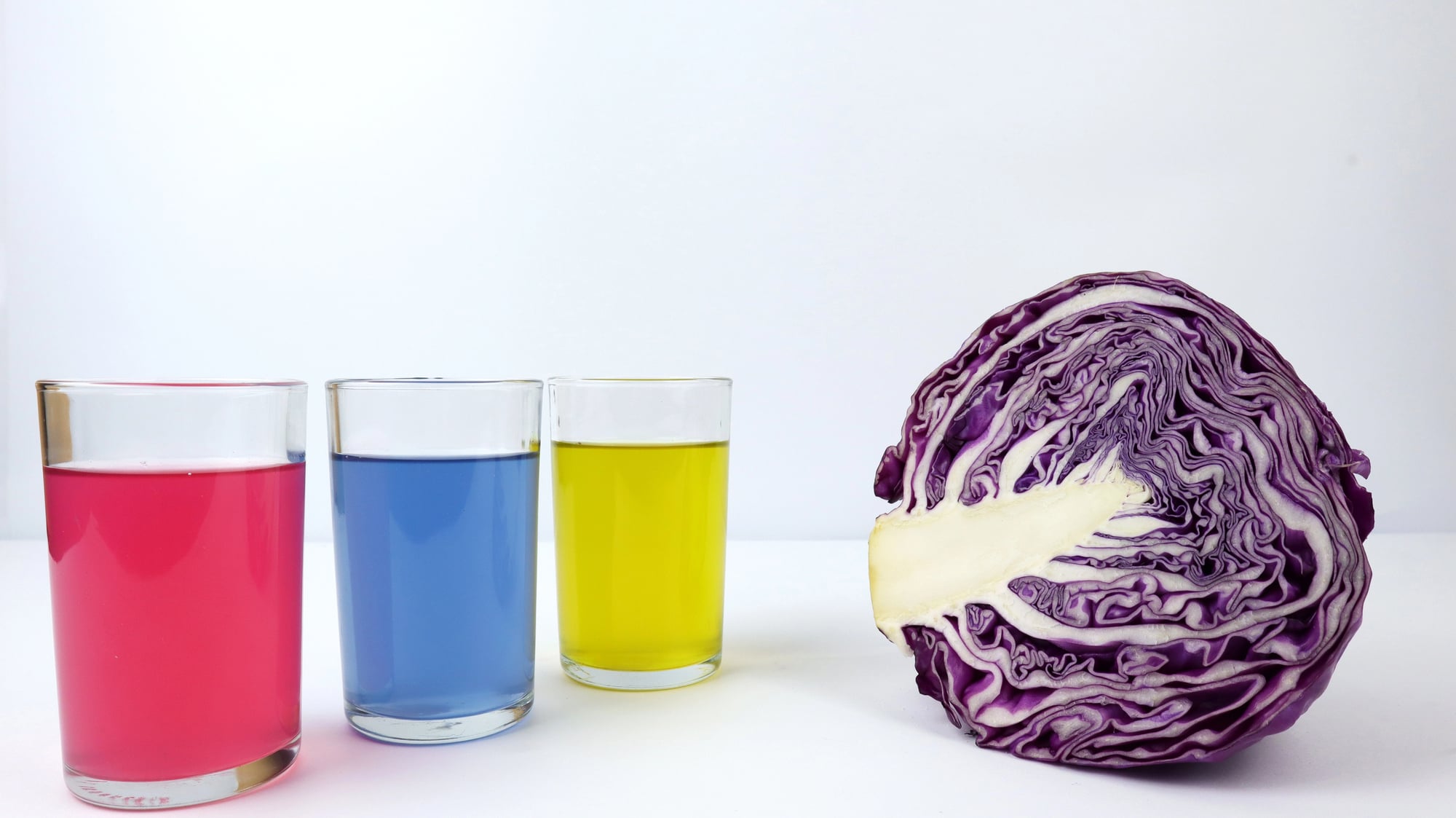
Red cabbage juice turns out to be a surprisingly useful tool in a lab. When boiled and strained, the deep purple juice changes color depending on whether a liquid is an acid or a base.
Lemon juice turns it pink, baking soda turns it green, and plain water barely changes it at all. Kids tested everything they could find, from orange juice to soap, and built a rough color chart from scratch.
Egg In A Bottle
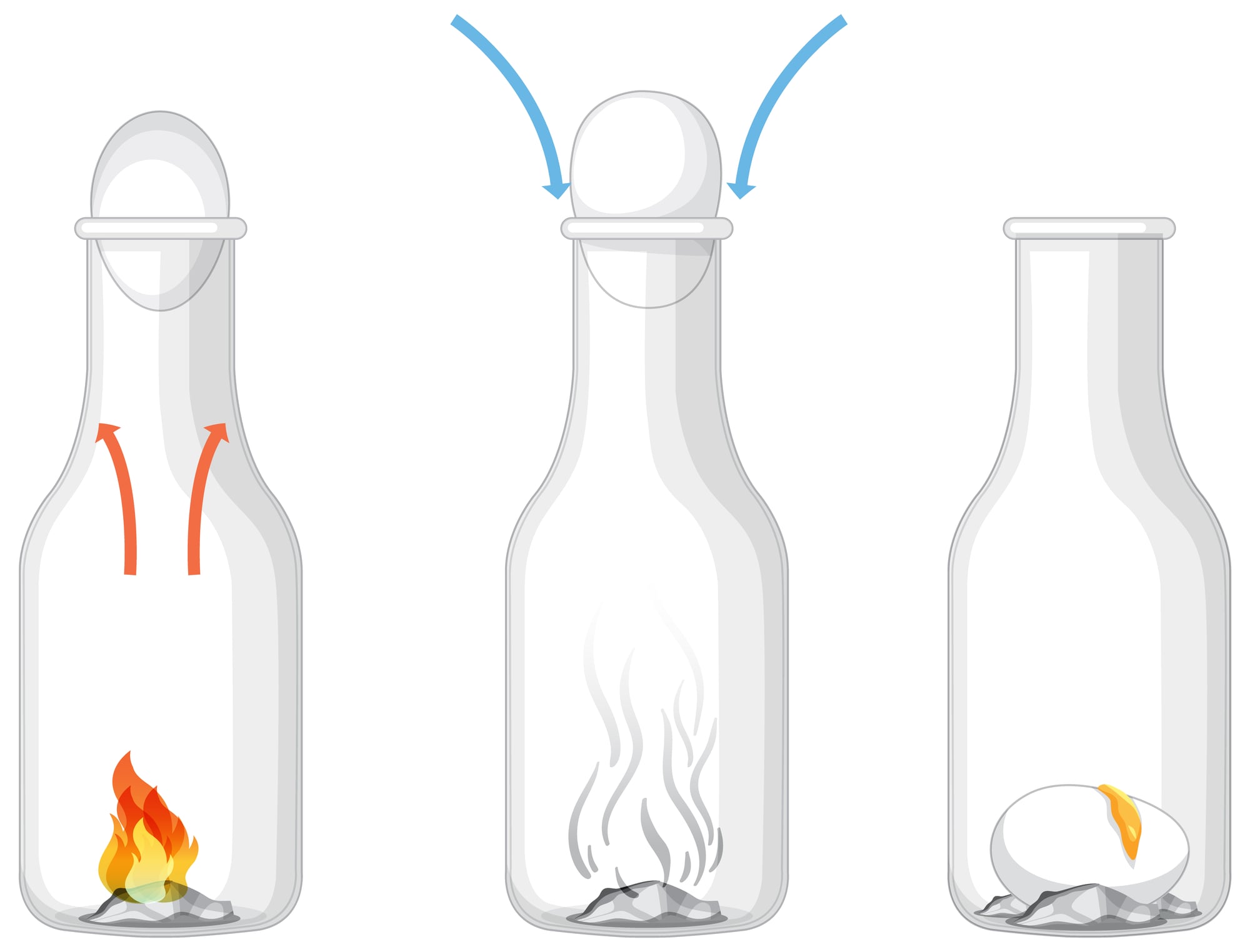
This one looked like a trick but was pure physics. A hard-boiled, peeled egg sits on top of a glass bottle with a slightly narrower opening.
Drop a lit piece of paper inside the bottle, then place the egg on top, and watch it get sucked in without anyone touching it. The burning paper heats the air inside and uses up oxygen, creating lower pressure inside the bottle.
The higher air pressure outside then pushes the egg in.
Homemade Lava Lamp
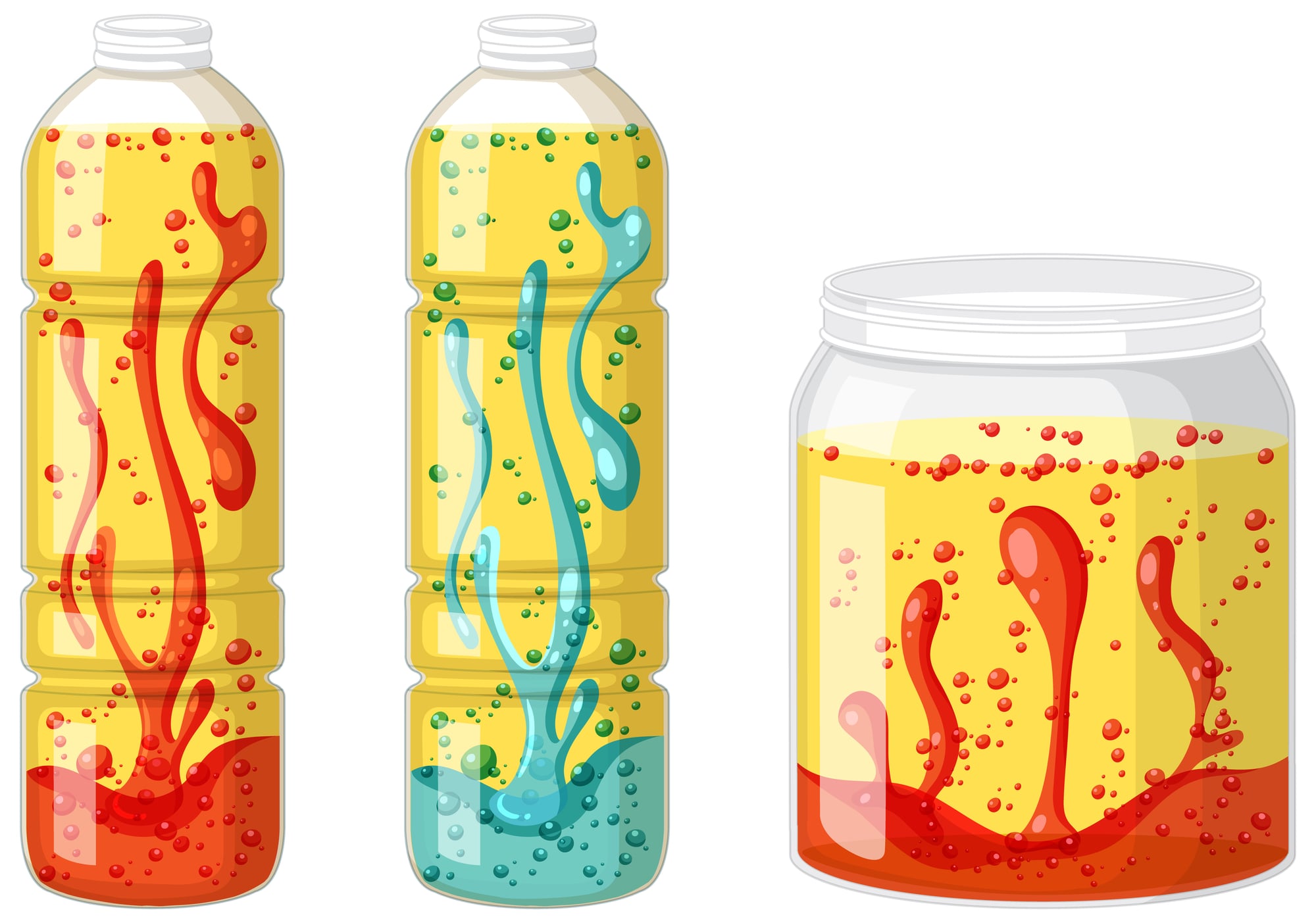
Oil and water do not mix, and kids got to prove it in a colorful way. A tall glass filled with water and cooking oil separated naturally into layers, with oil sitting on top.
Dropping in a fizzing antacid tablet caused colored water bubbles to rise through the oil and fall back down in a slow, looping rhythm. The effect looked exactly like the lava lamps popular in the 1970s, and the experiment explained density without a single textbook definition.
Starch And Iodine Color Test
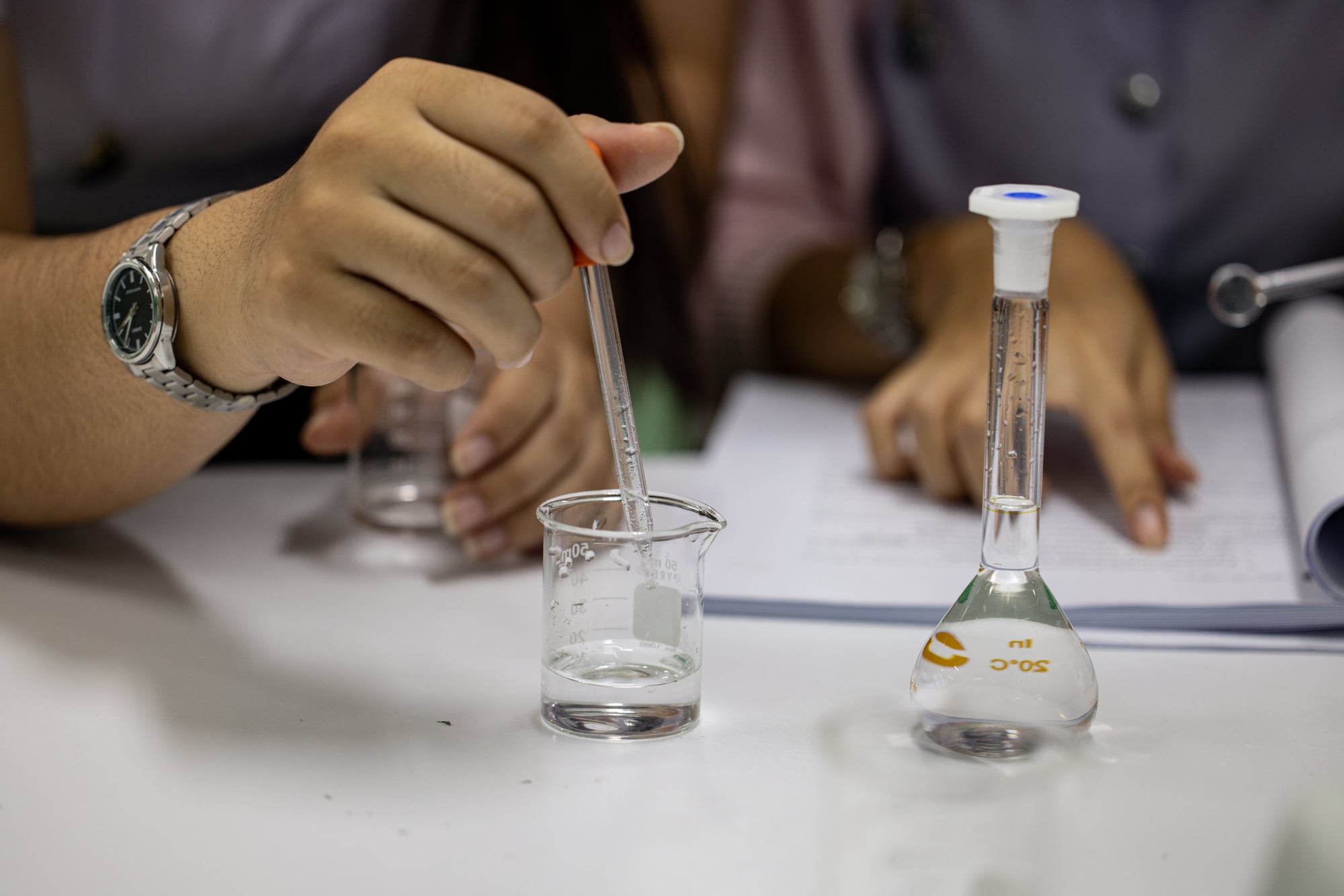
A few drops of iodine on a slice of bread, a cracker, or a piece of potato would turn dark blue or almost black within seconds. That color change happens because iodine reacts strongly with starch, and the darker the result, the more starch is present.
Kids tested fruits, vegetables, and random snacks to see which ones carried starch and which ones did not. It turned snack time into an actual science activity.
Paper Chromatography With Markers

Black markers are not actually just black, and this experiment proved it beautifully. Kids drew a thick line near the bottom of a strip of coffee filter paper, then dipped just the very tip into water and watched the colors creep upward.
As water moved through the paper, it separated the ink into its original components, usually a mix of blues, greens, purples, and reds. Each brand and color gave a different result, making the whole thing endlessly repeatable.
Cornstarch And Water (Oobleck)
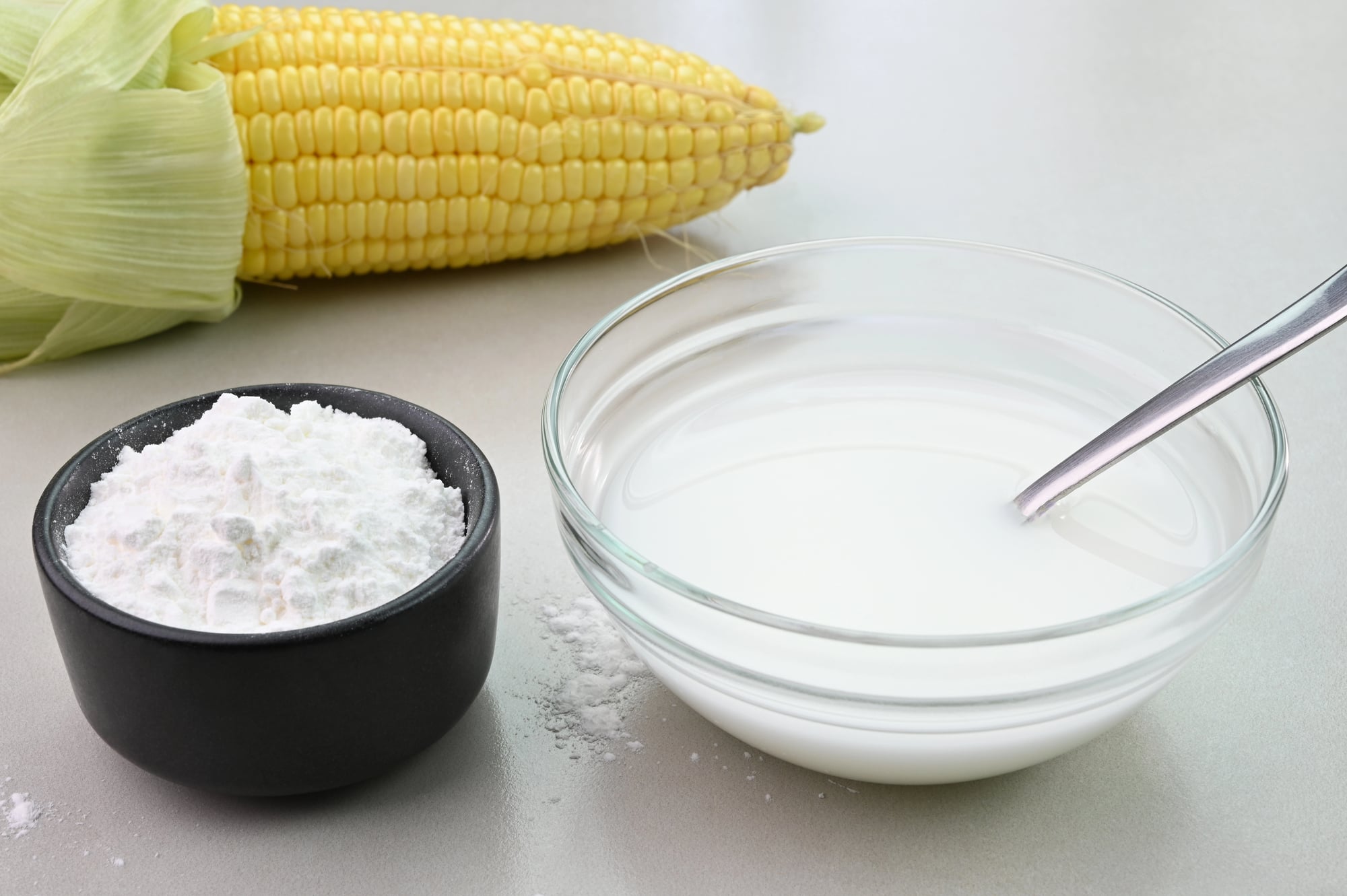
Named after a Dr. Seuss story, oobleck is one of the strangest things a kid could make in a classroom. Mix two parts cornstarch with one part water, and the result behaves like both a liquid and a solid depending on pressure.
Squeeze it hard and it feels firm; let it sit in your palm and it drips like liquid. Scientists call it a non-Newtonian fluid, but most kids just called it weird and kept poking it.
Invisible Ink With Lemon Juice
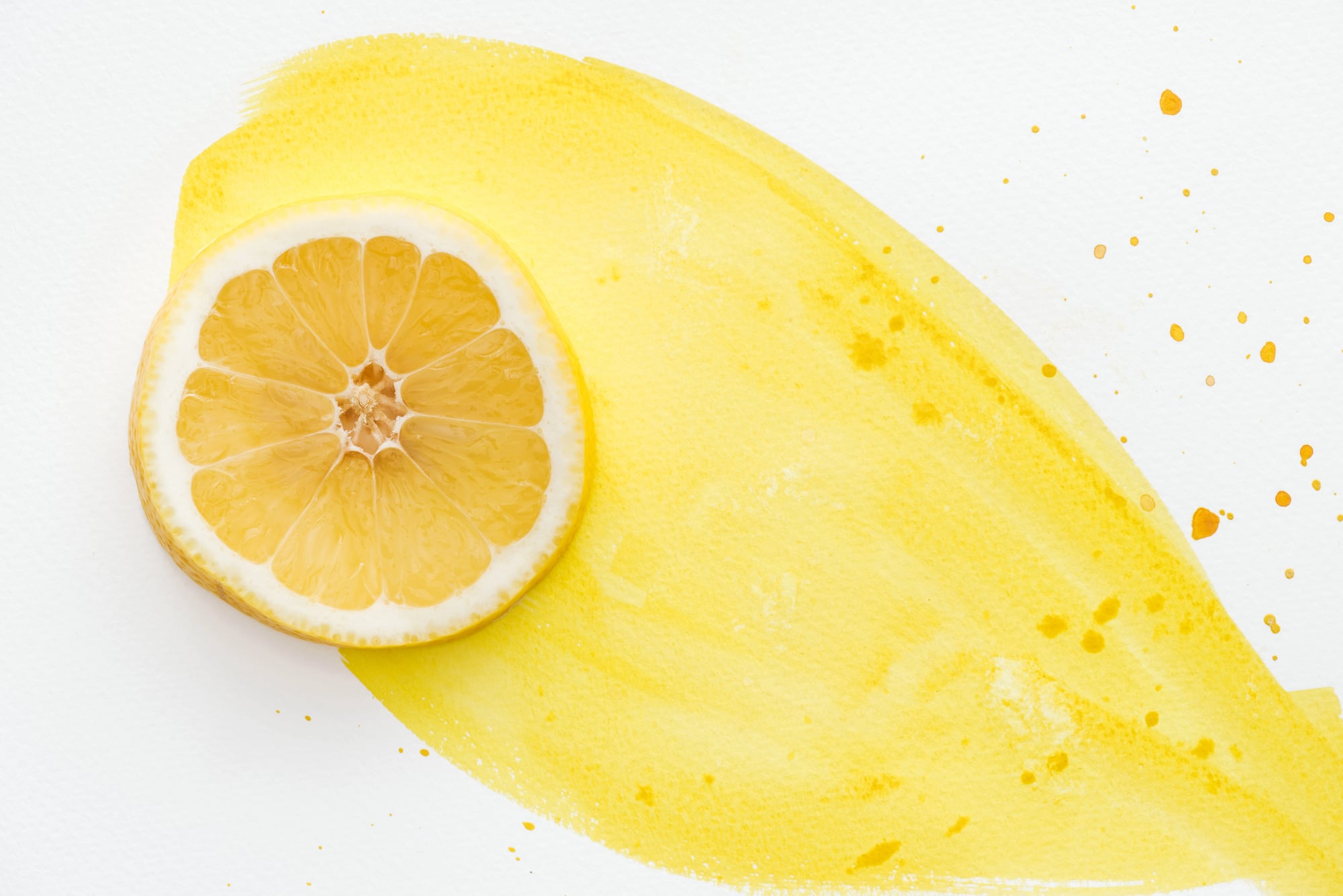
Writing a secret message and watching it disappear felt like real spy work. Kids used a cotton swab dipped in lemon juice to write on white paper, let it dry completely, then held the paper near a light bulb or candle.
The heat caused the dried lemon juice to oxidize and turn brown, making the hidden message visible. It worked because lemon juice contains carbon compounds that break down under heat and change color.
Static Electricity With A Balloon

Rub a balloon against hair for about ten seconds, then hold it near small pieces of torn paper. The pieces jump up and stick to the balloon without any glue involved.
This happens because rubbing transfers electrons from the hair to the balloon, giving it a negative charge. Those negatively charged surfaces attract the positive charges in the paper.
Kids used the same trick to bend a thin stream of water from a faucet, which always got a loud reaction from the group.
Making A Simple Electromagnet

Starting with a big iron nail, wrap copper wire along its length. Hook each loose end to a battery terminal – now the nail lifts small metal pieces like magic.
A flow of electricity builds an invisible ring of force around the metal shaft. For just a moment, the nail acts exactly like a real magnet.
Take away the power source? That pull fades in seconds. Kids saw this trick and grasped what once baffled experts worldwide: electric currents make magnetism happen.
Soap-Powered Boat

A little boat carved from thin cardboard or foam slips onto calm water inside a tray. Behind, a notch holds one small drop of liquid soap.
Off it goes – suddenly moving like something powered. What pushes it?
Water up front grips tighter because its surface stays strong. At the rear, soap weakens that grip, creating motion.
Simple setup. Fast result. Nearly always running right the very first moment.
Building A Simple Circuit With A Bulb
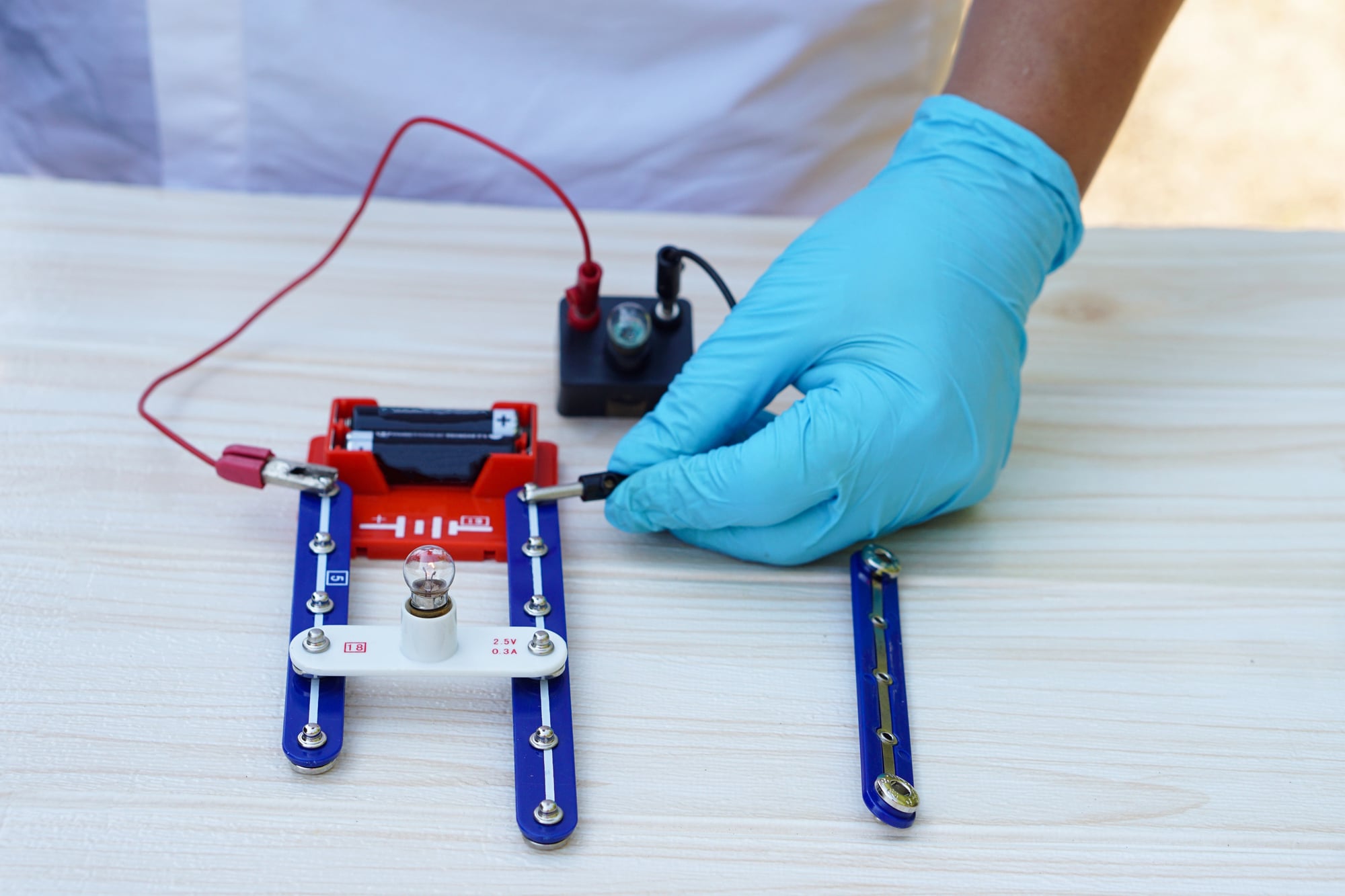
A single bulb flickered alive when wires linked it to a battery’s ends. From that moment on, even the youngest learners saw what power could do.
One break anywhere along the path stopped the flow without warning. Connections made with coins worked instantly; those using erasers did nothing at all.
Pencils surprised many by allowing just enough current through. This hands-on trial became the quiet start of grasping modern electronics.
What Those Experiments Actually Gave Kids

Not every school activity had a clear purpose at first glance. Yet each small trial nurtured an urge to dig deeper, to wonder why things behave as they do rather than shrug them off.
Imagine a child staring as a raisin bobs in fizzy water, or liquid shifting from deep violet to soft rose when stirred – these scenes trained eyes to notice, minds to probe, thoughts to link fragments into meaning.
Equipment came from kitchen shelves. The rooms looked like any other.
Still, the ideas set loose inside those minutes carried weight far beyond the scene. Plenty of people now solving real-world puzzles point straight back to such unpolished, quiet moments as where it truly began.
More from Go2Tutors!

- The Romanov Crown Jewels and Their Tragic Fate
- 13 Historical Mysteries That Science Still Can’t Solve
- Famous Hoaxes That Fooled the World for Years
- 15 Child Stars with Tragic Adult Lives
- 16 Famous Jewelry Pieces in History
Like Go2Tutors’s content? Follow us on MSN.