Cartoon Characters Remembered Across Generations
Some cartoon characters come and go within a few years, but others seem to be everywhere all the time. They appear in reruns, streaming services, toys, memes, and even conversations between parents and children who grew up with completely different versions of the same character.
Cartoons evolve over time, but these characters seem to transcend the ages. Some of the reasons for the longevity of these cartoon characters include their simplicity.
Their strong design, personality, and humor make them recognizable even after several decades. As new people become familiar with these characters, they transition from one generation to the next.
Let’s examine these cartoon characters that have managed to transcend time and remain a part of popular culture for several years.
Mickey Mouse

Mickey Mouse first appeared in animated films in 1928 and quickly became one of the most recognizable figures in entertainment. The character’s round ears and cheerful personality made him instantly identifiable, even in the earliest black-and-white cartoons.
Over the decades Mickey has appeared in everything from short films to television shows and theme parks. The animation style surrounding him has evolved repeatedly, yet the character’s upbeat personality has remained mostly unchanged.
That consistency helped him become one of the longest-lasting icons in animation.
Bugs Bunny
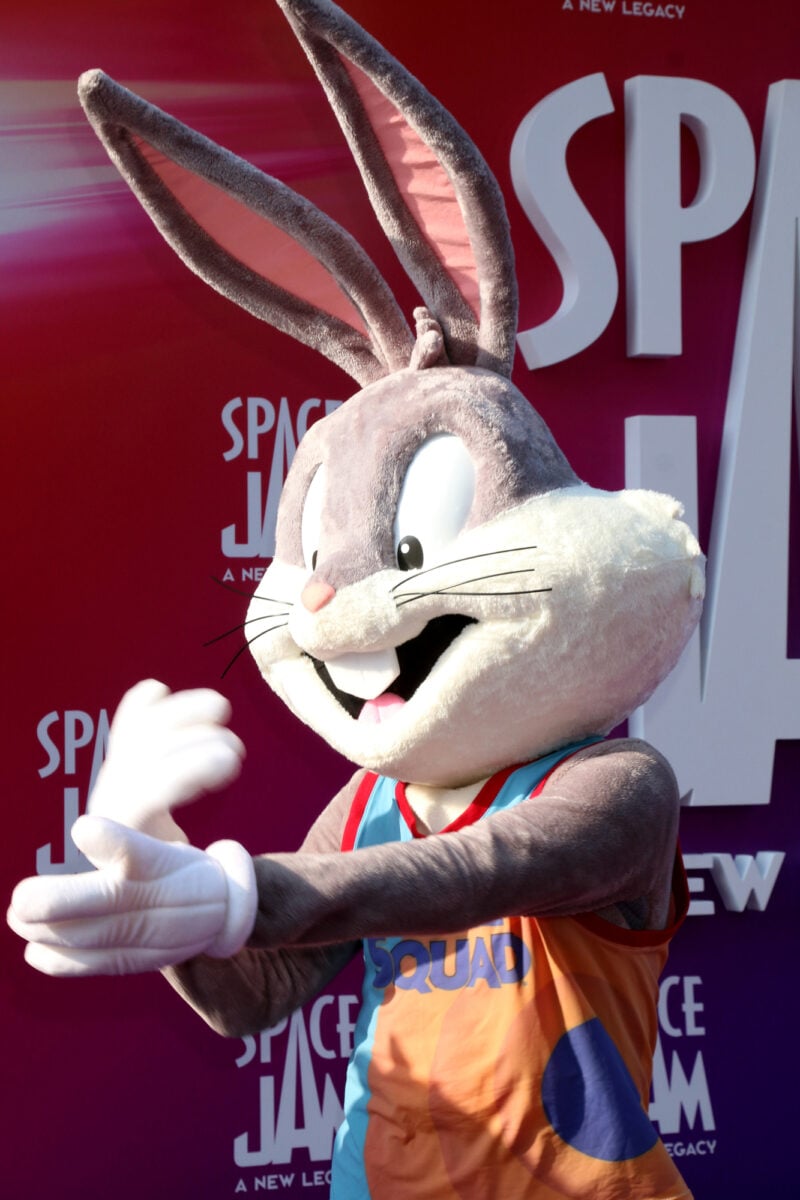
Bugs Bunny arrived during the golden age of American cartoons and quickly stood out thanks to his relaxed attitude and quick thinking. Instead of relying on strength, he usually wins by staying calm and letting his opponents outsmart themselves.
His playful personality, along with memorable dialogue, made Bugs Bunny one of the defining characters of classic animation. Even viewers who have never watched the original Looney Tunes episodes still recognize the character’s voice and mannerisms.
Scooby-Doo
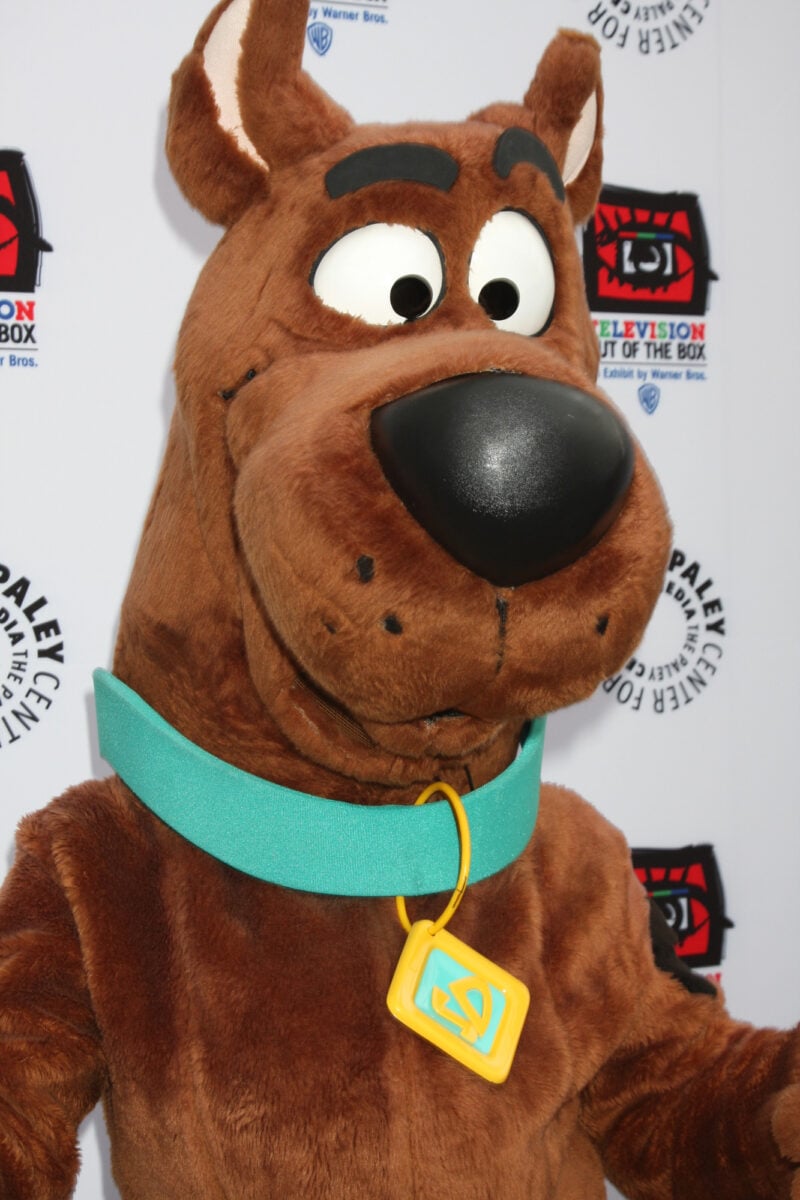
Scooby-Doo first appeared in a television series in 1969 and has remained a familiar character ever since. The talking dog travels with a group of teenage friends who investigate strange mysteries that often turn out to have surprisingly ordinary explanations.
Scooby’s nervous personality contrasts with his occasional bursts of bravery. That mix of fear and humor gave the character a charm that helped the franchise continue through multiple television shows and films.
Tom

Tom, the determined cat, rarely speaks, yet he remains one of animation’s most expressive characters. Much of the comedy in the series comes from exaggerated reactions and elaborate chases.
His constant attempts to catch the mouse rarely succeed, but the effort itself creates the humor. The show’s reliance on visual storytelling rather than dialogue allowed Tom to entertain audiences across languages and cultures.
SpongeBob SquarePants

SpongeBob SquarePants appeared in the late 1990s and quickly became one of the most recognizable cartoon characters of the modern era. The energetic sponge lives in the underwater town and approaches every task with enthusiasm.
The show’s unusual humor and colorful characters attracted both children and adults. Over time, SpongeBob developed a cultural presence that extends well beyond television episodes.
Homer Simpson

Homer Simpson stands at the center of one of the longest-running animated series ever produced. His character represents a flawed but oddly lovable father who frequently stumbles through everyday life.
The humor surrounding Homer often comes from exaggerated reactions to common problems. That familiar feeling helps audiences relate to him, even when the situations become absurd.
Bart Simpson

Bart Simpson became a defining character of animated television during the early 1990s. His mischievous personality and rebellious streak made him instantly recognizable among cartoon children.
Although the show has changed over time, Bart’s playful troublemaking continues to play a major role in its humor. The character remains one of the most recognizable figures from animated television.
Pikachu
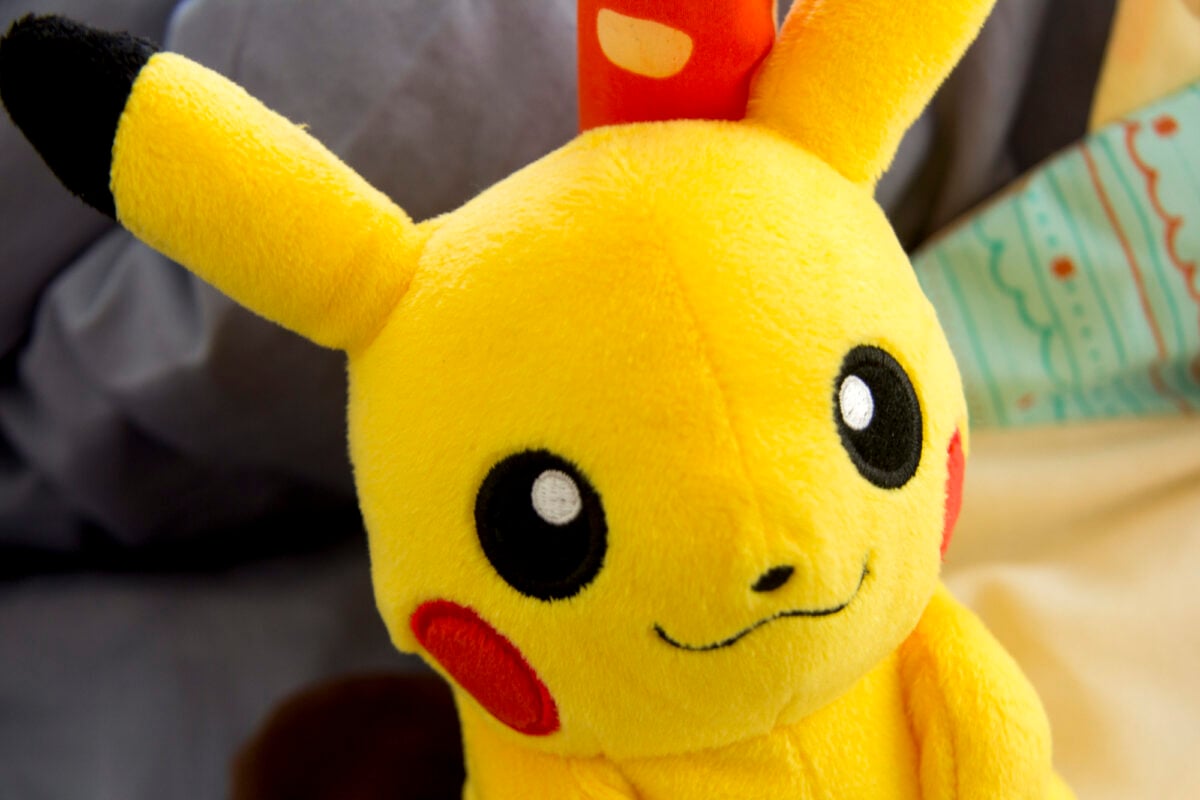
Pikachu gained worldwide recognition through the Pokémon franchise. The small electric creature first appeared in video games before becoming a central character in the animated series.
Its bright design and expressive reactions helped it become the unofficial face of the entire franchise. For many viewers, Pikachu became their first introduction to Japanese animation.
Popeye

Popeye the Sailor originally appeared in comic strips before moving into animated cartoons. The character became famous for his distinctive voice and the idea that eating spinach gave him sudden strength.
The exaggerated adventures and simple storytelling helped Popeye become a widely recognized figure during the early days of animation. Even today, the character remains easy to recognize.
Fred Flintstone

Fred Flintstone starred in The Flintstones, a show that imagined everyday suburban life set in a prehistoric world. The unusual setting allowed ordinary situations to appear in humorous new ways.
Fred’s loud personality and frequent mishaps made him the center of many storylines. The show’s mix of family comedy and imaginative design helped it remain memorable long after its original run.
Yogi Bear

Yogi Bear became known for his attempts to outsmart park rangers while searching for picnic baskets in Jellystone Park. His confident personality often leads him into trouble.
The character’s playful schemes and distinctive voice helped him become a staple of classic television animation. His adventures remain familiar to many viewers decades later.
Garfield

Garfield began as a comic strip before moving into animated television and films. The orange cat is known for his sarcastic humor and love of comfort.
His laid-back personality contrasts with the chaos around him, creating much of the comedy. Garfield’s simple design and relatable attitude helped him remain popular for many years.
Dora The Explorer
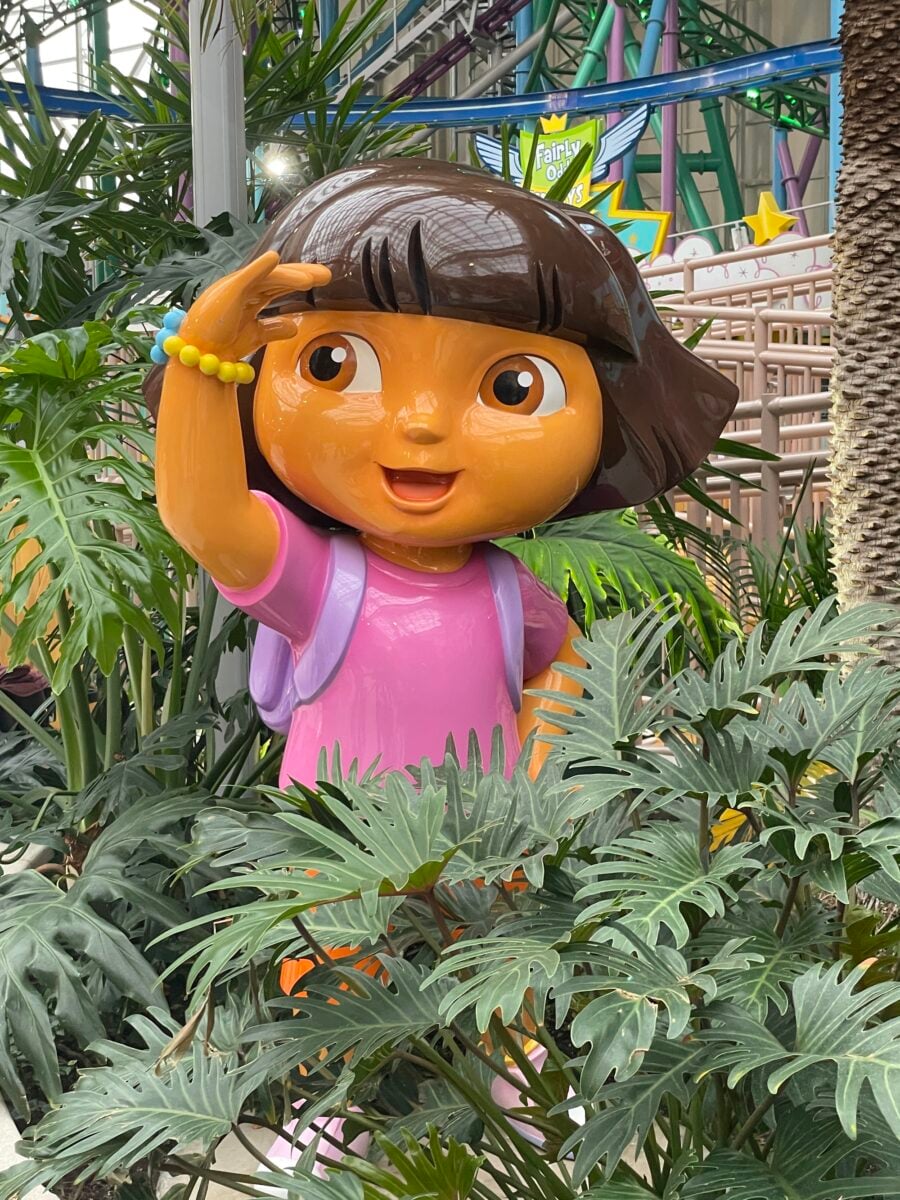
Dora the Explorer introduced a different approach to children’s animation. The character speaks directly to viewers, encouraging them to participate in solving small problems during the story.
This interactive format helped the show connect with younger audiences. Dora’s curiosity and determination turned her into one of the most recognizable educational cartoon characters.
Winnie The Pooh

Winnie the Pooh began as a literary character before becoming widely known through animated adaptations. The gentle bear and his friends in the Hundred Acre Wood represent themes of friendship and kindness.
The quiet tone of these stories gives the character a timeless quality. Generations of children have grown up hearing about Pooh’s thoughtful adventures.
Why These Characters Stay In Memory

Characters that have lasted for decades or more seem to have a number of similar attributes. They have personalities that are easy to understand, they are easy to recognize, and they have stories that can be changed and remade for new audiences.
As animation continues to change and grow, these characters are often remade in new versions for younger people. However, the personality that made them popular in the first place is often the same.
More from Go2Tutors!

- The Romanov Crown Jewels and Their Tragic Fate
- 13 Historical Mysteries That Science Still Can’t Solve
- Famous Hoaxes That Fooled the World for Years
- 15 Child Stars with Tragic Adult Lives
- 16 Famous Jewelry Pieces in History
Like Go2Tutors’s content? Follow us on MSN.