Heartbreaking Last Roles of Famous Hollywood Actors
When actors take on their final roles, they rarely know it’s their last bow. Sometimes it’s a career-defining masterpiece that serves as a perfect swan song.
Other times, it’s a forgotten film that feels almost cruel in its ordinariness. The most heartbreaking final performances are those where we can see glimpses of mortality creeping in, or where the role itself seems to echo the actor’s own journey toward the end.
Heath Ledger
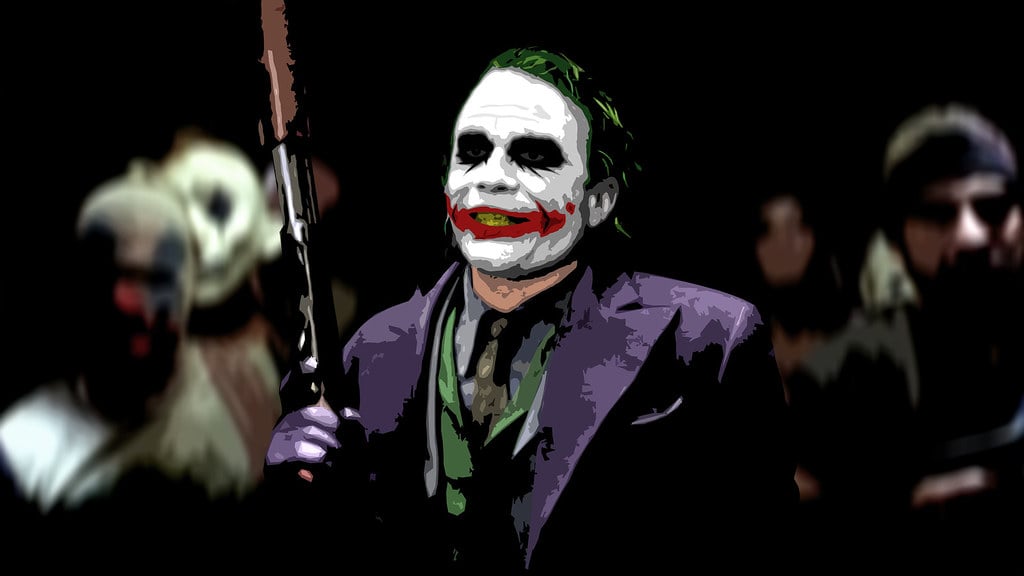
Heath Ledger’s final completed performance as the Joker in “The Dark Knight” remains one of cinema’s most haunting swan songs. The role consumed him entirely — and everyone who worked with him could see it.
His Joker wasn’t just unhinged; it felt like watching someone disappear into darkness they couldn’t find their way out of.
Ledger died six months before the film’s release, never seeing the performance that would win him a posthumous Oscar. The irony cuts deep: his greatest triumph became his epitaph.
When you watch his Joker now, every laugh feels like it’s coming from somewhere too real, too close to whatever edge he was walking on during those final months.
Philip Seymour Hoffman
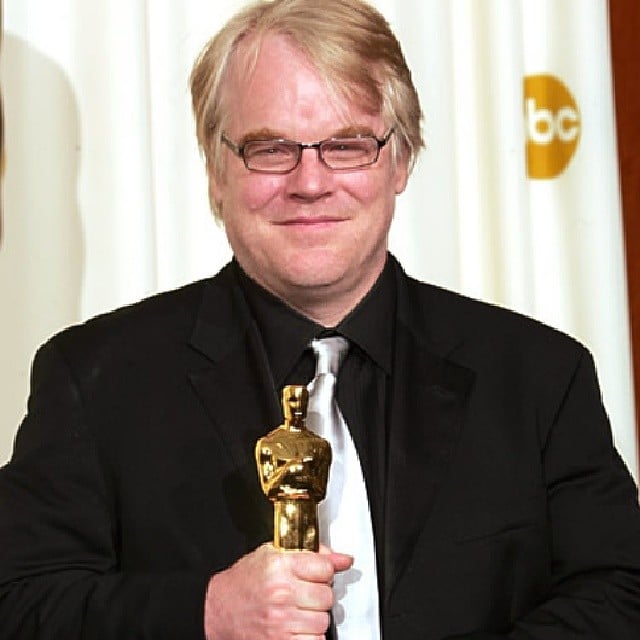
“A Most Wanted Man” showcased Philip Seymour Hoffman at his most weathered and worn. His German intelligence officer Günther Bachmann carried the weight of compromised idealism — a man who understood that doing good often required getting dirty.
Hoffman completed filming just months before his death from a heroin overdose.
The performance feels like watching someone barely holding it together (which, as it turns out, he was). His Bachmann is exhausted by the moral complexity of his work, always one step away from collapse.
And yet Hoffman poured everything into the role with his characteristic intensity. Watching it now feels invasive, like glimpsing someone’s private struggle projected onto the screen without permission.
James Gandolfini
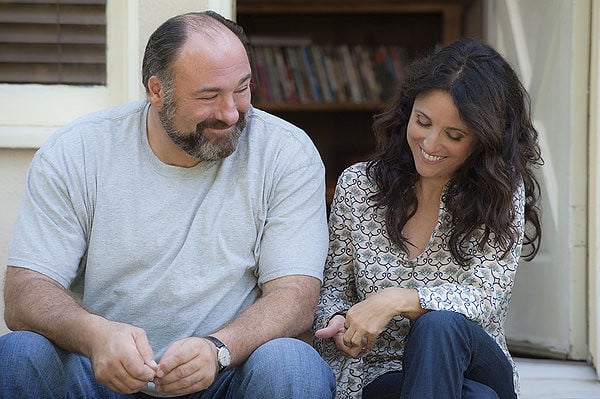
“Enough Said” allowed James Gandolfini to step away from Tony Soprano and into something gentler, which makes his sudden death from a heart attack even more tragic. As Albert, a divorced dad navigating middle-aged romance, Gandolfini revealed new dimensions of vulnerability and sweetness that hinted at what his post-Sopranos career might have looked like.
The film’s domestic scale — dinner parties, custody exchanges, tentative first kisses — feels almost too ordinary for an actor of his magnitude. But that ordinariness becomes precious when you realize it was his last chance to show audiences who he was beyond the violence and power of his most famous character.
Albert’s gentle awkwardness feels like Gandolfini finally getting to play himself.
John Candy
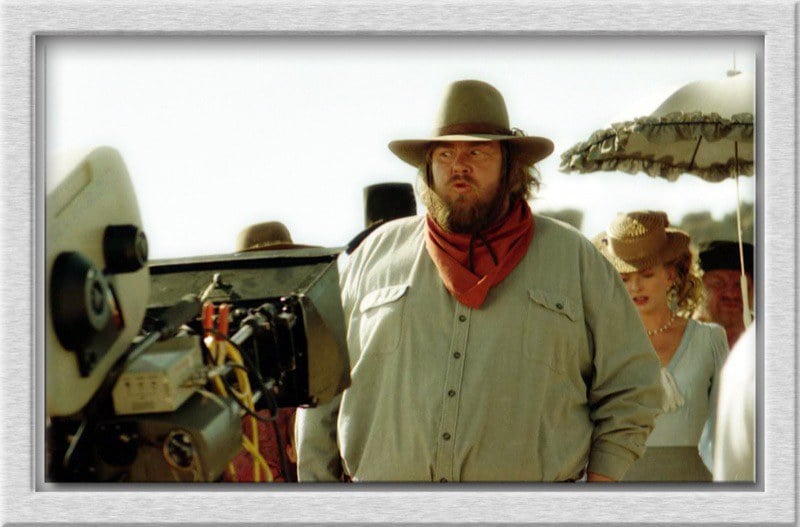
“Wagons East” was supposed to be another John Candy comedy. Instead, it became a monument to what Hollywood can do to someone who just wanted to make people laugh.
Candy died of a heart attack during filming, and the movie was completed using a body double and creative editing. The final product is almost unwatchably sad — not because it’s poorly made, but because you can see how exhausted he was.
His Tommy character lacks the manic energy that defined Candy’s best work. There’s a heaviness to his performance that goes beyond the physical.
By 1994, Candy had been Hollywood’s jolly fat guy for over a decade, typecast into roles that rarely let him show his dramatic range.
“Wagons East” feels like watching someone going through the motions of being himself.
Brittany Murphy

Brittany Murphy’s final film “Something Wicked” wasn’t released until three years after her death, which tells you everything about its quality. The low-budget horror film showcased an actress who looked fragile and hollow, a shadow of the vibrant performer from “Clueless” and “8 Mile.”
Her death at 32 from pneumonia and anemia shocked Hollywood, but anyone watching her final performances could see something was wrong.
Murphy’s character in “Something Wicked” is haunted by supernatural forces, but the real haunting is watching an actress who seems to be disappearing before your eyes. Her once-bright energy had dimmed to almost nothing.
The film serves as an unintentional document of someone in decline, struggling with demons that had nothing to do with the script.
Anton Yelchin
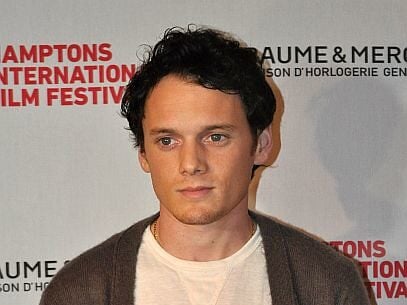
“Thoroughbreds” premiered at Sundance just months after Anton Yelchin’s freakish death in his own driveway, crushed by his car in a tragic accident. His performance as a sociopathic handyman willing to commit murder for the right price showed an actor eager to shed his nice-guy image from “Star Trek” and explore darker territory.
Yelchin brings an unsettling ordinariness to his killer-for-hire. There’s no movie villain theatrics — just a regular guy who’s crossed certain lines and doesn’t seem bothered by it.
The performance suggests an actor coming into his prime, ready to take on more complex and morally ambiguous roles. That we’ll never see that evolution makes “Thoroughbreds” feel like a promise that can’t be kept.
Robin Williams
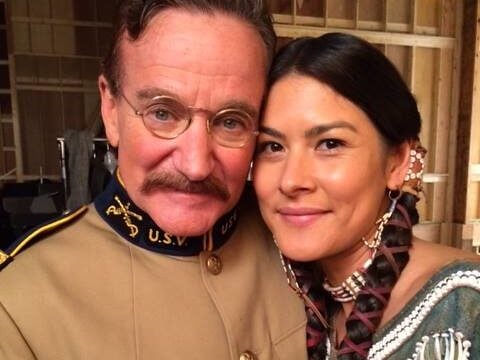
“Night at the Museum: Secret of the Tomb” captured Robin Williams in his final role as Teddy Roosevelt, still trying to make people laugh while battling the depression that would soon claim his life. Williams was struggling with Lewy body dementia during filming, though few people knew it at the time.
His performance feels subdued, almost cautious — unusual for an actor who built his career on fearless improvisation.
There are moments where Williams seems to struggle to find his rhythm, where the famous rapid-fire wit feels forced rather than effortless. Knowing what we know now about his final months, every scene becomes heartbreaking.
His Teddy Roosevelt talks about the magic of new beginnings, but Williams himself could see only endings approaching.
Paul Walker
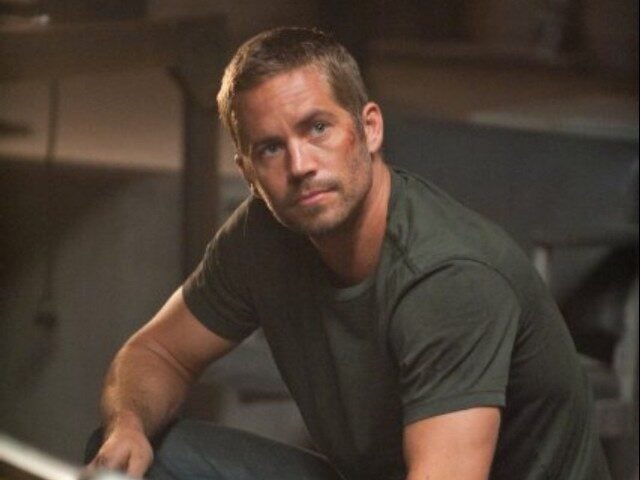
“Furious 7” had to be completed after Paul Walker died in a car crash during production. The irony was lost on no one — an actor who made his name in movies about fast cars killed in a real-life automotive accident.
His brothers stood in as body doubles, and CGI was used to complete his scenes, creating a strange meta-layer to his final performance.
Walker’s Brian O’Conner gets a proper sendoff in the film, retiring from the dangerous life of international crime to focus on his family. The character’s farewell feels like the franchise saying goodbye to Walker himself, especially in the final scene where Brian drives off into the sunset.
It’s manipulative filmmaking, but it works because the grief is genuine.
Cory Monteith

“McCanick” was Cory Monteith’s attempt to break away from his “Glee” image and prove he could handle serious dramatic roles. His drug dealer character Mookie is desperate and cornered, running from a corrupt cop who wants him dead.
Monteith died of a heroin overdose before the film was released, making his portrayal of an addict’s desperation feel uncomfortably prophetic.
The performance is raw in ways that have nothing to do with technique. Monteith’s Mookie is running out of time and options, much like the actor himself was in real life.
There’s a manic energy to his final scenes that suggests someone trying to outrun something inevitable. The film serves as a reminder that addiction doesn’t care about fame or success — it just takes what it wants.
River Phoenix
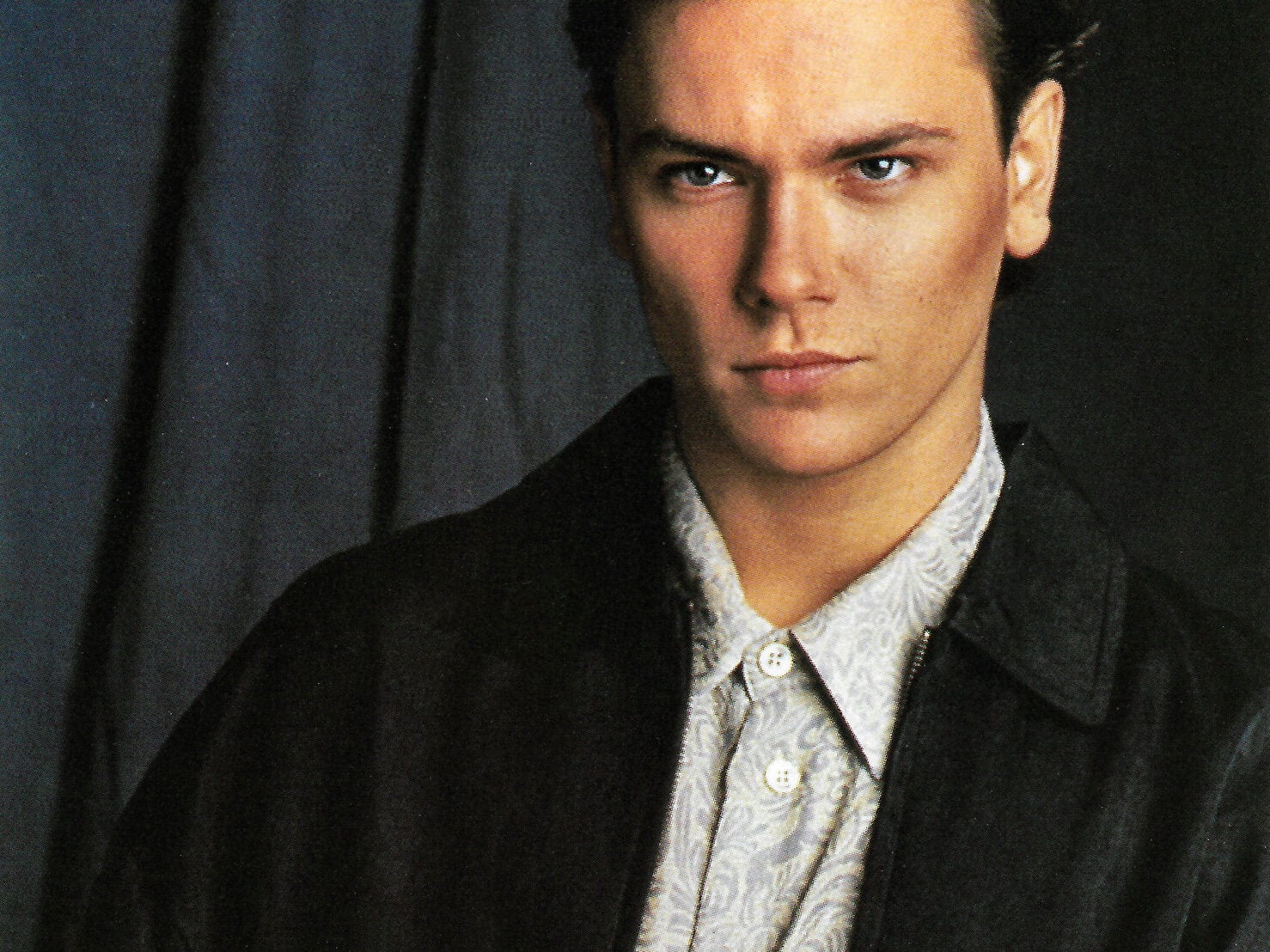
River Phoenix collapsed outside the Viper Room in 1993, dying of a drug overdose before he could complete “Dark Blood.” The film remained unfinished for 19 years until director George Sluizer assembled it using voice-over narration to fill in the missing scenes.
Phoenix plays Boy, a hermit living in the desert after his wife’s death from radiation poisoning, slowly going insane from grief and isolation.
The performance is haunting because Phoenix seems to be channeling his own demons. His Boy is a character consumed by loss and rage, unable to connect with other people in healthy ways.
Phoenix himself was struggling with similar isolation despite his fame.
The incomplete film feels like a fever dream — appropriate for a career cut short just as it was reaching artistic maturity.
Aaliyah

“Queen of the Damned” was Aaliyah’s second film role and her attempt to establish herself as a serious actress alongside her music career. She plays the vampire queen Akasha with regal intensity, bringing genuine menace to what could have been a campy role.
Aaliyah died in a plane crash in the Bahamas shortly after completing filming, at just 22 years old.
Her Akasha is seductive and dangerous, suggesting an actress who understood how to use her natural charisma in service of a character. The film itself is flawed, but Aaliyah’s scenes crackle with energy.
She seemed poised to become a major movie star, making her death feel like a theft of potential. Watching “Queen of the Damned” now is like glimpsing an alternate timeline where she lived to fulfill her promise.
Chris Farley
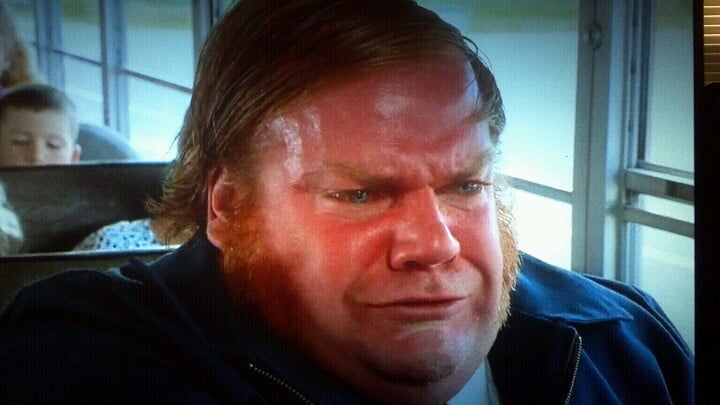
“Almost Heroes” paired Chris Farley with Matthew Perry in a period comedy about bumbling explorers trying to beat Lewis and Clark to the Pacific Ocean. Farley died of a drug overdose before the film was released, and you can see why the studio might have wanted to bury it.
The movie is a mess, but Farley’s performance carries traces of the physical comedy genius that made him famous.
There’s something desperate about his final performance, like he was trying to recapture the manic energy that made him a star on “Saturday Night Live.” But the spark wasn’t quite there anymore.
Farley’s Bartholomew Hunt is loud and broad, hitting his marks but without the inspired lunacy of his best work. It’s a sad reminder that even the funniest people can be running on empty.
Brandon Lee
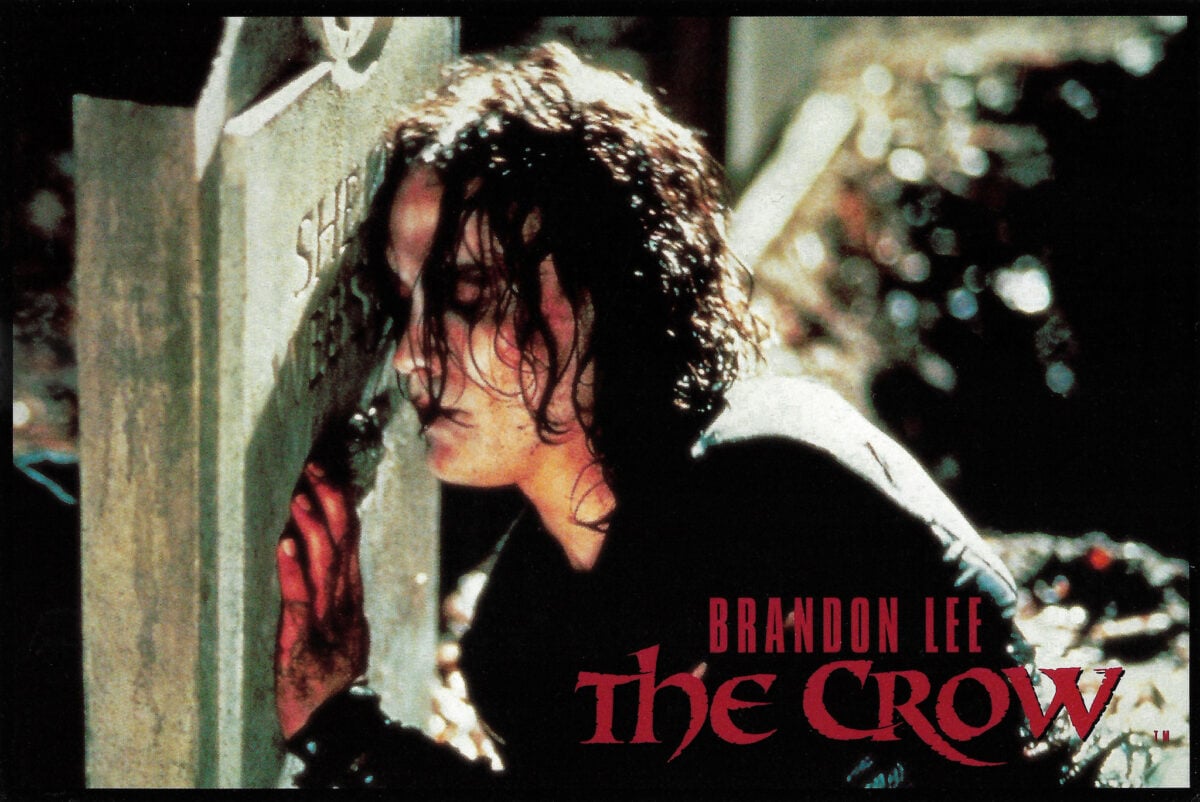
“The Crow” became Brandon Lee’s inadvertent memorial when he was accidentally shot and killed during filming. The movie was completed using stunt doubles and special effects, creating a finished product that serves as both entertainment and eulogy.
Lee’s Eric Draven is a supernatural avenger returned from the dead to seek justice — a concept that takes on added weight given the circumstances of the actor’s death.
Lee’s performance carries an intensity that feels almost supernatural itself. His Draven moves through the film like a force of nature, driven by grief and rage that seems to come from somewhere deeper than acting technique.
The parallels between character and actor are impossible to ignore: both are young men whose lives were cut short by violence, both become symbols of potential unrealized.
Remembering What Was Lost

These final performances linger not just because they mark endings, but because they remind us that actors are human beings carrying their own struggles behind the characters they play. Sometimes that vulnerability seeps through the screen in ways that make these last roles feel more honest than anything else in their filmographies.
The tragedy isn’t just that these actors died too young — it’s that we can see their mortality written across their final performances, and there’s nothing any of us can do to change how the story ends.
More from Go2Tutors!

- 16 Historical Figures Who Were Nothing Like You Think
- 12 Things Sold in the 80s That Are Now Illegal
- 15 VHS Tapes That Could Be Worth Thousands
- 17 Historical “What Ifs” That Would Have Changed Everything
- 18 TV Shows That Vanished Without a Finale
Like Go2Tutors’s content? Follow us on MSN.



