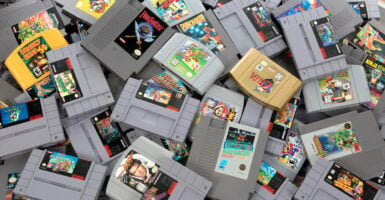
Vintage Tech Devices Now Considered Treasures
The tech world moves fast, and what seemed cutting-edge a couple decades ago often ends up in landfills or storage units.
But not everything gets tossed aside and forgotten.
Some devices from the past have taken on a second life as collectibles, fetching impressive prices and drawing passionate communities of enthusiasts.
What once sat on thrift store shelves for a few dollars now commands hundreds or even thousands from buyers who see more than outdated circuits and plastic casings.
This isn’t just nostalgia at work, though that certainly plays a role.
Many of these vintage devices represent pivotal moments in tech history, embodying design philosophies and engineering approaches that feel refreshingly different from today’s sleek, disposable gadgets.
Others have become valuable simply because they’re rare, well-built, or tied to cultural moments that defined a generation.
Whether you’re a collector, a casual observer, or someone with an old box of electronics in the attic, understanding which devices have crossed into treasure territory offers a fascinating glimpse into how we value technology beyond its utility.
Here’s a closer look at some of the vintage tech that’s become surprisingly valuable.
Original Game Boy
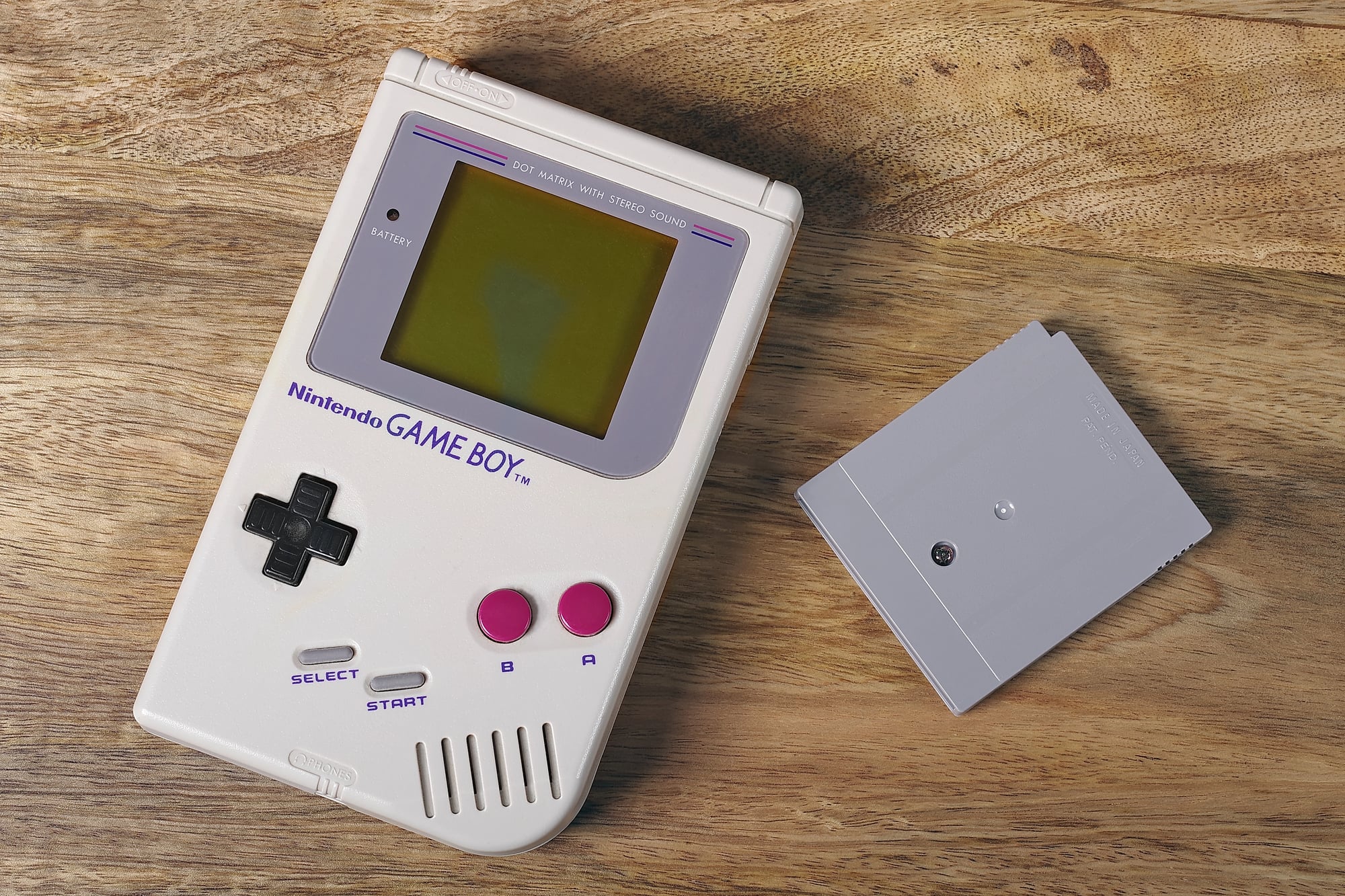
Nintendo’s Game Boy hit shelves in 1989 and changed portable gaming forever.
The chunky gray device with its greenish screen wasn’t the most advanced handheld of its time, but it was durable, affordable, and had a game library that kept people hooked for years.
Fast forward to today, and pristine Game Boys in their original packaging can sell for several hundred dollars, while even well-used models maintain steady value among collectors.
The appeal goes beyond nostalgia.
The Game Boy represents a design philosophy that prioritized battery life and playability over flashy graphics, a trade-off that proved wildly successful.
Limited edition colors and region-specific variants have become particularly sought after, with Japanese exclusive models commanding premium prices.
Even damaged units get scooped up by modders who restore and customize them, creating a thriving secondary market that keeps demand high.
Sony Walkman
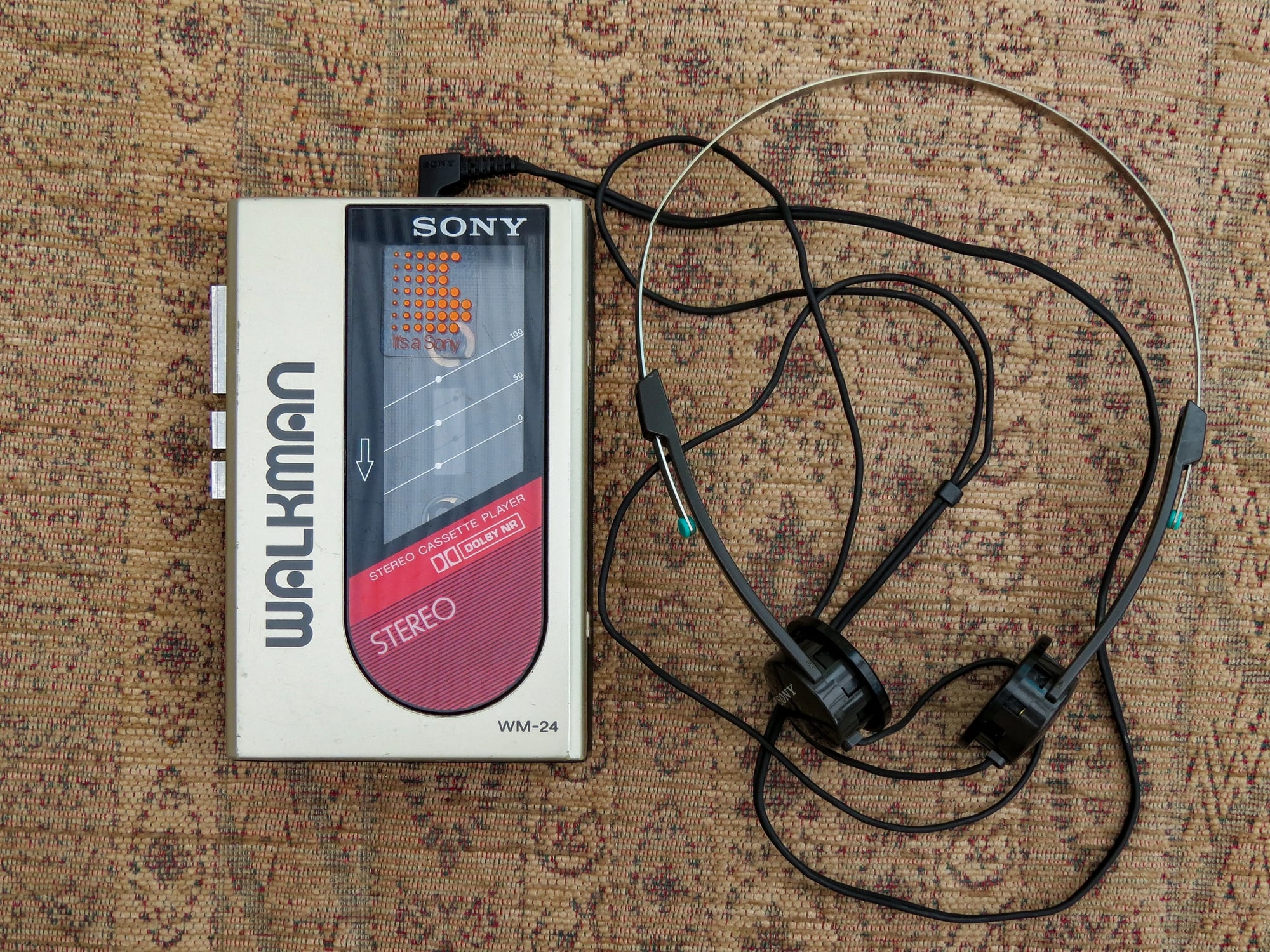
Before smartphones turned everyone into mobile music libraries, the Sony Walkman made personal audio truly portable.
Launched in 1979, these cassette players became cultural icons throughout the eighties and early nineties.
Certain models, particularly early editions in excellent condition, now fetch impressive sums from collectors who appreciate both the industrial design and the historical significance.
The most valuable Walkmans aren’t necessarily the fanciest ones.
First-generation TPS-L2 models in working condition with original headphones and packaging can sell for over a thousand dollars.
Sports models with their distinctive yellow casings have also gained traction, as have rare international variants.
The appeal isn’t purely aesthetic — many audiophiles argue that well-maintained Walkmans still deliver a warm, analog sound quality that digital files sometimes lack.
That combination of form, function, and cultural weight has cemented the Walkman’s status as a legitimate treasure.
Apple II Computer
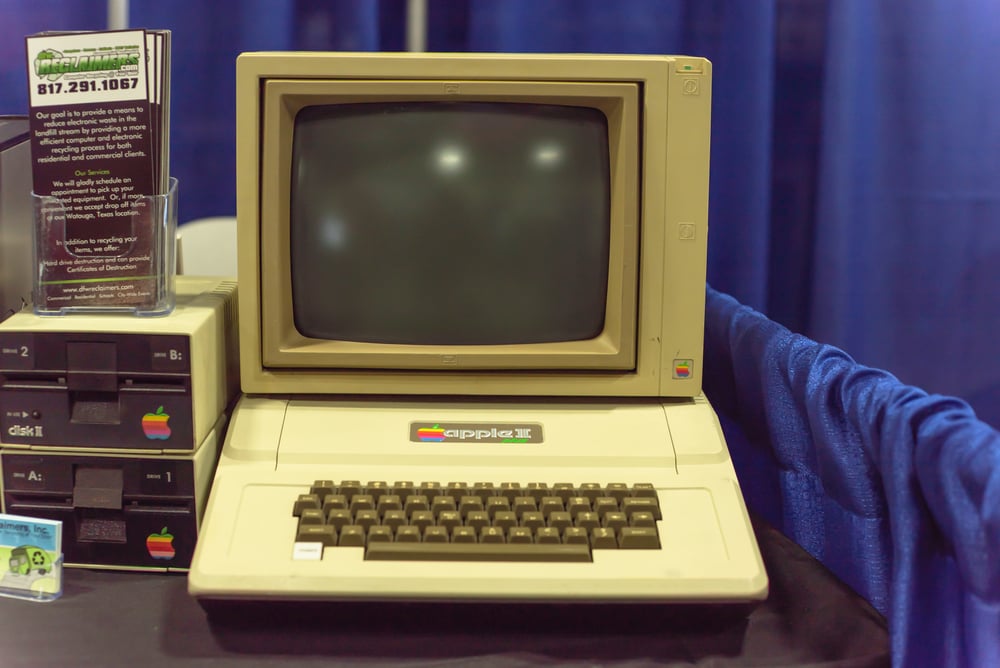
When the Apple II launched in 1977, it helped bring personal computing into homes and schools across America.
The machine’s open architecture and color graphics capabilities made it a favorite among hobbyists and educators alike.
Decades later, working Apple II computers have become prized collectibles, with complete systems in good condition selling for anywhere from a few hundred to several thousand dollars depending on model and accessories.
What makes the Apple II particularly interesting to collectors is the vast ecosystem of peripherals, software, and documentation that existed around it.
Sealed copies of popular games like ‘Oregon Trail’ or ‘Prince of Persia’ can command serious money on their own.
Rare expansion cards, joysticks, and even original manuals add value to complete setups.
The Apple II also represents a moment when computers were designed to be tinkered with and understood, a stark contrast to today’s sealed, proprietary systems.
That accessibility, combined with Apple’s rise to tech dominance, has made these early machines significant both historically and financially.
Nintendo Entertainment System

The NES brought console gaming back from the brink after the video game crash of 1983.
Released in North America in 1985, it introduced millions to franchises like Mario, Zelda, and Metroid.
While the console itself remains relatively common, certain games and accessories have become extremely valuable.
Sealed copies of rare titles can fetch tens of thousands of dollars at auction, and even loose cartridges for obscure games command triple-digit prices.
Part of the NES’s enduring appeal lies in its cultural impact.
An entire generation grew up with the distinctive gray and red design, and that emotional connection translates into collector value.
Limited runs of games like ‘Stadium Events’ have achieved legendary status, with a sealed copy selling for over $40,000 in recent years.
Even common games in pristine condition attract buyers looking to complete collections.
The NES also benefits from a robust modding and preservation community that keeps the hardware relevant, ensuring continued interest from both nostalgic adults and curious younger players.
IBM Model M Keyboard

Released in 1985, the IBM Model M keyboard set a standard for typing that some argue has never been matched.
Built around buckling spring switches, these keyboards delivered tactile feedback and durability that made them favorites in offices worldwide.
Though production of original Model Ms ended in the nineties, working units remain in high demand among programmers, writers, and anyone who values a quality typing experience.
The Model M’s reputation rests on simple engineering executed brilliantly.
Each keystroke produces a satisfying click, and the heavy steel backplate gives the keyboard substantial heft that keeps it firmly planted during intense typing sessions.
Many units from the eighties still function perfectly today, testament to their overbuilt construction.
Prices vary depending on condition and specific model, but even well-used examples sell for over a hundred dollars.
Rare variants, like versions with trackpoints or unusual key layouts, command significantly more.
In an era of disposable peripherals, the Model M represents a time when products were built to last indefinitely.
Atari 2600

The Atari 2600 brought arcade gaming into living rooms when it launched in 1977.
Though graphically primitive by modern standards, the console’s wood-paneled design and library of memorable games have made it a collector favorite.
Complete systems in good condition with boxes and manuals fetch solid prices, while rare game cartridges can sell for thousands depending on title and condition.
The 2600’s collectibility stems partly from its historical importance as one of the first widely successful home consoles.
Games like ‘Pitfall!’ and ‘Space Invaders’ defined early video game culture, and owning physical copies connects collectors to that pioneering era.
Certain titles, particularly those produced in limited quantities or for niche markets, have become exceptionally valuable.
The console itself has also spawned a dedicated community of enthusiasts who create new homebrew games, keeping the platform alive nearly five decades after its debut.
That ongoing creativity, paired with genuine scarcity of certain items, ensures the 2600’s place in the vintage tech treasure category.
Sony Trinitron CRT Television
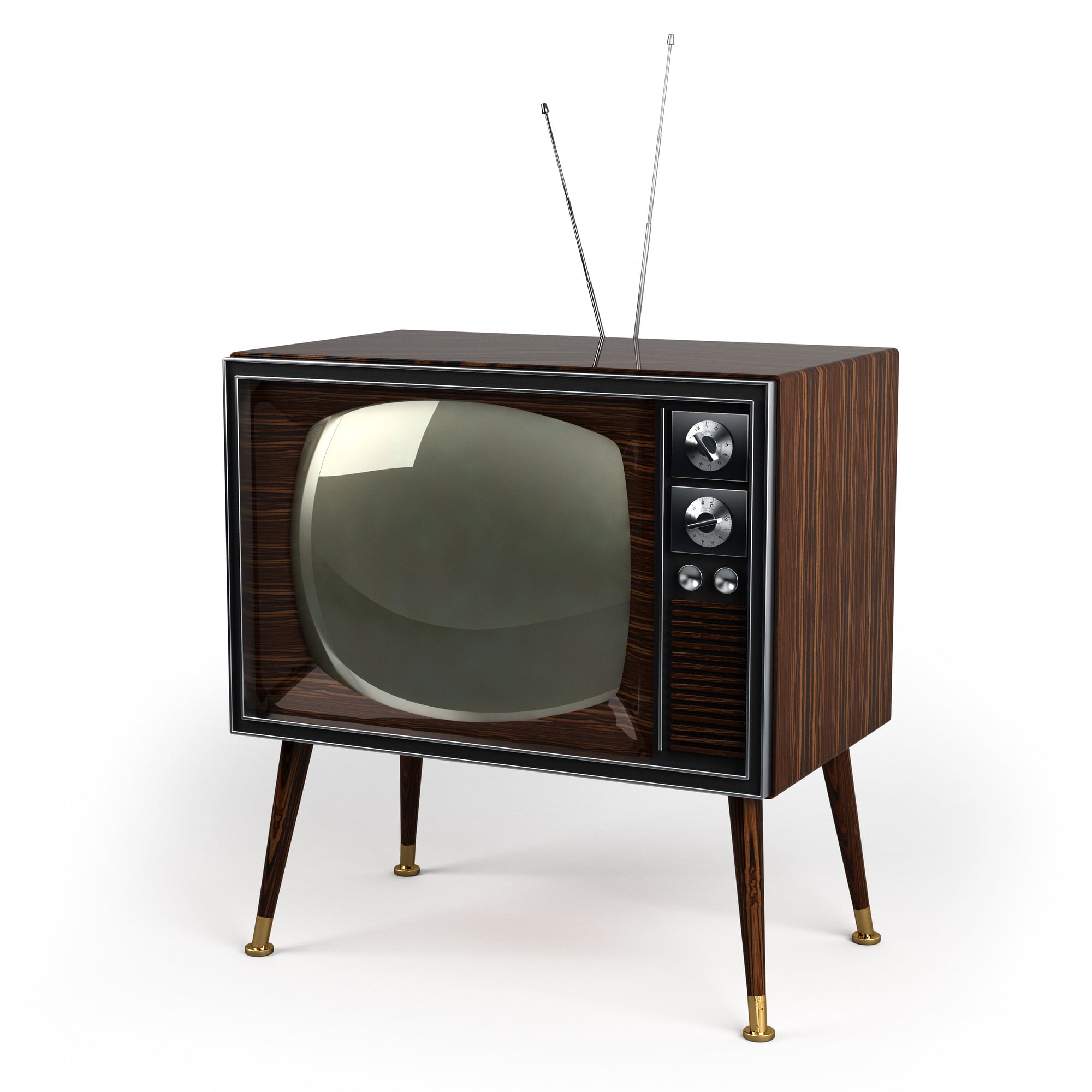
Sony’s Trinitron CRT televisions were once the industry standard for picture quality, but flat screens now predominate.
The Trinitron, which debuted in 1968, outperformed rival technologies in terms of color and sharpness thanks to its innovative tube design.
Trinitrons have found new life among retro gamers who appreciate their authentic display features, whereas the majority of CRTs have long since been replaced or thrown away.
Older video game signals are processed and upscaled by modern flat screens in ways that may cause lag or visual artifacts.
Trinitrons, on the other hand, are perfect for vintage consoles because they show these signals as intended.
Some models have grown in popularity, especially the smaller ones with component video inputs.
Common models cost about fifty dollars, while rare sizes or professional monitors can cost several hundred dollars.
Weight is the catch; even tiny Trinitrons weigh a lot, which makes casual collecting difficult.
However, since older technology can sometimes perform certain tasks more effectively, serious retro gaming setups frequently revolve around a well-maintained Trinitron.
Why They Still Matter

These vintage devices haven’t become treasures purely through age or scarcity.
They represent moments when technology felt more tangible and understandable, when products were designed with repairability and longevity in mind rather than planned obsolescence.
That philosophy resonates with people tired of disposable gadgets that become outdated within months.
Holding a Game Boy that still works after thirty-five years says something about what’s possible when durability matters more than thinness.
The collector market for vintage tech also serves a preservation function.
Enthusiasts who restore and maintain these devices keep important pieces of technological history functional and accessible.
Museums and archives play a role, but private collectors often provide the passion and resources needed to save items that institutions might overlook.
Each restored Walkman or working Apple II represents a small victory against the entropy that claims most old electronics.
Beyond practical considerations, there’s genuine beauty in many of these designs.
The SX-70’s folding mechanism, the Model M’s clicking keys, the Trinitron’s curved screen — these aren’t just functional objects but examples of thoughtful industrial design.
Modern tech often prioritizes minimalism to the point of blandness, while vintage devices had personality and character.
Collectors recognize that value, ensuring these treasures remain appreciated rather than forgotten in landfills where they never belonged.
More from Go2Tutors!

- The Romanov Crown Jewels and Their Tragic Fate
- 13 Historical Mysteries That Science Still Can’t Solve
- Famous Hoaxes That Fooled the World for Years
- 15 Child Stars with Tragic Adult Lives
- 16 Famous Jewelry Pieces in History
Like Go2Tutors’s content? Follow us on MSN.