15 fascinating facts about jellyfish
Jellyfish might look like they’re just bobbing around doing nothing. In reality, these sea creatures are surprisingly clever.
They’ve changed very little in shape yet gained some wild survival skills over time. They glow, clone, and even sense the world — all without a brain.
They are older than dinosaurs
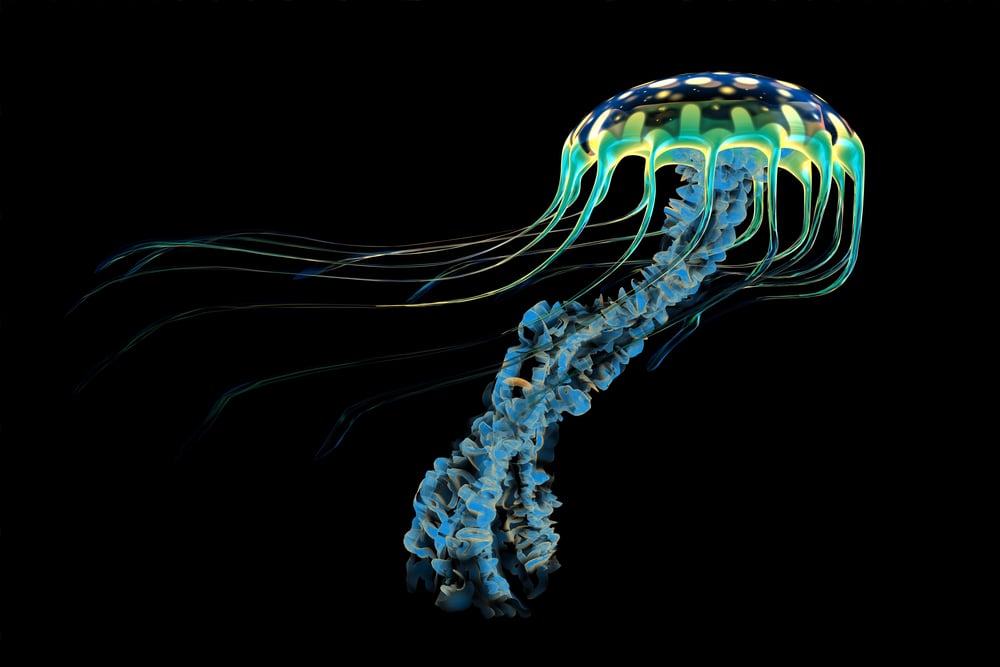
These creatures have swum through oceans for nearly 500 million years — long before dinosaurs showed up. Their shape stayed nearly the same despite endless changes around them.
They’ve seen mass extinctions come and go. The fact that they’re still here shows how well their simple design works.
They have no brain, heart, or bones
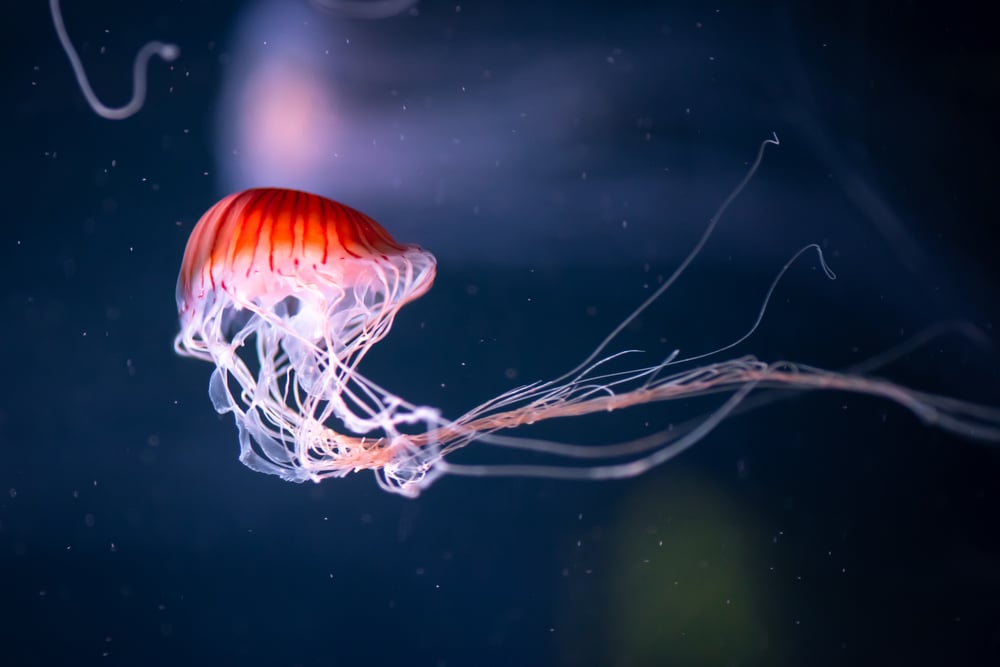
It seems odd, but they’re missing key organs like brains, hearts, or bones. Their bodies are almost all water — about 95%.
They rely on a basic nerve net to move and sense what’s around. The setup may seem rudimentary, but it works just right for these floaters.
Like Go2Tutors’s content? Follow us on MSN.
Some jellyfish can live forever
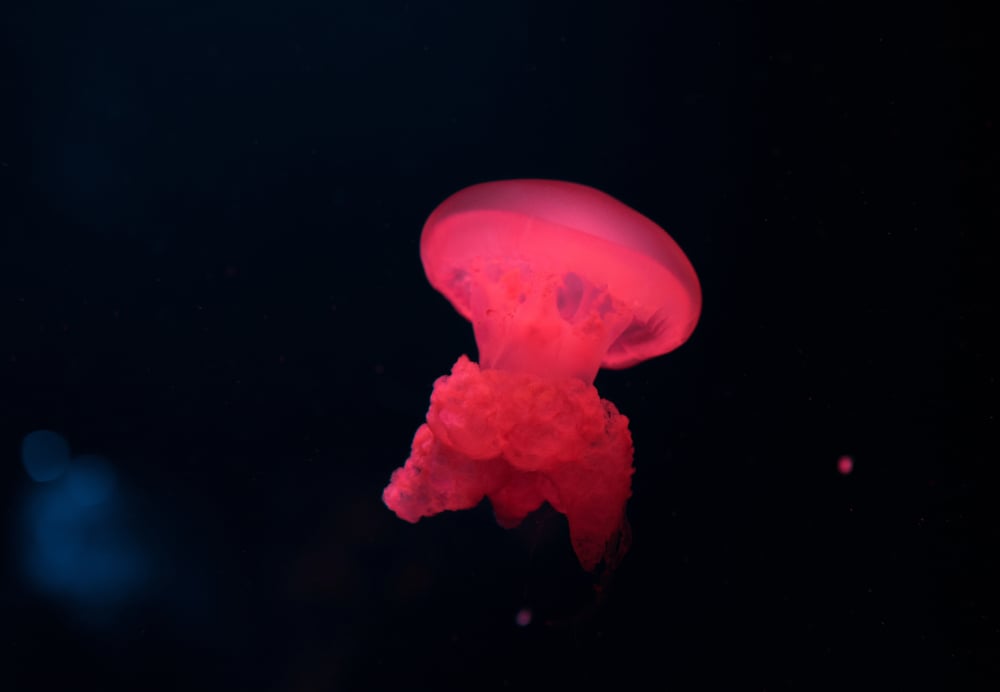
The Turritopsis dohrnii species hits a biological reset when hurt or old. It reverts to a juvenile stage and then grows up again.
This allows endless cycles of life, theoretically. It doesn’t mean it never dies — threats still exist.
Box jellyfish have 24 eyes
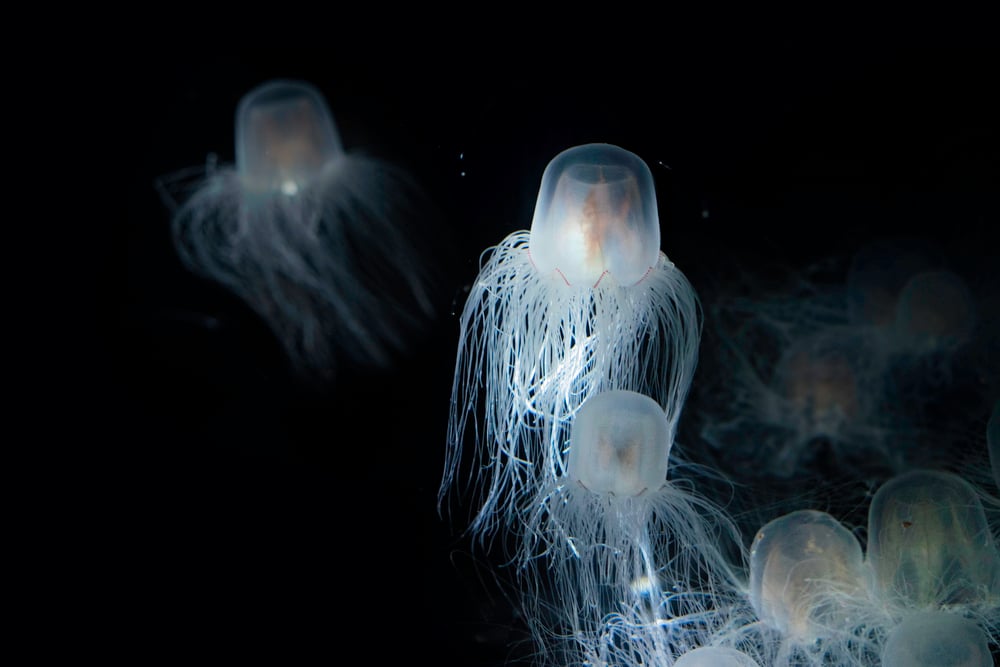
While most jellyfish just sense light, box jellyfish have 24 real image-forming eyes. They’re arranged around the bell to give a broad view.
That layered vision helps them move with purpose instead of drifting. For a brainless creature, that’s impressive vision work.
The largest jellyfish is bigger than a blue whale
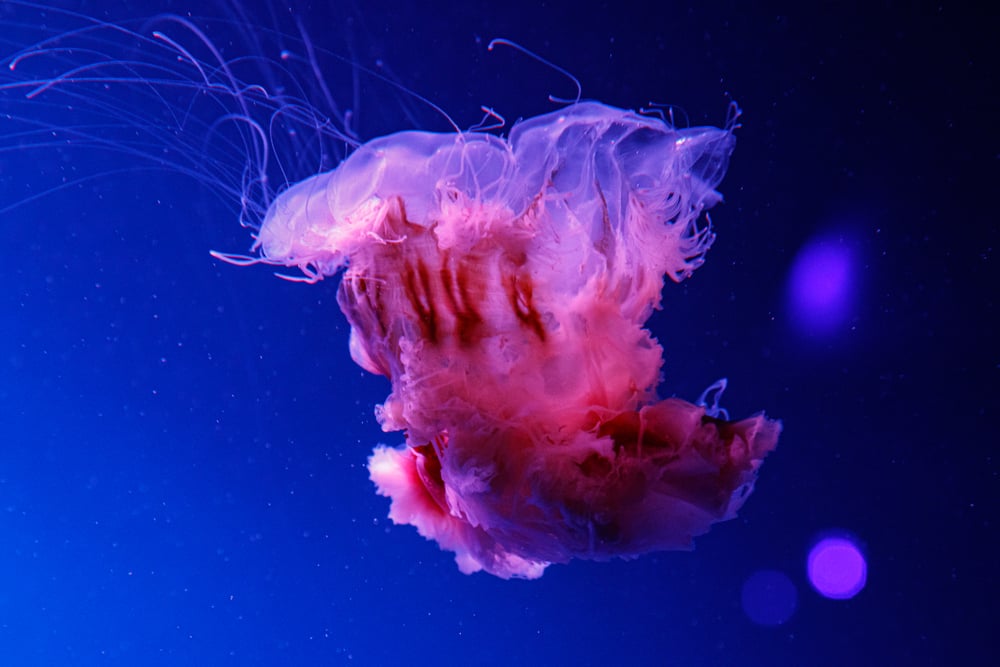
The lion’s mane jellyfish can out-measure the longest whales in tentacle length — up to 30 meters or more. One recorded specimen reached nearly 37 meters.
Whales weigh more, but length-wise, jellyfish take the win. And swimmers might not see their thin tentacles until they’re right in front.
Like Go2Tutors’s content? Follow us on MSN.
Many jellyfish glow in the dark
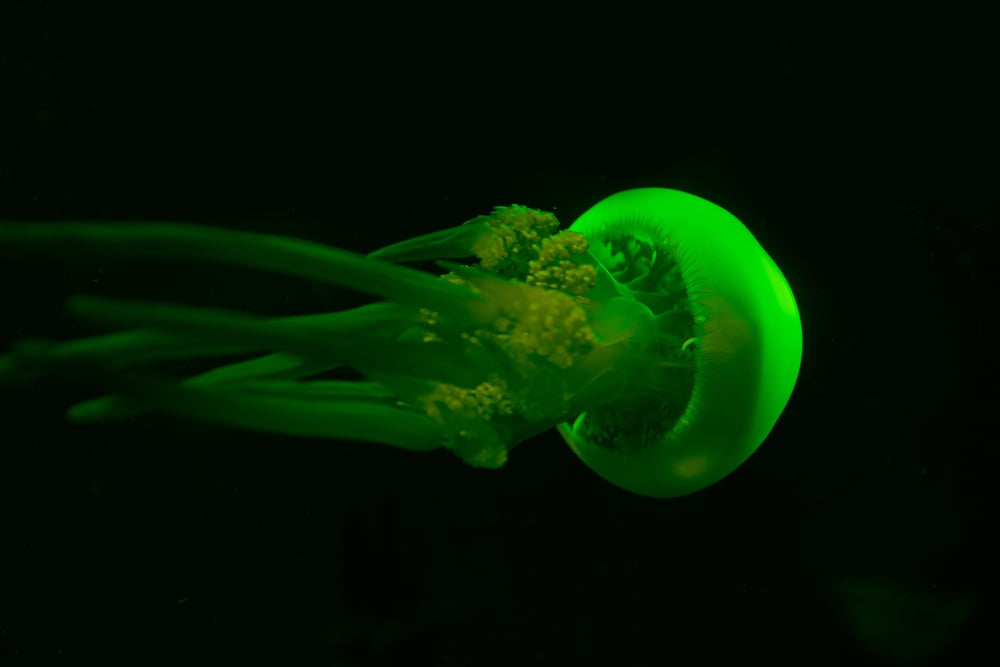
Some of these creatures make their own light inside their bodies — a process called bioluminescence. They glow blue or green to ward off danger, lure prey, or blend in.
In the deep sea, they light up in patterns, making the dark sea dance with color. It’s a survival tool and a show rolled into one.
They are not actually fish
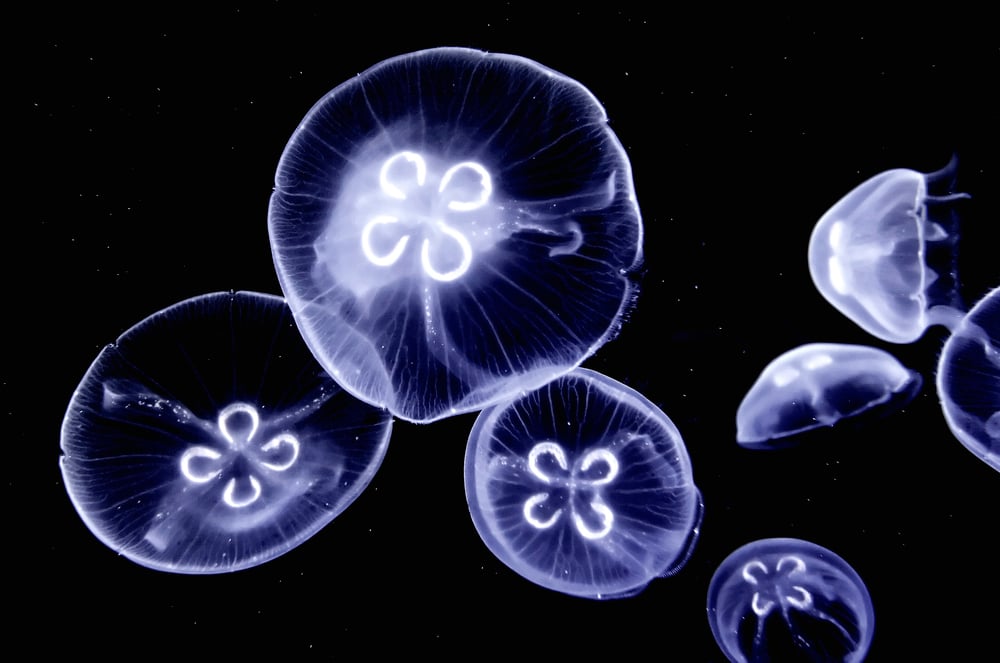
Despite the name, these creatures aren’t fish at all. They lack fins, bones, or backbones.
They belong to a group called cnidarians, closer to sea anemones than true fish. Some prefer calling them sea jellies to clear up the mix-up.
They have been to space
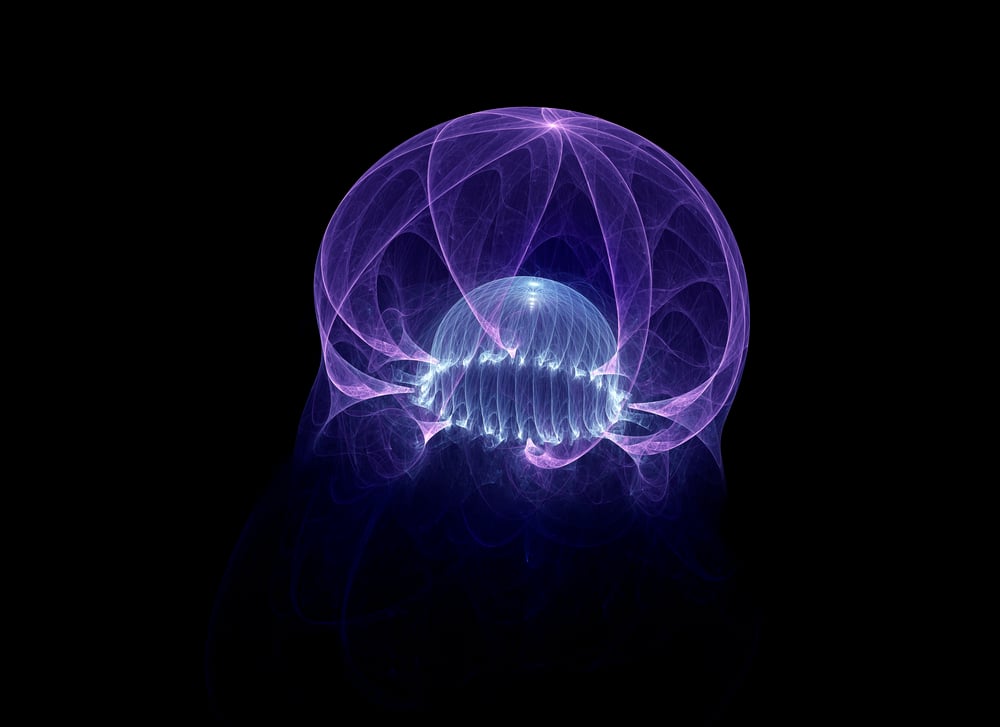
In 1991, NASA sent jellyfish polyps into space to study how they grow without gravity. When they returned, many showed trouble adapting to Earth’s gravity again.
They swam off balance and seemed disoriented. That simple experiment taught a lot about how gravity shapes development.
Like Go2Tutors’s content? Follow us on MSN.
Some jellyfish team up with algae
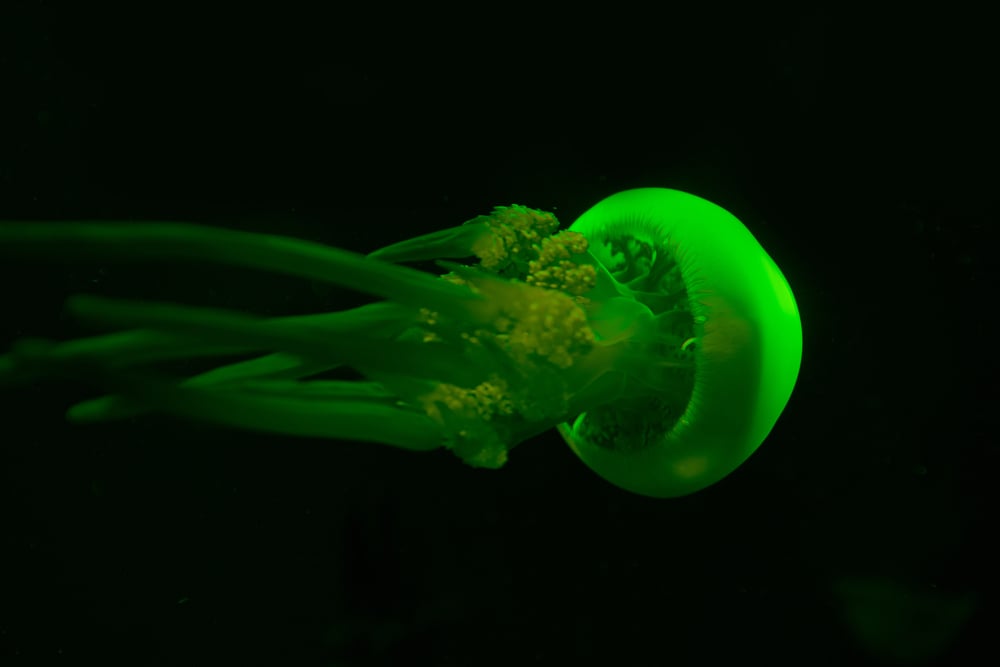
Upside-down jellyfish partner with tiny algae living inside them. The algae make food from sunlight and share it with their hosts.
The jellyfish stay upside-down to let the algae get light. Both benefit — the jellyfish gets energy, and the algae gets a safe home.
They can clone themselves
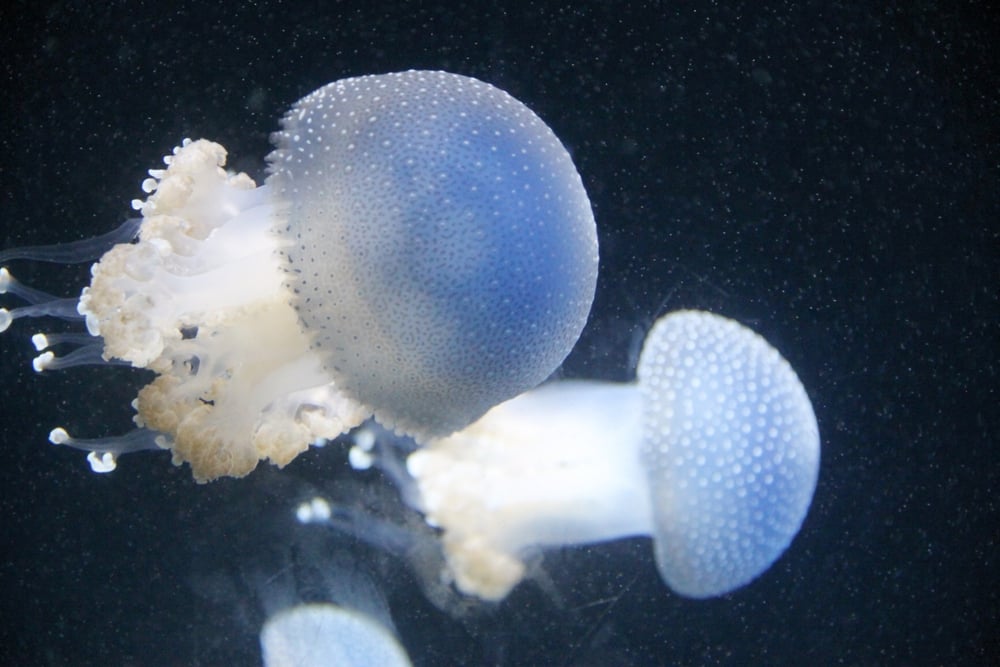
Some jellyfish grow clones of themselves by budding off new ones from their bodies. No mating needed.
In tough seasons, they’ll clone; when conditions are right, they may switch to reproduction. It’s a handy way to keep numbers up or mix genes, depending on what’s going on.
Box jellyfish are extremely fast
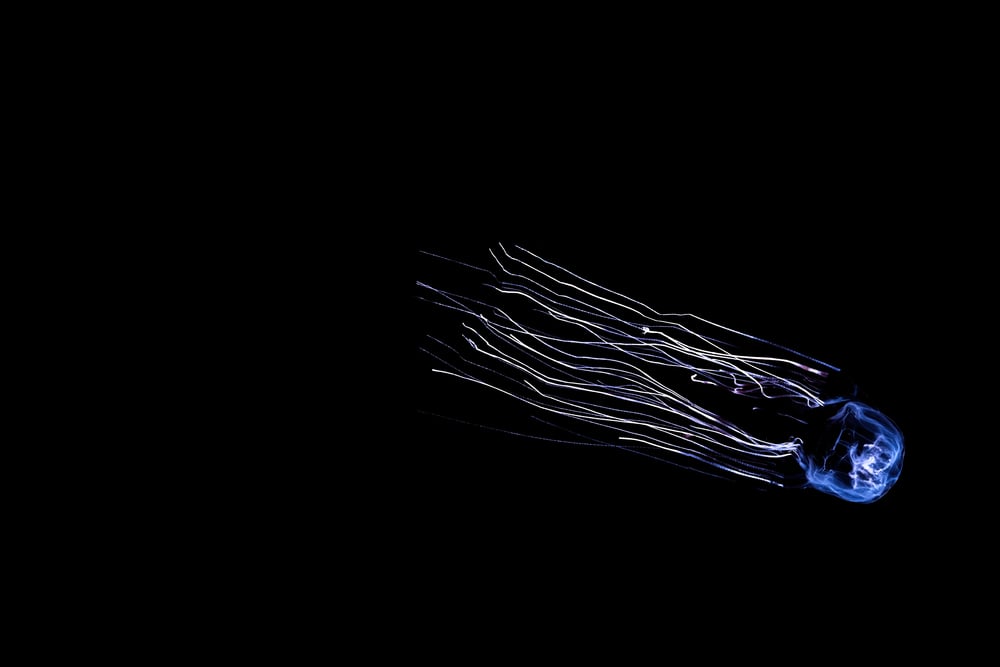
While most float, box jellyfish can swim purposely — up to around 6 meters per minute. They squeeze their bell to push water and move forward fast for a jelly.
Their vision guides them too, making them active predators rather than passive sailors.
Like Go2Tutors’s content? Follow us on MSN.
They come in amazing colors
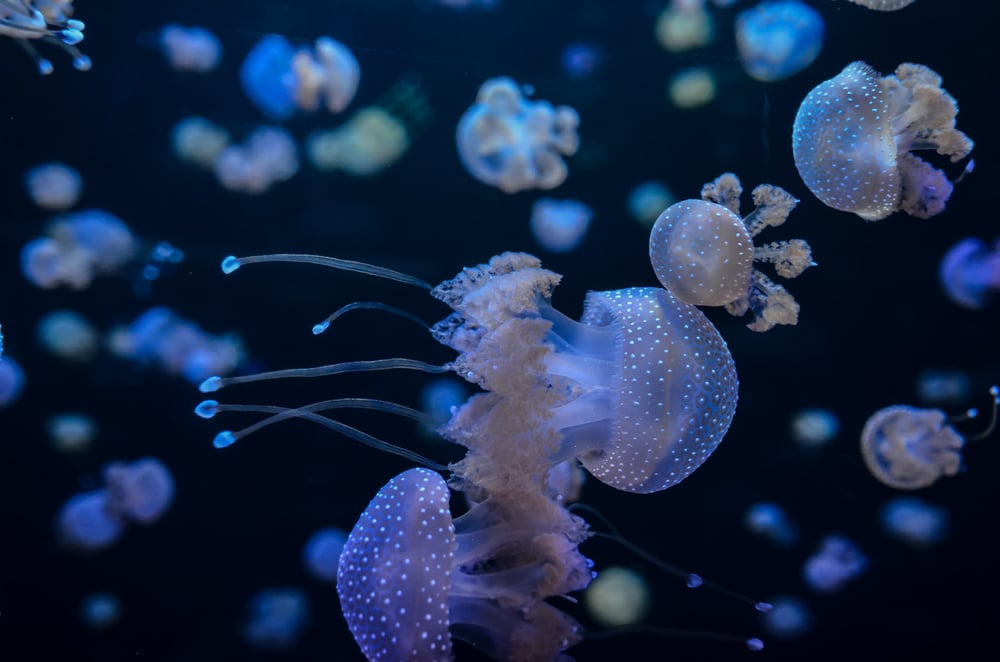
Not all are clear. Some shimmer in reds, blues, yellows, purples, or mix of hues.
Their color comes from cells, diet, or even living algae. Some even shift shade based on the light or mood.
Their tentacles keep working after they die
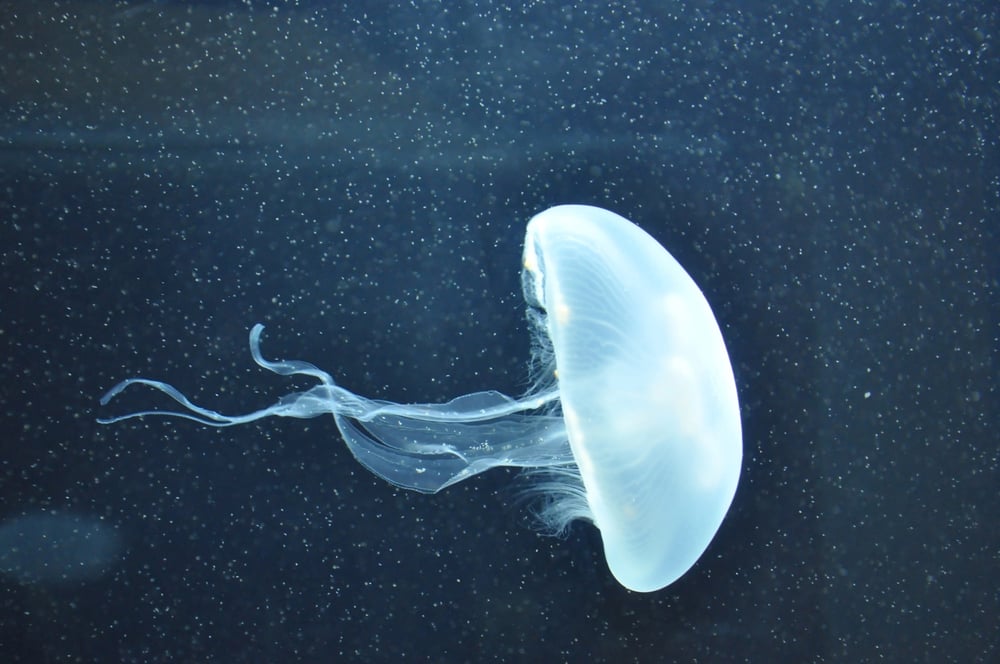
Just because a jellyfish lies still doesn’t mean it’s harmless. The stinging cells on tentacles can still fire for hours or days after death.
Beachgoers often get stung by jellyfish that look dead. Those tiny cells hold enough venom to hurt.
They eat almost anything they can catch
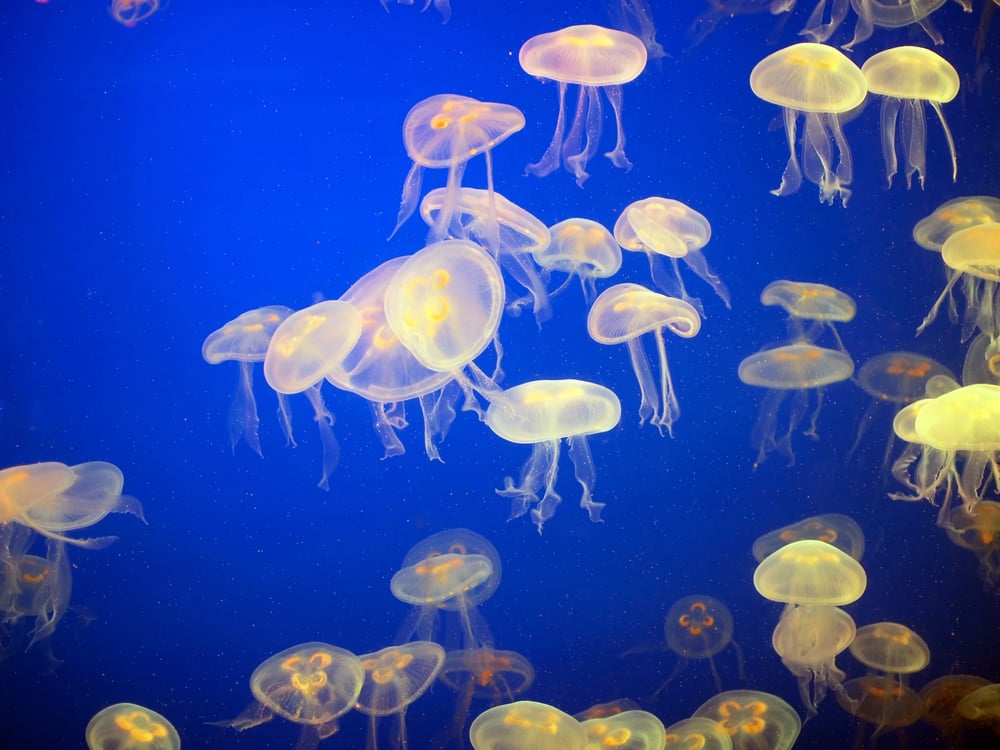
Jellyfish are ready diners. If something drifts into their reach — plankton, fish eggs, shrimp, other jellies — they’ll sting and eat it.
Big ones can even handle small fish. Those tentacles zap prey before pulling it in.
Like Go2Tutors’s content? Follow us on MSN.
They have survived ice ages and asteroid impacts
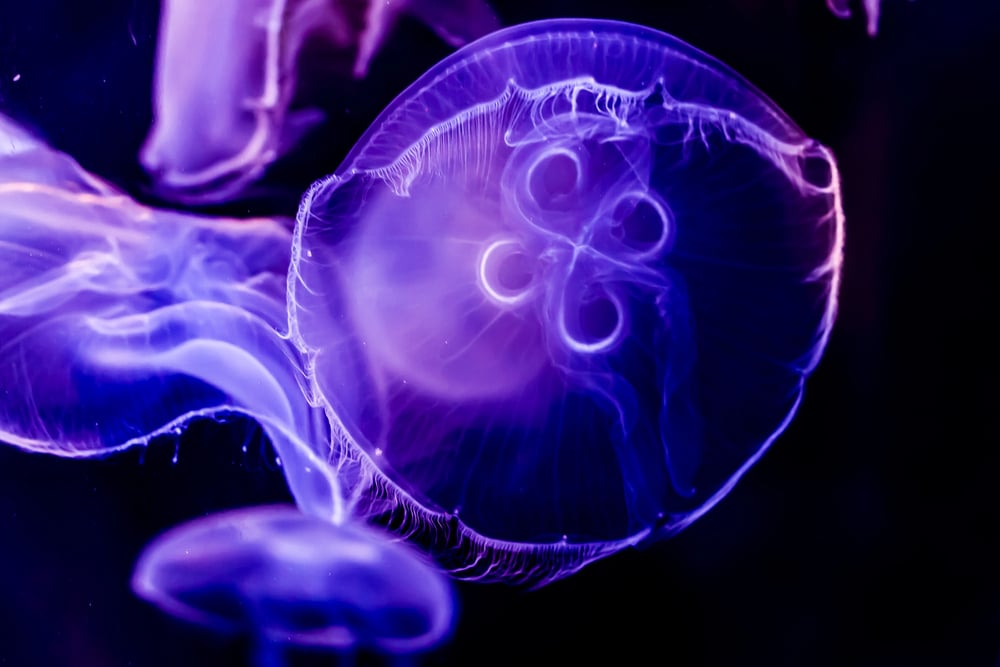
Jellyfish have lived through Earth’s wildest eras — asteroid hits, ice ages, hot spells. Their plain structure helps them survive when things get extreme.
Low oxygen, dirty water, cold or heat — they handle it all. That’s why they’re here now.
Ancient survivors in modern seas
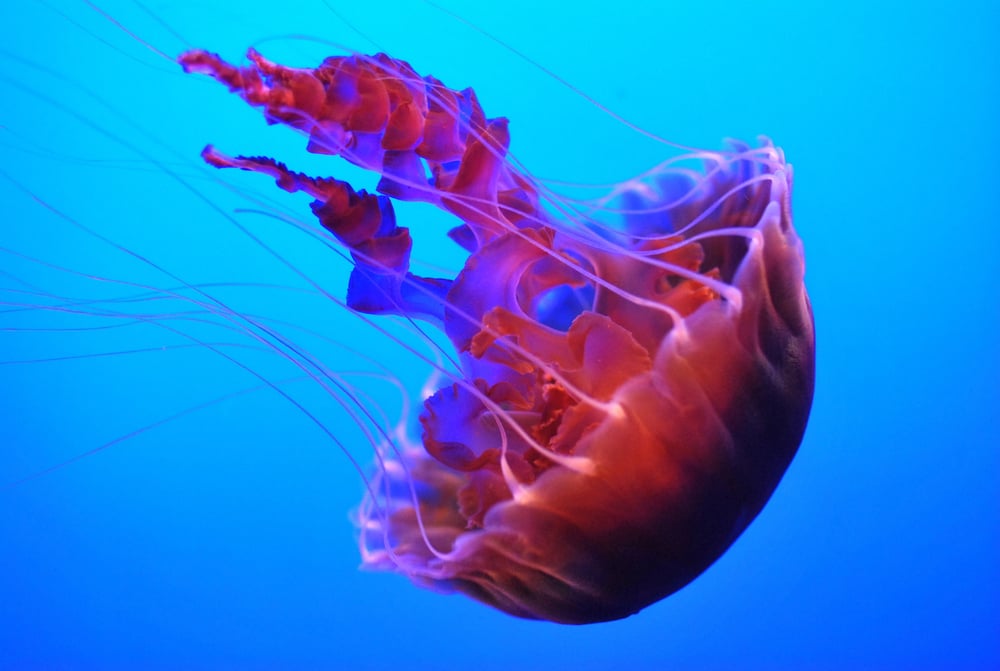
These creatures prove survival isn’t always about brain power or fancy traits. Their simple form works so well, no change has been needed for ages.
Others have evolved or died off. The jellyfish just kept floating.
More from Go2Tutors!

- 16 Historical Figures Who Were Nothing Like You Think
- 12 Things Sold in the 80s That Are Now Illegal
- 15 VHS Tapes That Could Be Worth Thousands
- 17 Historical “What Ifs” That Would Have Changed Everything
- 18 TV Shows That Vanished Without a Finale
Like Go2Tutors’s content? Follow us on MSN.