Appliances From the 70s That Last Forever
Walk into any modern appliance store and salespeople will tell you that today’s machines are more efficient, smarter, and better than ever before. That might be true for energy consumption and fancy features, but it completely ignores one simple fact.
The appliances people bought in the 1970s are still running in homes, garages, and basements across America while their modern replacements break down after just a few years.Here are the indestructible machines from the 70s that refuse to quit no matter how old they get.
Kenmore Washing Machines
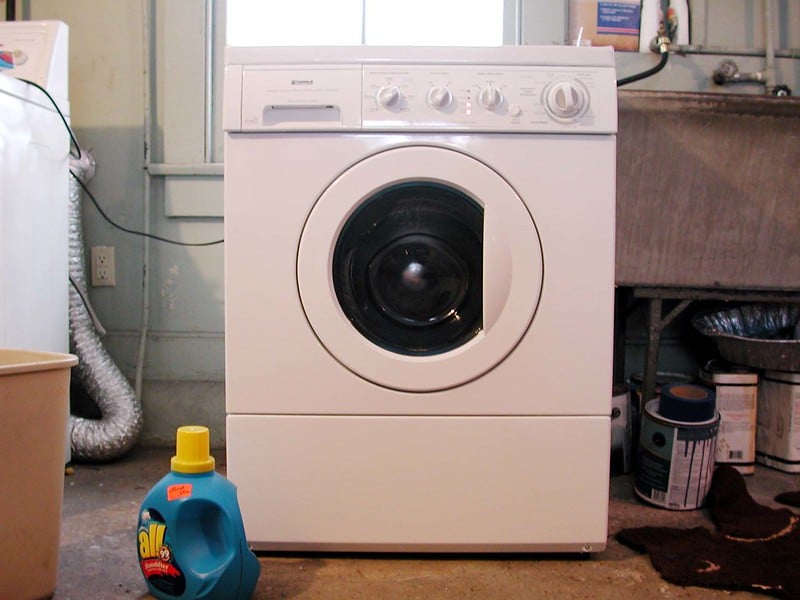
Sears sold Kenmore washers built like tanks that could handle decades of dirty laundry without breaking a sweat. These machines had simple mechanical controls with just a few settings that actually worked.
The agitator in the center thrashed clothes clean using brute force rather than gentle tumbling. Repair was straightforward because everything inside was mechanical instead of computerized.
Families passed these washers down through generations, and many are still cleaning clothes today.
Kitchenaid Stand Mixers
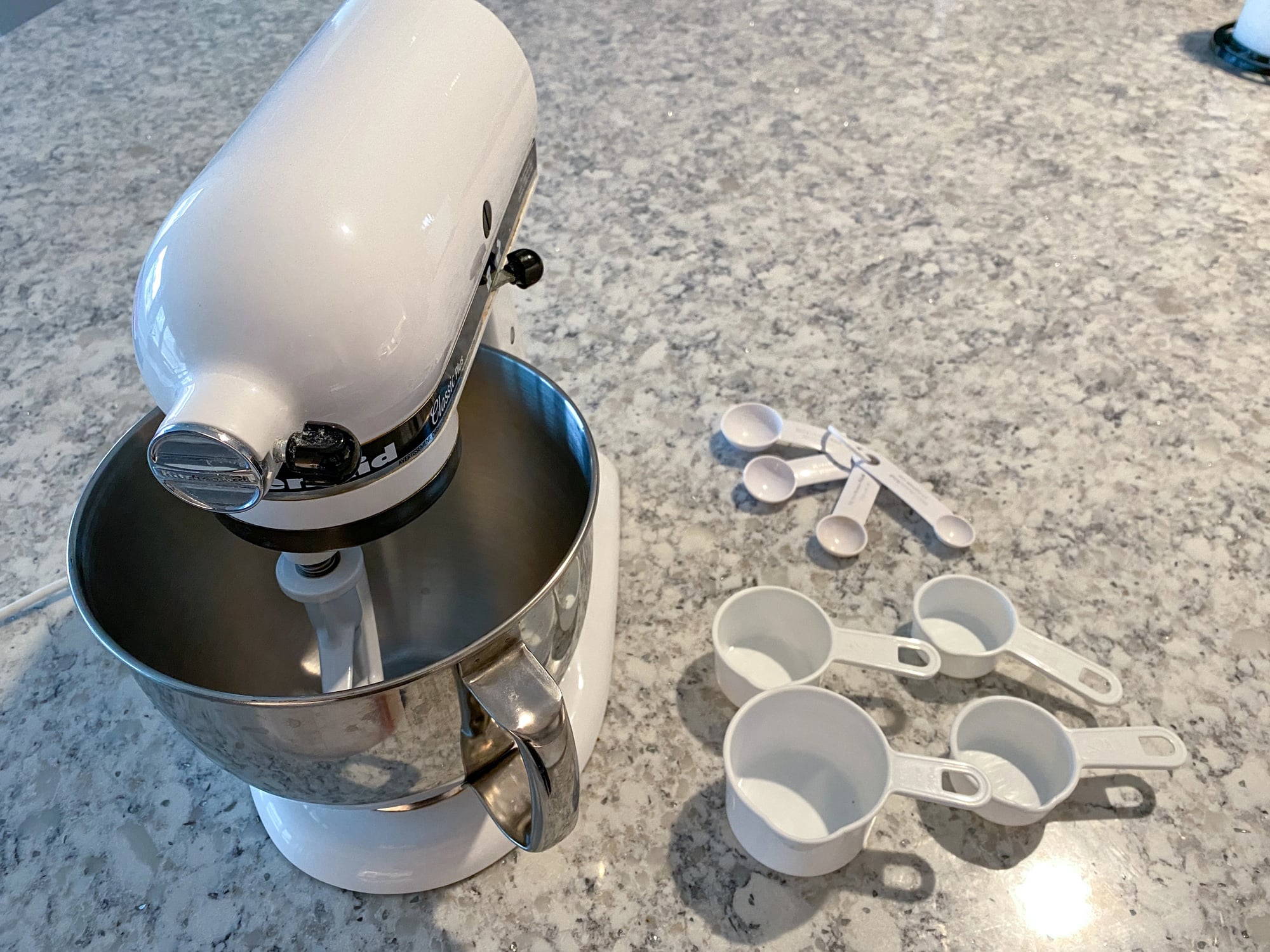
The classic Kitchenaid mixer from the 70s came in avocado green or harvest gold and weighed about as much as a small child. All-metal construction meant these things could mix concrete if someone asked them to.
The powerful motor never burned out even after making thousands of batches of cookies and bread. Attachments from 50 years ago still fit on models made today because the company understood the value of consistency.
Bakers treasure these vintage mixers and refuse to replace them with modern versions.
Maytag Dryers
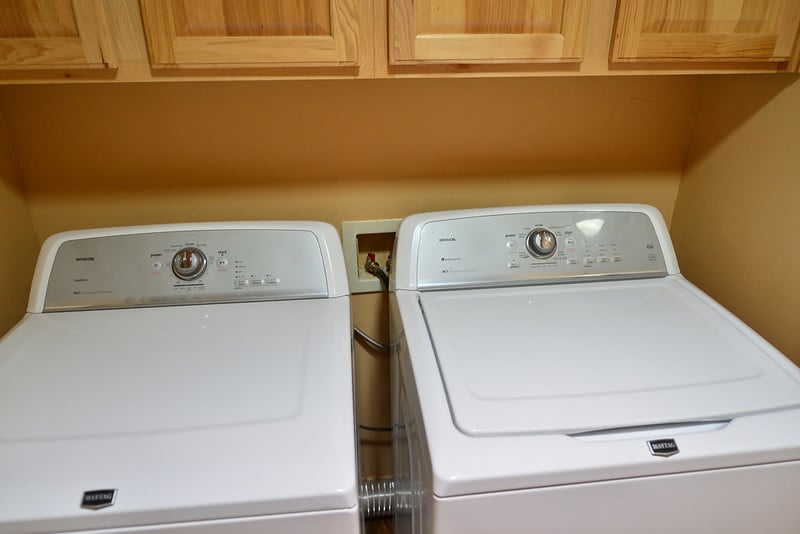
Maytag built their reputation on dryers that simply never quit working. The company’s ‘Lonely Repairman’ commercials weren’t exaggerating about how reliable these machines were.
Heat elements lasted forever and belts rarely needed replacement. The simple design meant fewer parts that could break down over time.
People moving into houses often found 70s-era Maytag dryers already installed and decided not to replace them because they still worked perfectly.
Sunbeam Mixmaster
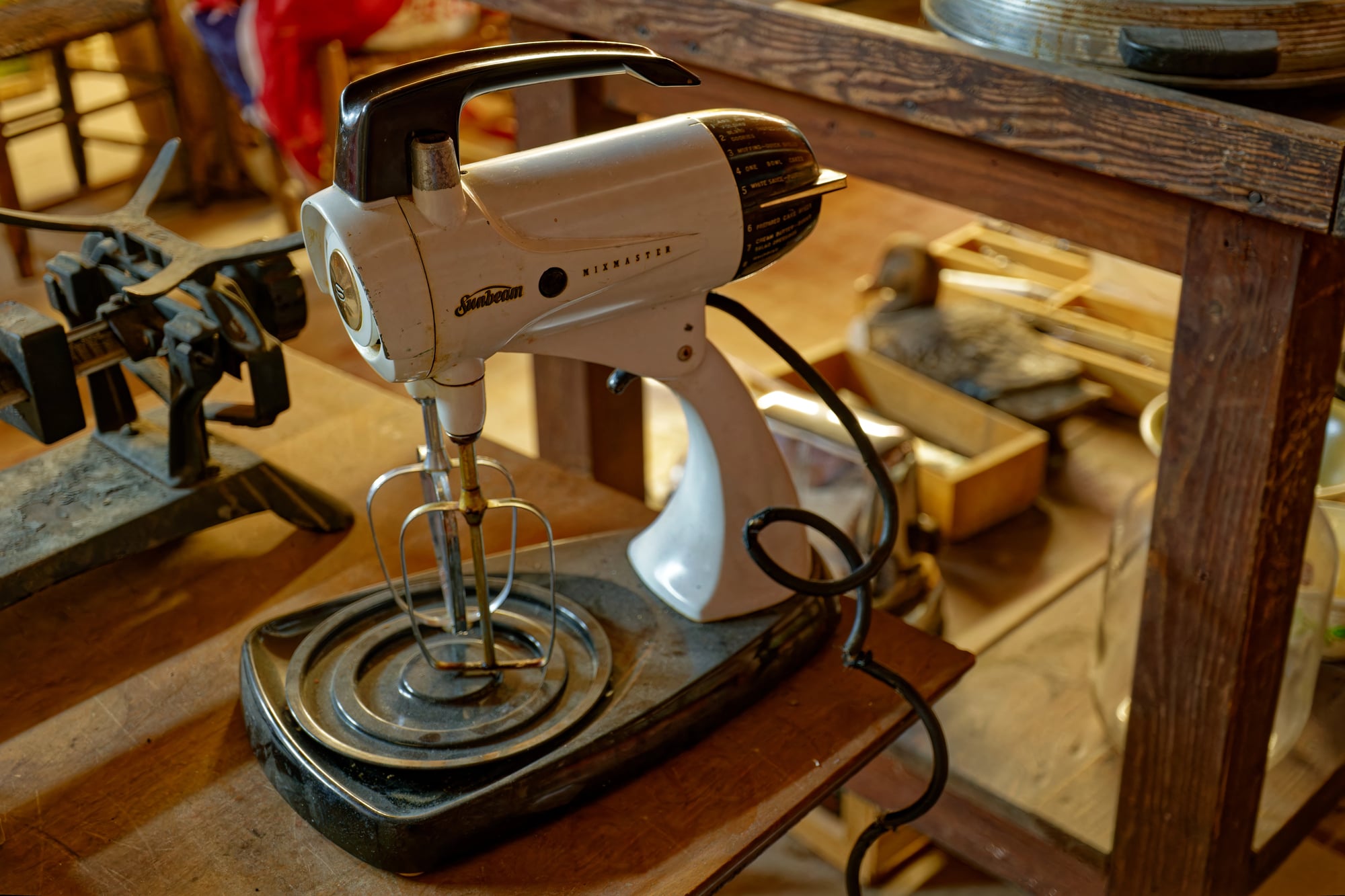
This countertop hand mixer became a wedding gift staple throughout the 70s and many of them still work today. The chrome finish and glass bowls gave it a retro look that has become fashionable again.
The motor could handle thick cookie dough and cake batter without overheating or slowing down. Replacement beaters and bowls are still available because so many people refuse to throw these mixers away.
The satisfying click when the beaters lock into place is something modern mixers can’t replicate.
Amana Radarange
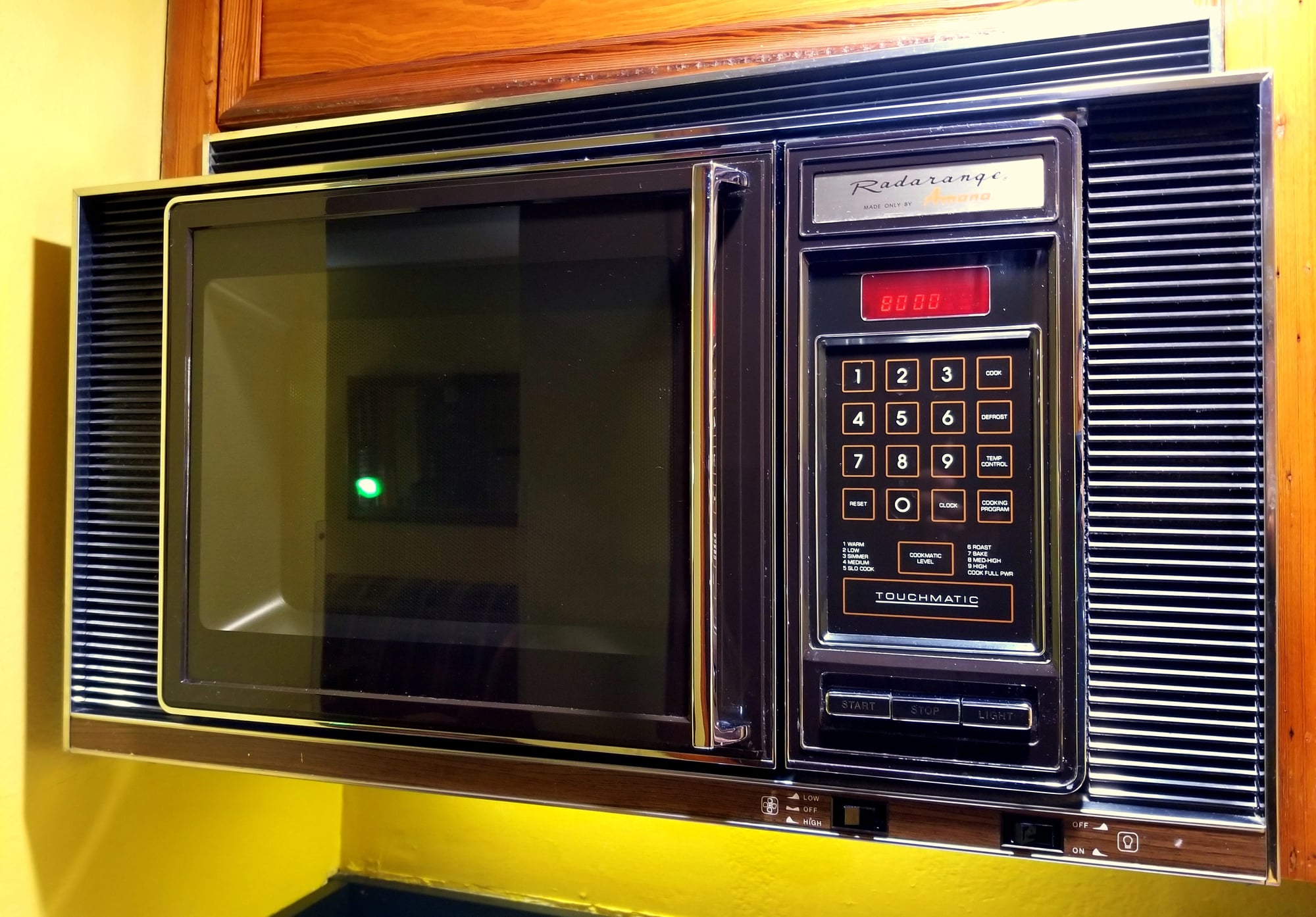
Amana’s microwave ovens from the 70s were built when the technology was still new and expensive. These early microwaves featured heavy-duty construction because manufacturers didn’t know how to make them cheaply yet.
The touchpad controls were simple and nearly impossible to break. Many of these units still heat food perfectly despite being half a century old.
They’re energy hogs by modern standards, but they prove that overbuilt sometimes means indestructible.
General Electric Refrigerators
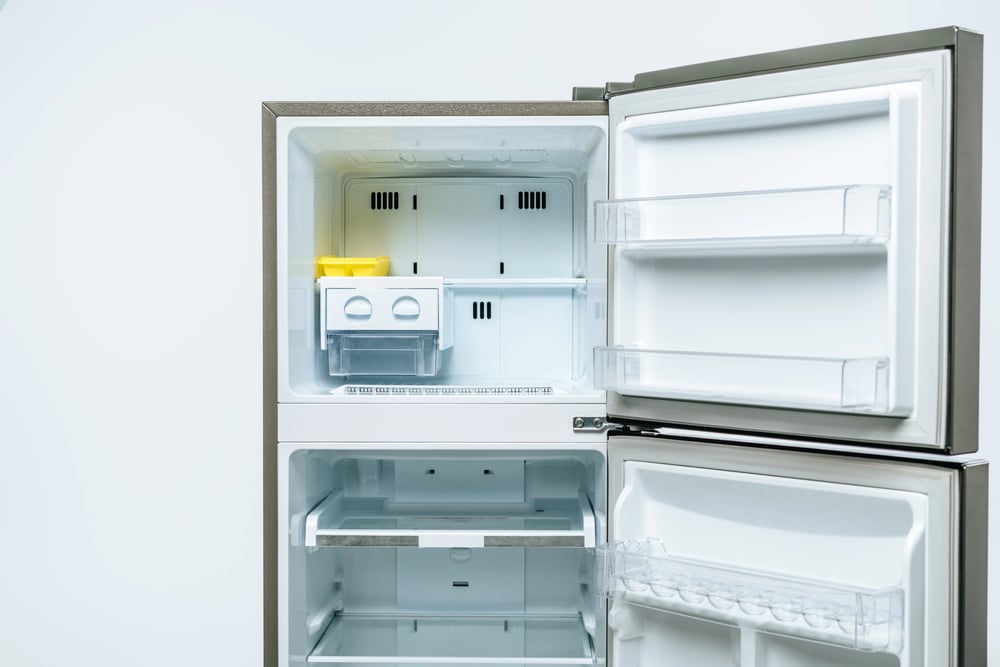
GE refrigerators from the 70s featured that distinctive rounded design and came in wild colors like orange and brown. The compressors in these units were designed for decades of continuous operation.
Simple mechanical thermostats meant nothing computerized could fail. The interiors were easy to clean and the shelves could support ridiculous amounts of weight.
Some families still use these fridges in their garages for extra storage because they’re too reliable to throw away.
Waring Blenders
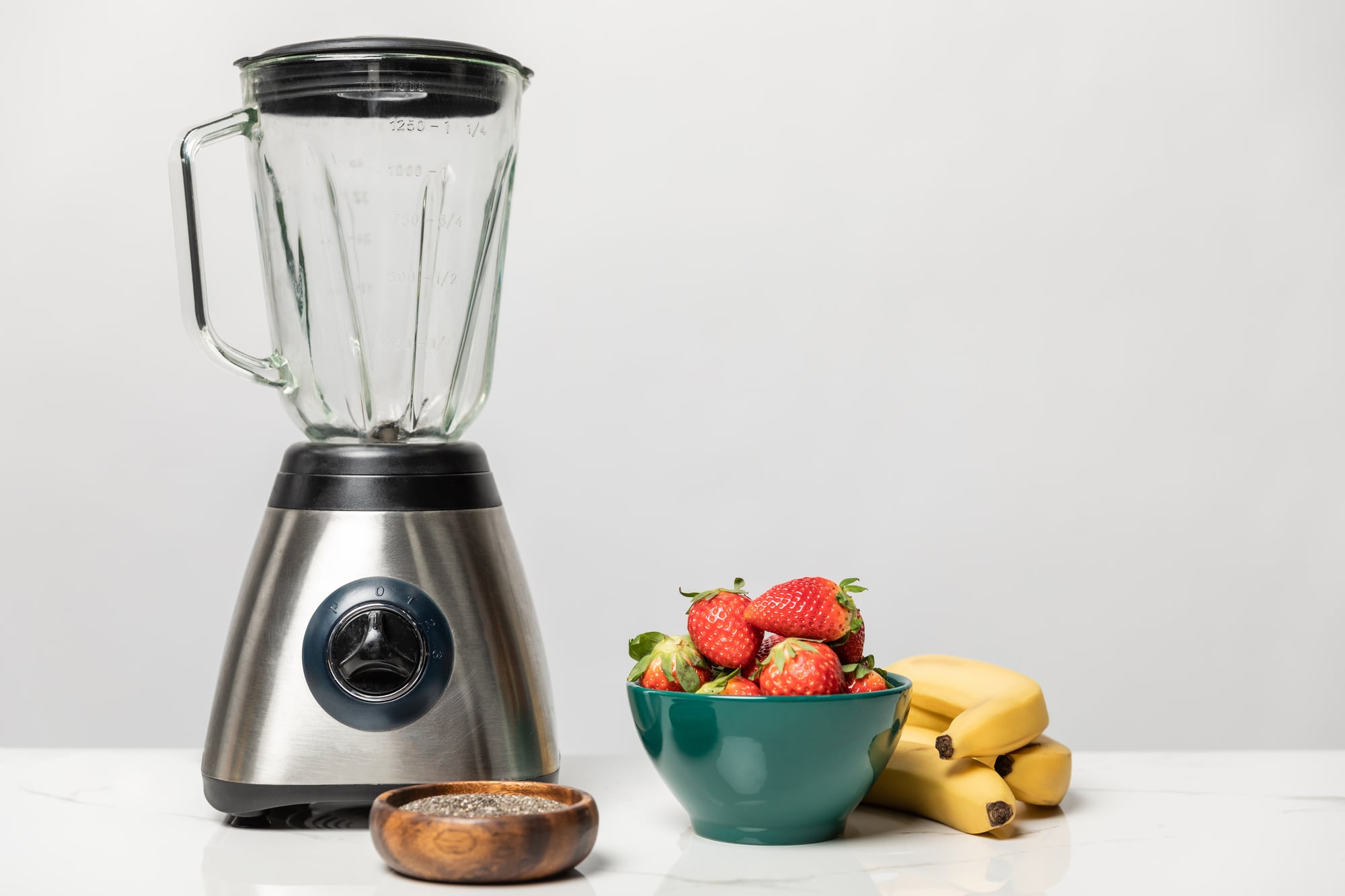
Professional-grade Waring blenders built in the 70s crushed ice and blended smoothies before those things became trendy. The glass jars could withstand boiling liquids without cracking.
Metal drive couplings connected the motor to the blades instead of cheap plastic parts. These blenders were loud enough to wake the neighbors but powerful enough to pulverize anything.
Restaurants and bars still use vintage Waring blenders because new ones don’t last nearly as long.
Hoover Upright Vacuums
Hoover’s metal-bodied upright vacuums from the 70s weighed a ton but sucked up dirt like nobody’s business. The bag-style collection system was messy to change but simple enough that nothing could break.
Metal beater bars lasted indefinitely compared to modern plastic versions. These vacuums could handle shag carpeting that would choke modern cleaners.
The sound they made was unmistakable and could be heard throughout entire houses.
Oster Blenders
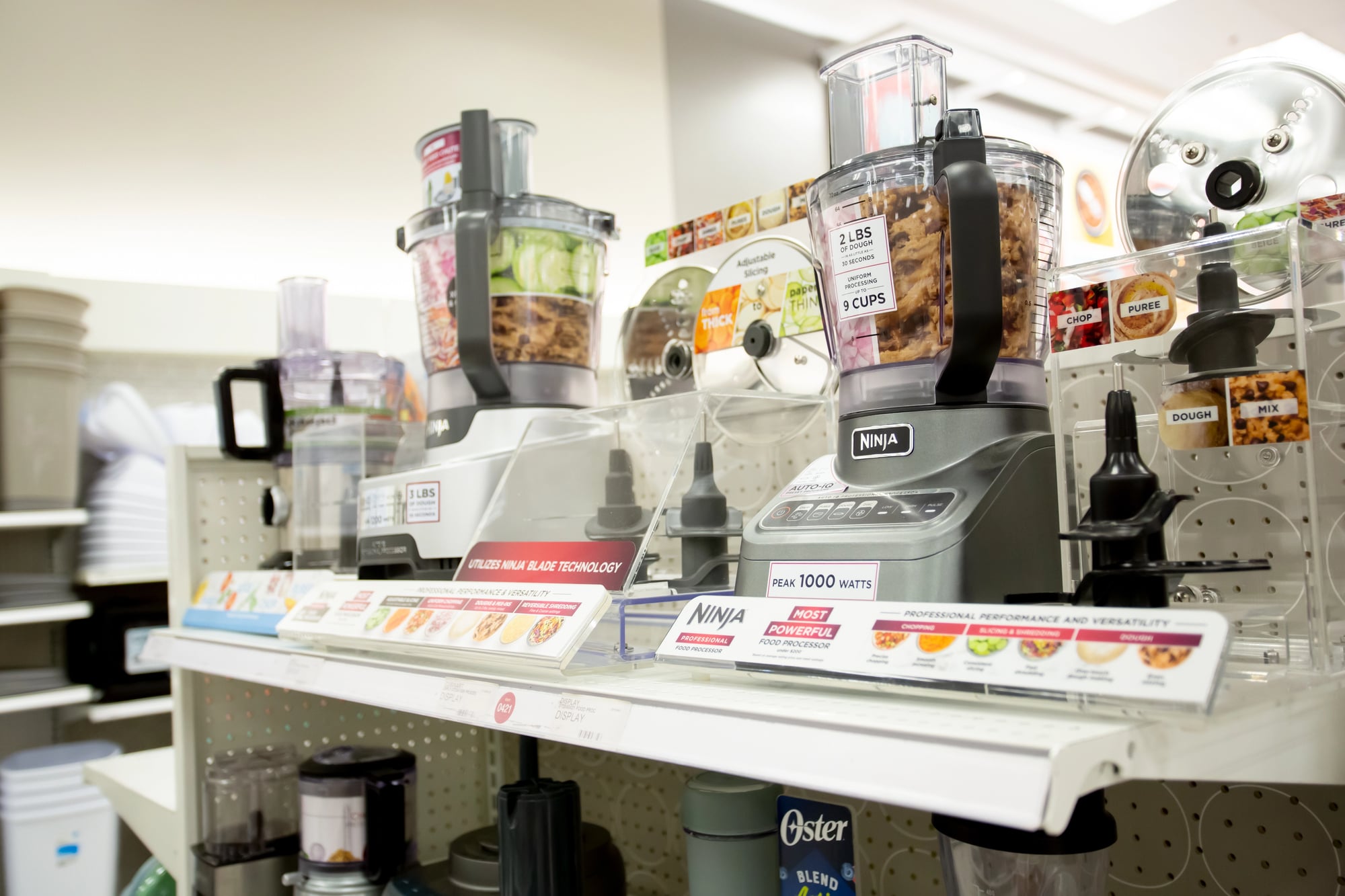
The classic Osterizer blender came in that iconic beehive shape and featured all-metal construction. The toggle switches never wore out because they were built to commercial standards.
Glass jars survived countless drops and dishwasher cycles. The blades were sharp enough and powerful enough to handle anything from crushing ice to making baby food.
Thrift stores always have a few of these for sale because people cleaning out relatives’ homes can’t believe something so old still works.
Westinghouse Electric Ranges
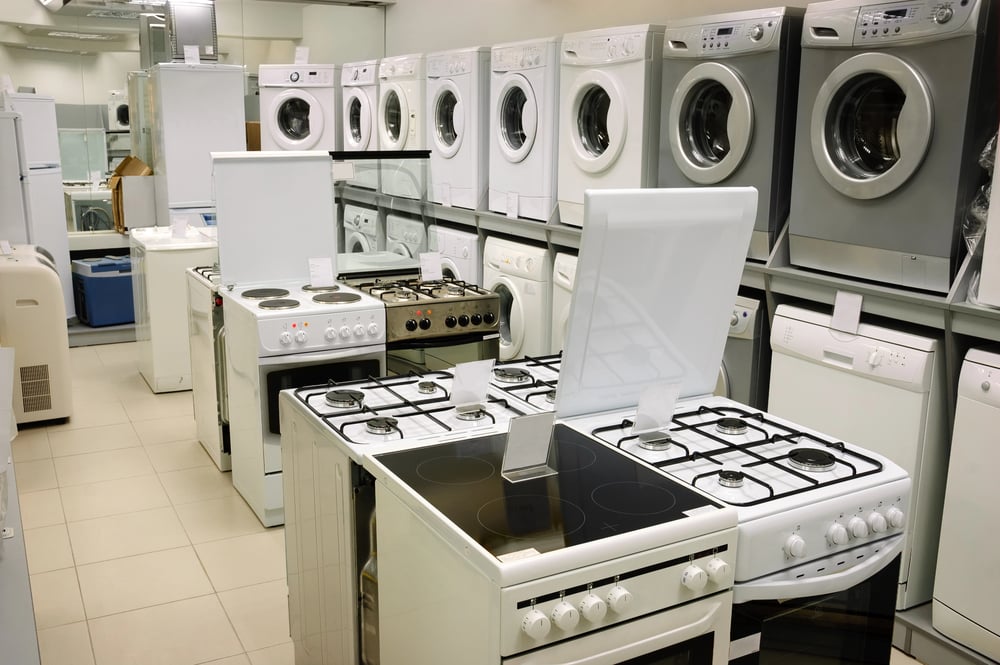
These electric stoves featured coil burners and simple dial controls that lasted forever. The ovens heated evenly and maintained accurate temperatures for decades.
Chrome drip pans caught spills and could be scrubbed clean over and over. The range’s enamel finish held up to years of cooking spatters and cleaning chemicals.
Many rental properties still have these ranges because landlords know they’ll outlast several sets of tenants.
Corning Ware Electric Percolators
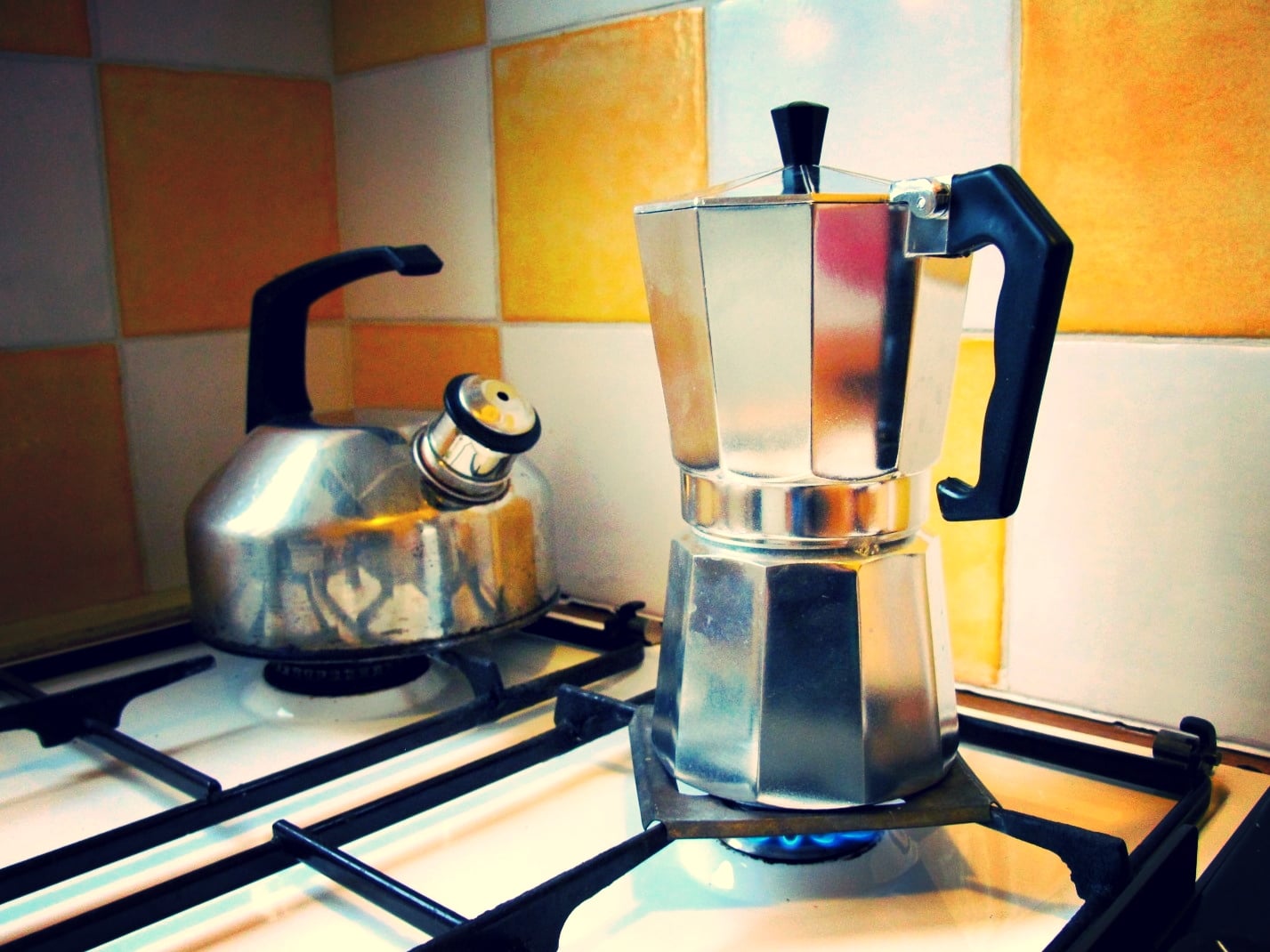
Coffee percolators from the 70s brewed pot after pot of coffee without ever breaking down. The simple heating element and mechanical pump system had almost nothing that could fail.
Glass knobs on top let people watch the coffee percolate, which was oddly satisfying. These percolators made coffee hotter and stronger than modern drip machines.
Coffee snobs rediscovered them in recent years and started buying vintage models at estate sales.
Black And Decker Toaster Ovens
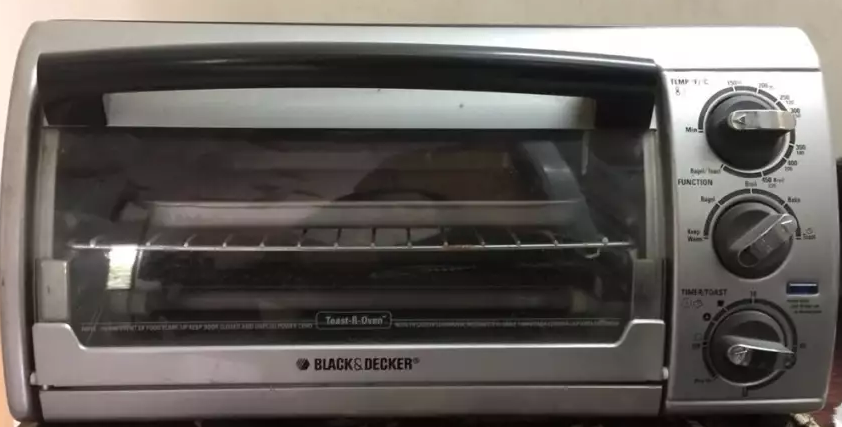
The original toaster ovens from Black and Decker featured mechanical timers and simple heating elements. These compact ovens could toast bread, reheat pizza, and bake small batches of cookies.
The metal construction meant they could take a beating and keep working. Temperature controls were basic but accurate enough for most cooking tasks.
People who own these vintage toaster ovens often prefer them to modern convection models.
Hamilton Beach Food Processors
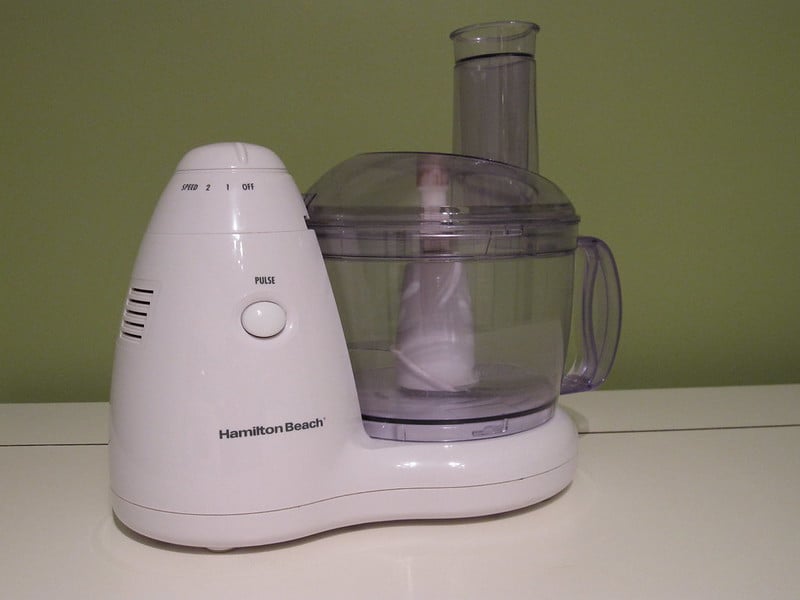
Early food processors were built like industrial equipment because the technology was new and expensive. Hamilton Beach models featured powerful motors that could chop, slice, and shred for hours.
The bowls and blades were thick plastic and metal that could handle serious abuse. Simple pulse controls meant there was nothing complicated to break.
These processors still outperform cheap modern versions despite being older than most people using them.
Frigidaire Chest Freezers
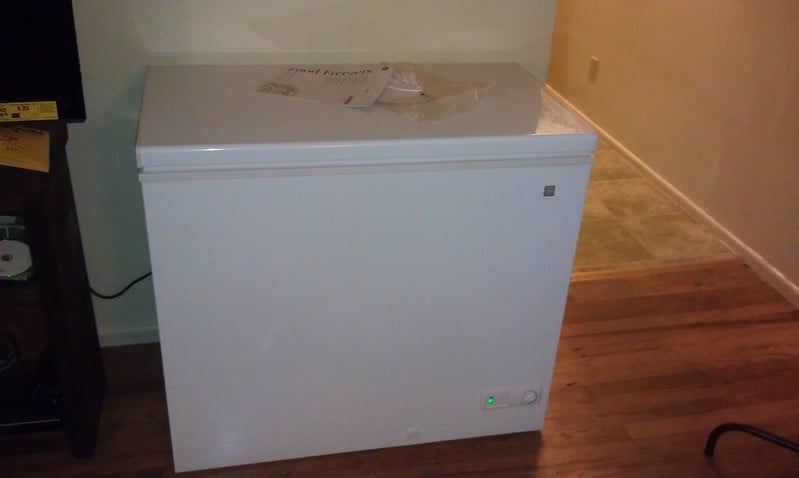
Out in damp basements, old-school deep freezers from the 1970s still hum along, locking frost into every corner. When storms knock out electricity, their dense walls hold steady – cold doesn’t escape fast.
Instead of computers or screens, a basic dial sets warmth levels, nothing more. Built like lockers, steel frames shrug off constant slamming year after year.
Half a century later, many spin nonstop, showing rust but never surrendering.
Singer Sewing Machines
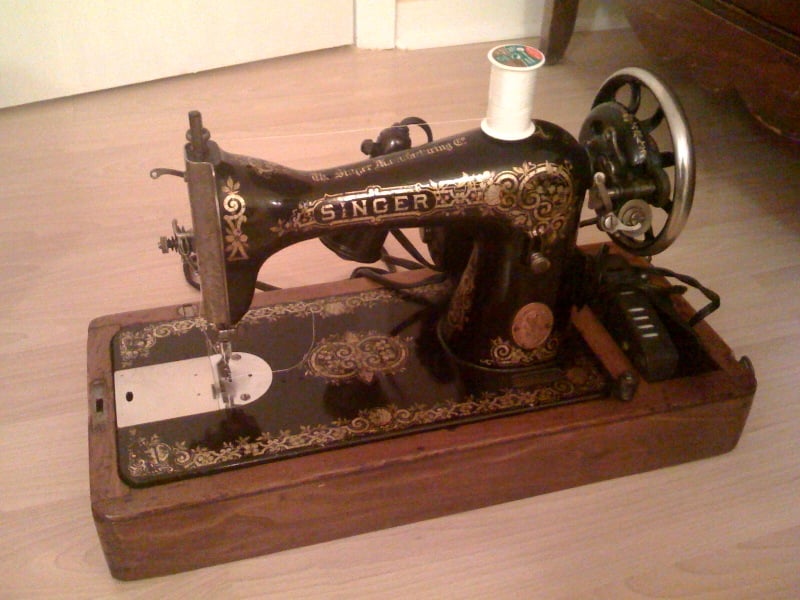
Back in the 70s, Singer built their machines entirely from metal, a practice they’d soon swap for plastic parts. Only just before that shift came this tough line capable of powering through thick stacks of denim like nothing slowed it down.
When trouble hit, fixing them was possible thanks to old-school mechanics, not disposable circuitry. Control came underfoot – those pedals delivered smooth, accurate speeds no button-powered motor quite replicates today.
Now, many dedicated sewists hunt down these older models since current versions often seem too light, almost fragile next to what used to be made.
They Don’t Make Them Like They Used To
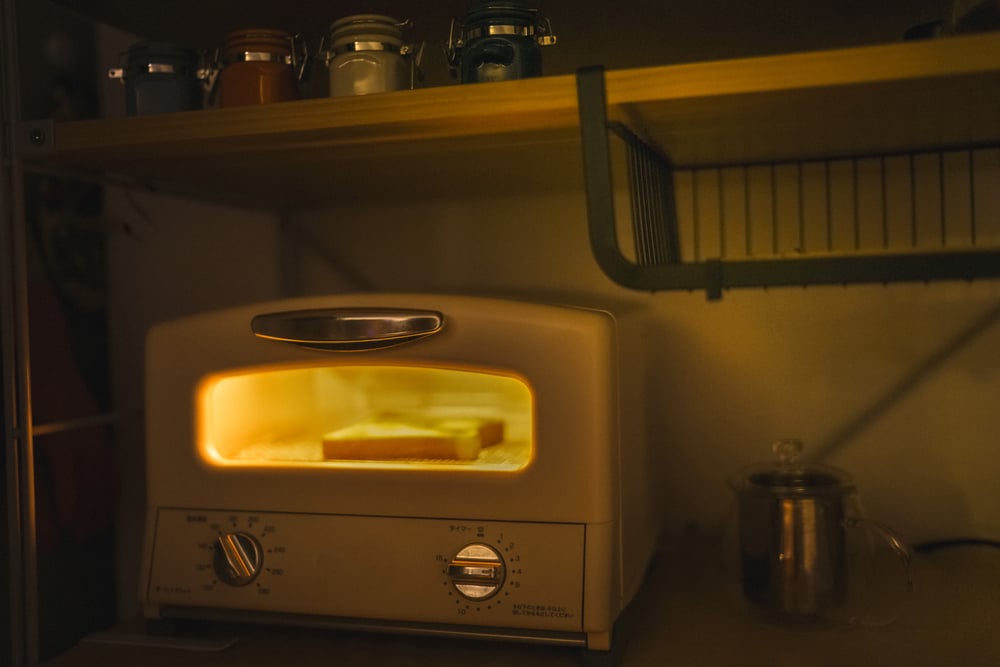
Back in the day, people meant what they said about things lasting longer – especially kitchen gear from the seventies compared to now. Companies made stuff tough, since being known for solid builds mattered more than squeezing extra cash each quarter.
Over time, swapping long-term strength for low cost led us here: devices die fast, tossed aside like yesterday’s news. Machines coated in mustard yellow or moss green still hum along today, beating newer models that quit months after purchase.
Some of those decades-old units keep running while their makers vanished completely. Spotting one in working order feels rare – not many survive, and fewer match how well they hold up.
Finding anything close in current shops? Almost unheard of.
More from Go2Tutors!

- The Romanov Crown Jewels and Their Tragic Fate
- 13 Historical Mysteries That Science Still Can’t Solve
- Famous Hoaxes That Fooled the World for Years
- 15 Child Stars with Tragic Adult Lives
- 16 Famous Jewelry Pieces in History
Like Go2Tutors’s content? Follow us on MSN.



