Obsolete Cooking Gadgets from the 1950s
The 1950s kitchen was a wonderland of chrome, bright colors, and seemingly endless innovation. Every appliance promised to revolutionize home cooking, making meals faster, easier, and more modern than ever before.
Manufacturers churned out gadgets that would transform the American housewife into a domestic goddess, armed with the latest technology and scientific precision.
Pressure Cooker Ice Cream Makers
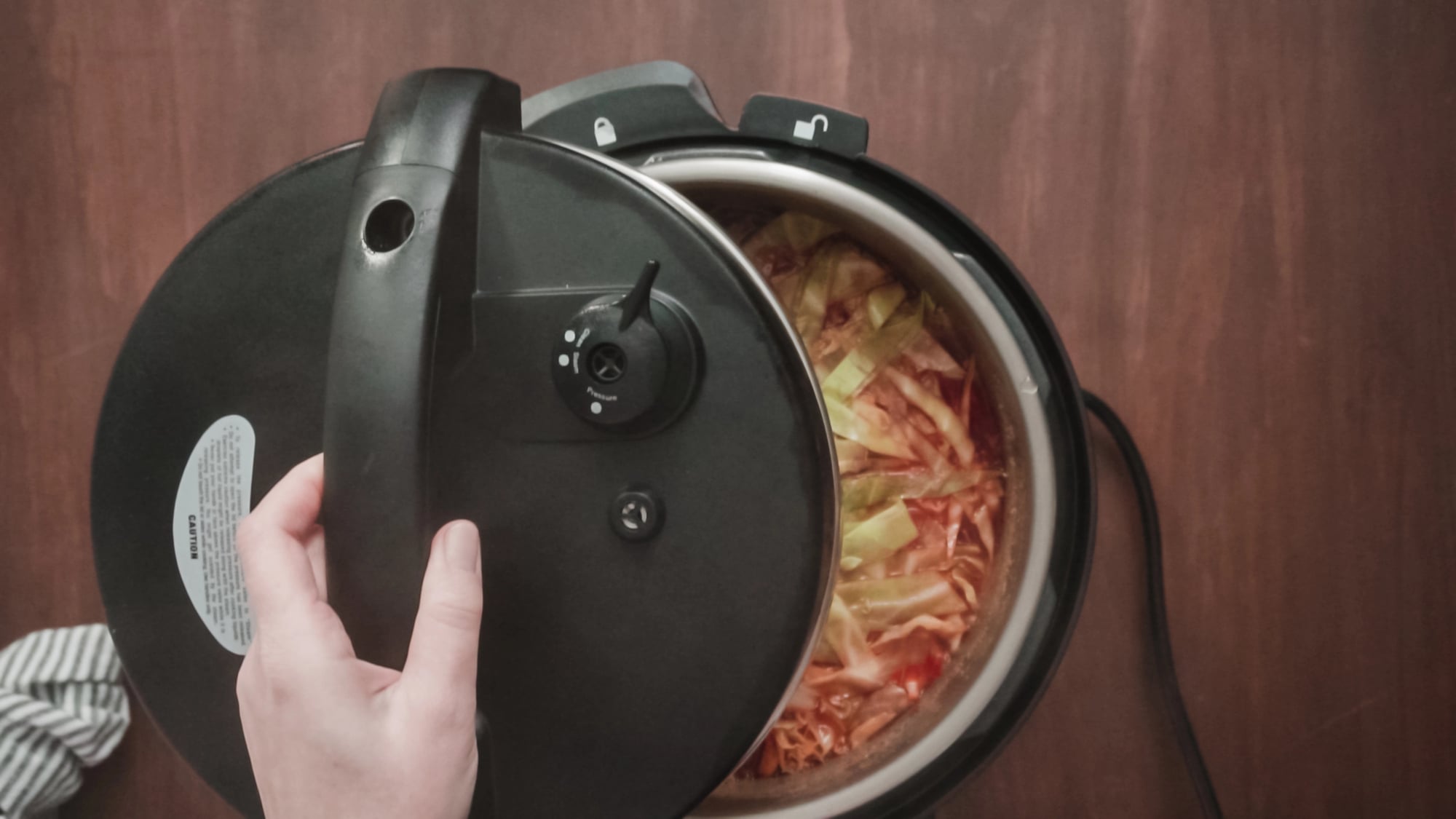
Making ice cream in a pressure cooker sounds dangerous because it was. These contraptions promised restaurant-quality frozen desserts in half the time of traditional churns.
Most ended up abandoned in basement storage rooms after one too many messy explosions. The engineering never quite worked out the temperature control issues.
Automatic Egg Cookers with Built-in Timers
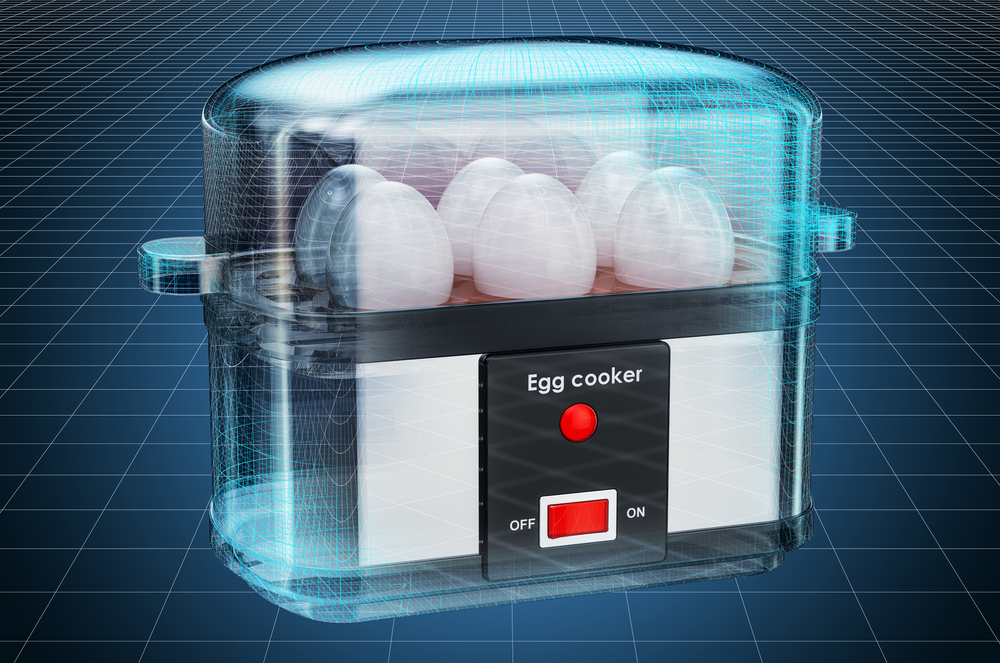
Back when timing an egg required dedicated machinery, these elaborate devices promised perfect results every single time. The contraptions featured multiple chambers, precise water measurements, and intricate timer mechanisms that would shut off at exactly the right moment for soft, medium, or hard-boiled perfection.
Most of these units broke within the first year, victims of their own unnecessary complexity. The timer mechanisms were temperamental and prone to failure.
Rotisserie Attachments for Stand Mixers
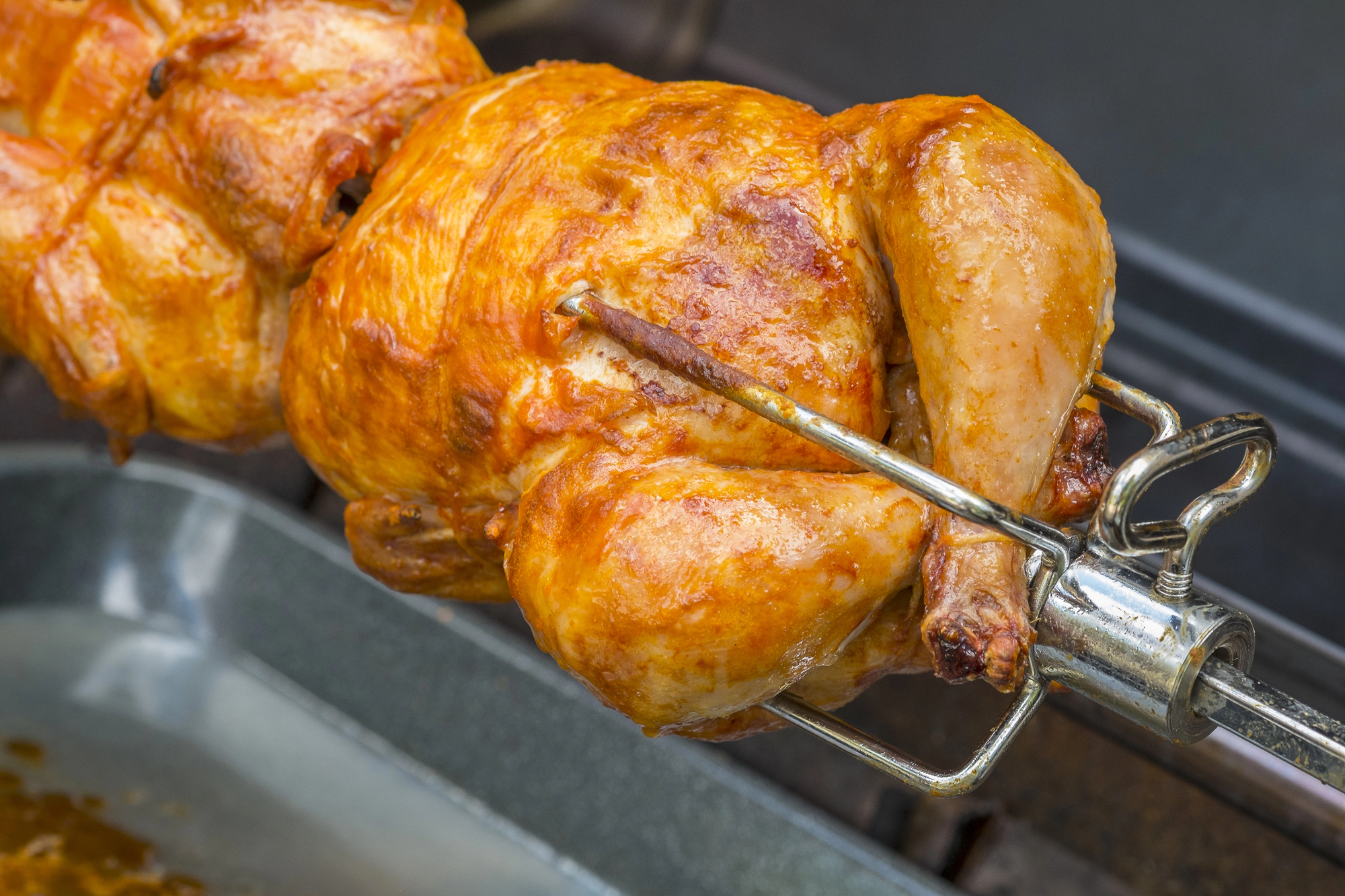
The idea was simple: harness the motor power of a stand mixer to create a countertop rotisserie experience. The execution, however, was something else entirely.
Cleanup involved disassembling what felt like half the mixer, and the results were rarely better than what a regular oven could produce. The novelty wore off quickly.
Electric Carving Knives
Most people figured out electric carving knives were unnecessary, but not before thousands found their way into kitchen drawers. The premise seemed reasonable: use electric power to slice through meat with professional precision.
The reality involved wrestling with a vibrating appliance that was both unwieldy and inadequate. The hassle rarely justified the results.
Hamburger Presses with Custom Molds

These devices could shape ground beef into perfect circles with precise thickness and even decorative patterns. The engineering was impressive, and the results were consistent.
The presses were heavy, took up storage space, and produced burgers that looked machine-made. Eventually, most people returned to shaping patties by hand.
Stand-Alone Donut Fryers
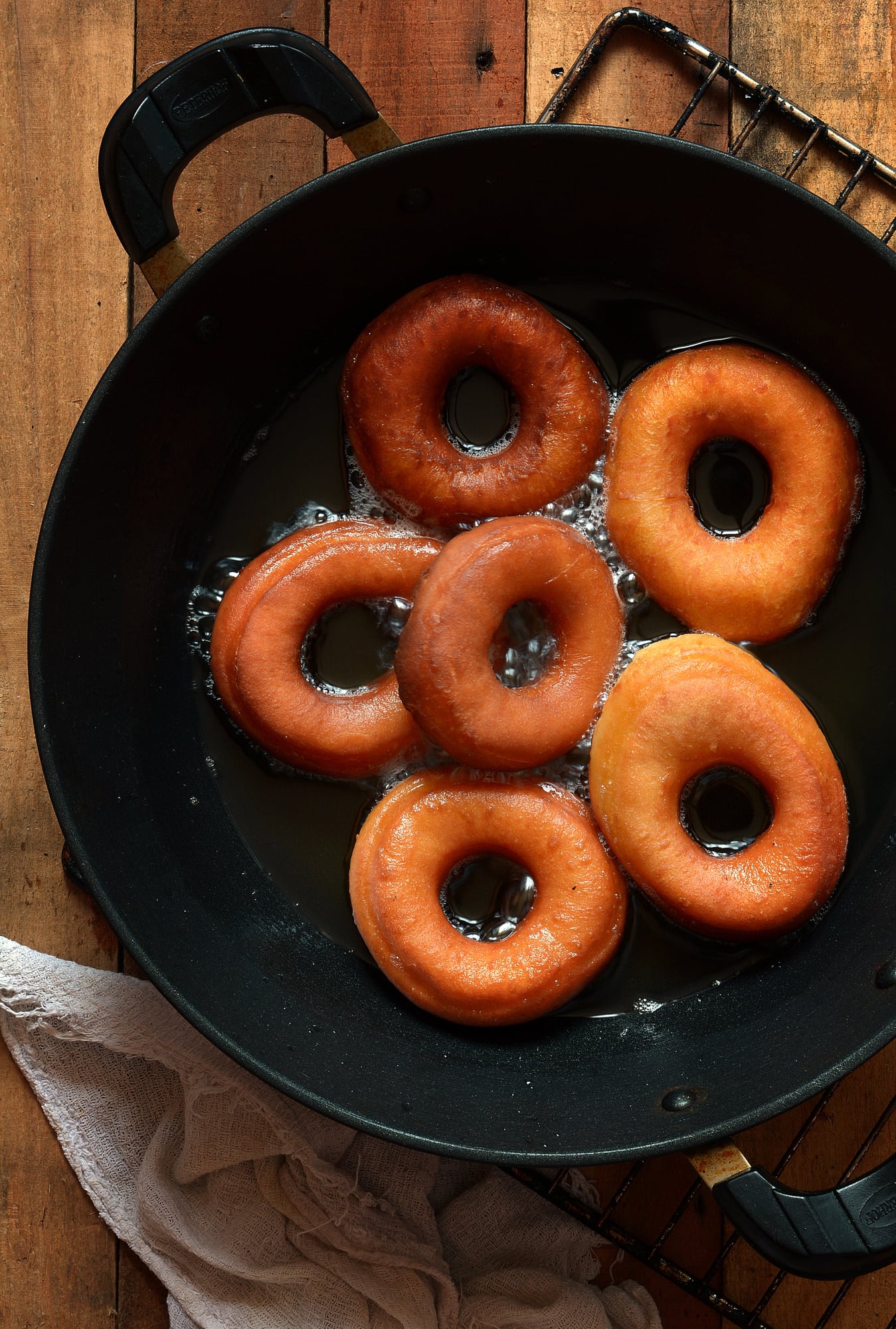
These compact fryers promised bakery-quality results at home, complete with temperature controls and timing mechanisms. The problem wasn’t the quality of the donuts, but the amount of oil, lingering smell, and cleanup complexity.
Making a dozen donuts became an all-day project. The novelty couldn’t compete with simply buying donuts.
Electric Butter Churns
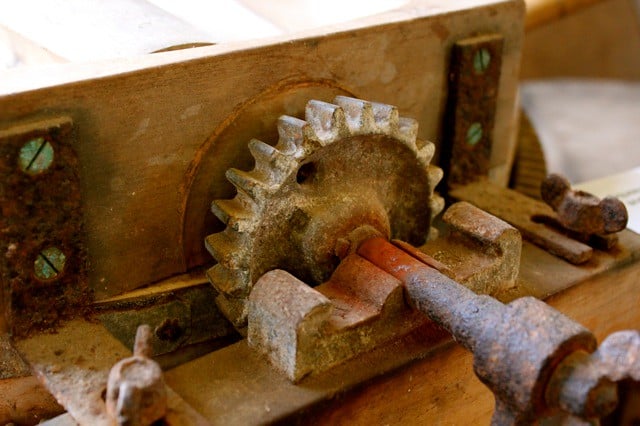
These compact machines promised fresh, homemade butter without exhausting manual labor. They worked exactly as advertised.
The economics never made sense: store-bought butter was cheaper, more convenient, and superior in most cases. Cleanup was extensive for a novelty product.
Automatic Pancake Makers
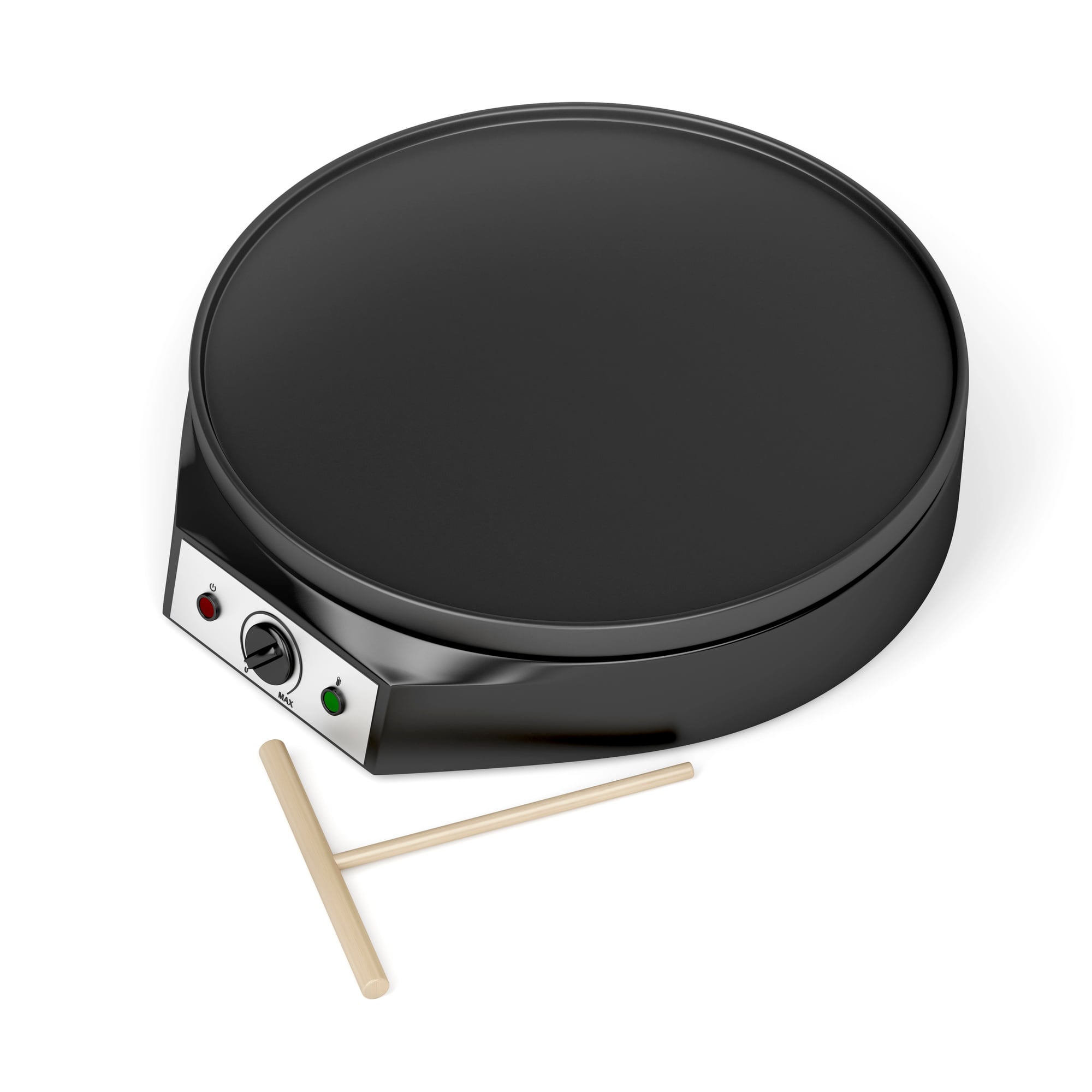
These machines promised perfect pancakes at the touch of a button. The execution was less impressive than the marketing, with uneven heating and scratched non-stick surfaces.
Most pancakes were either burnt on the edges or undercooked in the middle. Regular skillets were more reliable and easier to clean.
Fondue Pot Sets with Elaborate Accessories
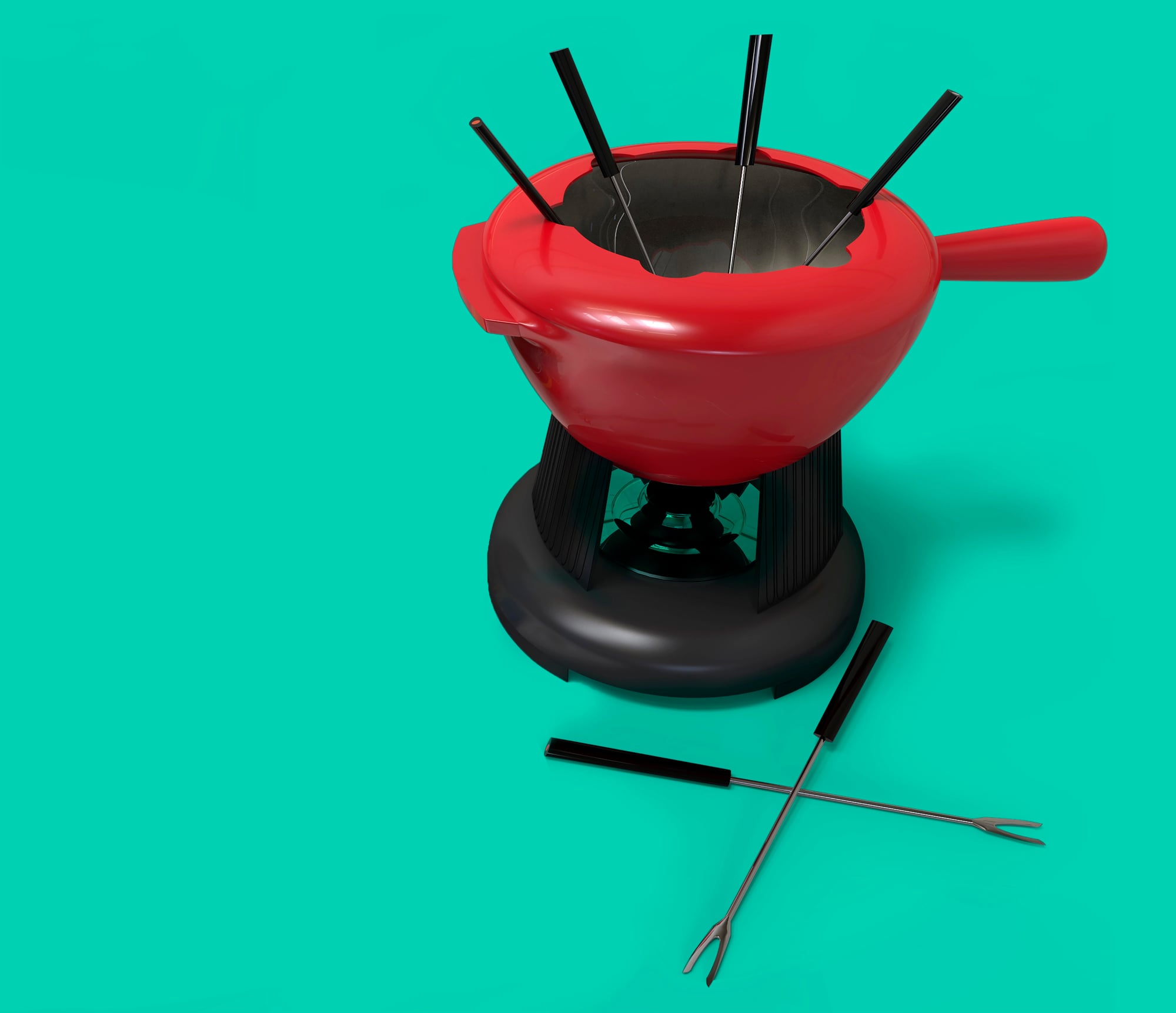
These sets came with specialized pots, multiple burners, color-coded forks, and instruction booklets. The ritual was charming.
Cleanup was difficult due to melted cheese cementing itself to every surface. Most sets were used once before being stored away.
Electric Food Dehydrators
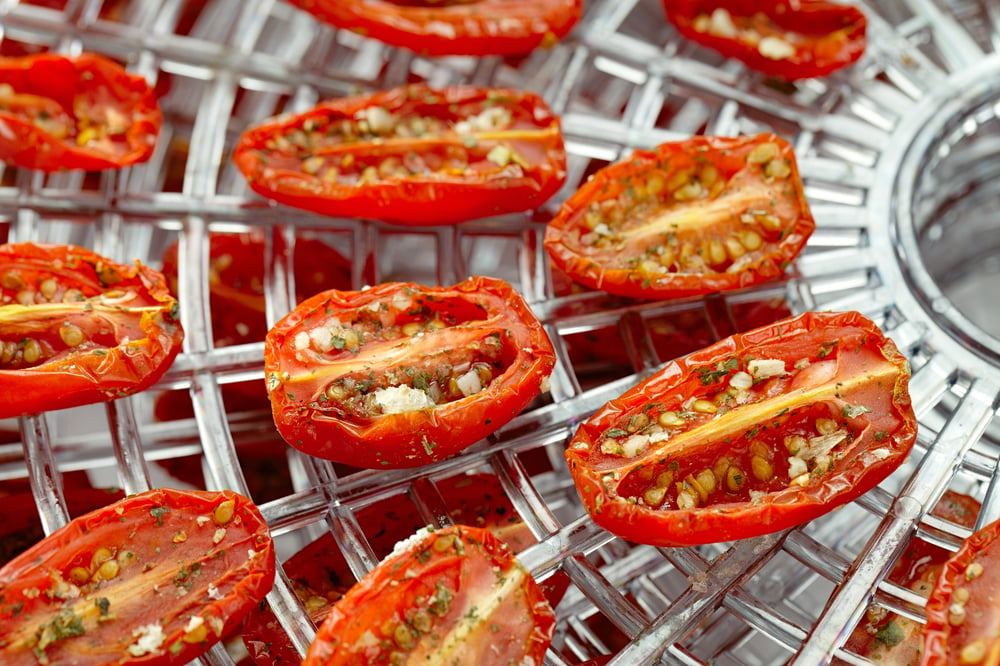
These bulky appliances promised to preserve fruits, vegetables, and meats using controlled heat and airflow. The concept was sound, but the execution was flawed.
Machines were loud, slow, and produced results resembling leather. The novelty wore off quickly against the time and energy required.
Stand Mixer Meat Grinders
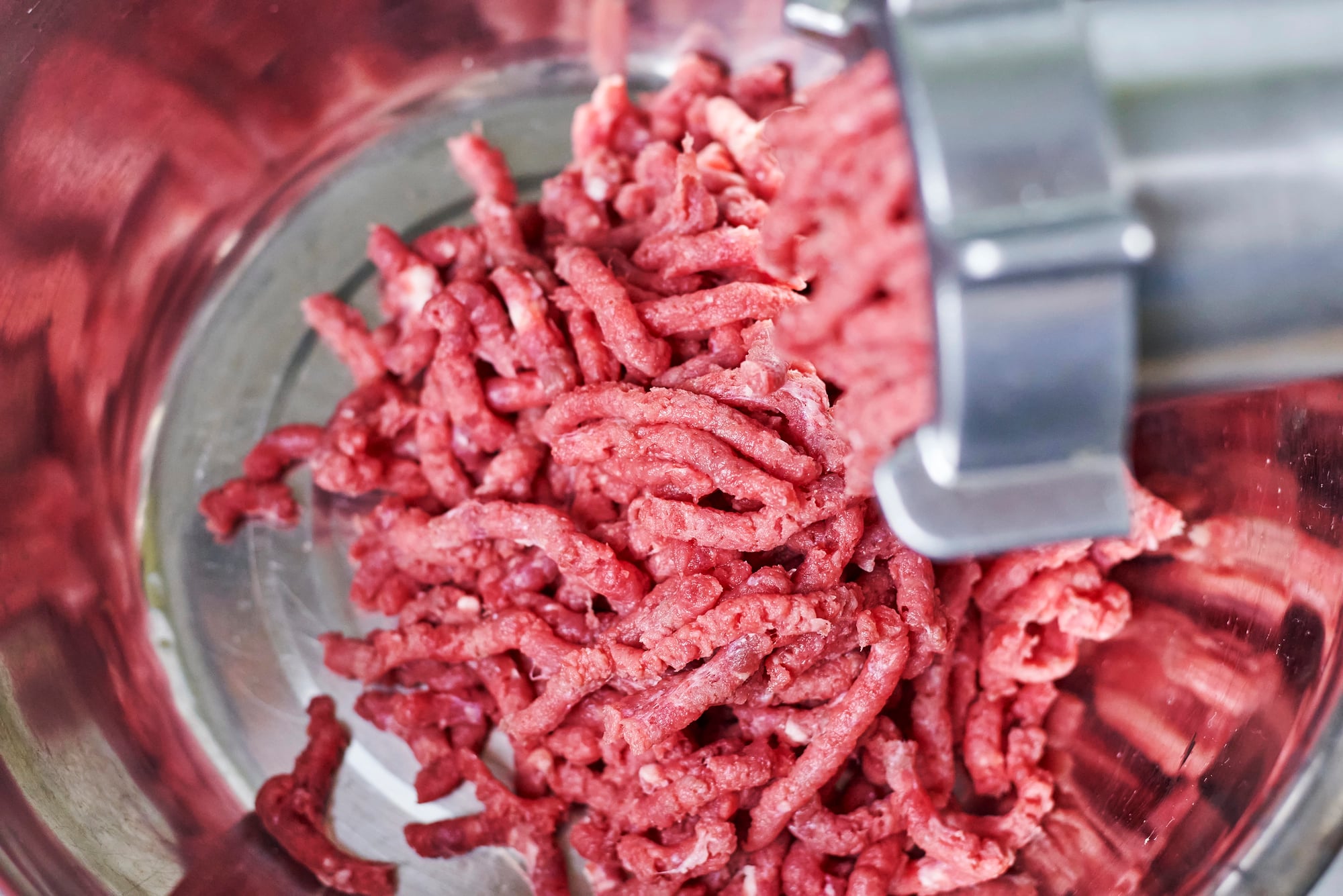
These attachments transformed stand mixers into butcher shop equipment. They allowed home cooks control over the quality of ground meat.
The attachments were expensive, difficult to clean, and produced results not superior to a local butcher. Convenience never materialized.
Specialized Gelatin Molds with Mechanical Components
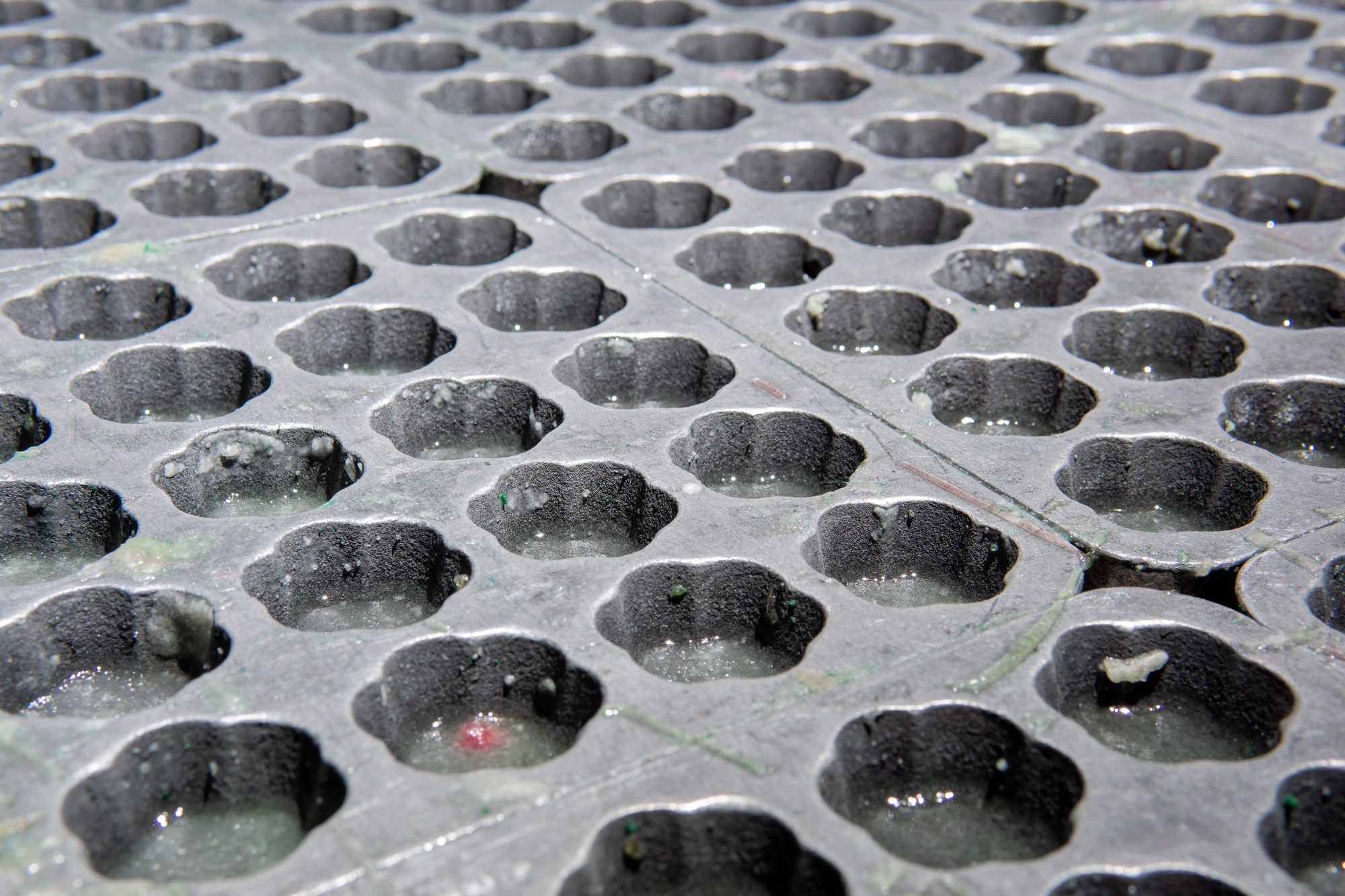
These molds created elaborate food sculptures, some with moving parts and mechanical elements. They required precision to operate successfully.
Mechanical components were prone to sticking, multi-part designs leaked, and timing was difficult. Families returned to simple gelatin preparations.
Looking Back at Kitchen Dreams
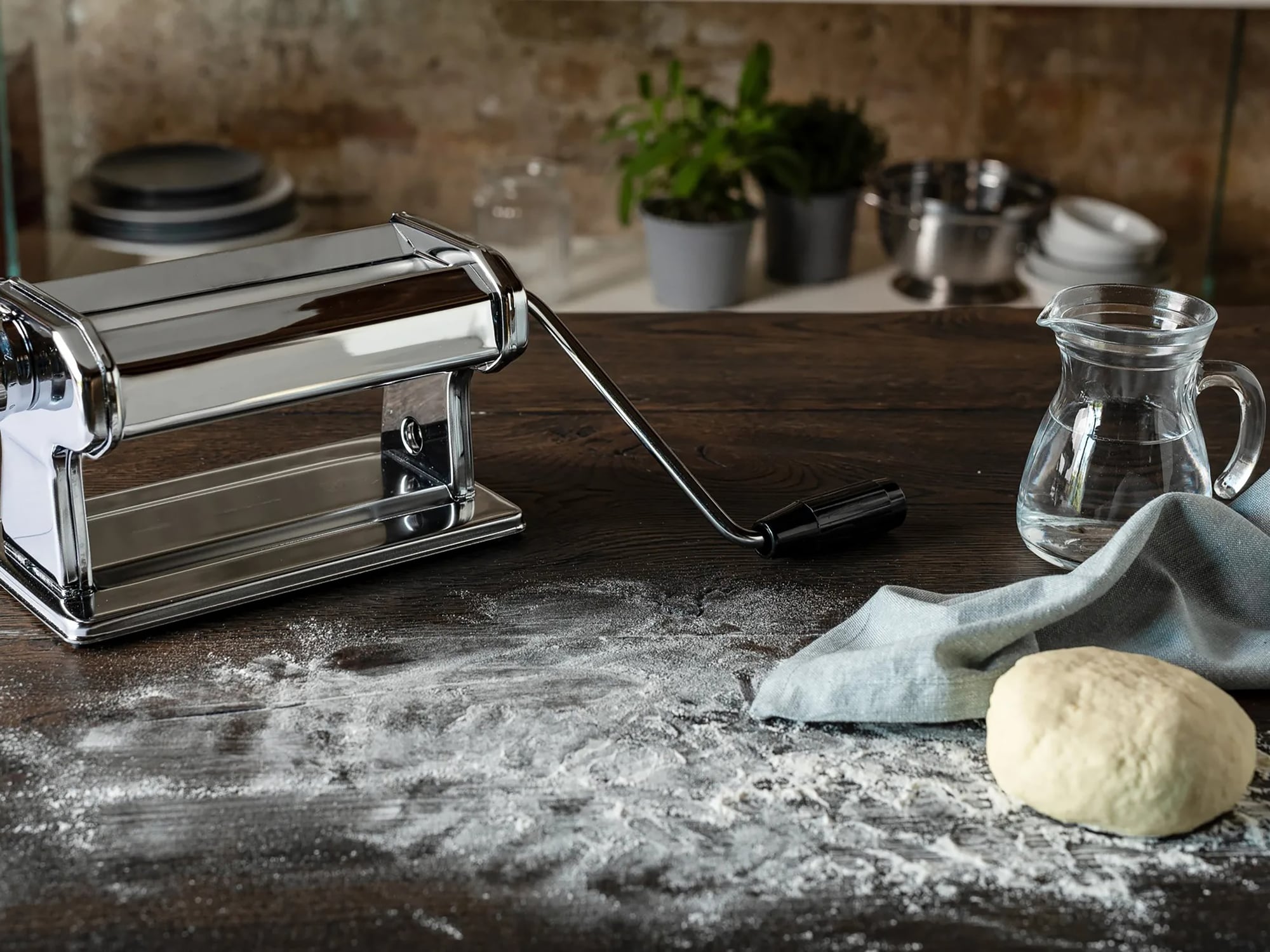
These gadgets tell a story about ambition meeting reality in the American kitchen. Each represented enthusiasm for making cooking easier, faster, or more impressive.
Some promises were kept, while others became cautionary tales. Gadgets that survived earned their place through utility; those that didn’t remind us not every problem requires a mechanical solution.
More from Go2Tutors!

- The Romanov Crown Jewels and Their Tragic Fate
- 13 Historical Mysteries That Science Still Can’t Solve
- Famous Hoaxes That Fooled the World for Years
- 15 Child Stars with Tragic Adult Lives
- 16 Famous Jewelry Pieces in History
Like Go2Tutors’s content? Follow us on MSN.