Volcanoes That Changed Global History
History books can be rewritten by volcanoes. While some eruptions are recent enough that people alive today can recall the ash-darkened skies, others occurred so long ago that they only exist in geological records and folklore. These mountains of fire have shattered civilizations, changed the climate of the entire planet, influenced literature and art, and served as a constant reminder to humanity that nature always has the last word.
A volcanic eruption’s power extends well beyond the immediate devastation. Around the world, ash clouds cause temperature drops and destroy harvests thousands of miles away.
Coastal communities are destroyed by tsunamis caused by underwater eruptions. When crops fail year after year, entire societies fall apart.
We can better appreciate how brittle human civilization can be when nature shows its might when we comprehend these eruptions.These volcanoes altered the path of human history in addition to erupting.
Mount Toba

Around 74,000 years ago, the Toba supervolcano in Sumatra unleashed what scientists believe was the largest volcanic eruption in the past 28 million years. The explosion ejected roughly 720 cubic miles of volcanic debris into the stratosphere, along with 11 billion tons of sulfuric acid.
This created a volcanic winter that may have lasted for years, with global temperatures dropping significantly. Some scientists have theorized that this eruption created a population bottleneck that severely stressed human populations, though this remains a subject of scientific debate.
While genetic evidence does suggest human populations experienced some decline around this time, many researchers now believe the impact on humanity may have been less catastrophic than originally thought. Regardless of the exact effect on our ancestors, Toba remains the most powerful volcanic event in recent geological history.
Mount Vesuvius
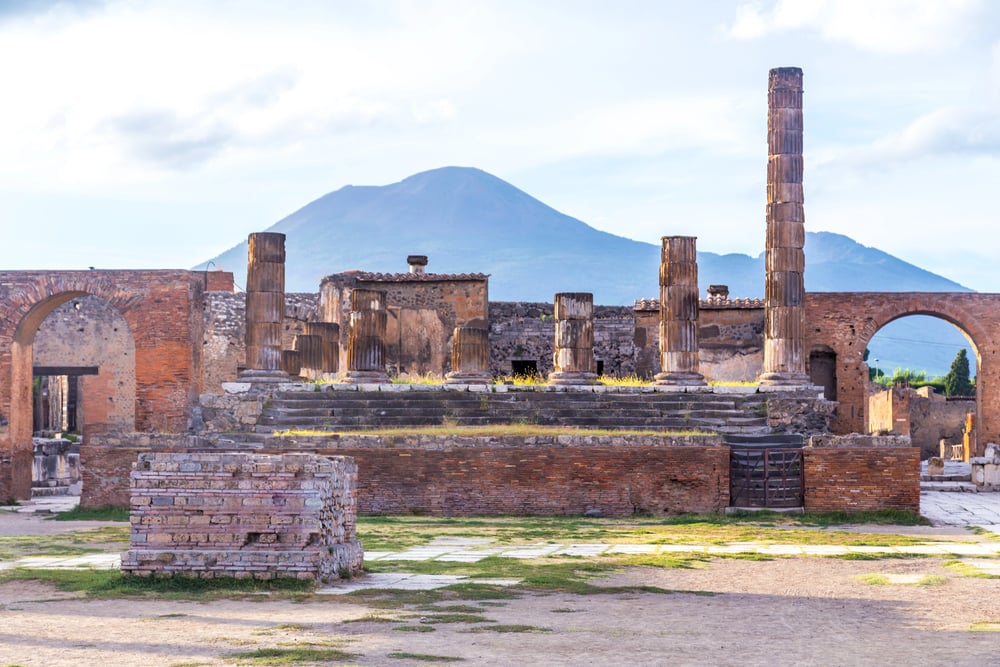
On August 24, 79 AD—or possibly in October, as newer evidence suggests—Mount Vesuvius buried the Roman cities of Pompeii and Herculaneum under thick layers of ash and pumice. The eruption killed thousands of people and preserved these cities in a bizarre time capsule that wouldn’t be rediscovered until the 18th century.
Pompeii was buried under 14 to 17 feet of volcanic material, while Herculaneum disappeared beneath more than 60 feet of mud and debris. The detailed preservation of buildings, art, and even the bodies of victims has given archaeologists an unprecedented window into daily Roman life.
Pliny the Younger’s eyewitness letters to the historian Tacitus provide the only surviving contemporary account of the disaster, making this eruption one of the best-documented volcanic events from ancient times.
Like Go2Tutors’s content? Follow us on MSN.
Mount Unzen

In 1792, Mount Unzen in Japan experienced a catastrophic collapse that triggered Japan’s deadliest volcanic disaster. The eruption itself was significant, but the real devastation came when part of the mountain’s eastern flank collapsed, creating a massive landslide that crashed into Ariake Bay.
The displaced water generated a tsunami that devastated coastal communities, killing an estimated 15,000 people. This event demonstrated that volcanic disasters don’t always come from lava or ash—sometimes the mountain itself becomes the weapon.
The collapse fundamentally changed the landscape of the region and served as a sobering reminder of volcanic instability.
Mount Tambora
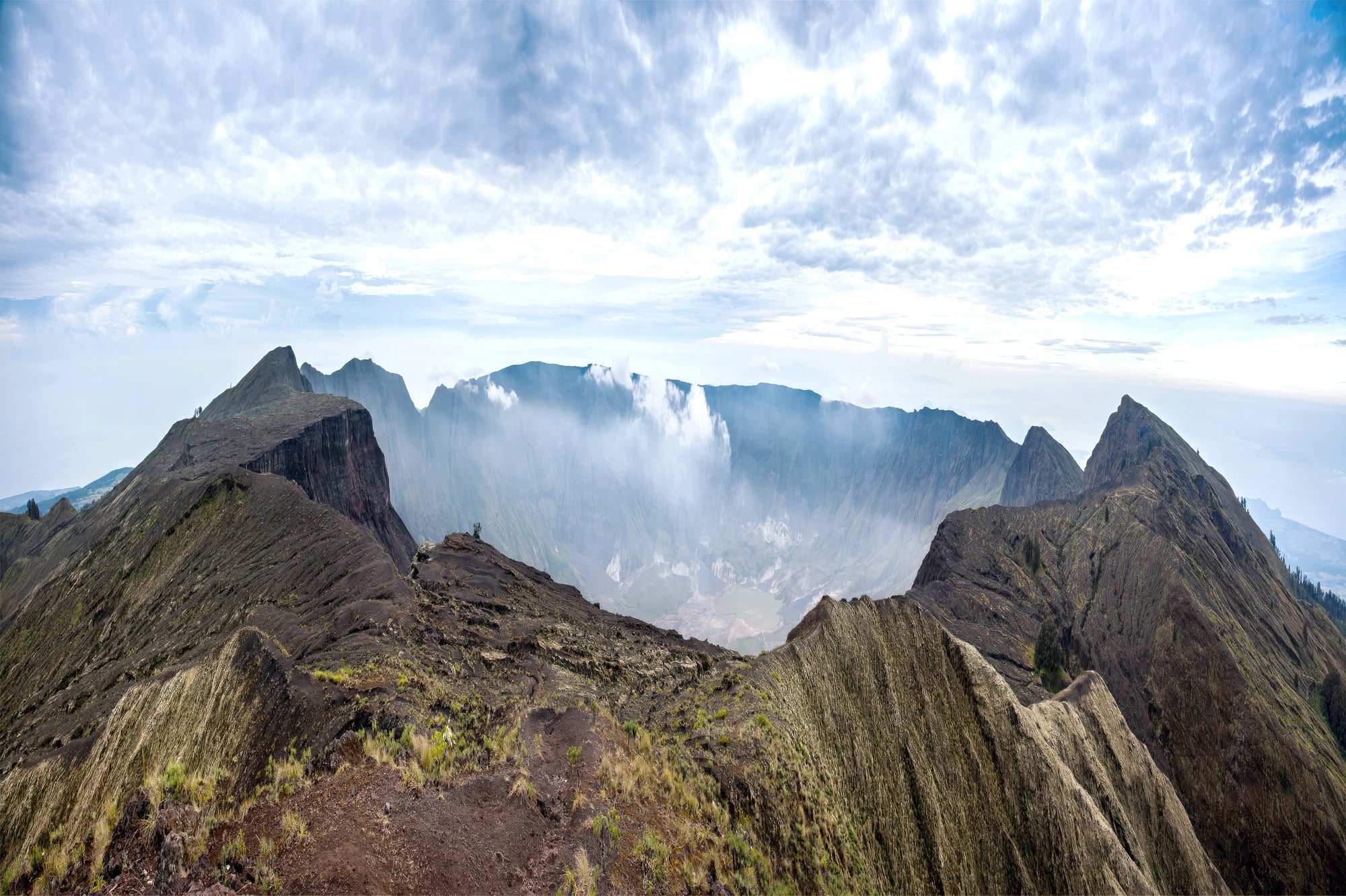
The April 1815 eruption of Mount Tambora in Indonesia holds the record as the largest volcanic eruption in recorded human history. The explosion was so powerful that it reduced the mountain’s height by about 4,000 feet.
Casualty estimates range from 71,000 to 100,000 people, with approximately 10,000 killed directly by the eruption itself and the rest dying from the subsequent famine and disease. But Tambora’s influence stretched far beyond Indonesia.
The massive amounts of volcanic material ejected into the atmosphere caused 1816 to become known as the Year Without a Summer in the Northern Hemisphere. Crops failed across Europe and North America, causing widespread famine and food riots.
The gloomy, cold weather even inspired Mary Shelley to write Frankenstein during a dreary summer vacation in Switzerland.
Mount Pelée
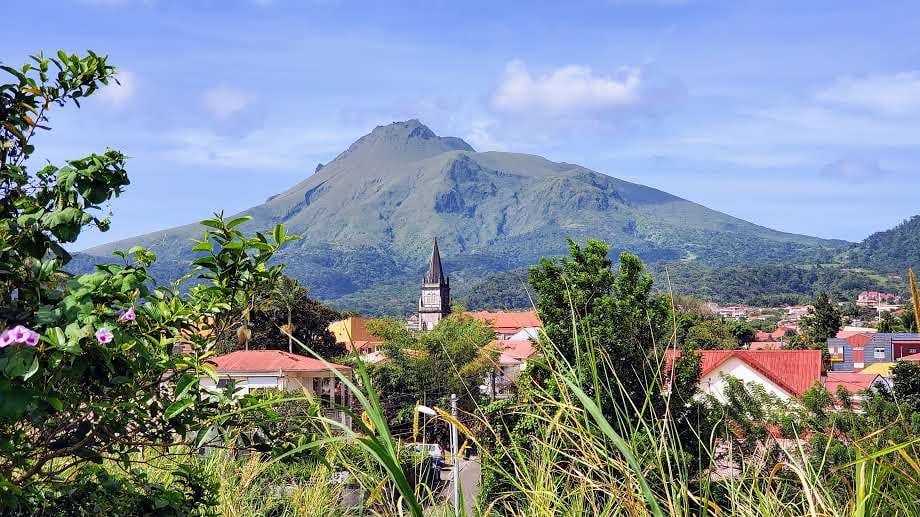
On May 8, 1902, Mount Pelée on the Caribbean island of Martinique erupted with devastating pyroclastic flows that completely destroyed the city of Saint-Pierre. Within minutes, a superheated avalanche of gas, ash, and rock traveling at 100 miles per hour engulfed the city, killing between 28,000 and 30,000 people—nearly the entire population.
Only two confirmed survivors from the city are known. One was a prisoner held in an underground cell whose thick stone walls protected him from the searing heat.
The destruction of Saint-Pierre, once known as the Paris of the Caribbean, shocked the world and advanced the scientific understanding of pyroclastic flows, which came to be studied intensively after this disaster.
Like Go2Tutors’s content? Follow us on MSN.
Mount St. Helens
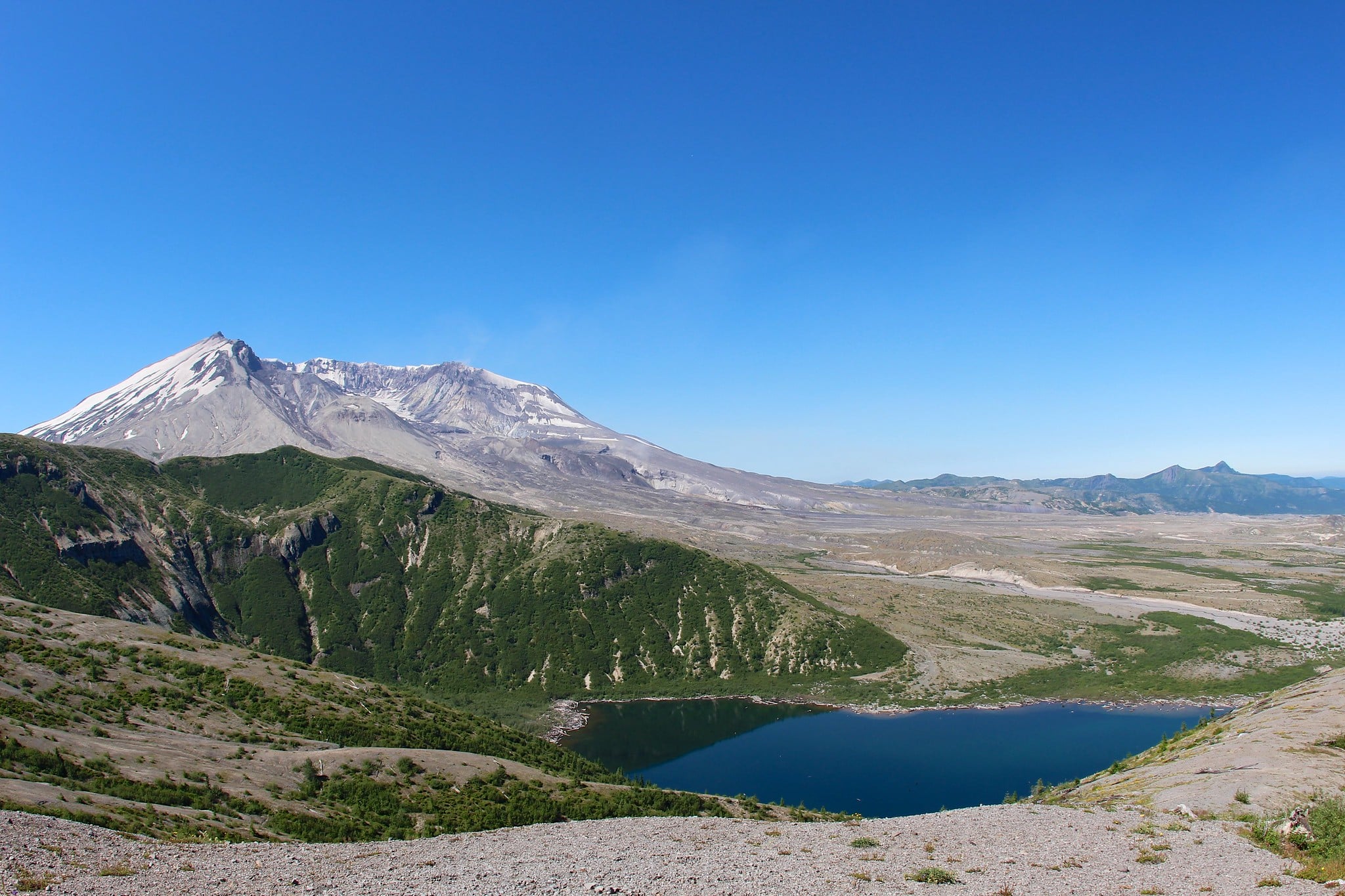
On May 18, 1980, Mount St. Helens in Washington State produced the deadliest and most economically destructive volcanic eruption in United States history. The blast killed 57 people, destroyed 200 homes, and devastated 230 square miles of forest.
The eruption began with a magnitude 5.1 earthquake that triggered the largest landslide ever recorded, causing the entire north face of the mountain to collapse. This sudden release of pressure allowed the superheated magma inside to explode sideways in a lateral blast that flattened everything in its path.
The eruption shortened the mountain by 1,314 feet and created a horseshoe-shaped crater where a picturesque peak once stood. The event transformed how scientists monitor and predict volcanic eruptions and led to improved evacuation procedures worldwide.
Nevado del Ruiz
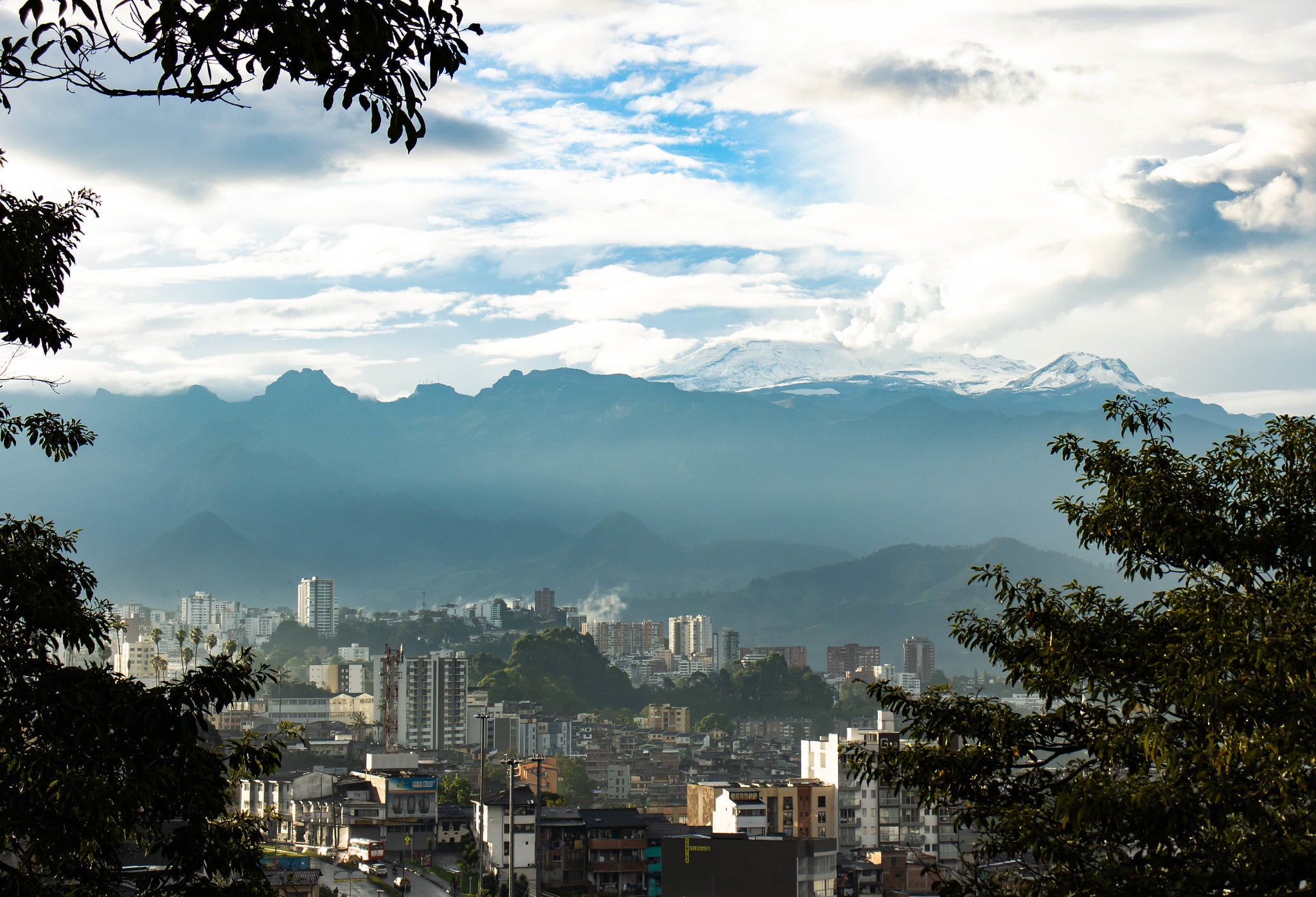
The November 1985 eruption of Nevado del Ruiz in Colombia killed approximately 23,000 people, making it one of the deadliest volcanic disasters in modern history. The tragedy occurred when the eruption melted the volcano’s ice cap, creating massive lahars—volcanic mudflows—that raced down river valleys at high speed.
The town of Armero, located 30 miles from the volcano, was virtually wiped off the map when a wall of mud and debris engulfed it in the middle of the night. The disaster was particularly tragic because scientists had warned about the danger, but communication failures and delayed evacuation orders meant most residents were still in their homes when the mudflow struck.
Mount Pinatubo
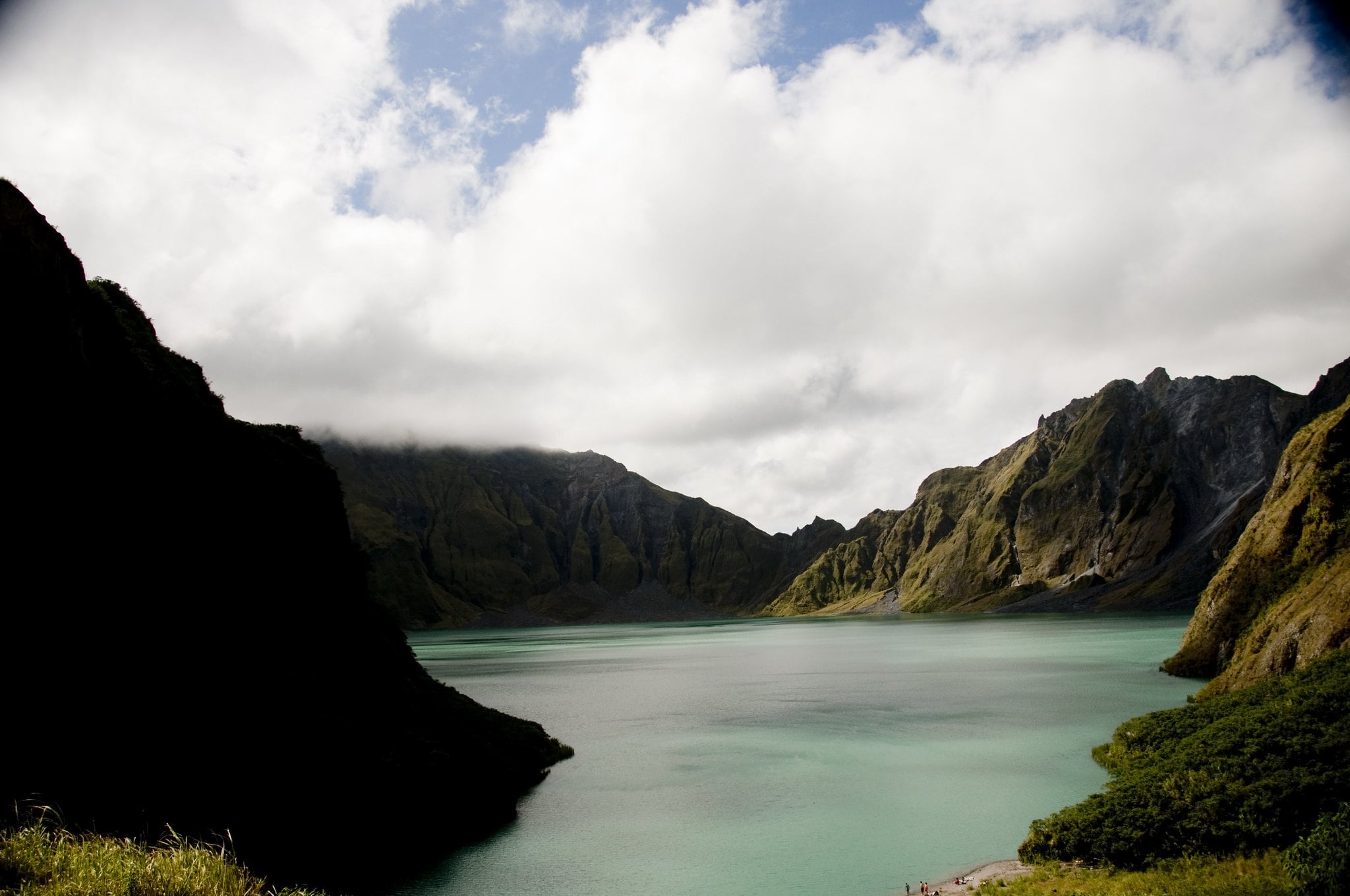
The June 1991 eruption of Mount Pinatubo in the Philippines was the second-largest volcanic eruption of the 20th century and the largest to affect a densely populated area. The eruption ejected roughly 10 cubic kilometers of material and created an ash cloud that rose 22 miles into the atmosphere.
Thanks to successful monitoring and prediction by scientists from the Philippine Institute of Volcanology and the U.S. Geological Survey, authorities evacuated tens of thousands of people before the climactic eruption, saving countless lives.
Even so, approximately 350 people died, mostly from collapsing roofs weighed down by heavy, wet ash. The sulfur dioxide released by Pinatubo lowered global temperatures by about 0.4 to 0.5 degrees Celsius for one to two years, temporarily offsetting some of the warming from greenhouse gases.
Like Go2Tutors’s content? Follow us on MSN.
Eyjafjallajökull
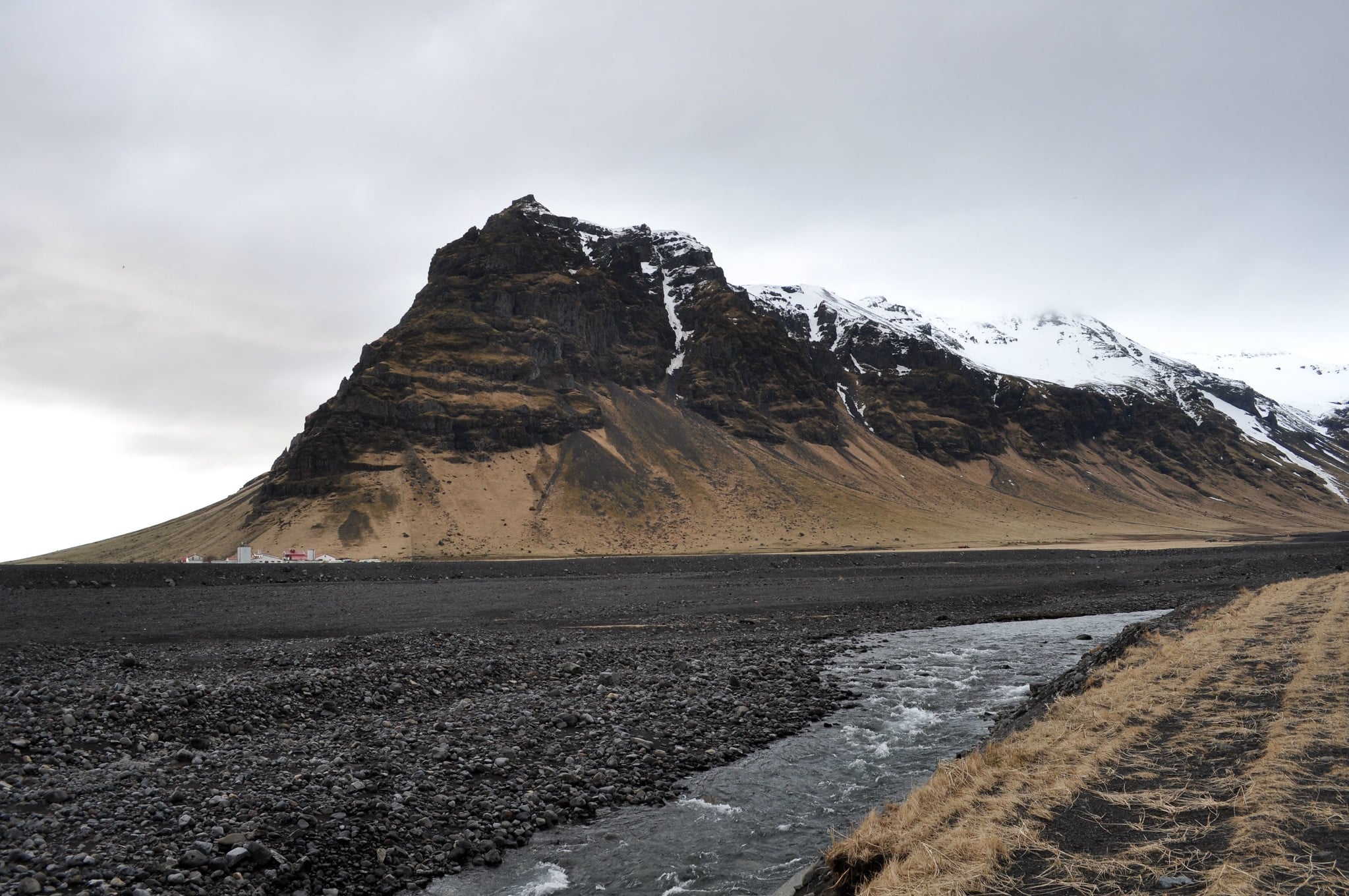
The 2010 eruption of Eyjafjallajökull in Iceland wasn’t particularly large or deadly, but it demonstrated how a relatively modest eruption can cause global disruption in our interconnected world. The eruption created a massive ash cloud that drifted across Europe, forcing the closure of airspace in over 20 countries and canceling approximately 95,000 flights over six days.
Millions of passengers were stranded, and the economic impact reached billions of dollars. The eruption proved that volcanic hazards aren’t just about lava and destruction—in the modern era, ash clouds can paralyze international travel and trade even when the eruption itself poses little direct threat to human life.
Kelud
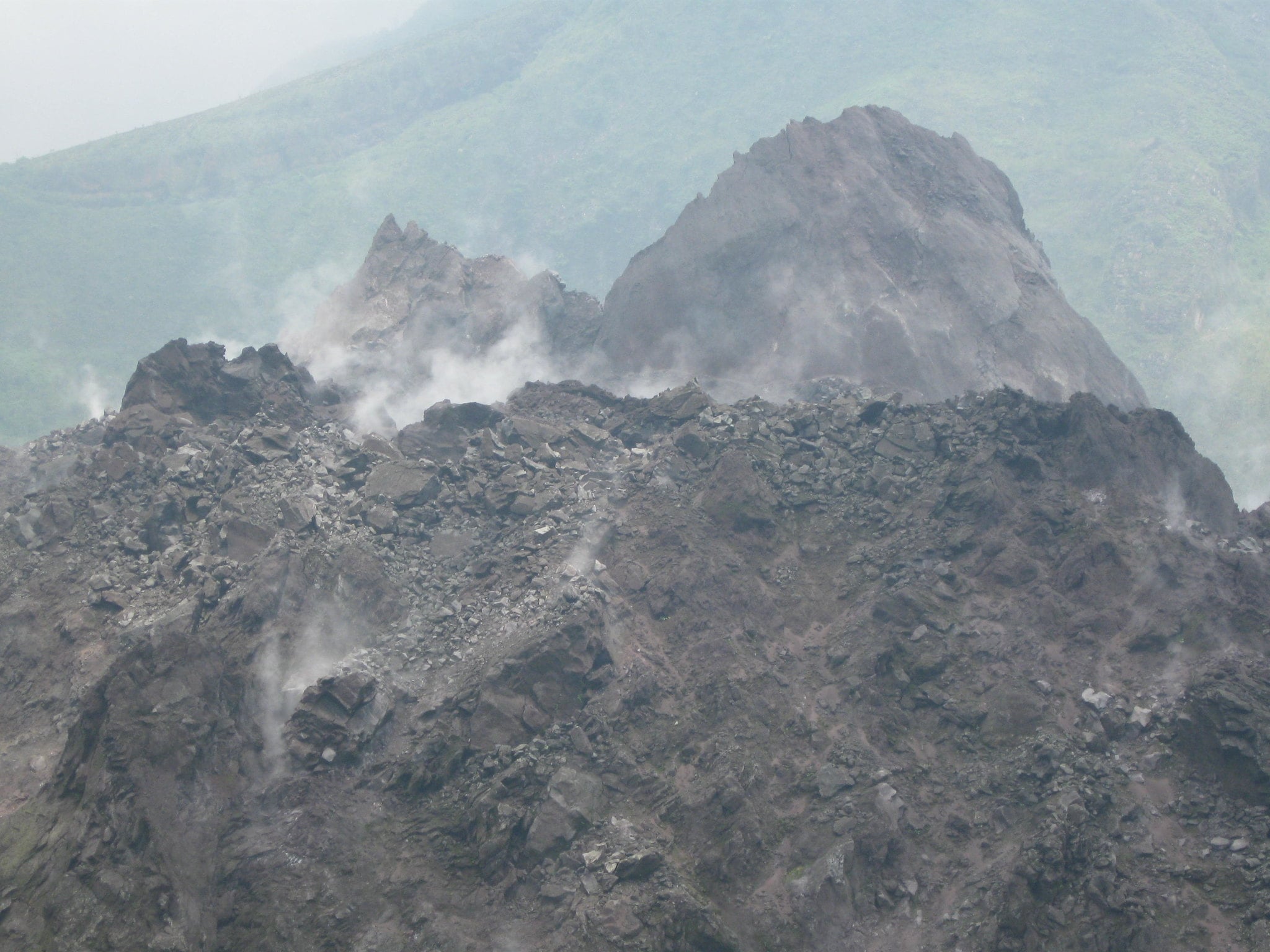
Kelud in Indonesia has erupted more than 30 times since 1000 AD, but its 1586 eruption was particularly devastating, killing an estimated 3,000 to 10,000 people. The volcano is notorious for its explosive eruptions and the deadly lahars it generates.
The crater lake at its summit can superheat during eruptions, creating devastating mudflows that sweep down the volcano’s slopes. Multiple eruptions throughout history have forced Indonesian authorities to develop extensive monitoring and evacuation systems, making Kelud one of the most closely watched volcanoes in the world.
Lessons Written in Ash
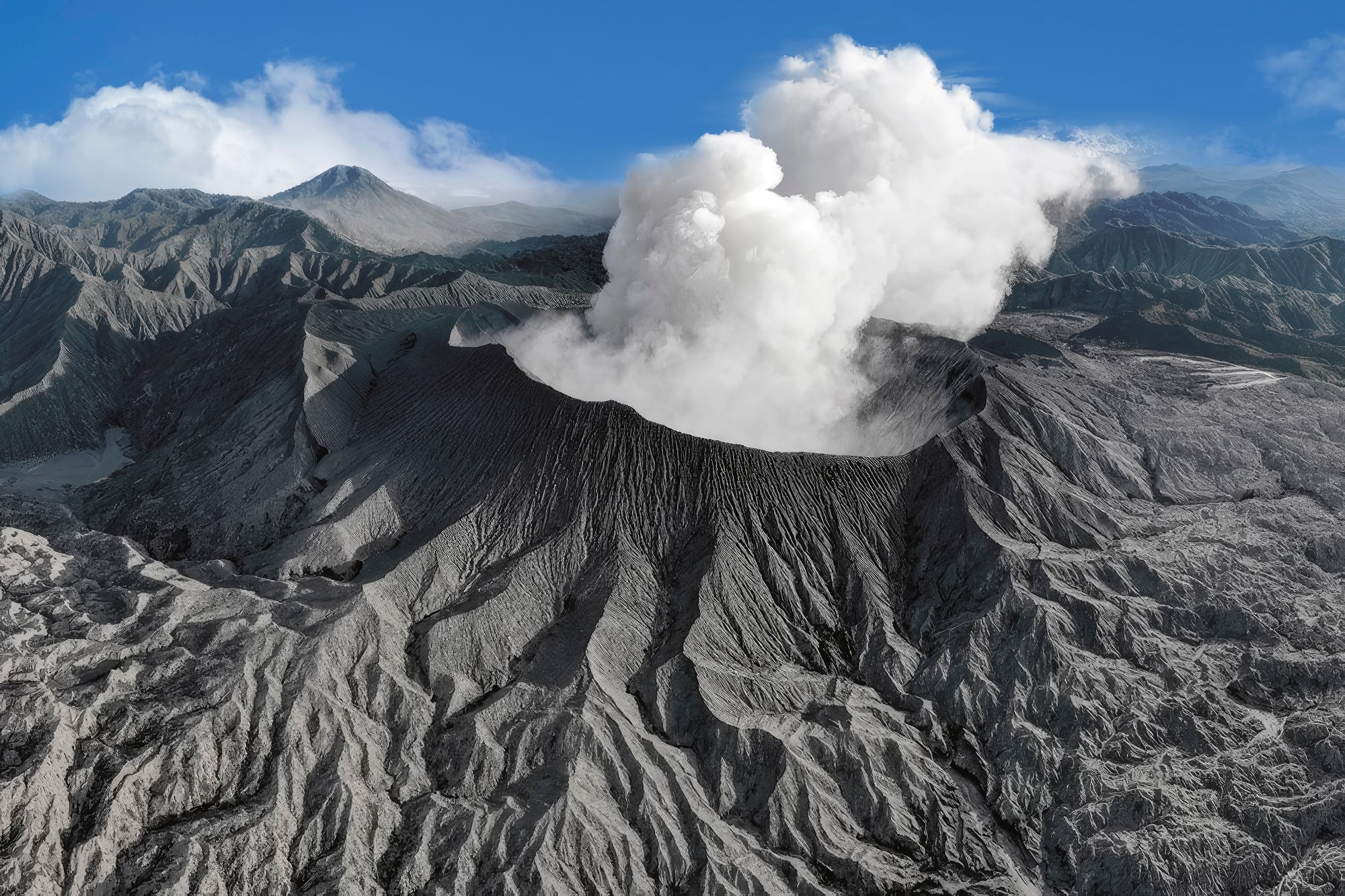
Volcanic eruptions have shown time and time again that human civilizations, no matter how developed, are susceptible to uncontrollable natural forces. From the immaculately preserved streets of Pompeii to the worldwide cooling brought on by the ash cloud of Tambora, these eruptions have influenced history in both short-term and long-term ways.
They have shattered empires, influenced literature and art, increased our knowledge of science, and served as a reminder that the earth isn’t as stable as we’d like to think. More than 500 million people currently live within range of an active volcano, and the next major eruption is a matter of when, not if.
We can better prepare for future eruptions and recognize the significant impact volcanoes have had on the human story by comprehending these past eruptions.
Like Go2Tutors’s content? Follow us on MSN.
More from Go2Tutors!

- 16 Historical Figures Who Were Nothing Like You Think
- 12 Things Sold in the 80s That Are Now Illegal
- 15 VHS Tapes That Could Be Worth Thousands
- 17 Historical “What Ifs” That Would Have Changed Everything
- 18 TV Shows That Vanished Without a Finale
Like Go2Tutors’s content? Follow us on MSN.