Most Impoverished Nations On Earth
Poverty takes many forms across the globe, but some nations face challenges so severe that basic survival becomes a daily struggle for millions. These countries battle a combination of factors—conflict, disease, climate disasters, and political instability—that trap generations in cycles of hardship.
Understanding which nations face the deepest poverty reveals patterns about how geography, history, and governance shape human welfare. The numbers tell part of the story, but behind every statistic sits a real person trying to build a life against extraordinary odds.
Burundi – The Poorest Nation by GDP Per Capita

Burundi consistently ranks as the poorest country in the world when measured by GDP per capita. This small, landlocked nation in East Africa has a per capita GDP hovering around $200 to $300 annually.
To put that in perspective, that’s less than a dollar per day for most citizens. The country’s economy depends almost entirely on agriculture, with over 90% of the population working in farming.
But most farmers practice subsistence agriculture, growing just enough to feed their families with little left over to sell. Coffee and tea exports provide some income, but not enough to lift the nation out of poverty.
Political instability and ethnic tensions have plagued Burundi for decades, making economic development nearly impossible.
South Sudan – Born Into Crisis

South Sudan became the world’s newest country in 2011 after separating from Sudan. But independence brought little relief.
Almost immediately, civil war erupted, destroying infrastructure and displacing millions of people. The conflict has devastated what little economy existed.
Oil revenues, which could have funded development, have been disrupted by fighting and corruption. Today, more than 80% of South Sudan’s population lives below the international poverty line.
Famine threatens regularly. Basic services like healthcare and education remain out of reach for most citizens. The country has spent more of its existence at war than at peace.
Central African Republic – Rich Land, Poor People

The Central African Republic possesses diamonds, gold, uranium, and timber. The land itself holds wealth.
Yet the people remain desperately poor, with a GDP per capita ranking among the lowest globally. Why the disconnect? Decades of instability, coups, and armed conflict have prevented any stable government from developing the economy.
Armed groups control large portions of the country, extracting resources for themselves while ordinary citizens struggle. Healthcare infrastructure barely exists outside the capital.
Life expectancy hovers around 53 years. When you’re born in CAR, your chances of escaping poverty are slim.
Democratic Republic of Congo – Wealth Beneath, Poverty Above

The Democratic Republic of Congo holds an estimated $24 trillion worth of untapped mineral resources. Cobalt, copper, diamonds, gold, and coltan—the minerals powering your smartphone likely came from Congolese mines.
Yet the average Congolese person lives on less than $2 per day. This paradox defines resource curse economics.
Mineral wealth attracts conflict as various groups fight for control. Corruption siphons money away from public services.
Foreign companies extract resources while providing minimal benefit to local communities. Meanwhile, the population of over 90 million people faces inadequate healthcare, education, and infrastructure.
The country has resources to be wealthy but lacks the governance to translate that into citizen welfare.
Somalia – Decades Without Functioning Government

Somalia hasn’t had a stable, functioning central government since 1991. That’s over three decades of fragmented control, warlord conflicts, and terrorist insurgencies.
The militant group Al-Shabaab controls significant territory, making governance and development impossible in many regions. Drought and famine strike regularly, killing thousands.
Piracy off the Somali coast emerged as a desperate economic activity when fishing communities lost their livelihoods. Foreign aid provides crucial support, but delivering aid in an active conflict zone comes with enormous challenges.
Children grow up knowing only instability. Education and healthcare remain luxuries most families can’t access.
Niger – Battling the Sahara

Niger faces poverty compounded by geography. Located in the Sahel region of West Africa, the country battles desertification as the Sahara Desert expands southward.
Arable land shrinks each year, making farming increasingly difficult in a nation where most people depend on agriculture. Niger also has one of the world’s highest fertility rates, with women averaging seven children each.
A rapidly growing population strains already limited resources. The country consistently ranks at or near the bottom of the UN Human Development Index.
Literacy rates remain low, especially for women. Jihadist insurgencies in neighboring countries have spilled across borders, adding security challenges to environmental and economic ones.
Mozambique – Natural Disasters and Debt

Mozambique gained independence from Portugal in 1975 and immediately descended into a brutal civil war that lasted until 1992. The country has struggled to recover ever since.
Just when progress seems possible, disaster strikes. Cyclones Idai and Kenneth devastated the country in 2019, killing hundreds and destroying infrastructure worth billions.
The country lacks the resources to rebuild adequately. A hidden debt scandal revealed in 2016 showed that government officials had taken on $2 billion in secret loans, triggering an economic crisis.
Now, an insurgency in the northern Cabo Delgado province threatens natural gas projects that could have generated revenue. Mozambique can’t catch a break.
Malawi – The Warm Heart of Africa Under Strain

Malawi calls itself “The Warm Heart of Africa” for its friendly people and welcoming culture. But warmth doesn’t translate into wealth.
This landlocked nation in southeastern Africa ranks among the poorest countries globally. Agriculture employs about 80% of the population, but most farming remains subsistence-level.
The country depends heavily on cig exports, making it vulnerable to global price fluctuations. Climate change brings unpredictable rains, causing either drought or flooding.
Both devastate crops. Malawi also faces one of the world’s highest rates of HIV/AIDS, straining healthcare systems and leaving many children orphaned.
Chad – Landlocked and Struggling

Chad shares many challenges common to impoverished nations: landlocked geography, political instability, ethnic tensions, and climate vulnerability. The country sits in the Sahel region, facing the same desertification issues as Niger.
Oil production began in the early 2000s, raising hopes for development. But corruption and mismanagement meant oil revenues never translated into widespread prosperity.
Conflict in neighboring countries has pushed refugees into Chad, straining resources. Basic services remain sparse outside the capital.
Most Chadians survive through subsistence farming and herding, vulnerable to every drought and political upheaval.
Madagascar – Island Isolation

Being an island nation brings certain advantages, but Madagascar hasn’t benefited much from its geography. Political instability, including multiple coups, has prevented sustained economic development.
The country’s unique biodiversity attracts some tourism, but not enough to drive widespread prosperity. Deforestation threatens both the environment and agriculture.
Farmers clear forests for crops, but the thin soils erode quickly, leaving the land unusable. Cyclones strike regularly, destroying infrastructure and crops.
Over 75% of Madagascans live below the poverty line. Access to clean water, electricity, and healthcare remains limited, especially in rural areas where most people live.
The Role of Conflict in Perpetuating Poverty
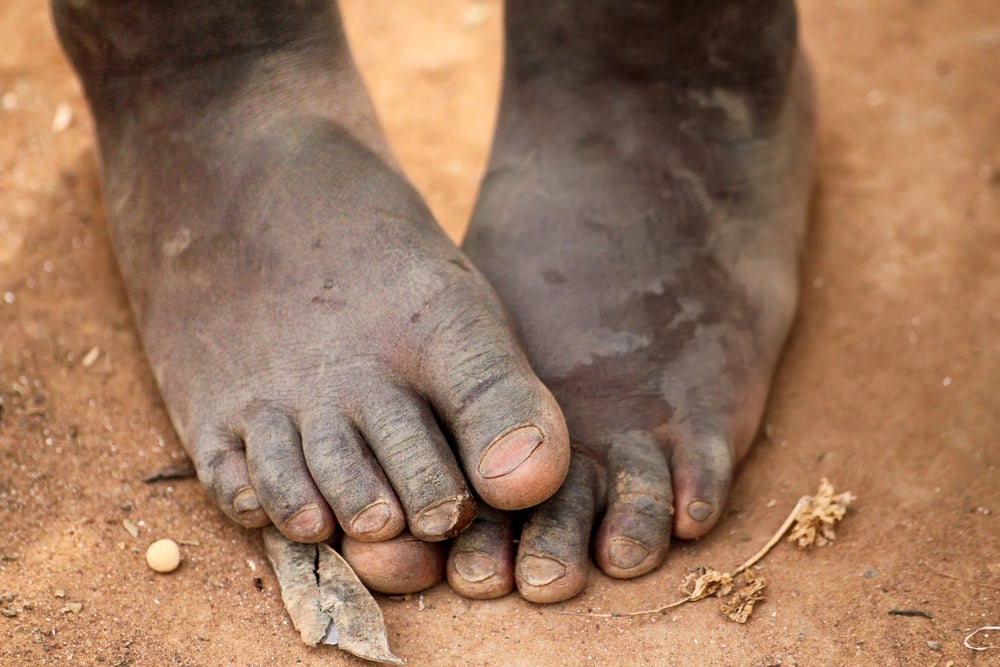
Notice a pattern? Nearly every nation on this list has experienced significant conflict in recent decades. War destroys physical infrastructure—roads, hospitals, schools, power plants.
It also destroys social infrastructure—trust, institutions, governance systems. Conflict diverts government spending from development to defense.
It drives away foreign investment. Educated professionals flee, creating brain drain.
Children miss years of education. Agricultural production collapses as farmers abandon fields. Rebuilding after conflict takes decades, but many of these nations barely finish rebuilding before the next crisis hits.
Climate Change Hits the Poorest Hardest
The nations facing the deepest poverty contribute almost nothing to global carbon emissions. Yet they suffer the worst effects of climate change.
Droughts last longer. Floods grow more severe.
Growing seasons become unpredictable. Farmers in these countries lack the resources to adapt.
They can’t afford drought-resistant seeds, irrigation systems, or crop insurance. When their harvest fails, they have no safety net.
Famine follows. People migrate, sometimes sparking new conflicts over resources.
Climate change doesn’t cause poverty directly, but it makes escaping poverty nearly impossible for nations already struggling.
The Debt Trap

Some poor countries owe a lot of money to richer ones and global organizations. In principle, these loans aim to fund roads, power systems, or schools – projects meant to grow the economy later on.
Repayment follows when incomes rise due to better conditions. Things hardly ever go smoothly.
Money meant for progress gets stolen along the way. Some efforts collapse even before completion.
Storms or droughts wipe out entire projects overnight. While that happens, cash flows straight into paying old loans instead of helping people.
In places such as Mozambique and Malawi, repaying debt takes priority over clinics or schools. Being broke means no growth.
Heavy debts block any chance to grow. That loop keeps nations stuck.
Why Foreign Aid Isn’t Enough

Every year, huge amounts of money arrive from abroad into these countries. A portion actually makes a difference.
Lives get protected through vaccine efforts. When crops fail, meals come from outside help.
After storms or quakes, supplies show up just in time. Help by itself won’t fix deep-rooted poverty.
Free goods pouring into a region leave local growers unable to survive. Dependence on outside support often grows, weakening homegrown economies.
If dishonest systems control distribution, supplies may never get to those who need them. Help often arrives with conditions, pushing countries to change rules in ways that help wealthy donors more than struggling communities.
Fixing poverty takes more than handouts – it demands tackling war, weak leadership, unstable climates, and trade setups that keep poorer places behind.
Where Dignity Persists Despite Everything

Picture how the stats tell a rough story for these countries. Take GDP per capita.
Look at poverty levels. Then there is life span, how long people live.
Add reading and writing skills to that mix. Every figure stands for real human experiences, stacked high across continents.
Yet cold data fails to capture what pulses beneath. Each morning in those nations, someone rises and moves forward.
Tough soil gets planted anyway. Water arrives after long steps across dust.
Tiny shops open without money behind them. Kids enter classrooms when fees allow.
Culture holds on, neighbors stay close, laughter slips through hard days like light under a door. What these countries go through runs deep, yet life there holds more than hardship.
To see poverty clearly, notice the structures keeping it alive – at the same time, witness how individuals push back, quietly shaping days on their own terms.
More from Go2Tutors!

- The Romanov Crown Jewels and Their Tragic Fate
- 13 Historical Mysteries That Science Still Can’t Solve
- Famous Hoaxes That Fooled the World for Years
- 15 Child Stars with Tragic Adult Lives
- 16 Famous Jewelry Pieces in History
Like Go2Tutors’s content? Follow us on MSN.