Phones That Were Status Symbols Once
There was a time when owning the right phone wasn’t just about making calls or sending texts. It was about showing the world you had made it.
Whether you were a corporate executive, a trendsetter, or just someone who wanted to feel important, the phone in your hand or clipped to your belt said everything about your place in the social hierarchy. These devices weren’t just tools.
They were badges of honor, conversation starters, and sometimes even objects of envy. Let’s take a walk down memory lane and revisit the phones that once made people stop and stare.
Motorola DynaTAC 8000X
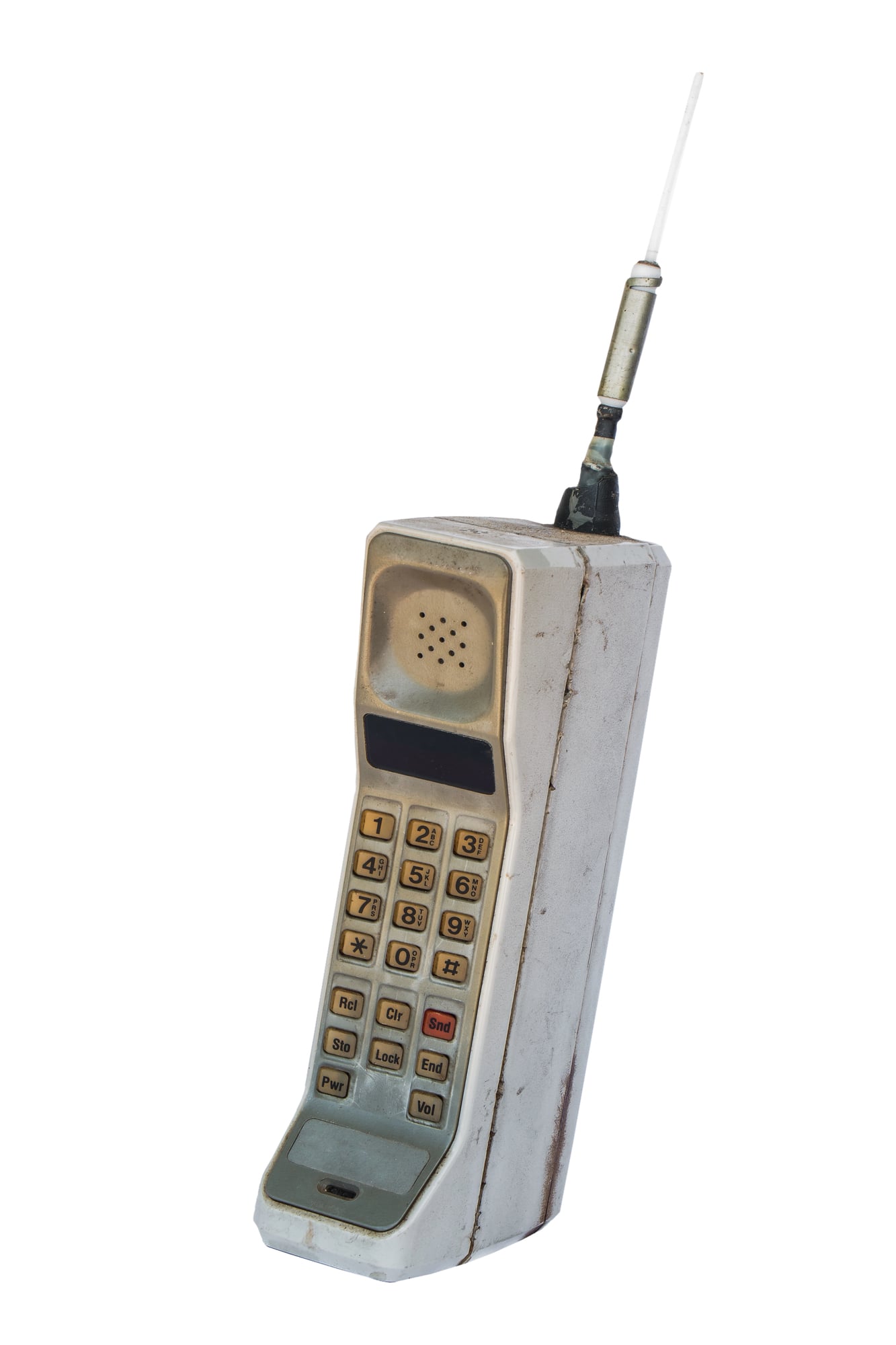
The original brick phone arrived in 1983 and cost nearly $4,000, which would be close to $12,000 in today’s money. This beast weighed almost two pounds and gave you a whopping 30 minutes of talk time if you were lucky.
But none of that mattered because if you had one, you were basically a walking billboard for success. Business moguls and Hollywood types loved flashing this giant slab of plastic and circuitry, even though it took ten hours to charge and could double as a weapon if things got heated.
Nokia 8110
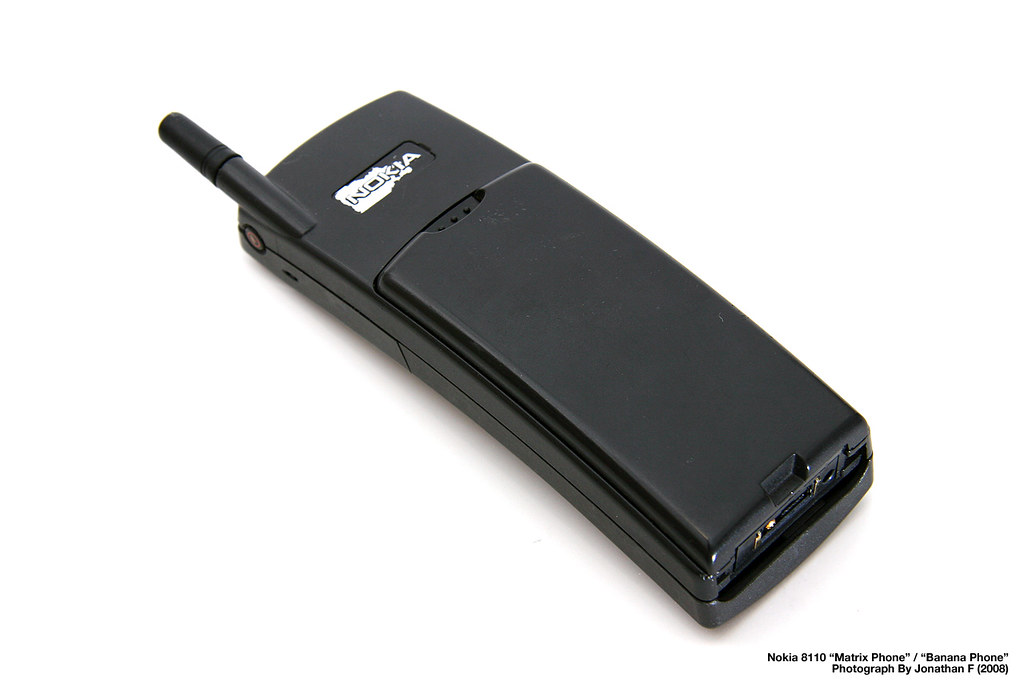
Remember that curved phone Neo used in The Matrix? That was the Nokia 8110, and after the movie came out in 1999, everyone wanted one.
The sliding cover made you feel like a secret agent every time you answered a call. Nokia marketed it as the ‘banana phone’ because of its unusual shape, but movie fans didn’t care about fruit comparisons.
They just wanted to look as cool as Keanu Reeves dodging bullets in slow motion. The phone itself was pretty basic by today’s standards, but back then, having one meant you understood what was trendy and futuristic.
Motorola StarTAC
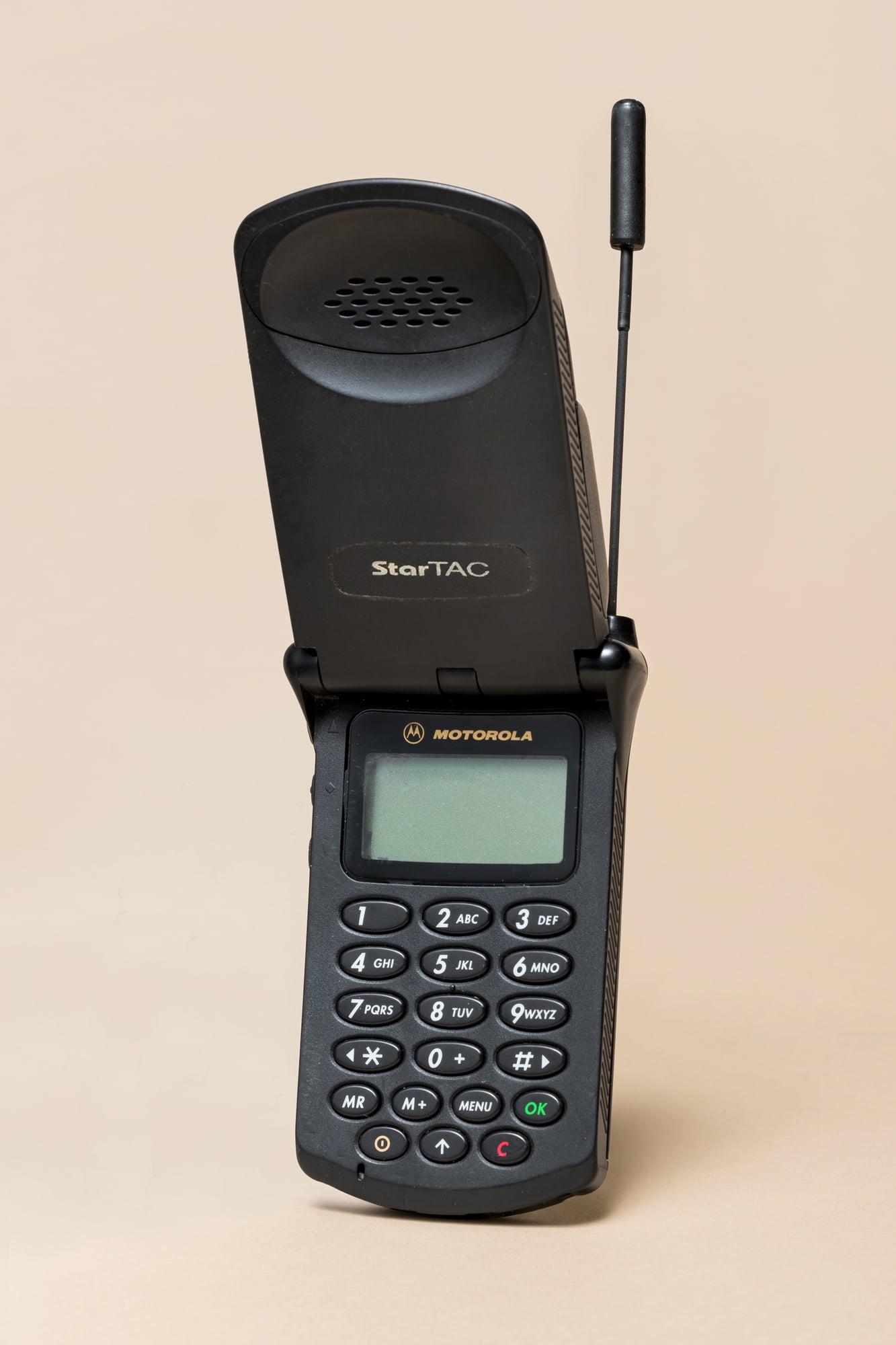
This little flip phone changed everything when it dropped in 1996. It was the smallest and lightest mobile phone available at the time, and its clamshell design made people feel like they were living in a science fiction movie.
The StarTAC cost around $1,000, which kept it firmly in the hands of executives and early adopters who wanted something sleeker than the bulky phones everyone else carried. Flipping it open to answer a call became an art form, and snapping it shut to end a conversation had a satisfying finality that touchscreens will never match.
Ericsson T28
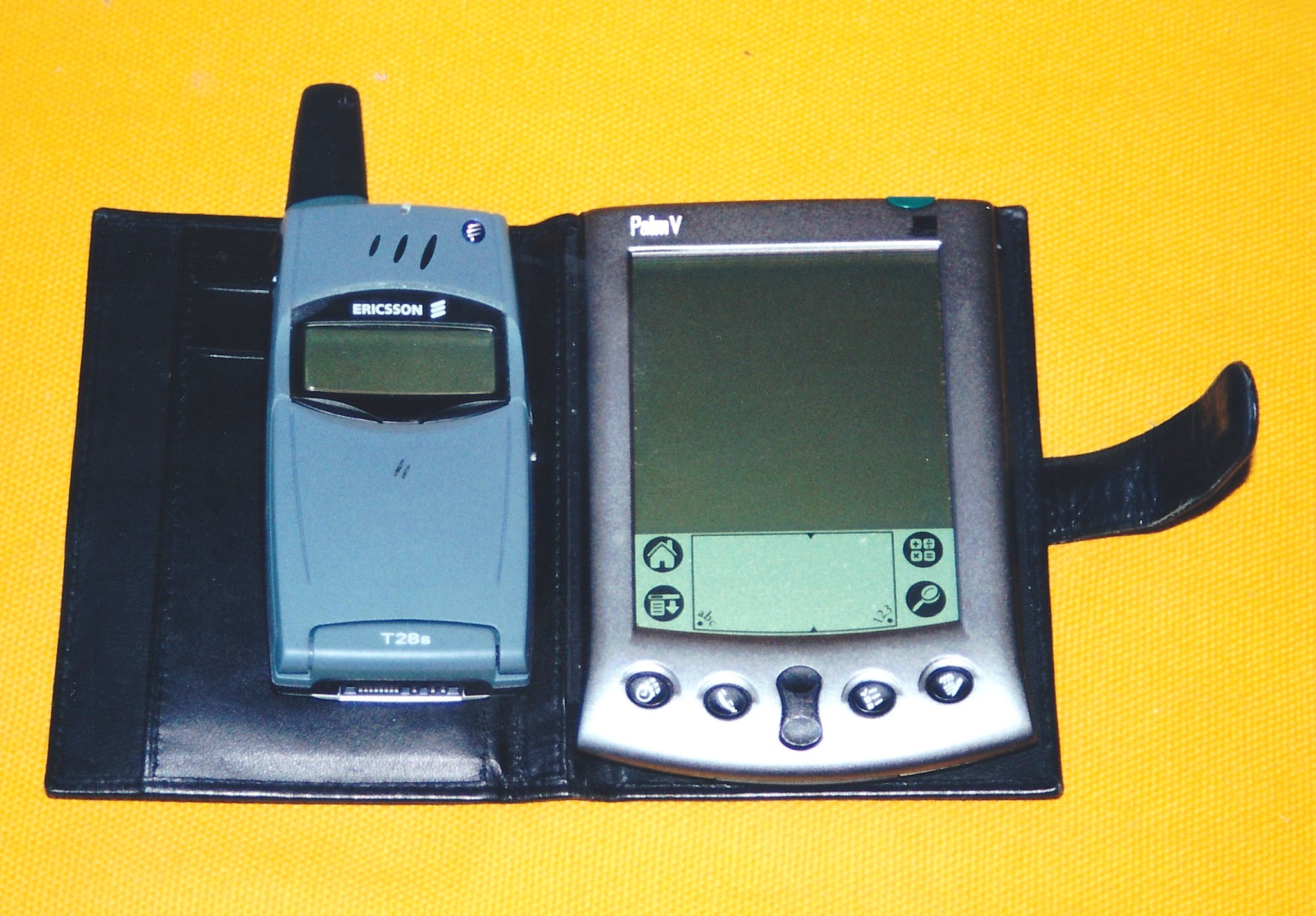
Swedish engineering met minimalist design in this ultra-thin phone from 1999. The T28 was impossibly slim for its time, measuring just half an inch thick.
Ericsson positioned it as a luxury device for people who appreciated elegant design and didn’t need all the bells and whistles. Owning one suggested you had refined taste and probably wore designer clothes.
The phone came in sophisticated colors like titanium and champagne, which only added to its upscale appeal. It wasn’t about features but about the statement you made when you pulled it from your pocket.
Nokia 9000 Communicator
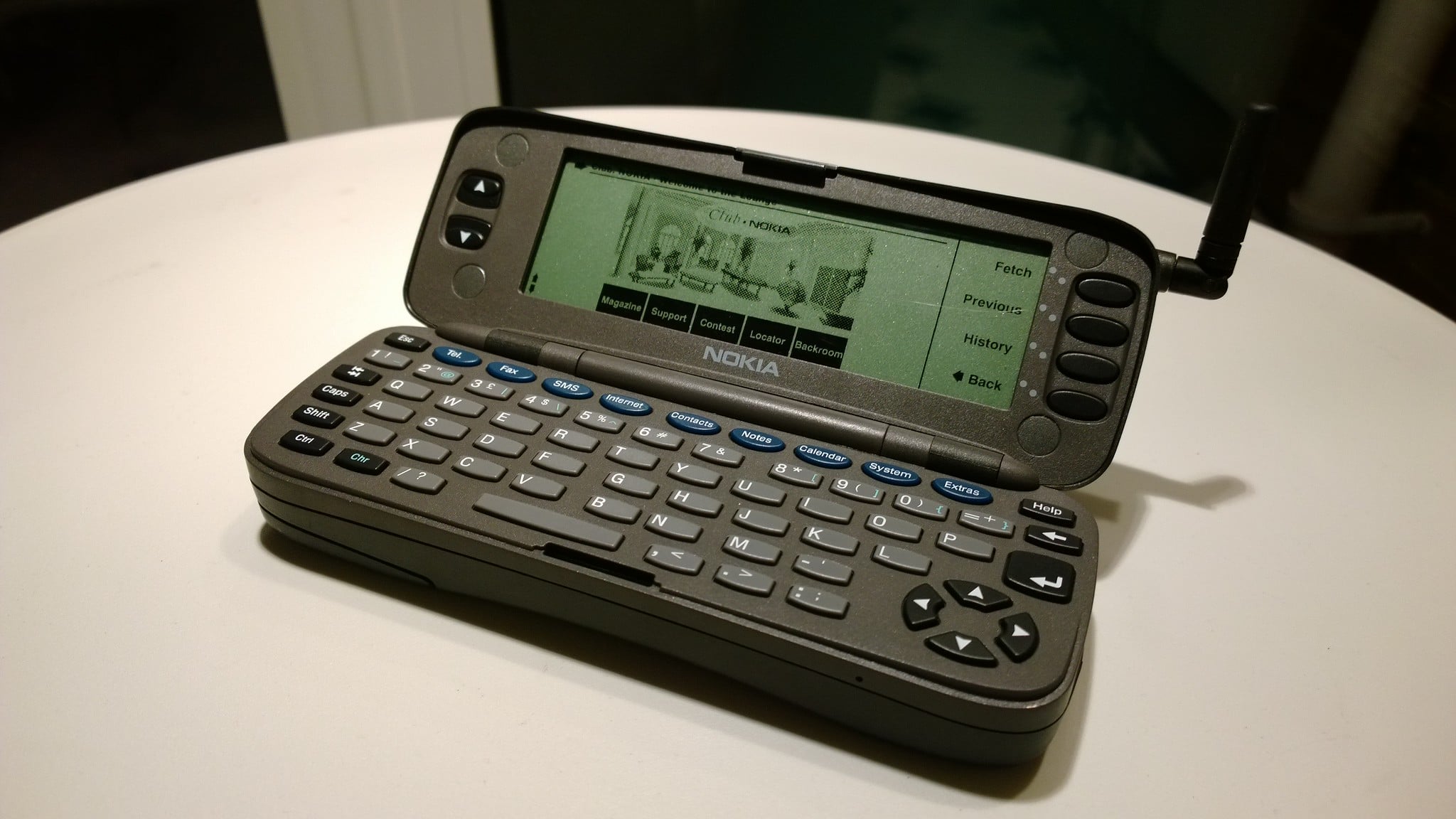
This chunky monster from 1996 was essentially a tiny computer that could make phone calls. It had a full QWERTY keyboard, could send emails and faxes, and even browse basic web pages.
At over $800, the Communicator appealed to international business travelers who needed to stay connected across time zones. Opening it up revealed a surprisingly large screen for the era, and watching someone tap away on that keyboard in an airport lounge immediately signaled they were handling important matters.
The device was heavy and awkward, but that bulk somehow added to its serious, professional image.
Motorola Razr V3
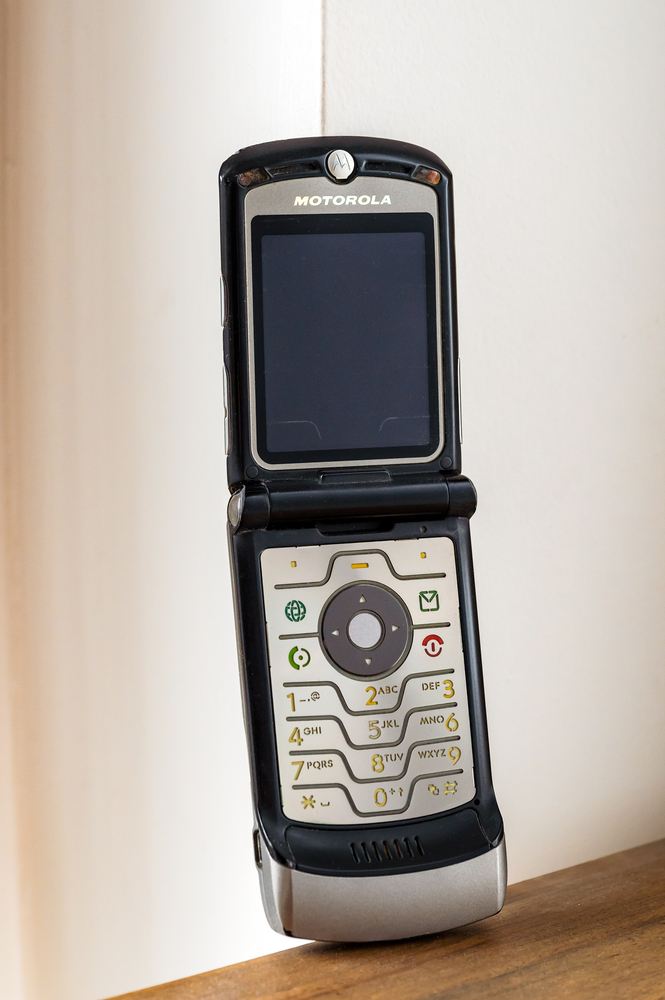
Thin was introduced during 2004, and the Razr V3 took that concept to extremes. This impossibly flat flip phone became a cultural phenomenon, showing up in music videos, on red carpets, and in the hands of pretty much every celebrity.
Motorola made special editions in various colors and materials, including versions with leather backs and luxury metals. The satisfying snap of the Razr closing became iconic, and the phone’s keypad was a work of art with its flat, etched keys.
Owning the right color or limited edition Razr could boost your social standing overnight.
BlackBerry 8700
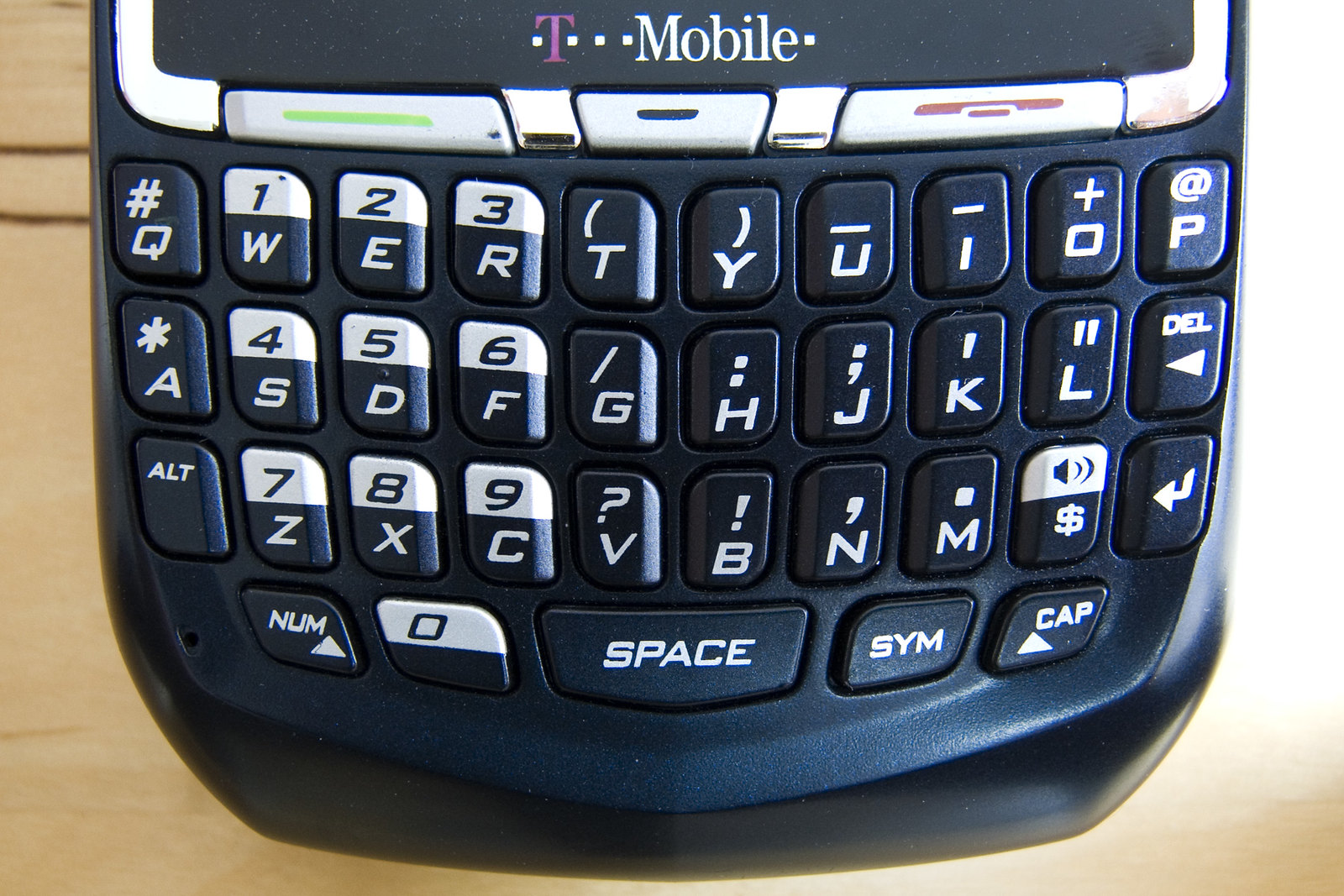
Before smartphones took over, BlackBerry devices ruled the corporate world. The 8700, released in 2006, represented the peak of email-on-the-go technology.
That distinctive physical keyboard allowed for lightning-fast typing, and the red notification light became a Pavlovian trigger for checking messages. Executives became so addicted to their BlackBerrys that people started calling them ‘CrackBerrys.’
Having one clipped to your belt in a leather holster announced to everyone that you were important enough to need constant email access. The more worn your BlackBerry looked from heavy use, the busier and more successful you appeared.
Vertu Signature
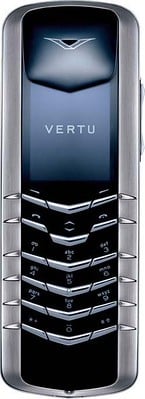
When regular luxury phones weren’t luxurious enough, Vertu entered the scene in 2002 with handcrafted devices that cost thousands of dollars. The Signature model featured sapphire crystal screens, leather from the same tannery that supplied Rolls-Royce, and cases made from precious metals.
Each phone was assembled by a single craftsperson whose signature appeared inside the battery compartment. Vertu wasn’t about technology but about exclusivity and craftsmanship.
Pulling out a Vertu at a fancy restaurant meant you valued artisanal quality over practical features, and you had money to burn on things most people would consider absurd.
Sidekick II
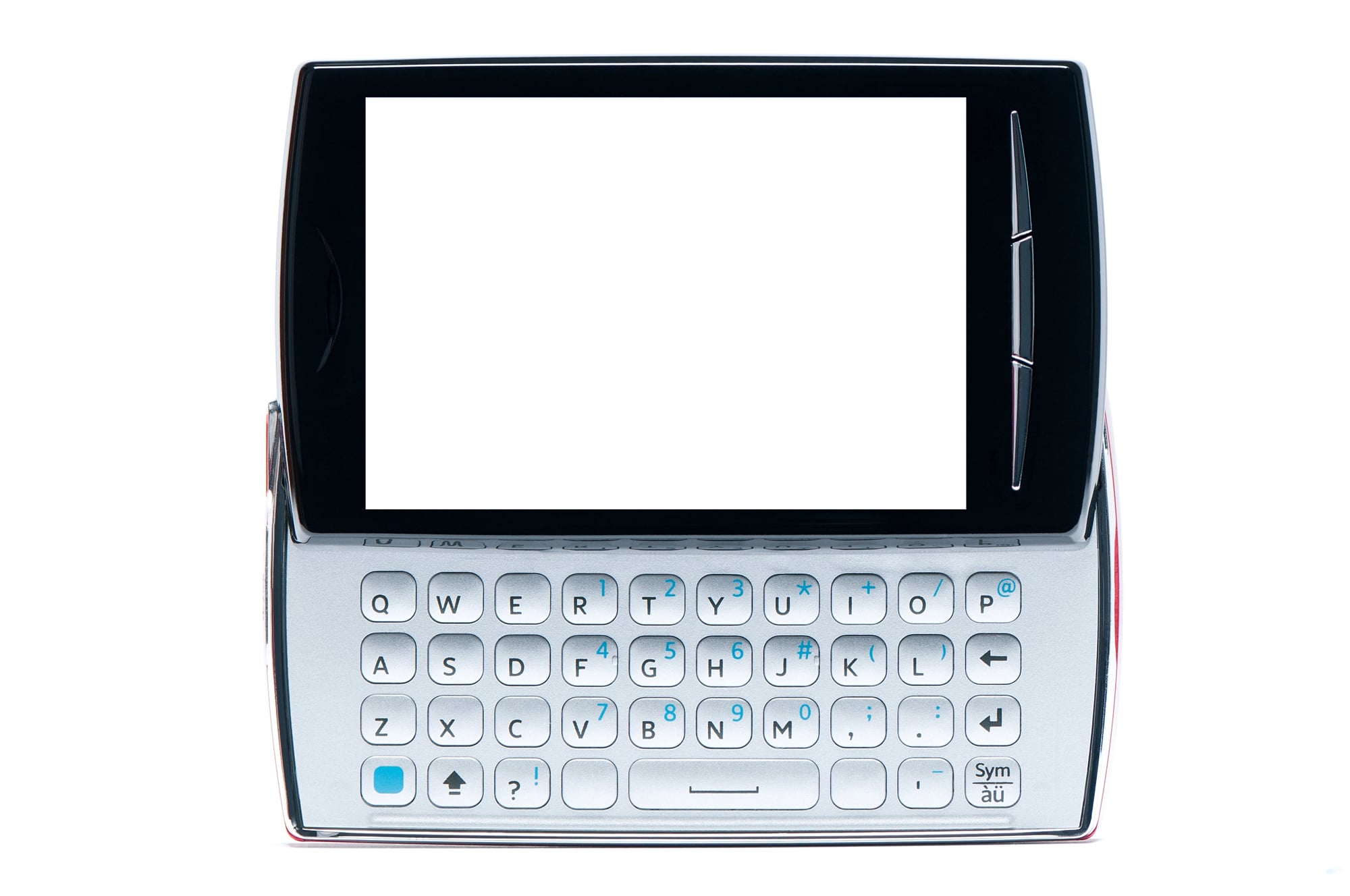
T-Mobile’s Sidekick II became the must-have device for teenagers and young adults in 2004. The screen swiveled to reveal a full keyboard, making it perfect for the texting generation.
Paris Hilton carried one, and that endorsement alone sent sales through the roof among people who wanted to emulate celebrity lifestyles. The device came in multiple colors and encouraged heavy customization with different faceplates and accessories.
Having a Sidekick meant you were connected to youth culture and probably spent more time texting friends than talking to them. The satisfying twist-and-click of opening the screen never got old.
iPhone (first generation)
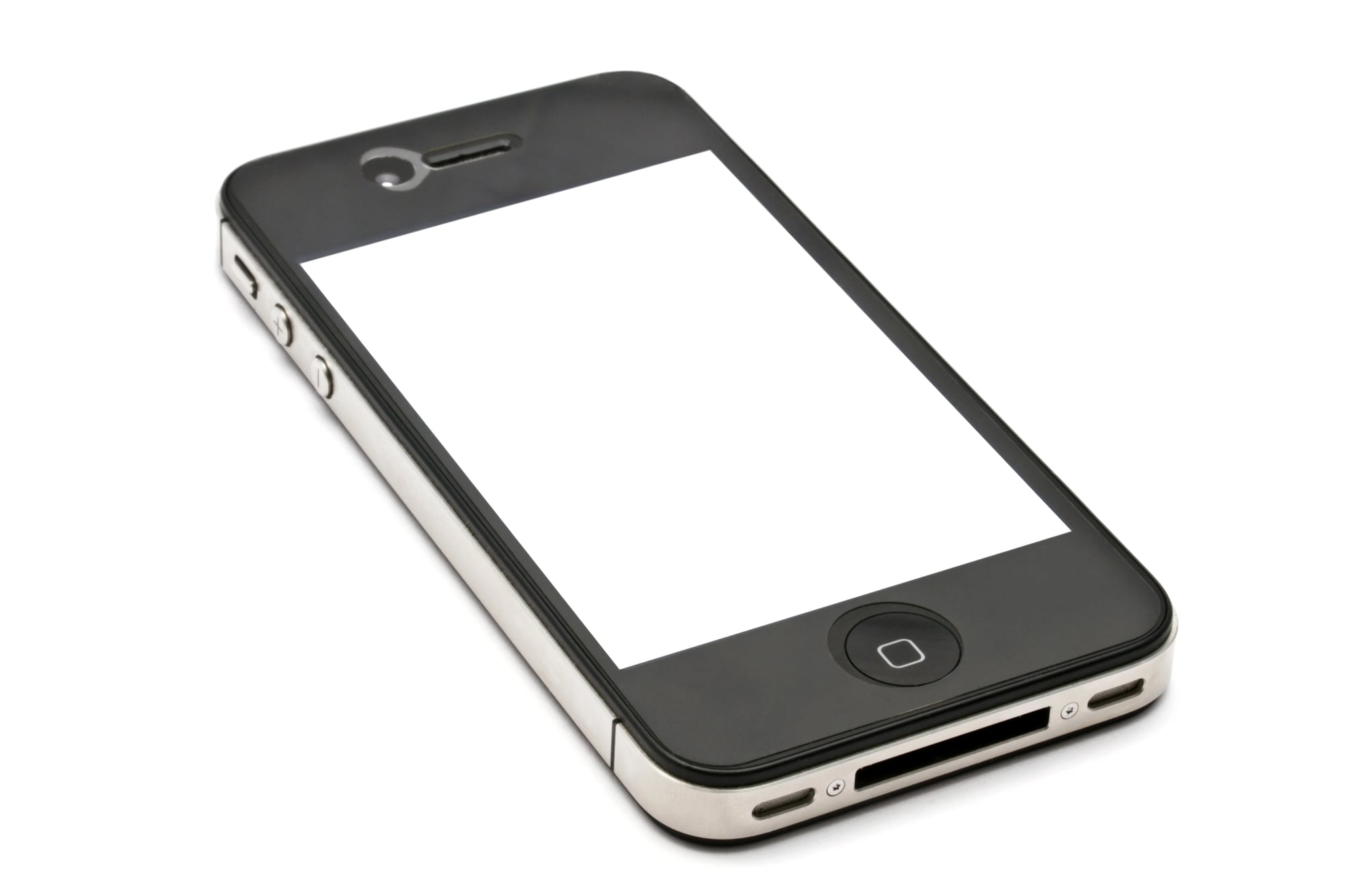
Steve Jobs unveiled this game-changer in 2007, and suddenly every other phone looked ancient. The original iPhone had no app store, couldn’t record video, and lacked basic features that flip phones had mastered years earlier.
None of that mattered because it had a touchscreen that actually worked and an interface that felt magical. At $599 for the top model, early adopters paid a premium to be part of the smartphone revolution.
Standing in line for hours to get one on launch day became a badge of honor, and pulling out that sleek glass rectangle made you look like someone from the future.
Nokia 8800
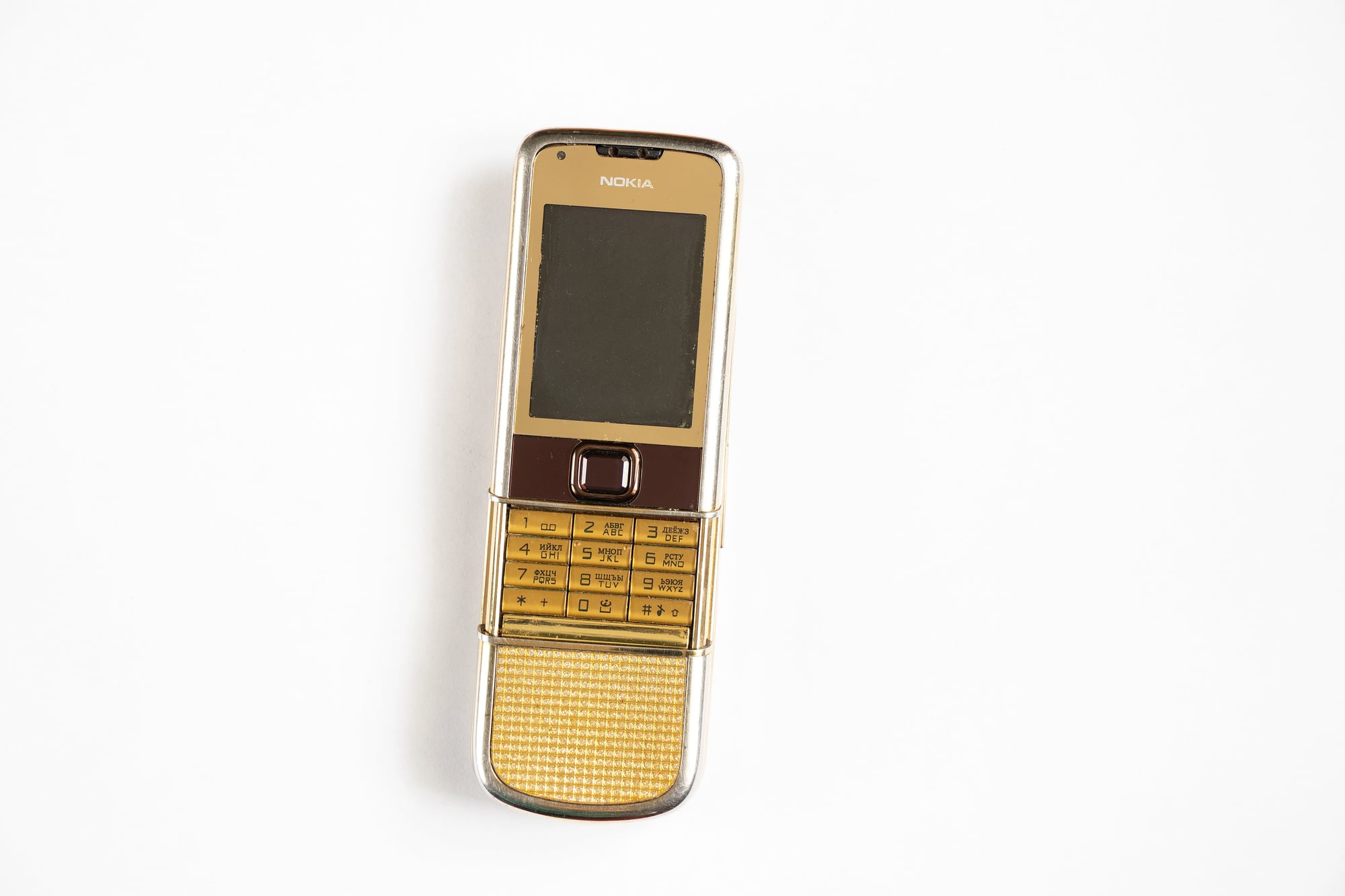
This sliding phone from 2005 combined premium materials with smooth mechanical action that felt expensive. The stainless steel body and scratch-resistant screen appealed to people who wanted durability wrapped in luxury.
Nokia marketed it as a fashion accessory as much as a communication device, and the hefty weight actually made it feel more substantial and valuable. The 8800 glided open with a satisfying mechanical precision that cheap plastic phones couldn’t match.
Celebrities and business leaders who wanted something distinctive but not as flashy as a Vertu often chose this as their daily driver.
Sony Ericsson W800
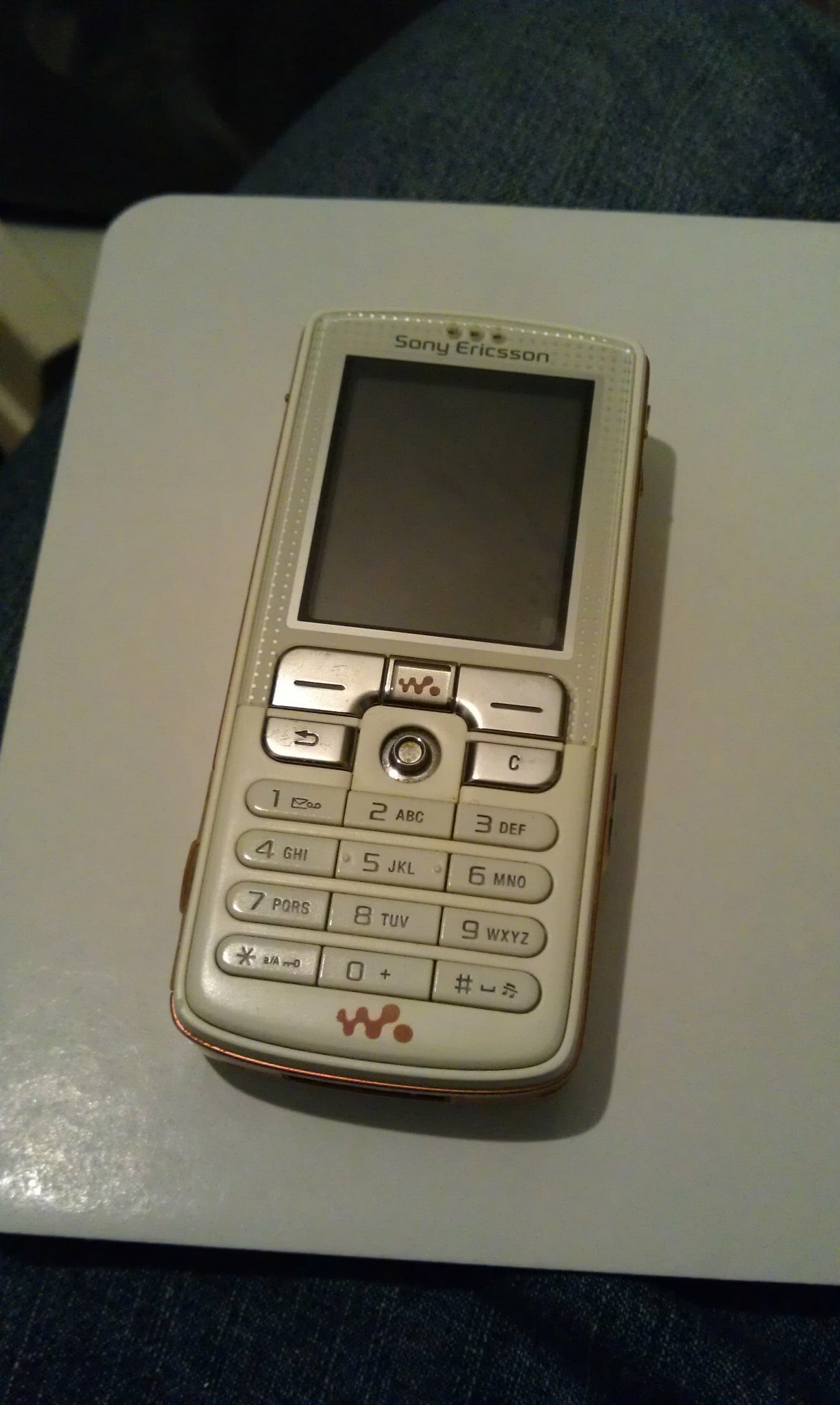
Music phones existed before the W800 arrived in 2005, but none combined style with actual good sound quality. Sony brought its Walkman brand to mobile phones, and the distinctive orange accent on the side became instantly recognizable.
The phone came with decent earbuds, a generous memory stick, and software that didn’t make you want to throw the device across the room. Having a W800 meant you were a music lover who refused to carry both a phone and an MP3 player.
The dedicated music controls on the side let you skip tracks without pulling the phone from your pocket, which felt incredibly advanced at the time.
BlackBerry Pearl
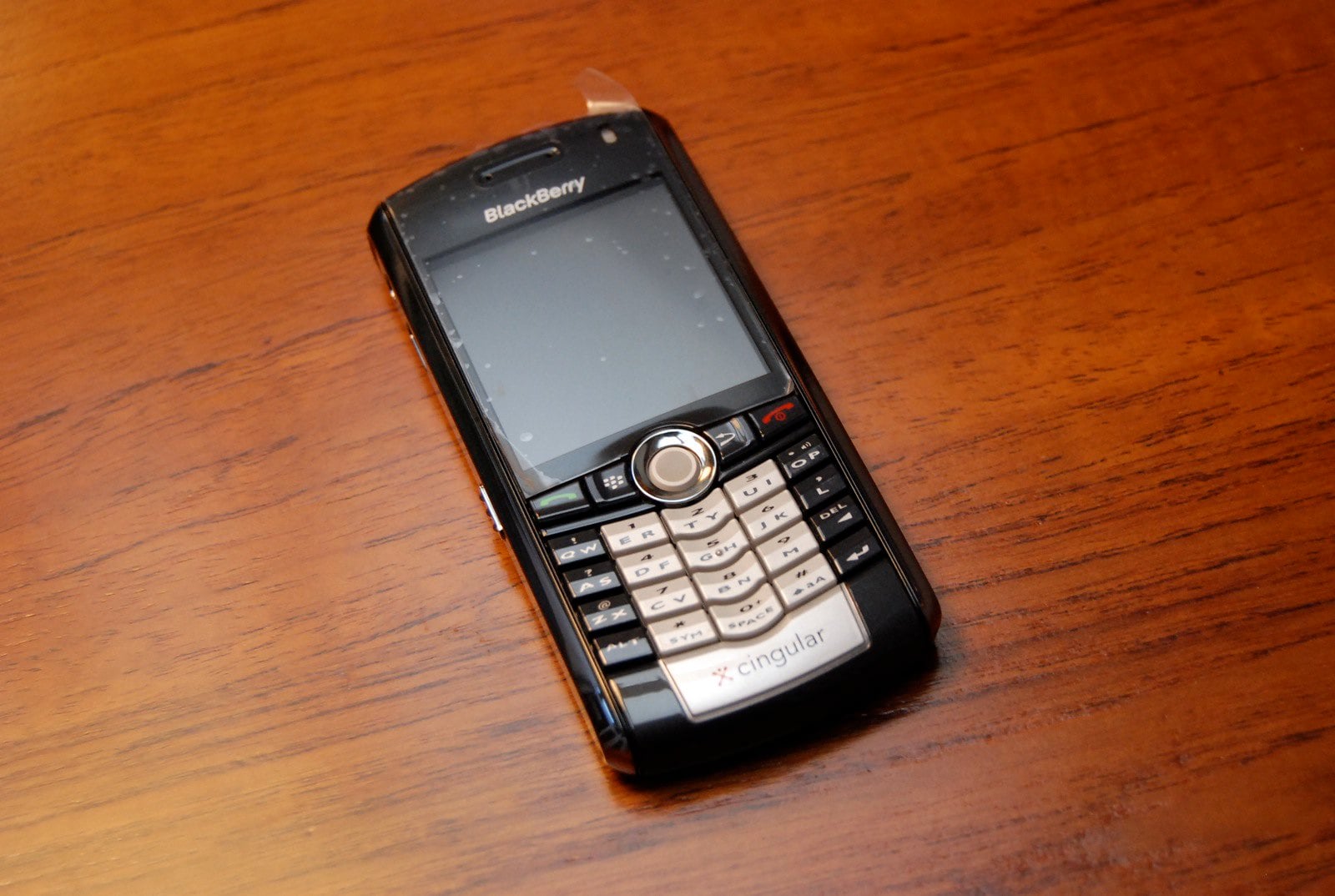
The Pearl broke BlackBerry’s all-business image when it launched in 2006 with a sleeker design and actual style. This smaller device featured a unique keyboard layout that fit two letters per key, which took some getting used to but allowed for a much slimmer profile.
The Pearl came in colors beyond basic black, and it even had a camera, which previous BlackBerry models often skipped. Professionals who wanted email functionality without looking like they only cared about spreadsheets flocked to the Pearl.
It proved you could be productive and fashionable at the same time, bridging the gap between corporate tools and lifestyle devices.
Motorola PEBL
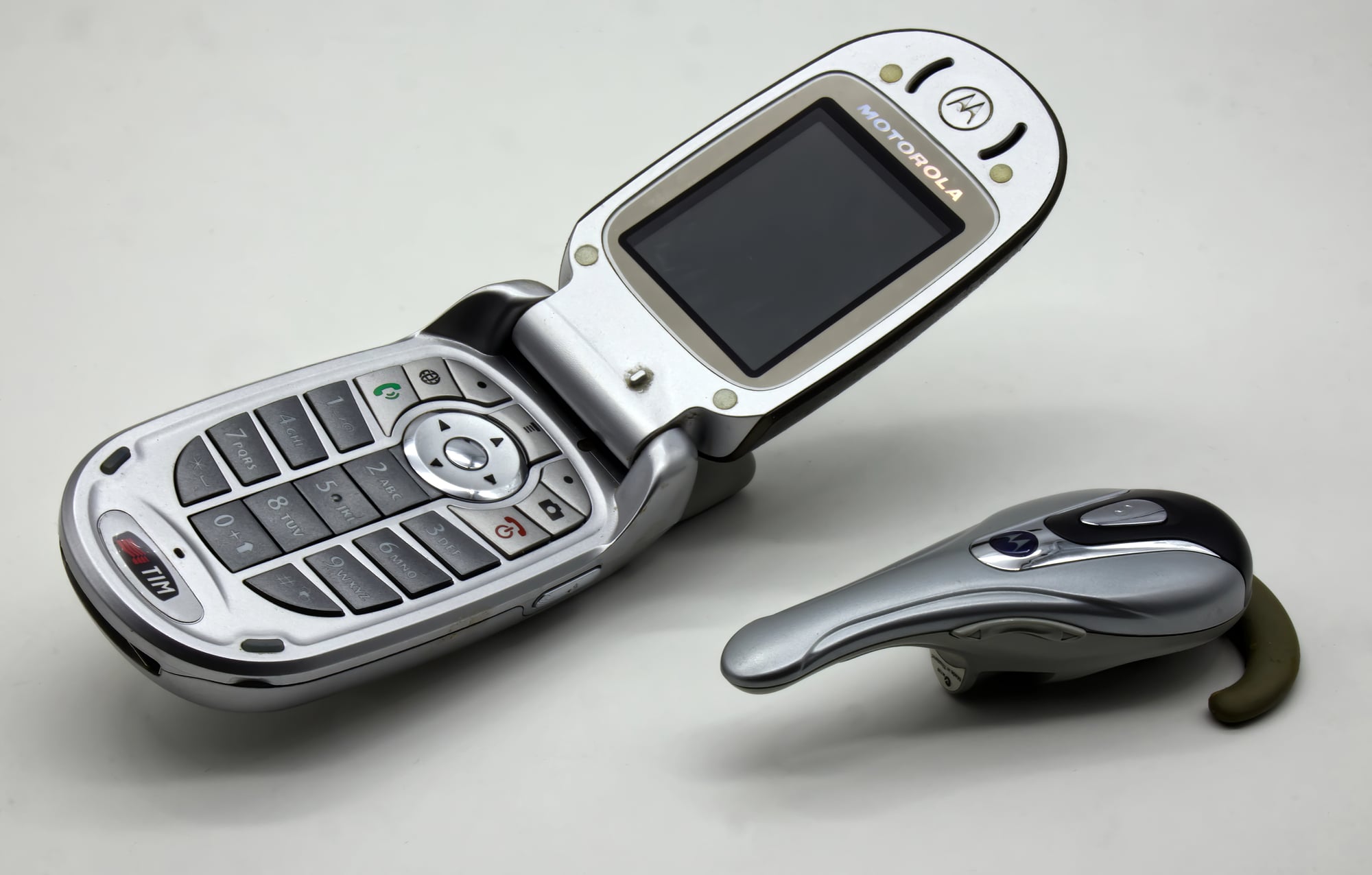
This pebble-shaped flip phone from 2005 prioritized form over function in the best possible way. The smooth, rounded design had no sharp edges and felt like holding a river stone that happened to make phone calls.
Motorola used a special keypad that was completely flat and relied on backlighting to show where the numbers were, which looked futuristic but wasn’t always practical. The PEBL appealed to design-conscious buyers who wanted something different from the angular phones flooding the market.
It came in bold colors and made a statement about valuing aesthetics, even if that sometimes meant sacrificing a bit of usability.
LG Chocolate
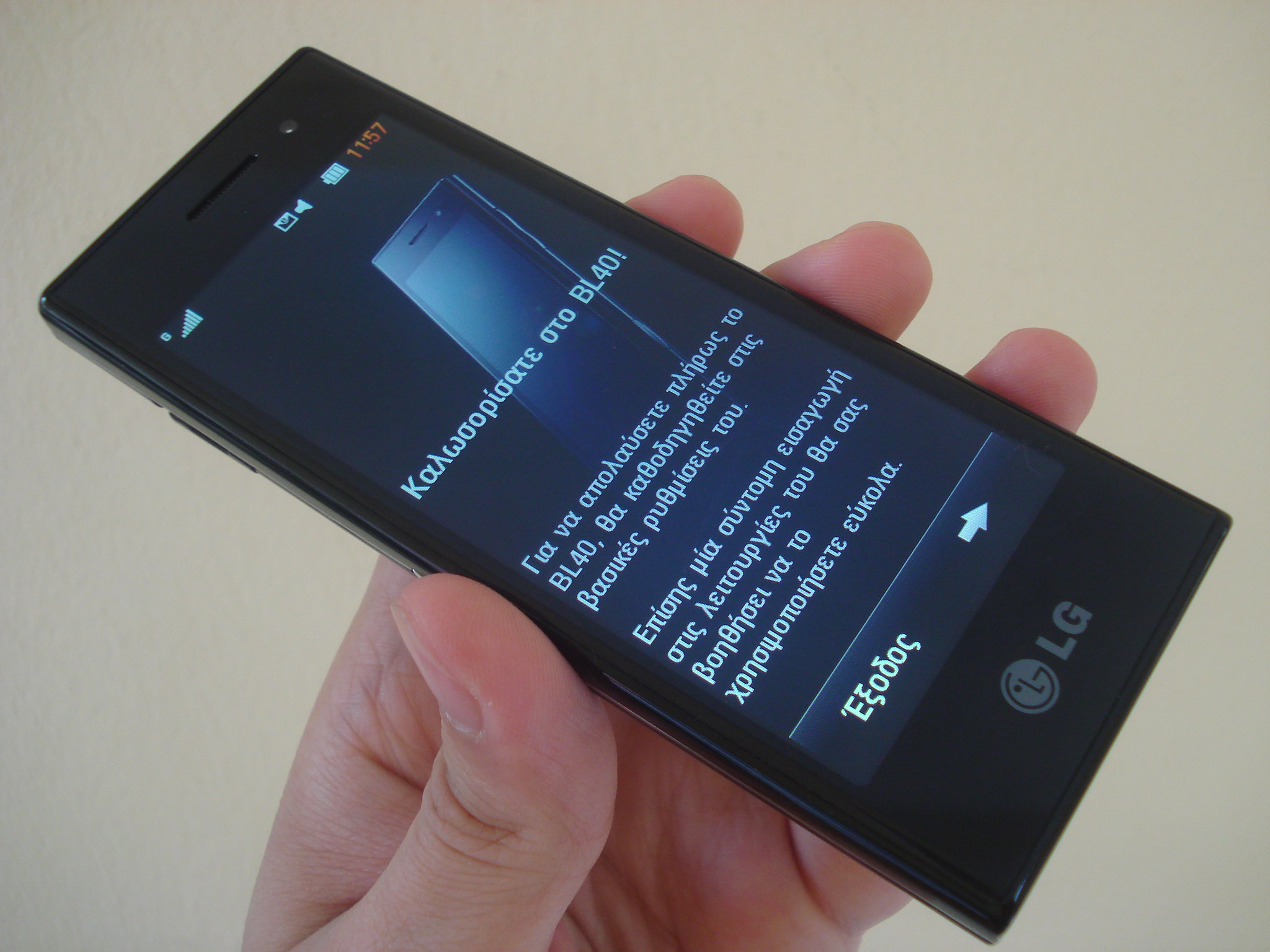
Sleek, glossy, and available in multiple colors, the Chocolate series launched in 2006 as LG’s attempt at a fashion phone. The touch-sensitive controls replaced physical buttons for music playback, making the front surface completely smooth when the backlight was off.
This created a mysterious, minimalist look that appealed to style-conscious buyers tired of button-covered devices. The Chocolate became particularly popular among women and younger users who wanted something that felt modern and looked good as an accessory.
Verizon pushed these phones hard, and for a while, having the latest Chocolate model meant you kept up with mobile trends.
Nokia N95
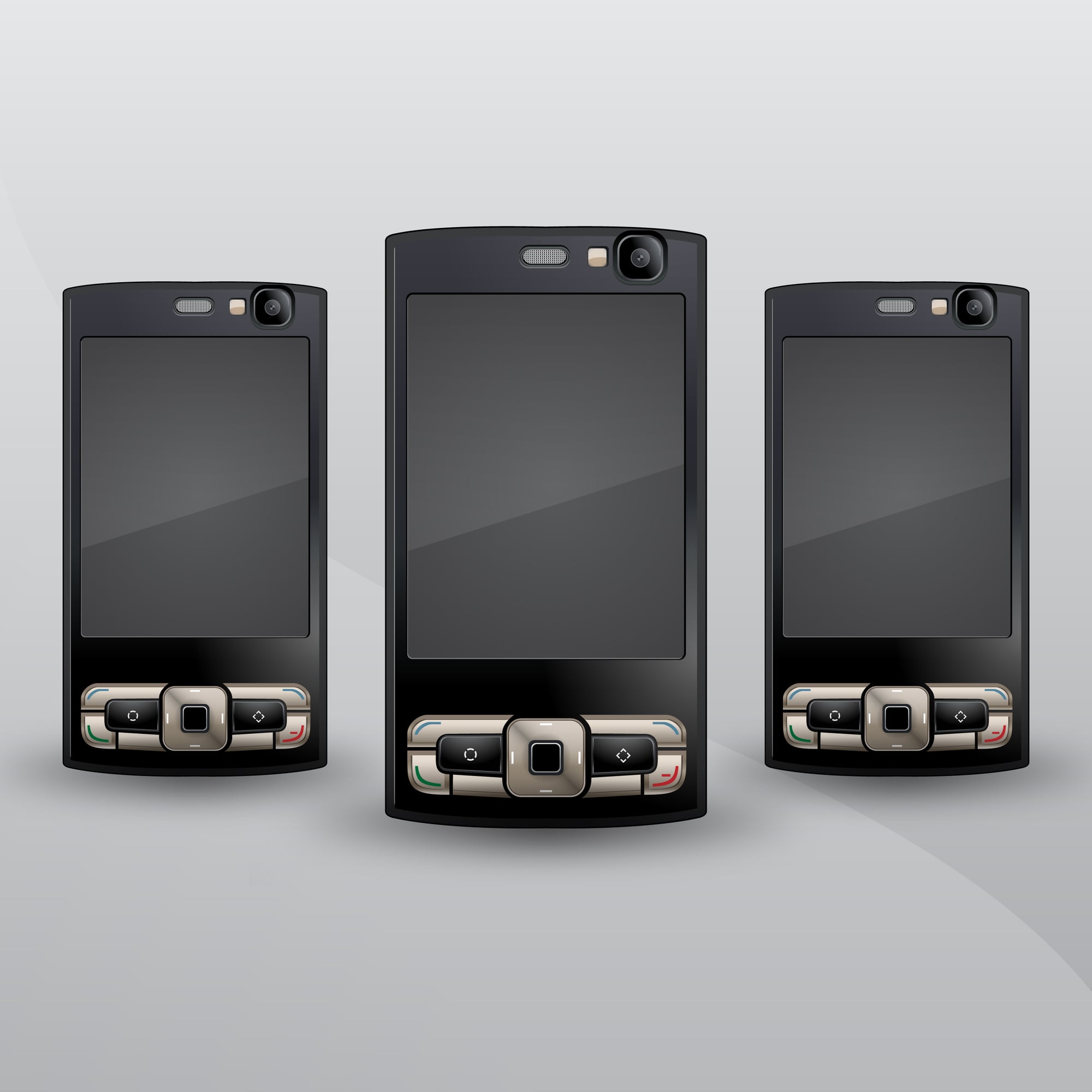
Back in 2007, one device managed to squeeze in far more than anyone expected from a slider. GPS came built right in.
A 5-megapixel camera stood ready for sharp photos. It even handled Wi-Fi without slowing down.
Processing muscle allowed real apps to run smoothly. Instead of just one direction, the screen slid two ways – up for calling, sideways for music playback.
Hidden beneath were dedicated media buttons plus louder speakers. People who relied on strong performance picked this model.
Fancy phones looked good until they faced its capabilities. Priced high, tangled in features, yet fair value for those chasing the top handset cash can get.
This gadget showed Nokia hadn’t lost its edge, just as touchscreens began pulling attention away.
HTC Dream T Mobile G1
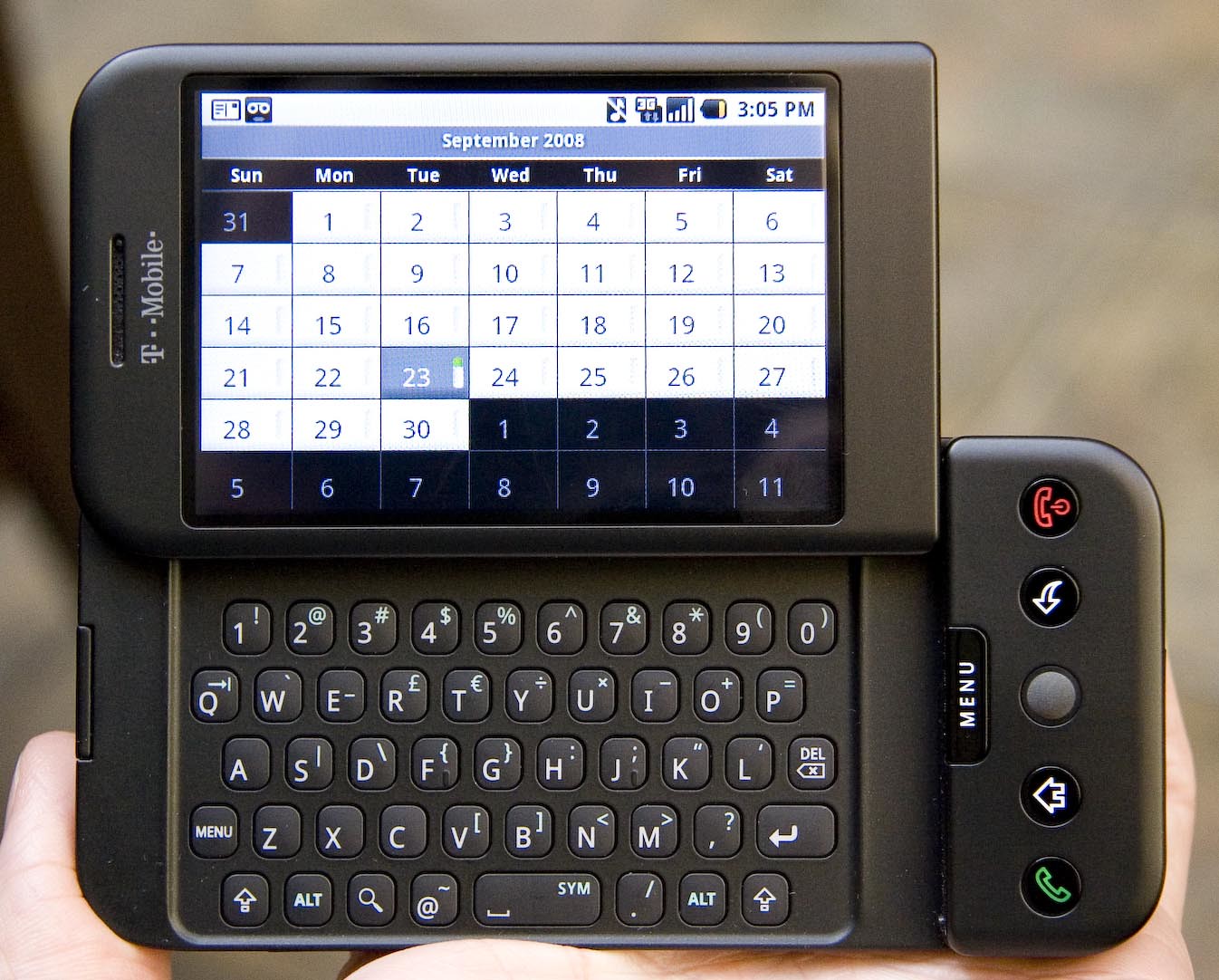
That first Android device showed up in 2008, grabbing attention from people tired of mainstream choices. Instead of copying Apple, it offered a slide-out keyboard beneath the touch display – typing felt real, not just on glass.
Owning one signaled more than preference; it hinted at belief in open systems over closed ones. Looks? Not sleek.
Performance? A bit clunky compared to others at the time. Still, those early users saw past flaws because they sensed change coming.
Being stuck with glitches didn’t matter much when you knew you’d jumped aboard before anyone else did.
Our tale unfolded through how we held them. The way changed everything
Phones were more than tools – they carried meaning based on where they sat. A clip at the hip shouted efficiency, maybe ambition.
Slipping one into a sleek cover hinted at taste paired with caution. Pockets revealed confidence when a high-end screen peeped through fabric folds.
Theatrical pulls from leather cases mid-meeting spoke without words. Each habit layered silent messages, transforming gadgets into readable cues anyone nearby could grasp in seconds.
More from Go2Tutors!

- The Romanov Crown Jewels and Their Tragic Fate
- 13 Historical Mysteries That Science Still Can’t Solve
- Famous Hoaxes That Fooled the World for Years
- 15 Child Stars with Tragic Adult Lives
- 16 Famous Jewelry Pieces in History
Like Go2Tutors’s content? Follow us on MSN.



