Weird Things Rich People Did In The Middle Ages
Money has always made people strange, but medieval wealth came with its own particular brand of absurdity. When you controlled vast lands, commanded armies of servants, and answered to no one except God (and maybe the king), your eccentricities had room to flourish.
The wealthy of the Middle Ages didn’t just collect art or build impressive homes — they went completely off the rails in ways that make modern billionaire antics look downright reasonable.
Collecting Holy Relics Like Trading Cards
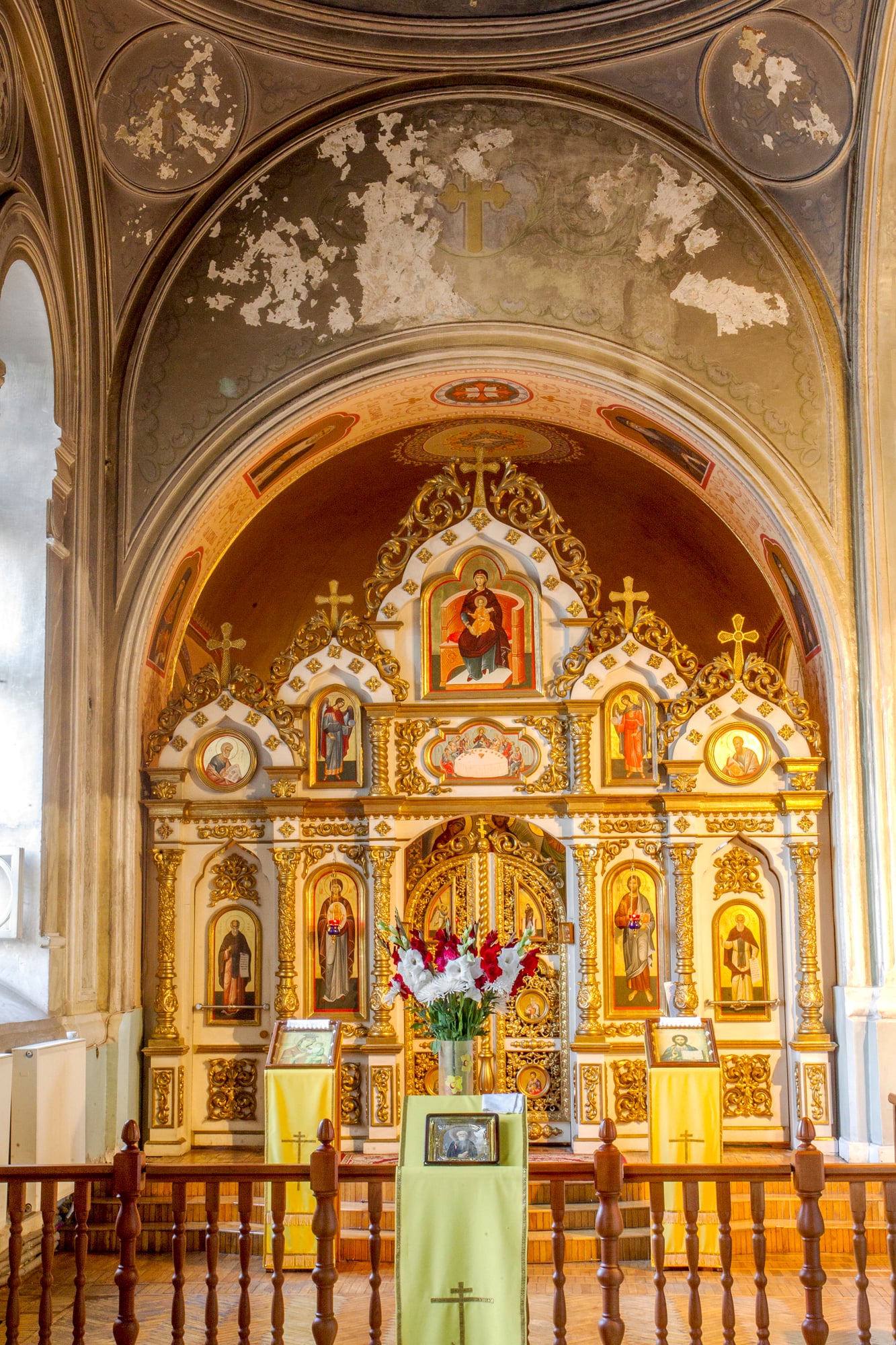
Medieval nobles hoarded body parts of saints with the enthusiasm of kids collecting baseball cards. Wealthy families competed to own the most impressive collection of sacred bones, teeth, hair, and clothing fragments.
Some aristocrats owned entire skeletal systems worth of relics from different saints.
The obsession reached ridiculous heights when nobles started buying fake relics just to keep up appearances. Churches sold so many pieces of the “true cross” that you could have built several houses with all the wood fragments floating around Europe.
Building Elaborate Hermitages For Pet Hermits

Rich landowners constructed ornate cottages on their estates specifically to house hermits. These weren’t just simple shelters — they were designed as romantic ruins complete with artificial caves, winding paths, and scenic views.
The hermit served as a living lawn ornament, adding an air of philosophical melancholy to garden parties.
Some nobles advertised in newspapers for hermits, offering seven-year contracts that included food, clothing, and a small salary. The hermit had to grow out his beard, wear a rough brown robe, and never leave the grounds (and if you broke character or trimmed that beard, you forfeited the entire payment).
And yet people lined up for these positions, which says something about medieval employment opportunities. The whole arrangement was completely unhinged — paying someone to live in fake poverty on your property so your guests could feel spiritually elevated while sipping wine and discussing the weather.
Keeping Exotic Animals As Status Symbols

Medieval aristocrats turned their estates into private zoos long before anyone understood animal care. Bears wandered through castle courtyards on chains. Leopards lounged in great halls.
Wealthy families kept lions, monkeys, and exotic birds not because they particularly enjoyed animals, but because owning dangerous creatures from distant lands proved their wealth and connections.
King Henry III kept a polar bear at the Tower of London that was allowed to fish in the Thames while tethered to a long rope. Eleanor of Provence owned a camel.
These weren’t trained performers — just wild animals living in completely inappropriate environments for the amusement of people who could afford to import them.
Hiring Food Tasters For Every Single Meal

Paranoia about poisoning reached such extreme levels that wealthy nobles employed multiple food tasters for elaborate multi-course feasts. The process turned every dinner into a theatrical performance.
The taster would sample each dish, wait a predetermined amount of time for symptoms to appear, then give the all-clear.
Some families employed different tasters for different types of food — one for meat, another for vegetables, a third for wine and beverages.
The wealthy host would sit at the table watching their employees eat their dinner before taking a single bite themselves. Imagine being so anxious about your social standing that you couldn’t enjoy a meal without watching someone else eat it first to make sure you wouldn’t die.
Commissioning Portraits Of Their Favorite Horses

Wealthy medieval families commissioned formal painted portraits of their horses with the same reverence reserved for family members. These weren’t casual sketches — they were full-scale oil paintings that showed the animal in elaborate settings, sometimes wearing decorative tack worth more than most people’s annual income.
The paintings hung in great halls alongside portraits of ancestors and important political figures. Guests touring the home would be introduced to prize stallions and mares as if they were meeting distant relatives.
Some families kept detailed genealogical records of their horses going back generations, complete with names, bloodlines, and notable achievements.
Creating Private Chapels For Daily Mass
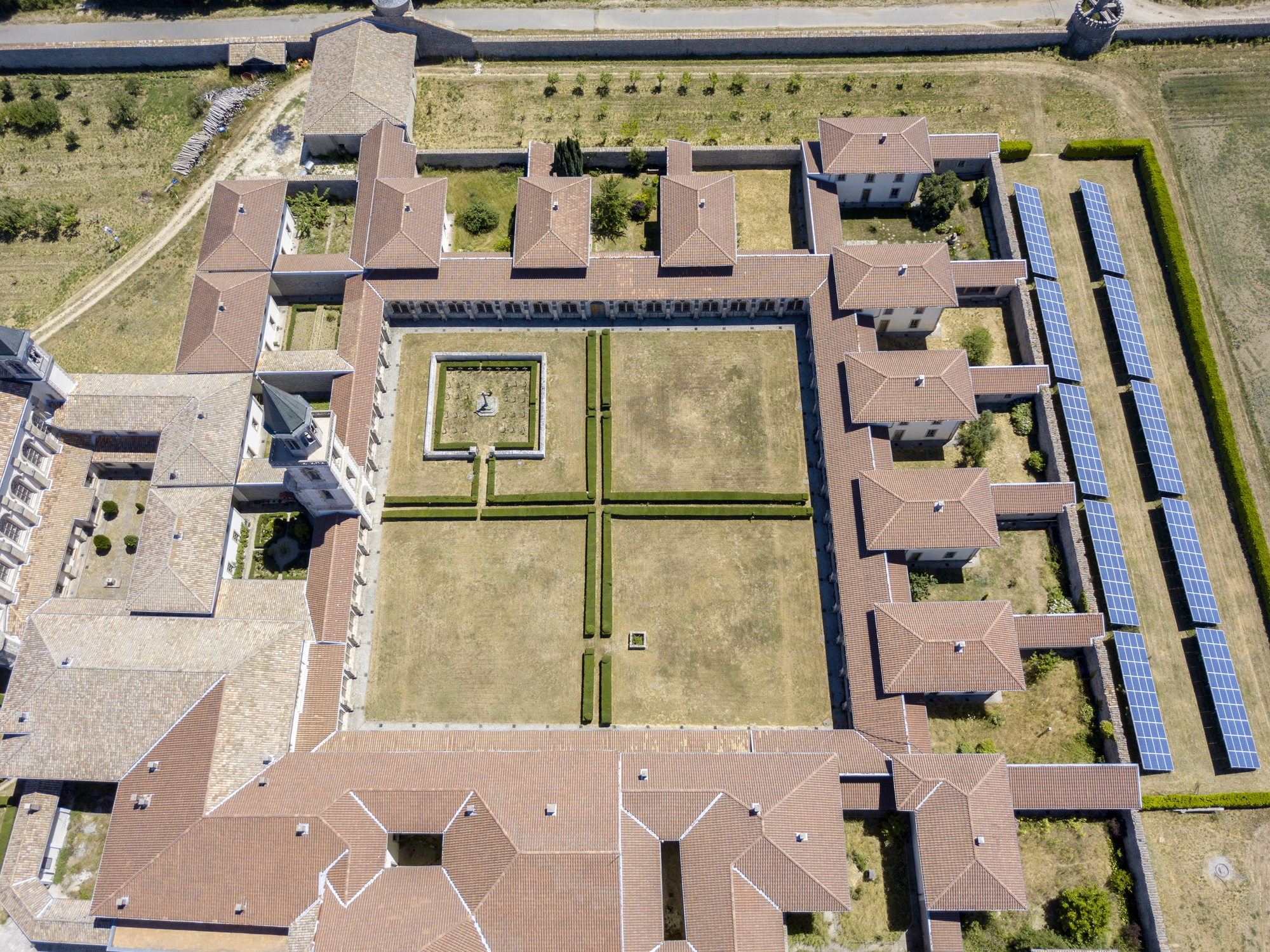
Building personal chapels inside their homes wasn’t enough for the truly wealthy — they hired private chaplains to conduct daily religious services exclusively for the household. These weren’t simple morning prayers. They were full ceremonial masses complete with elaborate vestments, expensive gold and silver religious artifacts, and choirs of trained singers.
Some nobles required their entire household staff to attend these daily services, turning religious devotion into a mandatory workplace activity (so much for the separation of church and employment contracts, but that concept wouldn’t exist for several more centuries).
The chaplain lived on the property year-round, essentially serving as a private spiritual employee whose job was to ensure the family’s salvation through personalized religious programming. Which, when you think about it, is just medieval life coaching with more incense and Latin.
Hosting Elaborate Private Chapels For Entertainment
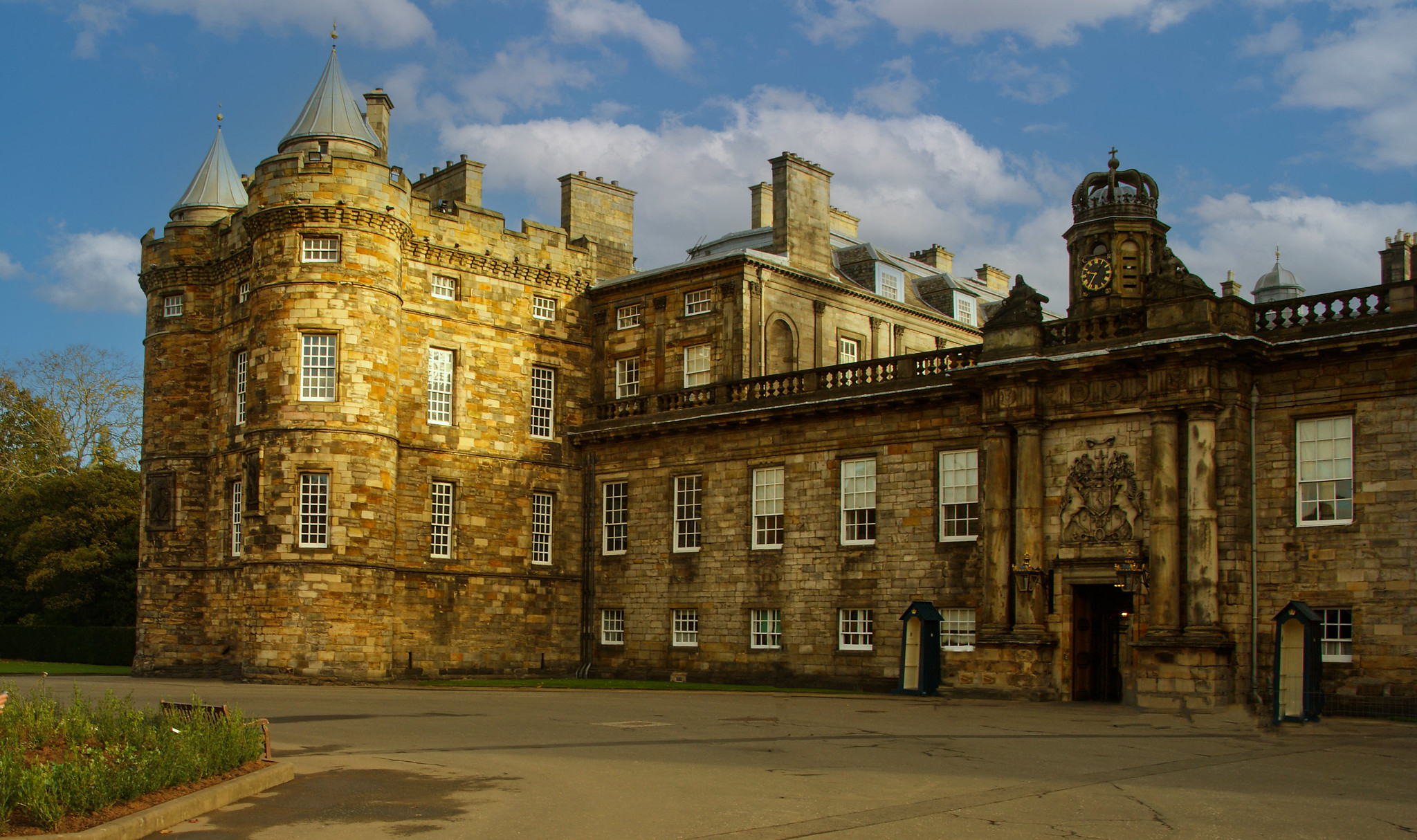
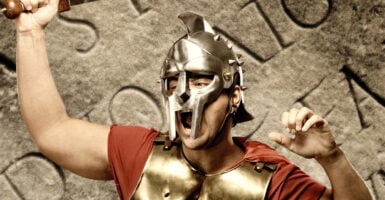
Rich families organized fake military conflicts on their estates, complete with knights in full armor, horses, weapons, and elaborate storylines. These tournaments weren’t simple jousting matches — they were multi-day theatrical productions that required months of planning and enormous expense.
The battles followed predetermined scripts with heroes, villains, and dramatic plot twists. Wealthy hosts hired professional knights, constructed temporary grandstands for spectators, and provided costumes for hundreds of participants.
Some events recreated famous historical battles, while others followed romantic themes borrowed from popular literature.
The whole spectacle existed purely for the entertainment of invited guests. Families spent fortunes staging pretend wars in their backyards while real conflicts raged elsewhere in the country.
Employing Full-Time Jesters And Entertainers
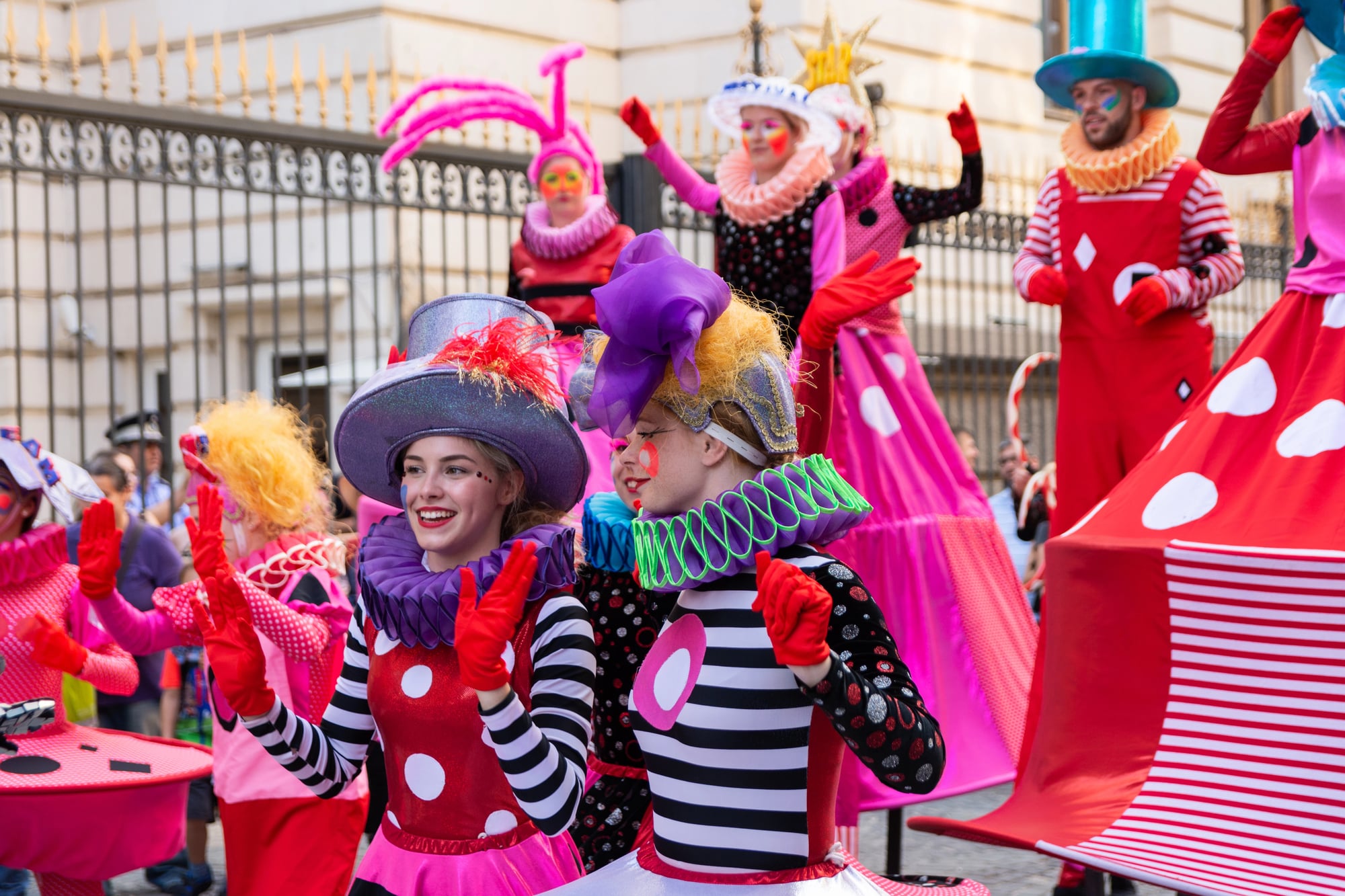
Medieval wealthy families kept jesters, musicians, acrobats, and storytellers on permanent payroll. These weren’t performers hired for special occasions — they were live-in employees whose job was to provide constant entertainment for the household.
The jester’s role went beyond simple comedy. They served as social commentators, delivering criticism and observations about politics and current events through humor.
Some jesters gained significant influence over their employers, essentially becoming unofficial advisors who shaped important decisions through jokes and satirical observations.
Wealthy families competed to employ the most talented entertainers, leading to bidding wars over particularly gifted jesters and musicians.
The entertainment staff lived in the castle, ate with the family, and traveled with them throughout the year.
Building Enormous Feast Halls For Competitive Dining

Rich medieval families constructed dining halls specifically designed to accommodate massive banquets that served as displays of wealth and social dominance. These weren’t just large rooms — they were architectural statements built to host competitive eating events.
A single feast might feature dozens of courses, hundreds of guests, and entertainment that lasted for days. The host family would import exotic ingredients from across Europe, hire teams of specialized cooks, and present dishes arranged in elaborate sculptures and artistic displays.
The meals became theater productions where the food served as props in performances designed to demonstrate the host’s wealth, connections, and cultural sophistication. Guests were essentially a captive audience for a very expensive show where dinner was the main event and bankrupting yourself through hospitality was considered a noble pursuit.
Commissioning Illuminated Manuscripts About Themselves

Wealthy medieval families hired scribes and artists to create elaborate illuminated manuscripts that documented their family history, achievements, and daily life. These weren’t simple family chronicles — they were artistic masterpieces that took years to complete and cost enormous sums to produce.
The manuscripts featured hand-painted illustrations showing family members in idealized settings, often depicted alongside saints, angels, or mythological figures. Some included detailed genealogical charts going back generations, maps of family properties, and written accounts of military victories or political achievements.
These books served as medieval social media, designed to impress visitors and preserve the family’s reputation for future generations.
Maintaining Private Armies Of Household Knights
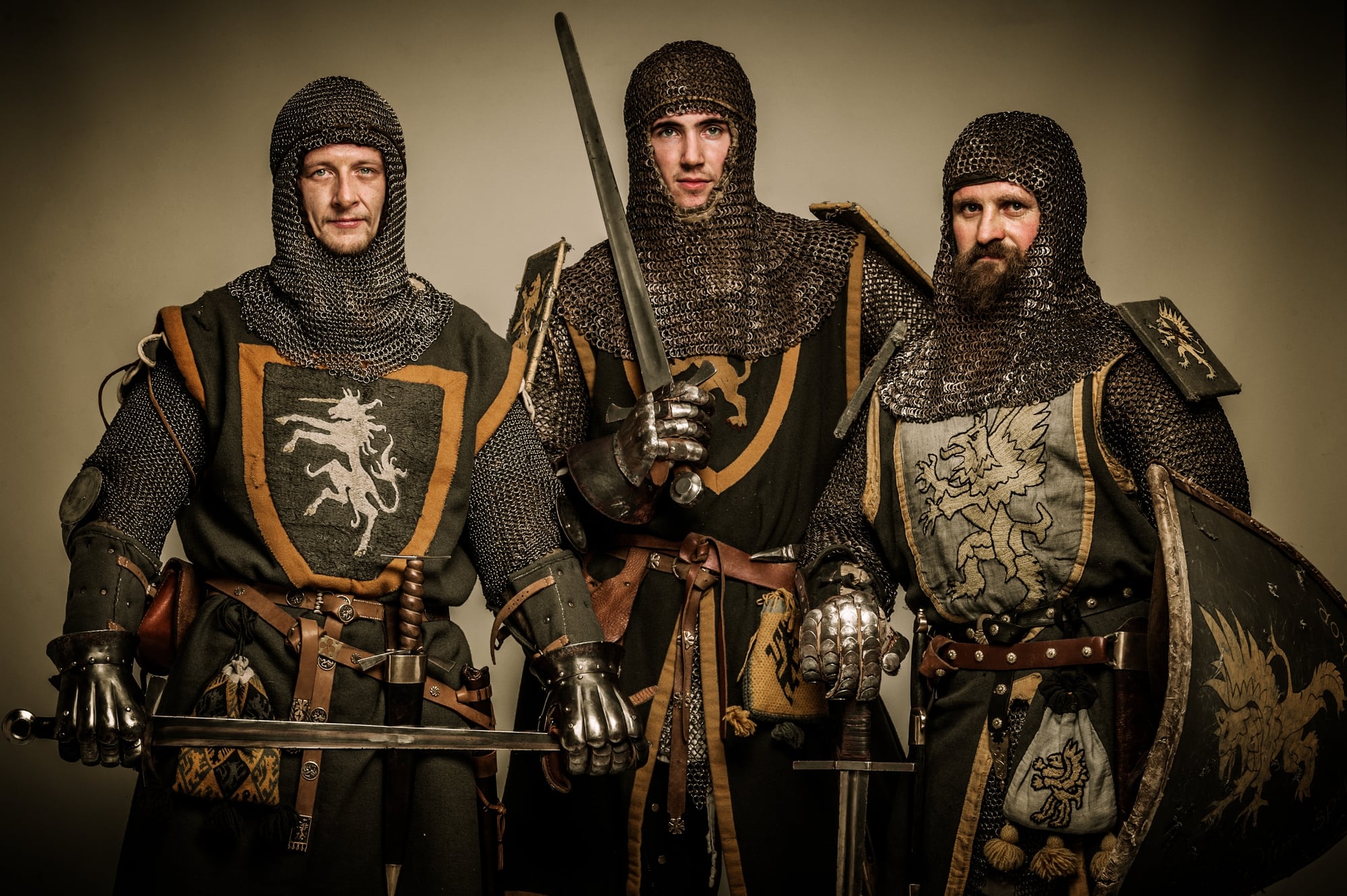
Beyond basic security needs, wealthy medieval families kept large numbers of knights and men-at-arms on permanent payroll as status symbols. These private armies served more as impressive entourages than practical military forces.
The knights wore elaborate livery displaying the family colors and coat of arms. They accompanied the family on travels, stood guard during social events, and participated in ceremonial functions.
Some households maintained dozens of armed men whose primary job was to look impressive and demonstrate the family’s power and wealth.
These private armies required enormous ongoing expenses — weapons, armor, horses, food, and wages for men who spent most of their time standing around looking intimidating at dinner parties and social gatherings.
Creating Elaborate Gardens With Living Mazes

Rich families designed complex garden mazes using carefully trimmed hedges, topiary sculptures, and winding paths that served as outdoor entertainment venues for guests. These weren’t simple hedge mazes — they were elaborate landscape architecture projects.
Some mazes included hidden chambers, secret passages, and surprise water features designed to delight and confuse visitors.
The gardens served as venues for elaborate games and social activities where guests would spend hours navigating the paths while servants provided refreshments and entertainment.
Hosting Elaborate Wedding Celebrations Lasting Weeks

Wealthy medieval families turned marriages into month-long festival productions that involved entire communities and cost fortunes to organize. These celebrations went far beyond single-day ceremonies to become elaborate social seasons with multiple events, entertainment, and competitive displays of generosity.
The wedding celebrations included tournaments, theatrical performances, elaborate banquets, religious ceremonies, and gift-giving rituals that required months of advance planning.
Some wedding celebrations became legendary for their excess, with families spending inheritance-level sums on events designed to demonstrate their wealth, social connections, and cultural sophistication.
Collecting Books They Couldn’t Read

Before printing presses made books affordable, wealthy families collected elaborate hand-copied manuscripts as status symbols, regardless of whether anyone in the household could actually read them.
Many noble families owned hundreds of books written in Latin, Greek, or other languages that no one in the family understood. The books were displayed in specially constructed rooms with ornate shelving, reading desks, and comfortable seating that rarely got used for actual reading.
Some collectors hired scholars to live in their homes and serve as human card catalogs, explaining the contents of books to family members and guests.
The Strangeness That Money Buys

Medieval wealth created a particular kind of absurdity that feels both foreign and oddly familiar. The same impulses that drive modern collectors, social media influencers, and status-conscious consumers were already fully formed centuries ago — they just expressed themselves through pet hermits and private chapels instead of luxury cars and designer handbags.
When people have enough money to turn their whims into reality, the results reveal something essential about human nature that transcends historical periods.
More from Go2Tutors!

- The Romanov Crown Jewels and Their Tragic Fate
- 13 Historical Mysteries That Science Still Can’t Solve
- Famous Hoaxes That Fooled the World for Years
- 15 Child Stars with Tragic Adult Lives
- 16 Famous Jewelry Pieces in History
Like Go2Tutors’s content? Follow us on MSN.