What Americans Bought From Army Surplus Stores
Army surplus stores sold the leftovers of two world wars, Korea, and Vietnam at prices no department store could match. Customers came for work clothes, camping gear, and curiosities, and many left with something they used for decades.
The stock changed with each conflict, but the appeal stayed the same: sturdy equipment made to a government specification.
Navy Pea Coat

The Navy pea coat is a heavy wool double-breasted coat, typically fastened with large buttons stamped with anchors. The double-breasted cut let a sailor button the coat on whichever side faced the wind.
Surplus stores sold them cheaply, and civilians wore them for years as winter overcoats. Moth damage and torn linings are the usual condition problems on older examples.
M-65 Field Jacket

The Army introduced the M-65 field jacket in 1965 as a replacement for the older M-1951. A hood folded away into the collar, and the cotton-nylon shell was built to shed wind and light rain.
Travis Bickle’s jacket in the film Taxi Driver made it a street-style staple. Original jackets with intact snaps and tags are easier to sell than faded ones.
A-2 Flight Jacket
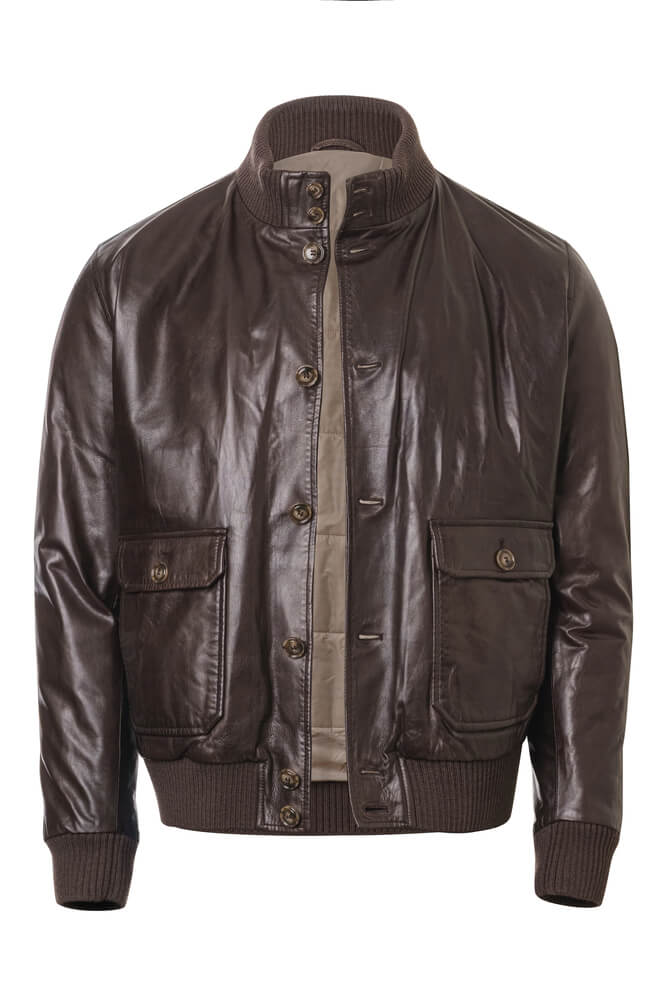
The Army Air Corps adopted the A-2 horsehide jacket in 1931, with a knit collar and cuffs and a snug waist. Pilots wore them in cold cockpits during World War II, and surplus examples later passed into civilian wardrobes.
The leather cracks if left dry, so jackets stored well are worth far more than ones that spent decades in a damp attic. Painted squadron art on the back can add interest.
Wool Blankets
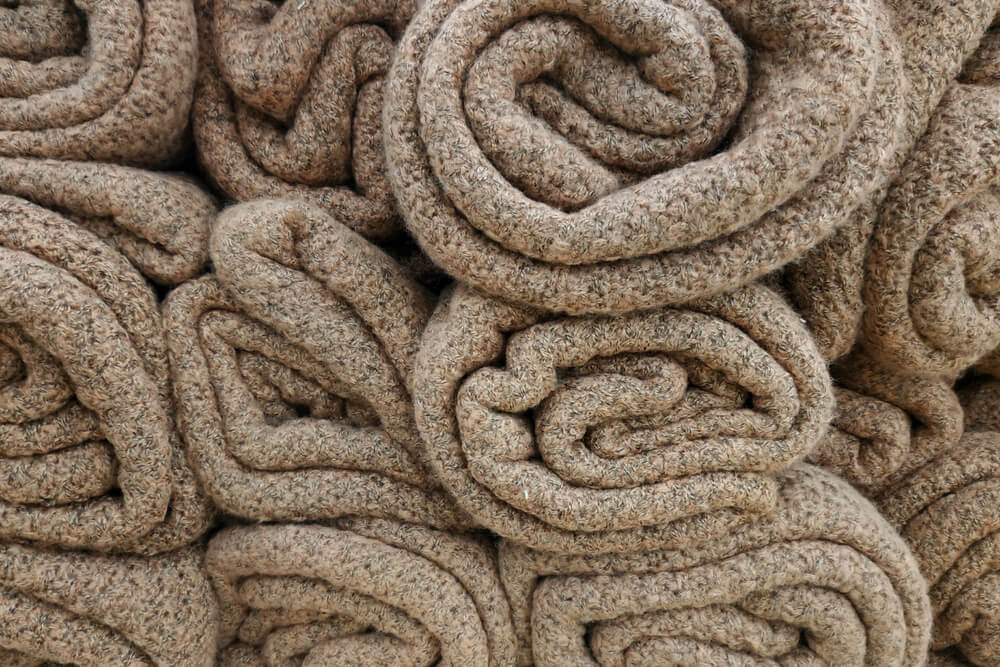
Army wool blankets were scratchy, heavy, and nearly impossible to wear out. Wool stays warm even when damp, which made them popular with campers, hunters, and families who needed an extra layer on cold nights.
Many carried a U.S. marking in stripes or stenciling. Moth damage and mildew can ruin a blanket, so clean, intact examples are the ones that hold their value.
Canteens and Mess Kits
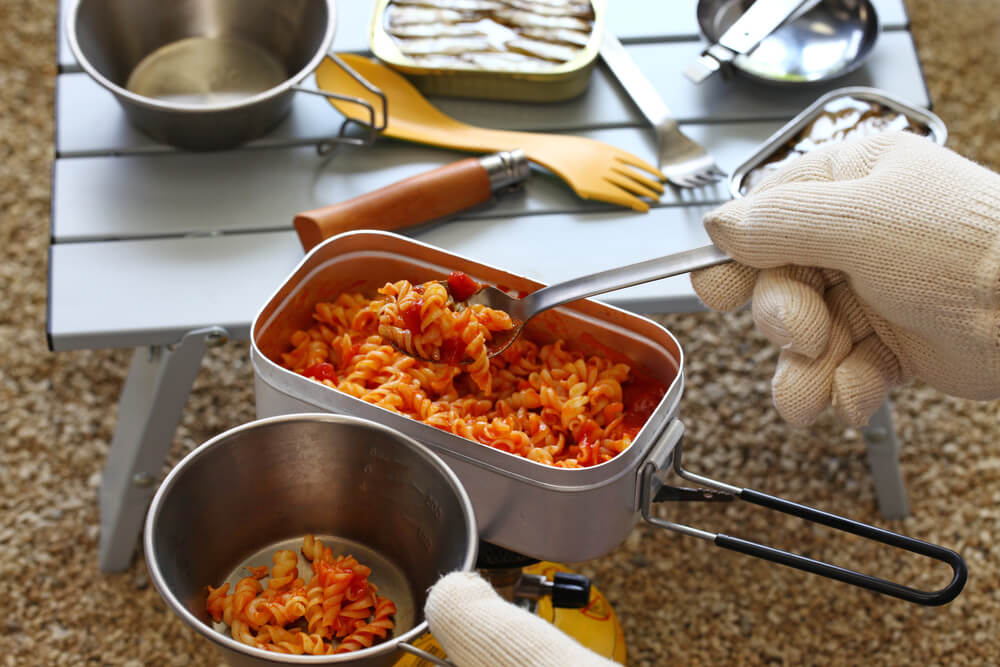
The one-quart canteen was usually carried with a metal cup that nested beneath it, a design that let hikers boil coffee over a fire. Mess kits folded into a compact set of pans and utensils that fit in a pack.
Boy Scouts and weekend campers snapped them up because they were cheaper and tougher than sporting goods. Dents and rust lower value, while original covers raise interest.
Ammo Cans
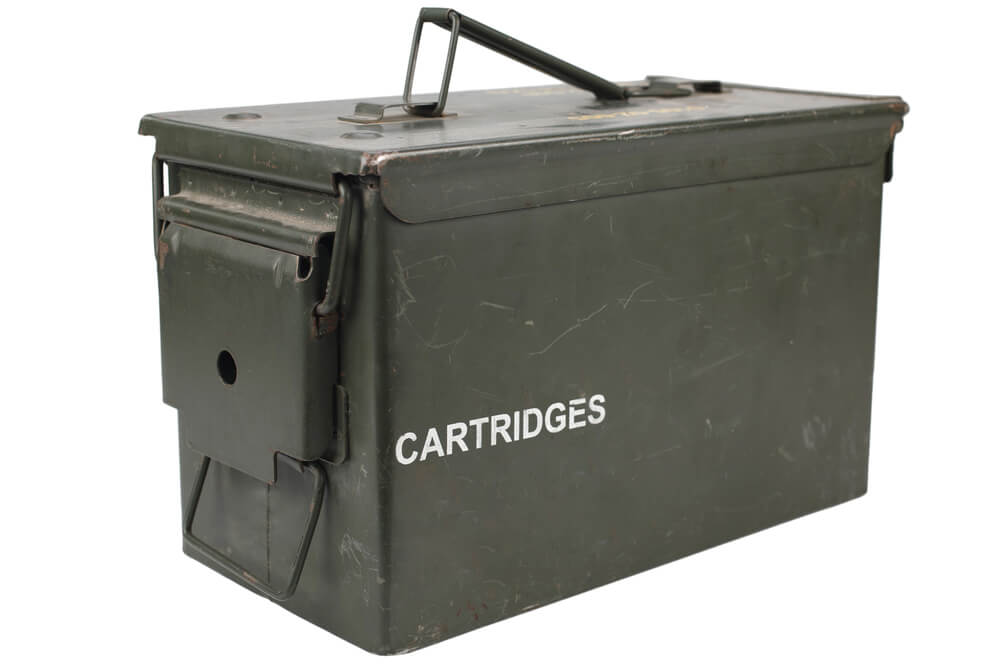
Metal ammunition cans, especially the .50 caliber size, closed with a rubber gasket and a latch that kept moisture out. Civilians repurposed them as toolboxes, camping boxes, and storage bins.
Their tight seals still keep out dust better than many modern containers. Cans with intact gaskets and original markings are the ones collectors prefer.
s
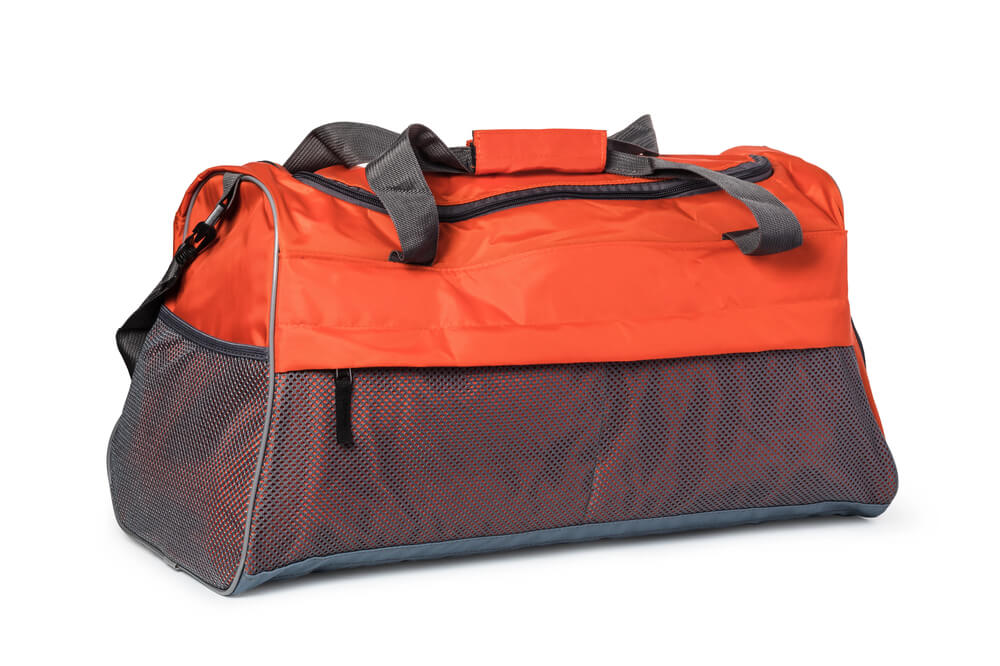
The duffel bag takes its name from Duffel, a town in Belgium that gave its name to a coarse woolen cloth. Military duffels in canvas held a sailor’s or soldier’s gear in one long bag with a drawstring and shoulder strap.
After service, they showed up in dormitories, attics, and garages. Stenciled names and unit marks make some bags more interesting than blank ones.
Jungle Boots
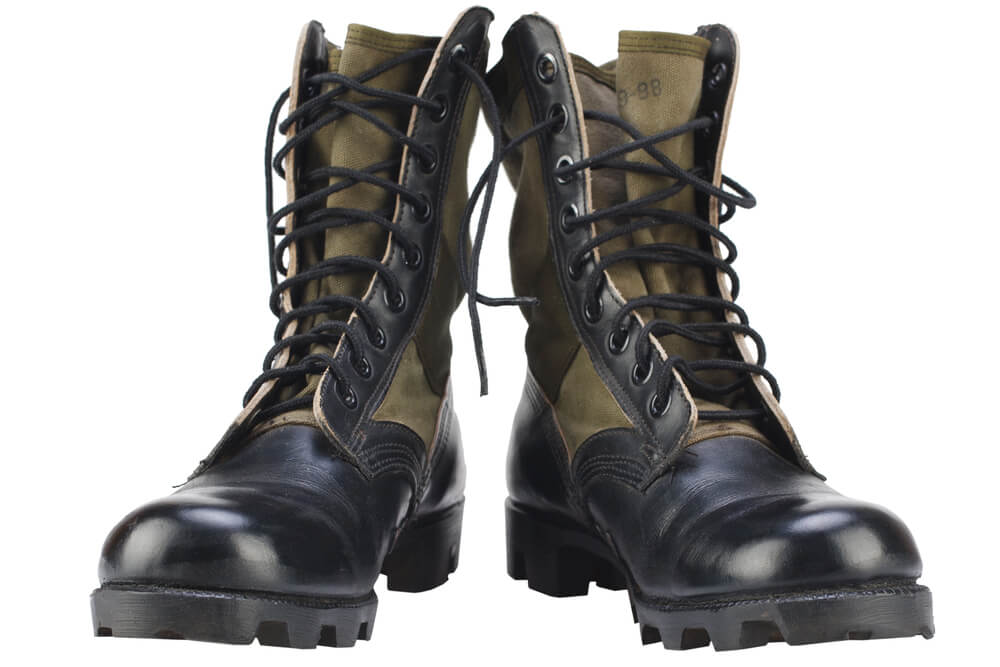
Vietnam-era jungle boots combined leather with canvas panels and small vents near the arch that let water drain out. They dried faster than all-leather boots, which suited both soldiers and hikers.
Surplus stores sold them for work, camping, and winter walking. Cracked rubber soles and rotted canvas reduce value, so storage conditions matter.
Ponchos and Shelter Halves

Army ponchos had a hood and grommets at the edges, which let a wearer shed rain or turn the garment into a small shelter. Shelter halves buttoned together in pairs to make a pup tent, so two soldiers each carried half.
Campers used them for decades because the canvas was stout and the price was low. Faded fabric, missing stakes, and torn grommets cut into value.
Entrenching Tools
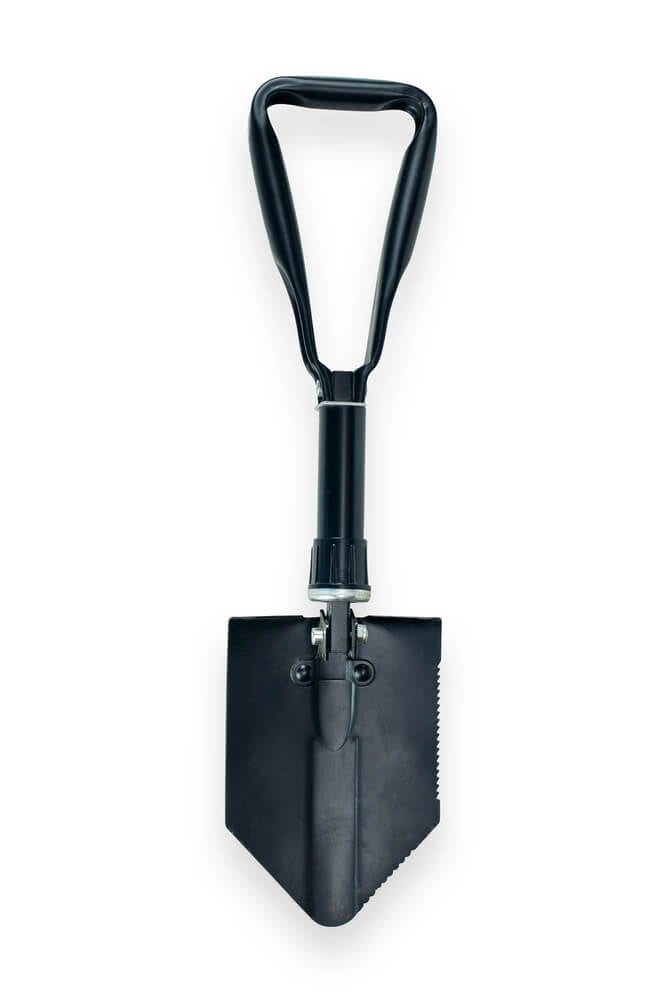
The folding entrenching tool, nicknamed the E-tool, packed a shovel blade onto a short handle that collapsed for carrying. The blade could be locked at different angles so it served as a hoe or a pick.
Gardeners, anglers, and campers bought them for the compact size and sturdy construction. Original canvas covers and unrusted blades are the markers of a good example.
Lensatic Compasses
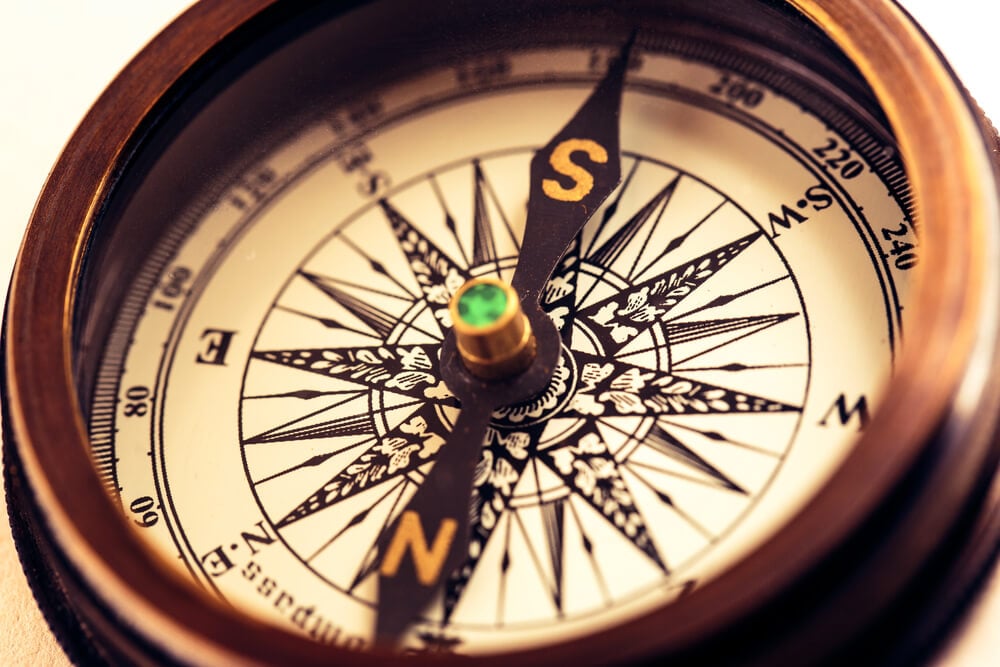
The military lensatic compass had a folding sighting wire and a rear lens, so a user could aim at a distant landmark and read a bearing at the same time. Hikers and scouts valued the sturdy case and luminous markings, which glowed dimly after dark.
Surplus compasses often turned up in tackle boxes and glove compartments. Scratched lenses and sticky dials mean a compass may no longer be accurate.
ALICE Packs
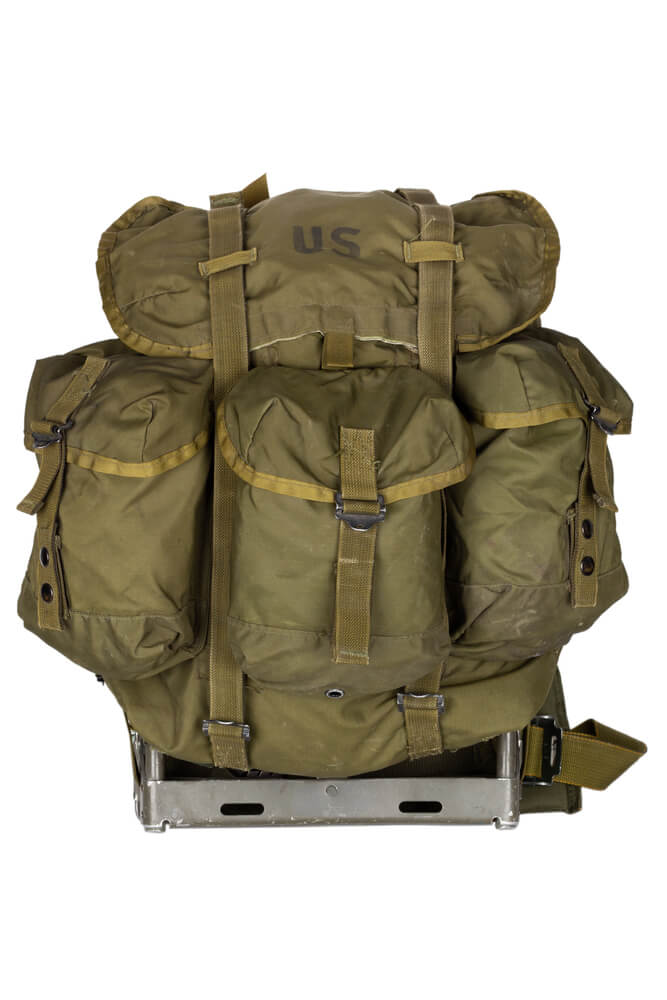
The Army’s ALICE pack, short for All-purpose Lightweight Individual Carrying Equipment, entered service in the 1970s with a nylon sack and a frame. Hikers bought surplus ones because they were rugged and cost less than outdoor-store brands.
The pack’s many loops let owners attach extra gear. Torn straps and stiff buckles lower value, while original frames are worth keeping together.
Parachute Silk

After World War II, surplus parachutes made of silk or nylon became wedding gowns, blouses, and scarves for families who still found fabric scarce. The material was light, strong, and cheap compared with new yardage.
Seamstresses took it apart and used every panel. Stains and brittle fabric make old parachute cloth difficult to use, though original packing tags can add collector interest.
Quonset Huts
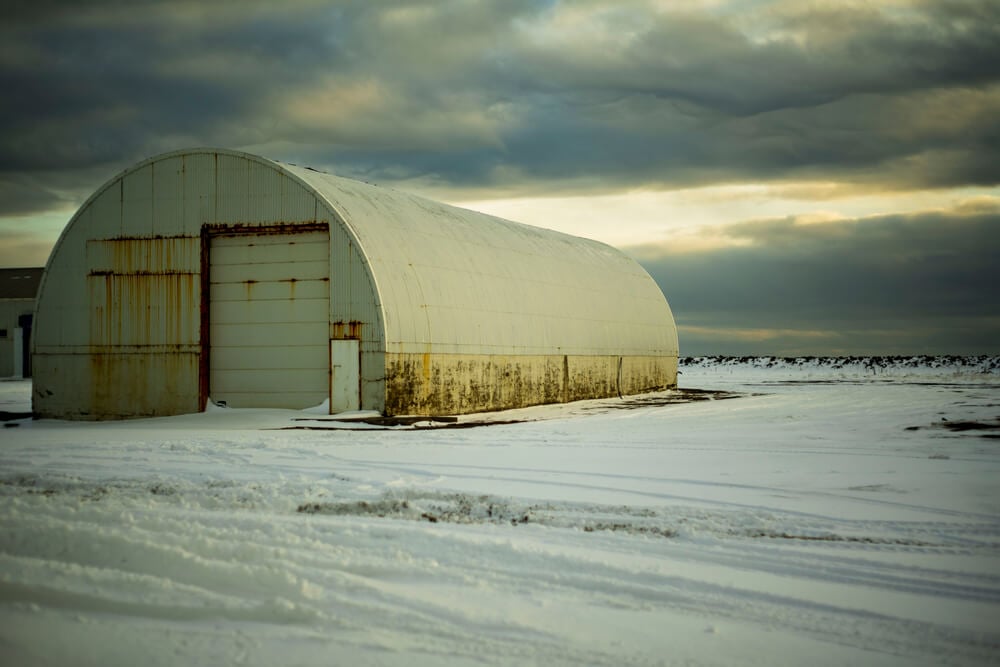
The Quonset hut was first built in 1941 at Quonset Point, Rhode Island, as a semicircular shelter of corrugated steel. After the war, surplus huts were sold to the public and became houses, workshops, churches, and barns.
Many are still standing across the country. Original structures with their steel ribs intact are rare finds for anyone who loves mid-century buildings.
Surplus Jeeps
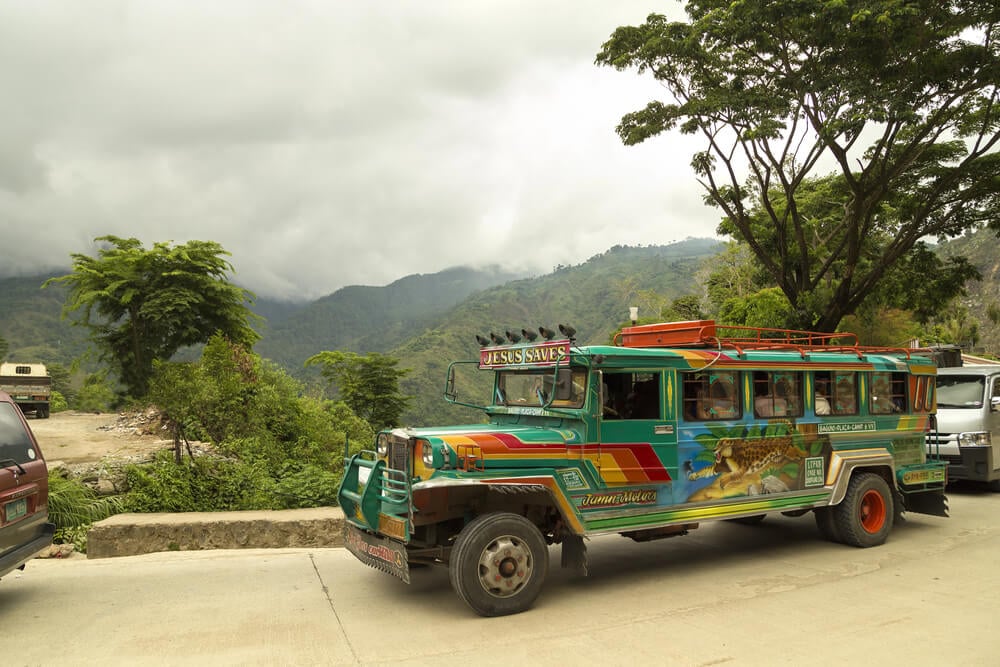
After the war, surplus military Jeeps were sold to farmers, ranchers, and hobbyists who needed a tough utility vehicle. Willys-Overland introduced the civilian CJ-2A in 1945, building on what buyers had already learned from the military model.
Surplus Jeeps worked on farms and construction sites for years. Rust-free frames and original parts are the key to condition, and a good one can be hard to find today.
The Appeal of Gear Built for Someone Else
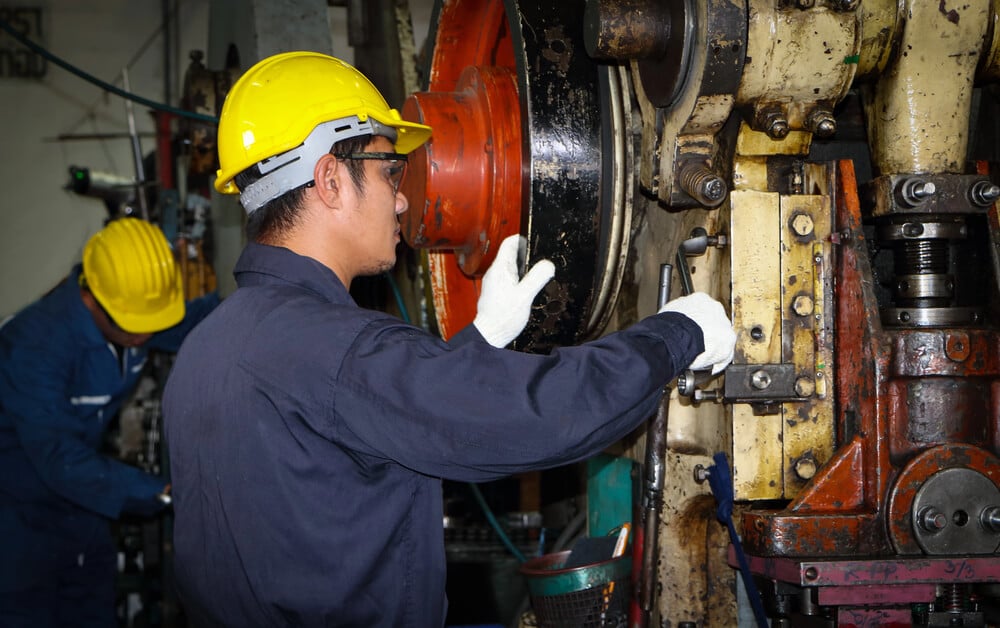
Surplus stores offered a shortcut to quality. Equipment built for soldiers had to survive mud, rain, and rough handling, which made it a bargain for ordinary customers.
Buyers paid for toughness and got stories in the bargain.
The stock also reflected how Americans lived. A pea coat at the college library, a canteen on a scout hike, and a Quonset hut in the backyard all came from the same pipeline.
The habit of wearing and using what others had left behind never really faded.
More from Go2Tutors!

- 27 Silver Dollars and Half Dollars Worth Keeping
- 28 Restaurant Menu Items Nobody Orders Anymore
- 17 Places Built in Seemingly Impossible Spots
- 27 Vintage Rings Worth More Than They Look
- 25 Restricted Sites Tourists Can’t Enter
Like Go2Tutors’s content? Follow us on MSN.