Wholesome Facts About Your Favorite Childhood Toys
There’s something magical about remembering the toys that shaped your earliest years. These weren’t just objects scattered across playroom floors — they were companions, teachers, and gateways to entire worlds that existed nowhere else but in your imagination.
Behind each beloved toy lies a story worth telling, often more heartwarming than you might expect.
Teddy Bears
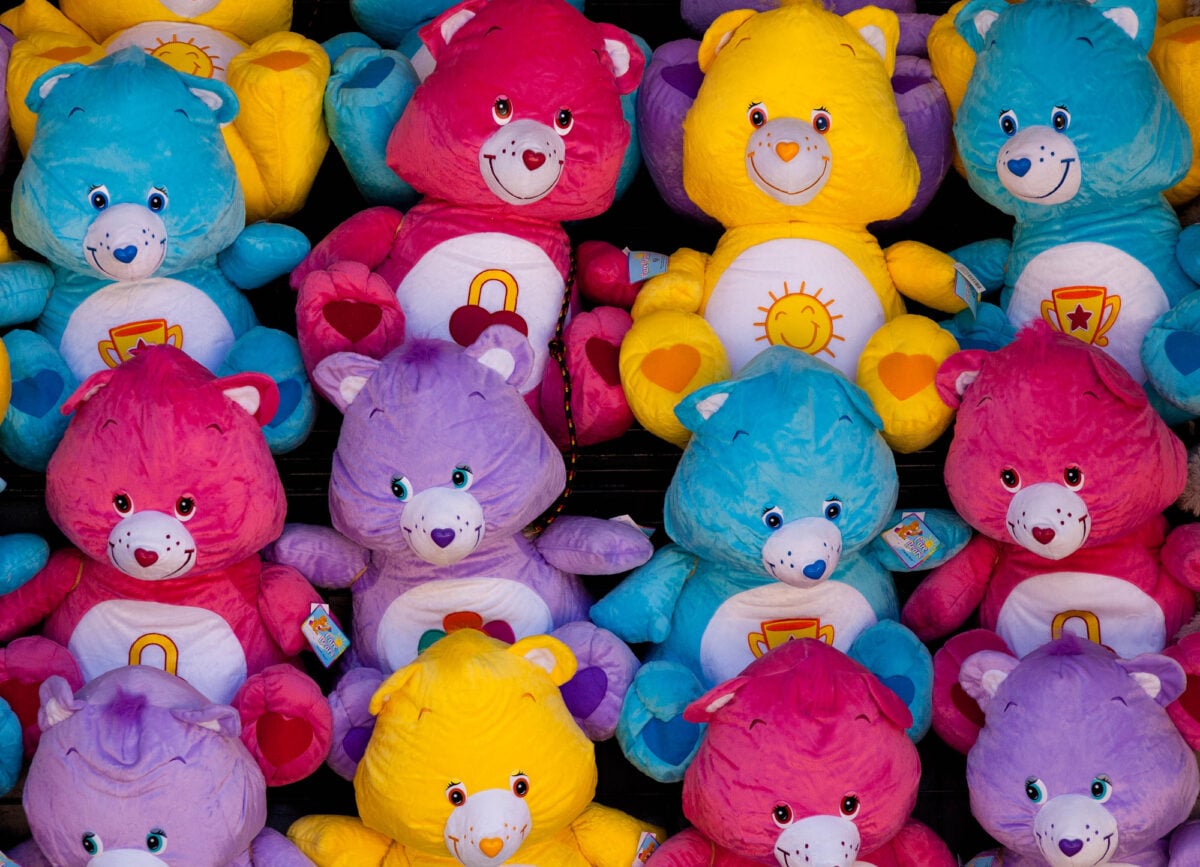
The teddy bear exists because a president refused to shoot a wounded animal. Theodore Roosevelt, on a hunting trip in 1902, declined to kill a bear that had been tied to a tree for him.
The story spread, a political cartoon followed, and toymakers seized the moment. Every teddy bear traces back to that single act of compassion.
LEGO Bricks
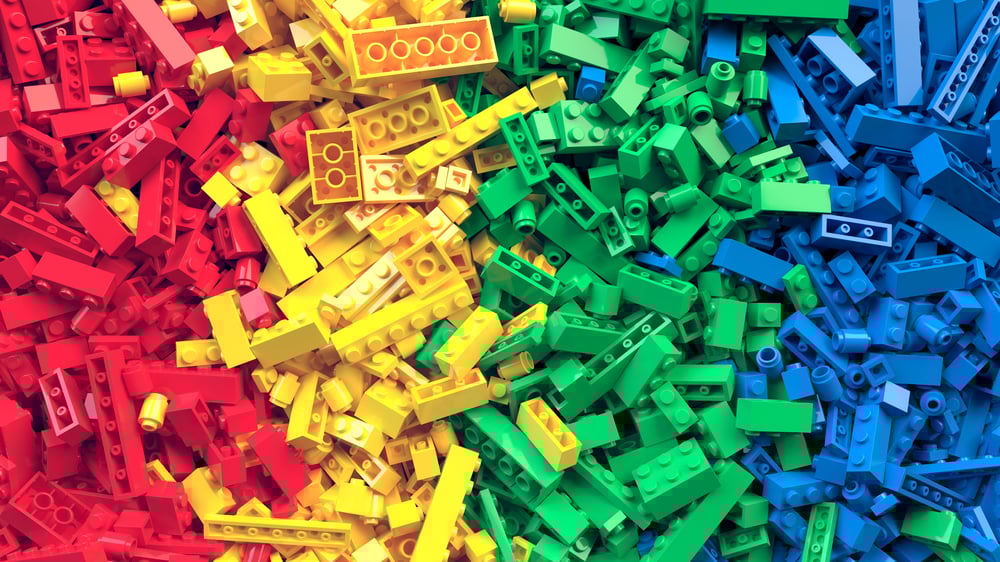
LEGO bricks from 1958 still connect perfectly with ones made today. The company has never changed the fundamental design.
That brick you stepped on barefoot as a kid could snap together with whatever your children are building right now. Some traditions refuse to break.
Crayons
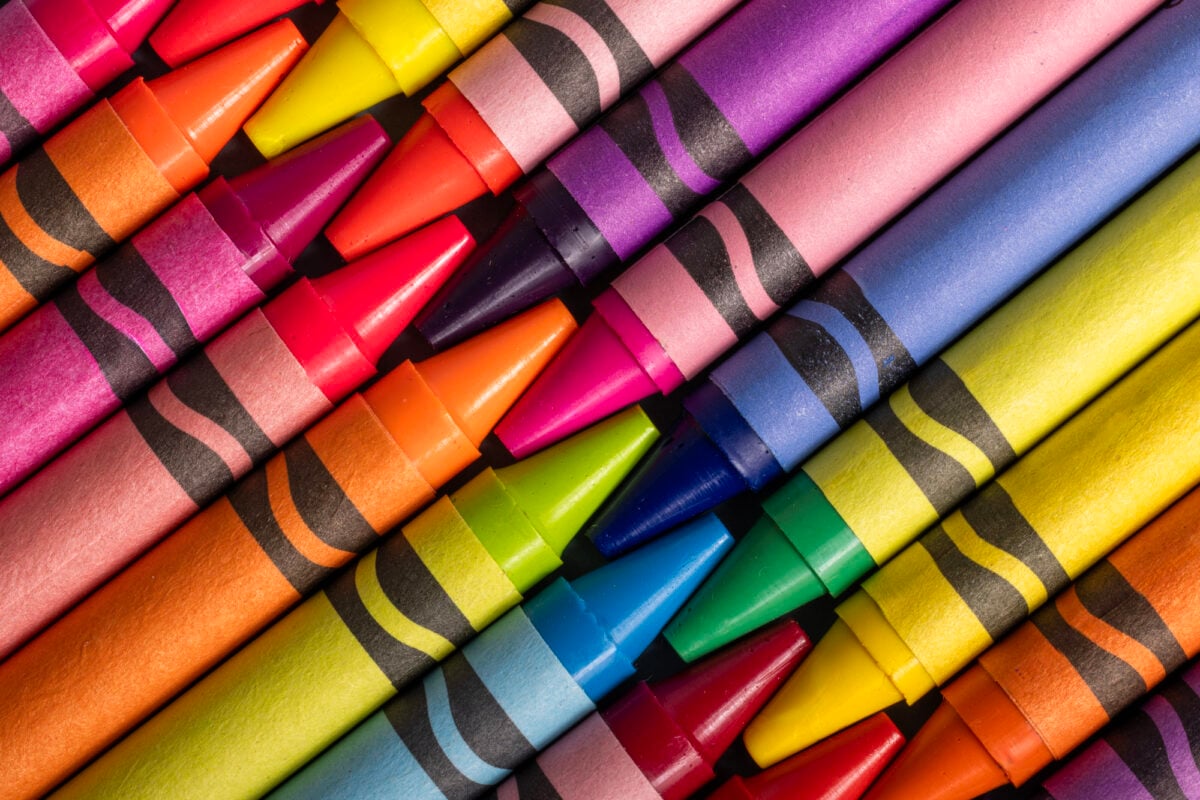
There’s a person whose job title is “Chief Color Officer” at Crayola, and it’s exactly what it sounds like — someone who spends their days deciding what new colors should exist in the world. They’ve named over 400 different shades, and each one started as a conversation about what children might want to create (though to be fair, some of those names make you wonder what those conversations actually sounded like, because “Inchworm” and “Macaroni and Cheese” aren’t colors that occur to most people naturally).
But here’s the thing that really gets you: retired Crayola colors get their own farewell ceremonies. In 2017, they held an actual retirement party for “Dandelion Yellow” at Times Square, complete with a ceremony that felt oddly moving for something involving a stick of colored wax.
And yet there’s something deeply human about grieving the loss of a particular shade of yellow that helped countless children draw their first suns.
Barbie Dolls
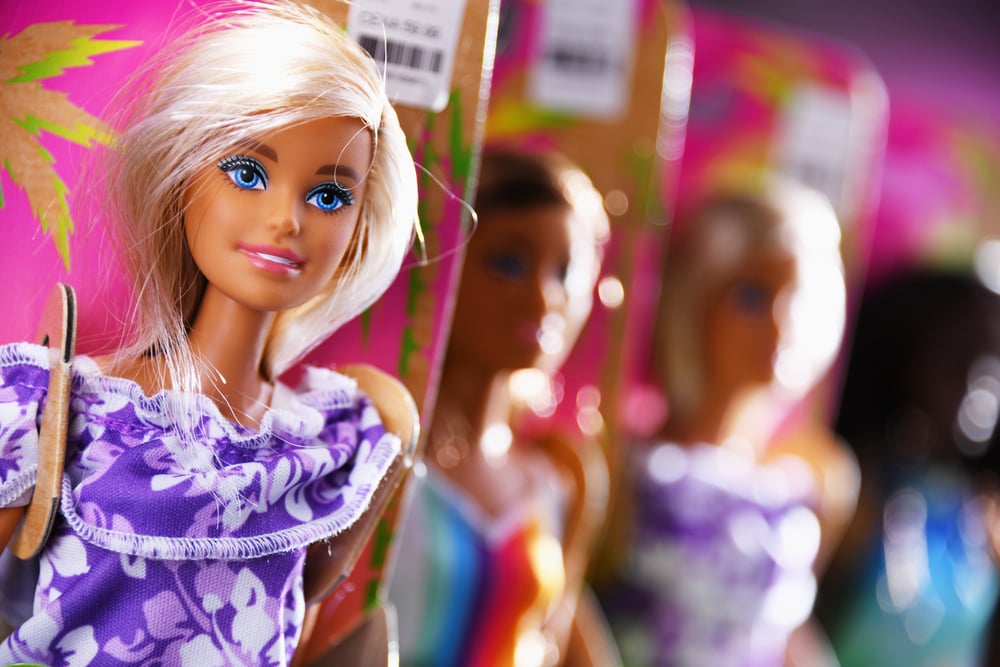
Barbie was created by a mother watching her daughter play. Ruth Handler noticed her daughter Barbara preferred adult dolls to baby dolls, imagining grown-up stories rather than nurturing games.
Most toy companies insisted girls only wanted to practice being mothers. Handler disagreed and built an empire on that instinct.
Slinky

The Slinky was invented by accident when a naval engineer knocked a spring off his desk. Richard James watched it “walk” down a stack of books and saw something everyone else had missed.
Sometimes the best discoveries happen when you’re looking for something else entirely. Picture a toy that teaches physics without announcing itself as educational — that’s what happens when you watch a Slinky navigate stairs for the first time.
The metal coils seem to pour themselves downward, each step a small lesson in gravity and momentum disguised as pure magic. Children don’t see science; they see something alive, something that moves with its own mysterious logic.
The original Slinky factory in Pennsylvania still uses the same 80-foot wire for every spring, cut and shaped by machines that have been running for decades. There’s poetry in that consistency, in the idea that millions of childhoods have been shaped by identical strips of metal, each one carrying the same potential for wonder.
Play-Doh
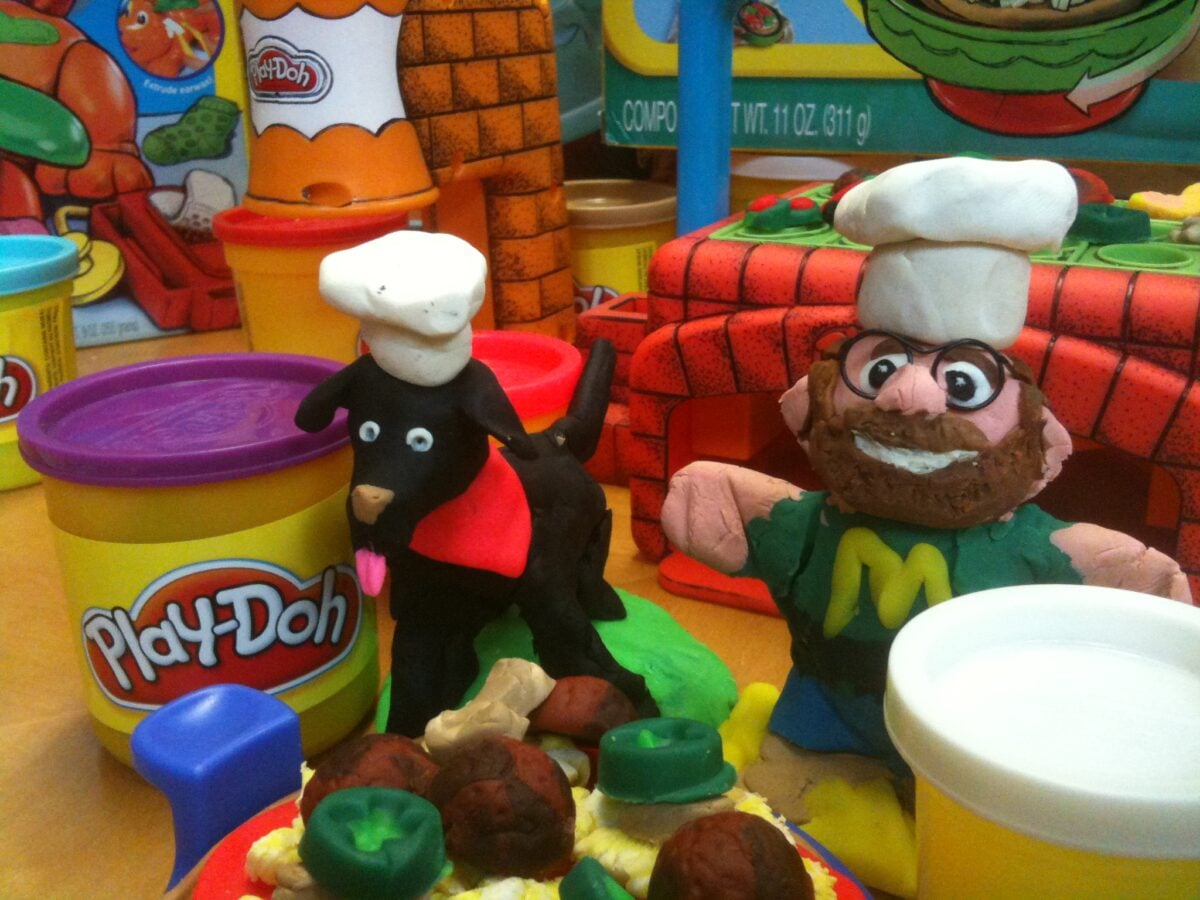
Play-Doh was originally a wallpaper cleaner. The company faced bankruptcy when vinyl wallpapers made their cleaning putty obsolete.
A teacher suggested the putty might work as modeling clay for children. The pivot saved the company and created something that smells like childhood itself.
Smell is the strongest trigger of memory, and Play-Doh figured out how to bottle nostalgia decades before anyone understood the science behind it. That particular scent — slightly sweet, faintly chemical, unmistakably artificial — bypasses rational thought entirely and drops you directly into kindergarten art class.
Mr. Potato Head
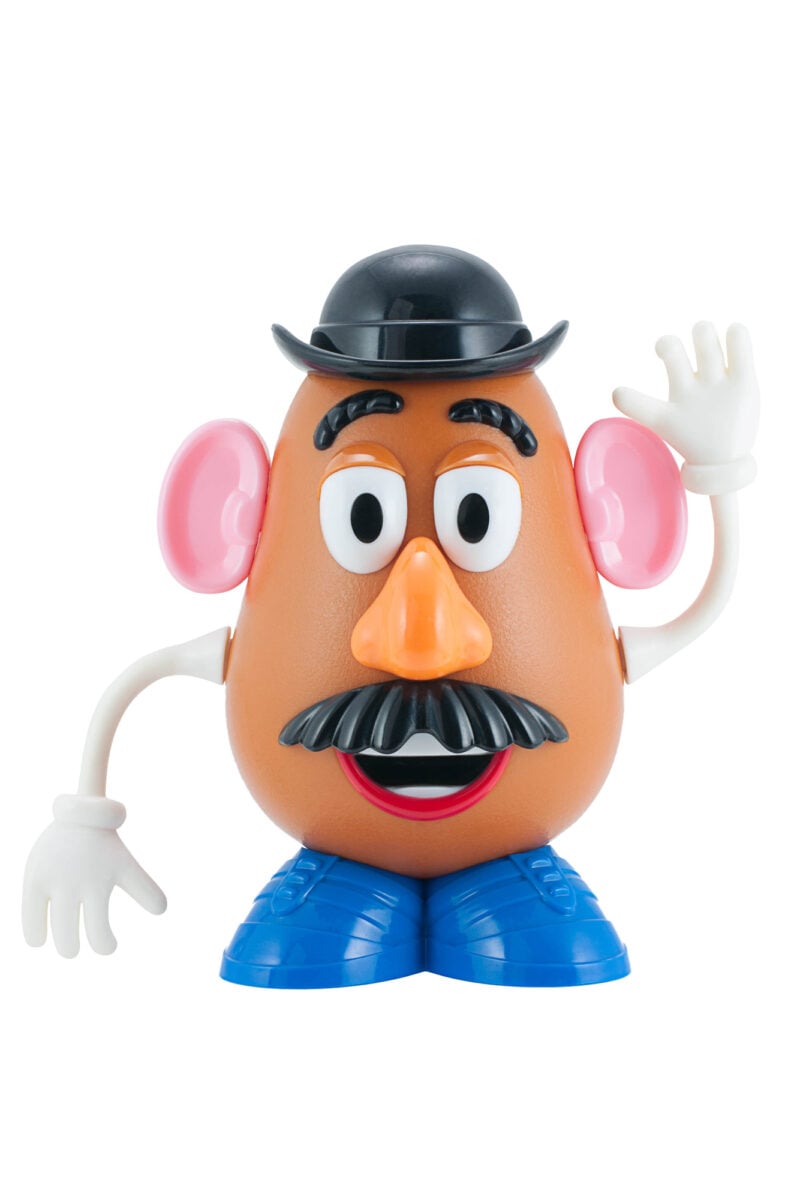
Mr. Potato Head was the first toy advertised directly to children on television. Before 1952, toy commercials targeted parents exclusively.
The campaign worked so well it changed advertising forever. Your childhood was shaped by the assumption that kids could influence purchasing decisions — and it started with a plastic potato.
Hot Wheels
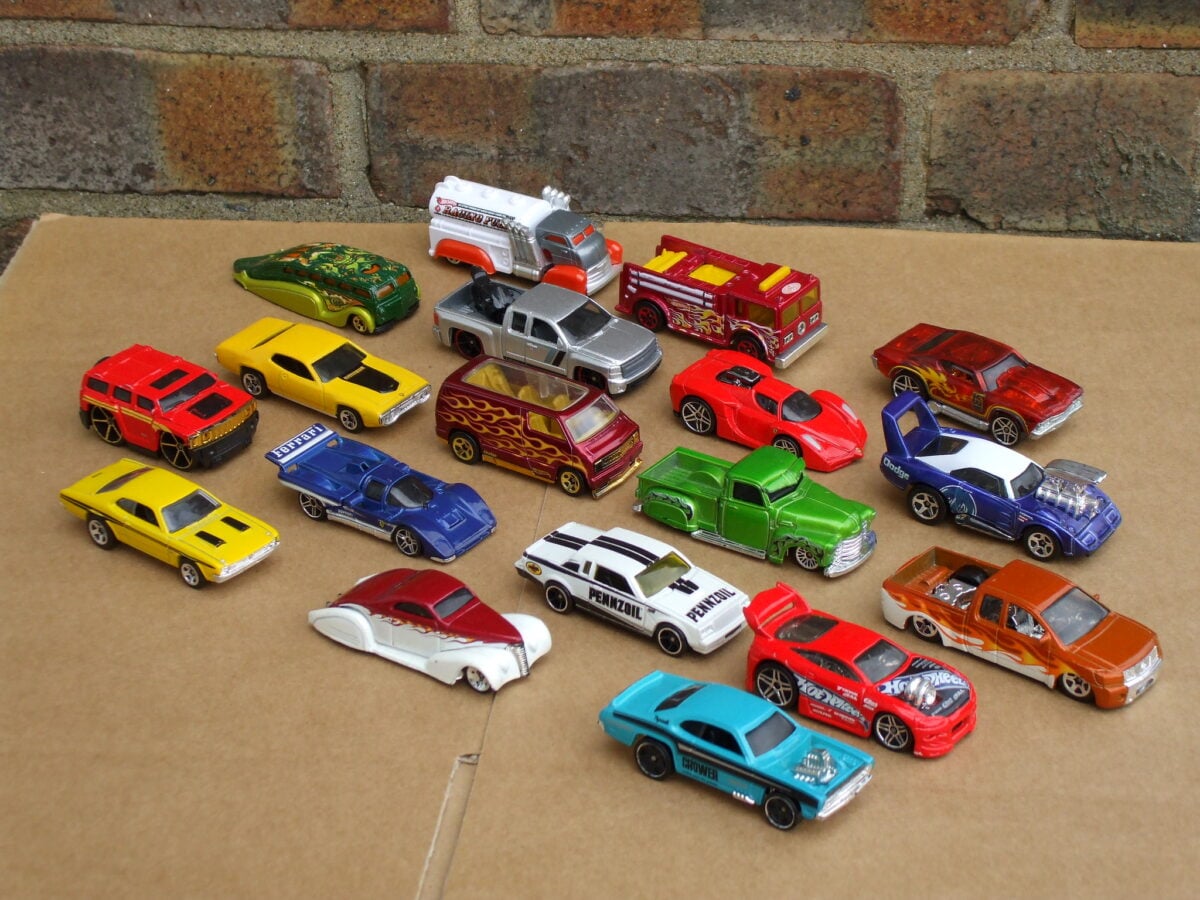
Hot Wheels cars are designed to be faster than they need to be for imaginative play. Mattel hired actual automotive designers and rocket scientists to create the perfect toy car.
The orange track pieces use a specific grade of plastic that reduces friction to near-zero levels. No detail was considered too small when the goal was pure speed.
Rubik’s Cube

Like watching someone solve a Rubik’s Cube without breaking eye contact — there’s something unsettling about effortless mastery of what feels impossible to everyone else. The cube was invented by a Hungarian architecture professor trying to explain three-dimensional geometry to his students, but it escaped academia and became something else entirely: a pocket-sized humility machine.
Most people can solve one side and feel accomplished until they realize they’ve destroyed the other five sides in the process. The world record holders can solve it in under five seconds, their fingers moving faster than most people can follow, turning what looks like magic into muscle memory.
But here’s what really matters: the cube doesn’t care about your approach, your strategy, or your frustration. It just sits there, waiting, indifferent to everything except the correct sequence of moves.
View-Master
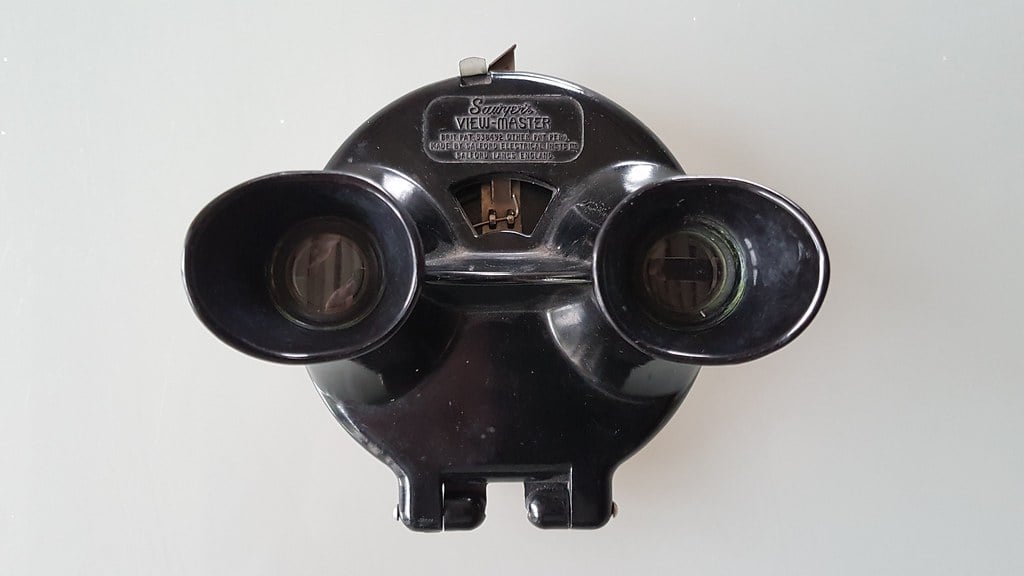
View-Master reels were originally created for adults as a way to see tourist destinations in 3D. The toy market was an afterthought that became the main business.
Those little round discs were meant to sell vacation packages, not fuel children’s imaginations. The fact that kids loved them more than adults was happy accident number two.
Lincoln Logs
Lincoln Logs were invented by the son of architect Frank Lloyd Wright. John Lloyd Wright designed them after watching his father work on earthquake-resistant buildings in Japan. The interlocking log system mimics traditional Japanese construction techniques.
Every frontier cabin built in the living room carries a bit of architectural history. John Lloyd Wright understood something essential: children don’t build houses, they build homes, and there’s a difference that matters.
Lincoln Logs gave kids a way to create structures that felt permanent even when they’d be knocked down before dinner.
Etch A Sketch
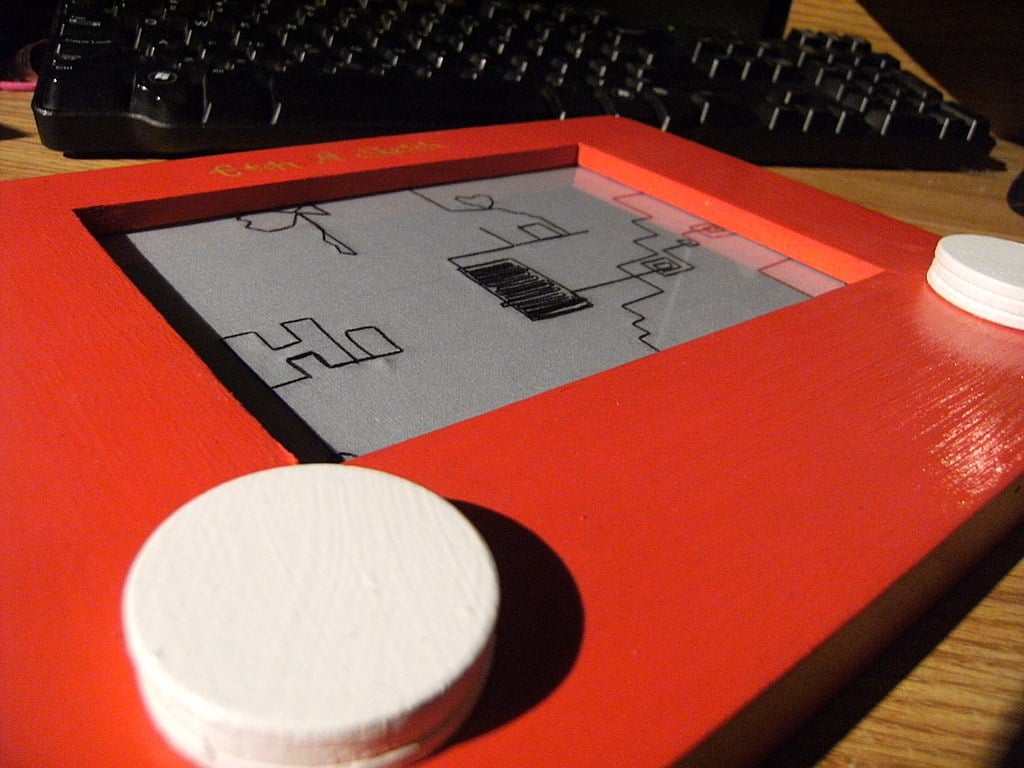
The Etch A Sketch almost didn’t make it to market because executives couldn’t figure out how to demonstrate it on television. The solution came from an advertising executive’s daughter, who suggested they draw the word “HELLO” on screen.
That single word convinced buyers the toy was worth manufacturing.
Yo-Yos
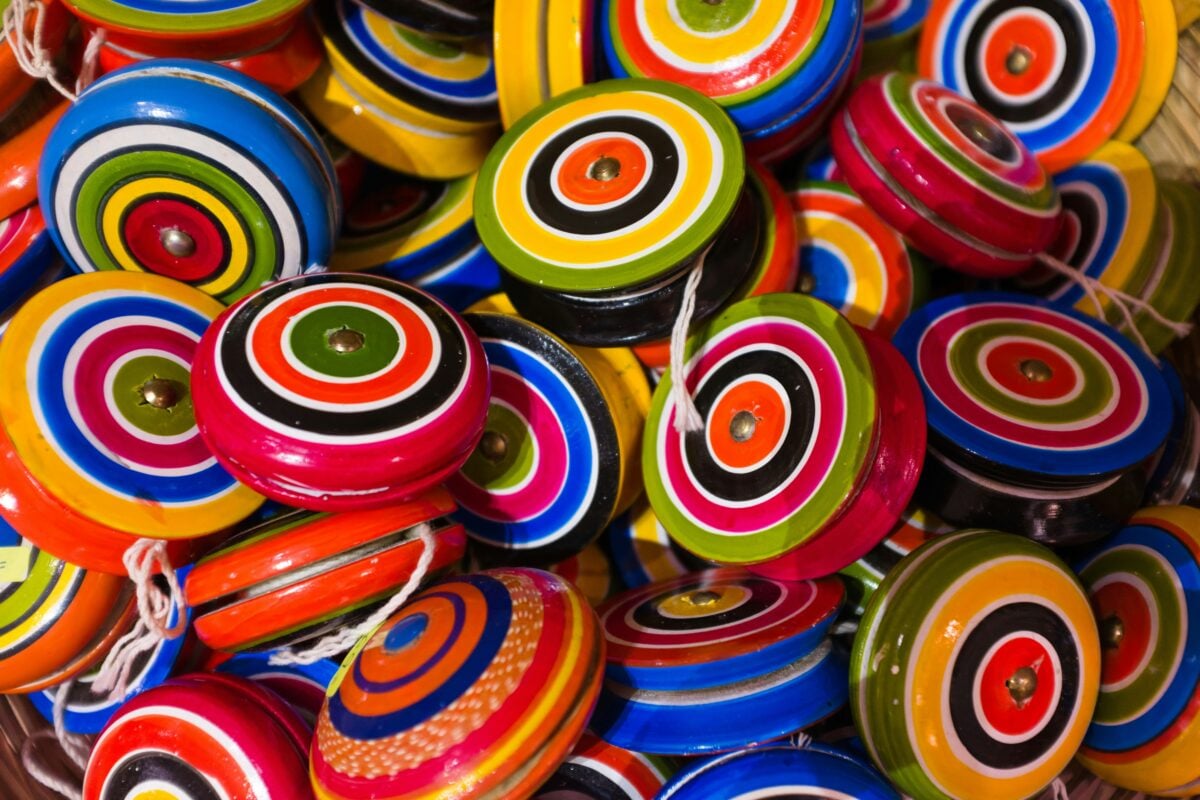
Yo-yos have been around for over 2,500 years, but the modern version was popularized by a man who saw kids playing with them in the Philippines and brought the concept to America. Pedro Flores started the Yo-yo Manufacturing Company in 1928, using the Filipino technique of tying the string around the axle with a loop instead of a knot.
That small change made tricks possible and turned a simple toy into an art form.
Magic 8-Orb
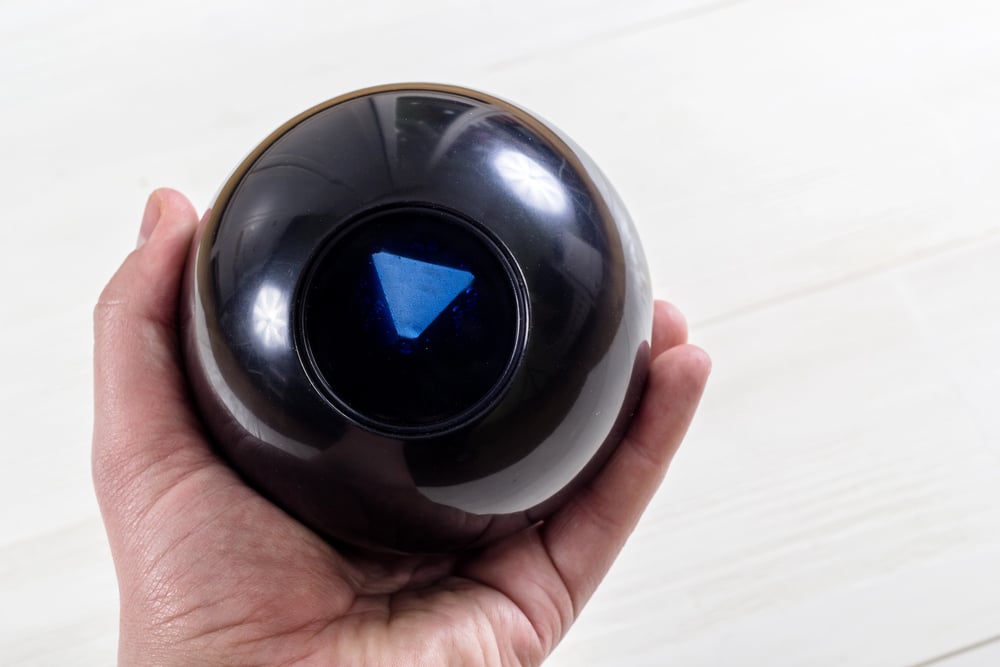
The Magic 8-Orb was inspired by a spirit-writing device used by fortune tellers. The inventor’s mother was a clairvoyant who used a similar tool in her psychic readings.
The transition from séance room to toy store happened when someone realized children might enjoy having their own portable oracle, even if the answers were randomly generated. The Magic 8-Orb succeeds because it takes uncertainty and makes it feel official.
Adults know the answers are meaningless, but there’s comfort in consulting something that responds with confidence, even when that confidence is completely artificial.
Forever Young
These toys endure because they solve problems their creators never intended to address. They gave children ways to build, imagine, and explore that felt limitless within very specific constraints.
The best childhood toys weren’t trying to educate or develop skills — they were simply trying to be worth playing with again tomorrow. That turned out to be enough.
More from Go2Tutors!

- The Romanov Crown Jewels and Their Tragic Fate
- 13 Historical Mysteries That Science Still Can’t Solve
- Famous Hoaxes That Fooled the World for Years
- 15 Child Stars with Tragic Adult Lives
- 16 Famous Jewelry Pieces in History
Like Go2Tutors’s content? Follow us on MSN.



