15 reasons why cows have best friends in herds
Think of cows as simple animals that just munch grass all day? Think again. Research done by Krista McLennan of Northampton University indicates that cows do indeed have “best friends.” These remarkable animals form complex social networks that rival those of many species we consider highly intelligent.
Scientists are increasingly discovering how cattle form particularly strong social bonds and rely on each other for support when things get stressful. Their social lives are far more intricate than most people realize, with friendship patterns that mirror human relationships in surprising ways.
Here is a list of 15 fascinating reasons why cows develop these meaningful friendships within their herds.
Stress Reduction Through Companionship

When paired with their best friend, the cows’ heart rates were significantly lower and they experienced less stress overall. Just like humans feel calmer around close friends, cows experience measurable physiological benefits from their preferred companions. Their bodies literally relax when they’re near their buddies, with stress hormones dropping to healthier levels.
Social Grooming Creates Lasting Bonds
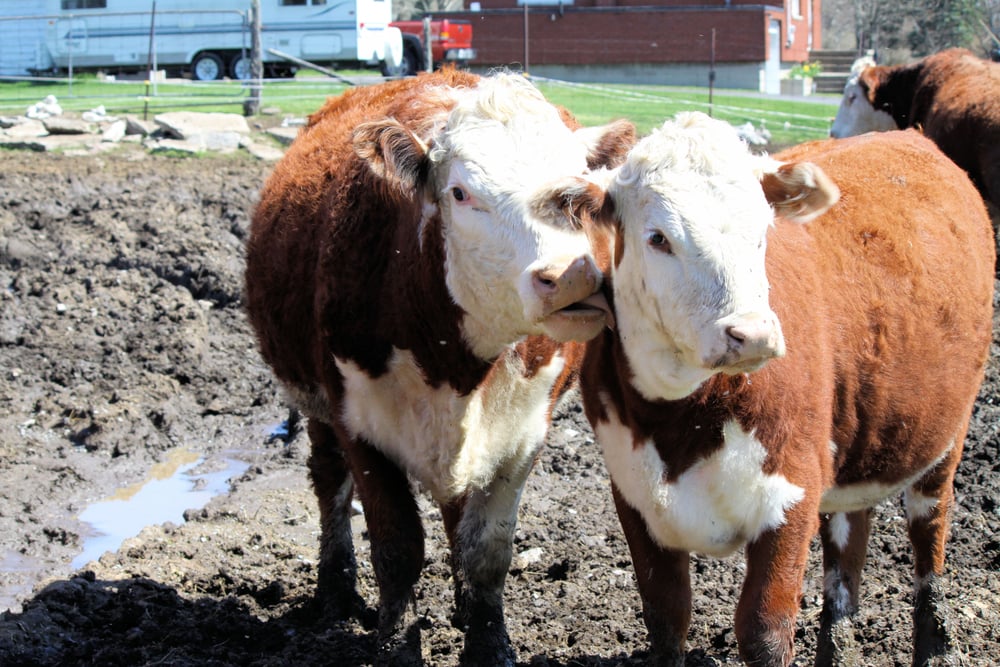
Licking one another, a behavior known as allogrooming, seems to reinforce those social connections. This isn’t just about staying clean – it’s cow friendship 101. “Our results indicate that licking behavior is important to make friends and to maintain harmony in the herd,” says Monti. Think of it like humans giving each other back rubs or high-fives to show affection.
Individual Recognition Abilities

Each animal can recognize 50 or more members of the herd, and relationships are very important to cows. Cows don’t see their herd as one big anonymous group. The heifers recognized more easily a familiar individual than an unfamiliar one. They remember faces, voices, and individual characteristics just like we remember our human friends and family members.
Emotional Support During Difficult Times
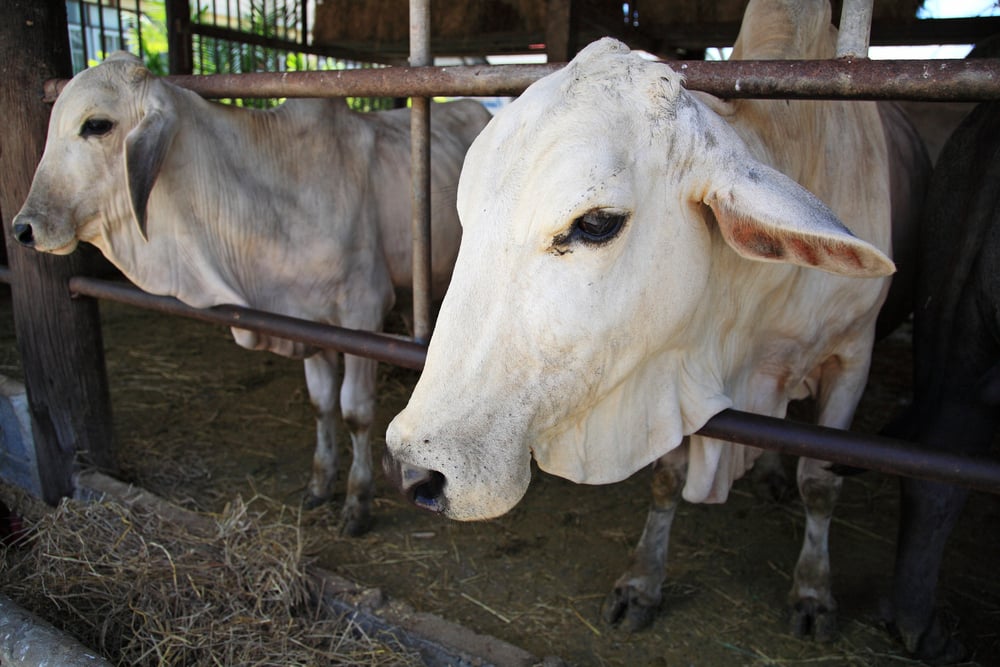
Often cows will lie near a stressed herdmate, particularly if it’s a friend. When one cow is feeling anxious, sick, or upset, their friends provide comfort through physical presence. Being away from their bestie puts a lot of stress on cows, showing just how much they depend on these relationships for emotional stability.
Enhanced Learning and Cognitive Function

Cows that grew up with a buddy learned significantly quicker where to find the new source of milk, indicating a higher level of mental flexibility and adaptability to change. Friendship literally makes cows smarter. Having a companion provides mental stimulation and learning opportunities that isolated cows miss out on, much like how human children learn better in social environments.
Mutual Grooming Reciprocity

Cows tended to groom other cows that had previously groomed them, perhaps strengthening a sort of friendship among individuals. This ‘you scratch my back, I’ll scratch yours’ mentality shows sophisticated social understanding. The cows that did not focus their allogrooming on specific individuals actually received less attention themselves over time.
Communication Through Individual Voices

The study found that cows keep their individual moo throughout their lives. “They have all got very distinct voices,” said Alexandra Green, the study’s lead author. Friends recognize each other’s unique calls across the pasture. “Even without looking at them in the herd, I can tell which one is making a noise just based on her voice.”
Social Hierarchy Navigation

Boss cows will often rest near other boss cows, with the mid-level and bottom-level animals more commonly associating with others of their “class.” Cows form friendships within their social ranks, helping each other navigate complex herd politics. They consistently choose leaders who have good social skills and are intelligent, inquisitive, self-confident, and experienced.
Protection From Aggressive Encounters

Having friends provides safety in numbers when conflicts arise within the herd. Subordinate cattle will generally avoid more dominant animals, which suggests they have the ability to recognize familiar animals that have been previously associated with positive or negative experiences. Friends can warn each other about potential threats and provide backup during tense situations.
Shared Preferences and Compatible Personalities
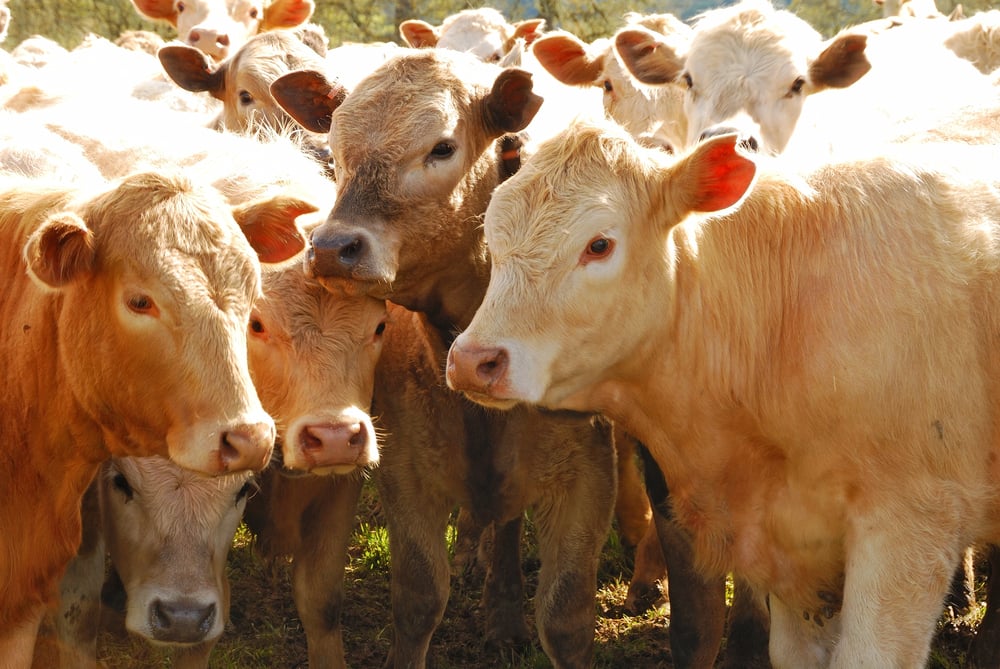
“Some cattle are friendlier than others, and some are more introverted,” Messina told LIVEKINDLY. Like attracts like in cow social circles. “All herds have different dynamics, which are just like human family dynamics,” said Messina. Cows with similar temperaments gravitate toward each other, forming natural friendship groups based on personality compatibility.
Long-Term Memory of Social Relationships
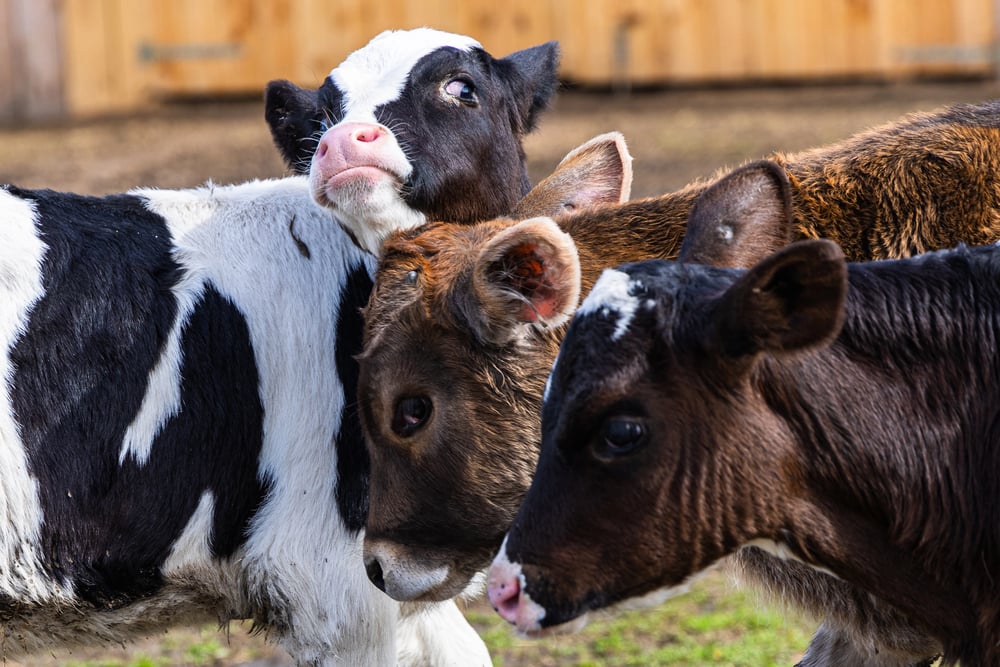
According to research, cows are generally quite intelligent animals who can remember things for a long time. These friendships aren’t fleeting – they can last for years. Researchers found that some cows only licked their best friend, and maintained these friendships for years. This long-term memory allows for deep, meaningful relationships to develop over time.
Emotional Contagion and Empathy
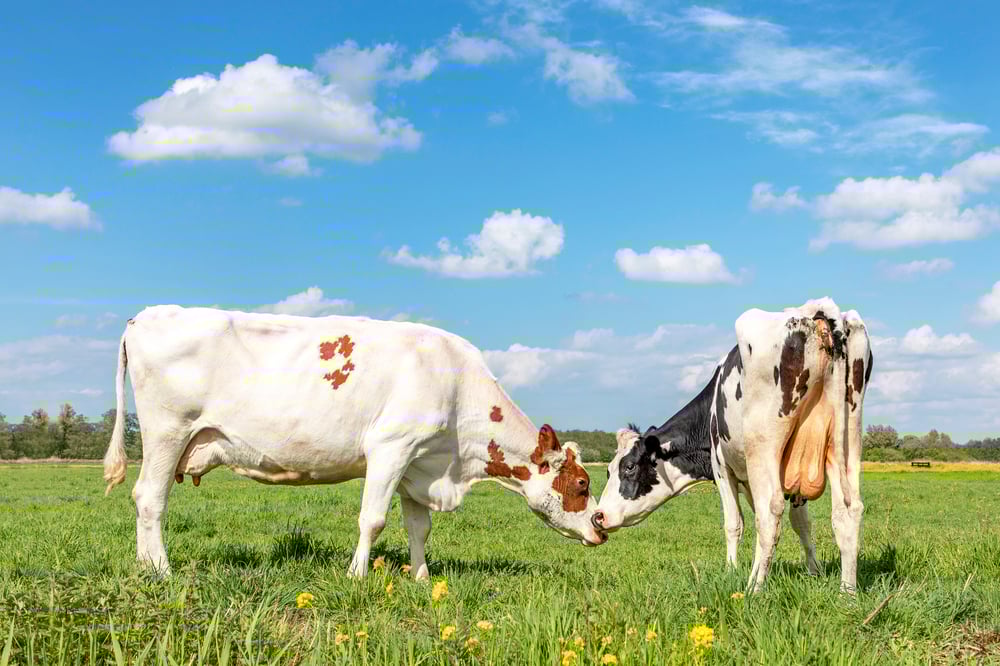
When one cow feels stressed, others in the group can sense this and may become anxious too. This phenomenon is called emotional contagion. Friends are particularly tuned into each other’s emotional states. Animal behaviorists have found that they interact in socially complex ways, developing friendships over time and sometimes holding grudges against other cows who treat them badly.
Coordinated Movement and Leadership
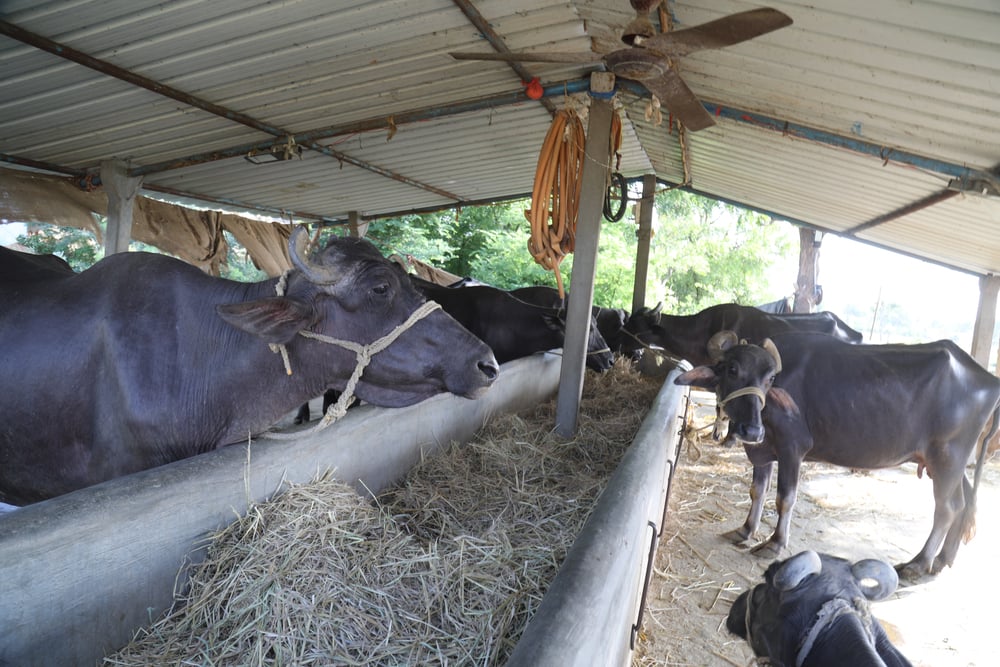
One study identified three different social structures within a dairy herd: a milking order, a leadership-followership pattern, and a dominance hierarchy. Friend groups often move together as units, with trusted companions following each other to feeding areas, water sources, and comfortable resting spots. This coordinated movement helps ensure everyone in the friendship group stays safe and well-fed.
Comfort During Environmental Changes

When herds are moved to new pastures or experience changes in their environment, having familiar friends nearby reduces anxiety and helps with adaptation. Cattle form strong bonds, which offer them social support and help them cope with the stressors that occur regularly in dairy cows’ lives. Friends provide stability during uncertain times.
Peacekeeping and Conflict Resolution

Older cows groom more individuals and suggest that they take the role of “peacemakers” in the herd. Some cows develop friendships specifically around their role as mediators, helping resolve conflicts between other herd members. These diplomatic relationships help maintain overall herd harmony and reduce tensions that could lead to fights or injuries.
The Social Heart of Herd Life
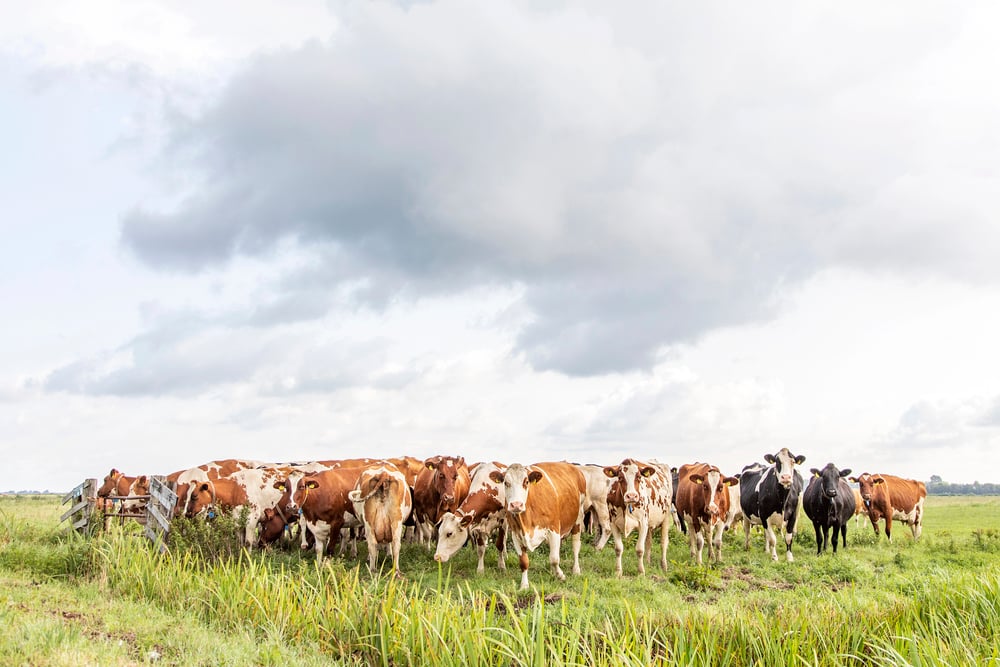
The evidence is clear: cows aren’t just livestock wandering aimlessly around pastures. Research reveals that their herds are held together by an intricate social web. These friendships serve practical purposes like stress reduction and protection, but they also reflect something deeper – the emotional complexity and social intelligence that makes each cow an individual worthy of recognition. “They all have the same social needs as humans,” she added. “And a deep need to have friends and social contact.” Understanding these relationships changes how we see these remarkable animals and reminds us that friendship, in all its forms, remains one of life’s most essential bonds.
More from Go2Tutors!

- The Romanov Crown Jewels and Their Tragic Fate
- 13 Historical Mysteries That Science Still Can’t Solve
- Famous Hoaxes That Fooled the World for Years
- 15 Child Stars with Tragic Adult Lives
- 16 Famous Jewelry Pieces in History
Like Go2Tutors’s content? Follow us on MSN.