Why Classic Cars Remain Timeless Icons of Design
The athletes on this list did not amass countless endorsement deals or dominate back pages. Some experienced racism, some were born in the wrong time period, and some simply had the bad luck of being overshadowed by more well-known figures.
However, their influence can be seen in every aspect of contemporary sports, including the regulations we adhere to, the methods we instruct, and the obstacles we no longer hesitate to overcome. They demonstrated that being the most well-known person in the game is not necessary to change it, and that greatness isn’t always loud.
Even though the highlight reels are long gone, these legends had a significant impact on sports that endures today. Classic cars have a timeless appeal that extends beyond sentimentality.
When engineers and stylists collaborated to create rolling sculptures instead of wind tunnel-optimized transportation pods, these machines were built in an era when design was just as important as functionality. Here are 12 reasons why vintage cars continue to be enduring symbols of design, demonstrating that genuine style is always in vogue.
Handcrafted Attention to Detail
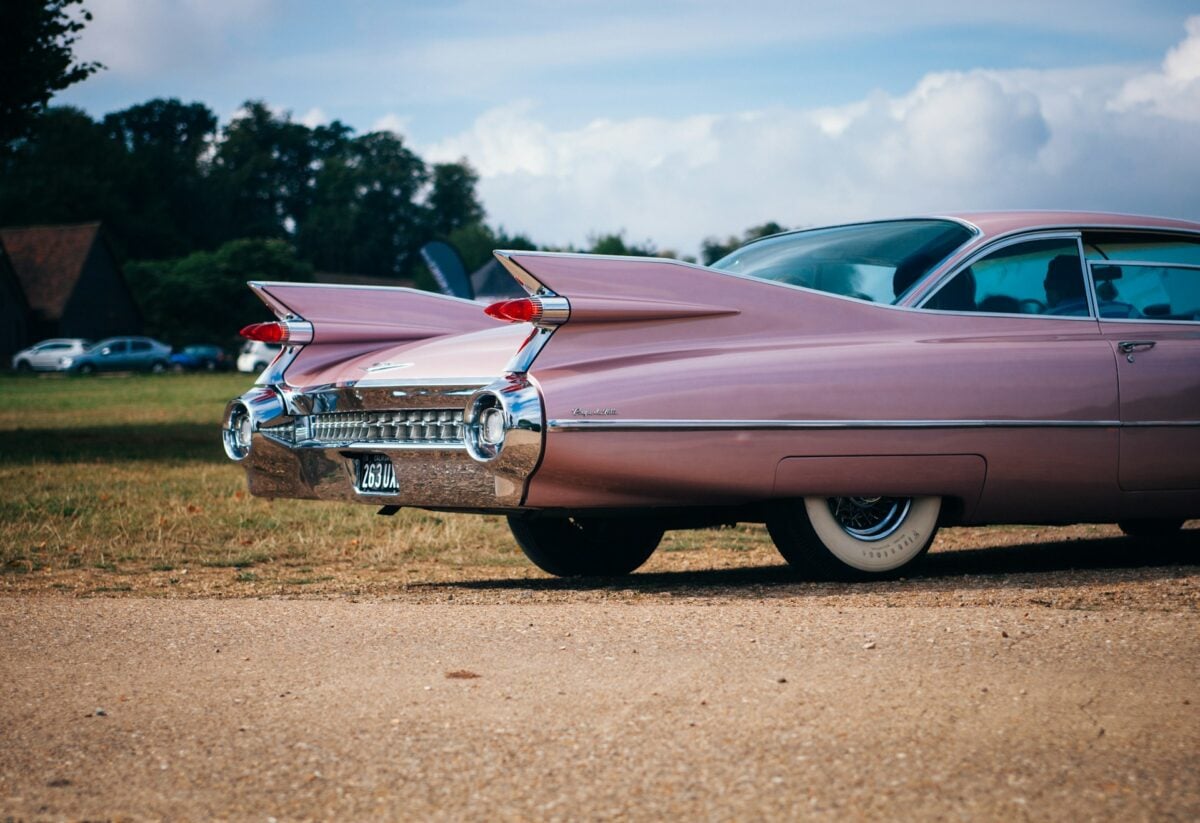
Classic cars were built during an era when skilled artisans meticulously assembled each vehicle by hand, paying attention to every curve, seam, and surface. This level of craftsmanship created cars that felt more like works of art than mass-produced products.
The human touch is visible in the subtle variations and perfectionist approach that modern automation simply cannot replicate, giving each classic car a unique character that owners can actually feel.
Curves That Defy Physics

The sweeping, voluptuous curves of classic cars like the 1961 Jaguar E-Type and 1963 Chevrolet Corvette Sting Ray weren’t just beautiful—they were bold statements about what automobiles could be. When Enzo Ferrari saw the E-Type at its debut, he famously called it “the most beautiful car ever made,” and the split-window Sting Ray coupe became an instant American icon.
Modern aerodynamics have flattened car designs into similar wedge shapes, but classic curves had personality and sculptural depth that drew the eye from every angle.
Like Go2Tutors’s content? Follow us on MSN.
Chrome Everything
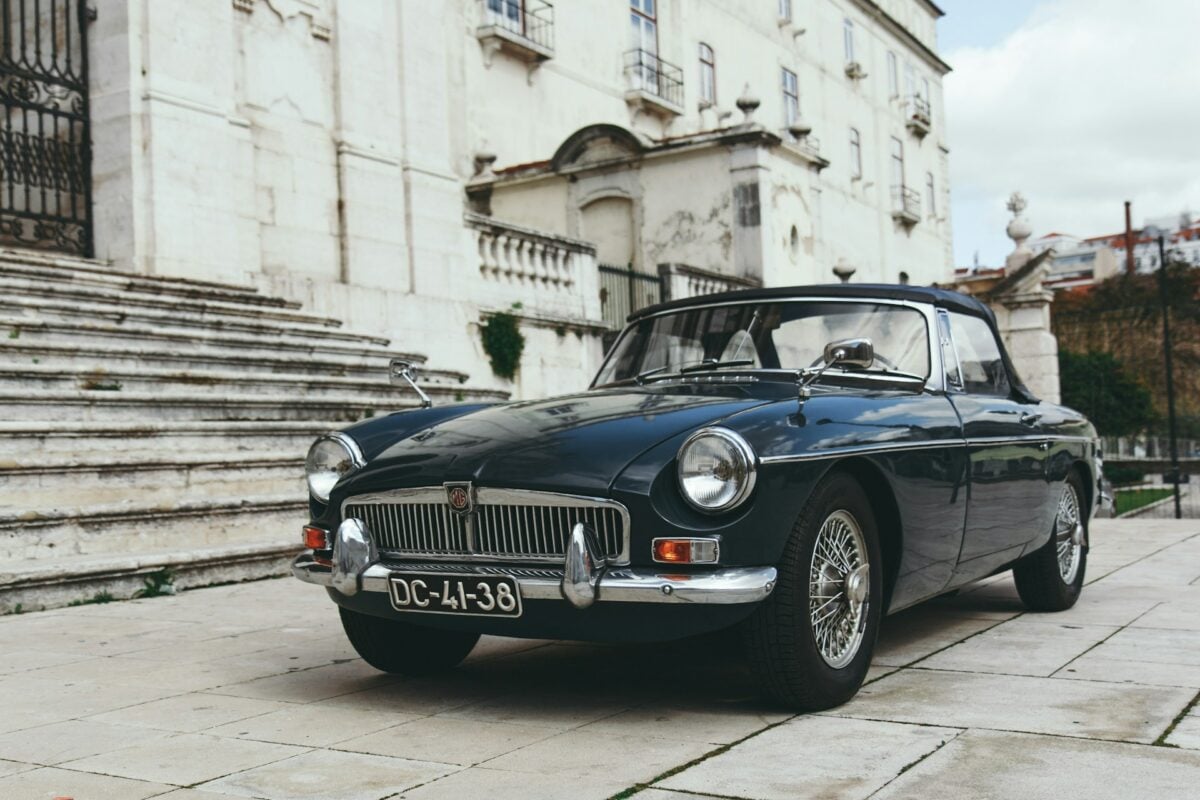
Chrome wasn’t just decorative in classic cars from the late 1940s through the 1960s—it was a declaration of luxury and sophistication that caught light and commanded attention. Bumpers, grilles, trim, door handles, and even interior details gleamed with polished chrome that required maintenance but delivered unmatched visual impact.
By the mid-1970s, regulations and cost-cutting replaced chrome with aluminum, stainless steel, and eventually painted plastic, losing that jewel-like quality that made classic cars feel special even in parking lots.
Proportions That Just Work

Classic sports cars and muscle cars followed the long-hood, short-deck formula that creates perfect visual balance and suggests power even at rest. This proportion became iconic because it fundamentally looks right to the human eye, emphasizing the engine and making the car appear ready to leap forward.
Modern safety regulations and front-wheel-drive layouts have made these proportions nearly impossible to achieve, leaving contemporary cars visually heavier and less dynamic.
Distinctive Front Grilles

Every classic car manufacturer developed signature grilles that made their vehicles instantly recognizable from blocks away—BMW’s kidney grilles, the Jaguar’s vertical slats, or the Mustang’s aggressive opening. These weren’t interchangeable design elements but carefully crafted brand identities that communicated personality before you even saw the badge.
Modern cars often feature generic black plastic grilles that blend together in traffic, losing that immediate visual punch.
Like Go2Tutors’s content? Follow us on MSN.
Engineering You Can See
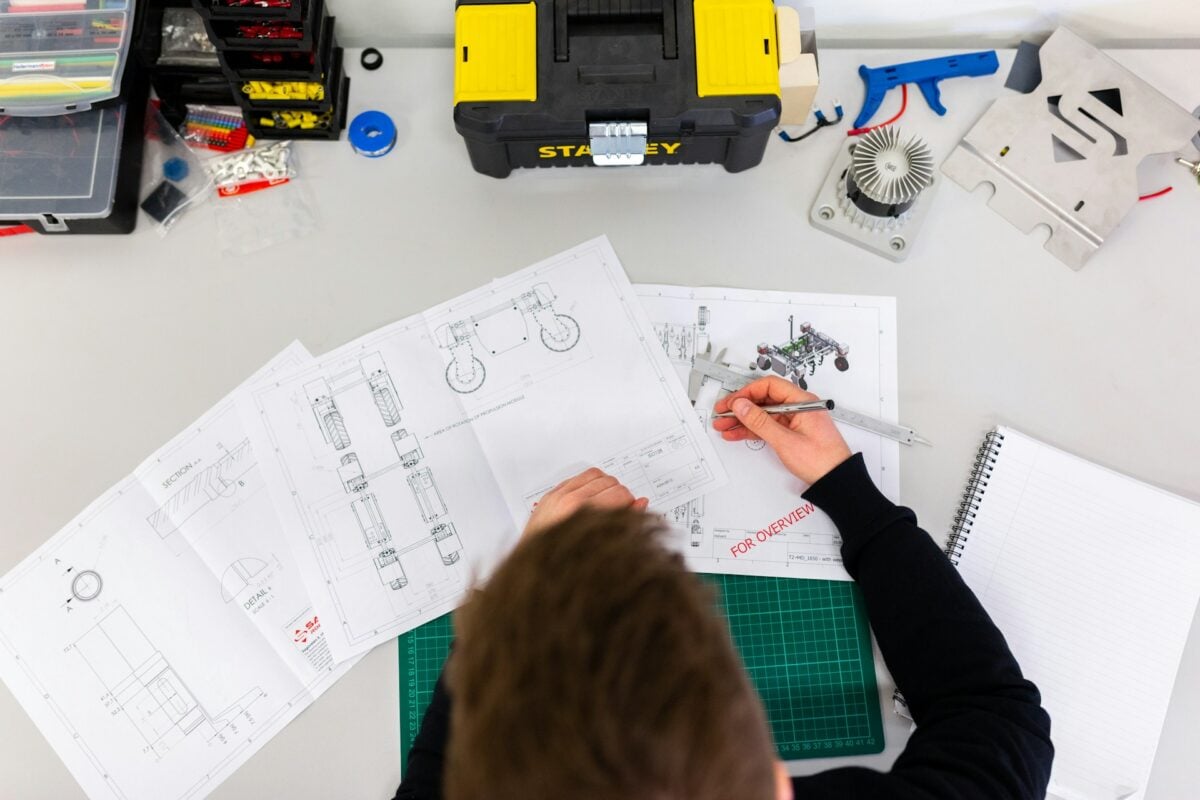
Classic cars wore their mechanical complexity on the outside, with exposed headlights, visible hood ornaments, and design elements that hinted at the machinery beneath. This honesty created a connection between form and function that modern cars hide behind smooth plastic body panels.
The Mercedes-Benz 300SL Gullwing, built from 1954 to 1957, featured its iconic upward-opening doors as a necessary solution to accommodate the tubular spaceframe chassis—a perfect example of engineering constraints creating legendary styling.
Color Choices That Popped
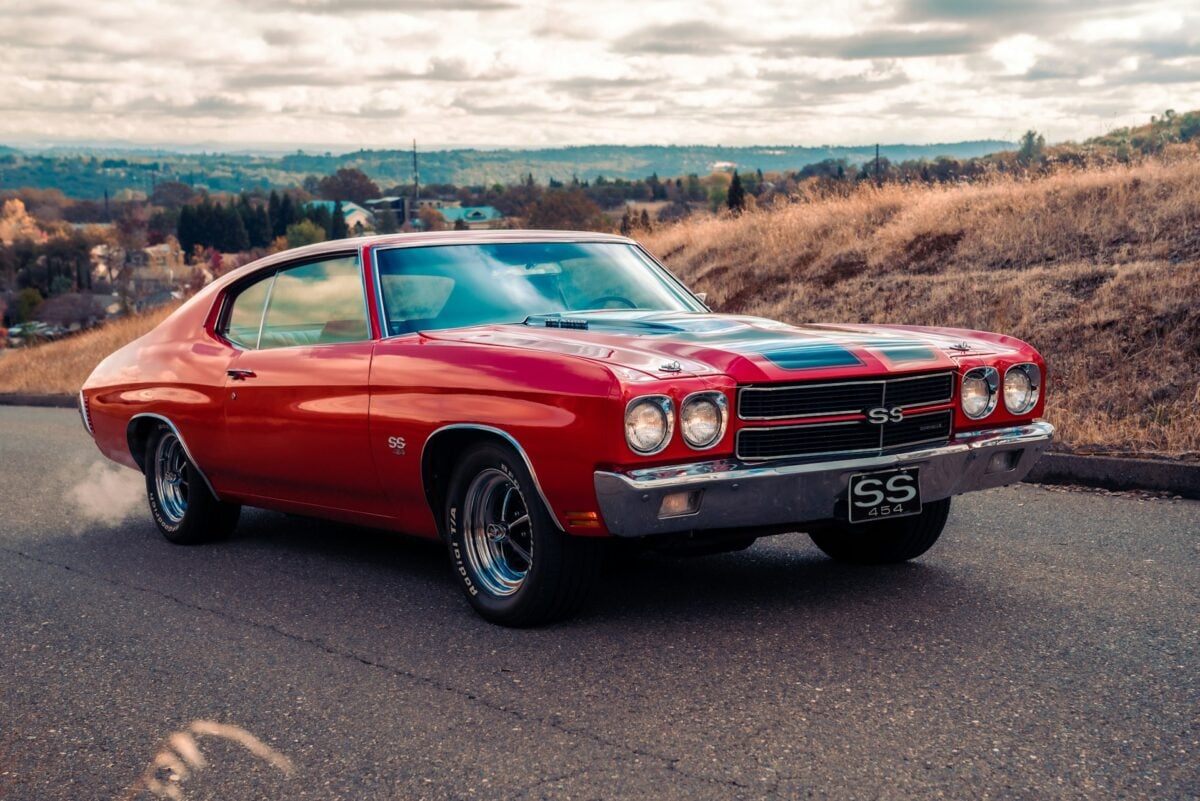
Classic cars came in bold, saturated colors like candy apple red, British racing green, and Miami blue that made statements rather than blending into traffic. British racing green, with roots in early 1900s racing, became particularly associated with mid-20th century Jaguars and Lotuses, while American manufacturers offered vibrant two-tone combinations and metallic finishes.
Today’s roads are dominated by grayscale—silver, white, black, and gray account for most new car sales—making classic car colors seem almost impossibly brave by comparison.
Interior Luxury and Character
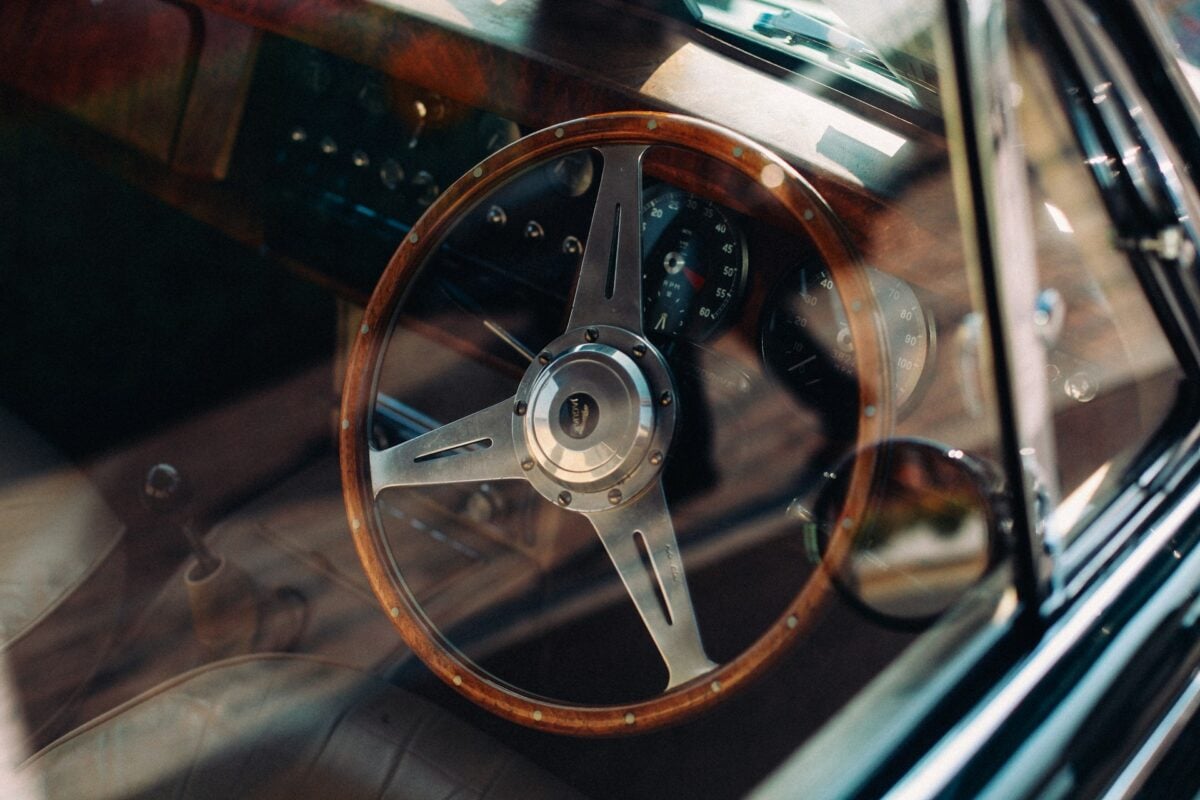
Luxury classic cars featured genuine leather upholstery and real wood trim that appealed to multiple senses and aged gracefully with patina rather than just wearing out. Mass-market American classics often used high-quality vinyl and simulated wood that still delivered visual richness and tactile satisfaction.
Both approaches prioritized driver engagement and craftsmanship over sterile efficiency, creating cabins with metal switches that felt substantial and analog gauges with mechanical precision that modern plastic interiors struggle to match.
Like Go2Tutors’s content? Follow us on MSN.
Brand Identity That Mattered

Each classic car manufacturer had distinct design languages that made their vehicles unmistakable—you could identify a Porsche, Ferrari, or Ford from its silhouette alone. These weren’t just styling differences but philosophical approaches to what a car should be and how it should make you feel.
Modern globalized production and shared platforms have homogenized car design, making it increasingly difficult to tell brands apart without checking the badge.
Built to Last Generations
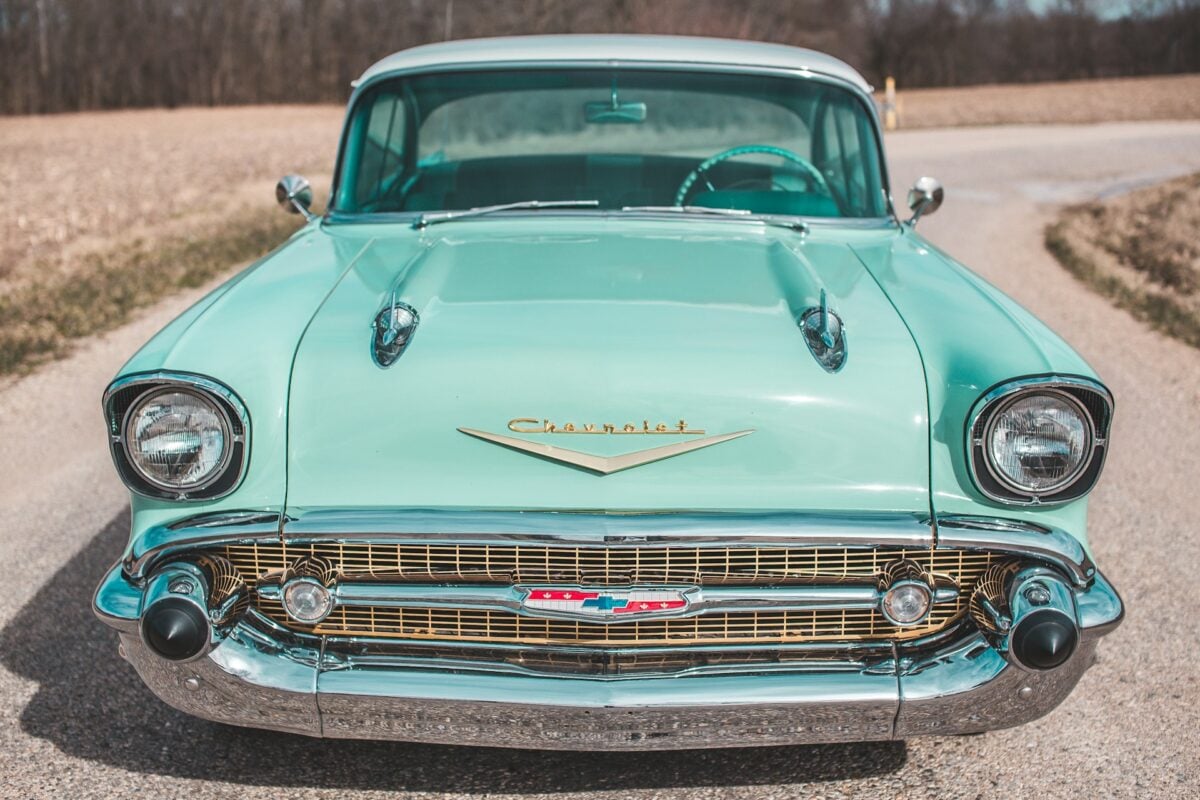
Classic cars were constructed with durability in mind, using steel bodies and robust mechanical components designed for decades of service rather than planned obsolescence. This commitment to longevity meant owners could maintain and restore these vehicles, keeping them running long after their original purchase.
The fact that 50-year-old classics still cruise highways today proves that building for permanence creates value that transcends initial manufacturing costs.
Proportional Harmony in Metal
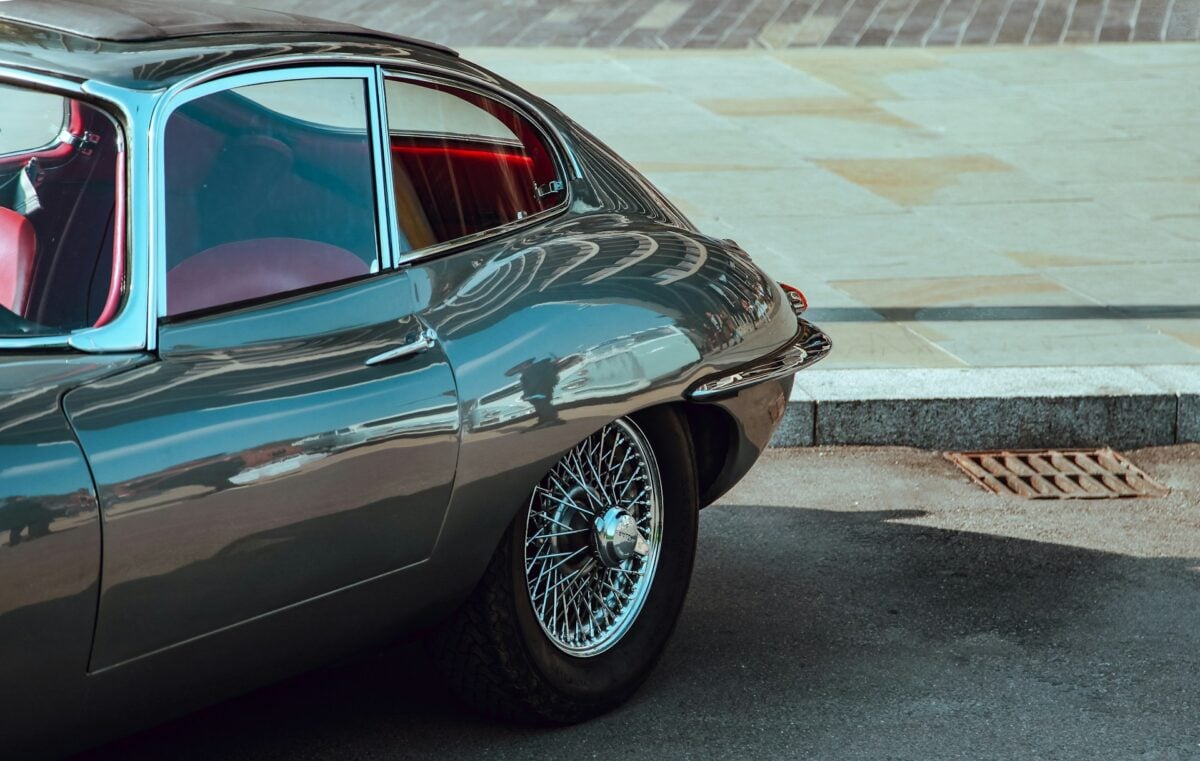
Many classic car designs incorporated mathematical proportions and visual harmony that felt instinctively pleasing, with stylists like GM’s Harley Earl and Italian carrozzeria designers using proportional intuition to create beauty. The relationship between wheel size, body length, and cabin placement followed principles that created naturally satisfying compositions.
Modern cars often sacrifice these proportions for practical concerns like interior space and crash safety, resulting in designs that work functionally but lack that indefinable rightness that makes classics so visually satisfying.
Like Go2Tutors’s content? Follow us on MSN.
They Tell Stories

Classic cars carry history in their panels—they represent specific moments in culture, technology, and design philosophy that can never be replicated. A 1965 Ford Mustang isn’t just a car; it’s a time capsule of American optimism, youth culture, and the democratization of performance.
Modern cars might be objectively better in every measurable way, but they lack the narrative weight and cultural significance that makes people stop and stare at a well-preserved classic rolling down the street.
More Than Transportation
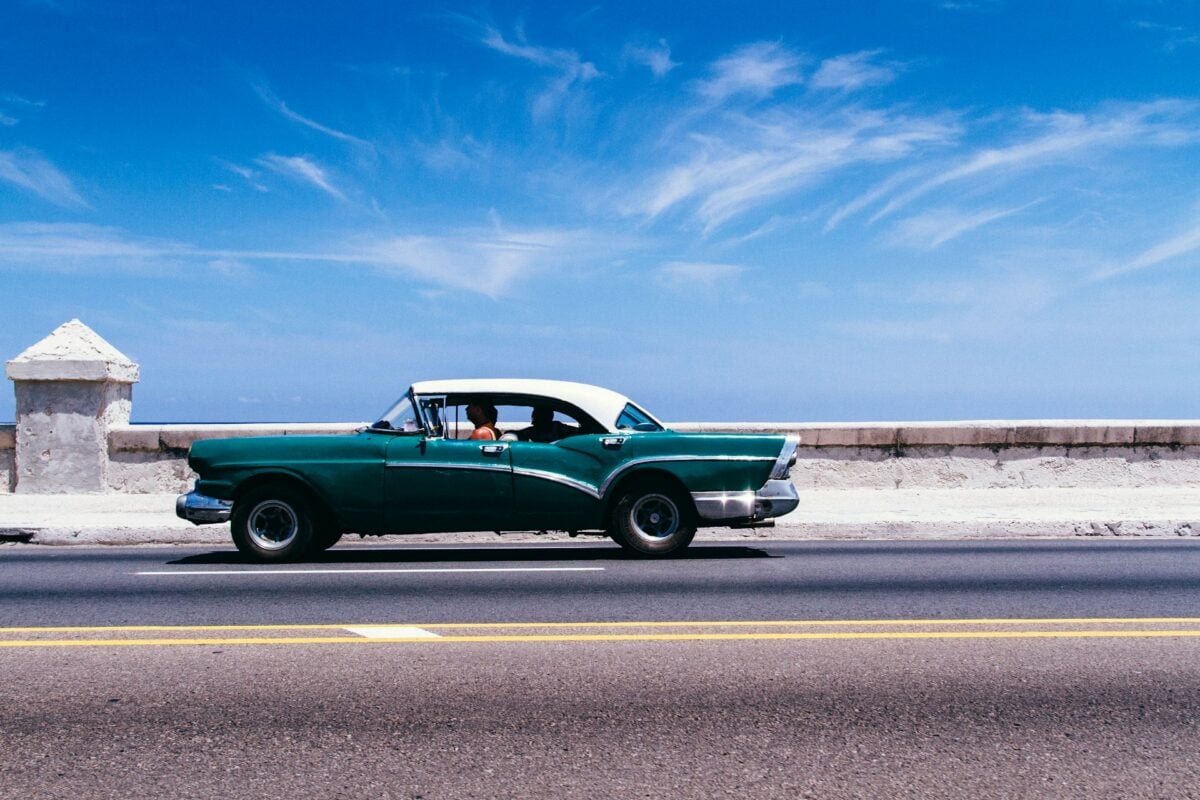
Classic cars demonstrated that, wrapped in sheet metal, automobiles could be more than just appliances; they could be manifestations of engineering prowess, artistic expression, and cultural identity. The most successful designs from the 1950s through the 1970s created machines that met both practical and emotional needs by striking a balance between aesthetics and functionality.
Classic proportions, materials, and styling choices appear timeless rather than out of date as a result of modern efficiency and safety regulations pushing automotive design toward uniformity. Classic cars continue to be iconic because they serve as a reminder that great design never goes out of style; rather, it only gets more scarce and valuable as time passes.
More from Go2Tutors!

- 16 Historical Figures Who Were Nothing Like You Think
- 12 Things Sold in the 80s That Are Now Illegal
- 15 VHS Tapes That Could Be Worth Thousands
- 17 Historical “What Ifs” That Would Have Changed Everything
- 18 TV Shows That Vanished Without a Finale
Like Go2Tutors’s content? Follow us on MSN.