16 Restaurants That Defined American Dining
American dining culture didn’t emerge overnight. It evolved through pioneering establishments that dared to break tradition, introduce new concepts, or perfect existing ones in ways that changed how we think about food. These restaurants didn’t just serve meals—they created movements, influenced entire industries, and shaped the way Americans eat today.
From coast to coast, certain establishments have left an indelible mark on our culinary landscape. Here is a list of 16 restaurants that fundamentally transformed American dining culture.
White Castle
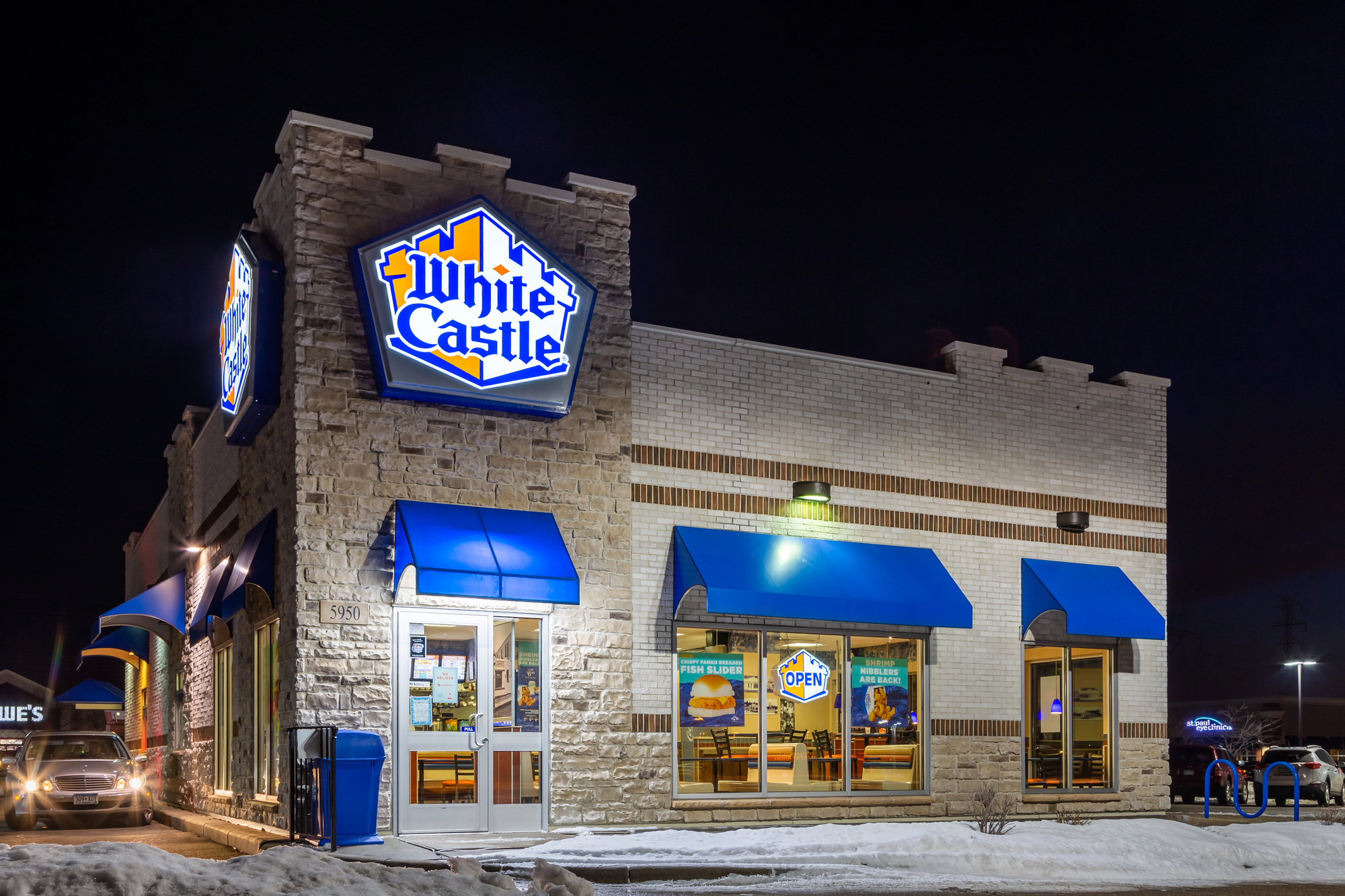
White Castle didn’t just sell hamburgers — it invented the fast-food industry as we know it. Founded in 1921 in Wichita, Kansas, this tiny restaurant chain introduced standardized food preparation, uniform restaurant design, and affordable pricing that made dining out accessible to working-class Americans.
The square patties and steamed buns became an American icon. They proved that good food didn’t have to be expensive or fancy.
Delmonico’s
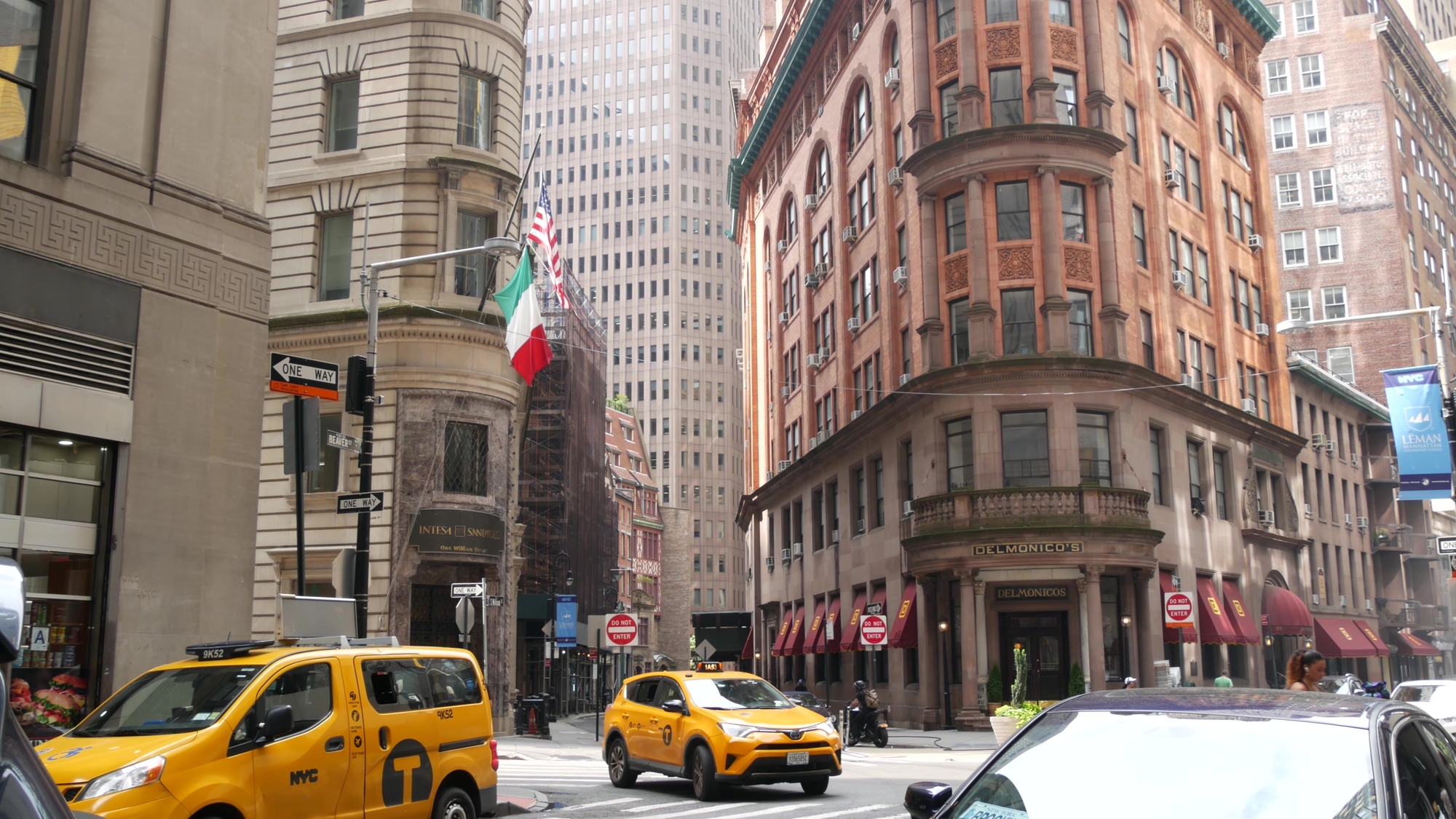
Long before molecular gastronomy or farm-to-table movements existed, Delmonico’s in New York City established fine dining in America. Opening in 1837, it introduced à la carte menus, printed wine lists, and tableside service that elevated restaurant dining from mere sustenance to an experience.
The restaurant’s influence spread across the nation — establishing standards for upscale dining that persist today.
Like Go2Tutors’s content? Follow us on MSN.
Howard Johnson’s
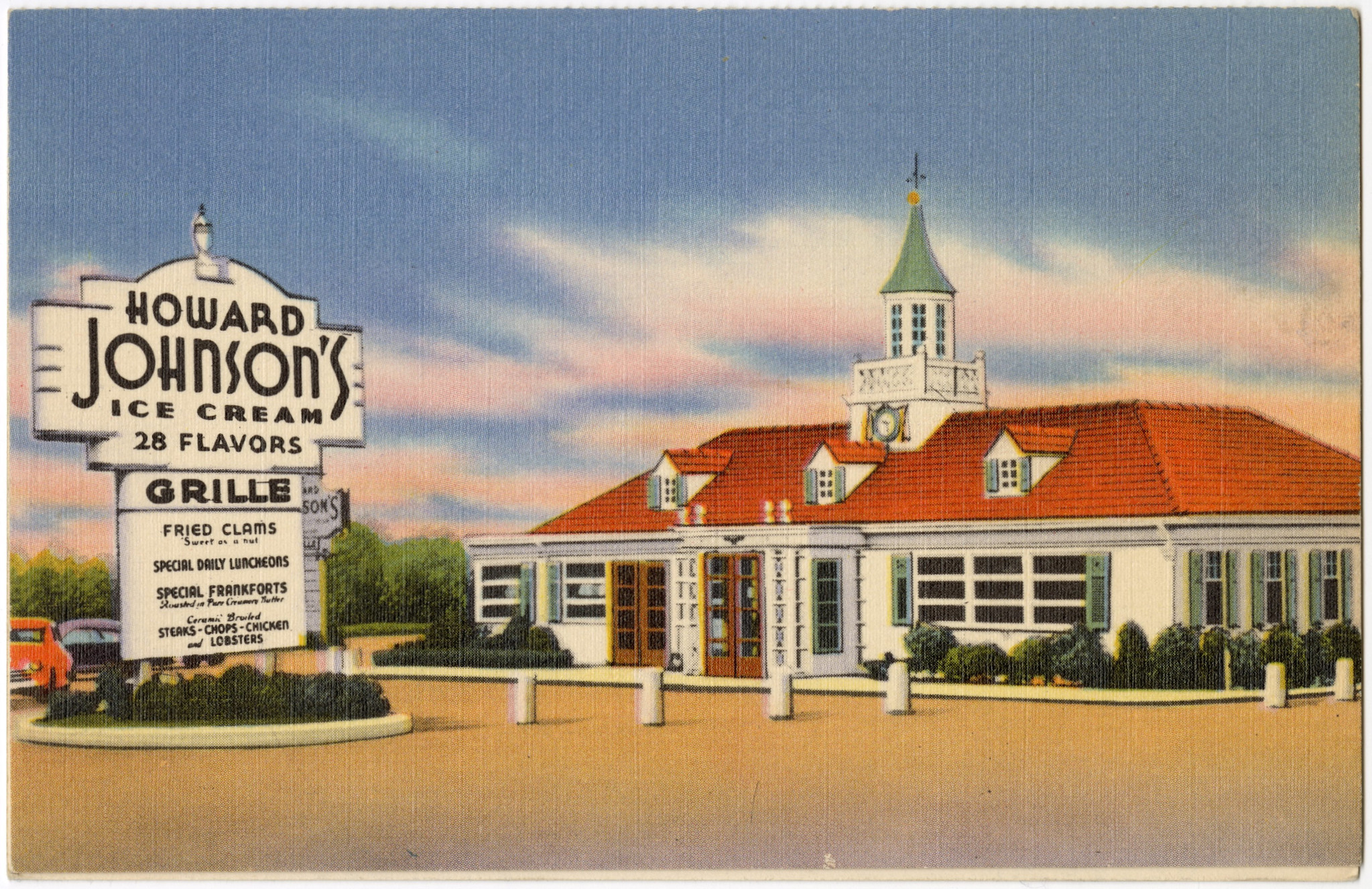
The orange roof and simple syrup became symbols of American road culture, though Howard Johnson’s contribution goes deeper than nostalgic highway stops. Starting in 1925, HoJo’s pioneered the franchise model that would later define American restaurant chains.
Their emphasis on consistent quality, recognizable branding, and strategic highway locations created the template for modern chain restaurants.
McDonald’s
Ray Kroc’s vision transformed a single California burger stand into a global empire that redefined efficiency in food service. McDonald’s didn’t just serve fast food — it perfected the assembly-line approach to cooking while creating the modern drive-thru experience.
The franchise operations spread American dining culture worldwide, making the golden arches more recognizable than most national symbols.
Chez Panisse
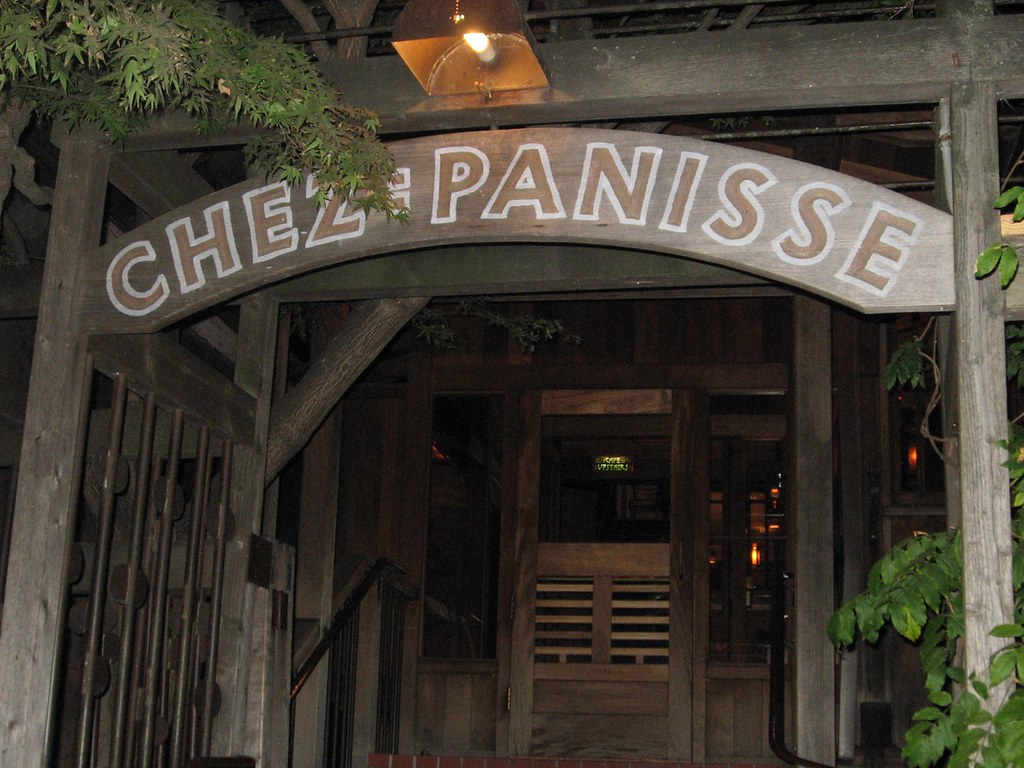
Alice Waters opened Chez Panisse in Berkeley in 1971 with a simple philosophy: use local, seasonal ingredients prepared simply. This approach sparked the farm-to-table movement that transformed American restaurants from coast to coast.
The restaurant’s emphasis on knowing where food comes from — and supporting local farmers — influenced everything from menu design to sourcing practices across the industry.
Like Go2Tutors’s content? Follow us on MSN.
The French Laundry
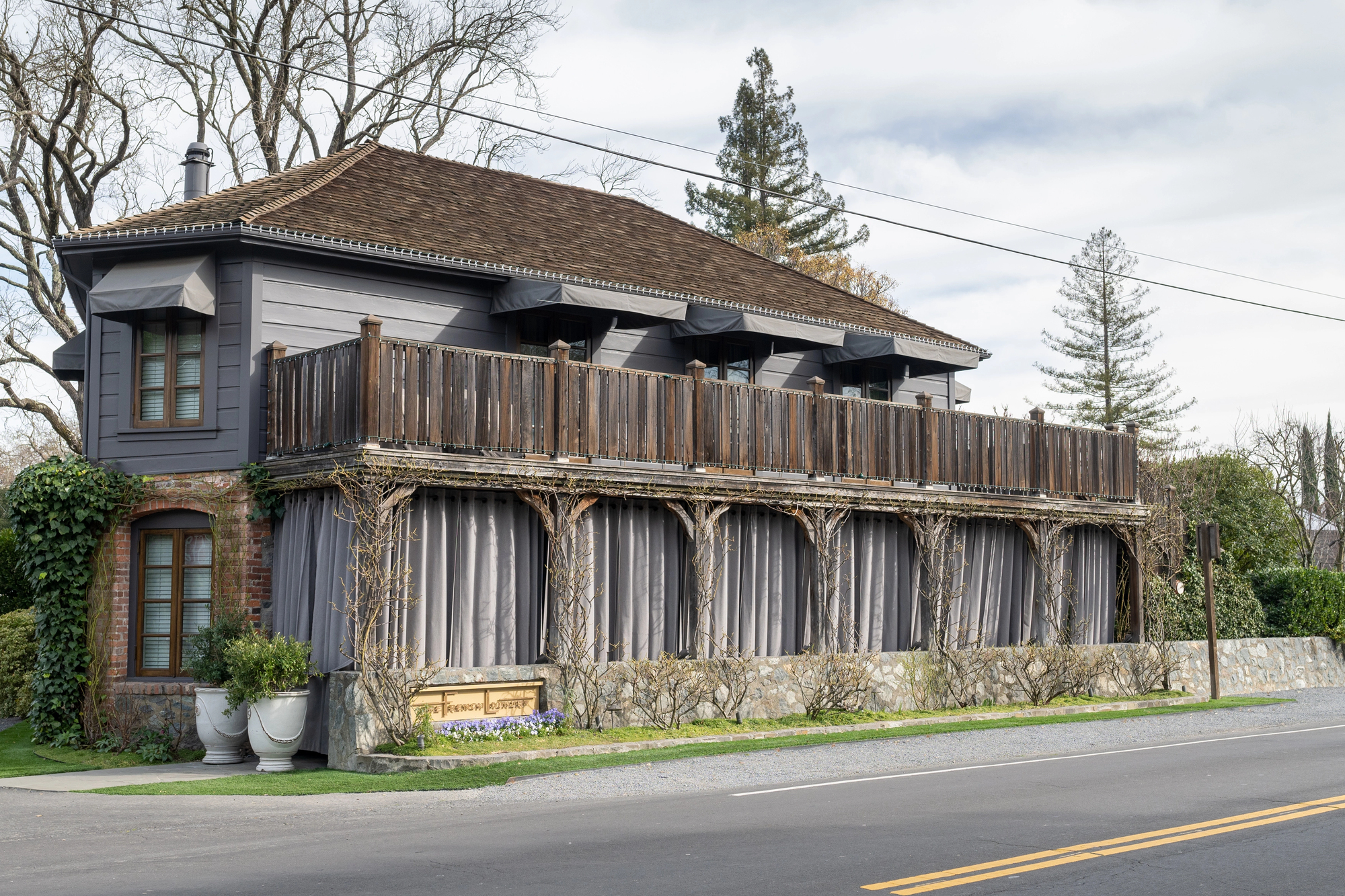
Thomas Keller’s Napa Valley restaurant elevated American cuisine to international acclaim, proving that American chefs could compete with their European counterparts. The French Laundry’s meticulous attention to detail, innovative techniques, and commitment to excellence established a new standard for fine dining in America.
The restaurant’s influence extends through countless chefs who trained there — carrying those standards to their own kitchens.
Spago
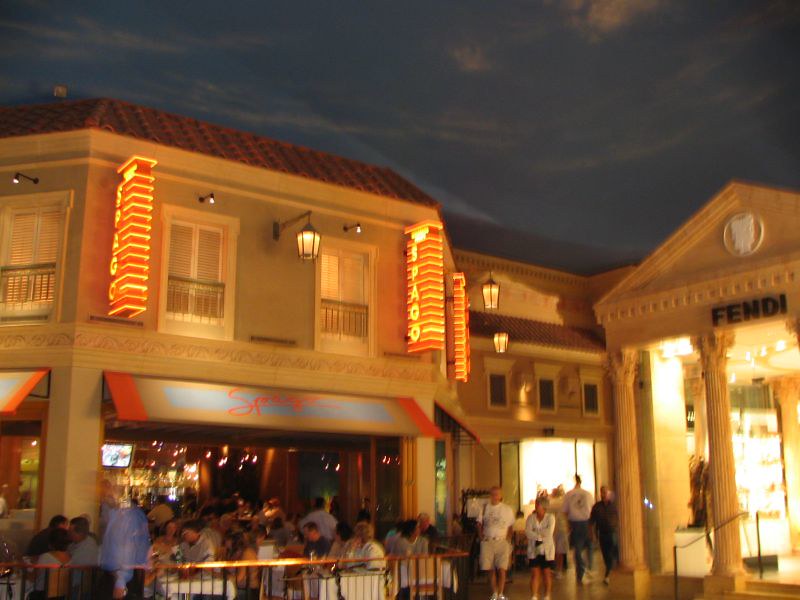
Wolfgang Puck’s Beverly Hills restaurant introduced California cuisine to the world, blending fresh local ingredients with international techniques in ways that seemed revolutionary in the 1980s. Spago’s open kitchen, celebrity clientele, and innovative pizza creations influenced restaurant design and menu development across America.
The restaurant proved that American cuisine could be both sophisticated and approachable.
Ruth’s Chris Steak House
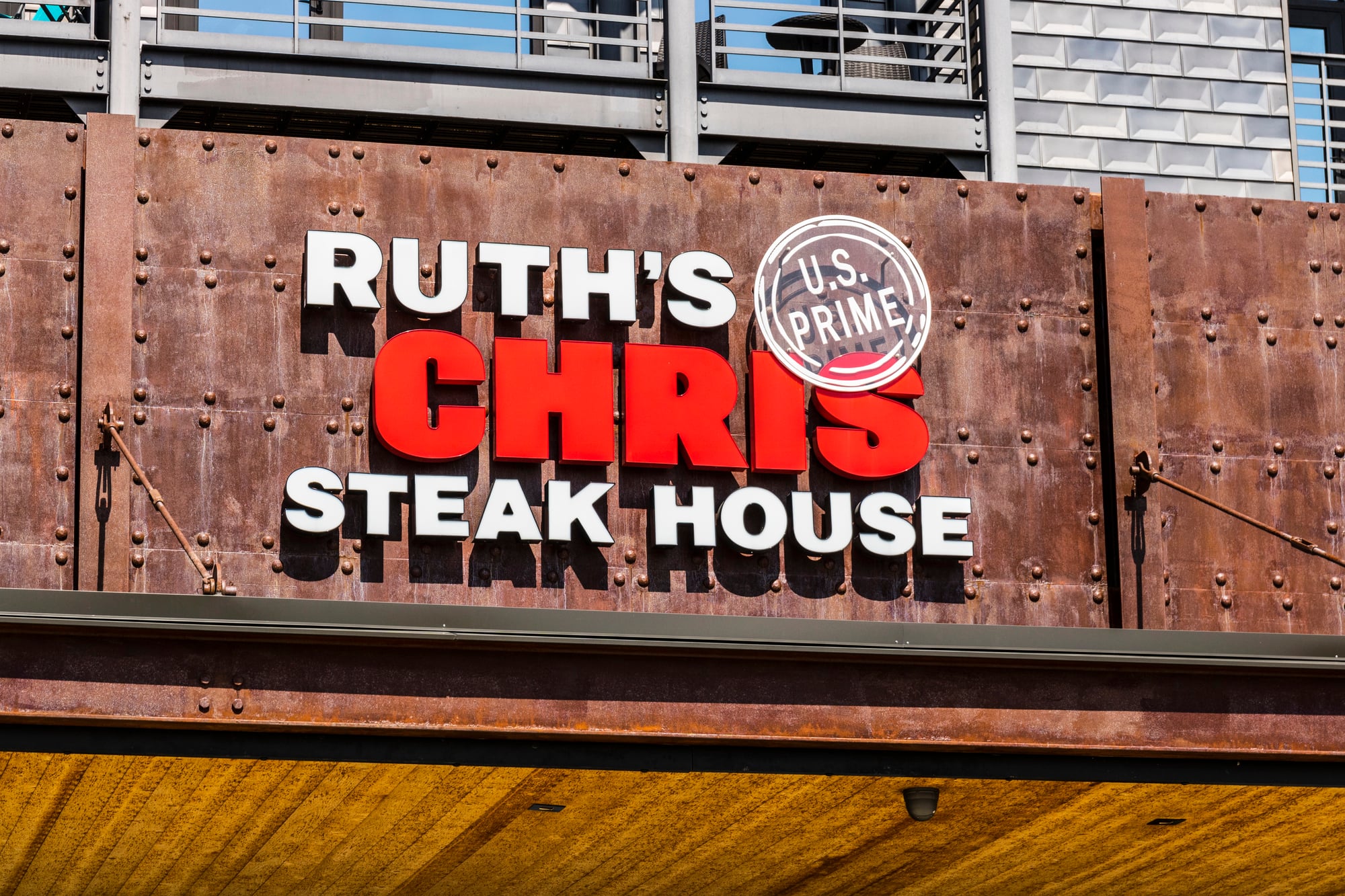
Starting as a single New Orleans restaurant in 1965, Ruth’s Chris perfected the American steakhouse experience with sizzling plates, perfectly cooked steaks, and exceptional service. The chain’s expansion demonstrated that regional specialties could be successfully franchised while maintaining quality standards.
Their approach to steakhouse dining became the template for countless imitators.
Like Go2Tutors’s content? Follow us on MSN.
Taco Bell
Glen Bell’s creation took Mexican-inspired food and made it accessible to mainstream America through standardized preparation and affordable pricing. Taco Bell’s success opened the door for other ethnic cuisines to enter the fast-food market — fundamentally changing American palates and dining habits.
The restaurant chain proved that fusion cuisine could work on a massive scale.
Brennan’s
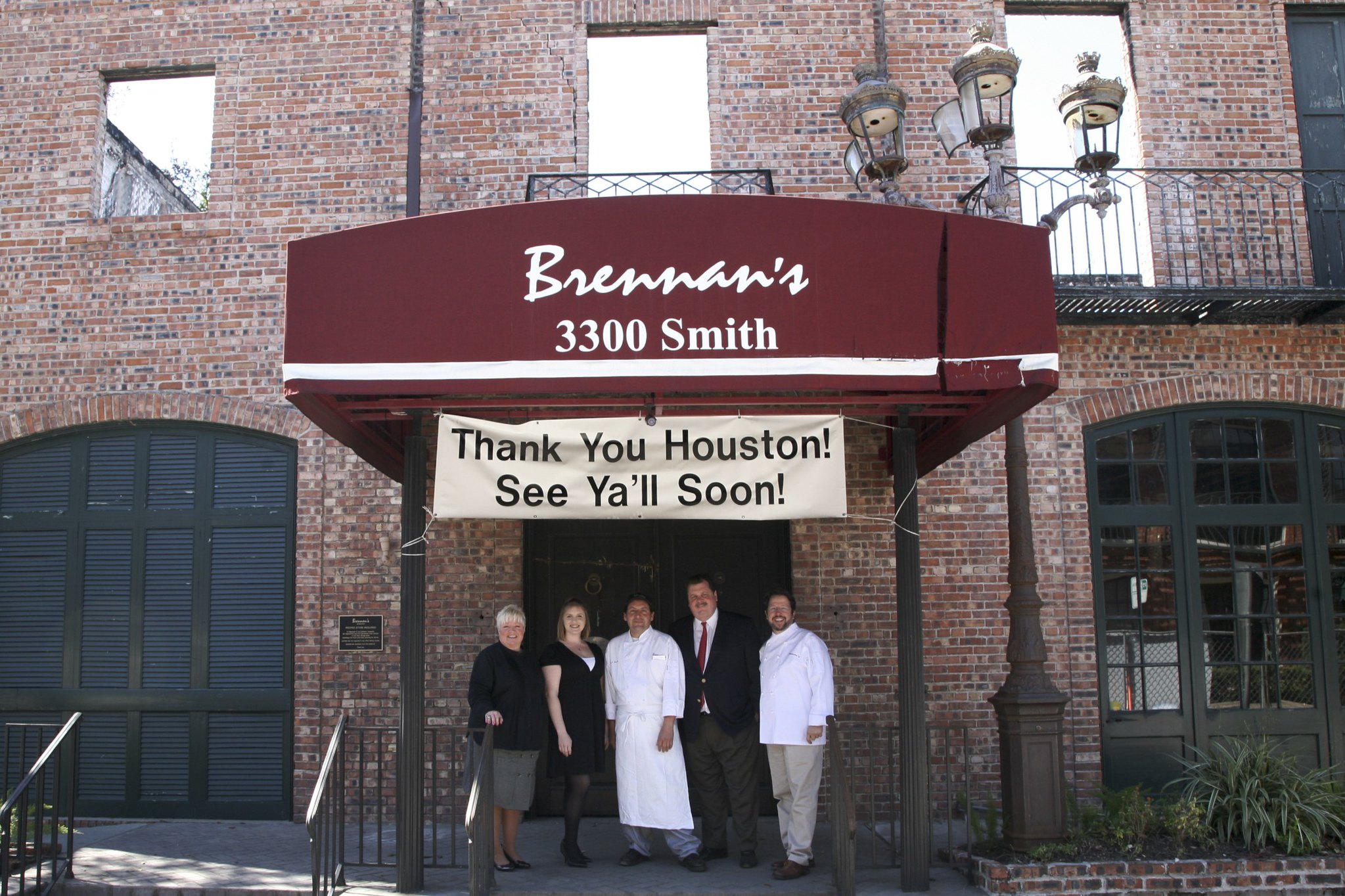
New Orleans’ Brennan’s restaurant elevated brunch from a simple weekend meal to an elaborate dining experience. Their theatrical tableside presentations, innovative egg dishes, and celebratory atmosphere influenced restaurants nationwide to embrace brunch as a profit center and social event.
The restaurant’s approach to hospitality became a model for creating memorable dining experiences.
Union Oyster House
America’s oldest continuously operating restaurant, Union Oyster House in Boston has been serving customers since 1826. The restaurant’s longevity demonstrates the power of consistency, quality, and tradition in American dining.
Its influence extends beyond food to the very concept of restaurant continuity and the importance of culinary heritage in American culture.
Like Go2Tutors’s content? Follow us on MSN.
Momofuku Noodle Bar
David Chang’s East Village restaurant challenged traditional notions of what Asian-American cuisine could be, blending Korean flavors with American techniques in ways that felt both authentic and innovative. Momofuku’s success paved the way for a new generation of Asian-American chefs to explore their heritage through food.
The restaurant’s influence extends to everything from ramen preparation to the acceptance of fusion cuisine.
Eleven Madison Park
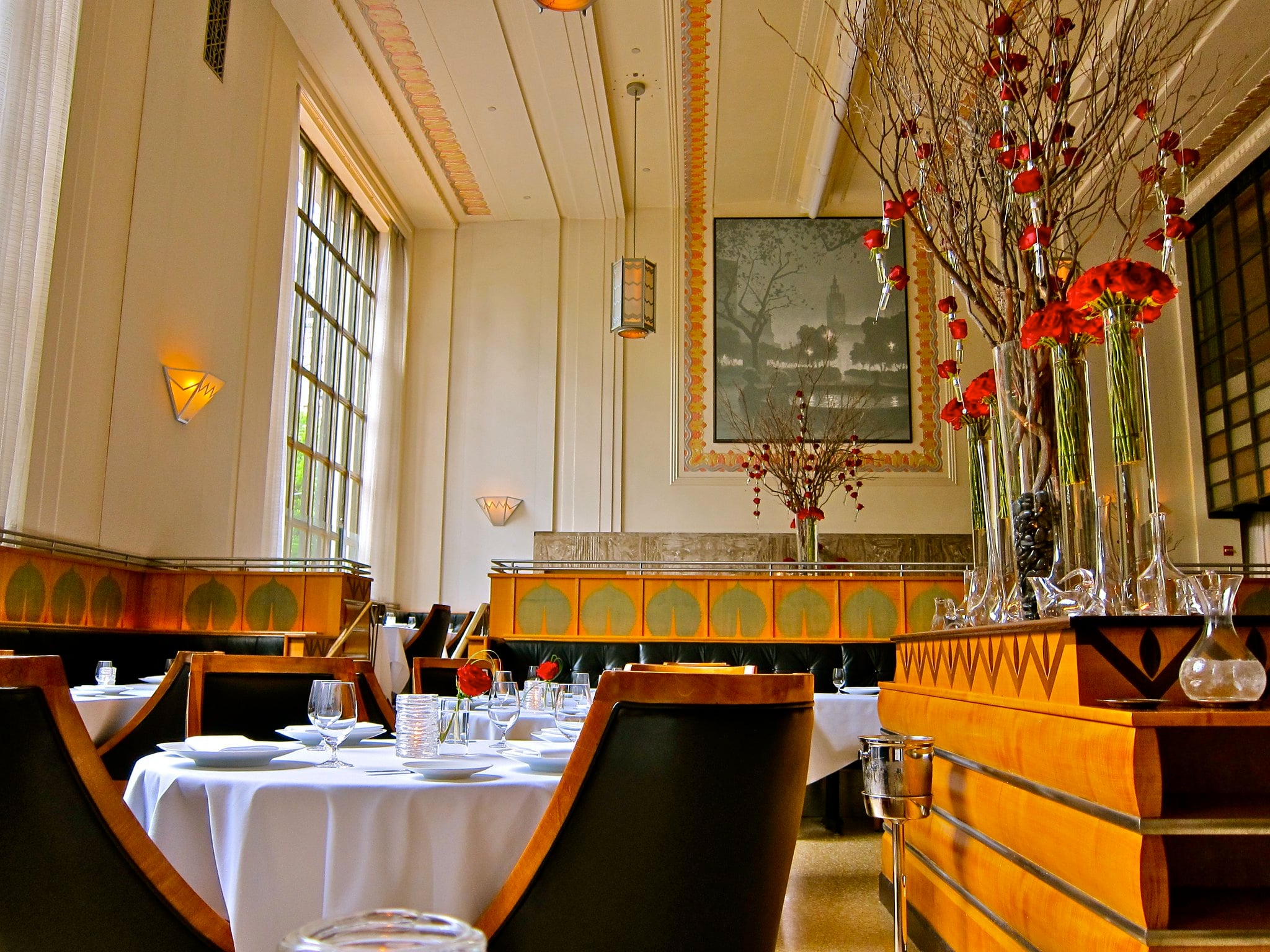
Daniel Humm’s New York restaurant redefined fine dining for the modern era, emphasizing vegetables, seasonality, and theatrical presentation in ways that influenced restaurants worldwide. Eleven Madison Park’s evolution from classic French cuisine to plant-forward fine dining reflected changing American attitudes toward food and sustainability.
The restaurant’s success proved that fine dining could be both innovative and environmentally conscious.
Commander’s Palace
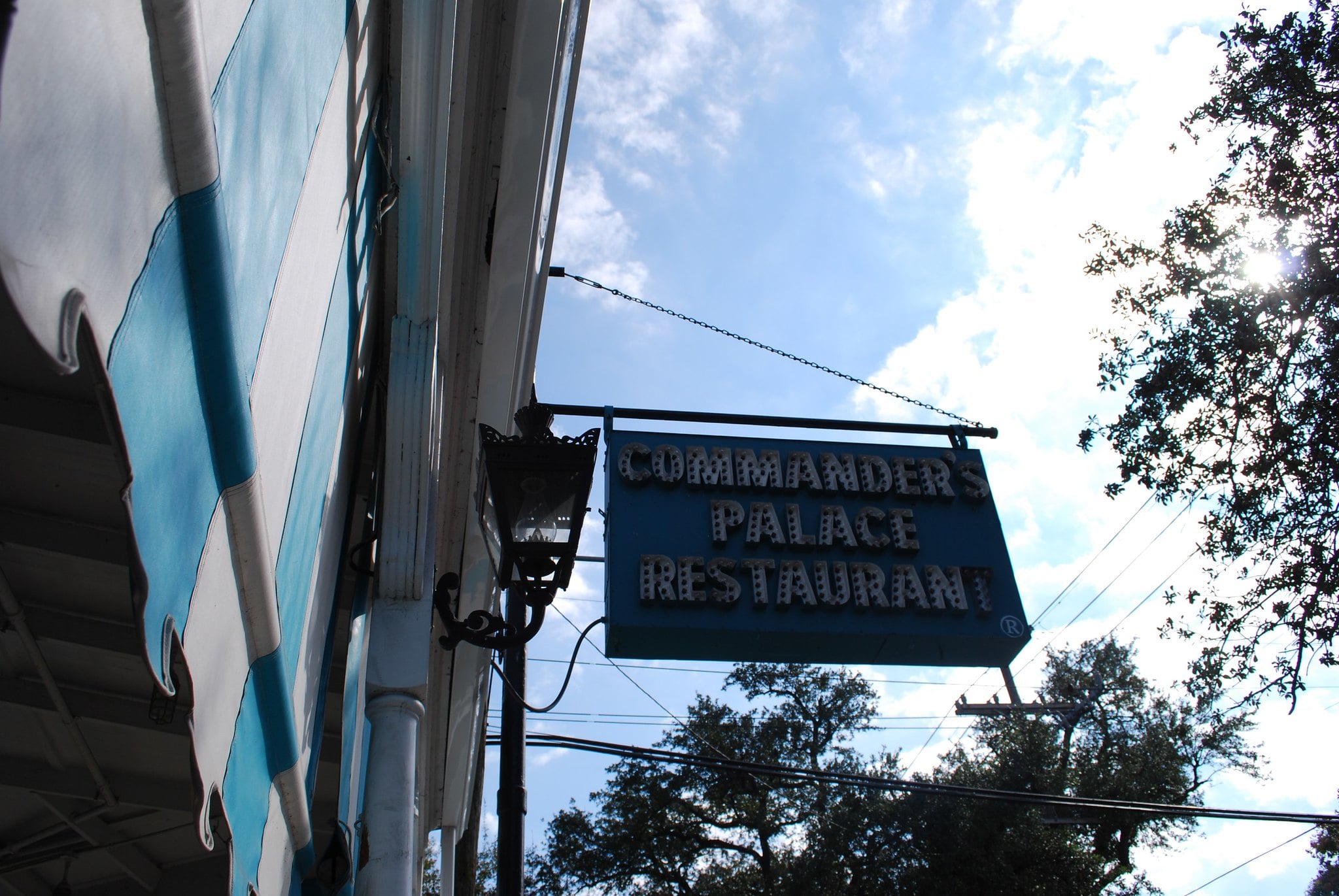
New Orleans’ Commander’s Palace has been a training ground for some of America’s most celebrated chefs while maintaining its commitment to Creole cuisine and exceptional hospitality. The restaurant’s influence extends through the careers of chefs like Emeril Lagasse and Tory McPhail, who carried Commander’s Palace’s standards to kitchens across America.
The restaurant demonstrates how regional cuisine can maintain its authenticity while influencing national dining trends.
Like Go2Tutors’s content? Follow us on MSN.
Shake Shack
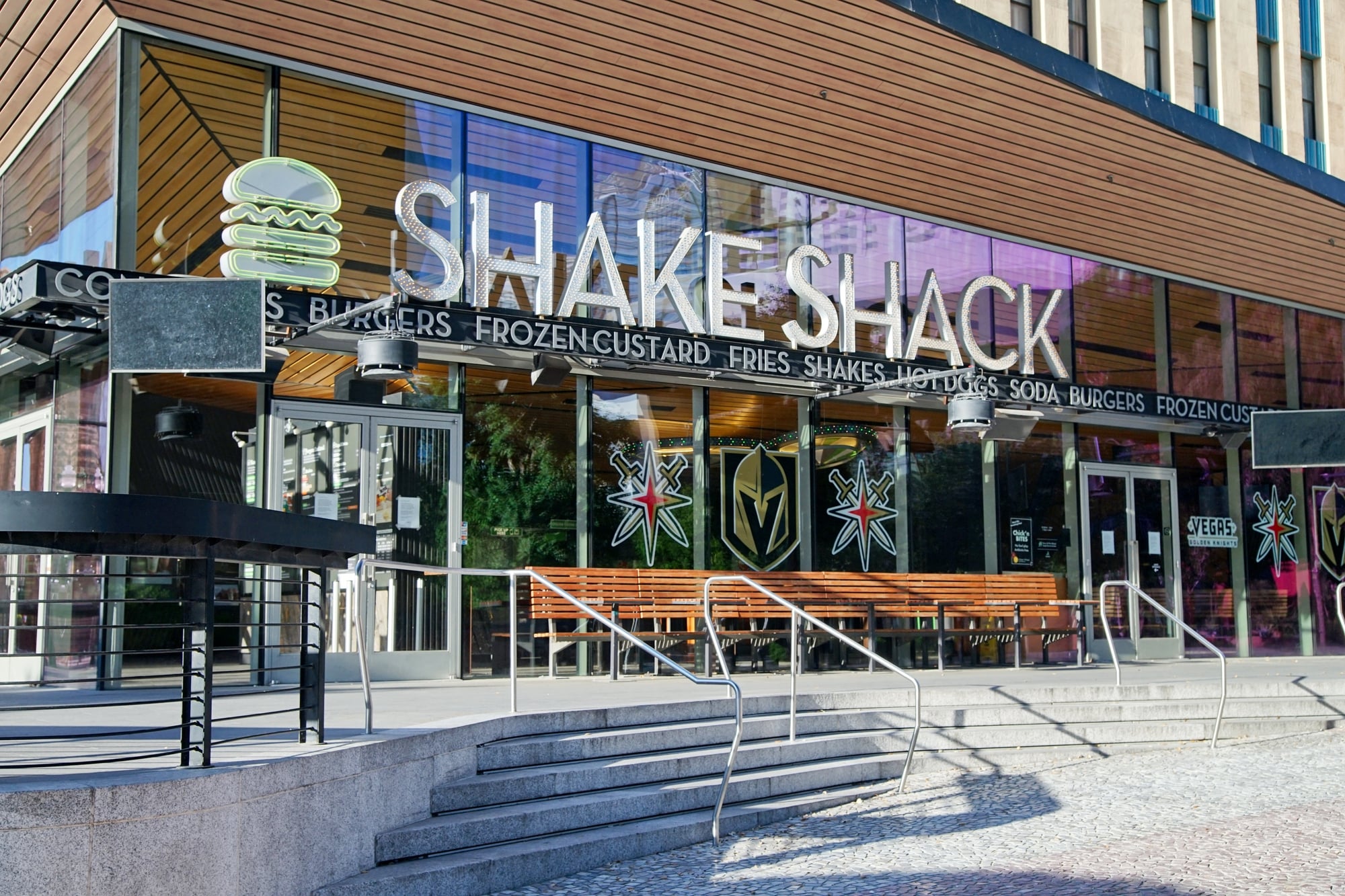
Danny Meyer’s burger chain elevated fast-casual dining by combining high-quality ingredients with efficient service and thoughtful design. Shake Shack’s success demonstrated that consumers would pay premium prices for better fast food, influencing countless competitors to upgrade their offerings.
The restaurant’s emphasis on hospitality and quality ingredients changed expectations for quick-service dining.
In-N-Out Burger
This California chain built a cult following by focusing on simple, high-quality ingredients and made-to-order preparation. In-N-Out’s success demonstrated that regional chains could compete with national giants by maintaining quality standards and creating emotional connections with customers.
The restaurant’s approach to fast food influenced industry-wide improvements in ingredient quality and preparation methods.
Where Taste Meets Tradition
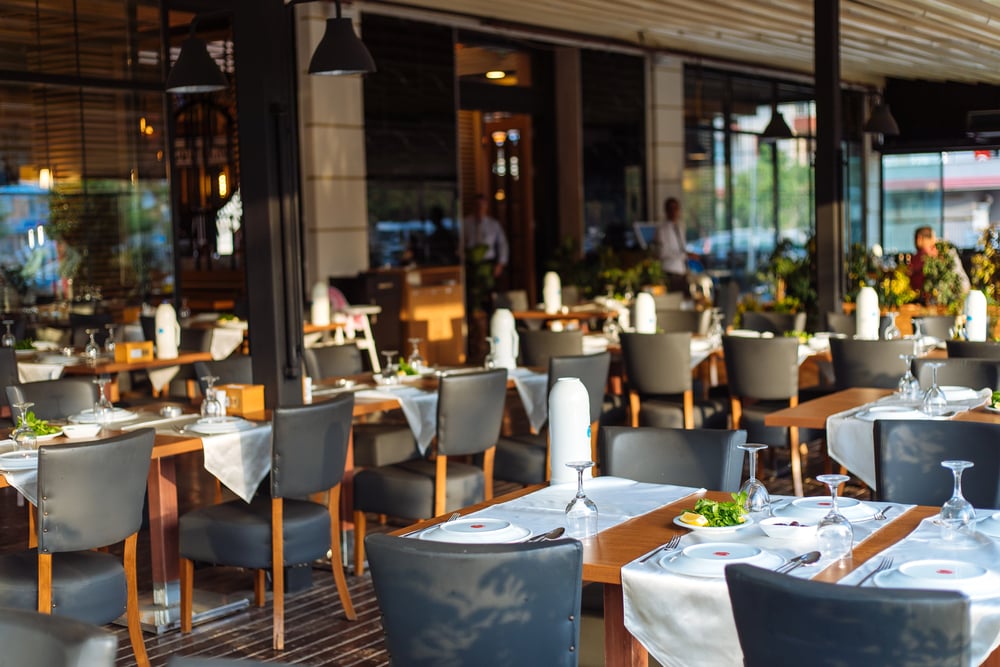
These restaurants didn’t just serve food — they created the foundation for how Americans think about dining out. From White Castle’s democratization of restaurant dining to Chez Panisse’s farm-to-table revolution, each establishment contributed essential elements to our current food culture.
Their innovations in everything from kitchen efficiency to ingredient sourcing continue to influence new restaurants opening today. The American dining scene remains one of the world’s most dynamic precisely because these pioneering establishments dared to challenge conventions and create something entirely new.
Like Go2Tutors’s content? Follow us on MSN.
More from Go2Tutors!

- 16 Historical Figures Who Were Nothing Like You Think
- 12 Things Sold in the 80s That Are Now Illegal
- 15 VHS Tapes That Could Be Worth Thousands
- 17 Historical “What Ifs” That Would Have Changed Everything
- 18 TV Shows That Vanished Without a Finale
Like Go2Tutors’s content? Follow us on MSN.