16 Retro Phone Designs That Should Come Back
In an age where smartphones all seem to follow the same black rectangle blueprint, it’s easy to forget that phones once came in wild colors, crazy shapes, and genuinely fun designs. Back when landlines ruled the world and cell phones were chunky novelties, manufacturers weren’t afraid to get creative with their hardware.
The phone industry has clearly prioritized function over form in recent decades, but there’s something to be said for the personality that older designs brought to our daily lives. Here is a list of 16 retro phone designs that deserve a modern comeback.
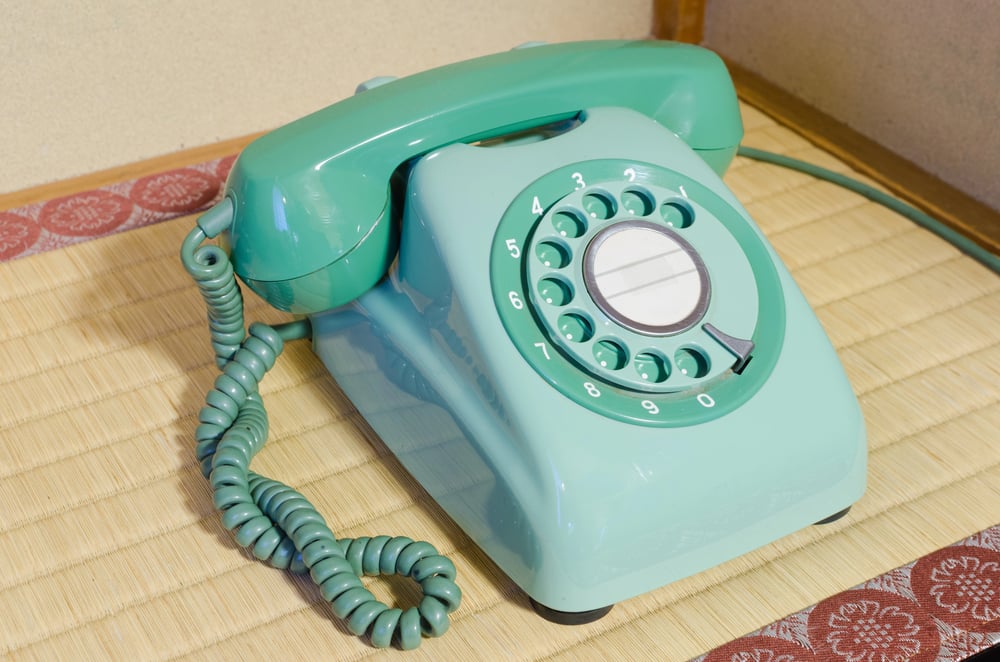
Rotary Dial Phones
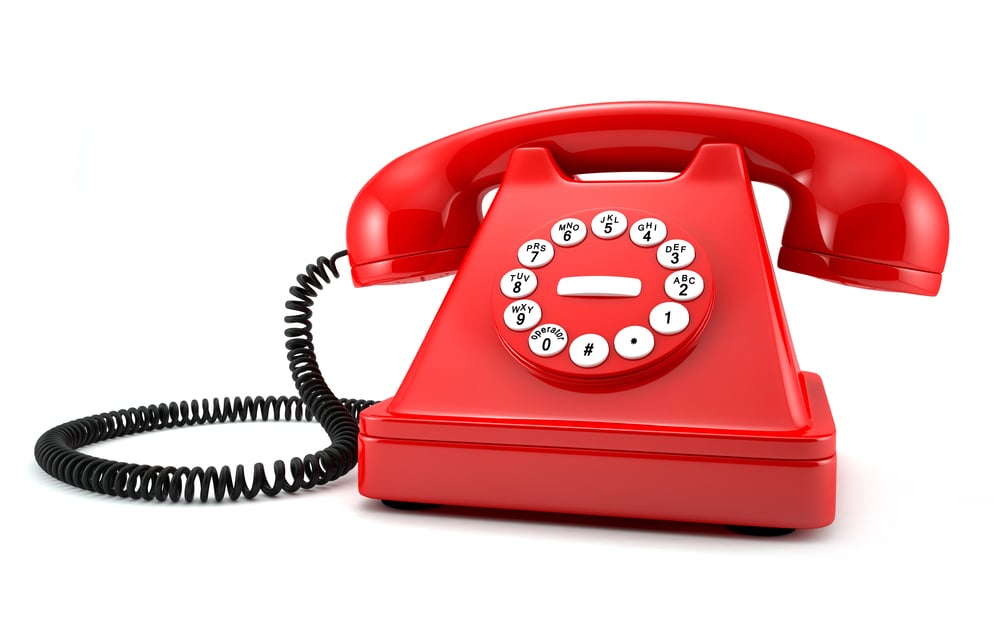
The satisfying click and whir of a rotary dial created a tactile experience that modern touchscreens can’t match. Each number required a deliberate motion, making phone calls feel more intentional and meaningful.
The mechanical precision of these devices meant they could last for decades without breaking down, unlike today’s fragile gadgets that crack from a simple drop.
Wall-Mounted Kitchen Phones
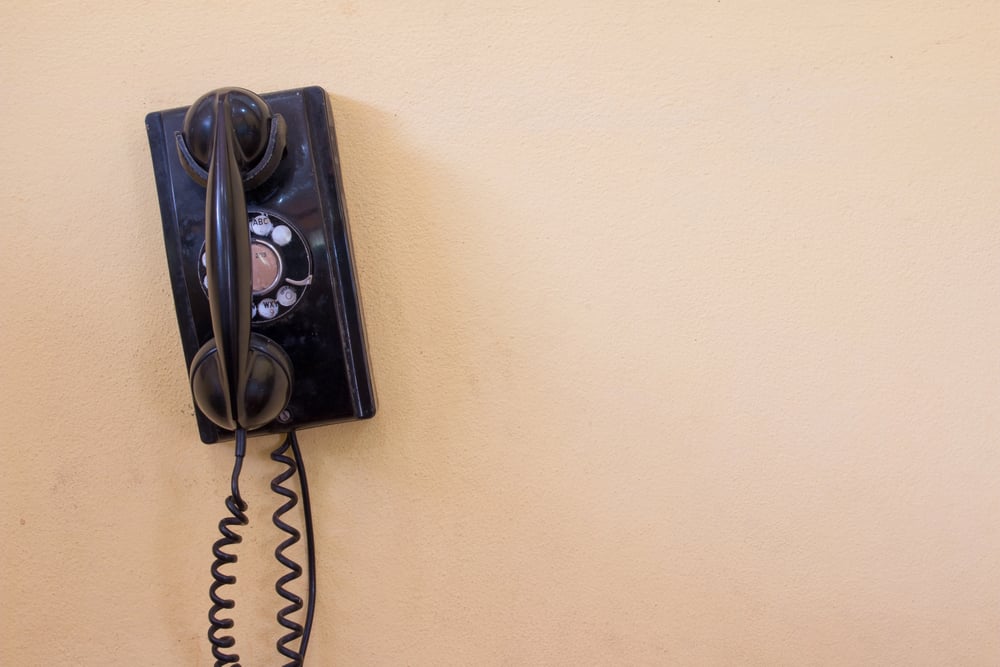
These phones turned any kitchen into the family communication hub, complete with long, coiled cords that stretched across the room. The handset could rest perfectly in the crook of your neck while you stirred dinner or folded laundry.
Many models came with built-in phone books and pencil holders, making them genuinely useful pieces of kitchen equipment rather than just communication devices.
Clear Plastic See-Through Phones
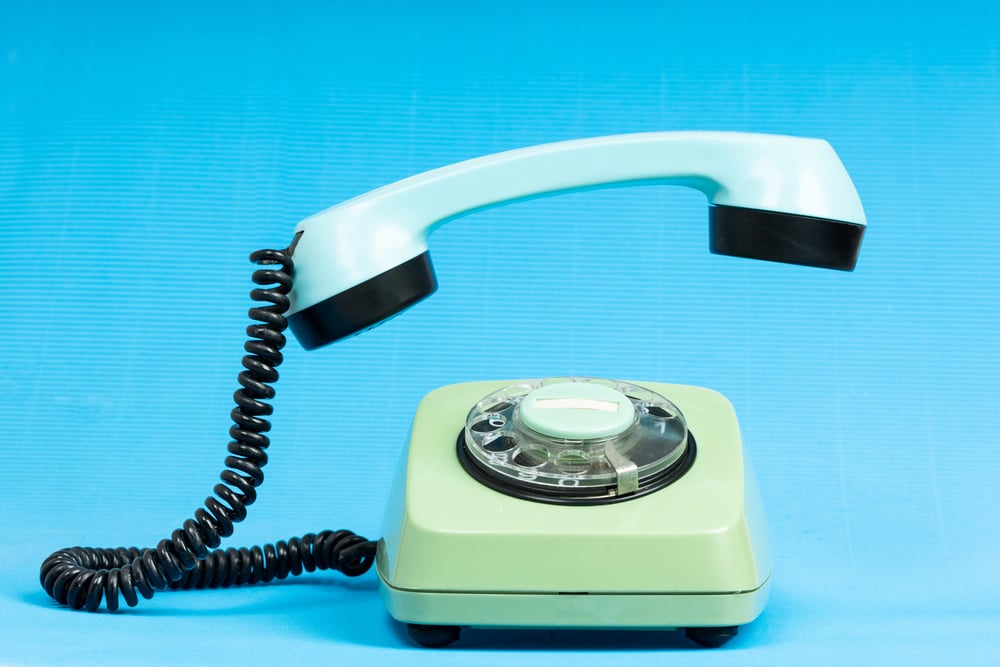
Transparent phones let you peek into the fascinating mechanical world inside, turning everyday technology into a conversation piece. The colored internal components created an almost artistic display that made each phone unique depending on the manufacturer.
These designs proved that technology didn’t need to hide behind boring plastic cases to be sophisticated.
Hamburger Phone

This quirky design from the 1980s turned phone conversations into a playful experience that never failed to make people smile. The hamburger phone became an instant icon of fun, proving that household items didn’t always need to take themselves seriously.
Its popularity in movies and TV shows cemented its place as the ultimate novelty phone that somehow managed to be both ridiculous and charming.
Mickey Mouse Head Phone
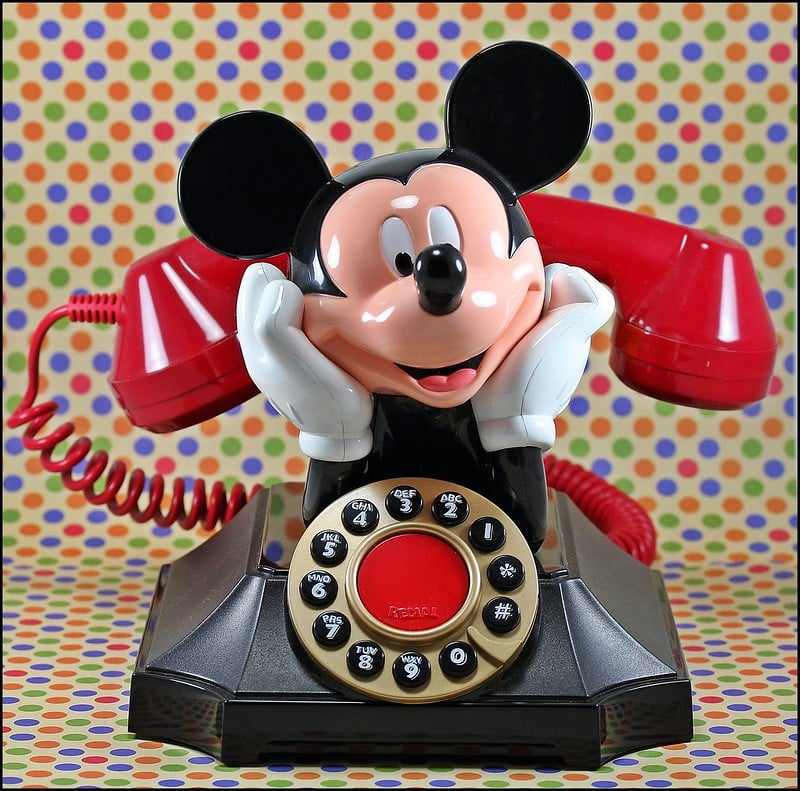
Disney’s influence on phone design created magical communication devices that brought childhood wonder into adult homes. The iconic three-circle silhouette made answering the phone feel like connecting with a beloved friend.
These phones demonstrated how familiar shapes could transform ordinary objects into something special and memorable.
Snoopy Phone
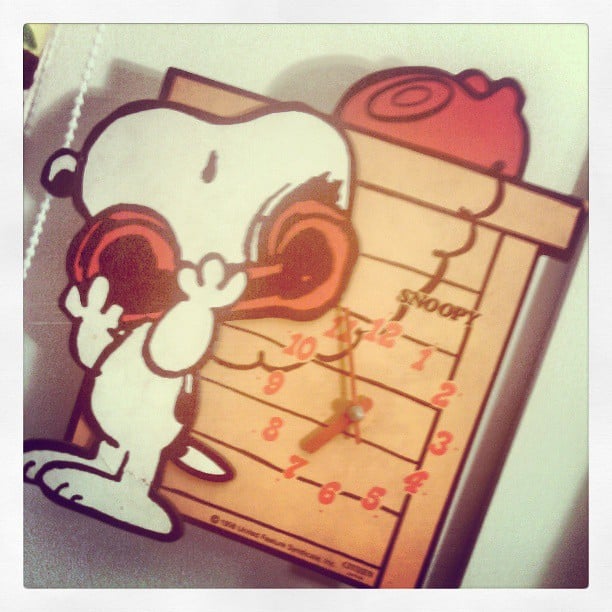
The famous beagle’s reclined position created an ergonomic phone design that was both comfortable to use and adorable to display. Snoopy’s relaxed pose made phone calls feel more casual and friendly, while the high-quality construction meant these phones often outlasted their more conventional counterparts.
The design struck the perfect balance between whimsical and functional.
Lips Phone
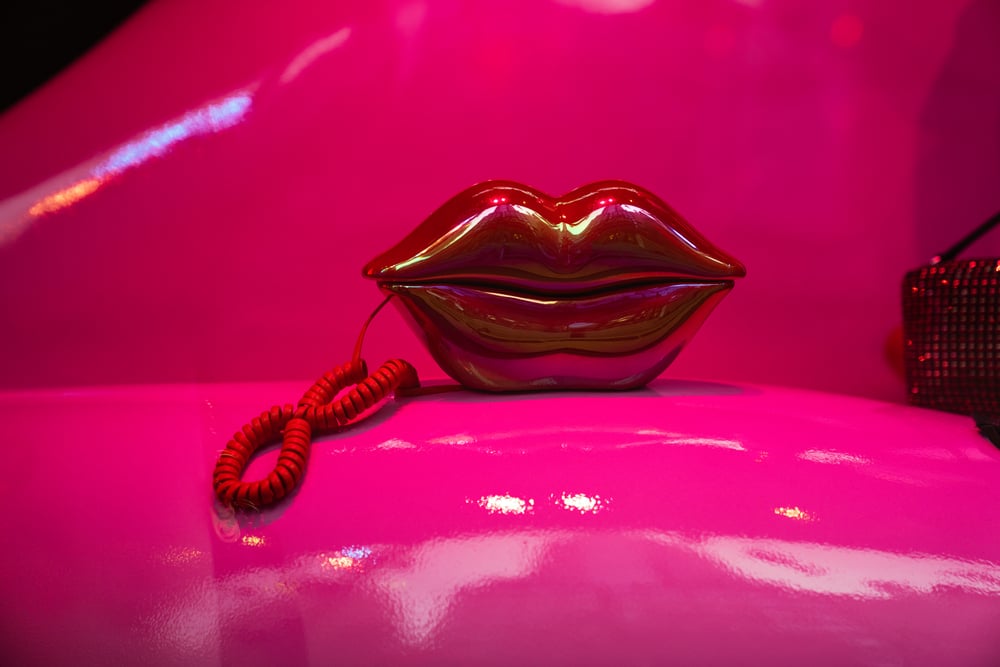
Salvador Dalí’s surreal red lips phone transformed communication into an art piece that belonged in galleries as much as living rooms. The bold, provocative design made every phone call feel dramatic and important.
This phone proved that everyday objects could double as genuine works of art without sacrificing their practical purpose.
Candlestick Phones

These elegant early designs brought Victorian sophistication to modern communication, with their tall brass stems and separate earpieces creating a sense of ceremony around phone calls. The two-piece design required users to hold the earpiece to their ear while speaking into the mounted mouthpiece, making conversations feel more formal and deliberate.
The craftsmanship of these phones, with their intricate metalwork and attention to detail, made them beautiful decorative pieces even when not in use.
Bright Neon Colors
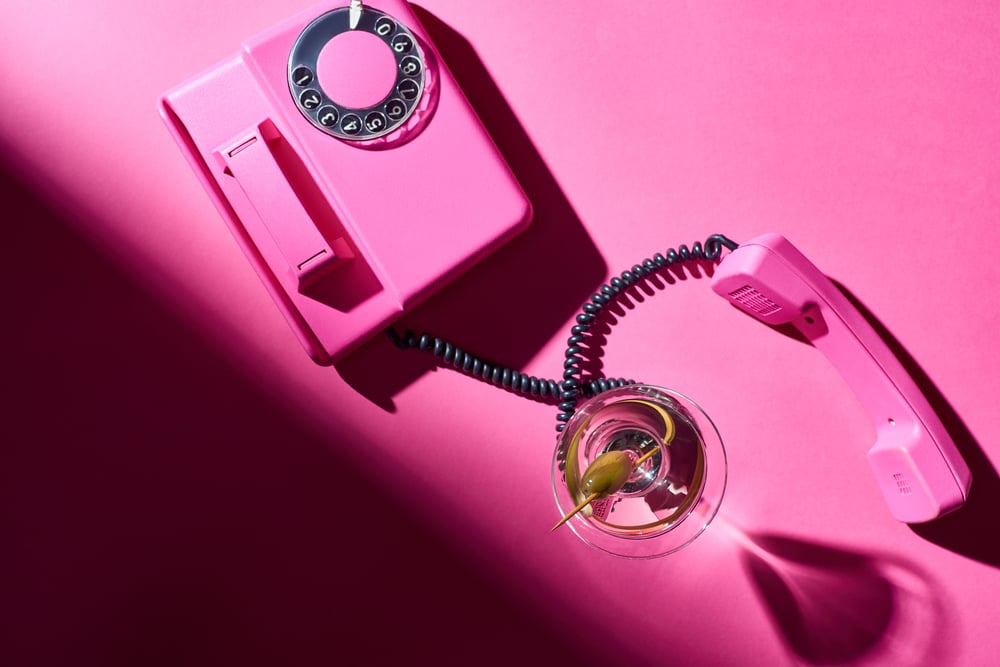
The 1980s explosion of hot pink, electric blue, and lime green phones proved that communication devices didn’t need to stick to boring beige or black. These vibrant colors let people express their personality through their choice of phone, turning a utilitarian device into a fashion statement.
The bold hues added instant energy to any room and showed that technology could be fun and expressive.
Trimline Phones
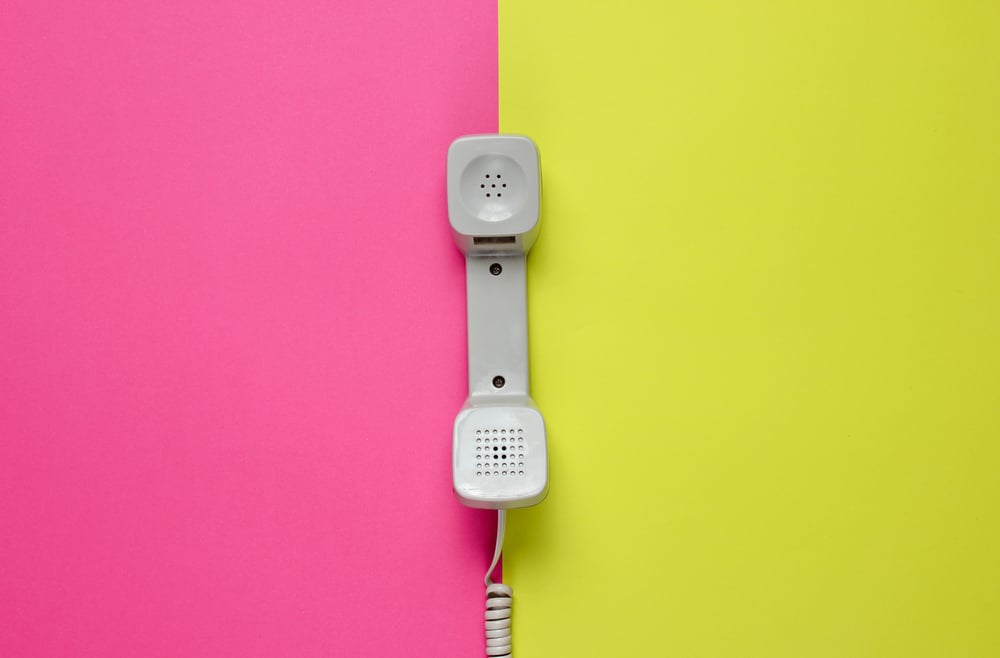
AT&T’s sleek design philosophy created phones that looked like they belonged in the future, with their low profile and integrated dial making them space-age elegant. The handset’s unique shape felt perfectly balanced in your hand, while the compact base took up minimal counter space.
These phones proved that minimalist design could be both beautiful and highly functional.
Cordless Phone with Massive Antenna
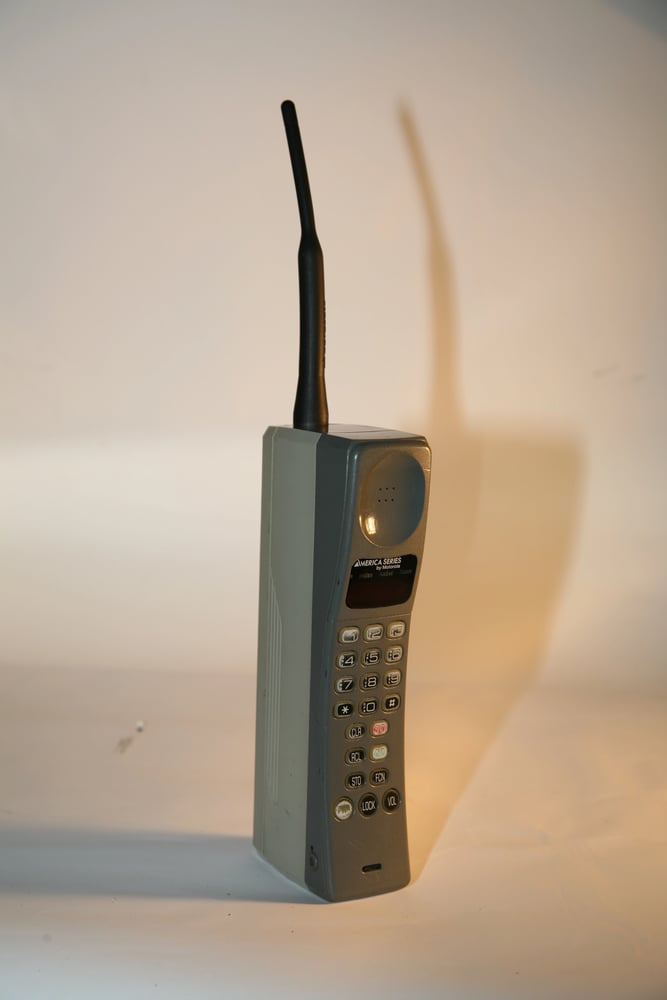
The first cordless phones featured impressively long antennas that made users feel like they were operating sophisticated radio equipment. These early wireless devices represented the cutting edge of technology and gave people their first taste of freedom from phone cords.
The prominent antenna became a status symbol that announced to everyone that you owned the latest in communication technology.
Push-Button Phones with Musical Tones

Touch-tone technology didn’t just make dialing faster—it turned phone numbers into little musical compositions that people could recognize by sound alone. Each button played a specific frequency, creating unique melodies for different phone numbers that became surprisingly memorable.
Some people even learned to play simple songs on their phones, turning communication devices into impromptu musical instruments.
Retro Flip Phones
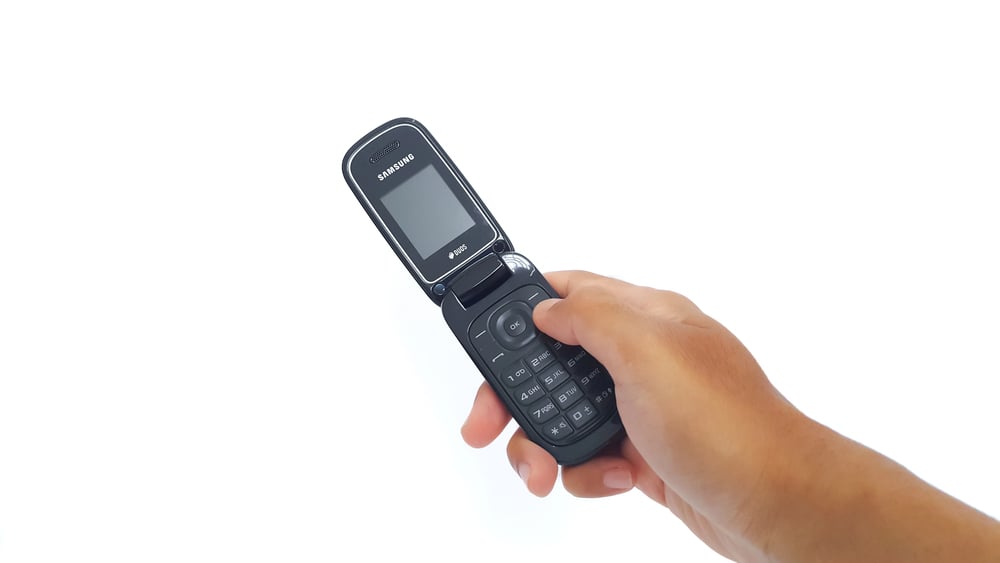
The satisfying snap of closing a flip phone provided a definitive end to conversations that today’s smartphones simply can’t match. The compact design meant these phones could fit comfortably in any pocket, while the flip action protected both the screen and the keypad from damage.
The physical act of flipping the phone open to answer calls made each conversation feel more intentional and important.
Brick Cell Phones
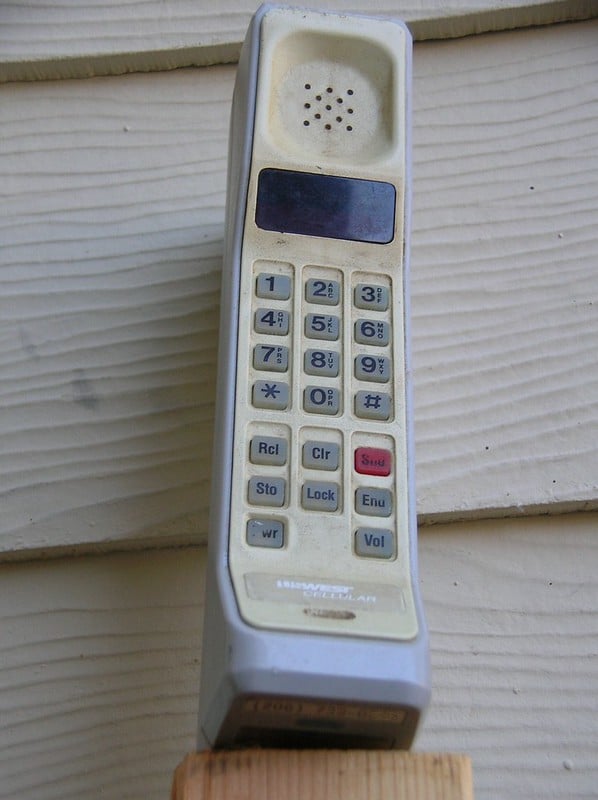
Motorola’s original portable phone was roughly the size and weight of an actual brick, but it represented the incredible freedom of making calls from anywhere. Despite their bulk, these phones were status symbols that announced their owners as early adopters of revolutionary technology.
The impressive battery life and virtually indestructible construction meant these devices could handle years of heavy use without complaint.
Princess Phones
These compact bedside phones came in soft pastels and featured a gentle glow that made them perfect nightstand companions. The curved design fit comfortably in your hand, while the quiet ring tones were designed not to startle sleepers awake.
The Princess phone proved that technology could be both feminine and functional, offering an alternative to the masculine, business-focused designs that dominated the market.
Novelty Shape Phones

From sports equipment to cartoon characters, novelty phones transformed ordinary communication into themed experiences that reflected personal interests. These playful designs showed that phones could be conversation starters and personality expressions rather than just functional tools.
The creativity of manufacturers during this era produced everything from telephone-shaped telephones to miniature race cars, proving that imagination was the only limit to phone design.
When Function Meets Fun Again

Today’s smartphone market has prioritized efficiency and durability over personality and charm, leaving us with devices that are undeniably powerful but somewhat soulless. The retro designs of decades past remind us that technology can be both functional and delightful, serving practical needs while bringing joy to daily interactions.
These classic phones created emotional connections with their users through tactile experiences, visual appeal, and sheer uniqueness that modern devices rarely achieve. Perhaps it’s time for phone manufacturers to remember that the best technology doesn’t just work well—it makes people smile while they use it.
More from Go2Tutors!

- The Romanov Crown Jewels and Their Tragic Fate
- 13 Historical Mysteries That Science Still Can’t Solve
- Famous Hoaxes That Fooled the World for Years
- 15 Child Stars with Tragic Adult Lives
- 16 Famous Jewelry Pieces in History
Like Go2Tutors’s content? Follow us on MSN.



