Why People Avoid Canada’s Center
Canada stretches from coast to coast, but there’s something curious happening in the middle. While millions of people call the eastern and western regions home, the center of this vast country remains surprisingly empty.
Drive across the prairies and you’ll see endless fields, small towns, and a whole lot of space between communities. So what keeps people away from Canada’s heartland? The reasons run deeper than you might think.
The weather hits different out there

Prairie winters don’t mess around. Temperatures can drop to minus 40 degrees, and that’s before the wind chill kicks in. The cold isn’t just uncomfortable – it’s the kind that makes your car refuse to start and turns a quick trip to the store into a survival mission.
Summer brings its own challenges with sudden storms and tornadoes that can appear out of nowhere. Weather this extreme makes daily life harder and more expensive.
Jobs cluster around the edges

Most of Canada’s major industries set up shop near the coasts or the US border. Toronto, Vancouver, and Montreal became economic powerhouses because they had ports, railways, and access to international markets.
The prairies have agriculture and some oil, but these industries don’t create as many jobs as the tech companies, financial firms, and manufacturing plants found in bigger cities. When young people finish school, they often head to where the opportunities are.
Like Go2Tutors’s content? Follow us on MSN.
Everything costs more when you’re far from everywhere

Living in the middle of Canada means paying extra for almost everything. Groceries cost more because trucks have to drive hundreds of miles to reach small prairie towns.
Internet service often runs slower and costs more than in major cities. Even basic services like plumbing or car repair charge higher rates because there are fewer businesses competing for customers.
These added costs make it harder for families to stretch their budgets.
Healthcare services thin out quickly

Rural hospitals in central Canada often struggle to keep doctors and nurses on staff. Specialists visit only once or twice a month, if at all. Emergency services might take longer to reach remote areas.
Pregnant women sometimes have to travel hours to deliver their babies safely. These healthcare gaps worry families, especially those with elderly relatives or children with special needs.
The winters mess with your mood

Long, dark winters affect mental health in ways that sunny climates don’t. Seasonal depression hits hard when daylight barely lasts eight hours and temperatures keep everyone indoors for months.
Social connections become harder to maintain when snowstorms cancel plans and icy roads make driving dangerous. Young adults especially struggle with the social isolation that comes with prairie winters.
Like Go2Tutors’s content? Follow us on MSN.
Entertainment options disappear fast

Big cities offer concerts, theater, sports teams, and nightlife. Prairie towns might have a local bar, a hockey rink, and maybe a community center that hosts bingo nights.
Teenagers complain about having nothing to do, and adults miss the cultural events they took for granted in larger centers. This lack of entertainment options pushes people toward cities where there’s always something happening.
Educational choices become limited

Universities and colleges concentrate in major population centers. Small prairie towns might have good elementary and high schools, but students who want specialized programs or research opportunities often have to move away.
Parents watch their kids leave for university and never come back because the career opportunities they trained for simply don’t exist in smaller communities.
The farming lifestyle isn’t for everyone
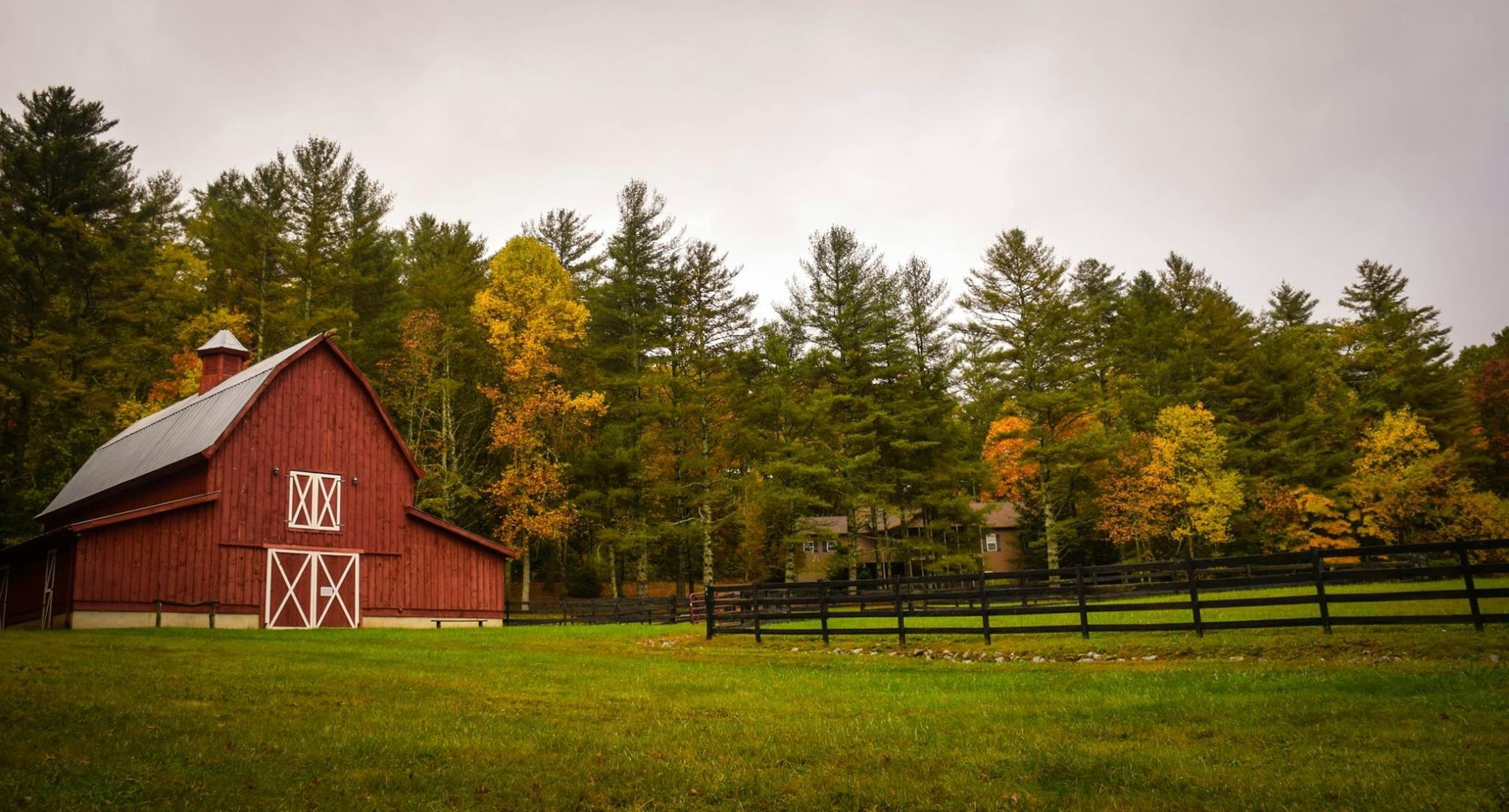
Agriculture dominates the prairie economy, but modern farming requires huge investments in land and equipment. Family farms that once supported multiple generations now struggle to stay profitable.
Young people see their parents working incredibly long hours for uncertain returns and decide to pursue more stable careers elsewhere. The romance of farm life doesn’t match the harsh economic reality.
Like Go2Tutors’s content? Follow us on MSN.
Social connections take more work

Making friends in small prairie towns can be challenging for newcomers. Everyone seems to know everyone else, and social circles form early and stay tight.
People who move from diverse cities sometimes struggle with the lack of cultural variety in smaller communities. Dating becomes especially difficult when the pool of potential partners is tiny and everyone knows your business.
Climate change affects farming communities

Unpredictable weather patterns make farming riskier than it used to be. Droughts last longer, floods hit harder, and growing seasons shift in ways that catch farmers off guard. Crop insurance helps, but many farming families worry about their long-term future.
Young people see the uncertainty and choose careers that don’t depend on weather patterns.
Technology infrastructure lags behind

Rural internet service often runs slower and costs more than urban connections. Cell phone coverage has gaps, especially in remote areas.
This digital divide makes it harder for people to work from home or run online businesses. Students struggle with online learning when their connection keeps dropping. Technology workers especially avoid areas where reliable internet isn’t guaranteed.
Like Go2Tutors’s content? Follow us on MSN.
Public transportation barely exists

Prairie towns spread far apart with little public transit connecting them. Everyone needs a car, which adds to living expenses and creates problems for elderly residents who can no longer drive safely.
Teenagers feel trapped until they get their licenses. People with disabilities face major barriers to independence when everything requires driving to reach.
Housing options stay limited

Small towns might have affordable housing, but the selection is limited. Most homes are older, and finding contractors for major repairs can be difficult and expensive.
Young professionals looking for modern condos or trendy neighborhoods won’t find many options. The housing that does exist often sits far from employment centers, adding commute time and costs.
Medical specialists visit rarely

Need to see a cardiologist or get an MRI? Prairie residents often wait weeks or months for appointments and then travel hours to reach specialists. Some conditions require regular monitoring that becomes difficult when doctors are far away.
Families with serious health issues sometimes move closer to major medical centers just to get the care they need.
Like Go2Tutors’s content? Follow us on MSN.
From prairie dreams to modern realities
The vast prairies that once drew settlers with promises of cheap land and fresh starts now face different challenges. While cities grow and attract newcomers, Canada’s center continues to empty out as people chase opportunities, connections, and conveniences found elsewhere.
Yet those wide open spaces and tight-knit communities still call to people seeking slower-paced living and stronger ties to the land. The center of Canada may be emptying, but it’s not forgotten – it’s just serving a different role in the country’s story than it once did.
More from Go2Tutors!

- 16 Historical Figures Who Were Nothing Like You Think
- 12 Things Sold in the 80s That Are Now Illegal
- 15 VHS Tapes That Could Be Worth Thousands
- 17 Historical “What Ifs” That Would Have Changed Everything
- 18 TV Shows That Vanished Without a Finale
Like Go2Tutors’s content? Follow us on MSN.



