Stylish 70s Fashion Trends Making a Comeback
Fashion moves in loops, yet certain eras stick harder than most. The 1970s cracked open the closet, letting clothes breathe beyond strict shapes and rigid ideas.
Outfits sagged on purpose, hems draped low, choices turned loud without asking permission first. Because of that raw looseness – no apologies – the decade sneaks into today’s closets like it never left.
Right now, reviving the past isn’t about looking like you stepped out of an old photograph. Instead, hints from that era get reshaped by designers – even people picking outfits off the rack.
Familiar shapes return, only cleaner, clearer, more grounded. These pieces echo the 70s but speak today’s language, bold in their simplicity.
Take a moment to notice which details are reappearing, along with reasons they fit so well into current wardrobes.
Flared Trousers

Flared trousers were one of the most recognizable silhouettes of the 70s, originally emerging as a rebellion against narrow, restrictive cuts. They introduced movement into outfits, creating a sense of ease and confidence with every step.
Back then, flares were often exaggerated, dramatic, and unapologetically bold. Modern flares take a more measured approach.
The leg still widens, but the flare is controlled, starting lower and flowing smoothly rather than exploding outward. This makes them easier to style for everyday wear.
Paired with simple knit tops or structured blazers, flared trousers now feel polished rather than theatrical, offering drama without overwhelming the outfit.
Suede Textures

Suede defined much of the 70s aesthetic, bringing warmth and tactility to clothing. It appeared in jackets, skirts, trousers, and accessories, often in natural shades that echoed the decade’s connection to the outdoors.
The material felt lived-in rather than pristine, which added to its appeal. Today’s suede revival is subtler and more strategic.
Instead of full suede outfits, designers favor single standout pieces that add texture to otherwise simple looks. Modern cuts keep suede from feeling heavy, while updated finishes make it easier to maintain.
The appeal lies in its softness and depth, offering richness without flash.
Wide-Collar Shirts

Few details capture 70s style quite like an oversized collar. In its original form, the wide collar was a statement, signaling confidence and individuality.
Shirts were often worn open at the neck, emphasizing ease rather than formality. Contemporary wide-collar shirts borrow the shape but refine the scale.
Collars are noticeable yet controlled, designed to frame the face rather than dominate it. Worn with high-waisted trousers or tucked into skirts, they add personality to otherwise classic outfits.
The look feels intentional, not nostalgic, which is why it works so well now.
Platform Shoes

Platform shoes were everywhere in the 70s, offering height with a sense of playfulness. Unlike delicate heels, platforms felt grounded and bold, making them accessible to a wider range of wearers.
They were as much about attitude as they were about function. Modern platforms have evolved significantly.
Advances in materials mean they are lighter and more comfortable, even when worn for extended periods. Designers now incorporate platforms into boots, sandals, and casual shoes, making them versatile rather than novelty items.
Their return reflects a broader shift toward footwear that balances impact with practicality.
Earth-Tone Color Palettes

The 70s embraced color in a way that felt organic rather than flashy. Earth tones dominated wardrobes, creating warmth and cohesion.
These shades worked together naturally, allowing for mixing and layering without clashing. Today’s renewed interest in earth tones aligns with a desire for calmer, more grounded aesthetics.
Olive, rust, mustard, and deep browns pair easily with modern neutrals, making outfits feel intentional without being busy. These colors also age well, which appeals to people building wardrobes with longevity in mind.
Statement Belts

Belts in the 70s were not subtle finishing touches. They defined silhouettes, especially as clothing became looser and more fluid.
Wide belts emphasized the waist and added structure to flowing garments. That approach has returned, particularly as oversized and relaxed fits dominate modern fashion.
Statement belts now serve as anchors, bringing shape to dresses, coats, and knitwear. The emphasis is less on decoration and more on balance, making outfits feel composed rather than oversized.
High-Waisted Denim
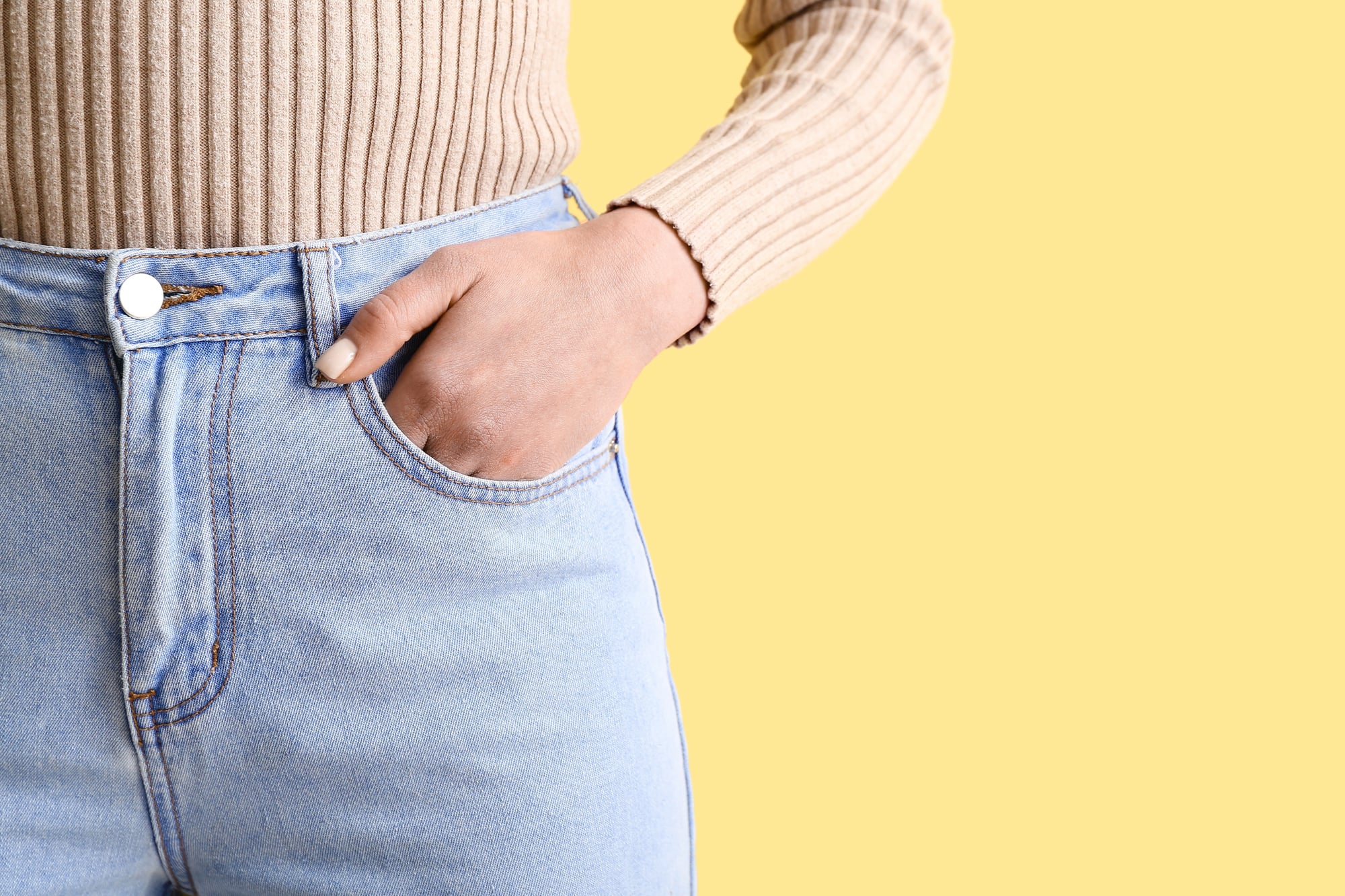
The 70s marked a shift in how denim was worn. Jeans sat higher on the waist, elongating the leg and creating cleaner lines.
This change helped denim move from purely casual wear into more styled, intentional outfits. Modern high-waisted denim draws heavily from this era.
The rise feels flattering and supportive, while updated fabrics add comfort and flexibility. The result is denim that feels structured but wearable, offering the best of both worlds.
Its popularity reflects a move away from low-rise trends that prioritized appearance over comfort.
Printed Scarves

Scarves played a central role in 70s styling, often used to personalize outfits. They were tied around necks, worn in hair, or wrapped around bags, adding color and pattern without overwhelming the look.
Today’s scarves serve a similar purpose. Bold prints and rich hues are back, but styling is more restrained.
Scarves offer an easy way to experiment with trend-driven patterns without committing to full garments. Their return highlights a renewed appreciation for accessories as tools of self-expression.
Bohemian Maxi Dresses

Bohemian maxi dresses captured the free-spirited ethos of the 70s. Flowing fabrics, relaxed shapes, and artistic prints reflected a desire for comfort and individuality.
These dresses moved with the body rather than constraining it. Modern maxi dresses retain that fluidity while refining construction.
Cleaner seams, lighter fabrics, and subtle prints make them versatile across settings. They transition effortlessly from casual daytime wear to more elevated occasions, which explains their enduring appeal.
Knitted Pieces

Knitted garments were a staple of 70s wardrobes, often associated with craftsmanship and warmth. Vests, cardigans, and dresses added texture and depth, creating outfits that felt layered and personal.
Today’s knits emphasize quality and versatility. Modern silhouettes are streamlined, allowing knitwear to be layered without bulk.
The return of knitted pieces reflects a broader interest in tactile fashion that feels comforting yet intentional.
Aviator Jackets

Aviator jackets gained popularity in the 70s for their durability and distinct shape. They conveyed a sense of confidence and practicality, blending function with style.
Modern aviators refine that original concept. Lighter linings and cleaner finishes make them easier to wear daily.
They pair well with both casual and tailored pieces, offering contrast that feels balanced. Their continued appeal lies in their timeless structure and protective feel.
Tinted Eyewear

Back then, frames didn’t shout – they whispered. A hint of pink or gray in the glass gave just enough flair.
These soft touches kept things balanced, never too loud. You could wear them anywhere, like they belonged.
Now tinted glasses bring back the look, using fresh silhouettes and gentle colors instead. With amber leading, then green, followed by rose, each shade brings character without shouting.
Expression slips through quietly here – bold enough to show personality but calm enough to belong anywhere. Style settles in naturally, matching today’s clothing like it was always meant to be there.
Why The 70s Revival Feels Different This Time

Fashion from the 70s comes back, yet it isn’t driven by flash or shock. Instead, comfort finds its way into shape and fabric choices.
Back then, clothes gave room to breathe while still showing personality – calm confidence mattered more than standing out. Today’s rush makes those old ideas feel surprisingly fresh again.
Today’s fashion tweaks past trends instead of copying them outright. Not stuck in the past, it pulls energy from the 70s while moving forward.
Style isn’t fueled by constant novelty. What matters lives in memories of confidence and comfort.
Old favorites return dressed differently now. Feeling right never really goes out of style.
More from Go2Tutors!

- The Romanov Crown Jewels and Their Tragic Fate
- 13 Historical Mysteries That Science Still Can’t Solve
- Famous Hoaxes That Fooled the World for Years
- 15 Child Stars with Tragic Adult Lives
- 16 Famous Jewelry Pieces in History
Like Go2Tutors’s content? Follow us on MSN.