Why Some Countries Still Refuse to Open Their Cold War Archives
Decades have passed since the Berlin Wall came down, and yet the full history of the Cold War remains locked behind bureaucratic walls, classified stamps, and political calculation. It isn’t that the war ended — it’s that the paper trail from it never fully surfaced.
For historians, journalists, and the families of people who disappeared into that era’s machinery, the closed archive isn’t an administrative inconvenience. It’s a wound kept deliberately open. The reasons countries give for keeping their Cold War files sealed range from national security to protecting living sources, but the real explanations tend to be messier, more self-serving, and considerably harder to admit out loud.
Russia’s Intelligence Apparatus
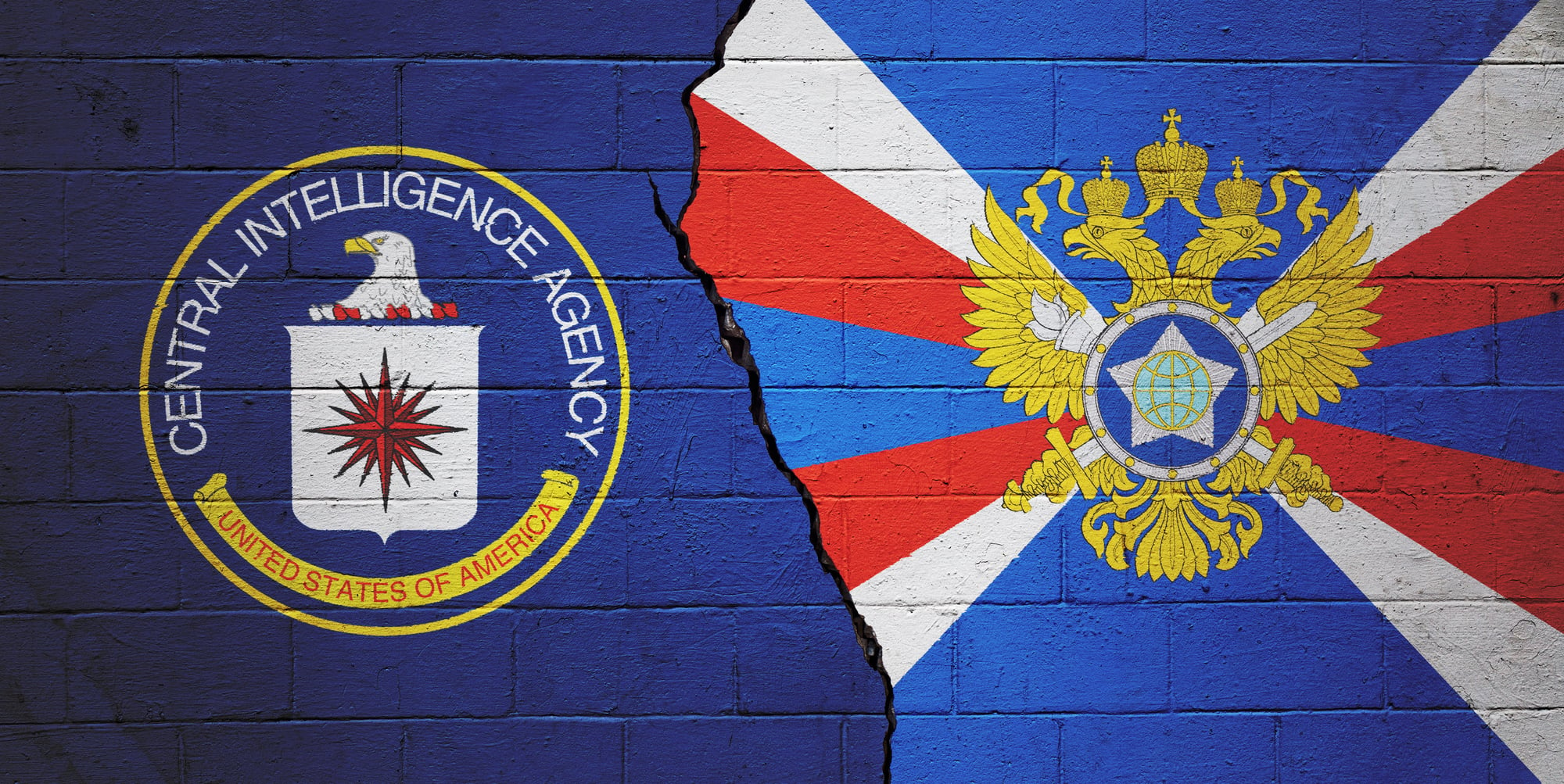
Russia never really transitioned. The FSB grew out of the KGB without meaningful interruption, which means opening the Cold War archives would mean exposing the institutional ancestors of people still in power — and that’s not a trade the Kremlin has shown any appetite for making.
China’s Party Legitimacy Problem
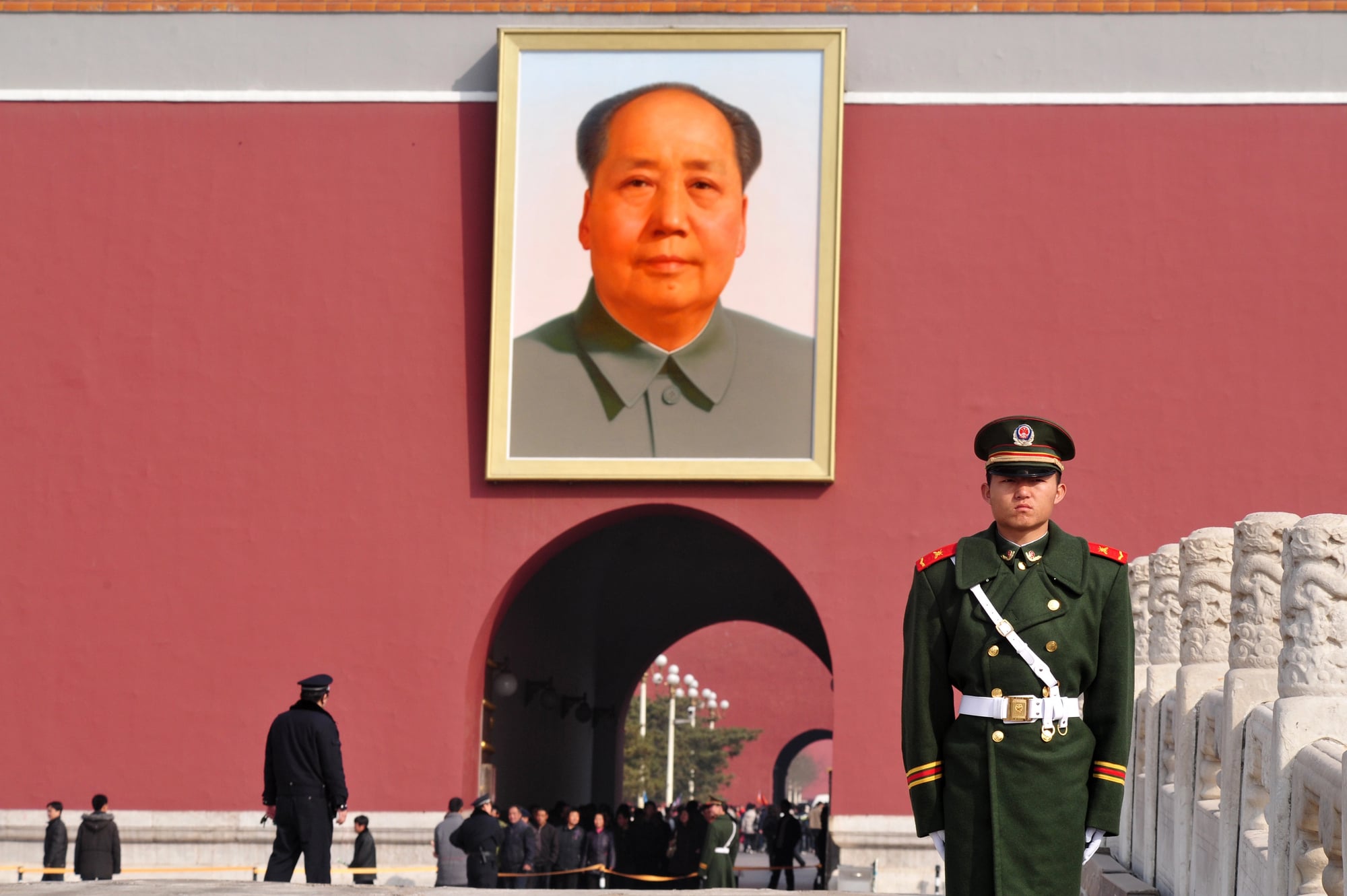
The Chinese Communist Party’s grip on power depends, in part, on a very specific version of its own history. Cold War-era records that contradict official narratives — about alliances, betrayals, internal purges, or covert operations — aren’t just embarrassing.
They’re existential threats to a party that treats its past as a founding document rather than a complicated human record.
The “Living Sources” Argument
Intelligence agencies in multiple countries argue that releasing Cold War files would compromise sources who are still alive. It’s a reasonable concern wrapped around an unreasonable timeline — most human intelligence operations from the 1950s and 60s involved people who are now in their 80s or dead, and the idea that their identities still require protection starts to look more like habit than genuine security calculus.
Cuba’s Revolutionary Archive
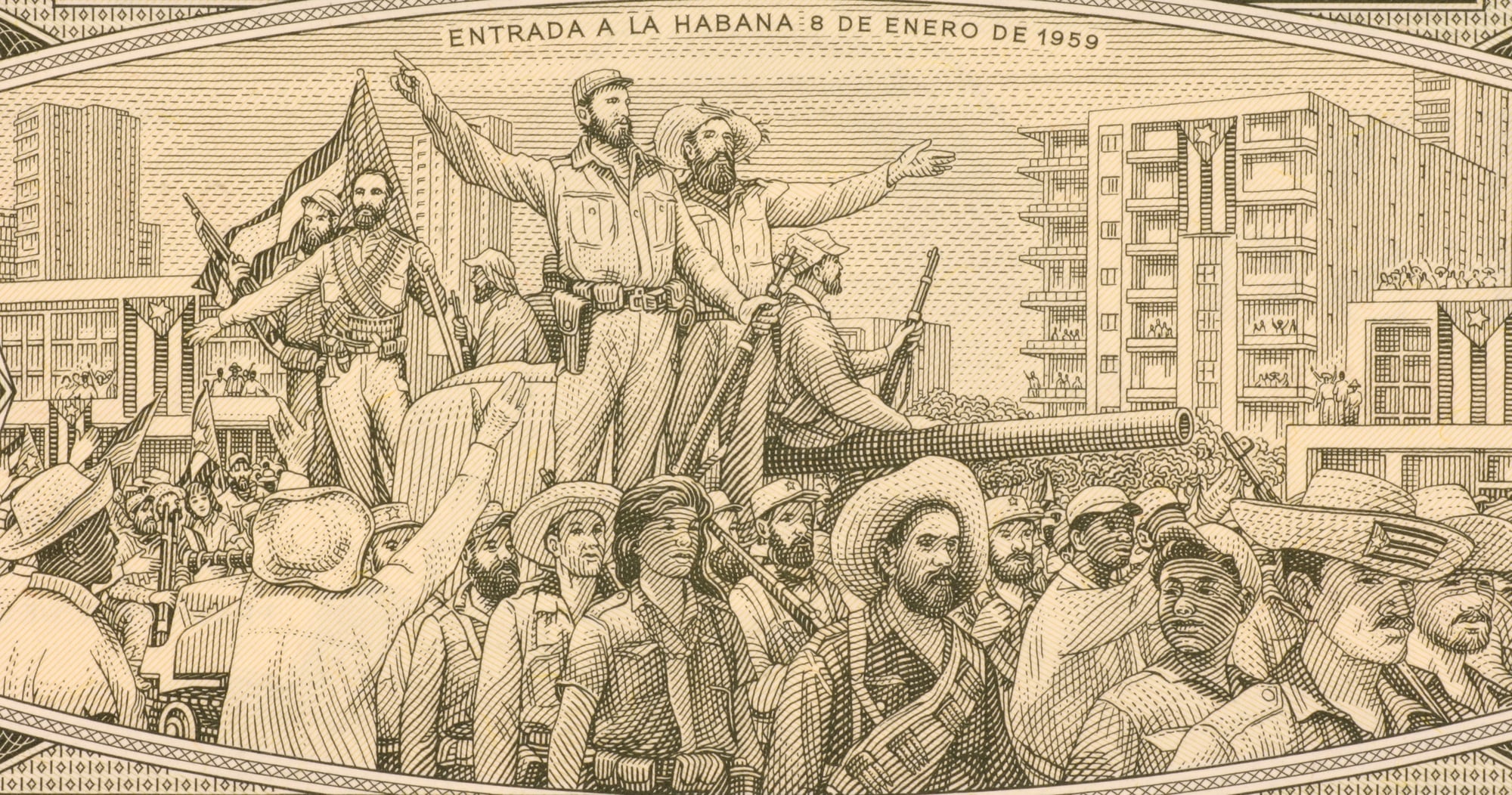
Cuba’s Cold War records touch on Soviet military cooperation, covert support for foreign insurgencies across Latin America and Africa, and the internal mechanics of a government that still exists in its original form. Opening those files would hand foreign governments — particularly Washington — documentation they’ve sought for decades, and Havana has shown exactly zero interest in that kind of transparency.
The Bureaucratic Inertia Nobody Talks About

Declassification is genuinely hard work, and that’s not nothing. Reviewing thousands of pages, redacting names, assessing current relevance — it requires staffing, funding, and institutional will that most governments would rather spend elsewhere, so the default becomes delay, and delay becomes permanent.
Poland and the Lustration Wars
Poland spent years wrestling with how to handle its communist-era security files after 1989, and the battle was brutal — not just politically, but personally, for families who discovered relatives had been informants. The Institute of National Remembrance opened significant portions of those records, but access has always been contested, and the political weaponization of individual files has made other countries watch Poland’s experience and quietly conclude that opening archives creates as many problems as it solves.
The United Kingdom’s Twenty-Year Rule Exception
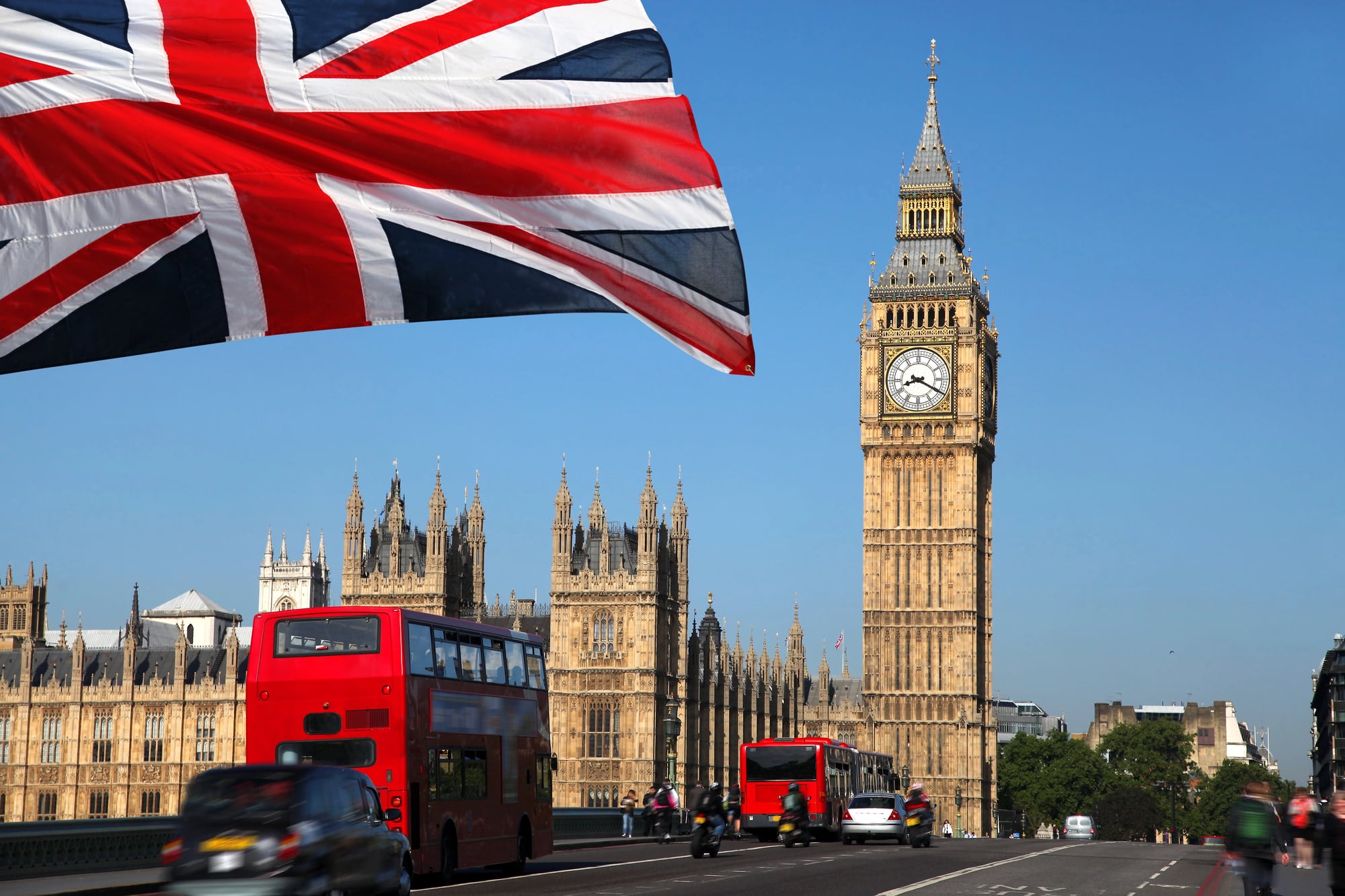
The United Kingdom’s Twenty-Year Rule Exception — Britain operates under a nominal twenty-year rule for declassification (changed from thirty years in 2013), but the exceptions swallow the rule whole — national security, international relations, personal data, and “advice given to ministers” can all be invoked to keep files sealed indefinitely. Cold War materials involving intelligence cooperation with the United States, operations in Kenya during the Mau Mau uprising, or covert activity in the Middle East have all been held back under frameworks that were never designed to be honest.
Romania’s Securitate Files
Romania’s secret police files sit in a category of their own. The Securitate kept records on roughly one in four Romanian citizens — a surveillance operation so extensive that the archive itself is almost too large to process.
The National Council for the Study of the Securitate Archives has released significant material, but former officers and their political allies have obstructed the process for decades, and certain categories of files remain missing entirely — possibly destroyed, possibly just very well hidden.
North Korea
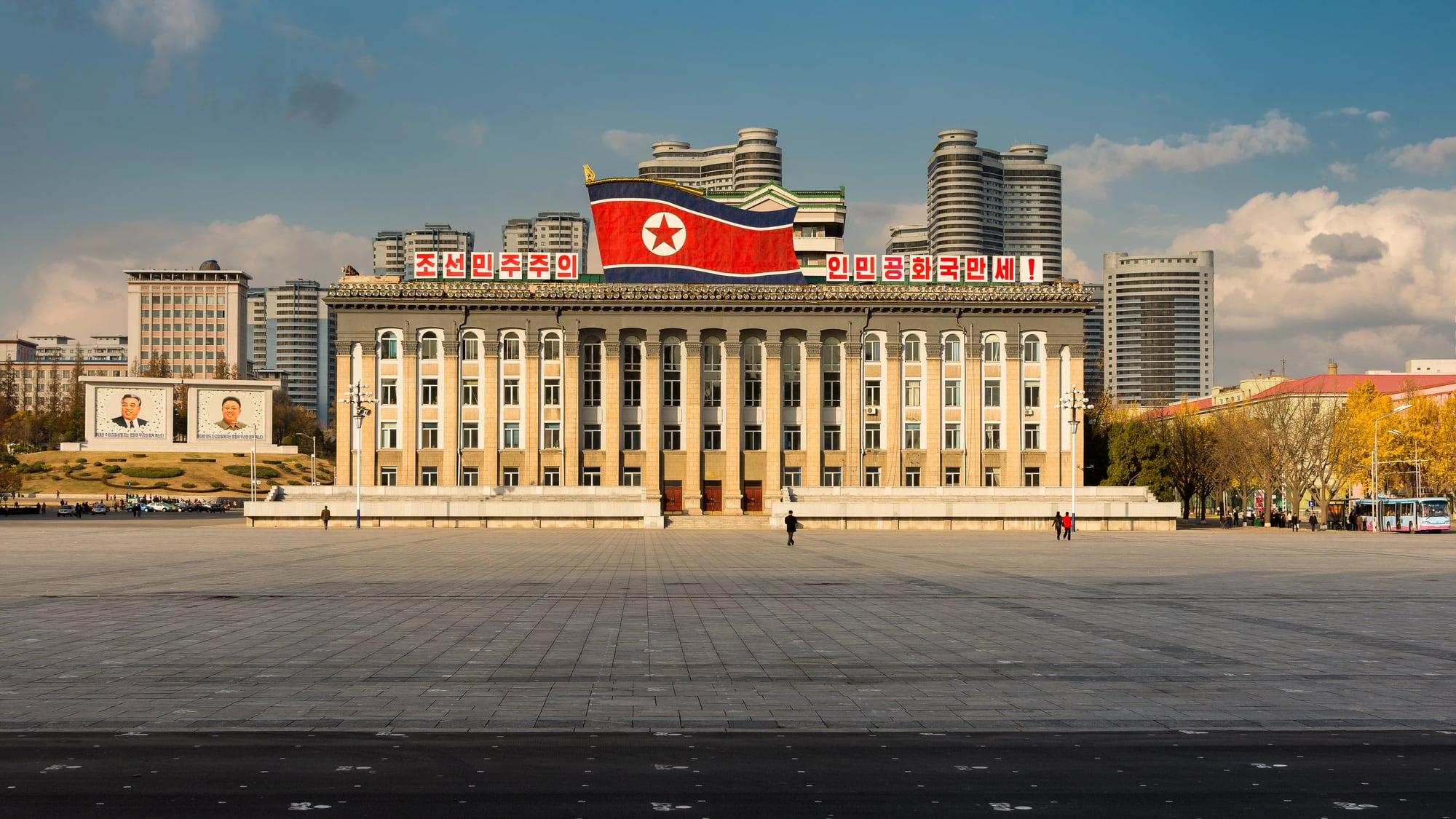
There is no version of this story in which Pyongyang opens its Cold War archives. The regime’s entire ideological architecture depends on a mythology of the Korean War and the decades that followed — a mythology that documented reality would complicate at almost every turn.
Full stop.
The United States’ Own Backlog
The U.S. has released enormous volumes of Cold War material through the National Archives and the CIA’s CREST database, but the backlog of unreviewed classified documents still runs into the millions of pages. The JFK Records Act of 1992 set deadlines that were missed, extended, and missed again, which means even a country with strong declassification laws can effectively stall through sheer bureaucratic mass.
Protecting Allied Relationships
Some archives stay closed not to protect the country that holds them, but to protect foreign partners who cooperated with intelligence operations during the Cold War. West Germany’s internal files, for instance, contain material that implicates intelligence services in countries now governed by very different political parties — and releasing those files unilaterally would rupture alliances that still matter today.
The “Too Much Time Has Passed” Trap
There’s a strange gravitational pull that happens with old secrets: the longer they stay classified, the harder it becomes to open them, because the act of opening them starts to feel like an event rather than a process. Governments that kept files sealed for forty years now face the question of what their silence implied — and answering that question publicly is politically riskier than just continuing to say nothing.
Ukraine’s Complicated Inheritance
Ukraine inherited KGB archives from the Soviet period and has actually moved more aggressively than most to open them — the Ukrainian Institute of National Memory has digitized and published enormous amounts of material. And yet the most sensitive operational files, including those related to Cold War-era border activities and Soviet-era nationalist suppression, remain contested territory, partly because the war with Russia has made the political calculus around historical memory more volatile than ever.
The Intelligence Community’s Cultural Resistance
Secrecy inside intelligence agencies isn’t just policy — it’s professional identity. Analysts and officers who built careers around the idea that their work was too sensitive to discuss don’t age out of that belief, and their institutional successors inherit it.
The culture of classification reproduces itself regardless of whether the original justification still applies, which is why files from 1962 can still carry TOP SECRET stamps in 2025.
What Historians Actually Need
Professional historians working on Cold War research don’t need every file — they need the operational records, the decision-making memos, the cables between capitals at moments of genuine crisis. What gets released instead, when anything gets released at all, tends to be administrative flotsam: meeting schedules, budget summaries, correspondence that was never particularly sensitive.
It’s disclosure as performance rather than disclosure as accountability.
The Families Still Waiting

For the relatives of people who were surveilled, imprisoned, disappeared, or killed during the Cold War, the closed archive is a particular kind of cruelty — not abstract or political, but specific. A mother who wanted to know why her son was arrested. A daughter who never understood why the family had to leave.
The historical record they’re asking for isn’t a matter of academic curiosity. It already cost them something real, and keeping it sealed costs them again.
What Stays Locked
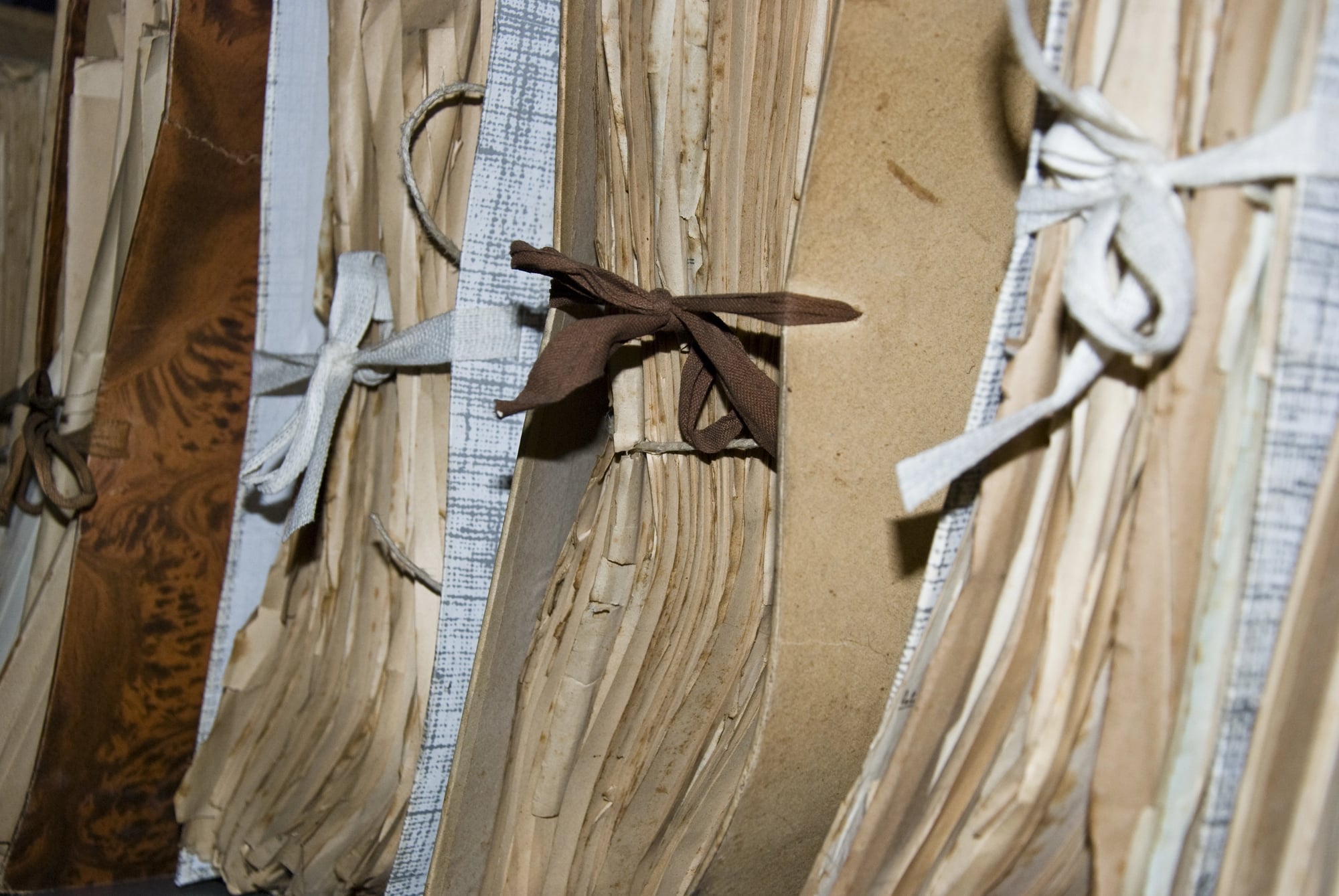
Some of what remains classified from the Cold War era is genuinely sensitive: active intelligence methods that haven’t changed, technical capabilities that remain relevant, human networks that still exist in different forms. But that’s a fraction of what’s withheld, and intelligence agencies are rarely transparent about which category any given file falls into — so the legitimate secrets and the merely inconvenient ones get stored in the same drawer, under the same lock, with the same justification.
The Slow Opening That Keeps Stopping

Declassification tends to move in surges and then stall. A new administration releases a tranche of documents, historians celebrate, archives promise more — and then the momentum dissolves, budgets get redirected, political winds shift, and the next review cycle gets quietly postponed.
It’s less a policy failure than a structural one: without legal deadlines backed by enforcement, the default setting for classified material is permanent.
When the Record Rewrites the Story
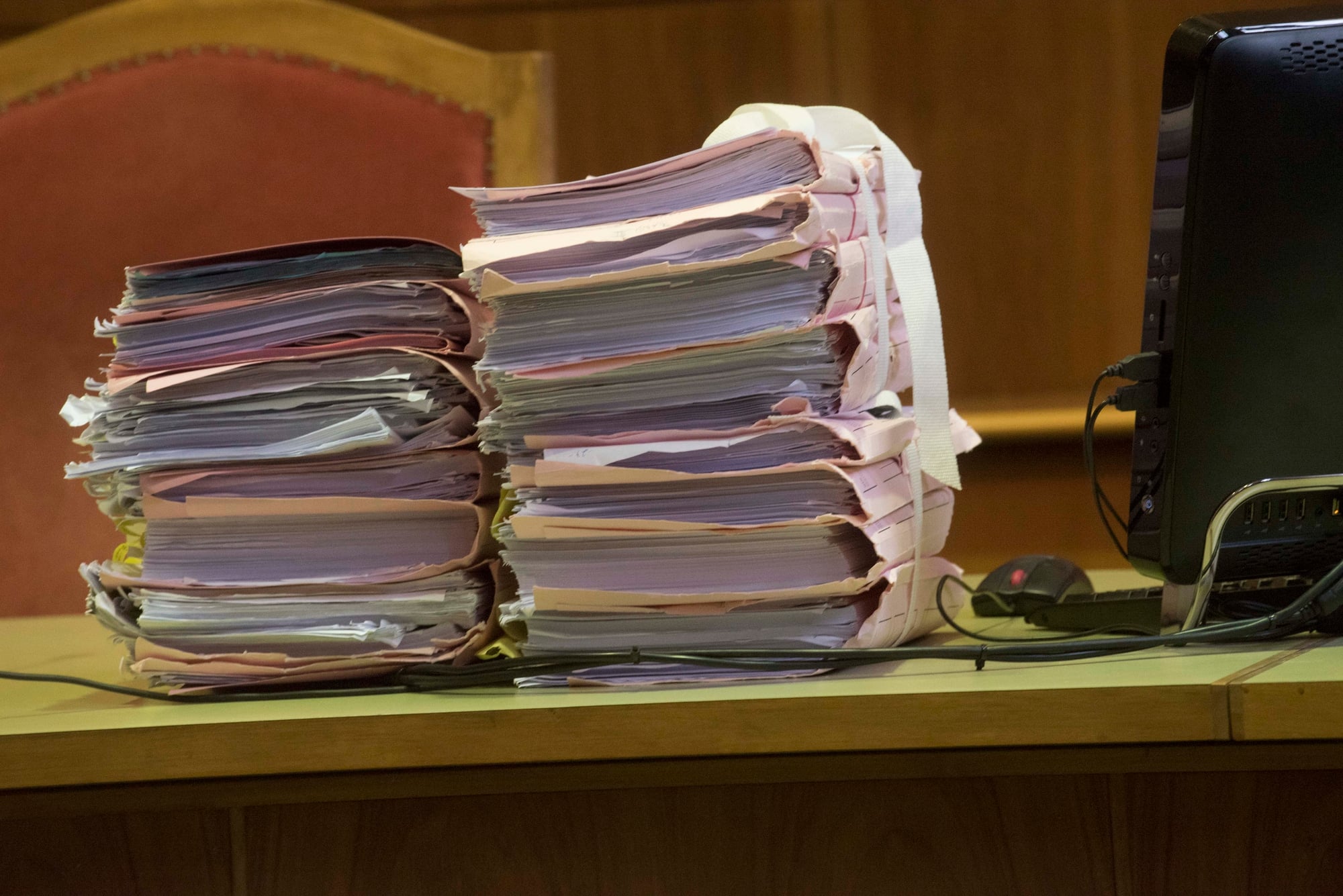
History, as it turns out, is embarrassing. The Cold War archives that have been released — from the Mitrokhin Archive to the Venona project documents to East German Stasi files — have consistently complicated the official stories that governments on both sides told about themselves.
Spies who were celebrated were compromised. Operations that were sold as defensive were anything but. The countries that keep their archives sealed have watched what happened when others opened theirs, and they’ve drawn the obvious conclusion.
The Gap Between Law and Practice
Many countries have declassification laws on the books — statutory timelines, review boards, public interest exemptions. What they don’t always have is a mechanism to enforce those laws against the agencies that hold the files.
An intelligence service that decides a document should stay classified can usually find a legal basis to justify that decision, and appeals processes are slow, underfunded, and rarely decided in favor of the researcher. The law exists. The archive stays shut.
The Weight of an Unanswered Question

There’s something almost architectural about a sealed archive — it holds the shape of an era that officially ended, but the weight of what’s inside keeps pressing against the walls. The Cold War is taught in schools as finished history, a story with a known conclusion, but the documents that would let anyone actually verify that story remain locked in buildings most people will never enter, reviewed by committees that rarely report their findings, in countries that have decided, for reasons they don’t fully explain, that what happened then is still nobody else’s business now.
More from Go2Tutors!

- The Romanov Crown Jewels and Their Tragic Fate
- 13 Historical Mysteries That Science Still Can’t Solve
- Famous Hoaxes That Fooled the World for Years
- 15 Child Stars with Tragic Adult Lives
- 16 Famous Jewelry Pieces in History
Like Go2Tutors’s content? Follow us on MSN.