Why the 1990s Were Iconic for Fashion
The 1990s were more than just another decade in style—they were a whole mood. After the loud colors and dramatic silhouettes of the ‘80s, fashion took a sharp turn toward authenticity, comfort, and creativity.
Whether it was grunge kids in Seattle or supermodels walking for Versace in Milan, the era defined a generation’s sense of self-expression. Many of the trends born then still echo through modern wardrobes today.
Here are 15 reasons why the ‘90s remain one of the most iconic decades in fashion history.
Grunge Changed Everything

The grunge scene that started in Seattle in the late ‘80s exploded into mainstream fashion by the early ‘90s. Baggy jeans, oversized flannel shirts, and scuffed Doc Martens replaced tailored suits and glossy glam.
The idea wasn’t to look perfect—it was about rejecting perfection entirely. Ripped jeans, vintage band tees, and layers of plaid created that “I don’t care” aesthetic that ironically became one of the coolest looks ever.
Kurt Cobain captured it best: raw, real, and unbothered.
The Supermodel Era Peaked
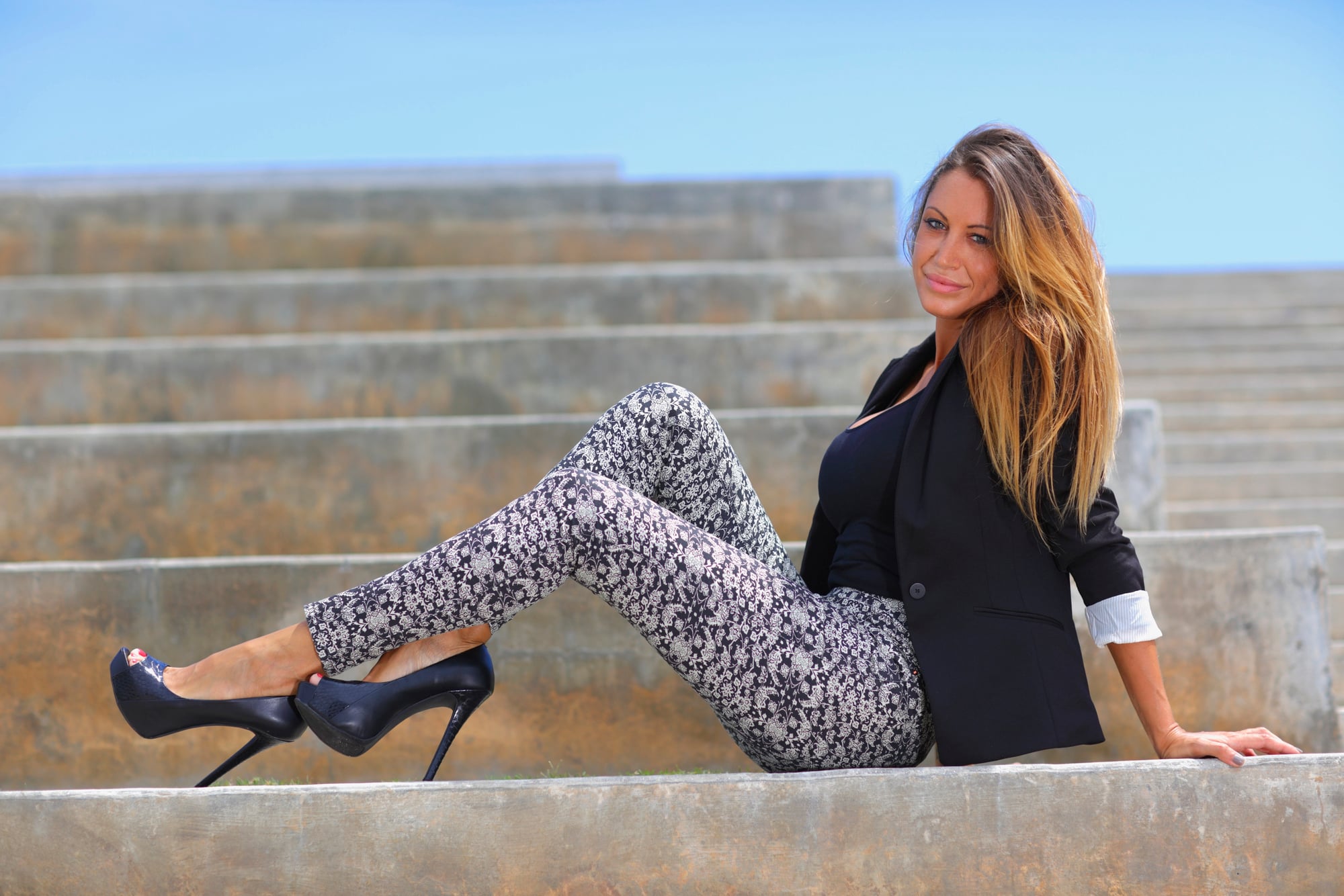
By the early ‘90s, supermodels had become household names. When Cindy Crawford, Naomi Campbell, Linda Evangelista, and Christy Turlington linked arms on the Versace runway in 1991, it wasn’t just a fashion show—it was a cultural moment.
These women were as famous as movie stars and musicians, and their influence extended far beyond magazines. They made fashion feel larger-than-life, showing the world that models could be powerful brands on their own.
Like Go2Tutors’s content? Follow us on MSN.
Minimalism Became Cool
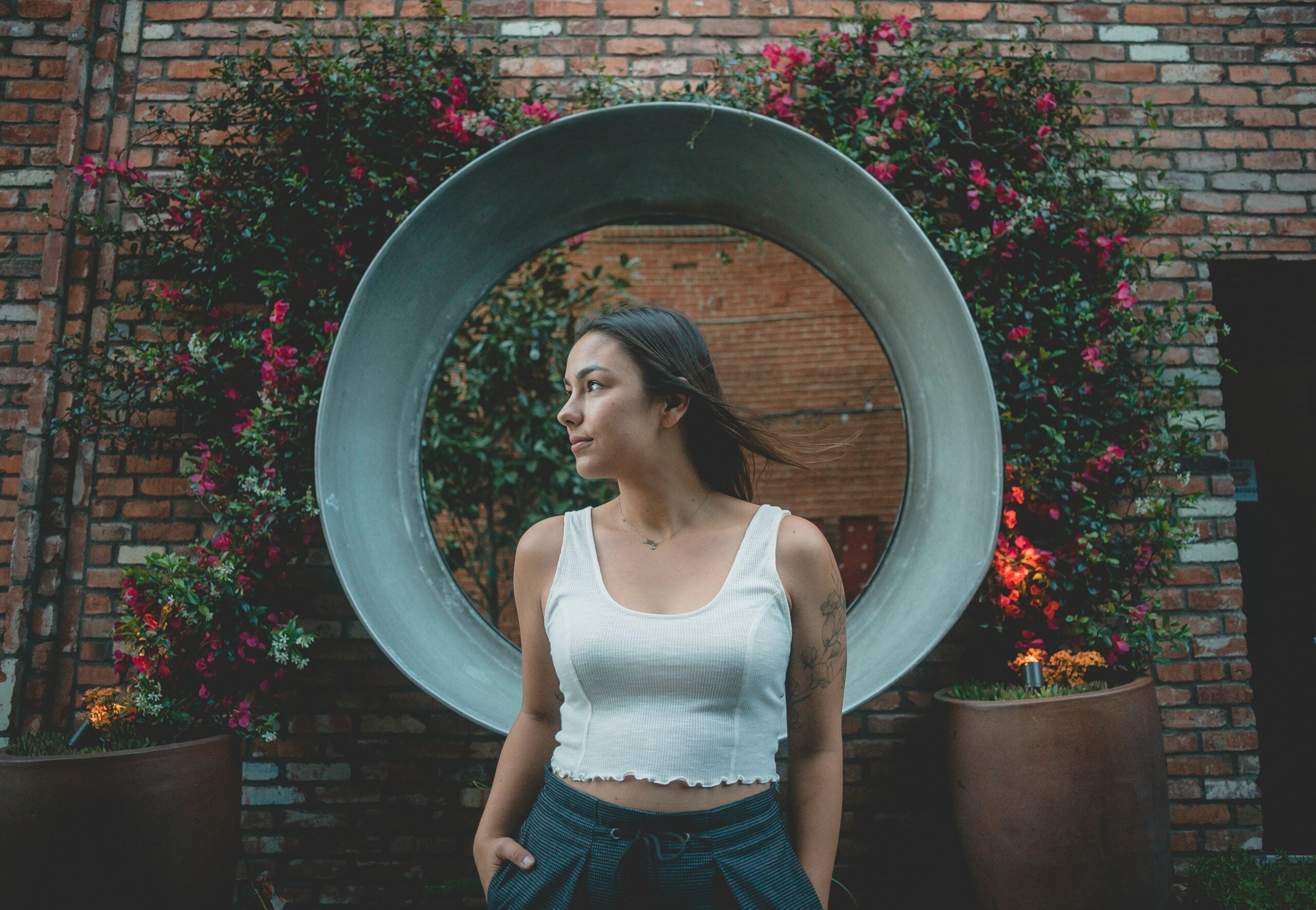
After the chaos of the ‘80s, the ‘90s brought calm. Designers like Calvin Klein, Helmut Lang, and Prada stripped fashion down to the essentials.
Think clean lines, neutral tones, and silhouettes that feel effortless instead of overdone. Minimalism made looking good seem simple again—no shoulder pads or sequins required.
It was sleek, quiet luxury before the phrase even existed.
Slip Dresses Redefined Femininity

Few garments represent the ‘90s better than the slip dress. Delicate spaghetti straps, silky fabrics, and barely-there cuts replaced the frills of the previous decade.
Kate Moss made headlines when she showed up in a sheer silver slip dress, black underwear visible underneath—a moment that shocked and defined an era. These dresses worked for nearly everything: glam events, night outs, or thrown casually over a white tee for a grungy spin.
Hip-Hop Transformed Streetwear
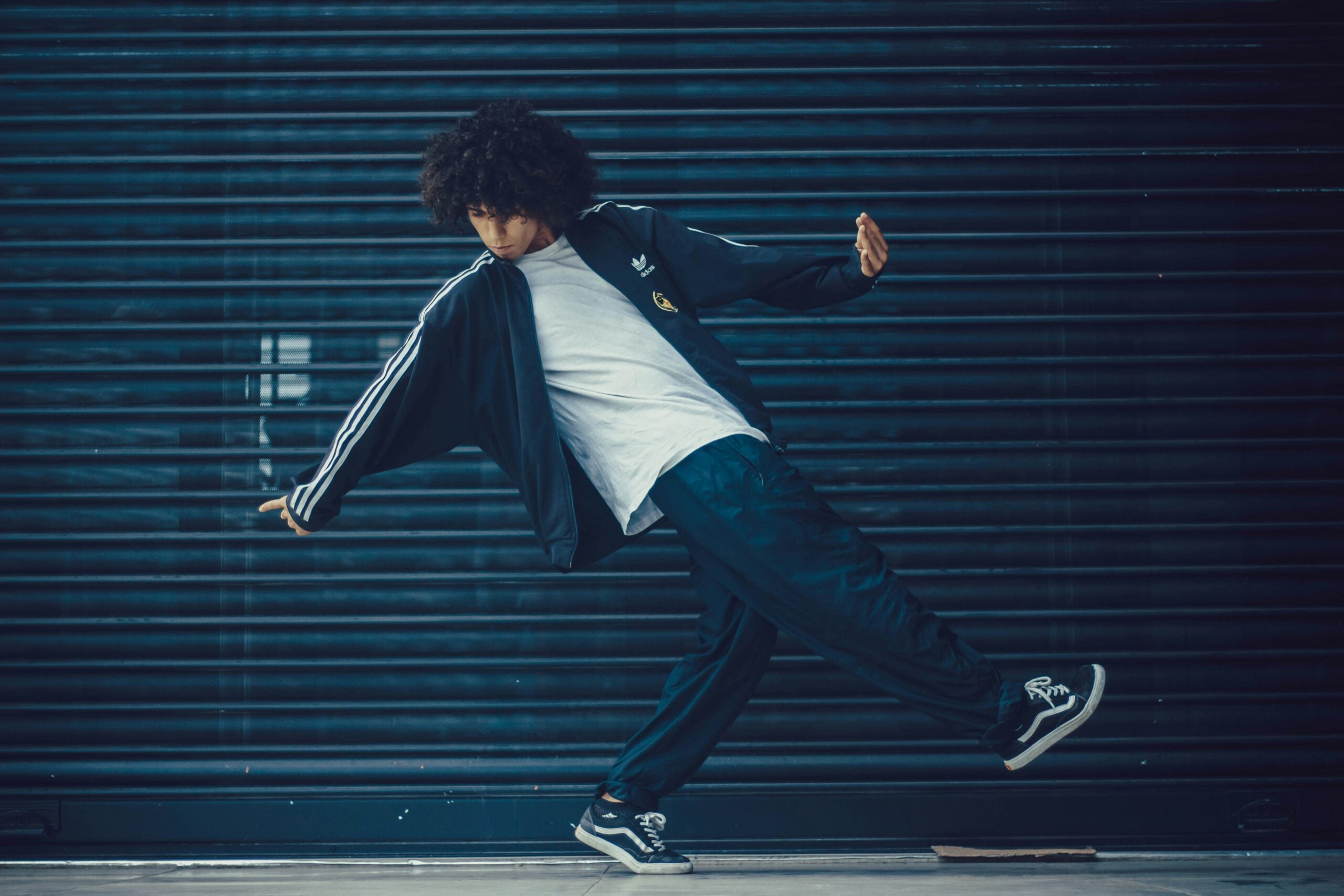
Hip-hop wasn’t just changing music—it was changing closets. Artists like LL Cool J, Tupac, and Biggie Smalls turned oversized jeans, puffer jackets, and Timberland boots into everyday staples.
Labels like FUBU, Nike, and Adidas became symbols of identity, not just style. From neon tracksuits to bucket hats, streetwear became a statement of confidence, community, and culture.
It was fashion with attitude.
Like Go2Tutors’s content? Follow us on MSN.
Chokers Made a Serious Comeback

If you lived through the ‘90s, you probably owned at least one choker. From simple black velvet to chunky metallic versions, they added an instant edge to any outfit.
Whether paired with a spaghetti-strap dress or a baby tee, chokers made you feel like you belonged to the moment. Alongside scrunchies, platform sandals, and butterfly clips, they’re one of those nostalgic accessories that refuses to fade away.
Denim Dominated in Every Form

Denim wasn’t just popular—it ruled. Jackets, skirts, overalls, and even double-denim outfits were everywhere. High-waisted “mom jeans” made comfort look cool again, while later in the decade, low-rise jeans took over dance floors.
Distressed finishes and patchwork details added personality. The best part? Denim didn’t care about gender, class, or trend cycles—it was the decade’s great equalizer.
Platform Shoes Gave Everyone Height

The higher, the better—that was the ‘90s motto for footwear. Platforms, whether in the form of sneakers or strappy sandals, gave outfits an exaggerated, playful lift.
The Spice Girls turned them into a cultural symbol of empowerment and fun. They weren’t subtle, but that was kind of the point—they screamed confidence and attitude.
Like Go2Tutors’s content? Follow us on MSN.
TV Shows Became Style Guides

Fashion inspiration came straight from the screen. Rachel Green from Friends made vests and miniskirts must-haves, while Clueless’s Cher Horowitz made plaid look preppy and powerful.
Even The Fresh Prince of Bel-Air brought streetwear into suburban homes. People weren’t just watching for the storylines—they were watching for outfit ideas, recreating looks the next day.
Logos and Branding Exploded

If you weren’t showing the logo, were you even trendy? The ‘90s birthed “logomania,” where brands like Tommy Hilfiger, Calvin Klein, and Levi’s printed their names loud and proud across everything. It was less about subtlety and more about status—fashion as a badge of belonging.
For the first time, the label was as important as the look.
Athleisure Started Here
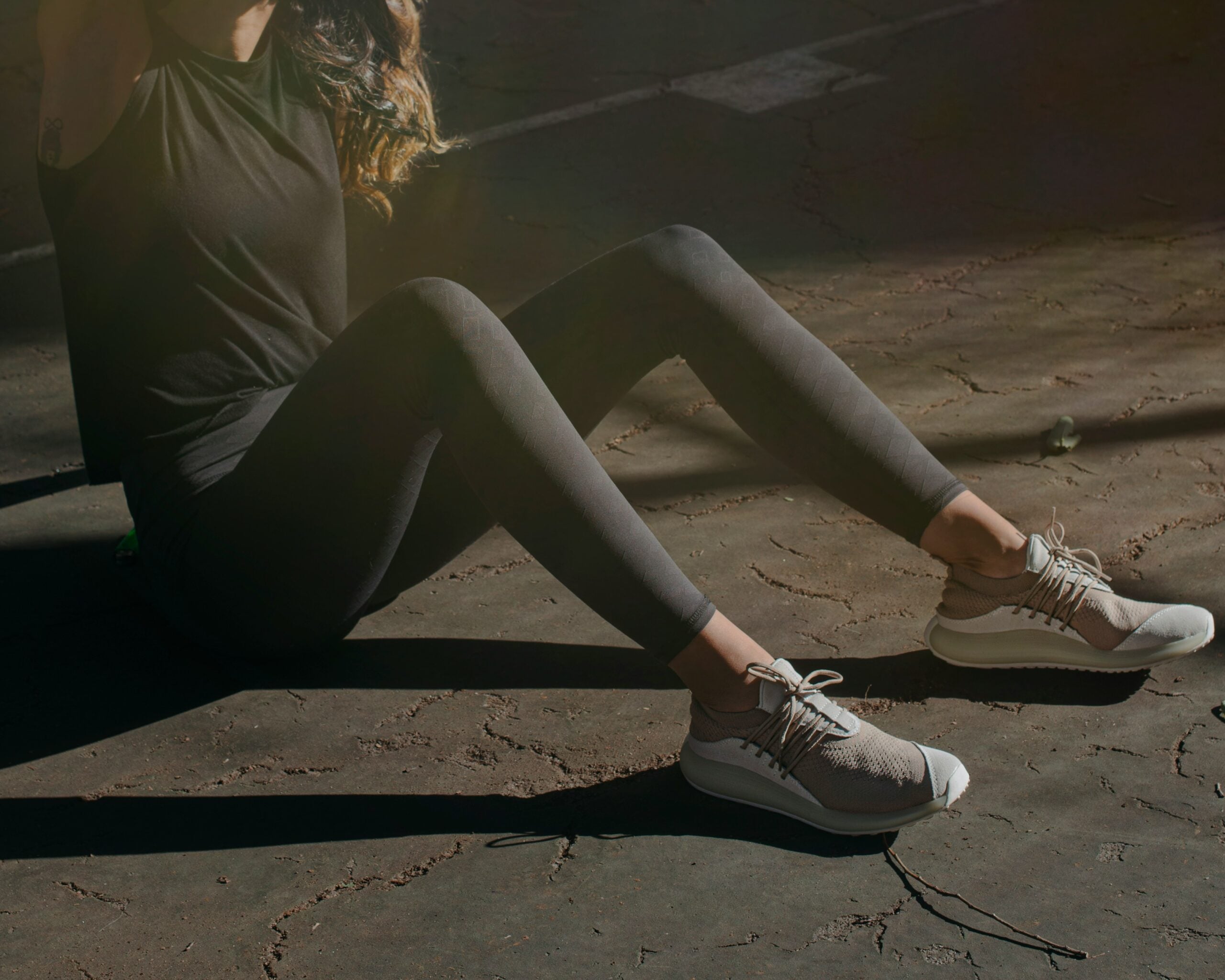
Before “athleisure” became a buzzword, the ‘90s had already nailed it. Princess Diana made bike shorts and oversized sweatshirts look effortlessly chic during her off-duty moments.
Tracksuits became everyday wear, blurring the line between sports and style. The idea that you could look good and be comfortable was revolutionary—and it’s a lesson we’ve never unlearned.
Like Go2Tutors’s content? Follow us on MSN.
Crop Tops Showed Some Skin

Aaliyah was one of the faces of cool in the ‘90s, and her signature crop tops and baggy pants combo defined casual confidence. Crop tops worked for everyone—they could be flirty or sporty, dressed up or down.
More than a fashion statement, they became a symbol of self-assurance and body confidence, encouraging people to show a little skin unapologetically.
Plaid Became Preppy and Grunge

Plaid pulled double duty in the ‘90s. In Clueless, it was all about matching sets and mini skirts. In grunge culture, it was the exact opposite—oversized flannels tied around the waist, paired with ripped jeans and boots.
The same pattern, two totally different vibes. That versatility made plaid one of the decade’s most enduring prints.
Bold Accessories Added Personality

If the ‘90s had a fashion motto, it would’ve been “more is more.” Scrunchies, butterfly clips, and tiny shoulder bags added color and playfulness.
Bucket hats, often stamped with Tommy Hilfiger or Kangol logos, became icons of cool. Even something as small as a hair tie could express personality.
It wasn’t about perfection—it was about creativity.
Like Go2Tutors’s content? Follow us on MSN.
Body Positivity Started Shifting

The ‘90s had complicated beauty ideals—Kate Moss’s “heroin chic” look sparked plenty of debate—but it also marked the beginning of visible diversity in mainstream fashion. Tattoos, piercings, and alternative looks became part of self-expression instead of rebellion.
The decade planted the seeds for a broader idea of beauty—one that didn’t fit into a single mold.
The Decade Created Lasting Impact

What made the ‘90s truly iconic is how much of it still shapes modern fashion. Designers today constantly reference the era—whether it’s Saint Laurent reimagining grunge or Gucci reviving vintage denim.
Step into any store and you’ll spot slip dresses, chunky sneakers, chokers, and flared jeans that all trace their roots back here. The ‘90s proved that fashion could be both expressive and approachable, and that being comfortable in your own style never goes out of trend.
More from Go2Tutors!

- 16 Historical Figures Who Were Nothing Like You Think
- 12 Things Sold in the 80s That Are Now Illegal
- 15 VHS Tapes That Could Be Worth Thousands
- 17 Historical “What Ifs” That Would Have Changed Everything
- 18 TV Shows That Vanished Without a Finale
Like Go2Tutors’s content? Follow us on MSN.



