15 Fashion Trends Sparked by Total Accidents
Fashion history is full of happy accidents and unexpected origins. Some of the most iconic styles we love today weren’t meticulously planned by designers but emerged from complete mishaps, split-second decisions, or pure coincidence.
These unplanned moments transformed how we dress and influenced generations of style. Here is a list of 15 fashion trends that were born entirely by accident, proving that sometimes the best innovations come from unexpected places.
Distressed Jeans
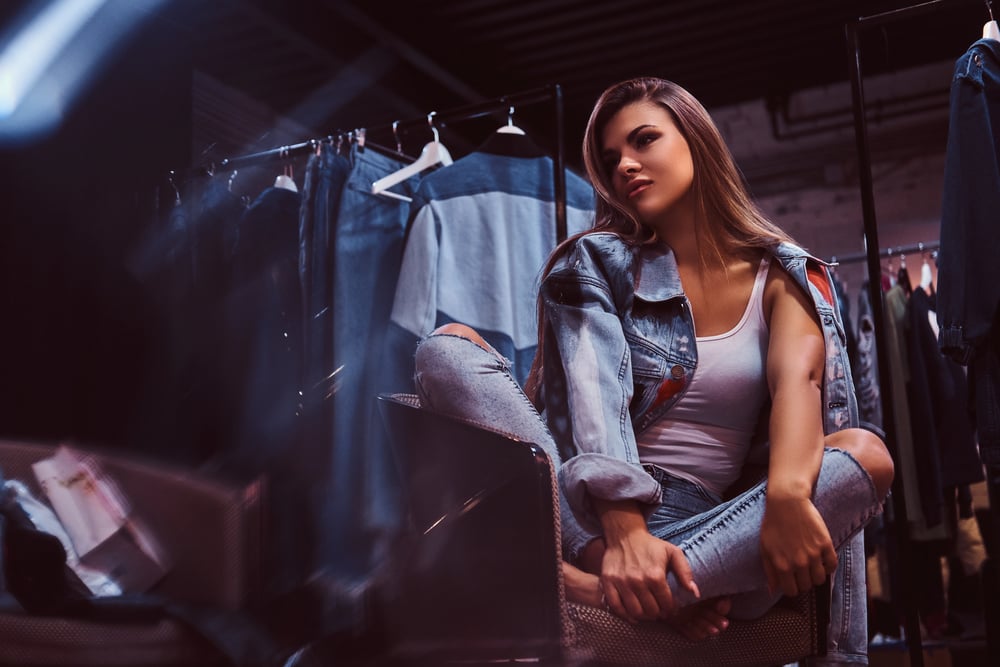
The deliberately ripped look that dominates casual wear started when worn-out work pants became a symbol of authenticity. Factory workers and miners naturally wore their denim to shreds, never imagining their damaged clothing would inspire a worldwide trend.
Designers noticed this authentic wear and tear in the 1970s and began replicating it intentionally, turning a workplace hazard into a fashion statement that still dominates our closets today.
The T-Shirt as Outerwear

T-shirts were originally designed strictly as men’s undergarments, never meant to be seen in public. The transformation began when soldiers during World War II were photographed wearing only their T-shirts in hot climates.
The trend exploded when Marlon Brando and James Dean wore them as standalone pieces in films, turning an underwear item into perhaps the most ubiquitous garment on earth.
Like Go2Tutors’s content? Follow us on MSN.
Coco Chanel’s Suntan

Before the 1920s, tanned skin was associated with field workers and considered undesirable among the upper class. Fashion legend Coco Chanel accidentally got sunburned while cruising on a yacht in the French Riviera.
Rather than hiding her sun-kissed skin, she flaunted it upon returning to Paris. Society quickly followed suit, and tanning became a symbol of leisure and luxury that continues to influence beauty standards.
Platform Shoes
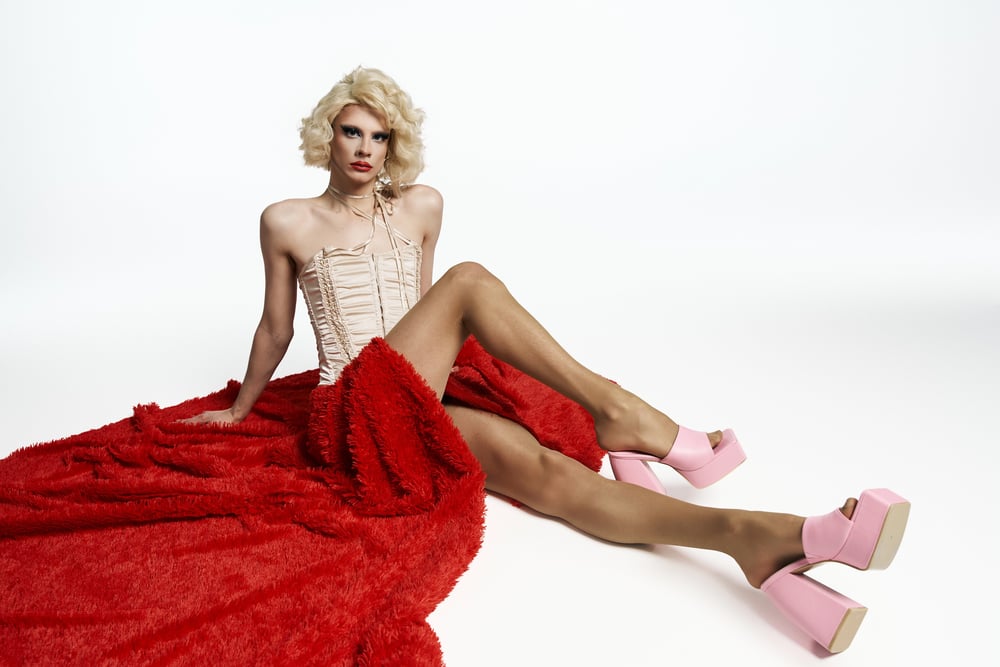
The towering platforms we know today trace back to 14th century Venice, where they served the practical purpose of keeping people’s feet dry during floods. Called ‘chopines,’ these elevated shoes protected expensive footwear and clothing from muddy streets.
What began as a solution to dirty conditions evolved into a status symbol and eventually inspired the disco platforms of the 1970s and recurring trends ever since.
Blue Jeans

Denim’s classic blue color came from the indigo dyeing process, not from any deliberate choice. Not knowing he was producing a classic color that would define casual wear for decades, Levi Strauss chose indigo as it was the most accessible and inexpensive dye.
The natural fading qualities of the indigo produced distinct wear patterns on every pair, therefore unintentionally producing the individual look we value in denim today.
Like Go2Tutors’s content? Follow us on MSN.
Wraparound Sunglasses

The sleek wraparound sunglasses popularized in the 1980s originated from a manufacturing mistake. A lens-cutting machine malfunctioned, producing an unusually curved piece of glass.
Rather than discard it, an innovative designer incorporated the accident into a new design. The resulting sunglasses offered superior side protection from the sun and became a defining accessory of the decade.
The Bob Haircut

The iconic bob haircut emerged during World War I out of necessity rather than style. Women working in factories needed practical, short hairstyles that wouldn’t get caught in machinery.
This functional accident quickly transformed into a symbol of female liberation and modernity. Fashion icons like Coco Chanel embraced the look, cementing its place as one of the most enduring hairstyles in history.
Penny Loafers

The small slit on penny loafers wasn’t designed as a decorative element but served a practical purpose. Students in the 1930s needed a place to store emergency phone call money (one penny, exactly what a call cost).
The functional design element remained even after phone call prices increased, transforming into a distinctive style feature that defines the classic loafer we wear today.
Like Go2Tutors’s content? Follow us on MSN.
Tie-Dye
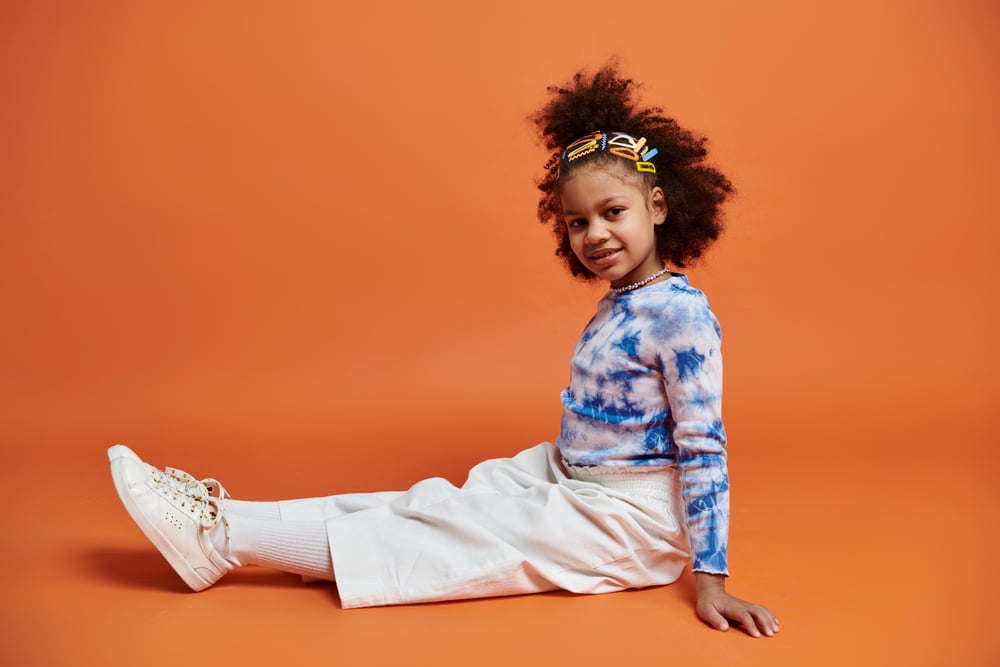
The psychedelic swirls of tie-dye emerged from fabric shortages during the Great Depression. People would mask stains on old clothing by binding fabrics with string and dyeing them, creating unique patterns that concealed imperfections.
This resourceful solution to extend the life of worn garments later became associated with counterculture movements and continues to cycle in and out of mainstream fashion.
Chambray Shirts

The lightweight blue button-up that’s now a wardrobe staple was originally a mistake in the manufacturing process of denim. Weavers attempting to create traditional denim accidentally used a lighter weave, resulting in a more breathable fabric.
Workers quickly preferred this cooler alternative for hot weather, unintentionally creating a versatile shirt that transitions effortlessly between casual and semi-formal settings.
The Upturned Collar

The preppy style of wearing collars turned up originated from tennis players who needed sun protection for their necks. This functional adaptation was never intended as a fashion statement but was adopted by college students and eventually became a signature preppy look associated with 1980s fashion.
The practical sun shield transformed into a status symbol that periodically resurfaces in mainstream style.
Like Go2Tutors’s content? Follow us on MSN.
Seersucker

The puckered texture of seersucker fabric resulted from a manufacturing limitation rather than deliberate design. Weavers in India couldn’t produce perfectly smooth cotton in humid conditions, creating a naturally bumpy texture.
This ‘defect’ turned out to be beneficial, allowing air circulation between the fabric and skin. The colonial British adopted it for its cooling properties, accidentally launching a fabric that defines summer suiting.
Boat Shoes
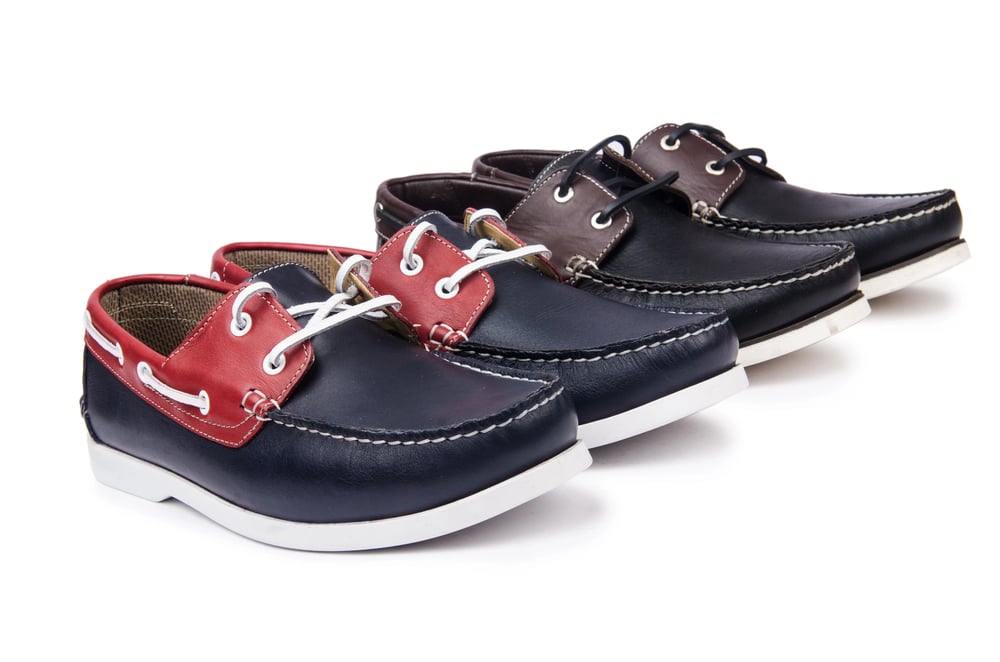
The non-slip deck shoe with distinctive siping (razor cuts) on the sole came from a boating accident. After slipping on a wet deck, sailor Paul Sperry was inspired by the natural traction of his dog’s paws.
He cut similar patterns into rubber soles, creating an exceptional grip on slippery surfaces. His practical solution to a dangerous problem evolved into a preppy fashion staple worn far beyond the marina.
White Wedding Dresses

Before Queen Victoria defied convention and wore white to her wedding in 1840, white wedding gowns were not customary. She didn’t know she would change wedding customs all around the world when she decided on white, just to draw attention to some unique lace.
Brides usually wore their nicest dresses in any color prior to this unintentional trend-setting event, frequently choosing more wearable, darker hues.
Like Go2Tutors’s content? Follow us on MSN.
Aviator Sunglasses
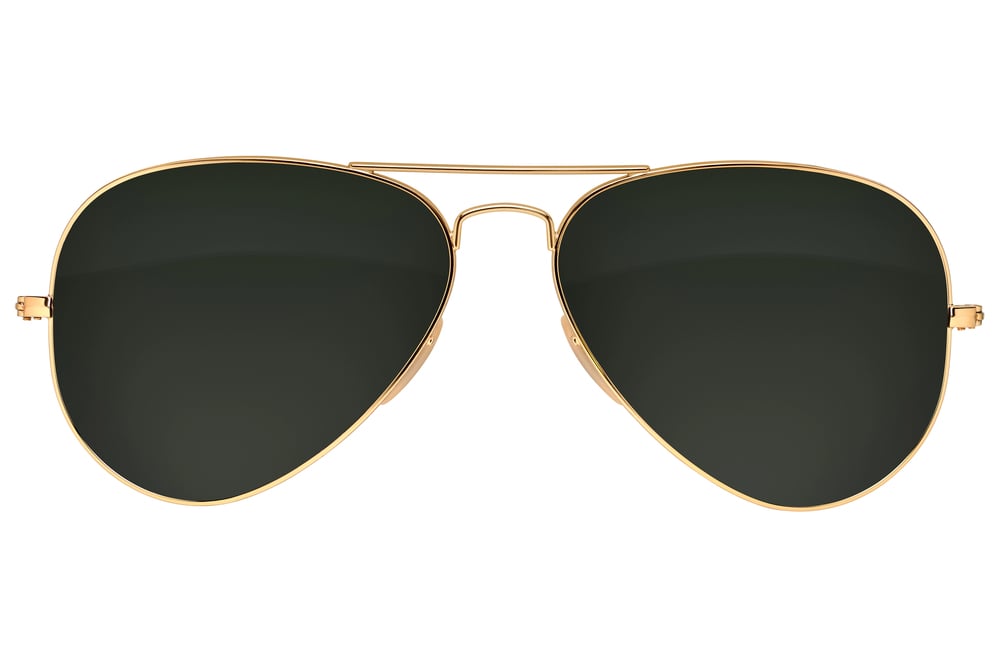
The distinctive teardrop shape of aviator sunglasses wasn’t a fashion choice but a practical design to provide maximum eye coverage for pilots. Originally created to protect military aviators from sunlight at high altitudes, they were never intended for civilian use.
When photographs of General Douglas MacArthur wearing them during World War II circulated in newspapers, they accidentally became a coveted style that continues to symbolize cool confidence.
The Evolution of Accidents

Fashion history reveals that some of our most beloved styles emerged not from calculated design but from fortunate mistakes and practical adaptations. These accidental origins remind us that innovation often happens when we embrace unexpected outcomes rather than following rigid plans.
The next time you put on distressed jeans or slip into boat shoes, remember you’re wearing the product of someone’s quick thinking or fortunate mistake.
More from Go2Tutors!

- 18 Unexpectedly Valuable Collectibles You Might Have Lying Around
- 15 Things Every Teenager in the ’70s Did That Teens Today Wouldn’t Understand
- 15 Strange Things People Have Tried to Ban (And Failed)
- 15 Inventions That Were Immediately Banned After Being Created
- 20 Actors Who Were Almost Cast in Iconic Roles
Like Go2Tutors’s content? Follow us on MSN.