Why the Color of a Country’s Passport Reveals More Than You’d Think
There’s a small rectangle of cardboard and laminate that decides an enormous amount about your life — where you can go, how fast you can get there, and how the world treats you when you arrive. Most people don’t think much about their passport beyond its expiration date.
But the color of that cover, the imagery stamped inside it, the very weight of it in your hands — all of it is communicating something. Governments don’t choose these things at random.
The color of a passport is a quiet form of national storytelling, and once you start reading it, it’s hard to stop.
The Four Basic Color Groups
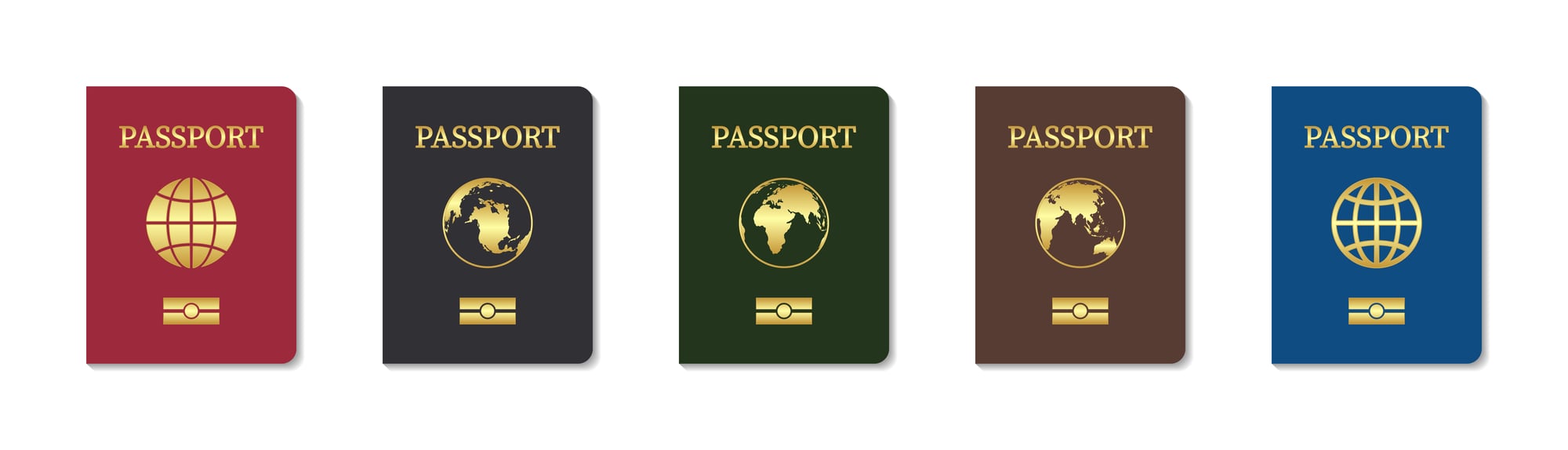
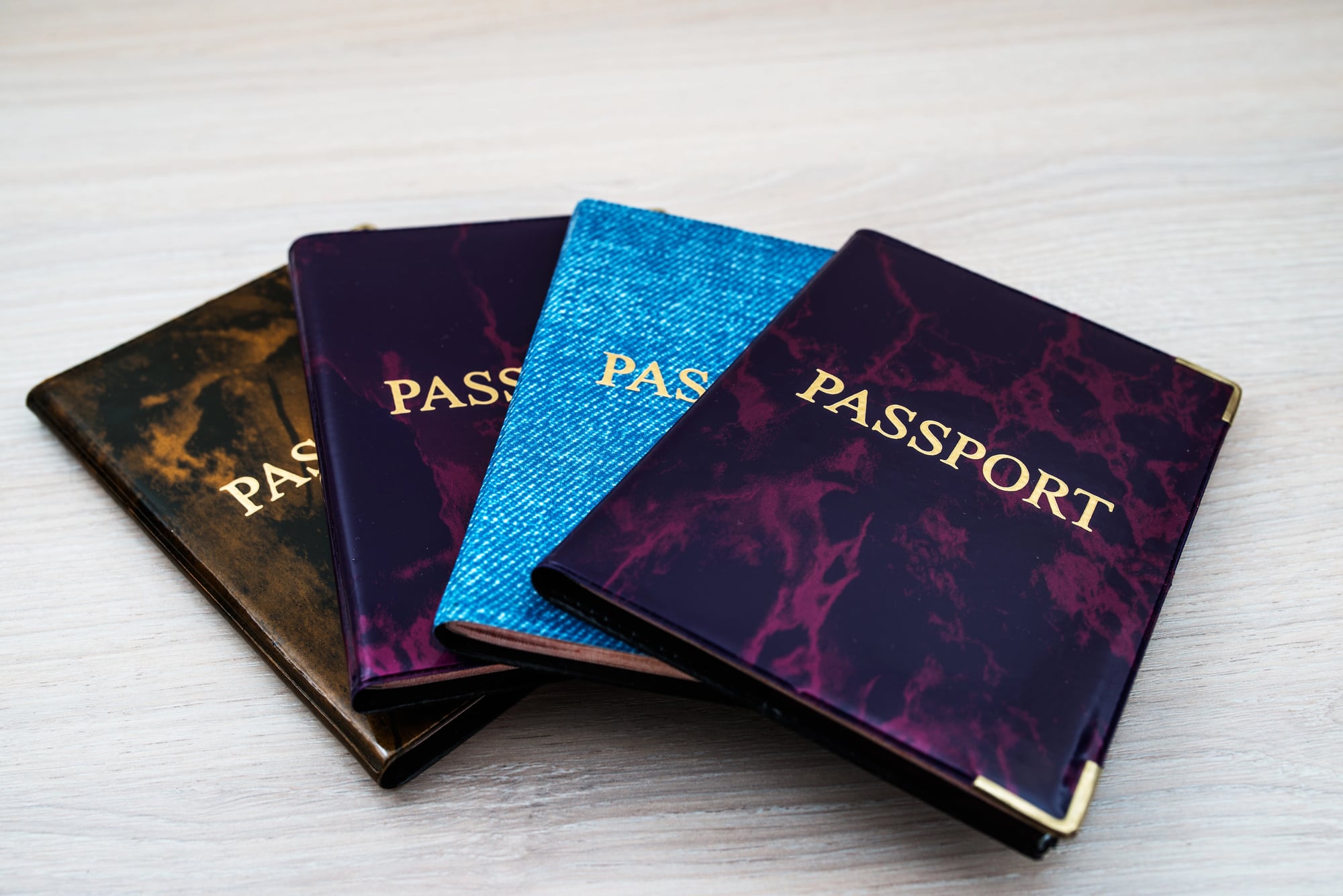
Passport covers exist in four broad color families: red, blue, green, and black. That’s it.
Every passport in the world falls somewhere within those families, with variations in shade and finish that can carry their own meaning. The groupings aren’t random — they reflect geography, political alignment, religion, and economic bloc membership in ways that are surprisingly consistent across countries.
Red Passports and Political Identity
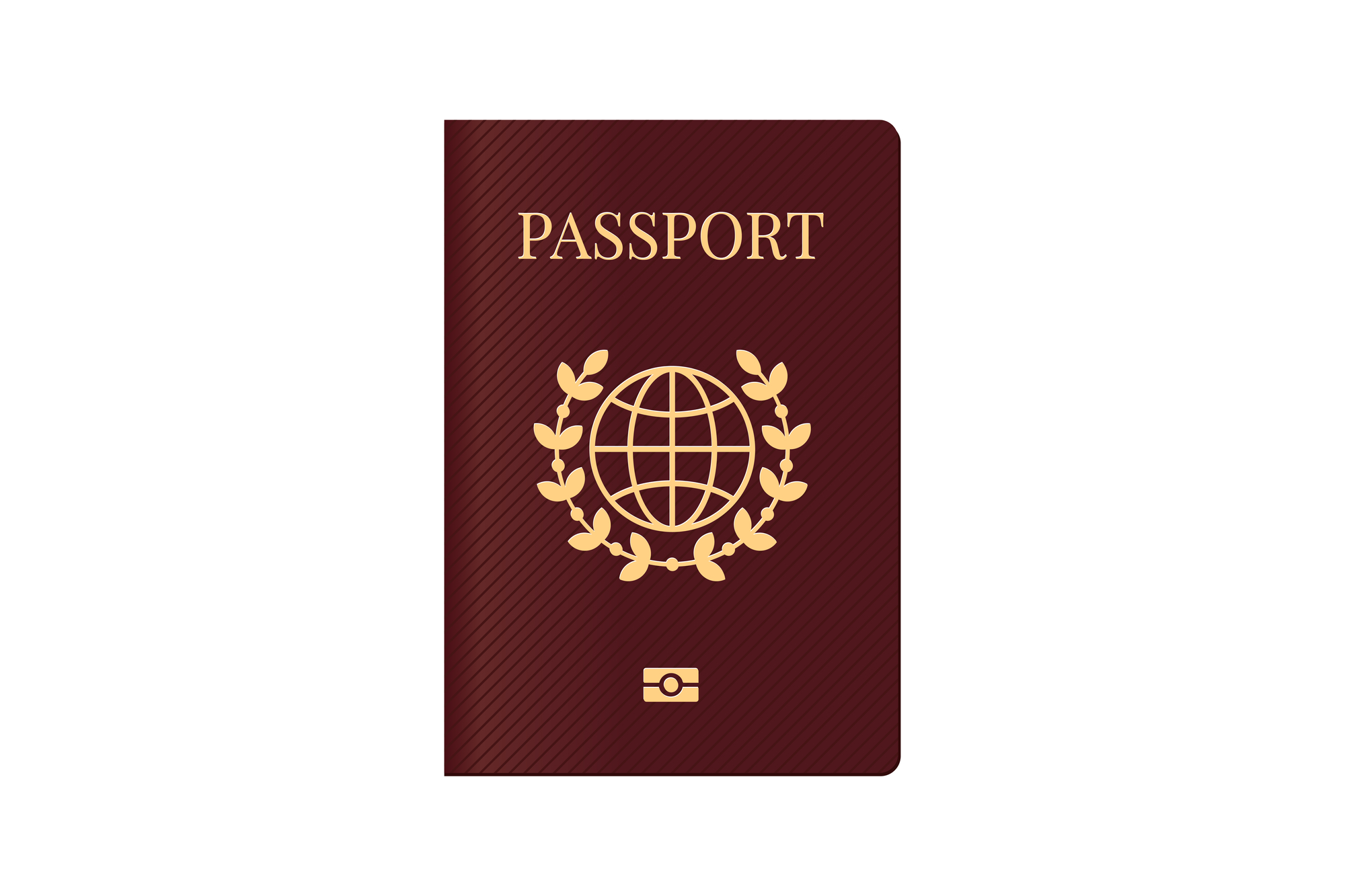
Red passports are a signal, and they’ve been one for a long time. Countries with communist or formerly communist histories — China, Serbia, Latvia, Slovenia — lean toward burgundy and crimson covers, a color association so consistent it borders on intentional.
European Union member states gravitate toward a specific shade of burgundy red that functions almost as a uniform, which is exactly the point: it signals membership in a larger bloc before anyone even opens the document.
Blue Passports and the New World
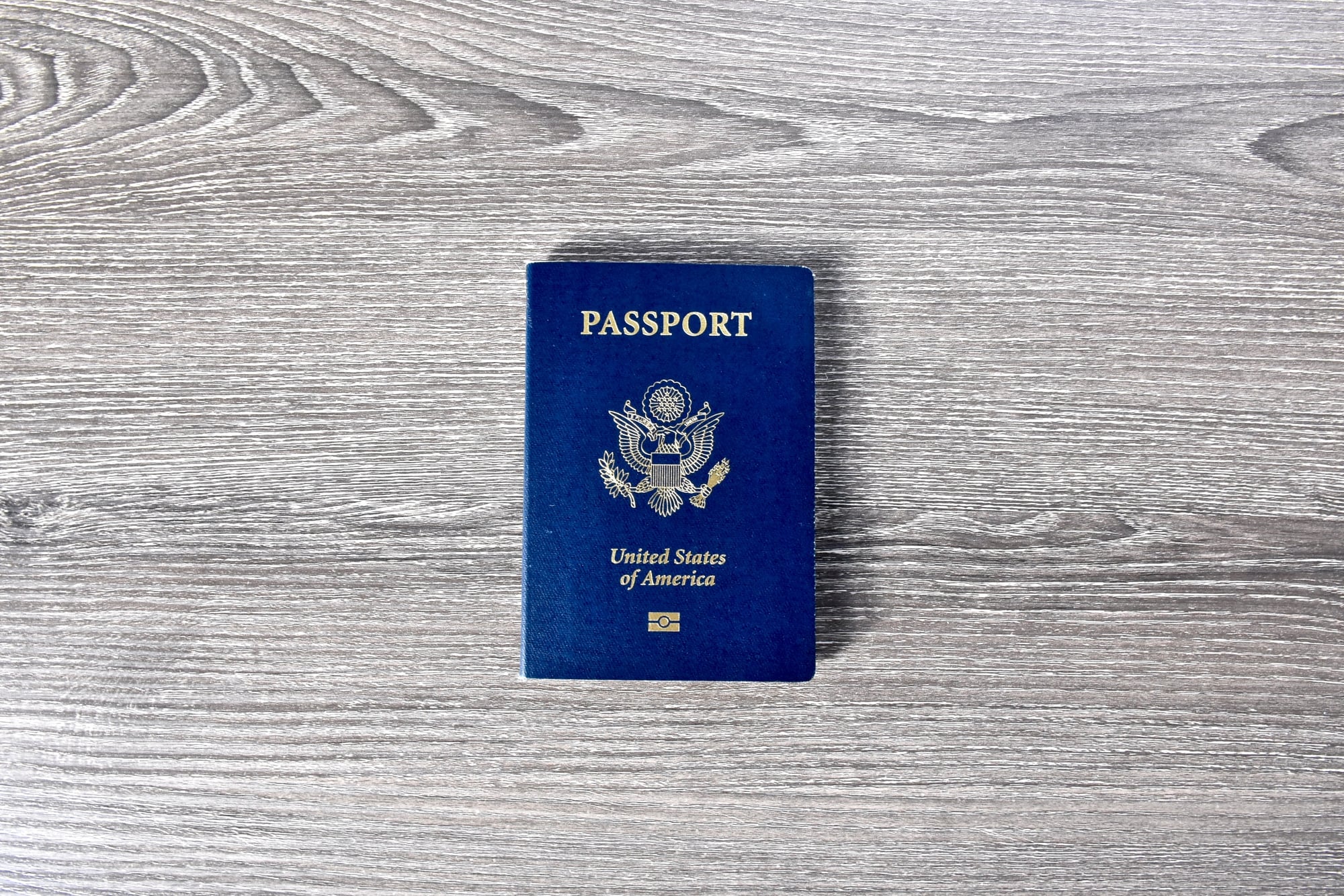
Blue is the dominant color of the Americas — North, Central, and South — and the pattern is striking enough that it almost feels like a hemisphere-wide agreement. The United States, Canada, Brazil, Argentina, and most of the Caribbean nations all carry blue passports, shades ranging from navy to sky depending on the country.
It’s not a formal rule; it’s more like a cultural drift toward a color that came to represent something about identity in the Western Hemisphere — newness, perhaps, or distance from the monarchies and old-world institutions that favored darker, more solemn colors.
Green Passports and Islamic Nations
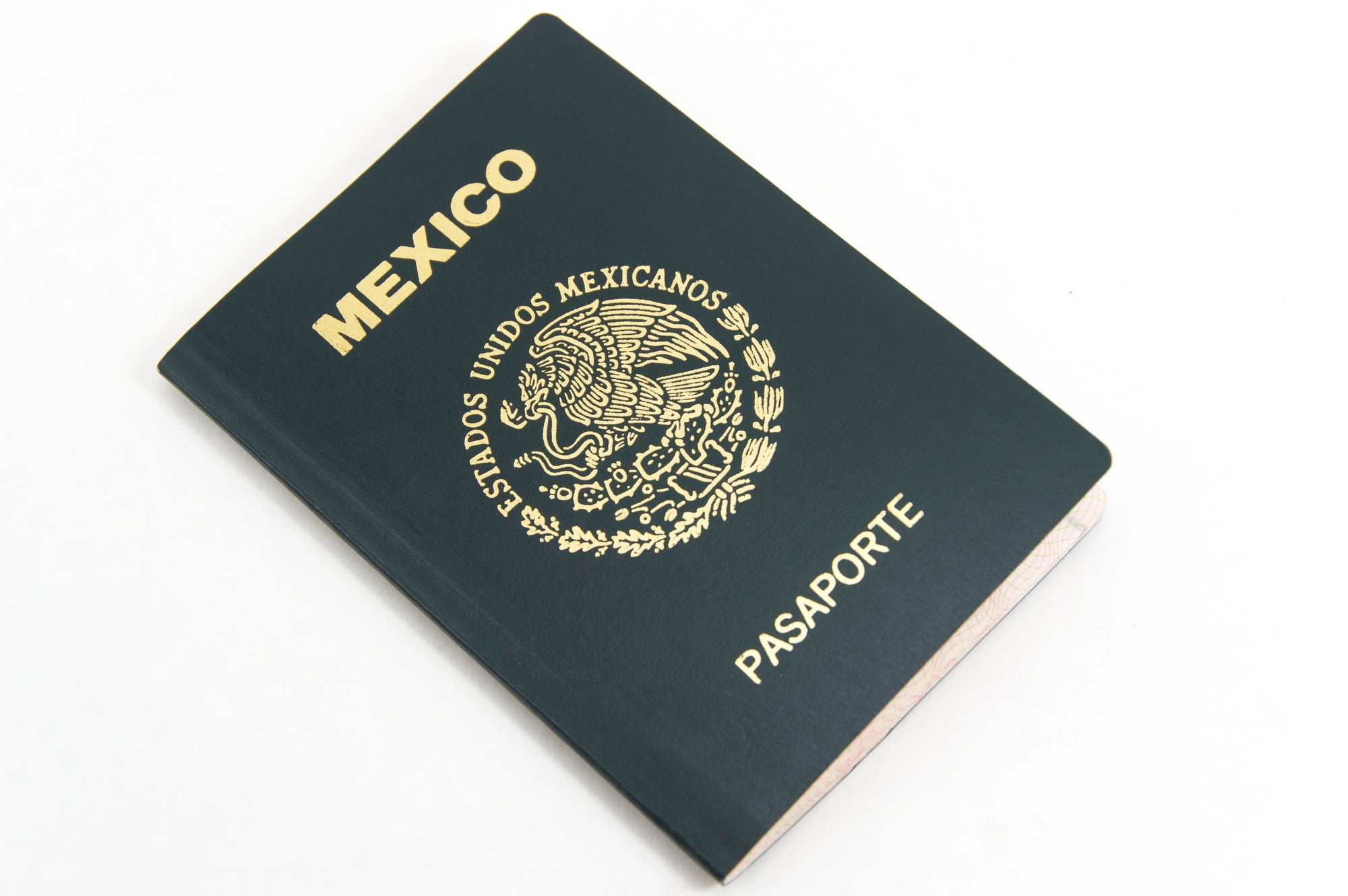
Green is the color of Islam, and the geography of green passports makes that relationship impossible to ignore. Morocco, Saudi Arabia, Pakistan, and most member states of the Economic Community of West African States (ECOWAS) carry green documents.
The shade of green matters: Pakistan’s passport is a deep, almost forest green, while Saudi Arabia’s leans richer and darker. For many of these countries, the choice is less about geopolitics and more about devotion — green’s place in Islamic tradition stretches back to the Prophet Muhammad, who is said to have favored the color.
Black Passports and What They Signal
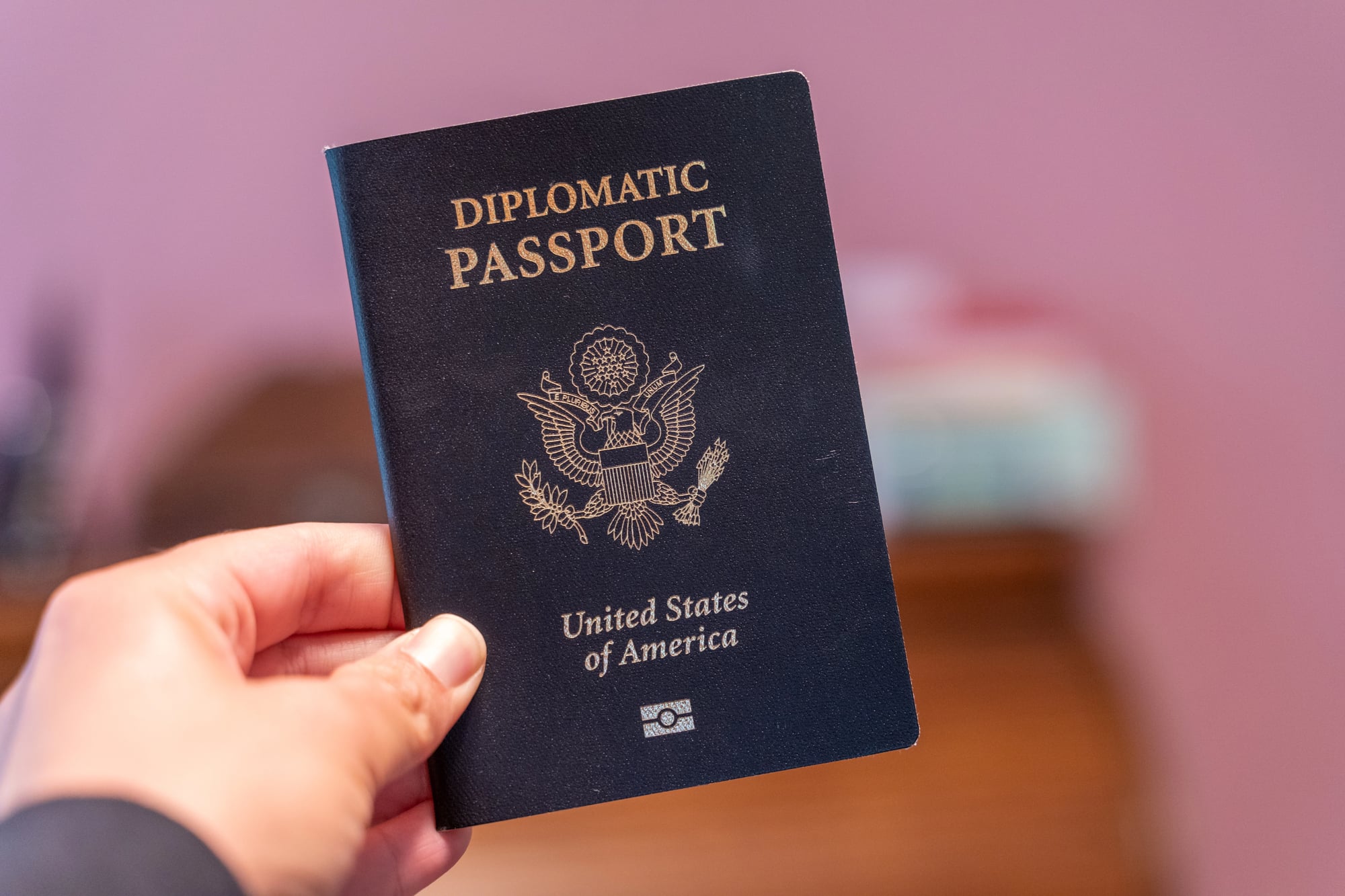
Black is the rarest passport color, and it carries a certain weight — literally and figuratively. New Zealand’s passport is black, reportedly to align with the national color scheme and the iconic All Blacks rugby team, which is either a mundane explanation or a quietly confident one depending on how you look at it.
Several African nations, including Botswana, Zambia, and the Democratic Republic of Congo, also issue black passports. The color communicates authority, formality, and in some cases a deliberate break from the red-blue-green convention everyone else is following.
The European Union’s Burgundy Agreement
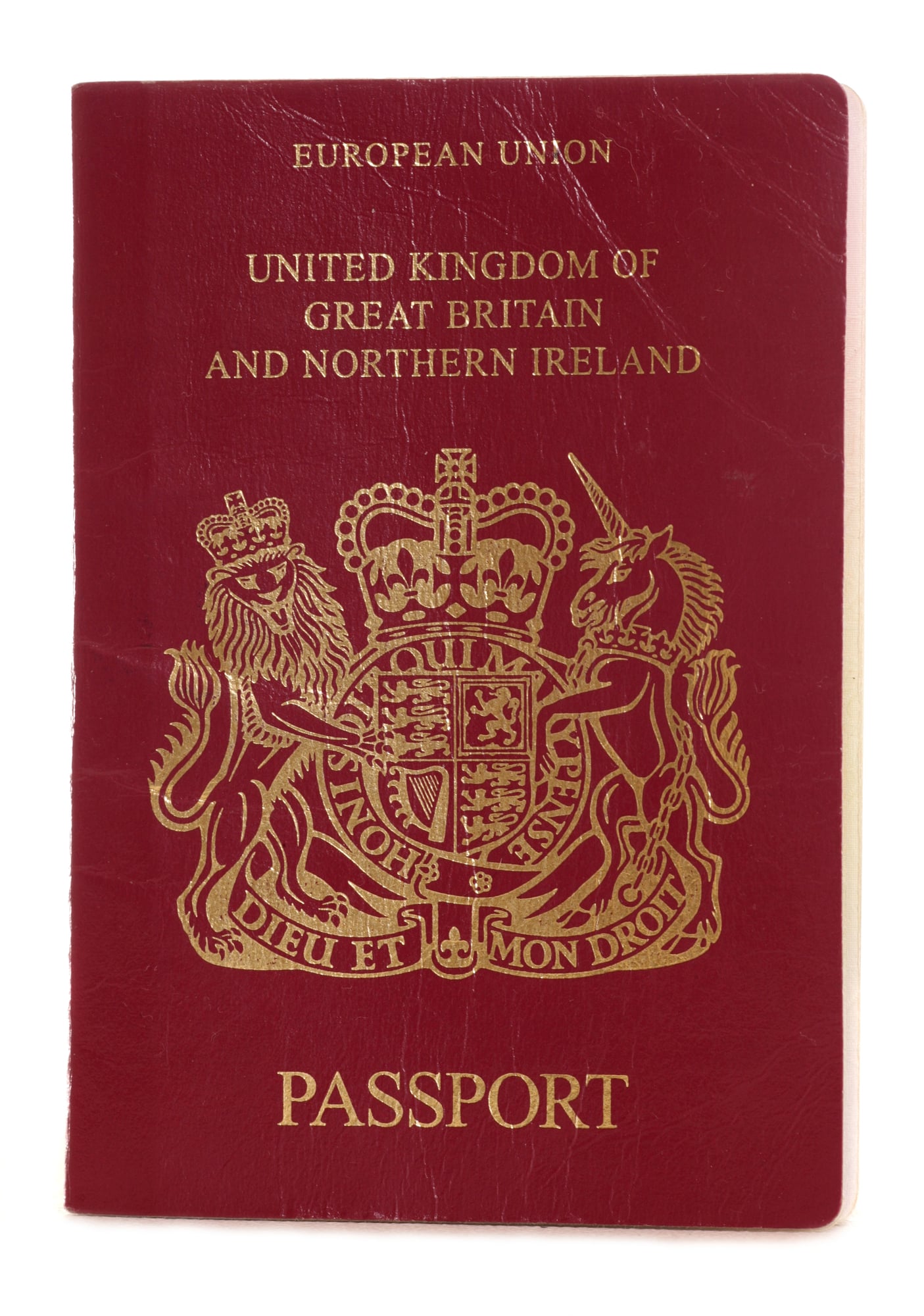
When the EU standardized its passport color in 1981, it didn’t technically require member states to change their covers — it suggested a “wine red” format, and nearly everyone complied. That shift from individual national colors to a shared burgundy was itself a political act: it made the collective identity visible at the border before a single stamp was examined.
Brexit meant the United Kingdom abandoned that burgundy and returned to a blue-black cover in 2020, a change that was celebrated by some and mourned by others — which tells you everything about how much a passport color can mean.
How Shade Variations Tell Their Own Stories
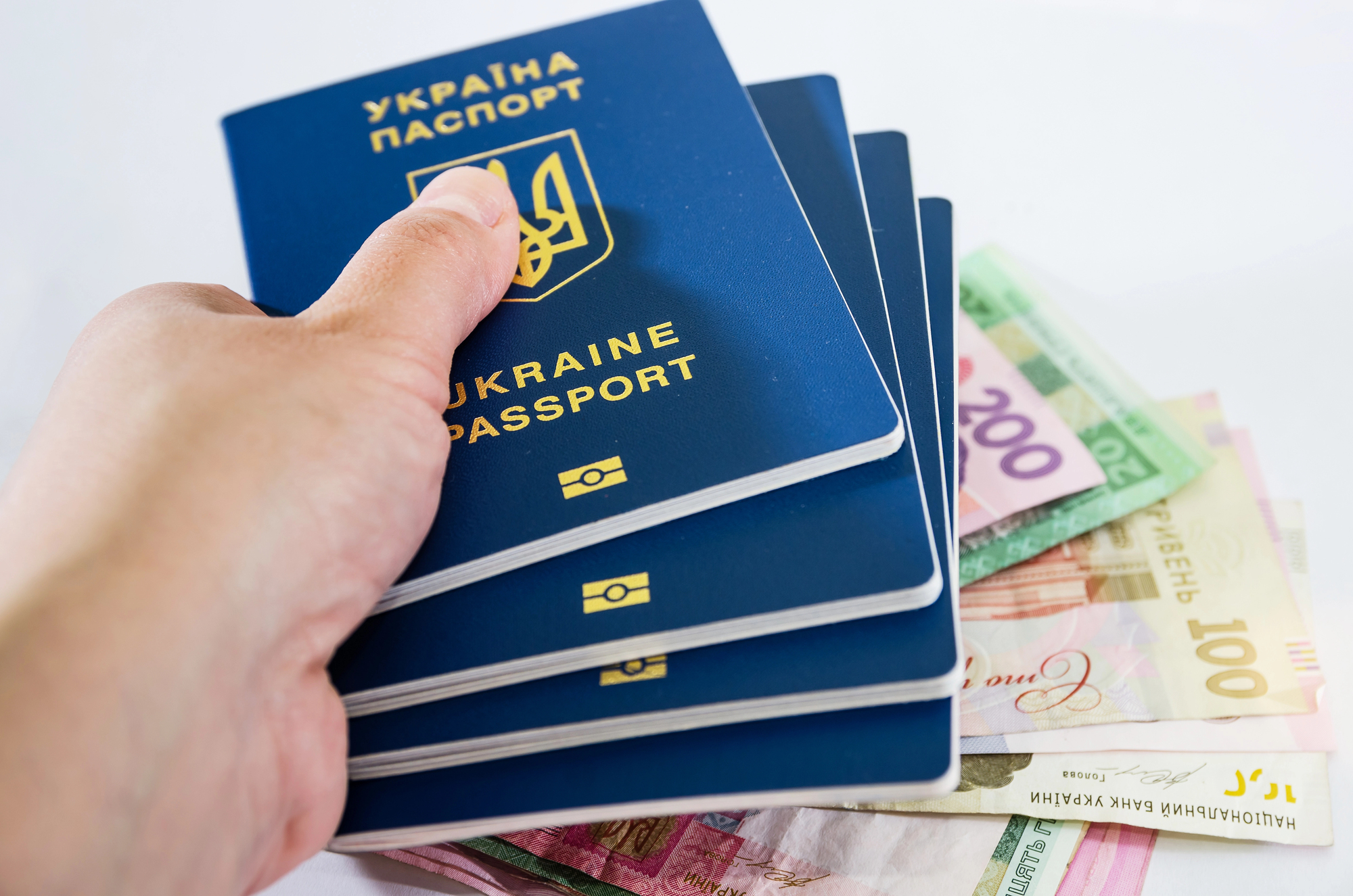
Within each color family, the exact shade a country chooses carries meaning that the broad category misses. Switzerland’s passport is a vivid, unapologetic red — bright, almost aggressive in its clarity, much like the country’s national flag.
Compare that to Croatia’s muted burgundy or Serbia’s deeper crimson, and you’re looking at three very different national temperaments expressed through a single color choice. The pigment is a kind of shorthand for how a country sees itself, or at least how it wants to be seen at the border.
The Role of National Symbols on the Cover
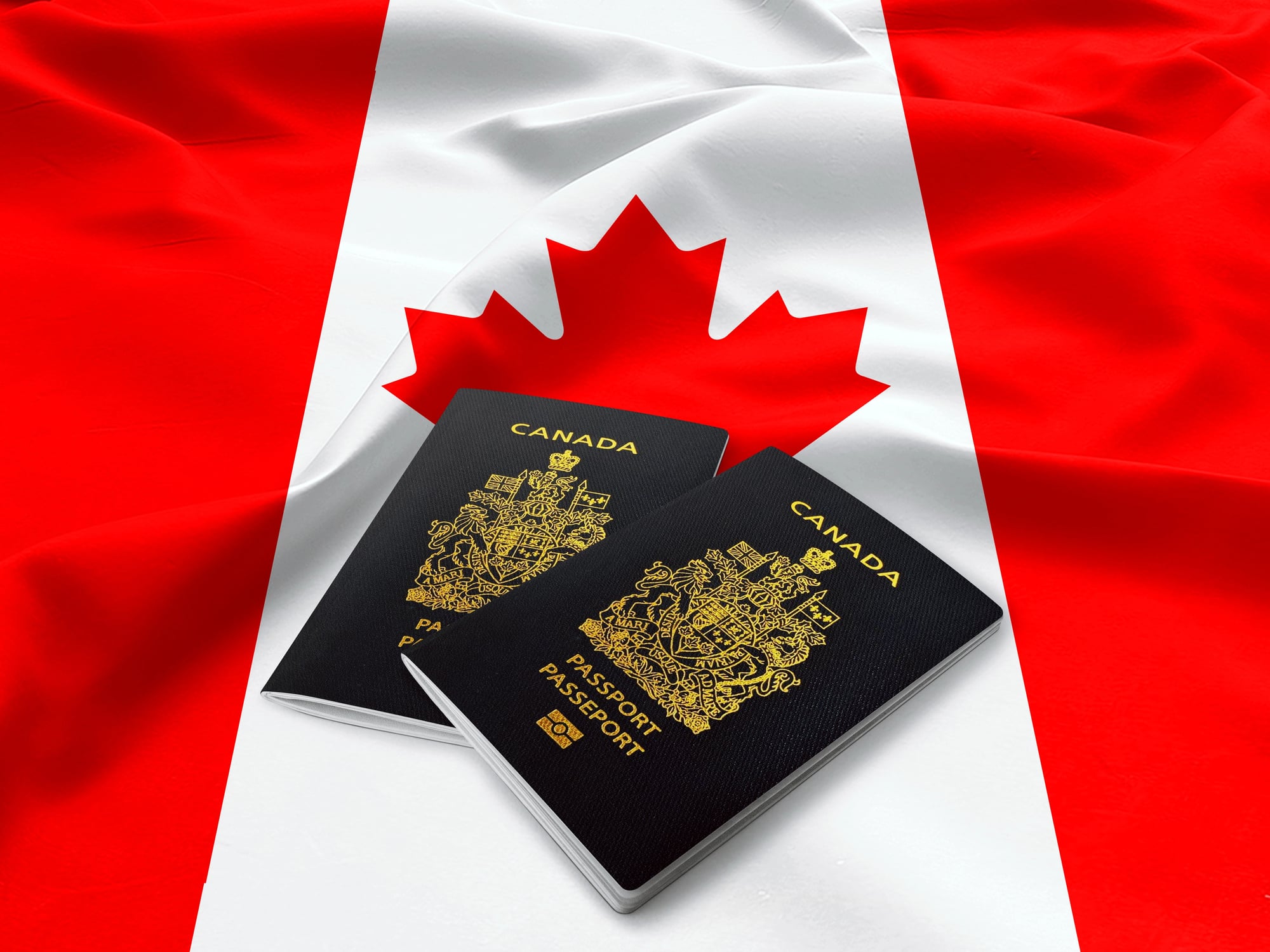
The color is the first layer, but the imagery on a passport cover is where identity gets specific. The American eagle, the Canadian maple leaf, the Moroccan star and crescent — these aren’t decorative choices, they’re declarations.
Some countries favor minimalism: Sweden’s passport is a clean, dark blue cover with a modest golden crown. Others are more insistent about their symbols, piling national seals, mottos, and ornamental borders onto the front as if the document itself might be mistaken for someone else’s.
How Passport Imagery Reflects Colonial History
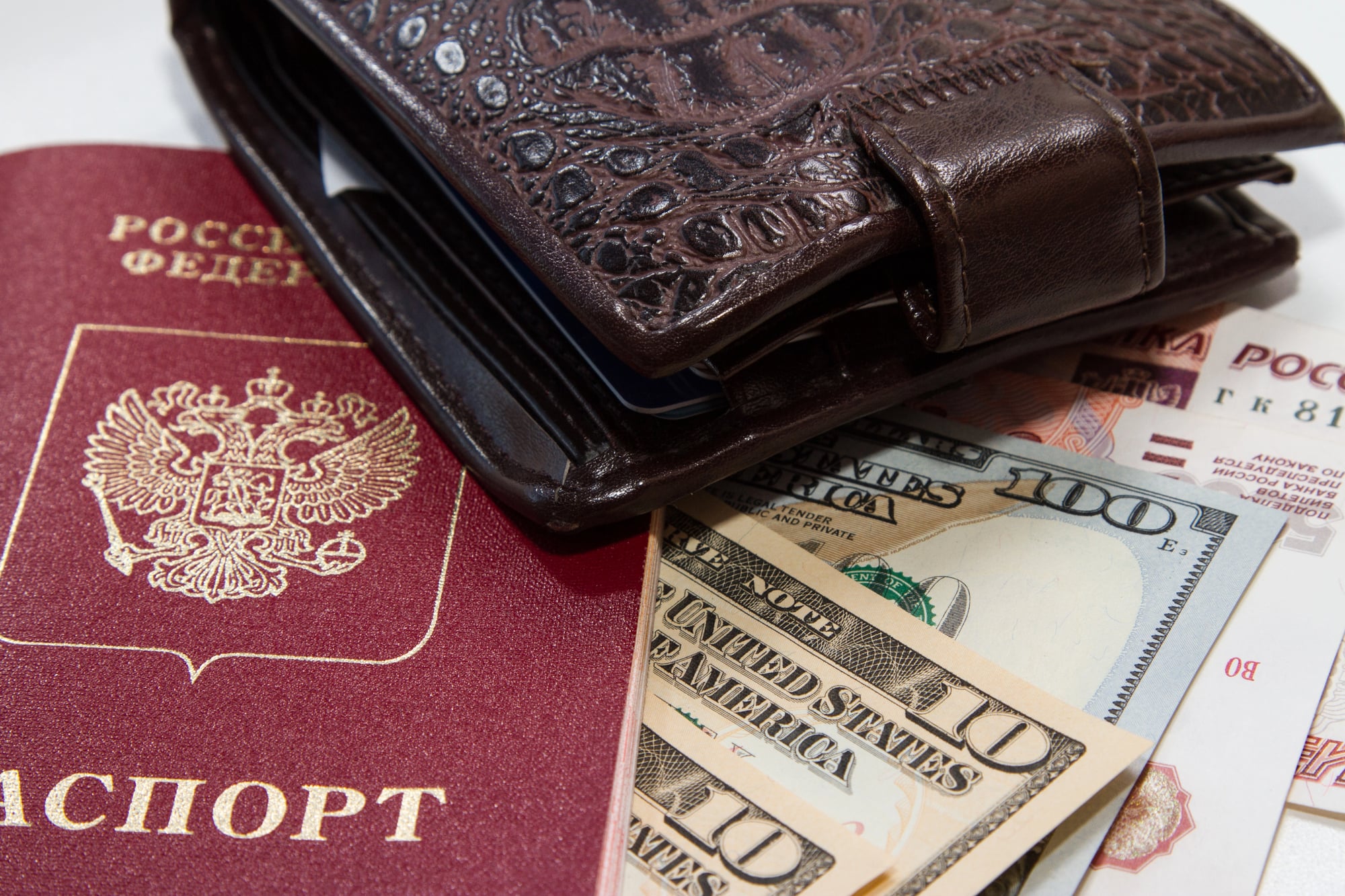
For many countries, the symbols on a passport cover are a direct renegotiation with colonial history — a chance to plant a flag that is unmistakably their own. Countries across Africa and the Caribbean that gained independence in the mid-twentieth century designed passports that deliberately reached back past the colonial period to pre-colonial iconography, languages, and color symbolism.
The Ghanaian passport, for instance, uses pan-African colors: red, gold, and green, grounding its national document in a broader story of African solidarity that predates any European presence on the continent.
The Internal Pages as Political Statement
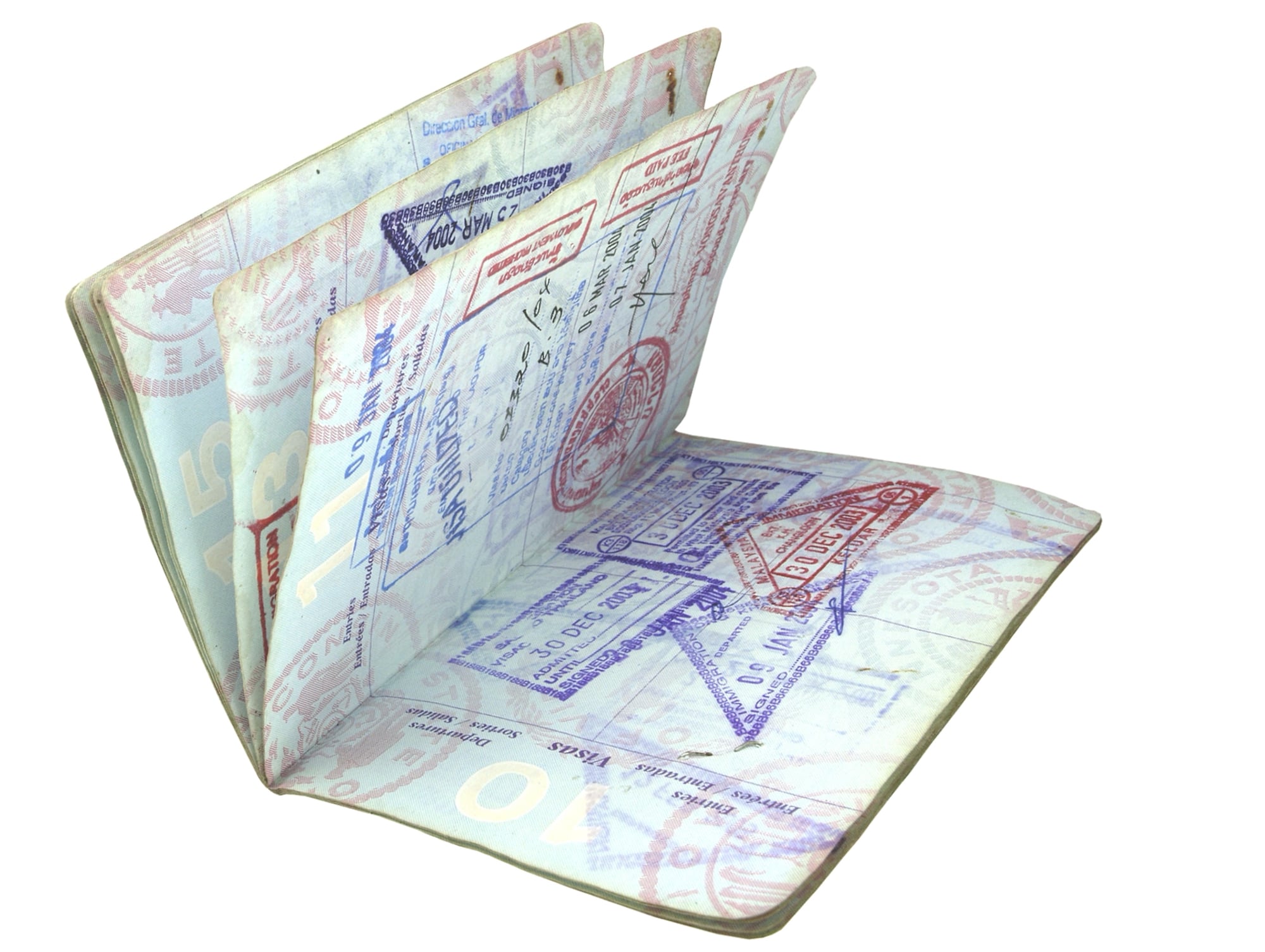
Open a passport and the political messaging continues. The pages of the U.S. passport are filled with illustrations of national parks, the Declaration of Independence, and quotes from American historical figures — a miniature museum of national mythology that every customs officer around the world handles.
Some countries use their internal pages to assert territorial claims, depict contested borders, or simply showcase landscapes that amount to a tourism brochure printed directly into a legal document. India’s passport pages include images of Hampi, Konark, and other UNESCO heritage sites — a quiet reminder that the country holds millennia of history behind whatever impression its borders might create.
Passport Power and What Color Has Nothing to Do With
Here’s where the romance of color runs into a hard wall: the color of a passport tells you almost nothing about how useful it is. Passport power — the number of countries a holder can enter without a prior visa — is determined entirely by diplomatic relationships, economic agreements, and geopolitical standing.
A Japanese blue passport gets its holder into roughly 193 destinations visa-free. A Pakistani green passport, green for all the same meaningful reasons, opens far fewer doors.
The color is symbolism; the visa-free index is consequence.
Why Countries Change Their Passport Colors

Passport color changes tend to happen at political inflection points — independence, regime change, joining or leaving an international bloc. When Kosovo declared independence in 2008, one of its first acts as a new state was issuing its own passport, a document that was as much a political argument as a travel document.
When Croatia joined the EU in 2013, its passport shifted toward the standard EU burgundy. These aren’t bureaucratic updates; they’re moments where a country decides — or is forced to decide — what story it wants its border document to tell.
The Psychology of Holding a Powerful Passport
There’s a specific kind of ease that comes with holding a passport that most border officers wave through without a second look — a low-level confidence that’s so normalized for some travelers that they’ve never consciously registered it. For travelers from countries with limited visa-free access, crossing borders involves preparation, documentation, proof of financial means, and often a kind of ambient anxiety that their counterparts with European or American passports simply don’t carry.
The color codes a particular kind of freedom, and that freedom is distributed with spectacular unevenness.
The Biometric Revolution and What It Changed
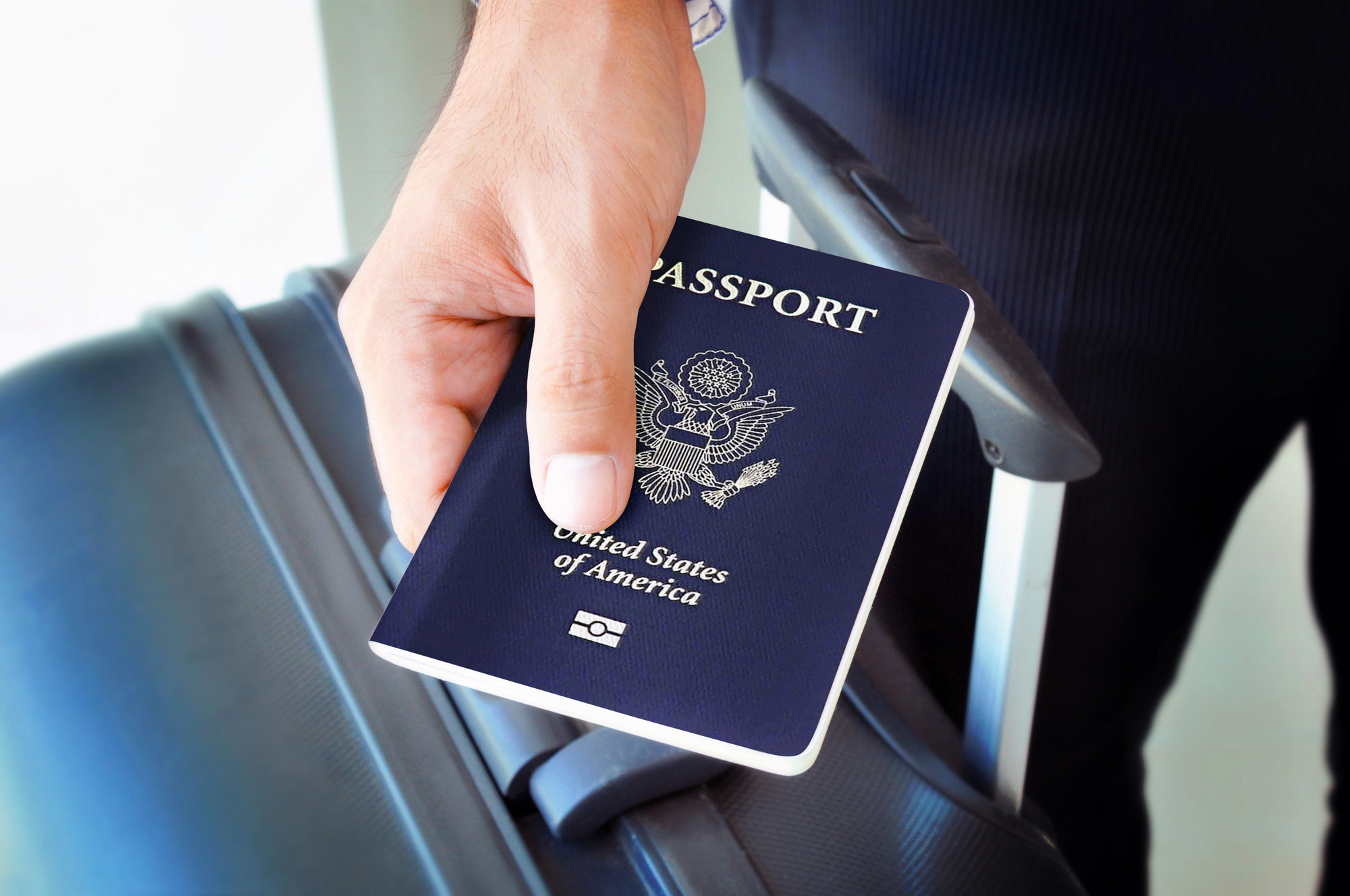
Modern passports now contain microchips storing biometric data — fingerprints, facial recognition profiles, digital signatures — which means the color of the cover is arguably less functional than it’s ever been. A machine at an e-gate cares nothing about burgundy versus blue.
And yet countries have not abandoned the visual grammar of passport color. If anything, the shift to biometric documents has made the design of the cover more deliberate, because the cover is now the only part of the passport that pure human judgment — rather than a scanner — evaluates first.
How Dual Citizens Navigate Two Colors
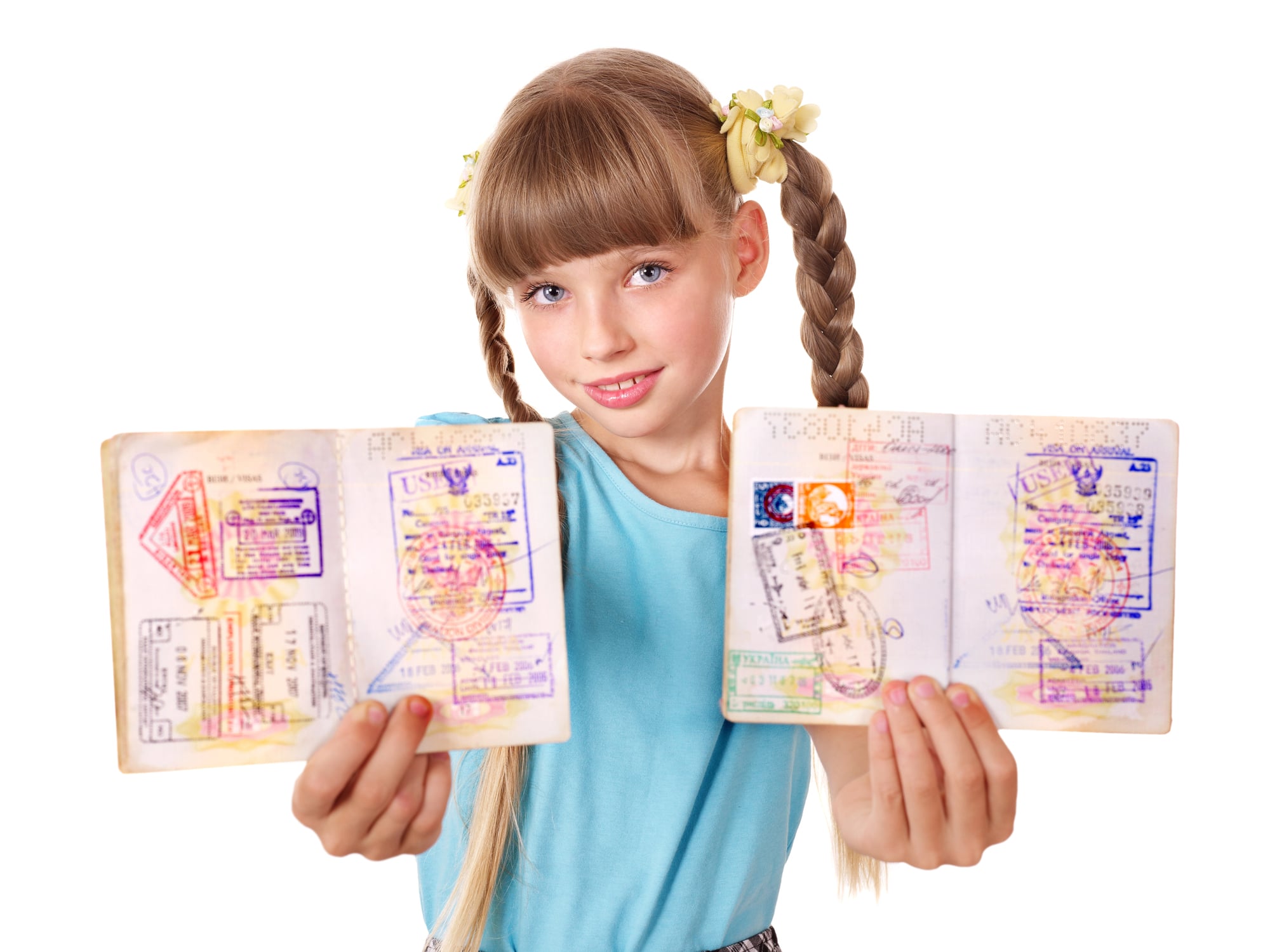
Dual citizens often hold passports of wildly different colors, a detail that is practically speaking unremarkable but philosophically a little dizzying. An American-Moroccan dual citizen carries blue and green simultaneously — two different national stories, two different relationships with the same borders, two different sets of rights depending on which document comes out first.
Most experienced dual citizens know exactly which passport to present at which border, a calculation that has less to do with color and more to do with the diplomatic temperature between countries on any given day.
The Market for Bought Passports
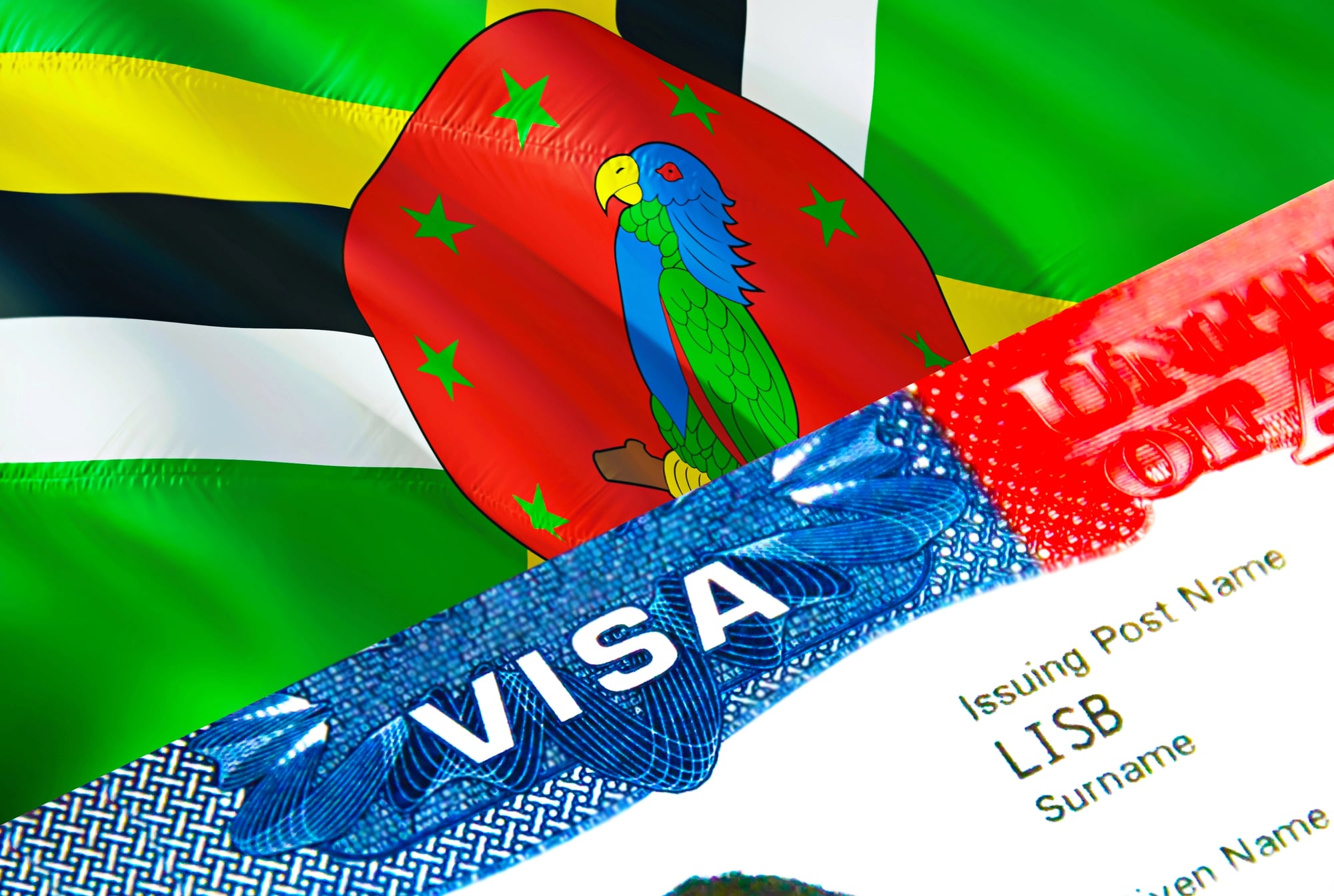
Investment migration programs — where countries sell citizenship or residency to wealthy foreign nationals — have turned passport color into something closer to a luxury product. Caribbean nations like St. Kitts and Nevis, Dominica, and Grenada offer citizenship by investment programs that come with passports granting significant visa-free access, particularly into the EU and UK.
A Grenadian passport is green, which is in itself unremarkable — what’s remarkable is that it can be obtained for a qualifying investment starting around $150,000, a price tag that makes explicit what is usually politely unspoken: some passport colors are simply worth more than others.
What Climate Change Is Starting to Do to Passport Identity
This is a newer and stranger story: several small island nations whose entire territory faces existential threat from rising seas are beginning to grapple with what it means for a country — and its passport — to outlive the land it represents. Tuvalu, a Pacific island nation of roughly 11,000 people, has been in active negotiations with Australia about legal arrangements for its citizens in the event the islands become uninhabitable.
A Tuvaluan passport is blue. What happens to a passport when the country it belongs to is, very slowly, being swallowed?
That question has no clean answer yet.
The Borders That Passports Can’t Cross
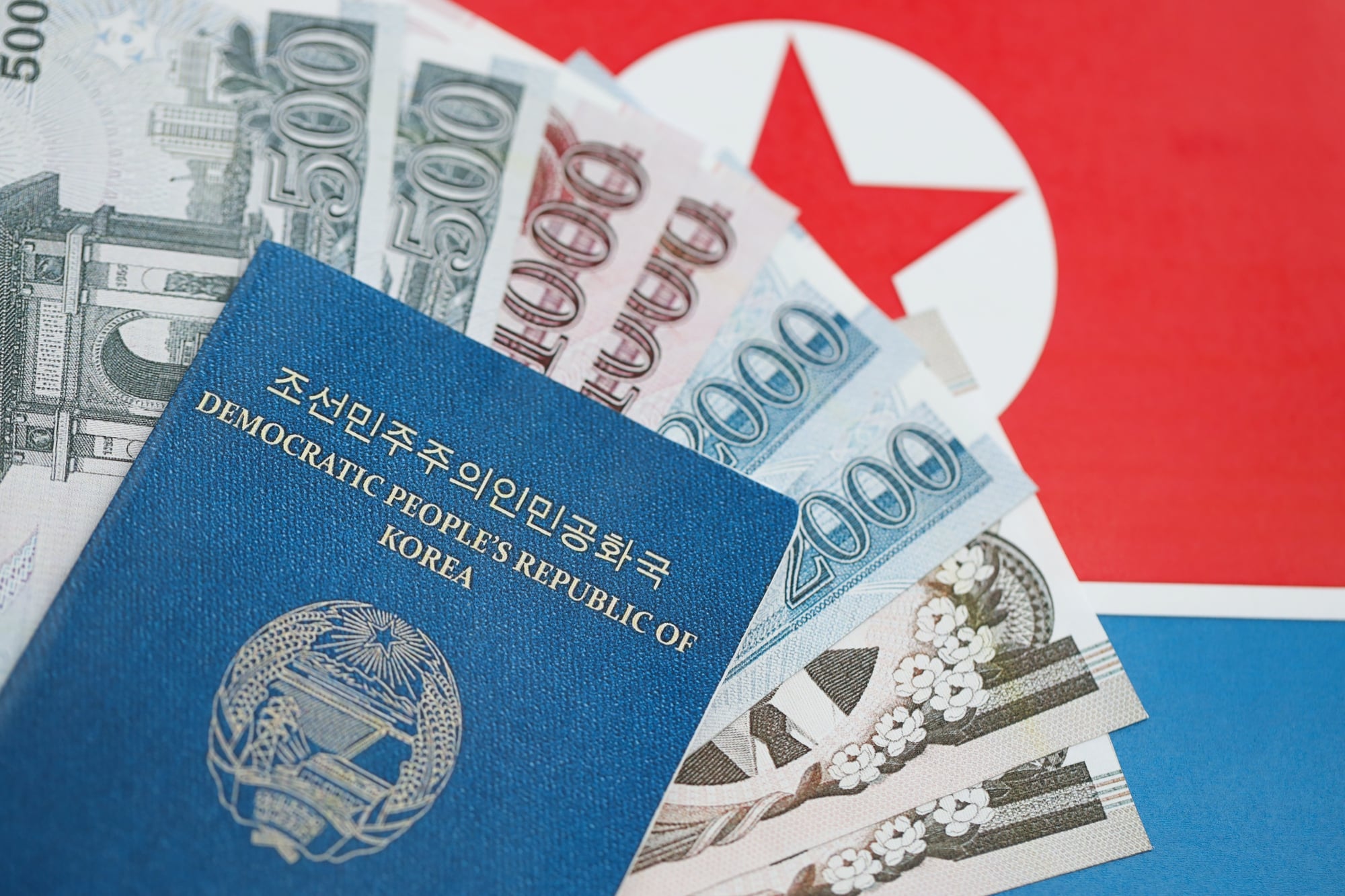
Passports have limits that color and diplomatic strength alike cannot override. North Korea issues passports, but almost no country recognizes them as a practical travel document for most destinations, and the North Korean government restricts who receives one.
Stateless people — Palestinians in certain circumstances, Rohingya refugees, many who fled the former Soviet Union — may carry travel documents that look like passports but are legally something else entirely. The color-coded system of passport identity assumes that every person belongs somewhere.
For tens of millions of people, that assumption is wrong.
Where the Meaning Lives

The color of a passport is not just bureaucratic convention — it’s a small, physical piece of how a nation understands itself and announces that understanding to strangers. Empires chose colors.
Independence movements chose different ones. Trade blocs pushed toward conformity.
Countries in transition picked shades that said something about where they thought they were headed. None of this is accidental, and none of it is trivial.
That small rectangle in your pocket or your drawer is carrying more of the world’s political history than it has any right to, for something that fits inside a jacket pocket.
More from Go2Tutors!

- The Romanov Crown Jewels and Their Tragic Fate
- 13 Historical Mysteries That Science Still Can’t Solve
- Famous Hoaxes That Fooled the World for Years
- 15 Child Stars with Tragic Adult Lives
- 16 Famous Jewelry Pieces in History
Like Go2Tutors’s content? Follow us on MSN.