12 On-Set Accidents That Changed Hollywood Safety Rules
Hollywood’s glittering facade masks a dangerous reality. Spectacular action sequences and death-defying stunts carry genuine risks. The film industry learned harsh lessons about safety through tragic accidents that claimed lives and forever changed moviemaking.
These incidents sparked industry-wide reforms that protect thousands of workers today. Here is a list of 12 on-set accidents that fundamentally transformed Hollywood’s approach to safety.
Brandon Lee’s Fatal Shooting
— Illustration by Logan81
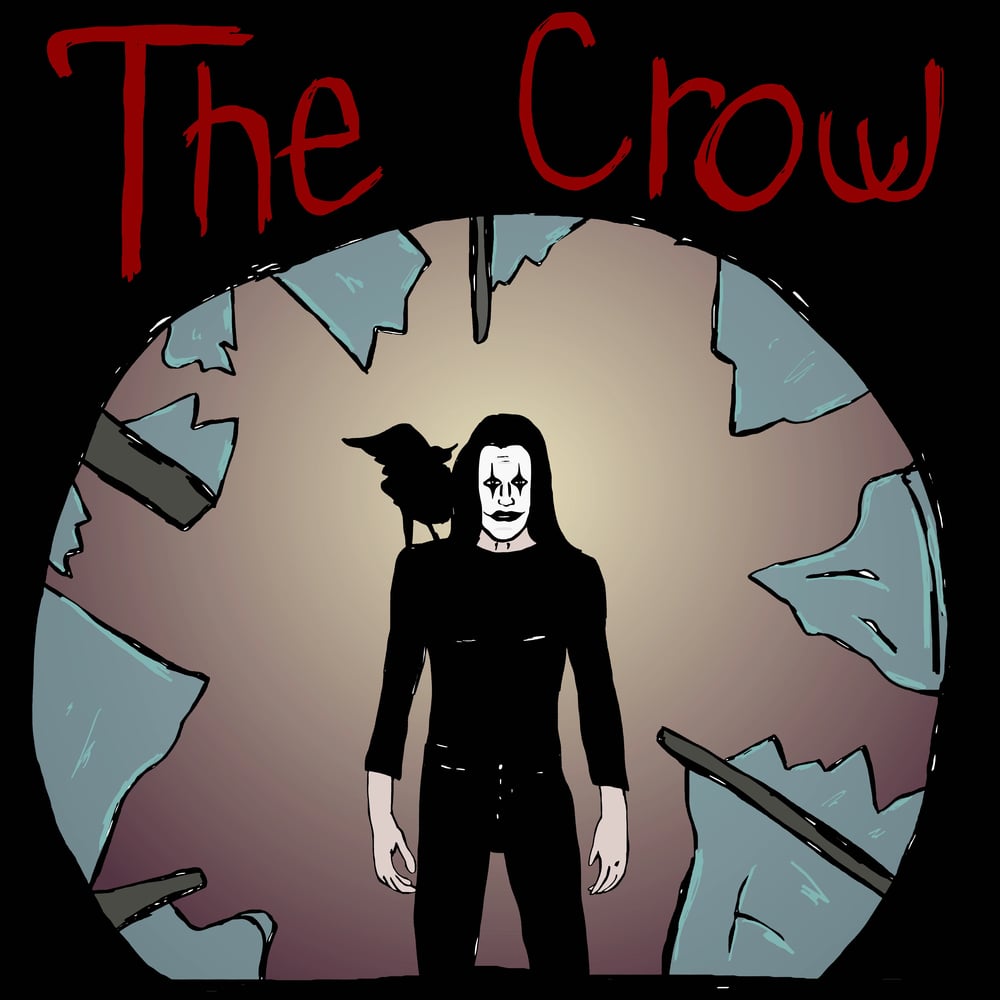
The son of martial arts legend Bruce Lee died while filming ‘The Crow’ in 1993. A prop gun contained a real bullet fragment from a previous scene rather than the expected blank round. Lee was struck in the abdomen and died at 28 years old. This tragedy led to much stricter protocols for prop weapons — mandatory inspections between takes became standard, and certified armorers are now required on every set involving firearms.
Twilight Zone Helicopter Crash

One of Hollywood’s most devastating accidents occurred during ‘Twilight Zone: The Movie’ filming in 1982. A helicopter crashed during a nighttime scene, killing actor Vic Morrow and two child actors — Myca Dinh Le and Renee Shin-Yi Chen. The incident resulted in comprehensive child labor laws and helicopter safety regulations that fundamentally changed how productions work with minors and aircraft.
The Expendables 2 Stuntman Death

Bulgarian stuntman Kun Liu died during an explosion scene for ‘The Expendables 2’ in 2011 when debris struck him fatally. A second stuntman suffered serious injuries in the same incident. This accident reinforced the critical importance of blast radius calculations — leading to more stringent requirements for protective barriers during explosive sequences.
Sarah Jones Railway Tragedy

Camera assistant Sarah Jones was killed by a freight train while filming ‘Midnight Rider’ in 2014. The crew was shooting on active railway tracks without proper permits or safety clearances. Her death sparked major reforms in location scouting procedures — making safety coordinators mandatory during all location shoots near transportation infrastructure.
Harry Potter Stunt Double Paralysis

— Photo by SamAronov
David Holmes, Daniel Radcliffe’s stunt double, was paralyzed during ‘Harry Potter and the Deathly Hallows’ filming in 2009. A flying sequence went wrong when Holmes was thrown against a wall during an explosion scene. The accident led to enhanced safety protocols for wire work and aerial stunts — including mandatory safety harnesses with multiple redundant systems.
Top Gun Crash Landing
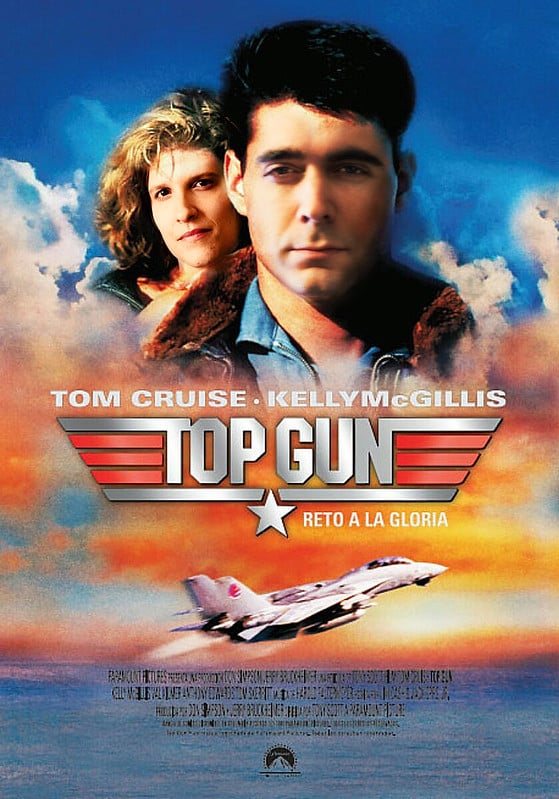
During the original ‘Top Gun’ filming in 1985, pilot Art Scholl died when his plane went into an unrecoverable spin during an aerial sequence. The plane crashed into the Pacific Ocean and was never recovered. This tragedy resulted in much stricter aviation safety standards for film productions — including mandatory emergency procedures and backup pilots for all aerial scenes.
Resident Evil Stunt Accident
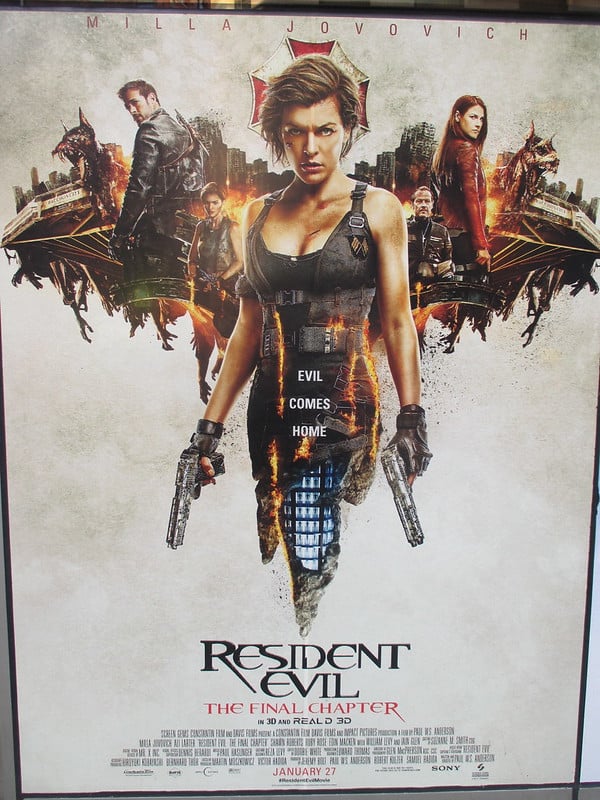
Stuntwoman Olivia Jackson suffered life-threatening injuries during ‘Resident Evil: The Final Chapter’ filming in 2015 when a motorcycle stunt went wrong. She collided with a camera crane — resulting in arm amputation and other serious injuries. The accident prompted new guidelines for motorcycle stunts and better communication protocols between stunt coordinators and camera operators.
XXX Parasailing Death

— Photo by tampatra@hotmail.com
A parasailing stunt for ‘XXX’ resulted in stuntman Harry O’Connor’s death in 2002. He was performing a parasailing sequence that involved sailing under a bridge in Prague when he struck a pillar. This accident led to more detailed pre-visualization requirements — and mandatory safety rehearsals for all aerial stunts.
The Dark Knight IMAX Camera Destruction

While not fatal, the destruction of an expensive IMAX camera during ‘The Dark Knight’ filming highlighted the need for better equipment protection protocols. The camera was mounted on a vehicle that crashed during a chase sequence. This incident led to new insurance requirements — and equipment safety standards that protect both crew members and expensive filming gear.
Transformers Explosion Injury

Extra Gabriela Cedillo was permanently brain-damaged during ‘Transformers: Dark of the Moon’ filming in 2010 when a cable snapped during a car stunt sequence. The cable struck her vehicle’s windshield, sending metal fragments into her brain. The accident resulted in stricter cable safety inspections and new protocols for protecting background actors during stunt sequences.
Jumper Electrical Accident
During ‘Jumper’ filming in 2007, several crew members were hospitalized after coming into contact with high-voltage electrical equipment during a special effects sequence. The accident highlighted significant gaps in electrical safety training. Consequently, mandatory certification requirements were established for all crew members working near electrical equipment.
Green Lantern Wire Work Accident
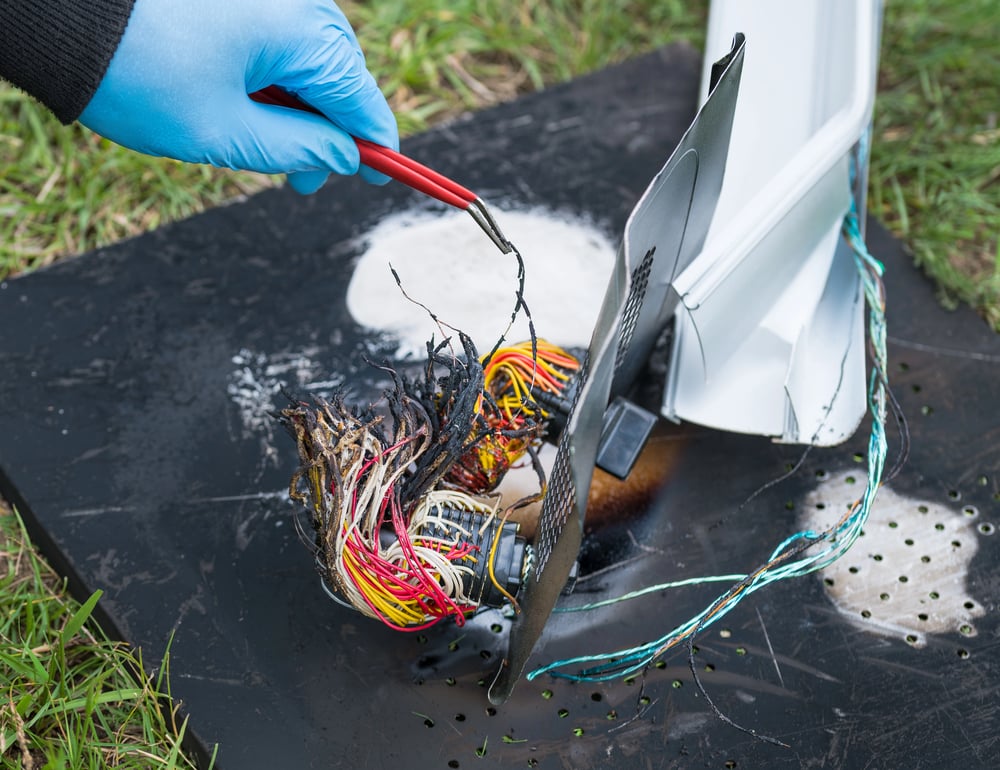
Ryan Reynolds suffered injuries during wire work sequences for ‘Green Lantern’ when safety cables malfunctioned. Though not fatal, the accident exposed significant weaknesses in the wire work safety protocols. New standards for cable inspection and backup safety systems in superhero films were subsequently implemented.
Safety Becomes Priority

These tragedies transformed an industry that once prioritized spectacle over safety into one that now treats worker protection as seriously as box office receipts. Modern film sets operate under scrutiny that would’ve been unimaginable decades ago. Safety coordinators now wield the power to shut down productions that cut corners. The cameras still roll on death-defying sequences, yet extensive planning and multiple safety nets ensure that what looks dangerous on screen doesn’t actually threaten the people bringing those stories to life.
More from Go2Tutors!

- 16 Historical Figures Who Were Nothing Like You Think
- 12 Things Sold in the 80s That Are Now Illegal
- 15 VHS Tapes That Could Be Worth Thousands
- 17 Historical “What Ifs” That Would Have Changed Everything
- 18 TV Shows That Vanished Without a Finale
Like Go2Tutors’s content? Follow us on MSN.



